Visit Prague: Introduction
Visit Prague: Imagine stepping into a storybook, where cobblestone streets lead you past castles that whisper tales of emperors, and every turn reveals a spire piercing the skyline.
That place is Prague, a jewel of Central Europe whose history, beauty, and vibrant culture beckon travelers from around the globe.
Often called the ‘City of a Hundred Spires’ or the ‘Golden City,’ the capital of the Czech Republic offers an enchanting blend of medieval grandeur and modern energy that is truly captivating.
From the iconic Charles Bridge, stretching gracefully over the Vltava River, to the ancient marvel of the Astronomical Clock, this destination is a visual feast waiting to be explored. But planning a journey to such a historically rich and popular locale requires more than just a ticket; it demands an insider’s guide.
This isn’t just another checklist of attractions. This is your comprehensive, essential travel resource, designed to transform your first trip into an effortless and deeply rewarding adventure.
Whether you are navigating the best transport routes, seeking out the perfect neighborhood for your stay, or diving into the hearty local cuisine, we’ve covered every detail.
We aim to equip you with the expert knowledge needed to bypass tourist traps and truly experience the magic of the city like a seasoned explorer. Get ready to discover the secrets of this magnificent European gem—it’s time to find out everything you need to know before you visit Prague.


Visit Prague: How has its rich, thousand-year history shaped the city we see today?
The unparalleled architectural beauty and profound atmosphere you feel when wandering the streets of the Czech capital are direct results of its thousand-year-old history.
Prague’s story truly begins around the 9th century with the founding of Prague Castle by the Přemyslid dynasty, which quickly established the area as a vital center of power in Bohemia.
However, the city’s true Golden Age arrived in the 14th century under the reign of Charles IV, who was not only the King of Bohemia but also the Holy Roman Emperor.
It was Charles IV who initiated the construction of key landmarks, including the Charles Bridge, St. Vitus Cathedral, and Charles University, essentially cementing the city’s reputation as a major European metropolis and a hub for travel and learning.
The city’s history is marked by periods of immense creativity, such as the Renaissance and Baroque eras, which contributed layers of stunning architecture, but also by periods of conflict, notably the Hussite Wars and the start of the catastrophic Thirty Years’ War with the Defenestration of Prague.
Walking through the Old Town Square, you are walking through the very center of these historical epochs. To fully appreciate the unique genius of this destination, you must understand the powerful and often turbulent heritage that shaped its identity.
Planning to visit Prague allows you to trace this incredible evolution from a medieval settlement to the stunning, resilient city it is today, a narrative written in stone across its ancient districts.
Visit Prague: Which iconic historical sites should be at the top of your sightseeing list?
When planning your journey to this dazzling Central European capital, prioritizing your list of historical sites is paramount to making the most of your adventure. The city of Prague is practically an open-air museum, with centuries of stunning architecture and compelling history woven into its very fabric.
Undoubtedly, the number one destination is the magnificent Prague Castle, a sprawling complex of palaces, churches, and gardens that has served as the seat of Bohemian kings, Holy Roman Emperors, and presidents of the Czech Republic for over a thousand years.
Wandering its grounds, you’ll encounter St. Vitus Cathedral, a Gothic masterpiece, and the charming Golden Lane with its brightly colored miniature houses.
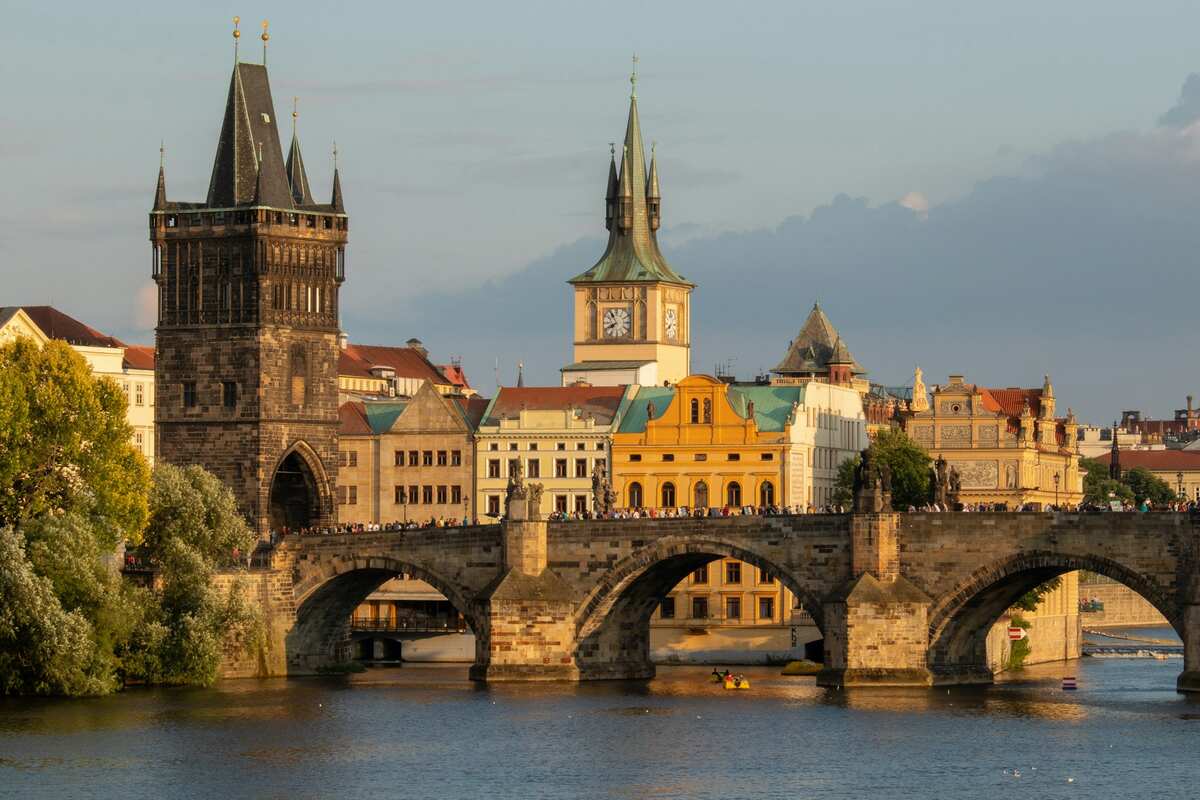
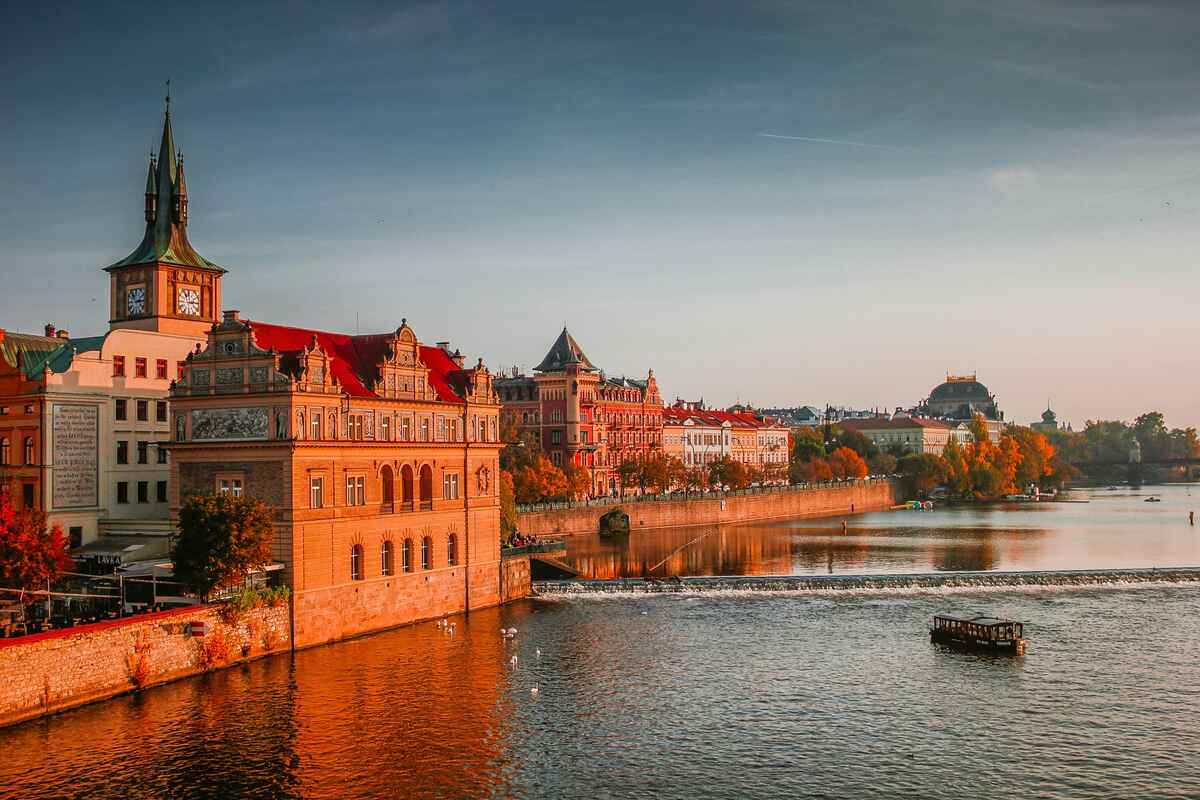
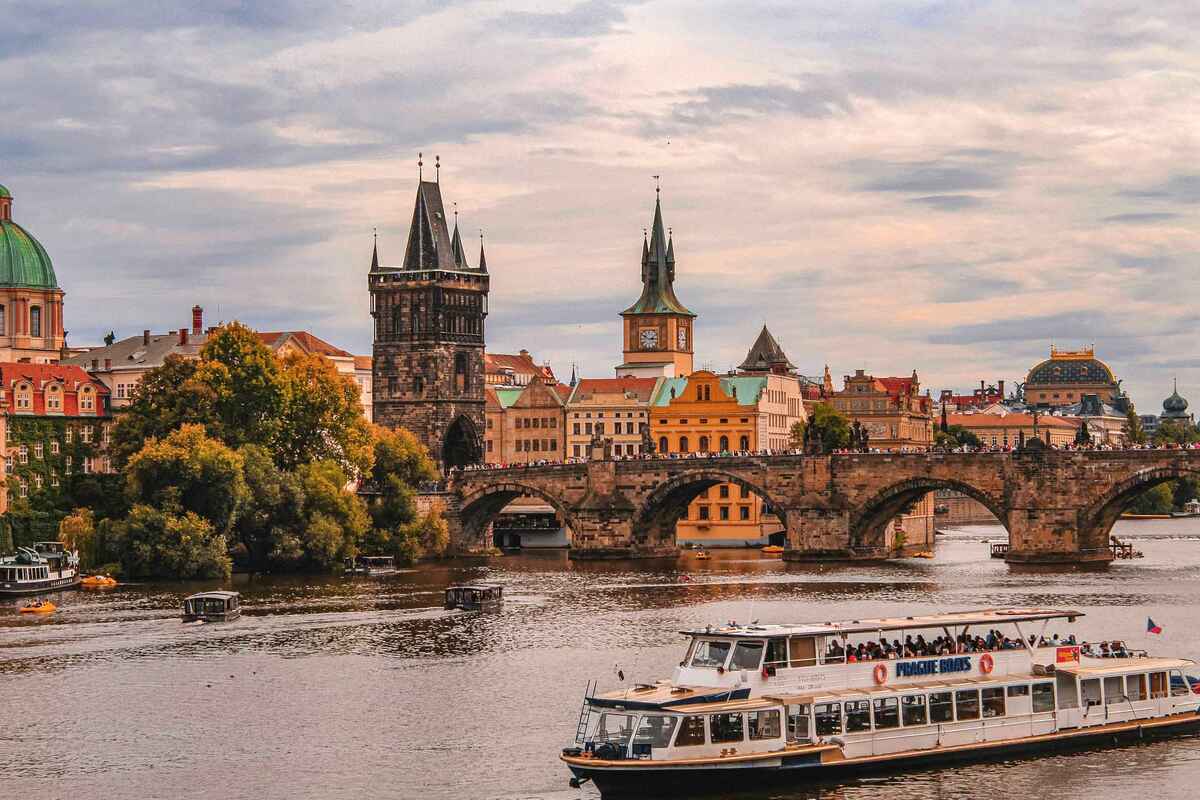
Next on the essential itinerary must be the iconic Charles Bridge, a pedestrian marvel adorned with 30 Baroque statues that offers unforgettable vistas of the Vltava River and the cityscape, especially at sunrise or sunset.
The Old Town Square, home to the world-famous Astronomical Clock, is another non-negotiable stop. This vibrant hub, with its stunning Týn Church and colorful buildings, serves as the perfect spot to absorb the city’s lively atmosphere.
To truly grasp the essence of this golden city and its past, you should aim to visit Prague with a clear focus on these key historical jewels, which perfectly encapsulate its storied heritage and provide a foundation for your wider cultural experience. A well-organized travel plan ensures you don’t miss these unforgettable landmarks.
Visit Prague: What is the most effective way to navigate the city’s historic center and beyond?
Mastering local transportation is vital for any successful trip to a new urban environment, and the Czech capital offers an exceptionally clean, efficient, and user-friendly public transport system.
For exploring the most famous and central areas, such as Old Town, Lesser Town (Malá Strana), and the Jewish Quarter (Josefov), the most effective method of transport is undeniably travel by foot.
The historical heart of the city is relatively compact, largely pedestrianized, and packed with hidden alleyways and stunning architectural details best discovered by leisurely strolling.
However, for covering longer distances or reaching neighborhoods further afield, the integrated public transport system—comprising the Metro, trams, and buses—is your best friend. The Metro, with its three well-connected lines (A, B, and C), is the quickest option for speedy commutes.
Trams, particularly the ubiquitous routes like the number 22, offer a scenic route that passes many key sights, effectively doubling as an inexpensive self-guided tour.
Tickets are universal for all modes of transport and can be purchased for short periods (30 or 90 minutes) or as 24/72-hour passes, providing excellent value. Remember to validate your ticket upon boarding a bus/tram or entering the Metro station to avoid hefty fines from plainclothes inspectors.
Planning to visit Prague with an emphasis on walking and utilizing the excellent public transit network will save you both time and money, ensuring your explorations are seamless. The efficient nature of the transport is a highlight of your journey to Prague.
Visit Prague: Which traditional Czech dishes and local beverages are a must-try for food lovers?
A journey to any new place is incomplete without indulging in the authentic flavors of its culinary heritage, and the Czech Republic offers a hearty and satisfying gastronomic experience.
Traditional Czech cuisine, particularly in the city of Prague, centers around comforting, savory dishes that are often rich in flavor and perfectly paired with the country’s world-renowned beer.
A dish you absolutely must try is Svíčková, slices of marinated beef served with a creamy vegetable sauce, a dollop of cranberry compote, and the essential houskové knedlíky (bread dumplings), which are perfect for soaking up the delicious gravy.
Another staple is Tradiční guláš (traditional goulash), a savory meat stew, usually beef, seasoned with paprika and best enjoyed with those same delectable bread dumplings. For a lighter, yet equally popular choice, seek out Česnečka, a potent garlic soup often served with a raw egg yolk and croutons.
When it comes to beverages, the Czech Republic is the birthplace of pilsner, and the quality of beer (pivo) here is unparalleled—it’s often cheaper than water! Don’t be shy about sampling local favorites like Pilsner Urquell or a darker tmavé pivo.
For a sweet treat while you visit Prague, the cinnamon sugar pastry known as Trdelník is a tourist favorite, though it is more of a street-food novelty than an ancient traditional sweet. Enjoying this genuine local fare is a significant part of the travel experience in Prague.
Visit Prague: What are the best neighborhoods to stay in for first-time visitors seeking comfort and convenience?
Choosing the right base of operations for your stay is crucial for maximizing both your comfort and sightseeing efficiency in the capital city.
For first-time visitors eager to be amidst the action and within easy walking distance of most major attractions, Old Town (Staré Město) and Lesser Town (Malá Strana) are typically the best neighborhoods for your travel accommodation.
Old Town is the heart of the action, right by the Astronomical Clock and Charles Bridge, offering unparalleled accessibility but often coming with a higher price tag and greater noise levels, especially during peak season.
Lesser Town, nestled beneath Prague Castle, offers a more romantic, tranquil atmosphere with Baroque palaces and cobblestone streets, and it is still incredibly central—a perfect option for couples.
If you prefer proximity to the center without the constant throng of tourists, consider New Town (Nové Město) or Vinohrady. New Town, adjacent to the historical center, is more commercial but still features significant sights like Wenceslas Square and has better access to modern amenities and transport links.
Vinohrady, a bit further out but easily accessible by tram/metro, offers a beautiful, upscale, and quieter residential area filled with lovely parks, quality restaurants, and an authentic local vibe.
When you visit Prague, aligning your accommodation choice with your preferred ambiance—be it the buzzing center or a charming, quieter district—will dramatically enhance your overall experience in this stunning city. Prague is well-served by excellent hotels, hostels, and apartments across all these key areas.
Visit Prague: How can visitors manage their budget effectively and save money on their trip?
A common misconception is that this major European destination is expensive, but with a few insider tips, you can enjoy the city of Prague without breaking the bank.
The local currency is the Czech Koruna (CZK), and while Euros are accepted in some tourist-heavy spots, using the local currency is always advisable for better rates.
First and foremost, when exchanging money, avoid the exchange offices near major tourist attractions like the Old Town Square, as their rates are often predatory. Instead, use ATMs connected to major banks or seek out reputable, lesser-known exchange offices.
One of the biggest savings comes from food and drink. While dining right on the main squares can be costly, simply walking a block or two away from the main tourist trail can reveal authentic Hospody (pubs) and local restaurants offering hearty, quality meals (polední menu – lunch menu) at a fraction of the price.
The public transport system is incredibly affordable; purchasing a 72-hour pass is significantly more economical than buying single tickets. For sightseeing, many major sights offer discounted combined tickets for multiple attractions (e.g., within the Prague Castle complex), which is a smart travel strategy.
Furthermore, consider taking advantage of the numerous excellent free walking tours available to get a great orientation of the city’s history and highlights. Embracing these thrifty tips will allow you to make the most of your funds when you visit Prague.
Visit Prague: What essential practical tips should travelers know before they arrive?
Preparing for your journey with key practical knowledge is the hallmark of an experienced traveler, ensuring a smooth and stress-free arrival in the Czech capital.
Firstly, while many younger people and those in the service industry speak excellent English in Prague, learning a few basic Czech phrases (like Dobrý den – Hello, and Děkuji – Thank you) is both polite and appreciated by locals.
Regarding safety, the city is generally very safe, but like any major European capital, be highly vigilant against pickpockets, particularly in crowded areas such as Charles Bridge, Old Town Square, and on busy trams, where they frequently target unsuspecting tourists.
You should always keep your valuables secure and out of sight. When it comes to mobile connectivity, buying a local SIM card (available from providers like Vodafone, O2, or T-Mobile) upon arrival is often a more cost-effective travel solution than relying on international roaming.
Tipping is customary in restaurants; a general rule is to round up the bill or add about 10% for good service—it’s usually best to state the final amount you want to pay when the waiter brings the bill.
Finally, though the city is beautiful year-round, be prepared for significant crowds if you visit Prague during the summer or around Christmas. A flexible itinerary and early starts to the day can help you escape the worst of the tourist rush and fully savor the beauty of this magnificent destination.
Visit Prague: Where can visitors experience the city’s vibrant arts, culture, and lesser-known gems?
While the medieval architecture often steals the spotlight, the cultural capital of the Czech Republic boasts a thriving modern and contemporary arts scene, along with historical gems beyond the main tourist circuit.
To delve into the city’s deeper cultural current, a visit to the National Gallery Prague is a must, offering impressive collections spanning from medieval to modern Czech and international art across multiple locations.
For a truly unique experience, seek out the city’s famed Black Light Theatre, a distinctly Czech form of performance art that uses darkness and fluorescent lights to create magical illusions—an unforgettable evening out.
To escape the crowds and discover the city’s quirkier side, head to the Lennon Wall in Malá Strana, a continuously evolving symbol of peace and freedom, covered in graffiti inspired by John Lennon and global causes.
Another hidden delight is the sprawling, lush greenery of the Wallenstein Garden, an exquisite Baroque oasis perfect for a peaceful afternoon stroll, especially popular in the warmer months. You should also consider taking a short travel trip to the Vyšehrad fortress, perched on a hill above the Vltava River.
It offers stunning panoramic views of Prague, a beautiful cemetery housing notable Czech figures, and a fascinating history far less overrun than the Castle District. When you visit Prague, make sure to weave these artistic and less-traveled spots into your itinerary for a richer, more diverse cultural immersion.
Visit Prague: What’s the best way to enjoy the renowned local beer culture and traditional pubs?
The Czech Republic’s beer culture is legendary, and fully embracing this tradition is an essential, enjoyable part of any trip to the capital. Czech beer, known as pivo, is celebrated for its quality, low price, and centuries-old brewing traditions.
The best way to engage with this culture is to seek out local hospody (traditional pubs), which are often tucked away from the main squares and offer a more authentic, less commercial atmosphere. When ordering a beer, simply asking for a pivo will usually get you the local draft light lager.
However, don’t hesitate to explore darker beers (tmavé) or semi-dark (polotmavé) varieties. You’ll notice that the standard serving size is a half-liter mug, and often a new one will appear as soon as you finish your last, a delightful tradition that you can stop simply by placing your coaster over your glass.
The act of sharing a beer is deeply social and an excellent way to soak up the local atmosphere and perhaps even strike up a conversation. Consider joining a dedicated beer travel tour or visiting one of the many historic breweries like U Fleků, which has been brewing continuously for over 500 years.
A key aspect to note is that while you visit Prague to enjoy the beer, the experience is generally relaxed and focused on conversation, not over-the-top revelry. This city offers a uniquely refined beer experience that is a highlight of your time in Prague.
Visit Prague: When is the ideal time of year to plan your trip for the best experience?
Determining the perfect time to plan your visit to this magnificent European destination depends heavily on your priorities, be it avoiding crowds, securing lower prices, or enjoying specific weather conditions.
Generally, the shoulder seasons—late April to early June and September to early October—are considered the most ideal times to visit Prague.
During these months, the weather is pleasantly mild, perfect for extensive walking and outdoor sightseeing, while the major crowds from the peak summer months are significantly reduced.
This allows for a much more relaxed and enjoyable travel experience, with easier access to popular attractions like the Astronomical Clock and Charles Bridge. Summer (June to August) offers the best weather, with long, sunny days, but it is also the high season, meaning you’ll contend with maximum crowds, the longest queues, and the highest prices for accommodation.
If you appreciate a winter wonderland feel, the Christmas season in Prague is magical, known for its enchanting Christmas markets, though the weather will be quite cold. Conversely,
January and February are the quietest and cheapest months, perfect for budget-conscious travelers who don’t mind bundling up.
Ultimately, a successful journey to Prague balances pleasant weather with fewer tourists, making the spring and autumn months the most highly recommended for a truly memorable trip.
Visit Prague: Are there any must-see parks or viewpoints for spectacular city photography?
Beyond the cobblestone streets and architectural wonders, the city provides an abundance of beautiful green spaces and elevated viewpoints that offer breathtaking photographic opportunities of the cityscape.
For truly spectacular, panoramic shots of the terracotta roofs, the Vltava River, and the iconic Castle complex, a trip to Letná Park is absolutely essential for any shutterbug.
Perched on a hill overlooking the city, Letná offers sweeping, unobstructed vistas that are particularly beautiful during sunrise or sunset, creating a golden glow over the historical heart of Prague. Another fantastic spot for both relaxation and views is Petřín Hill.
Accessible by a funicular railway (which itself is a fun experience), the hill features an observation tower, a mirror maze, and lovely orchards. Climbing the tower offers arguably the highest and most expansive view in the city, encompassing everything from the Castle to the surrounding suburbs.
For a more intimate, romantic setting, the Gardens of Prague Castle (South Gardens) are a perfect escape and offer a unique elevated perspective overlooking Malá Strana, an excellent backdrop for your travel photos.
Incorporating these natural oases and viewpoints into your schedule when you visit Prague allows for a refreshing break from the bustling center and ensures you capture the most stunning visual memories of this magnificent destination.
What are the main differences between Old Town Square and Wenceslas Square?
Understanding the distinct characteristics of the city’s two most famous public spaces is key to appreciating the multi-faceted history and modern life of the Czech capital. The Old Town Square (Staroměstské náměstí) is the historical, cultural, and architectural heart of Prague.
Dating back to the 12th century, it is primarily a gathering place of immense historical significance, surrounded by stunning, centuries-old buildings like the Church of Our Lady before Týn and the legendary Astronomical Clock.
This square is where major historical events unfolded, from royal coronations to public executions, and its atmosphere is one of timeless, picturesque grandeur.
It is the core of the tourist travel experience in the capital. In sharp contrast, Wenceslas Square (Václavské náměstí), located a short walk away, is less a traditional square and more a long, bustling boulevard that functions as the city’s commercial and business center.
This area is far more modern, lined with large retail shops, hotels, and restaurants, and has been the site of significant modern Czech history, including the Velvet Revolution and various political demonstrations.
While it is important to visit Prague to see both, the Old Town Square provides the fairy-tale medieval atmosphere, while Wenceslas Square offers a glimpse into the dynamic, commercial, and often politically charged modern life of the Czech nation.
What are the best local souvenirs to look for that aren’t typical tourist traps?
Finding authentic, locally-produced souvenirs is a wonderful way to commemorate your journey to the Czech capital and support local artisans, rather than just purchasing mass-produced trinkets.
While you may be tempted by the ubiquitous Prague-branded t-shirts and miniature versions of the Astronomical Clock, there are far more meaningful items to seek out.
Given the country’s celebrated brewing culture, a selection of unique Czech craft beers or specialty glassware makes for an excellent and highly representative gift.
For those interested in art and design, look for genuine Czech garnet jewelry, which is famous for its deep red color, or traditional Bohemian crystal and glass, renowned worldwide for its high quality and intricate design. These items are best purchased from certified shops to ensure authenticity.
Another unique local item is Manufaktura products, a brand that specializes in high-quality, natural cosmetics, often based on beer, wine, or Moravian plum essence—a lovely and practical travel memento.
For something edible, consider local oplatky (spa wafers), thin, large, circular wafers typically associated with the spa town of Karlovy Vary but sold across Prague. Choosing one of these authentic items when you visit Prague ensures your souvenir is not just a reminder, but a genuine piece of the Czech Republic.
Conclusion
The journey through the Golden City’s history, culinary delights, and essential travel logistics ends here, but your actual adventure is just beginning.
We’ve navigated the medieval streets of Old Town, explored the majesty of Prague Castle, tasted the hearty local stews, and armed you with the practical knowledge to move around with confidence and ease.
This is a city that rewards those who look beyond the main thoroughfares—it offers a blend of spectacular historical sights and quirky modern culture that simply cannot be found anywhere else.
Whether you’re gazing at the panoramic views from Letná Park or simply enjoying a cheap, perfectly brewed pivo in a local hospoda, your time here will be filled with unforgettable moments.
Remember to plan your accommodation smartly, utilize the phenomenal public transport system, and always stay vigilant against petty theft in crowded areas.
By applying the tips and insights laid out in this guide, you are perfectly equipped to transform your initial intention to visit Prague into a stress-free and profoundly enriching European escape.
So pack your walking shoes, prepare your camera, and get ready to create your own chapter in the timeless story of this beautiful capital. The Czech Republic is calling.
FAQ
The official currency is the Czech Koruna (CZK). While Euros are sometimes accepted in the most central tourist areas, you will consistently receive a better exchange rate and avoid inflated prices by paying with Koruna. We strongly advise using ATMs connected to reputable banks for withdrawals and paying with a debit/credit card for larger expenses, while avoiding the unfavorable exchange booths located directly on the main squares.
Yes, English is widely spoken across the city’s key tourist infrastructure, including all major hotels, restaurants, historic sites, and shops. While learning a few basic Czech courtesies is always appreciated by locals, you will have absolutely no trouble navigating this beautiful city and enjoying your entire travel experience using only English.
Most visitors find that 3 to 4 days (a long weekend) provides the ideal balance. This timeframe allows you to comfortably cover all the absolute must-see sights, such as Prague Castle, Charles Bridge, and the Old Town Square, while also allowing sufficient time to explore the charming, less-crowded outlying neighborhoods and enjoy the local atmosphere.
The most cost-effective and efficient method is to utilize the excellent public transportation system. Take Bus 59 from the airport directly to the Nádraží Veleslavín metro station, and then connect to the Metro (Line A) for a direct and quick journey into the heart of the city center.
Yes, Prague’s public transport is remarkably efficient and user-friendly. The system seamlessly integrates the metro, trams, and buses. If you anticipate making more than two or three separate journeys in a day, purchasing a 24-hour or 72-hour pass will be the most convenient and economical choice for your urban exploration needs.
Prague is considered a very safe capital city, with low violent crime rates. However, travelers should exercise high vigilance against pickpockets, particularly in areas of high foot traffic like the Charles Bridge, the Old Town Square, and on crowded trams such as the No. 22. Always keep valuables secured.
You absolutely must sample the national favorite, Svíčková (marinated beef served with a creamy sauce and bread dumplings), and the rich Czech Goulash. No visit is complete without tasting the world-renowned local beer (pivo) in a genuine, traditional hospoda.
Tipping is customary for good service, with a standard amount being 5-10% of the total bill. The proper way to tip is to state the final total amount you wish to pay, including the tip, when the server presents you with the bill.
The shoulder seasons are highly recommended: late April through early June, and September through early October. These months offer pleasantly mild weather, ideal for sightseeing, and significantly fewer crowds than you will encounter during the peak summer months.
The value of the City Pass is dependent on your itinerary. If you plan to be an intensive sightseer, visiting 3-4 major paid attractions per day (such as the Castle complexes, the Jewish Quarter, and multiple tower viewpoints), the pass can offer worthwhile savings and convenience during your visit Prague trip.

Author: Horeca Health
Horeca Health















Leave a Reply