Introduction
Patagonia has long captured the imagination of explorers, historians, and modern travelers alike.
Stretching across the southernmost reaches of South America, this immense territory tells a story that begins millions of years ago with glacial carving and continues through indigenous footsteps, European expeditions, and bold conservation efforts.
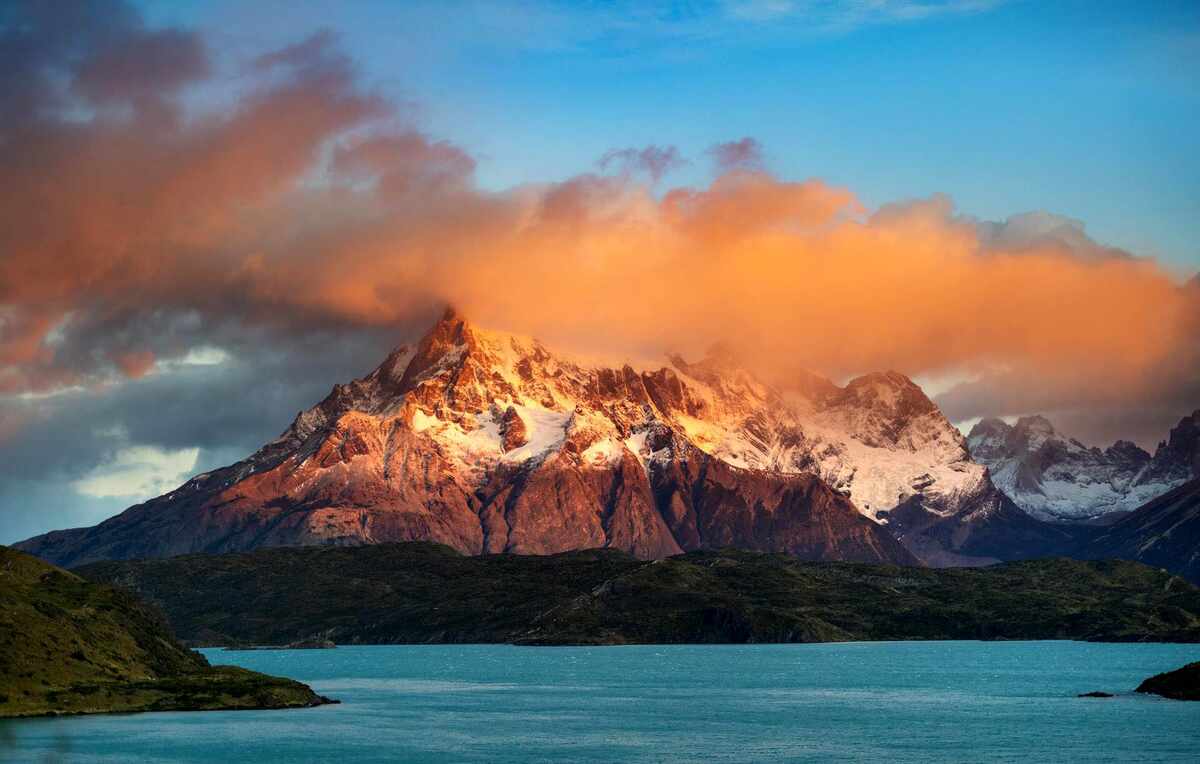
Today, visiting Patagonia means stepping into a living museum where jagged peaks, enormous ice fields, and endless steppe serve as the backdrop to a deep and layered human history.
Far more than a checklist of landmarks, the region rewards those who look beyond the postcard views and seek to understand how its past shaped the landscapes we admire.
This guide blends travel planning with historical context, helping you design a journey that feels both informed and unforgettable.
What Makes Patagonia’s Geography So Unique?
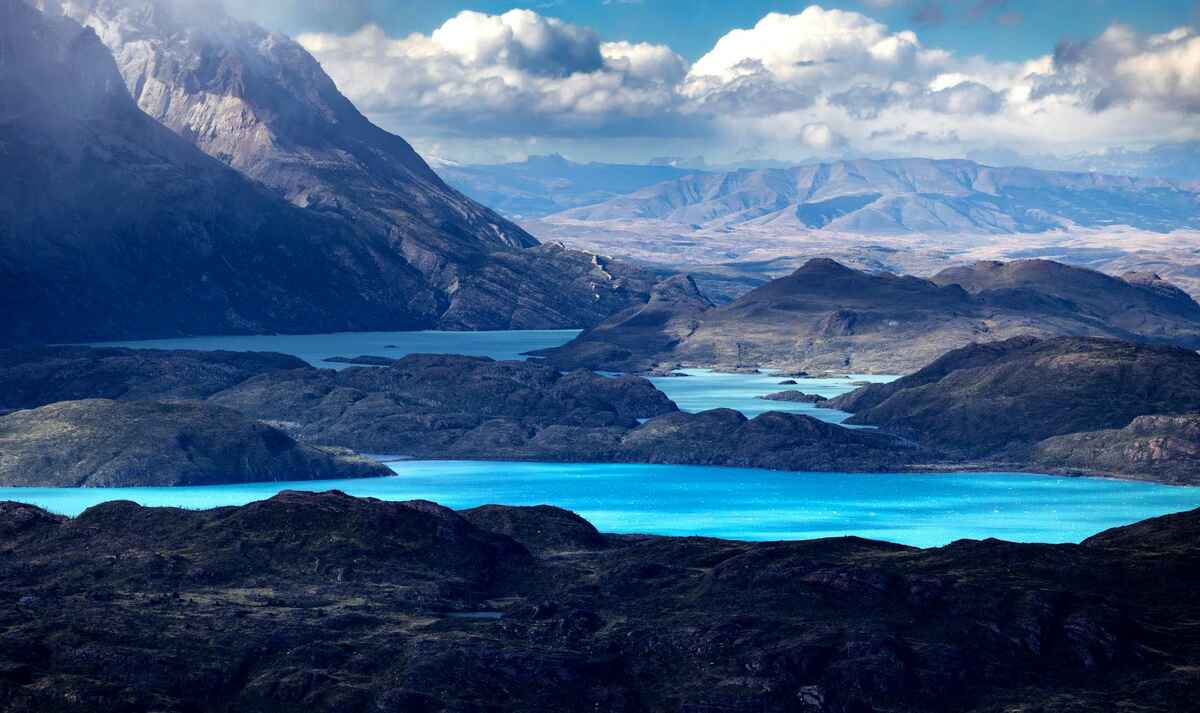
Few places on Earth compress such dramatic contrasts into a single region. Patagonia is a land where arid desert steppe collides with temperate rainforest, where colossal granite spires rise directly from glacial lakes, and where the Andes Mountains plunge into the Southern Ocean.
The backbone of this geography is the Patagonian Andes, a rugged cordillera that runs north‑to‑south and splits the region between Chile and Argentina.
On the western side, you encounter the storm‑swept fjords, temperate Valdivian forests, and the Northern and Southern Patagonian Ice Fields — the largest ice masses outside of Antarctica and Greenland.
The eastern side opens into the wind‑whipped steppe of Argentine Patagonia, a seemingly endless plateau that was once scoured by ancient glaciers and now supports hardy wildlife and estancia culture.
This duality is not just scenic; it fundamentally shapes the climate, transport options, and the kinds of experiences you can pack into one trip.
Understanding the geography is the first step toward intelligent itinerary planning. The enormous distances — Patagonia spans roughly 1,000,000 square kilometers — mean that flying between key hubs is often necessary unless you have several weeks.
The landscape also creates microclimates that can surprise even seasoned hikers. For example, the western fjords and the area around Puerto Montt receive up to 4,000 mm of annual rainfall, while the eastern plains near the Atlantic coast are among the driest parts of Argentina.
That contrast directly affects when and where you should go, what you pack, and which activities are realistic. The table below summarizes the core differences between Chilean and Argentine Patagonia to help you visualize how geography translates into travel style.
| Feature | Chilean Patagonia | Argentine Patagonia |
|---|---|---|
| Dominant Landscape | Fjords, glaciers, temperate rainforest, islands | Arid steppe, wide valleys, glacial lakes, Andean peaks |
| Iconic Parks | Torres del Paine, Bernardo O’Higgins, Pumalín | Los Glaciares (Fitz Roy & Perito Moreno), Tierra del Fuego |
| Climate Control | Pacific moisture; wet, windy, and cool year‑round | Rain shadow effect; drier, extreme winds, colder in winter |
| Gateway Cities | Puerto Natales, Punta Arenas, Coyhaique | El Calafate, Ushuaia, Bariloche (northern Patagonia) |
| Transport Style | Ferries, small planes, gravel roads | Buses, domestic flights, expansive road trips |
| Best For | Wilderness immersion, kayaking, remote trekking | Iconic day hikes, estancia stays, self‑drive adventures |
Even seasoned trekkers are often caught off guard by the scale. The Southern Patagonian Ice Field alone covers around 13,000 square kilometers and feeds dozens of glaciers, including the advancing Perito Moreno.
This active geography has also preserved a remarkable fossil record. The Patagonian steppe, with its exposed sedimentary layers, is one of the world’s richest sites for dinosaur remains, having yielded giants like Patagotitan — a discovery that redefined our understanding of sauropod evolution.
When you hike here, you walk not only on a geological wonder but also on a paleontological treasure chest.
Indigenous Roots and Early Inhabitants
Long before the first European sails appeared on the horizon, Patagonia was home to resilient indigenous communities who adapted to some of the planet’s most unforgiving conditions.
The best‑known groups include the Aonikenk (Southern Tehuelche) in the eastern steppe, the Selk’nam (Ona) on the island of Tierra del Fuego, the Yámana (Yaghan) in the southern archipelagos, and the Kawésqar (Alacalufe) who navigated the western channels.
Each group developed distinct survival strategies, spiritual beliefs, and art forms deeply tied to the land and sea.
The Selk’nam, for example, crafted elaborate body painting and initiation rituals that reflected their cosmology, while the Yámana mastered canoe building and fire‑making in the wettest biosphere on the continent.
European contact, beginning tentatively in the 16th century and accelerating in the 19th, devastated these peoples through introduced disease, land dispossession, and active persecution.
The Selk’nam, in particular, suffered a tragic fate during the sheep‑ranching boom when bounties were placed on native people. Today, their legacy survives in museum collections, oral histories, and a growing movement to revive language and cultural memory.
A visit to the Museo del Fin del Mundo in Ushuaia or the Museo Regional Braun‑Menéndez in Punta Arenas offers a somber yet essential introduction to these first inhabitants of Patagonia.
Archaeological sites scattered across the region add tangible depth to the story. Cueva de las Manos in Argentine Santa Cruz province, a UNESCO World Heritage site, features hand stencils dating back over 9,000 years, providing an intimate link to early hunter‑gatherers.
Further south, the Pali‑Aike volcanic field contains caves used by ancient megafauna hunters who once tracked milodons, giant ground sloths whose remains were famously discovered in the late 19th century at the Milodon Cave near Puerto Natales.
Visiting these places transforms Patagonia from a simple scenic destination into a timeline of human endurance.
Responsible travelers today can engage with this heritage through community‑led initiatives. In Tierra del Fuego, there are now Indigenous‑guided tours that share the perspective of the surviving Selk’nam descendants, although such opportunities remain rare and require sensitivity.
Recognizing that the history of Patagonia is not solely a European conquest narrative enriches your journey and fosters a more respectful connection to the places you traverse. Approaching cultural sites with reverence, and not merely as photo stops, is a small but meaningful practice.
How Did European Exploration Shape Patagonia?
Ferdinand Magellan’s 1520 voyage gave Patagonia its enduring name, though the exact origin of the word — often linked to “patagones,” supposedly meaning “big feet” — remains debated.
Magellan’s fleet became the first Europeans to navigate the strait that now bears his name, establishing a perilous route that would define maritime trade for centuries.
The early chronicles painted Patagonia as a land of giants, inhospitable winds, and hostile natives, a mythology that persisted in European cartography and literature well into the 18th century.
This fusion of fact and fantasy made the southern latitudes a magnet for subsequent explorers, naturalists, and fortune seekers.
The 19th century introduced a new wave of scientific voyagers. Charles Darwin’s journey aboard HMS Beagle between 1832 and 1834 brought the region into the intellectual mainstream.
Darwin’s observations in Patagonia — from the terraced valleys of Santa Cruz to the earthquake‑raised marine fossils in Chile — were pivotal to the development of his geological theories and later his thoughts on natural selection.
Today, you can retrace a segment of the Beagle Channel by boat from Ushuaia, seeing the same sea lion colonies, cormorant rookeries, and the far‑off blue of the Southern Ocean that Darwin described in his field notebooks.
Exploration was never purely scientific. The race to map the coastline and inner waterways was fueled by strategic and commercial interests.
British hydrographic surveys led by Phillip Parker King and Robert FitzRoy and Spanish‑Chilean expeditions alike faced constant gales, shipwrecks, and starvation.
Even the names on modern maps — Fitz Roy, Darwin, Punta Arenas, Última Esperanza — carry the echoes of those grueling campaigns.
Understanding this maritime history adds a rich layer to sailing or kayaking trips in the fjords, where you might overnight in a sheltered cove that once saved a schooner from a sudden williwaw.
For travelers, the age of exploration is not something confined to textbooks. In Punta Arenas, the Museo Nao Victoria displays life‑size replicas of Magellan’s ship and the Beagle.
Walking the decks, feeling the confined spaces, and seeing the primitive navigation tools transforms the abstract idea of exploration into a visceral experience.
Moreover, iconic treks like the circuit around Mount Fitz Roy invite a direct encounter with the very peaks that 19th‑century adventurer Perito Moreno helped put on the world map while championing Argentina’s border claims. That blend of geology, ego, and endurance is written into every summit.
The Age of Welsh Settlers and Ranching Culture
In 1865, the clipper Mimosa landed 153 Welsh settlers on the barren shores of Golfo Nuevo, an event that seems improbable yet seeded one of Patagonia’s most remarkable cultural enclaves.
These migrants were not driven by imperial ambition but by a desire to preserve their language, nonconformist faith, and communal identity away from English assimilation.
Against all odds, they transformed the desert near the lower Chubut River valley into productive farmland using irrigation techniques learned in their homeland.
Today, towns like Gaiman, Trelew, and Rawson still serve traditional Welsh tea in historic houses, accompanied by torta negra and scones that feel transported from another continent.
Parallel to the Welsh experiment, the late 19th and early 20th centuries saw the explosion of sheep ranching across the vast steppe of Patagonia.
Estancias covering hundreds of thousands of hectares turned the region into a global wool powerhouse, attracting British, Scottish, and later central European immigrants. The wealth generated built Punta Arenas’s opulent mansions and fueled the construction of railways and ports.
The ranching culture also profoundly altered the landscape; millions of sheep grazed native grasses, fencing dissected ancient migration routes, and the gaucho — originally a figure of the pampas — became an emblem of Patagonian horsemanship adapted to harsher climes.
Today, several historic estancias welcome visitors, offering an intimate window into this era. Estancia Cristina, accessible only by boat across Lago Argentino, sits deep in the backcountry against a backdrop of glaciers and tells a story of pioneer isolation and resilience.
Similarly, Estancia Harberton on the Beagle Channel, founded by missionary Thomas Bridges, is the oldest estancia in Tierra del Fuego and now houses a fascinating marine mammal museum.
Staying at these properties is not a standard hotel experience; it’s an immersion in the rhythms of rural Patagonia, where meals might feature home‑grown lamb and conversations drift to local weather lore passed down through generations.
The Welsh legacy also gave birth to one of the region’s most prized wildlife destinations: Península Valdés. Near Puerto Madryn, this UNESCO site is globally famous for southern right whale watching, orca intentional stranding behavior, and enormous penguin colonies.
The towns themselves retain quiet bilingualism — Welsh is still spoken and taught, and annual Eisteddfod festivals celebrate poetry and music.
Traveling through this sub‑region reveals a Patagonia that is not simply about ice and granite but about human tenacity, cultural fusion, and the surprising intersections of high‑latitude histories.
What Role Did Patagonia Play in Modern Conservation?
Patagonia has become a global reference point for large‑scale conservation, both public and private. The trajectory began in the mid‑20th century when visionary figures like Tompkins Conservation, founded by Doug and Kristine Tompkins, began acquiring vast tracts of degraded ranchland with the explicit goal of rewilding.
Their work, often controversial at first, ultimately led to the creation or expansion of national parks covering over 14 million acres in Chile and Argentina.
The donation of Parque Pumalín in Chile and the subsequent establishment of Patagonia National Park represent a paradigm shift where private capital, environmental science, and local community engagement combined to protect entire watersheds and ecosystems.
The national park systems of both Chile and Argentina are the backbone of the traveler’s experience. Argentina’s Los Glaciares National Park protects the Southern Patagonian Ice Field and the jagged Fitz Roy range, while Nahuel Huapi near Bariloche preserves ancient Andean‑Patagonian forests.
Chile’s Torres del Paine, a UNESCO Biosphere Reserve, has become synonymous with the classic W Trek, drawing visitors who test their stamina against wind‑raked trails and icy passes.
These parks are not merely recreational; they safeguard the guanaco herds, the puma corridors, and the endangered huemul deer, all emblematic of a functioning Patagonian ecosystem.
However, conservation in Patagonia is a balancing act. The dramatic rise in tourism — Torres del Paine alone exceeding 300,000 visitors annually before the pandemic — puts immense pressure on fragile soils, water sources, and trail infrastructure.
The region has responded with permit systems, trail quotas, and seasonal closures, but enforcement remains uneven.
Additionally, conflicts with ranching interests, invasive species like the North American beaver in Tierra del Fuego, and the relentless advance of salmon farming along the Chilean coastline present ongoing ecological dilemmas that cannot be solved by parks alone.
For the responsible traveler, understanding this conservation narrative adds weight to every day on the trail.
Choosing certified operators who adhere to “Leave No Trace” principles, using designated campsites, packing out all waste, and respecting wildlife distances are not arbitrary rules — they are vital contributions.
Even the decision to spend money in gateway communities, rather than with offshore tour consolidators, strengthens the local economy in a way that reinforces the value of protected lands.
Patagonia’s future as a wild landscape depends on a visitor mindset that goes beyond consumption and becomes a form of stewardship.
Best Time to Explore Patagonia’s Landscapes
The high season in Patagonia runs from November to early March, when the austral summer brings the most reliable weather and the longest daylight hours.
During these months, temperatures in popular trekking bases like El Chaltén or Puerto Natales typically range from 5°C to 18°C (40°F to 65°F), though conditions can shift from sun to snow within hours.
This is the only window when certain services — backcountry shelters in Torres del Paine, the boat crossing on Lago O’Higgins, or high‑season flights to Ushuaia — operate at full capacity. It is also when you will share the trails with the largest number of fellow hikers, making advance bookings essential months ahead.
Shoulder seasons — October and late March through April — offer a different and often deeply rewarding experience.
The autumn colors in the lenga forests turn fiery red and gold, particularly around the Fitz Roy massif and the hills above Bariloche, creating spectacular photographic conditions.
Crowds thin noticeably, and accommodation prices may ease, though the weather becomes markedly more unstable and some refugios close as early as mid‑March.
October brings spring wildflowers and active birdlife, but in Torres del Paine and the far south, snow can linger on high passes well into the peak season, making some backcountry circuits impassable until mid‑November.
Winter (May to September) transforms Patagonia into a hushed, snow‑draped world. For the intrepid traveler, this is prime time for backcountry skiing, ice‑climbing on frozen waterfalls, and seeing the Perito Moreno glacier with far fewer spectators.
However, winter is not a compromise for a quick visit; many estancias close, transport links reduce frequency, and daylight can dwindle to just 7–8 hours in the far south.
Southern right whale watching off Península Valdés peaks from June to December, making winter an unexpected prime season for marine wildlife in northern Patagonia.
Ultimately, the “best” time is not a single answer but a trade‑off between your priorities. If you want multi‑day treks and the classic postcard views, plan for January through February. If solitude and fiery autumn hues call to you, risk the fickle weather of late March.
And if your trip centers on whale encounters or you dream of skiing Sea‑level slopes near Ushuaia, then winter might be your best kept secret.
Always check park‑specific seasonal closures, flight route availability, and the operational dates of key border crossings, as these vary significantly between Chilean and Argentine territories.
How to Reach Patagonia: Gateways and Transport
Patagonia’s sheer size means there is no single entry point; instead, travelers funnel through a handful of gateway cities connected by air to Buenos Aires or Santiago.
On the Argentine side, El Calafate is the most common hub for Los Glaciares National Park, while Ushuaia serves as the launchpad for Tierra del Fuego, the Beagle Channel, and Antarctic cruises.
For northern Patagonia and the Lake District, Bariloche has a well‑connected airport with direct flights from Buenos Aires and Brazilian cities.
In Chile, Punta Arenas is the historical gateway for Torres del Paine and the southern fjords, while Puerto Montt opens access to the carretera Austral and the lakes region.
Internal travel demands patience and realistic expectations. Long‑distance buses are comfortable and surprisingly punctual in both countries, with semi‑cama and full‑cama seats making overnight journeys bearable.
However, distances can be extreme: the bus ride from Bariloche to El Calafate on Ruta 40 covers about 1,400 kilometers and typically takes over 24 hours.
Many travelers choose to hop between key nodes using domestic flights with LATAM, Aerolíneas Argentinas, or Sky Airline, though weather‑related cancellations are common, especially in Ushuaia and Punta Arenas.
When planning a cross‑border itinerary between Chilean and Argentine Patagonia, factor in that some border crossings close in winter or operate limited hours.
- El Calafate (Argentina): Daily flights from Buenos Aires; main base for Perito Moreno glacier.
- Ushuaia (Argentina): Flights from Buenos Aires and El Calafate; end of the world feel, Antarctic departures.
- Bariloche (Argentina): Direct flights from Buenos Aires, Santiago, and Brazil; hub for the Lake District.
- Punta Arenas (Chile): Flights from Santiago and Puerto Montt; connected by road to Puerto Natales.
- Puerto Montt (Chile): Gateway to the Carretera Austral; flights from Santiago and Punta Arenas.
- Puerto Natales (Chile): No major airport; reached by bus from Punta Arenas (3 hours) or via ferry from Puerto Montt.
Renting a vehicle is popular but requires careful preparation. Argentine Ruta 40 and Chile’s Carretera Austral are partially paved and partially gravel, with long stretches between fuel stations.
A 4×4 is not always necessary in summer on main routes, but it provides peace of mind on rough gravel and in sudden rain. Cross‑border one‑way rentals are virtually impossible, so plan a circular route or return the car at the same country of pickup.
Whether by bus, plane, or rental car, always buffer your itinerary with spare days; Patagonian weather can trap you in a town for an extra night, and that unexpected layover often becomes one of the most memorable parts of the journey.
Where to Stay: Regions and Accommodation Styles
The accommodation landscape of Patagonia mirrors its physical geography — varied, sporadically distributed, and ranging from rustic wilderness refuges to world‑class eco‑lodges.
In Torres del Paine, the refugio system along the W Trek offers shared dormitories and hot meals in stunning locations, but beds sell out months in advance for the summer season.
Those seeking more comfort can book one of the iconic high‑end lodges such as Tierra Patagonia or Explora, whose architecture is designed to frame the massif’s horns and whose guided excursions bring expert naturalists into the mix.
In Argentine Patagonia, El Chaltén has a wide spectrum from backpacker hostels to boutique mountain cabins, almost all within walking distance of trailheads.
Estancia stays provide a culturally immersive alternative to standard hotels. Working ranches like Estancia Nibepo Aike near El Calafate or Estancia Peuma Hue near Bariloche let you ride horses with gauchos, sample traditional asado lamb, and sleep in restored farmhouses.
These stays often include lagoon kayaking, star‑gazing, and the slow rhythm of rural life that sharply contrasts with the hurried pace of the trekking circuit.
For a truly remote experience, lodges dotted along the Carretera Austral — from fly‑fishing retreats near Coyhaique to lakeside cabañas in Cerro Castillo — require advance planning but offer the serenity that has become rare in the most famous parks.
In gateway towns, you’ll find a reliable crop of bed and breakfasts, boutique inns, and a few international chains in larger cities like Punta Arenas and Bariloche.
Puerto Natales has blossomed into a cozy traveler’s hub with dozens of guesthouses that cater specifically to hikers, offering gear rental, packed lunches, and transport connections.
It is wise to verify that your lodging provides secure luggage storage if you plan a multi‑day trek; nearly all do, but some charge a small fee.
In high season, even the simplest room can exceed $150 per night, and last‑minute availability is scarce, so booking 3–6 months ahead is strongly advised for the most sought‑after locations.
For those committed to sustainability, a new wave of eco‑accommodations is reshaping the market. Properties like Awasi Patagonia (private áreas in Torres del Paine) operate off‑grid with a strong conservation ethos and employ local staff almost exclusively.
Meanwhile, dome camps and glamping sites in places like Futaleufú and near El Chaltén offer low‑impact stays without sacrificing warmth and comfort.
When choosing accommodation, consider the environmental footprint of the property, its water and waste management practices, and whether it contributes tangibly to the local community — factors that turn a simple booking decision into a meaningful part of your Patagonia experience.
Iconic Hiking Trails and Natural Wonders
Hiking is the lifeblood of any Patagonia adventure, and the region is stitched together by trails that rank among the world’s finest. The W Trek in Torres del Paine is the headline act, a 4‑ to 5‑day route that strings together the Ascencio Valley, the French Valley, and the Grey Glacier viewpoint.
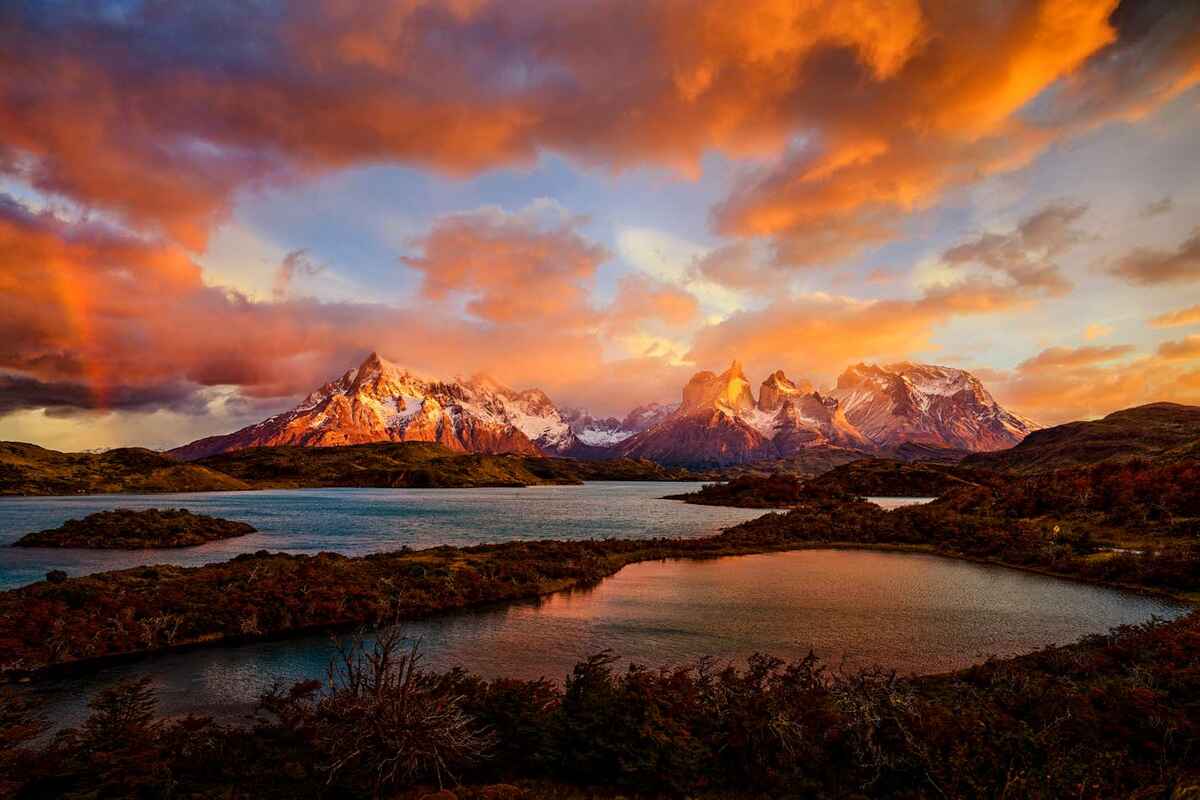
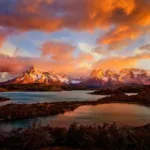
The payoff at the base of the Torres at sunrise — orange light striking granite towers while the lagoon shimmers — has become a symbol of Patagonia itself.
For a more immersive challenge, the full Paine Circuit (the “O”) loops around the massif, taking 8–10 days and requiring hikers to carry full packs over John Gardner Pass, where the Southern Patagonian Ice Field suddenly sprawls into view.
In Argentina, the trails around El Chaltén offer a different but equally majestic flavor. The classic day hike to Laguna de los Tres brings you to the foot of Mount Fitz Roy, with a steep final push that rewards with an amphitheater of glaciers and turquoise waters.
Nearby, Laguna Torre snakes through lenga forests to a glacial lake dotted with icebergs beneath the spire of Cerro Torre, a peak so iconic among climbers that its climbing history is woven into alpinist lore.
Neither hike requires a permit or guide, though winter conditions demand serious alpine skills. The Ushuaia region also claims its own wild trekking: the Dientes de Navarino circuit on Isla Navarino, a demanding 4‑ to 5‑day backcountry route that remains off the radar for many, delivering total solitude.
Beyond the famous footpaths, Patagonia conceals countless natural wonders that require nothing more than a road trip and a sense of adventure.
The Marble Caves (Catedral de Mármol) on General Carrera Lake, accessible by boat from Puerto Río Tranquilo in Chile, astonish visitors with swirling blue caverns carved by millennia of wave action.
In Argentine Patagonia, the Petrified Forest Natural Monument near Jaramillo preserves 150‑million‑year‑old fossilized araucaria trunks, an eerie landscape that provides a stark complement to the living forests of the Andes.
And the advancing face of Perito Moreno Glacier, where house‑sized chunks of ice calve into Lago Argentino with a thunderous roar, remains one of the few glaciers on Earth that is not retreating.
Whether you are a seasoned alpinist or a casual day‑hiker, route selection should match fitness, season, and gear. Always register with park authorities for multi‑day treks, carry a satellite messenger in remote zones, and be prepared to turn back if the wind becomes unsafe.
The weather in Patagonia is not a dramatic backdrop to your hike — it is the principal character, and it demands respect. Treat every trail as a partnership between your ambition and the mountain’s temperament, and you will walk away with memories far richer than any photograph can capture.
What Wildlife Encounters Await in Patagonia?
Patagonia’s fauna is as oversized and charismatic as its landscapes. The guanaco, a wild camelid, roams the steppe and even trails in Torres del Paine, sometimes skittish, sometimes remarkably indifferent to hikers.
Predators follow closely; the Patagonian puma is the region’s apex carnivore, and sightings have surged in recent years within Torres del Paine and Los Glaciares, leading to a specialized puma‑tracking tourism that operates under strict guidelines.
The endangered huemul deer, a national symbol of Chile, still clings to pockets of remote forest and is occasionally glimpsed on backcountry treks, while the ñandú (Darwin’s rhea), a large flightless bird, races across the pampas in Patagonia’s eastern reaches.
Marine wildlife is equally dramatic. Península Valdés stands as one of the best places on the planet to see southern right whales from June through December, often from the shore itself.
Massive elephant seals haul out on the beaches, and enormous colonies of Magellanic penguins blanket Punta Tombo and Isla Magdalena, where visitors can walk among the burrows on designated paths.
In the Beagle Channel, sea lions and cormorants occupy rocky islets, and with luck, you may spot the rare Peale’s dolphin slicing through the waves. Commerson’s dolphins, with their striking black‑and‑white markings, are a frequent companion to ferry crossings in the Strait of Magellan.
Birders find Patagonia endlessly rewarding. The Andean condor, with a wingspan exceeding three meters, soars over the peaks of El Chaltén and Torres del Paine nearly every afternoon, riding thermals with regal ease.
The Magellanic woodpecker, the largest woodpecker in South America, hammers on old lenga trees in the forests of Tierra del Fuego, while the austral parakeet adds a flash of green to lakeside campsites.
Flamingos — yes, flamingos — feed in the high‑altitude lagoons of the Andean altiplano section that spills into northern Argentine Patagonia, creating surreal pink reflections against volcanic backdrops.
Responsible wildlife viewing requires commitment to strict protocols. Maintain at least 50 meters from guanacos and 100 meters from pumas in most parks, never pursue animals for a photograph, and avoid geotagging sensitive species locations in real time.
Feeding any wild animal is absolutely prohibited and carries heavy fines. The best encounters happen when you remain patient and unobtrusive — find a comfortable rock on a ridge in Torres del Paine, scan the slopes with binoculars, and the landscape often reveals its secret inhabitants without the need for crowds or intrusion.
Understanding Patagonia’s Climate and Packing Essentials
Patagonia’s weather has a well‑earned reputation for violence. The “Furious Fifties” westerlies roar across the Southern Ocean and slam into the Andes with little obstruction, creating sudden squalls, horizontal rain, and winds that can literally knock you off your feet.
The forecasting is notoriously unreliable; a day that begins with blue skies and soft breeze can devolve into a white‑out blizzard within two hours, particularly in exposed areas like the John Gardner Pass or the summit approach to Fitz Roy.
Successful packing is less about brand names and more about a layered system that you can adapt in five‑minute increments.
The foundational rule is to avoid cotton entirely. A base layer of merino wool or synthetic fabric wicks moisture and keeps you insulated even when wet.
A mid‑layer fleece or lightweight down jacket provides warmth, while a fully waterproof (not merely water‑resistant) hard shell with a hood is non‑negotiable. Hiking pants with zip‑off legs are popular, but many experienced trekkers prefer soft‑shell pants paired with packable rain pants for ultimate flexibility.
Sturdy, waterproof trekking boots with ankle support are essential for multi‑day hikes, while trail runners may suffice for well‑maintained day trails in dry conditions — but be aware that rocks remain slick, and creek crossings are frequent.
Beyond clothing, a few items make a disproportionate difference. Trekking poles with wide baskets stabilize you in wind and take pressure off knees during descents.
A high‑quality, compact daypack (30–35 liters) should accommodate a hydration reservoir, sunscreen, sunglasses, a wool hat, liner gloves, and high‑energy snacks.
Windproof gloves and a neck gaiter become lifesavers on kayaking excursions or early‑morning boat rides to glaciers. For photographers, a rain cover and silica gel packs protect gear in perpetually humid conditions.
If you plan to wild‑camp or use refugios, a sleeping bag rated to at least -5°C is prudent even in summer, as nighttime temperatures can drop sharply.
Don’t underestimate the power of preparation for the mundane. Cash in small local currency notes remains useful for remote estancias, park entrance fees, and small cafes that lack connectivity.
A portable power bank and a universal adapter (Argentina uses Type I, Chile Type C and L) keep electronics alive.
Finally, pack a travel insurance policy that explicitly covers helicopter rescue and repatriation, because medical evacuation from a remote valley in Los Glaciares can cost tens of thousands of dollars.
The gear list, while long, is your insurance against Patagonia’s unpredictability, and the reward for thoughtful packing is the freedom to enjoy the storm, not fear it.
How to Travel Responsibly Through Patagonia
Responsible travel in Patagonia goes far deeper than a reusable water bottle. The ecosystems here are extremely fragile; a footprint on high‑alpine cushion plants can take decades to recover, and human waste contamination has become a genuine problem on over‑commercialized trails.
Begin with the principle of packing out everything you bring in, including toilet paper and food scraps. In many national parks, such as Torres del Paine and Los Glaciares, you must cook only in designated areas and dispose of all waste in the containers provided.
Fires are either completely banned or restricted to specific camp stoves; open fires are illegal and pose a catastrophic risk in dry summer months.
Water management is another critical issue. Patagonia’s glaciers and rivers are under increasing strain from climate change and extractive industries.
Refill your bottle from treated taps or use a reliable filtration system when drinking from streams — but be aware that even glacial runoff can carry Giardia from upstream animals.
Avoid products containing microplastics, and minimize the use of disposable toiletry containers. Several eco‑lodges and refugios now offer biodegradable shampoo and soap, and packing a small, quick‑dry towel eliminates wasteful paper towel use.
Social responsibility matters equally. Seek out local guides rather than large international operators; their knowledge not only deepens your experience but also channels income directly into the community.
Purchase crafts from Indigenous cooperatives in Chubut or artisan markets in Punta Arenas, but avoid buying anything that uses protected wood, feathers, or animal hides.
When photographing people, especially in more traditional communities, ask permission first and engage in conversation before reaching for the lens.
The gaucho culture, the Welsh tea houses, and the Indigenous legacy are not staged performances — they are living identities deserving of respect and reciprocity.
Finally, support conservation economically. Many private reserves like Parque Patagonia in Chile or Estancia La Esperanza in Argentina rely on visitor fees and donations.
Choosing to enter a lesser‑known park or taking a guided tour with a naturalist from a conservation‑focused organization helps distribute tourist revenue beyond the famous icons.
Consider purchasing carbon offsets for your flights and, if your schedule allows, incorporate a longer stay and slower travel that uses buses instead of multiple short‑haul flights. Patagonia rewards those who move deliberately, and that slowness is itself an act of environmental care.
Conclusion
Patagonia is not a place easily reduced to a checklist. It demands patience, layered preparation, and a willingness to surrender to its capricious moods.
From the handprints on a cave wall in Santa Cruz to the creak of a wooden boat crossing Grey Lake, the stories here accumulate like glacial sediment — slowly, inevitably, and with immense weight.
When you stand at the base of the Torres at dawn or watch a puma thread silently through the lenga forest, you are not just a spectator; you become part of a continuum of explorers, Indigenous stewards, settlers, and conservationists who have each shaped this land in their own complicated ways.
Planning a journey through Patagonia means holding these layers in mind. The geology, the human history, and the fragile ecology are not separate chapters but intertwined realities that influence where you go, when you visit, and how you behave.
The region’s future depends on the choices travelers make today — from the operators they support to the trails they leave untrampled. In that sense, every visit carries responsibility as well as privilege.
There is no other landscape quite like it, and that uniqueness deserves not just admiration but active protection.
Whether you are tracing Darwin’s route, sipping tea in a Welsh chapel, or simply sitting on a boulder watching condors spiral upward, you will find that the real treasure of Patagonia is not a single view but the deep sense of time that pervades its every corner.
Travel here with curiosity, move with gentleness, and let the wind, the ice, and the immense silence remind you why these far‑southern latitudes have captured the human spirit for centuries.
The journey is demanding, but it is also profoundly humbling, and that humility stays with you long after the last glacier disappears in your rearview mirror.
As with all travel, conditions in Patagonia can shift without warning. Park regulations, visa requirements for Chile and Argentina, flight schedules, border crossing hours, and weather‑dependent services are subject to change.
Always consult official national park websites, government travel advisories, and local operators for the most current information before finalizing your itinerary. The mountains and steppe will be waiting, but they welcome only those who come prepared, respectful, and wide‑eyed.
FAQ
Is Patagonia safe for solo travelers?
Patagonia is generally very safe for solo visitors, with low violent crime rates in both Chile and Argentina. The main risks are weather‑related, so carry a satellite communication device on remote treks and inform someone of your route. In larger towns, standard precautions against petty theft are sensible, and solo women travelers will find the region welcoming, though isolated hiking alone is not recommended due to rapidly changing conditions.
Do I need a visa to visit Patagonia?
Visa requirements depend on your nationality and which country you enter. Many travelers from North America, Europe, and Oceania can enter Chile and Argentina visa‑free for up to 90 days. However, some nationalities are subject to reciprocity fees or require consular visas, so check with the respective embassies well before booking.
What currency is used in Patagonia?
Argentina uses the Argentine peso (ARS), while Chile uses the Chilean peso (CLP). In Argentine Patagonia, many estancias and tour operators prefer or accept US dollars in cash due to exchange rate fluctuations, but carrying a mix of local currency is essential for small purchases, bus fares, and remote cafes where card machines are unreliable.
Can I visit both Chilean and Argentine Patagonia in one trip?
Yes, many classic itineraries combine both countries. Popular cross‑border routes include traveling from El Calafate to Torres del Paine via the Cancha Carrera or Don Guillermo passes, or sailing from Ushuaia to Punta Arenas. Factor in extra time for border formalities, and note that some crossings close during winter or have limited operating hours.
How far in advance should I book Patagonia accommodation?
For the high season (December through February), book Torres del Paine refugios, El Chaltén lodges, and popular estancias at least six months ahead. Even during shoulder months, leaving bookings to the last minute risks finding limited options or inflated prices in gateway towns like Puerto Natales and El Calafate.
Is Patagonia suitable for families with children?
Patagonia can be a wonderful family destination with proper planning. Choose shorter, low‑elevation day hikes, vehicle‑based wildlife viewing on Península Valdés, and boat excursions like the Perito Moreno glacier boardwalk. However, multi‑day treks in remote backcountry are best suited to older teens with prior hiking experience, due to unpredictable weather and heavy pack loads.
What is the driving difficulty in Patagonia?
Main routes like Ruta 40 and parts of the Carretera Austral are drivable in a standard vehicle during summer, but long gravel stretches, strong crosswinds, and limited fuel stations demand concentration. Always start each day with a full tank, carry a spare tire, and download offline maps. Rental companies often restrict driving on certain unpaved roads, so verify conditions beforehand.
Are there ATMs and reliable internet in Patagonia?
ATMs exist in larger towns such as Punta Arenas, El Calafate, and Ushuaia, but cash shortages occur, especially over weekends in Argentina. Internet access is often slow or intermittent in remote areas; don’t count on streaming or large file uploads. Download maps, key documents, and entertainment before leaving major cities.
What language is spoken in Patagonia?
Spanish is the primary language throughout Patagonia. In Welsh‑settled areas like Gaiman and Trelew, some residents speak Welsh, and English is increasingly common in tourist‑oriented businesses. Learning a few basic Spanish phrases for directions, menu items, and town names will greatly enhance your experience.
Will I see the Perito Moreno glacier up close?
Yes, the Perito Moreno glacier is accessible via an extensive network of walkways in Los Glaciares National Park, a short bus ride from El Calafate. You can see the ice face from safe viewing platforms, or take an optional boat trip that brings you within a few hundred meters. Calving events are unpredictable, and weather conditions may affect boat departures, so allow a flexible schedule.

Author: Horeca Health
Horeca Health


Leave a Reply