Introduction
Bergen grabs your attention the moment you see its colourful wooden houses reflected in the harbour, and this Bergen travel guide is your key to unlocking everything Norway’s second city has to offer.
Nestled between seven mountains and the North Sea, the city blends dramatic fjord landscapes with a thriving cultural scene that feels authentic rather than staged. You can wander through centuries-old Hanseatic warehouses one minute and ride a funicular to a panoramic viewpoint the next.
This guide covers practical planning, hidden corners most day-trippers miss, and the deep connection between Bergen and the wild waterways that define its identity.
Whether you are chasing waterfall-filled adventures or simply want to sit with a coffee overlooking Vågen, the city rewards those who slow down and look closely.
What Makes Bergen the Gateway to Norway’s Fjords?
Bergen sits in a natural amphitheatre surrounded by mountains and sea, creating an almost cinematic approach whether you arrive by air or water. Its location on the western coast places you directly at the entrance to some of Norway’s most famous fjord systems, including the Hardangerfjord and Sognefjord.
Because the city is shielded from the harshest open-ocean conditions while still deep enough to accommodate cruise and cargo vessels, Bergen has been a maritime launchpad for centuries. The geography means you can step off a train or a flight and be on a fjord cruise within hours, without needing long overland transfers that eat into your holiday time.
The city’s infrastructure evolved specifically to connect travellers with the inland waterways that slice through the landscape. Bergen Railway, often hailed as one of Europe’s most scenic train journeys, links the coastal hub with Oslo, crossing the Hardangervidda plateau along the way.
Express boats and car ferries depart from the central Strandkaiterminalen, reaching remote villages, narrow inlets and sheer rock walls that road networks cannot touch.
Rather than being a place where fjord tourism feels bolted on, Bergen lives and breathes its maritime heritage, and local companies offer everything from three-hour sightseeing trips to multi-day expeditions that let you sleep in a fjord-side cabin.
Beyond practical transport links, Bergen functions as the cultural and economic gateway to the western fjord region. Locals speak of “heading into the fjords” the same way other Norwegians talk about visiting the countryside, and many of the tour operators, guides and small cruise companies are family-run outfits headquartered in the city.
This means the knowledge base is local, the safety standards are rigorous, and you often meet captains whose grandparents fished those same waters.
The city also serves as a weather buffer; while the outer coast can be wild, Bergen’s position gives you a reasonably sheltered base to wait out a stormy day and adjust your itinerary without being stranded in a remote hamlet.
Embracing Bergen as more than just a stepping stone transforms your trip. Arriving a day before your fjord adventure lets you acclimatise, visit the harbourfront fish market, and get a sense of the rhythms shaped by tides and rain.
You also avoid the stress of tight connections that leave no room for Norway’s famously changeable weather.
The city’s role as a gateway is not just about geography; it is about atmosphere, preparation and the feeling of standing on a dock knowing that the deep, dark water leads to some of the most magnificent landscapes on earth.
How Many Days Do You Really Need in Bergen?
Three full days strike a near-perfect balance between covering the city’s core sights and venturing into the surrounding fjord landscape without feeling rushed.
A single day gives you a hurried glimpse of Bryggen and the Fløibanen funicular, but you will miss the slower rhythms and the smaller museums that make Bergen memorable.
Two days allow you to add a dedicated fjord cruise and perhaps a short hike on Mount Fløyen or Mount Ulriken, while still leaving time to wander through the narrow streets of the Nordnes peninsula.
By stretching your stay to four or five days, you unlock the possibility of getting properly soaked in fjord country on a day trip to places like Flåm or Rosendal, each a substantial experience demanding early starts and calm, unrushed returns.
What tempts many travellers to cut their Bergen visit short is the allure of the more dramatic fjord landscapes further north, but the city rewards the extra night.
After the day-trippers board their coaches, the centre becomes quieter and more intimate, and you can dine in restaurants where tables are not booked solid weeks in advance. A three-day itinerary also lets you adapt to the weather without panic.
If one day dawns grey and drizzly, you can swap an outdoor hike for the KODE art museums or the Bergen Maritime Museum and save the summit for clearer skies the following morning.
Those with a deep interest in cultural history or food should lean towards four days. The city’s architectural layers, from the wooden alleyways of the Bryggen area to the elegant stone buildings around Torgallmenningen, deserve more than a casual walkthrough.
Similarly, a slow morning at the fish market, a seafood lunch on the pier, and an evening tasting menu at a restaurant focusing on Norwegian ingredients build a far richer picture of local life than a sandwich eaten on the go.
Booking a rib-boat safari on the fjord or a guided kayak outing also demands a half-day commitment that a two-day schedule cannot comfortably accommodate.
Ultimately, the ideal length of your Bergen stay hinges on how much time you have for western Norway as a whole. If you are combining Bergen with the Norway in a Nutshell tour, two nights before and one night after the round-trip works well.
If Bergen is your main destination rather than a transit point, give it the dignity of at least three days. That way you can embrace the city’s constant dialogue with the surrounding landscape, moving between cobbled streets and wild mountain trails without feeling you are leaving too much unseen.
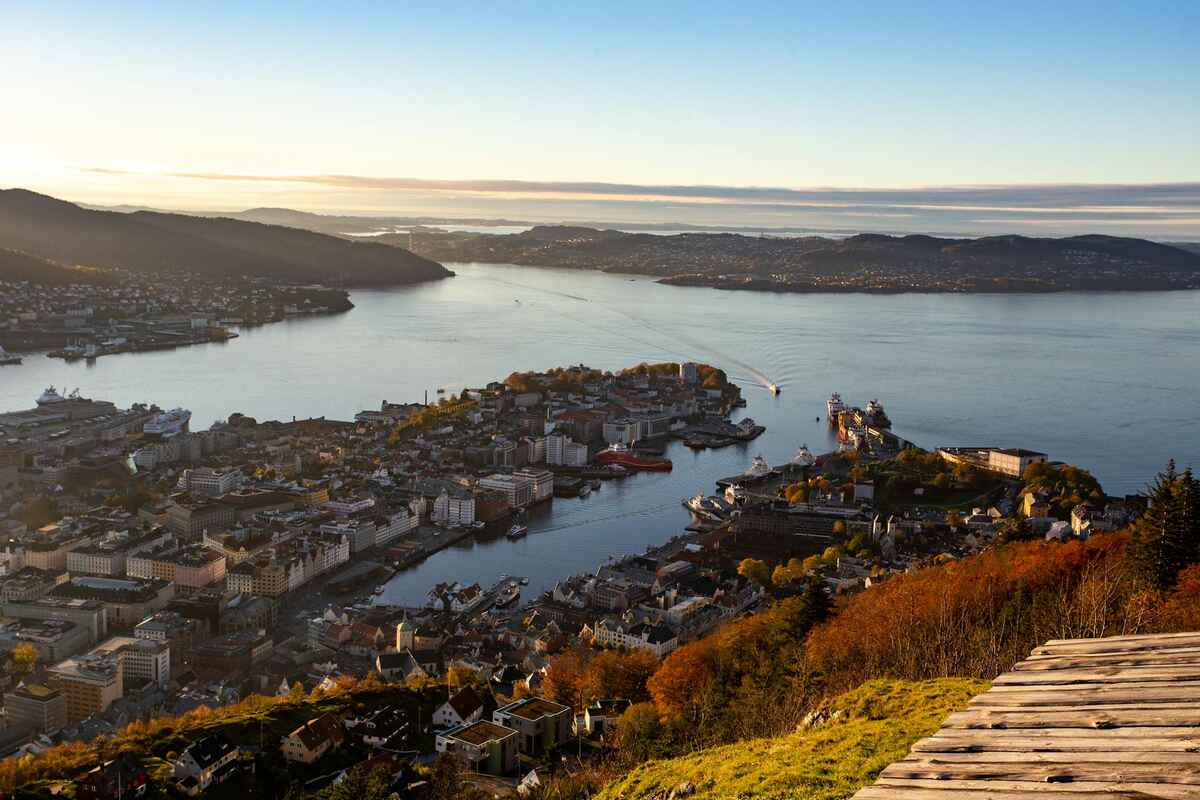
Best Time to Visit Bergen for Fjords and Culture
The months from late May through early September deliver the most reliable conditions for fjord excursions and outdoor festivals, with long daylight hours stretching into the evening.
June and July bring the midnight sun phenomenon in its milder southern form, letting you hike or cruise until well past ten o’clock at night without artificial light.
These peak months also coincide with major cultural events such as the Bergen International Festival, which draws world-class musicians, dancers and theatre companies to venues across the city.
The trade-off is that accommodation prices climb and Bryggen’s wooden alleys can feel congested, though never to the degree of Mediterranean hotspots. Booking fjord tours and hotels at least two months ahead remains wise if you plan to travel between mid-June and mid-August.
A different kind of magic settles over Bergen in September and early October, when the summer crowds thin out and the mountainside birch forests begin turning gold.
Ferry schedules to harder-to-reach arms of the fjords may start to scale back, but the core routes connecting the city with Aurlandsfjord and the Hardanger region still run reliably.
The weather grows more unpredictable, with a sharper edge to the rain showers, yet the compensation comes in the form of lower prices, quieter trails and a soft, low-angled light that photographers prize.
If your primary goal is cultural immersion rather than peak hiking conditions, this shoulder season often suits Bergen better than the frantic pace of July.
Winter in Bergen carries a reputation for relentless rain rather than deep snow, because the Gulf Stream keeps the city centre temperatures relatively mild, hovering just above freezing on many days.
That dampness can feel raw, but it also creates a cocooning atmosphere that invites you into candlelit cafés and steaming seafood pots.
The real winter draw sits inland: the ski resorts of Voss and Myrkdalen lie within a few hours by train or car, while snowy fjord landscapes seen from heated sightseeing boats offer a stark, monochromatic beauty entirely different from the lush greens of summer.
December’s Christmas market on Festplassen and the lights strung above the old streets provide a festive charm that almost makes you forget the weather.
A short note of caution about the true off-season months of November and March is practical, not discouraging. Many smaller museums and heritage sites operate reduced hours, and some high-elevation hiking trails remain closed or dangerously icy.
Heavy rain can also cause temporary disruptions to the Fløibanen funicular for maintenance. Check the official visitbergen.com calendar and the Norwegian Trekking Association’s trail reports before planning hikes, and keep your itinerary flexible enough to substitute a museum day when the clouds refuse to lift above the rooftops.
Exploring Bergen’s Historic Bryggen Wharf and Hanseatic Heritage
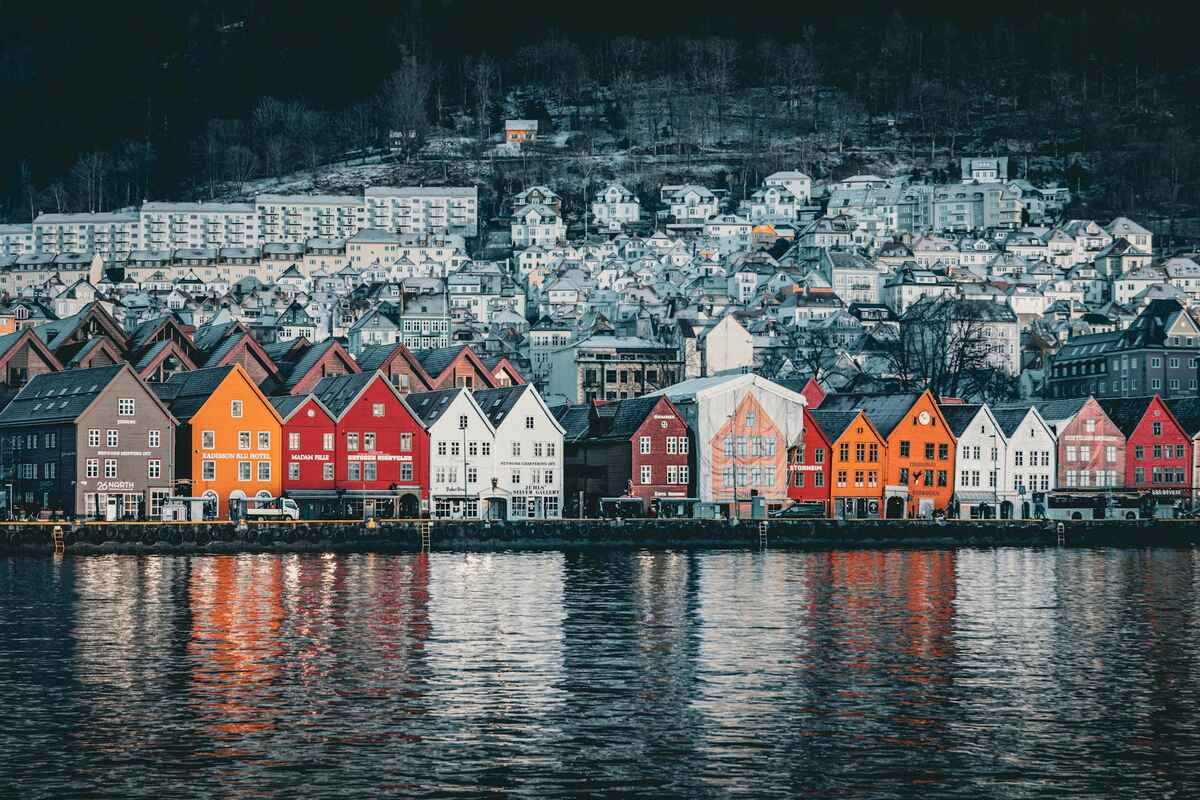
Bryggen’s iconic row of timber buildings leans slightly toward the water, as if still bracing against centuries of North Sea storms, and stepping into its narrow passageways feels like entering a living museum.
A UNESCO World Heritage site, the wharf dates from the 14th century, when the Hanseatic League established a trading office here to control the stockfish export from northern Norway.
The ochre, terracotta and white facades seen today are not a theme-park reconstruction; they sit on foundations that have repeatedly been rebuilt after fires, most recently in 1955.
Walking behind the front-facing galleries reveals a maze of elevated wooden walkways, hidden workshops and small artisan studios where contemporary craftspeople create jewellery, ceramics and prints inspired by Nordic traditions.
To understand the depth of the Hanseatic presence, the Bryggen Museum and the Hanseatic Museum offer complementary perspectives.
The Bryggen Museum, built over medieval foundations, displays archaeological finds excavated from the very ground you stand on, including runic inscriptions, leather shoes and ship parts that speak of daily life more vividly than any textbook.
The Hanseatic Museum, housed in a preserved merchant’s building, recreates the austere living conditions of the German traders who lived, worked and slept in cramped quarters, forbidden from fraternising with local women and bound by strict guild rules.
Neither venue overwhelms with excessive text panels; instead, the creaking floorboards and low ceilings do much of the storytelling.
Many visitors snap the classic postcard photograph from the opposite side of Vågen harbour and move on, but allowing time to explore the rear alleys changes the experience entirely.
The narrow passages known as “smug” in local dialect hide tiny galleries and a glass-blowing studio where you can watch molten glass shaped into delicate vases.
During the summer months, free guided walking tours run by the city’s tourist office leave from the Bryggen waterfront and explain details you would otherwise miss, such as the reason certain buildings have cranes projecting from their gables or the meaning behind the carved wooden heads peering down from the eaves.
In the quieter morning hours, before the cruise-ship groups arrive, you can practically have the wooden streets to yourself and hear the creak of old timbers settling into another day.
Top Fjord Tours from Bergen: How to Choose the Right One
Choosing the right fjord tour from Bergen depends as much on your travel style as on the destination, because the sheer variety of vessels, durations and focus areas can overwhelm even seasoned planners.
The classic Norway in a Nutshell circuit combines a train journey to Myrdal, the spectacular Flåm Railway descent, a cruise through the narrow Aurlandsfjord and Nærøyfjord arms, and a bus back to Voss before returning to Bergen by rail.
It covers a lot of ground in a single, well-coordinated day and suits first-time visitors who want the greatest scenic payoff with minimal logistical hassle.
Independent travellers can purchase the legs individually or book a package through Fjord Tours, but seat availability on the iconic Flåm train section can sell out weeks ahead during July.
Beyond the standard coach-and-rail combination, boat-based day trips from Bergen’s Zachariasbryggen dock offer a more direct connection to the water.
The three-hour Mostraumen fjord cruise squeezes through a narrow sound flanked by steep cliffs, passing waterfalls so close that spray mists the deck, and it remains one of the most time-efficient ways to taste fjord scenery without a bus connection.
Longer trips head to the Hardangerfjord, often including stops at fruit orchards or the dramatic Vøringsfossen waterfall, though these stretches can run to twelve hours round-trip and require stamina.
For a faster, more adrenalised experience, rigid inflatable boat safaris zip across the fjord surface at speeds that let you cover far more distance, with guides stopping to narrate geology and wildlife sightings.
A growing number of visitors opt for overnight small-ship cruises that depart Bergen and explore the Sognefjord with a relaxed schedule, anchoring in secluded coves where kayaks can be launched directly from the gangway.
Companies such as Havila Voyages and Hurtigruten offer this on longer coastal voyages, but you can also find niche operators focusing exclusively on the western fjords.
These overnight trips minimise travel time lost to returning to Bergen each evening and give you a chance to witness the fjord at dawn and dusk, when the light paints the rock faces in shades impossible to capture during midday glare.
| Fjord Tour Type | Typical Duration | Best Season | Intensity Level | Approximate Cost (From) |
|---|---|---|---|---|
| Classic Norway in a Nutshell | Full day (10-12 hours) | May-September | Easy | NOK 1,800 |
| Mostraumen fjord cruise | 3 hours | All year | Easy | NOK 750 |
| RIB boat safari | 2-3 hours | April-October | Moderate | NOK 1,200 |
| Hardangerfjord day excursion | 11-13 hours | June-August | Moderate | NOK 2,000 |
| Overnight small-ship cruise | 2-3 days | May-September | Easy to moderate | NOK 5,500+ |
Safety and comfort should factor heavily into your choice. Smaller high-speed RIBs provide exposed seating and require warm waterproof suits, so they are less suitable for those with back problems or a dislike of wind and spray.
Larger sightseeing vessels offer indoor lounges, cafés and observation decks, making them a better fit for families and older travellers.
Always verify that the tour operator holds a licence with the Norwegian Maritime Authority and check recent guest reviews for comments on weather-related cancellations, as fog can occasionally alter routes on the fly.
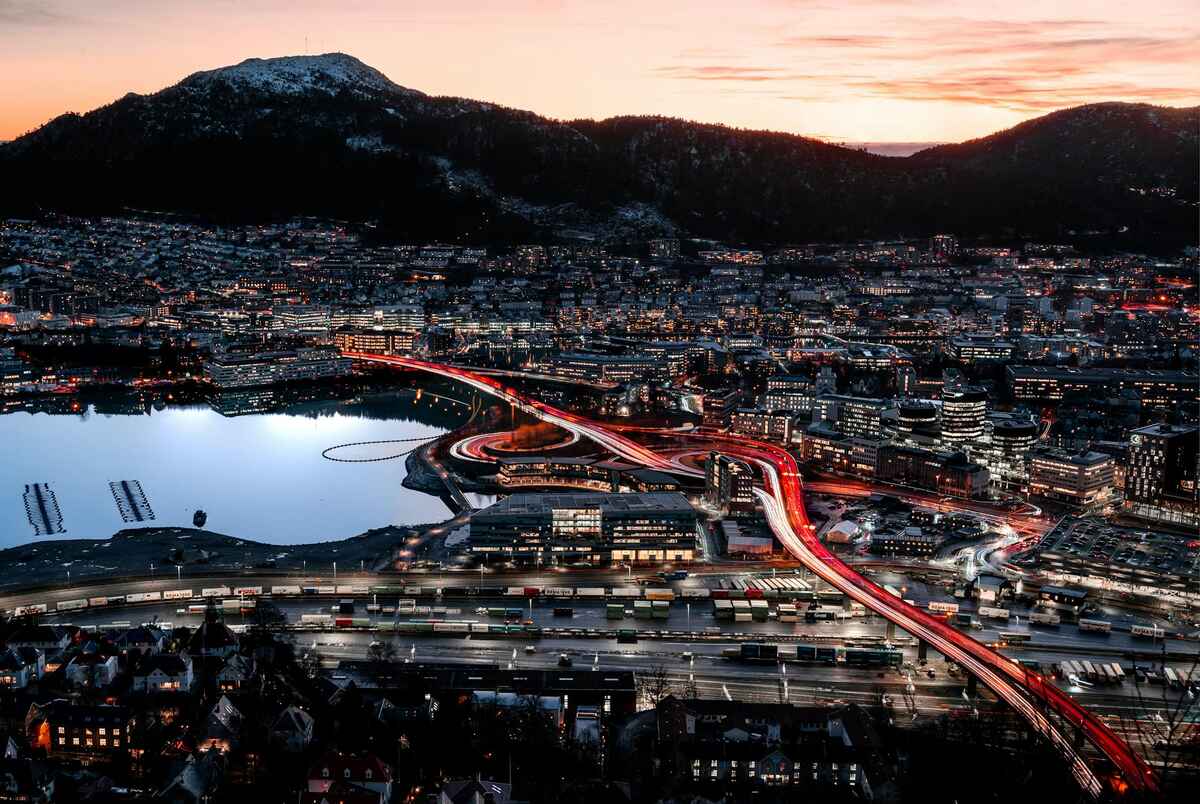
Where to Stay in Bergen: Best Neighborhoods for Every Traveler
Bergen’s compact core means no neighbourhood is inconveniently far from the main attractions, yet each area carries a distinct personality that can shape your stay more than you might expect.
The Sentrum district places you steps from the harbour, the fish market and the Fløibanen lower station, making it the most practical base if you prioritise proximity over quiet.
Hotels here range from the historic Det Hanseatiske Hotel, lodged inside a 16th-century building on Bryggen’s edge, to sleek modern chains like Clarion Hotel Admiral, whose waterfront rooms look straight across at the wharf.
The trade-off is elevated noise levels on summer weekends, when the bars along the quay stay lively past midnight.
Cross the small footbridge to the Nordnes peninsula and the atmosphere shifts noticeably. This largely residential area, fringed by parkland and the Nordnes seawater pool, preserves narrow streets lined with white wooden houses and feels worlds away from the cruise terminal despite being a ten-minute walk.
Smaller guesthouses and apartment rentals dominate here, giving you the chance to shop at the neighbourhood’s bakeries and live at a slower pace.
The aquarium and several good neighbourhood restaurants sit within easy strolling distance, and the sunset views from the tip of the peninsula toward Askøy Island are quietly spectacular without drawing crowds.
Travellers who prefer a more bohemian backdrop should look at the area around Skostredet and the lower slopes of the mountainside. This district has become Bergen’s creative hub, with independent coffee roasters, vintage shops and small design studios tucked into older buildings.
Boutique hotels and urban apartments in this zone often feature industrial-meets-Nordic design, and you will be staying mere metres from some of the city’s best natural wine bars and farm-to-table eateries.
The climb up toward the university area adds a few minutes to your walk but rewards with greener surroundings and a chance to join students and locals at relaxed, reasonably priced lunch spots.
If your priority is outdoor access and horizon-wide views, consider the hillside neighbourhoods near the upper stations of Fløibanen or Ulriken’s cable car.
A handful of cabins and lodges, such as the self-service cabins run by the Bergen Trekking Association, allow overnight stays above the tree line. These are not typical hotels; you bring your own sleeping bag and food, but waking up to a sea of peaks and a fjord glittering far below makes the effort worthwhile.
Book well in advance for summer weekends, and always check the weather forecast, because mountain fog can roll in with little warning and turn the magic into a whiteout.
Hidden Gems in Bergen Most Tourists Overlook
The most rewarding corners of Bergen often sit just beyond the edge of the tourist map, requiring only a slight detour from the well-trodden path. One such place is the Leprosy Museum at St. Jørgen’s Hospital, housed in preserved 18th-century wards on a quiet street north of the centre.
The site tells a medically and socially important story, because Bergen was the epicentre of leprosy research in Europe, and it was here that Dr. Gerhard Armauer Hansen identified the bacterium responsible for the disease.
The small garden of medicinal herbs and the patient rooms left intact create a sobering but essential layer of understanding about the city’s intellectual history.
On a lighter note, the narrow alley of Kong Oscars gate 59 hides a tiny cinema called Konsertpaleet, an arthouse venue screening independent and international films inside a beautifully restored 19th-century concert hall.
Even if you do not have time for a film, the café in the foyer serves excellent coffee and pastries in velvet-seated splendour, with barely any sign outside to draw passersby.
Similarly, the gallery space Lydgalleriet focuses exclusively on sound art, presenting installations that use field recordings, acoustic phenomena and experimental composition to explore themes often linked to the west Norwegian landscape.
For a dose of local everyday life, walk the length of the Damsgårdssundet promenade on the eastern shore of the Puddefjord. This revitalised industrial waterfront now hosts floating saunas, a small microbrewery and a community-driven climbing wall mounted inside an old dry dock.
Swimming from the sauna pontoon into the cold fjord water, followed by a craft beer while watching the commuter ferries glide past, offers an unfiltered Bergen experience that few guidebooks mention.
Nature hides in plain sight too. The Stoltzekleiven stone staircase, often overshadowed by the easier Fløyen and Ulriken routes, ascends steeply from the Sandviken district through a forested ravine.
Local hikers treat it as a training climb, and the 722 steps deliver you to a viewpoint of Sandviksfjellet that overlooks the city from a thrilling, slightly dizzying angle. Early mornings here are quiet, and the sound of running water accompanies you much of the way.
Do not attempt this in icy conditions, and bring proper trainers rather than casual shoes, because the rocks stay damp even on dry days.
Bergen’s Food Scene: From Seafood Markets to Fine Dining
Bergen’s relationship with food begins at the water’s edge. The fish market at the end of the harbour, rebuilt into a modern glass-and-steel hall alongside the traditional outdoor stalls, remains the most visible face of local seafood culture.
You can point to live king crabs, watch a filleting demonstration, and eat freshly shucked oysters while standing at a high table with a view of the fjord.
The market has attracted criticism in recent years for leaning toward tourist prices and imported produce alongside local catches, but the outdoor vendors still offer honest bowls of fish soup and grilled salmon skewers that taste of the North Sea. Go before noon, when the produce looks freshest and the tour groups have not yet descended.
Away from the harbour, Bergen’s restaurant scene has quietly become one of Norway’s most dynamic. Restaurants such as Lysverket, housed in the KODE museum complex, combine Nordic culinary precision with ingredients sourced from the fjords, forests and mountain farms of western Norway.
Their tasting menus change frequently, but expect dishes like line-caught pollock with browned butter, pickled ramson buds and a velvety sauce built from fermented celeriac.
More relaxed options include Colonialen Kranen, a bakery and bistro inside a former warehouse, where the sourdough bread and cardamom buns rival anything served in Oslo, and Pingvinen, a locals’ pub dishing up hearty plates of meatballs, mashed peas and creamy gravy that taste like a grandmother’s kitchen crossed with a gastropub.
The contemporary coffee culture runs deep in Bergen, embodied by micro-roasters such as Kaffemisjonen and Bergen Kaffebrenneri.
These spaces function as community living rooms where students, artists and office workers linger over pour-overs, and the baristas are happy to explain the origin of the beans.
A “kaffepause” here is not a quick caffeine grab but a ritualised pause that reflects the city’s slower, rain-soaked rhythms. Pair a cup with a skolebrød, the custard-filled, coconut-topped bun that appears in every bakery window, and you adopt one of the city’s simple pleasures.
For a deeper dive, look for seasonal food festivals and farm visits in the surrounding fjord villages. The Hardanger region, accessible as a day trip, celebrates fruit blossoming in May and cider pressing in autumn, with farm stays offering tastings of artisanal apple juice and cider made from varieties that trace back centuries.
These experiences ground Bergen’s culinary identity in its hinterland, reminding you that the seafood and stone fruit on your plate travel only a few kilometres. Booking directly through producers or via small-group food tours, rather than large coach excursions, usually yields a more personal experience.
How to Get Around Bergen Like a Local
Bergen’s compact centre makes walking the default and most pleasurable way to navigate, and locals rarely use public transport for journeys under a kilometre.
The city’s layout funnels most traffic toward the harbour basin, so once you learn to orient yourself by Vågen and the twin landmarks of Fløibanen and Ulriken, you will rarely need a map.
Good waterproof footwear matters far more than a transit pass for central exploration, because cobblestones stay slick after rain and puddles hide between uneven stones.
Distances that look moderate on a screen can feel longer when you are climbing the gentle but steady slope from the train station up toward the university district.
When your feet need a rest or your destination sits farther afield, the light rail system called Bybanen connects the city centre with the airport, the southern suburbs and the Fyllingsdalen district.
Trains run frequently, are clean and quiet, and accept contactless payment via the Skyss mobile app. Tickets are purchased before boarding and operate on a zone system; most visitors will stay within zone A, which covers Bergen’s core and the airport.
The Bybanen also provides a scenic route toward Mount Ulriken if you get off at the Haukeland stop and walk the remaining uphill section.
Buses fill the gaps that the light rail does not cover and reach neighbourhoods like Nordnes, Sandviken and the higher residential slopes where narrow streets prohibit tram tracks.
Route maps can initially look confusing because of the many numbered lines, but the Skyss journey planner simplifies everything with real-time updates and departure times.
Locals rarely buy paper tickets, instead tapping a bank card or using the app, and ticket inspectors do conduct occasional checks, so always ensure your fare is valid before you sit down. A 24-hour pass often pays for itself by the third journey and eliminates the hassle of single-ticket purchases.
Cycling has grown steadily in Bergen, though the city’s hills and cobbled alleys demand a certain fitness level and a robust bike.
The city bike-sharing scheme Bergen Bysykkel operates seasonally from April to November, with docking stations conveniently located near the university, the train station and major park entrances.
Helmets are not mandatory for adults by law but are strongly advised, especially on descents where wet leaves reduce traction dramatically. Dedicated bike lanes along Christies gate and the Fjord Norway cycle route toward Os offer safe, scenic rides, but in the old town you are better off walking alongside your bicycle.
Day Trips from Bergen That Go Beyond the Guidebook
Once you have absorbed the city’s harbour rhythms, a handful of day trips reward the effort of an early start without demanding overnight logistics.
The island of Lysøen, reachable by bus and a short ferry ride from Buena, was the summer home of violin virtuoso Ole Bull and offers a whimsical contrast to Bergen’s stoic architecture.
His villa, built in a fanciful mix of Swiss chalet, Moorish detail and Norwegian wood carving, sits amid walking trails that loop around the island through fern-filled forests and along rocky shores.
The house’s guided tour, full of anecdotes about Bull’s musical wanderings and utopian ideas, feels intimate and eccentric in the best possible way.
Further inland, the Osterøy island chain, encircled by the Sognefjord, Veafjord and Osterfjord, remains under the radar for international visitors.
A bus from Bergen’s bus station connects to a car ferry at Valestrand, and the crossing itself reveals a landscape of steep farmland, quiet boatyards and painted wooden houses that seem to cling to the mountainside.
The Havrå farm cluster, a preserved cultural landscape of clustered farm buildings with medieval roots, lies on the southern tip of Osterøy and provides a rare, immersive view of traditional Norwegian agricultural life untouched by modern consolidation.
A small museum and café on site make the journey comfortable, and the silence inside the timber farmhouses is profound.
For travellers drawn to contemporary arts and design, the KODE art museums in Bergen already offer a strong collection, but the newly opened Lysverket satellite at the outskirts of Fana adds a different dimension.
Housed in a converted industrial building, it focuses on temporary installations by Nordic artists responding to themes of climate, migration and identity.
The easiest way to reach it is by Bybanen to Fantoft, followed by a 15-minute walk, and combining the visit with a stop at the nearby stave church of Fantoft, a dark, tar-scented reconstruction of a 12th-century original, makes for a thematic half-day exploring Norway’s long conversation between tradition and modernity.
If your appetite for raw nature is still unsated, the guided glacier walks on the Folgefonna glacier offer a full-day expedition that pushes beyond typical sightseeing.
Operators in the village of Jondal, accessed by a combination of bus and express boat from Bergen, provide crampons and harnesses for safe traversal of the blue-ice tongues.
This is a serious outing demanding moderate fitness, layered thermal clothing and a head for heights, and it should not be attempted without an IFMGA-certified guide.
The experience of standing inside a crevasse and hearing the glacier creak and groan beneath your feet is unforgettable, but always respect the guide’s decision to alter the route if conditions shift.
Essential Bergen Travel Tips for First-Time Visitors
Do not underestimate the rain, but do not let it define your trip either. Bergen’s rainfall totals are high, often exceeding 2,000 millimetres a year, which means you will likely encounter at least a few showers regardless of the season.
The key is packing a quality waterproof jacket with a hood that stays put in wind, rather than wrestling with an umbrella that will invert the moment you round a corner by the harbour.
Locals wear technical rain shells casually over jeans and wool, and this functional approach is not a fashion statement but a survival tactic that lets them continue their day without pause.
The upside of the constant moisture is the lushness it creates; the moss, ferns and cascading hillside streams depend on it, and Bergen’s charm is interwoven with its damp climate.
Early morning and late evening are golden hours for photography and solitude. Bryggen looks most enchanting before 9 a.m., when the cruise passengers are still eating breakfast and the light skims low across the wooden facades.
Similarly, the Fløibanen funicular tends to be quietest during the first hour of operation and after 7 p.m., when the selfie-stick crowds have descended for dinner.
Planning one or two early starts can dramatically change your experience of the city’s most photographed spots, turning them from bustling thoroughfares into contemplative spaces where you can hear the clang of halyards against masts.
Tipping in Bergen follows Norwegian norms, which means service charges are included in bills, and leaving a modest round-up of 5 to 10 percent at restaurants is appreciated but not expected.
Cash usage is minimal; even small transactions at market stalls, bakeries and public toilets accept card or mobile payments.
Having a small amount of Norwegian kroner in coins can be useful for older parking meters or countryside farm stands, but you can comfortably spend an entire trip tapping your card. ATMs are widespread, though the need to withdraw cash is fading fast.
- Book fjord tours and popular museums at least two days ahead in peak season.
- Wear shoes with solid grip; the cobblestones stay slick after rain.
- Carry a reusable water bottle; tap water is exceptionally clean.
- Download the Skyss app for all public transport tickets.
- Pack a lightweight puffy layer even in summer, as summits remain chilly.
Lastly, don’t treat Bergen as a mere transit stop between the airport and the fjords. The city’s cultural depth, from Edvard Grieg’s home at Troldhaugen to the cutting-edge galleries in the former industrial buildings, deserves dedicated time.
Set aside your instinct to rush and allow the city to unfold at its own pace, which, like the rain, rarely stops but always softens into something beautiful.
Understanding Bergen’s Weather and What to Pack
Bergen’s weather is famously unpredictable not because it changes seasonally in extreme ways, but because it can swing between sunshine and drizzle several times in a single afternoon.
The Gulf Stream warms the coastal waters enough to keep the city’s harbour largely ice-free in winter, but it also generates rapid cloud formation when moist Atlantic air collides with the mountains that ring the city.
Locals often joke that you can experience all four seasons in a day, and while that sounds like hyperbole, it is useful advice for packing. The temperature range in summer typically sits between 12°C and 20°C, while winter days hover around 2°C to 6°C, rarely plunging to the deep freezes common in interior Norway.
The most critical packing item is a reliable waterproof and breathable outer shell, preferably one with taped seams and an adjustable hood. Rain in Bergen rarely arrives as a torrential downpour; it tends to be a steady, persistent drizzle amplified by coastal gusts that find any gap in your clothing.
Waterproof trousers are worth their weight if you plan significant hiking or fjord boat trips where spray adds to the moisture load.
Base layers of merino wool or fast-drying synthetics keep you comfortable underneath, because cotton stays damp and cold against the skin for hours after a soaking. A lightweight puffy jacket and a beanie round out the kit for evenings and mountain summits, even in July.
Footwear demands extra thought. The combination of steep cobbled streets, rain-slicked wood on the Bryggen walkways and muddy mountain trails means that you need shoes with deep tread and good ankle support.
Fashion trainers with minimal grip will cause slips, and leather soles become treacherous when wet. Waterproof hiking shoes with a sturdy sole strike the right balance for urban and trail use.
On days when you plan only city exploration, waterproof leather boots with a rubber sole work elegantly and keep feet dry. Pack two pairs of socks so you can switch out damp ones midday, a small habit that makes a big morale difference.
What often surprises visitors is the intensity of the summer sun when it does break through. Because Bergen sits at a high latitude, the sun’s angle stays low for much of the day, and UV exposure can be significant during clear spells between May and August.
Sunglasses, sunscreen and a hat belong in your bag alongside the rain gear. A compact daypack with a waterproof cover or a dry bag inside solves the gear problem neatly, allowing you to shed and add layers as conditions change hour by hour. Ultimately, embracing Bergen’s weather means dressing for flexibility, not for a single forecast.
Conclusion
Bergen leaves its mark not through grand boulevards or headline monuments, but through the quiet layering of wood, water and stone that shapes everyday life.
This Bergen travel guide has traced the city’s rhythm from the creaking alleyways of Bryggen to the deep silence of the fjords just beyond the harbour, mapping a destination that rewards those who pause long enough to see its many layers.
Whether you spent your days hiking up Stoltzekleiven, tasting cider in the Hardanger orchards, or simply watching the changing light on the mountains from a café window, you will likely leave feeling that the city has revealed only a fraction of its character.
The interplay between urban creativity and raw wilderness remains Bergen’s greatest strength. One morning you can stand in a gallery contemplating soundscapes recorded inside glaciers, and by afternoon you can be standing on a boat deck with spray on your face and a waterfall thundering into the sea beside you.
That proximity is rare and intoxicating, and it reminds you that the fjord is not a backdrop but an active, living presence that shapes every aspect of local identity.
The people you meet, from the fishmongers at the market to the guides in the high mountains, carry this connection with a quiet pride that never feels like performance.
Practical details can make or break a trip, and here the city’s compact scale, reliable transit network and deep-rooted hospitality infrastructure smooth the way. Booking a few key experiences ahead of time while leaving large gaps for spontaneity allows the weather to surprise you without derailing plans.
Eating a warm cinnamon bun in a bakery doorway as the rain falls, or climbing a mountain staircase before the world wakes up, become the memories that outlast any checklist of sights.
The photographs you take will only partly capture the feeling of being here; the rest stays in the sound of water against a wooden hull and the soft grey light that seems to deepen all other colours.
Conditions, prices and entry requirements for attractions, transport routes and guided tours can shift with the season and with factors beyond any guide’s control.
Before you travel, confirm the latest schedules for ferries and the Fløibanen, booking windows for popular fjord excursions, and any updated safety advice for hikes and glacier activities.
The official visitbergen.com website, the Norwegian Trekking Association and local tourist information desks provide current, reliable guidance.
A flexible attitude and a dry change of clothes will serve you far better than a rigid itinerary, and with those in your backpack, Bergen will almost certainly exceed your expectations.
FAQ
What is the best area to stay in Bergen for first-time visitors?
The Sentrum district and the harbourfront streets offer the most convenient base, putting you within a short walk of Bryggen, the fish market and the Fløibanen station. Nordnes provides a quieter residential atmosphere just across the inlet, while still being remarkably close to the centre. Your choice depends on whether you prioritise being steps from restaurants and departure docks or prefer a calmer street to return to after sightseeing.
How do I get from Bergen Airport to the city centre?
The Bybanen light rail departs directly from the airport terminal and reaches the central Byparken stop in approximately 45 minutes. Tickets can be purchased via the Skyss app or at station machines. Airport express coaches also run frequently and take slightly less time, though they cost more. Taxis are available but represent the most expensive option, and fixed-rate quotes are advisable before the journey.
Is Bergen expensive for food and accommodation?
Norway has a high cost of living, and Bergen reflects this in restaurant prices, hotel rates and grocery bills. Budget-conscious travellers can save by staying in guesthouses or self-catering apartments, shopping at local supermarkets, and lunching at bakeries and casual eateries rather than full-service restaurants. Eating your main meal at lunch when many places offer a “dagens rett” (dish of the day) can reduce costs noticeably without sacrificing quality.
Can I see the northern lights from Bergen?
Bergen lies too far south and experiences too much overcast weather for reliable aurora sightings. While rare and weak displays have occasionally been visible during periods of intense solar activity, the city is not a practical destination for northern lights tourism. Travellers serious about witnessing the aurora should head much farther north, typically beyond the Arctic Circle.
Do I need to speak Norwegian to travel comfortably in Bergen?
Almost everyone in Bergen speaks fluent English, including bus drivers, shop assistants, restaurant servers and tour guides. Menus, signs and public transport information appear in English alongside Norwegian in most places. Learning a few words like “takk” (thank you) and “hei” (hello) is appreciated but never required for getting around or making yourself understood.
What is the Bergen Card and is it worth buying?
The Bergen Card offers free or discounted entry to many museums and attractions, including the KODE art museums, the Bergen Aquarium and the funicular, together with free travel on buses and the light rail within the city zone. It can represent excellent value if you plan to visit several paid attractions and use public transport heavily over consecutive days. Review the current list of included venues before purchasing, as partnerships and inclusions can change.
Are hiking trails around Bergen safe for solo travellers?
Many trails near the city, including those on Mount Fløyen and Mount Ulriken, are well-marked, frequently used and generally safe for solo hikers with reasonable fitness. Weather can shift abruptly, so carrying a map, a charged phone, waterproof layers and some food is essential. For more remote routes or glacier walks, always notify someone of your plans and consider hiring a certified guide, especially outside the main summer season.
What should I wear to visit Bryggen on a rainy day?
A waterproof jacket with a snug-fitting hood, water-resistant trousers and shoes with deep tread will keep you comfortable as you explore the outdoor alleyways and wooden walkways. The cobbles and timber surfaces become very slippery when wet, so prioritise grip over fashion. An umbrella is rarely useful because the wind whips through the narrow passages and can turn it inside out in seconds.
How far in advance should I book fjord tours from Bergen?
During peak summer months, popular packages such as Norway in a Nutshell and the Mostraumen cruise frequently sell out one to two weeks ahead, and the Flåm Railway leg often books up even earlier. Shoulder-season travellers usually enjoy more flexibility, but booking at least several days in advance remains sensible. For small-group experiences like RIB safaris or guided kayaking, earlier reservations secure your preferred time slot.
Is Bergen suitable for a family trip with young children?
Yes, Bergen offers a compact, walkable centre, plenty of parks, and attractions such as the Bergen Aquarium, the VilVite science centre and the gentle paths on Mount Fløyen that appeal to children. Many fjord cruises welcome families and provide indoor areas where young children can stay warm. Always check minimum age and height requirements for high-speed boat tours and outdoor adventure activities before booking.

Author: Horeca Health
Horeca Health


Leave a Reply