Visit Bled: Introduction
Visit Bled: Prepare to step into a scene lifted straight from a fairytale. Nestled amidst the dramatic peaks of the Julian Alps, Slovenia’s Lake Bled is not merely a destination; it is an experience defined by breathtaking natural beauty, profound historical resonance, and irresistible tranquility.
Dominated by the iconic island church and the medieval castle perched precariously on a cliff face, this glacial body of water offers a captivating blend of adventure, romance, and relaxation that has drawn visitors for centuries.
Whether you seek the thrill of hiking to panoramic viewpoints, the cultural immersion of visiting a thousand-year-old castle, or simply the pleasure of sampling the famous local cream cake (kremšnita) by the shimmering water, Bled promises an unforgettable escape.
This comprehensive guide is crafted to be your expert companion, leading you beyond the surface beauty to discover the hidden histories, the best viewpoints, the essential local flavours, and the most enchanting activities this spectacular region has to offer.
We’ve compiled insider tips and crucial information to ensure your adventure is as seamless as it is magical.
Get ready to uncover everything you need to know to truly explore and appreciate the stunning landscape and rich heritage that makes a visit Bled journey a mandatory addition to any European travel itinerary.
Visit Bled: How did this natural wonder transform from a medieval fiefdom into a world-famous tourist destination?
Visit Bled: The storied history of this captivating location stretches back far beyond its current fame, tracing a path from prehistoric settlements to a beloved modern resort.
Archaeological finds, particularly on the castle rock and the island, indicate human presence as early as the Stone and Iron Ages, followed by significant settlement by Slavic tribes in two major waves during the 7th and 9th centuries.
The true written history, however, begins in the Middle Ages, marking a pivotal moment in the destiny of the town. In 1004, the German King Henry II, then Holy Roman Emperor, gifted the entire Bled estate, along with its surrounding territory, to the Bishop Albuin of Brixen.
This land transfer set the course for the next 800 years of feudal rule. The iconic Bled Castle, dramatically perched on the cliff above the glacial lake, was first documented in 1011, making it one of Slovenia’s oldest fortresses, and for centuries it served as the administrative and defensive seat for the Brixen bishops.
The castle, initially a simple Romanesque tower, was gradually expanded and fortified, developing into the impressive structure we admire today.
The picturesque setting and mild sub-Alpine climate began to attract attention in the 19th century, particularly after Swiss hydropathist Arnold Rikli established a natural healing resort here in the 1850s, successfully promoting the health benefits of the fresh mountain air and the crystal-clear waters.
This marked the shift from a medieval administrative centre to a burgeoning health and wellness destination, laying the foundation for modern tourism.
After the dissolution of the Austro-Hungarian Empire, the property eventually transitioned into Slovenian hands, becoming a favoured summer retreat for the Yugoslav royal family and later a prestigious state residence under President Tito.
The seamless blend of millennia of history, from pagan worship on the island to its current status as a global travel icon, makes any visit Bled a journey through time, revealing the layers of culture and tradition that define this stunning Slovenian jewel.
The enduring legacy of Bled is its ability to preserve its historical charm while welcoming visitors from around the globe.
Visit Bled: What is the fascinating history and significance of the church on the island?
Visit Bled: The small, teardrop-shaped island that defines the iconic view of the lake holds a history and spiritual significance that pre-dates the current structure of the Pilgrimage Church of the Assumption of Mary.
Archaeological evidence suggests the site was originally a pre-Christian worshipping area, likely dedicated to the ancient Slavic goddess Živa, symbolizing love and fertility.
This deep, spiritual history is a fascinating layer to the island’s charm. In the Middle Ages, the Christian church was established on the site of the former pagan temple.
The current Baroque-style church, which dominates the island’s skyline, was consecrated in 1698 after the previous Gothic church was severely damaged by an earthquake. The interior is particularly notable for its rich frescoes and altars, but the main draw for visitors remains the tradition of the “wishing bell.”
According to a local legend, a young widow who once lived in Bled Castle dedicated her fortune to commissioning a bell for the church after her husband was murdered. Tragically, the boat carrying the bell sank in a storm, and both the crew and the bell were lost to the lake’s depths.
After her death, the Pope consecrated a new bell, and it is this one that is famously rung today. Visiting the island is not just a scenic trip; it is an encounter with layers of Slovenian folklore, history, and deeply held traditions, all centered on this small piece of land.
To complete the experience of your visit Bled, you must make the journey, climb the 99 steps, and participate in the timeless ritual of ringing the bell to make your own wish, thereby connecting with centuries of local pilgrimage and belief. The entire ambiance of Bled is heightened by the mysterious and sacred history of its central island.
Visit Bled: What is the most enchanting way to reach the iconic island in the center of the lake?
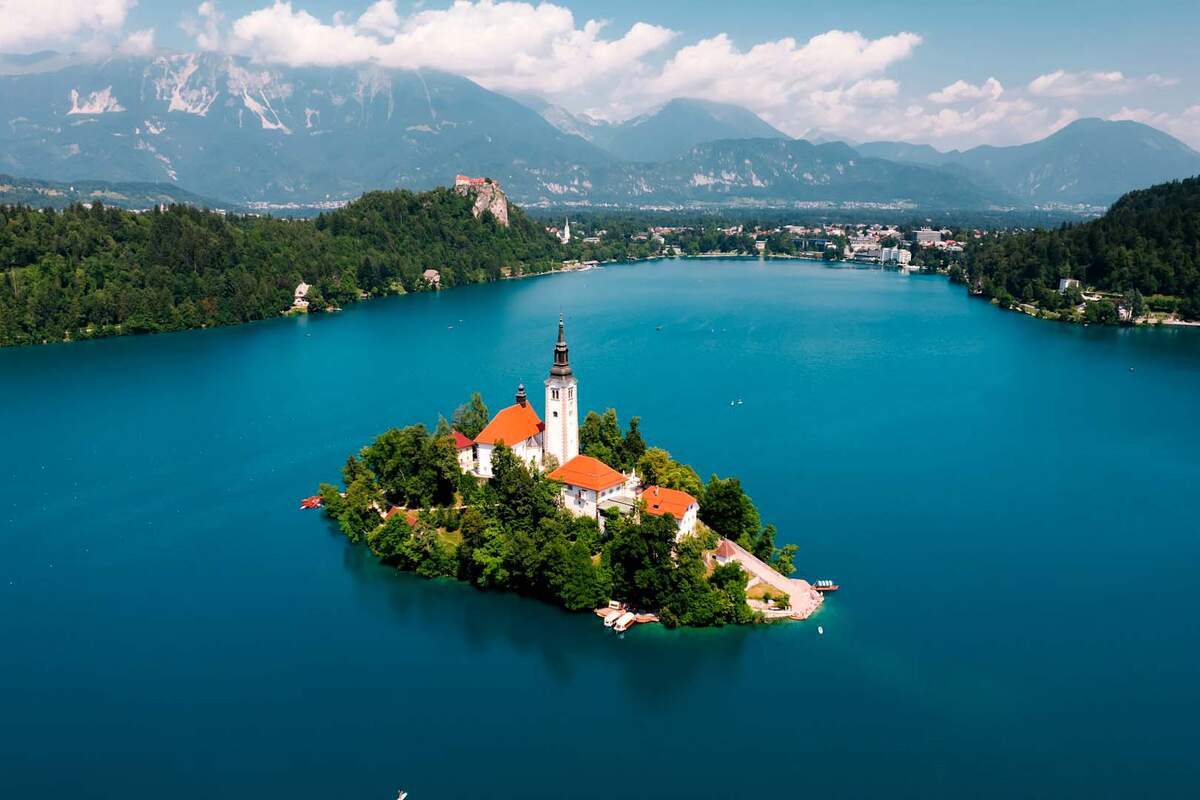
Visit Bled: The heart of this Julian Alps gem is its tiny, picture-perfect island, crowned by the Pilgrimage Church of the Assumption of Mary.
To truly experience the magic of this Slovenian wonder, you must traverse the glacial waters to reach its shores, and the most enchanting method by far is a ride on a Pletna boat.
These traditional, flat-bottomed wooden boats are unique to this alpine region, rowed standing up by a single dedicated oarsman, a craft passed down through families for generations.
Hiring a Pletna offers a distinctly authentic and relaxing journey across the mirror-like surface of the lake, allowing you to fully soak in the dramatic scenery of the surrounding peaks and the imposing castle perched on the cliff above.
The journey provides a chance to appreciate the pristine environment and the tranquility of the setting, which is a world away from the hustle and bustle of modern life.
Once you arrive at the island, be prepared for a short but memorable ascent up the 99 stone steps leading to the church, a ritual often performed by newly married couples, where the groom must carry his bride to ensure a long and happy marriage.
Inside the Baroque church, the centuries-old tradition continues as visitors ring the “wishing bell,” believed to grant a desire if rung three times.
Opting for a Pletna not only supports local heritage but also delivers the quintessential visit Bled experience, transporting you back to a simpler time and deepening your appreciation for the unique culture of this captivating destination.
For those who prefer a more active approach, renting a rowboat is a wonderful alternative, offering the freedom to explore the placid water at your own pace and create a truly personal moment on the stunning lake.
The entire area around Bled is geared towards showcasing its natural beauty, and the island trip is the absolute focal point of any visit.
Visit Bled: Where can you find the most breathtaking panoramic views and discover centuries of history?
Visit Bled: The most spectacular viewpoint, and a crucial stop for any history enthusiast, is Bled Castle (Blejski Grad), a medieval fortress majestically perched atop a steep 130-meter cliff overlooking the eastern shore.
To truly grasp the scale and beauty of the entire region, you must ascend to this ancient stronghold, which is believed to be the oldest castle in Slovenia, first documented in 1011.
The climb up the well-maintained footpaths may be a slight challenge, but the reward is an unparalleled, postcard-perfect panorama that captures the entirety of the lake, the island, and the snow-capped Julian Alps stretching into the distance.
This visual feast alone is worth the price of admission, offering photographers and sightseers alike the iconic shot of the Slovenian landmark. However, the castle offers much more than just a view; stepping inside transports you through a thousand years of history.
Visitors can explore the museum, which details the historical development of the area and its importance as a former seat of bishops and later a presidential retreat.
You can also visit the castle printing works, where you can observe the old art of hand-printing, and the wine cellar, where you can bottle your own commemorative bottle of wine.
The castle’s courtyard and terraces provide unique perspectives, and its restaurant offers fine dining with a view that is simply unbeatable. For an unforgettable and comprehensive visit Bled experience that combines cultural enrichment with stunning vistas, the castle is an essential part of the itinerary.
The blend of historical intrigue and natural splendour surrounding the town of Bled makes it a truly unique European destination.
Visit Bled: Are there any must-do hikes for an iconic, elevated perspective of the lake?
Visit Bled: A visit to this beautiful alpine region is incomplete without tackling one of the short, yet rewarding, hikes to an elevated viewpoint, which offers the most famous and iconic perspectives often seen in travel guides.
The two most recommended spots are Mala Osojnica and Velika Osojnica, but for the most direct and beloved classic view, the trail to Ojstrica is the best starting point.
Situated on the southwestern side of the lake, the trail head is clearly marked, and the ascent is relatively steep but manageable, taking most visitors only about 20 to 30 minutes.
As you climb, you are enveloped by the serene forest, but once you reach the top, the small wooden platform at Ojstrica provides an immediate, breathtaking outlook over the entire glacial body of water.
From this vantage point, the composition is flawless: the turquoise waters, the tiny island church, and the formidable castle are all framed against the backdrop of the towering mountains. It is here that you will fully appreciate the magic of this natural Slovenian jewel.
For those seeking an even higher perspective and a slightly longer trek, continuing from Ojstrica up to Mala Osojnica and then Velika Osojnica will reward you with increasingly stunning and less crowded panoramas.
These hikes are essential for any dedicated sightseer, offering not only incredible photo opportunities but also a chance to immerse yourself in the natural tranquility that defines this scenic area.
Make sure to wear sturdy shoes, bring water, and plan your hike for the early morning or late afternoon to experience the best light and avoid peak crowds, ensuring your visit Bled memories are picture-perfect.
The area of Bled offers numerous trails, but these few spots provide the most quintessential and unmissable vistas of the water.
Visit Bled: What is the most famous local delicacy that every visitor must taste?
Visit Bled: When exploring the charming town surrounding the lake, one cannot leave without indulging in its single most famous and beloved culinary creation: the Kremšnita, or Bled Cream Cake.
This iconic dessert is deeply entwined with the identity of the town, and its reputation has spread far beyond the Slovenian borders.
The original and most renowned version of this creamy masterpiece was created in 1953 by Ištvan Lukačević, the former manager of the patisserie at the Park Hotel, and the recipe has remained largely unchanged ever since.
The cake is a triumph of balance and texture, consisting of a delicate, buttery puff pastry base, a thick layer of rich vanilla custard, a generous layer of whipped cream, and finally, a dusting of powdered sugar over a crisp top layer of puff pastry.
The key to its quality lies in the precise ratio and freshness of its ingredients; the custard must be light yet firm, and the whipped cream airy and not overly sweet.
You can find variations of the cake all over the country, but purists agree that tasting one in its birthplace, with a view of the beautiful water and the castle, is the definitive experience. Stopping for a slice is a delightful cultural experience, often enjoyed with a cup of coffee on a sunny terrace.
Over the decades, millions of these delicious squares have been served, cementing its status as an indispensable part of the local gastronomic heritage.
To truly complete your visit Bled journey, seek out the original recipe at the Hotel Park’s café or another reputable local establishment and savour a piece of Slovenian culinary history. The simple yet sophisticated flavour profile makes it a perfect treat after a day of sightseeing around Bled.
Visit Bled: Is there a more adventurous natural wonder to explore near the main attraction?
Visit Bled: While the serene lake and its prominent island are undoubtedly the main draw, for those seeking a more thrilling encounter with Slovenia’s natural majesty, a short trip to the nearby Vintgar Gorge is absolutely essential.
Located just 4 kilometres northwest of the main town, this dramatic 1.6-kilometre-long chasm carved by the Radovna River is a spectacle of cascading waterfalls, powerful rapids, and impossibly clear turquoise pools.
Exploring the gorge involves a safe and accessible walk along wooden walkways and bridges that cling to the sheer rock faces, often crossing the river multiple times, providing a truly immersive experience within the raw, untamed beauty of the Triglav National Park.
The path culminates in the mighty Šum waterfall, one of Slovenia’s largest river waterfalls, where the water plunges powerfully into the pool below.
The sheer scale of the gorge, with its moss-covered walls towering overhead and the vibrant blue-green water rushing beneath your feet, offers a striking contrast to the calm, gentle beauty of the main lake.
It is a fantastic opportunity for photography and a chance to stretch your legs with a two to three-hour round trip hike. Since Vintgar Gorge often sees a heavy influx of visitors, particularly in the peak summer months, planning your visit for early morning is highly recommended to enjoy the tranquility and the best lighting.
This natural attraction provides a perfect and exhilarating complement to the more tranquil activities on offer, adding a layer of rugged adventure to your overall visit Bled itinerary.
The proximity of the gorge makes it an easy and rewarding day trip from the village of Bled, broadening your perspective on the region’s diverse landscape.
Visit Bled: Can I swim in the lake, and what are the best spots for a summer dip?
Visit Bled: Absolutely, swimming in this stunning, ecologically pristine body of water is one of the most refreshing and enjoyable activities during the warmer summer months.
Due to its glacial and tectonic origins, the water of the lake is exceptionally clean, with temperatures rising to a very pleasant 20-25° C (68-77 °F) in July and August, making it perfect for a leisurely dip.
Unlike many large European lakes, the entire basin is well-protected, ensuring the water quality remains high, a key factor in its appeal. While you can’t just jump in anywhere, as boat traffic to the island is heavy in certain areas, there are designated and well-equipped swimming areas.
The two main spots are the Grajska Beach (Castle Beach) beneath the cliff where the castle is situated, and the Velika Zaka area near the rowing centre on the west side.
Grajska Beach is a popular, organized lido with sun loungers, slides, and changing facilities, ideal for families and those who prefer a traditional beach setup. Velika Zaka, on the other hand, offers grassy areas for sunbathing and a quieter, more natural swimming experience, popular with locals and rowers.
Regardless of where you choose to take the plunge, the experience of swimming in the cool, clear waters while gazing up at the island and castle is truly magical and uniquely Slovenian. It’s a fantastic way to cool off after a morning of hiking or sightseeing.
Don’t forget your towel and sunscreen to fully enjoy this invigorating aspect of your visit Bled adventure. The entire region around Bled offers numerous ways to interact with the water, and swimming is arguably the most immersive way to connect with this iconic European lake.
Visit Bled: How can I best explore the entire circumference of the lake for different perspectives?
Visit Bled: The most delightful and comprehensive way to appreciate the diverse beauty of this magnificent location is by undertaking the walk or cycle around its entire perimeter.
The paved and well-maintained loop path measures approximately 6 kilometers (3.7 miles) and is relatively flat, making it easily accessible for all fitness levels, including families with strollers and those wanting a gentle stroll.
This approximately 1.5 to 2-hour walk allows you to see the central island and the surrounding landscape from every conceivable angle, with each perspective offering a subtly different view, changing with the time of day and the reflection on the water.
Walking the circuit provides endless opportunities for photography, offering quiet, peaceful spots that are often missed when focusing solely on the main attractions.
Along the way, you will pass by the historic Villa Bled (once the summer residence of Yugoslav President Tito), public swimming areas, and several benches perfectly positioned for a quiet moment of reflection.
Cycling is another excellent option, with rental shops readily available in the main village, allowing you to complete the circuit more quickly and dedicate more time to stopping at specific viewpoints.
Furthermore, the path also guides you past the turnoffs for the popular Ojstrica and Osojnica viewpoints, making it a natural starting point for the high-altitude hikes.
Incorporating this leisurely circuit into your day is highly recommended as it connects all the major points of interest and truly lets you absorb the atmosphere of the region.
A complete circle ensures you capture the full essence of your visit Bled experience and understand the harmonious relationship between the town and its beautiful lake. The stunning natural environment surrounding Bled is best absorbed slowly, and this path encourages just that.
Visit Bled: What are the best day trips to extend my exploration of the Julian Alps region?
Visit Bled: While the town and its legendary lake are a destination in themselves, basing yourself here allows for excellent day trips into the wider Julian Alps and Gorenjska region, significantly enriching your Slovenian itinerary.
The most popular and rewarding excursion is a trip to Lake Bohinj, located just a 30-minute drive away. Bohinj is a larger, wilder, and noticeably less-developed glacial lake nestled deeper within the Triglav National Park.
It offers a stunning contrast to the more polished, ‘fairytale’ aesthetic of the main attraction, providing a truly rugged and serene alpine experience. From Bohinj, you can take a cable car up Mount Vogel for spectacular views over the park and the lake, or hike to the beautiful Savica Waterfall.
Another excellent option is a visit to the medieval town of Radovljica, known for its beautifully preserved old town centre, beekeeping museum, and gingerbread-making tradition.
For those interested in the area’s outdoor activities, a drive through the Vršič Pass offers breathtaking mountain scenery and numerous hiking opportunities along Slovenia’s highest road pass.
These excursions leverage the central location of the town, allowing you to easily access the best of Slovenia’s natural and cultural heritage. Integrating one or two of these side trips will transform your holiday from a simple lake visit into a comprehensive exploration of the region.
To maximize your visit Bled trip, consider renting a car for a day or utilizing the efficient local bus services that connect these key destinations, ensuring you see more of the stunning Slovenian countryside. The sheer concentration of natural beauty surrounding Bled makes it a perfect hub for exploring.
What are the best ways to experience local Slovenian gastronomy beyond the famous cream cake?
Visit Bled: While the creamy delight of the Kremšnita certainly holds the crown for local dessert, the regional Slovenian gastronomy, especially in the Gorenjska region surrounding the lake, offers a robust and flavourful array of dishes well worth exploring.
To truly dine like a local, you should seek out traditional ‘gostilnas’ (local inns or taverns) which specialize in hearty, alpine-influenced cuisine.
One must-try is the Kranjska Klobasa, a protected Slovenian sausage traditionally seasoned with garlic, pepper, and salt, which perfectly represents the country’s culinary heritage.
For a traditional main course, you might try žlikrofi, which are delicious little potato-filled dumplings, often served with a variety of rich meat sauces. Given the proximity to the Alps, dairy and farm-to-table ingredients are central to the cooking, so look for locally sourced cheeses and freshly baked bread.
Another staple is štruklji, a rolled dough dish that can be savoury (often with cottage cheese, tarragon, or walnuts) or sweet, and steamed or baked.
To fully embrace the local culinary scene, consider booking a dinner at one of the lakeside restaurants, which beautifully combine traditional dishes with modern European flair, all while offering stunning views of the island and the dark, calm water.
Many establishments emphasize organic and seasonal ingredients, reflecting Slovenia’s strong commitment to sustainability. Exploring these culinary traditions will give you a deeper understanding of the local culture and provide a satisfying counterpoint to a day of physical activity.
Don’t let your visit Bled be solely about the sights; make it an adventure for your palate too, savouring the authentic, comforting flavours of the Slovenian Alps. The gastronomic offerings near Bled are a delightful surprise for many visitors expecting only European staples.
When is the best time of year to visit the lake for a unique, unforgettable experience?
Visit Bled: While the lake is undoubtedly a stunning destination year-round, each season offers a unique atmosphere, and selecting the ‘best’ time depends entirely on the type of experience you are seeking.
For the quintessential, vibrant experience focused on swimming, boating, and hiking, the peak summer months of July and August are ideal, boasting the warmest weather and longest daylight hours.
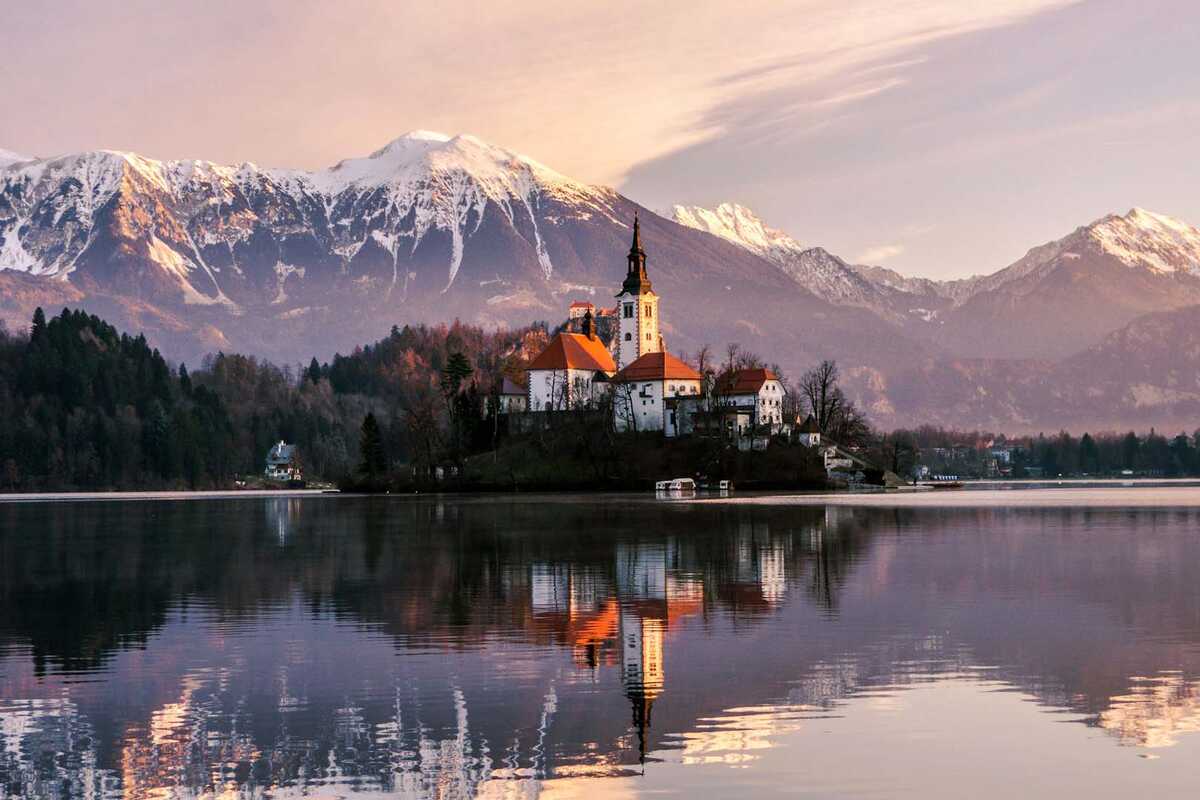
However, for a truly distinct and arguably more mystical experience, consider a winter visit. During the cold months, particularly when there is snow, the entire scene transforms into a breathtaking, hushed, and often deserted winter wonderland.
The contrast of the pristine white snow against the dark waters and the forested mountains creates a dramatic and tranquil beauty that is less crowded and more meditative.
While the lake rarely freezes solid enough for ice skating anymore, the opportunity to view the castle dusted with snow or to take a Pletna ride through a cold, mist-shrouded morning offers an entirely different kind of magic.
Alternatively, the shoulder seasons of late Spring (May/early June) and early Autumn (September/early October) are also excellent choices.
During these times, the weather is still pleasant for hiking and cycling, but the major summer crowds have dissipated, allowing for a more peaceful and authentic engagement with the landscape.
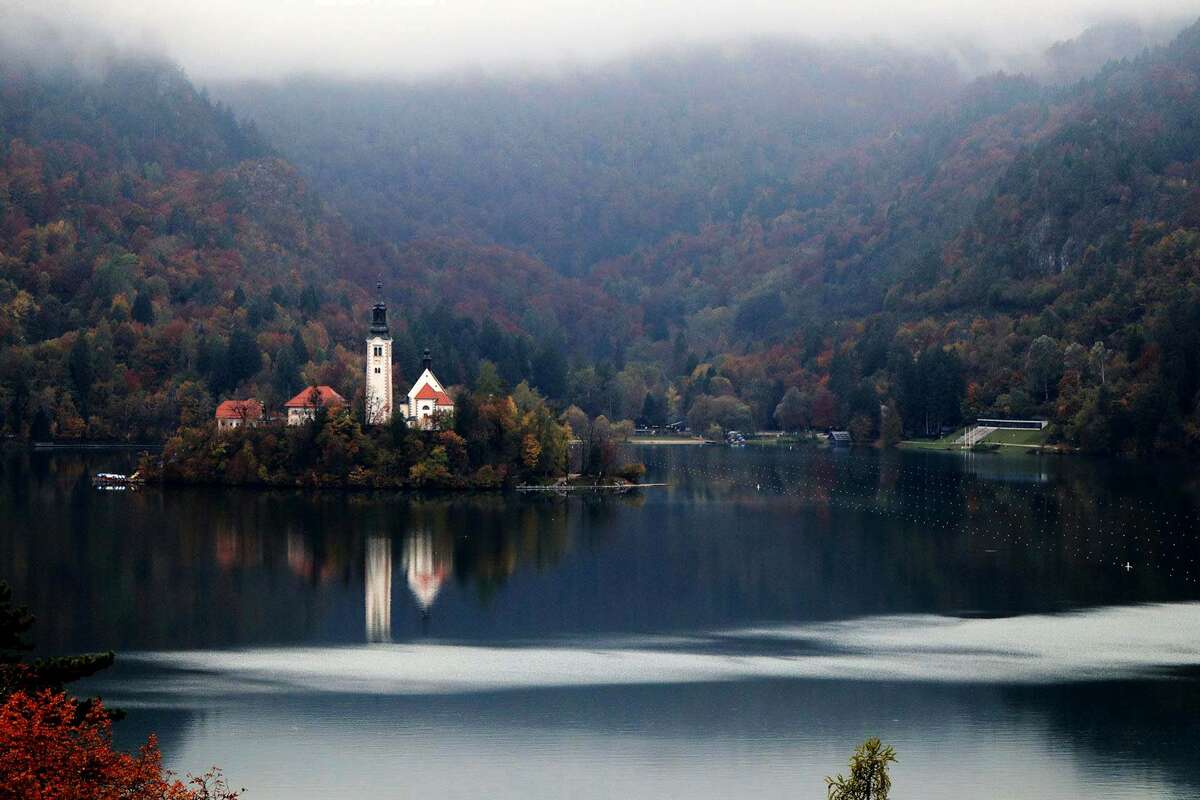
Autumn, in particular, blankets the hillsides in stunning colours, creating an incredibly rich backdrop for photography. Ultimately, to experience the profound tranquility and fairytale quality of the region, a pre-Christmas or early Spring visit Bled is highly recommended.
The quiet atmosphere and stunning seasonal transformation of the area surrounding Bled offers a truly unforgettable alternative to the busy summer months.
Conclusion
As our complete travel guide comes to a close, it is clear that this Slovenian jewel offers a rare blend of stunning natural scenery and profound historical depth.
From the moment you embark on a traditional Pletna boat across the serene, glacial waters to the island, to the commanding views you’ll capture from the ramparts of Bled Castle, every experience here is designed to be memorable.
You’ve navigated the essential hikes to Ojstrica, learned the legends of the island church’s wishing bell, and discovered the rugged beauty of the nearby Vintgar Gorge.
More than just a collection of picturesque sights, the town of Bled represents a commitment to preserving both history and nature, offering visitors a truly clean and revitalizing environment.
We hope this expert guide empowers you to plan an adventure that fully immerses you in the region’s magic, whether you’re indulging in the famous Kremšnita, exploring the diverse local gastronomy, or simply circling the path to capture that perfect photo.
Don’t just dream about this destination; make the commitment to witness its beauty firsthand. Planning your visit Bled trip is the first step towards experiencing Slovenia’s most iconic and enchanting landscape.
FAQ
The best time to visit Bled depends on your interests. Summer (June–August) is perfect for swimming and water activities but is also the most crowded. Spring (May–June) and Autumn (September–October) offer beautiful colours, pleasant hiking temperatures, and fewer crowds, making them ideal times for a comprehensive visit.
Two to three days are ideal. One day is enough to cover the lake, castle, and island. With 2–3 days, you can easily include essential day trips to Vintgar Gorge and Lake Bohinj, allowing for a more relaxed and complete visit Bled.
The easiest and most common method is by bus. Regular coach services run from Ljubljana’s main station directly to Bled, with the journey taking approximately 1 hour and 20 minutes. Alternatively, you can rent a car (about 40 minutes) or take the train to the Lesce-Bled station.
Yes, swimming is permitted in designated areas, notably at organized lidos like Grajska Beach. In the summer, the water temperature typically ranges from 22°C- 25°C (72°F -77°F), which is perfectly comfortable for swimming.
The most popular spots are the viewpoints of Ojstrica and Mala Osojnica. Ojstrica is slightly easier and closer, while Mala Osojnica offers a higher and more expansive perspective. Both viewpoints require a short, rewarding uphill hike.
You reach the island via the traditional wooden boat called a Pletna, rowed by local oarsmen. Prices vary, but a Pletna ride typically costs around €15–€20 per person for a return trip. You can also rent your own rowboat (approx. €15–€20 per hour).
You absolutely must try the Bled Cream Cake (Kremšnita), the famous vanilla custard and puff pastry dessert that originated at the Hotel Park. Also, look for traditional Slovenian dishes like Kranjska Klobasa (sausage) and Štruklji (rolled dumplings).
It is recommended to allocate at least 2 hours for visiting Bled Castle. This includes exploring the museum, the printing works, the wine cellar, and enjoying the spectacular panoramic views from the castle terraces.
Absolutely. Bled is an excellent starting point for exploring Triglav National Park. From here, you can easily organize day trips to Lake Bohinj, the Soča Valley, and various mountain trails, making your visit Bled ideal for alpine adventures.
Bled is one of the most popular tourist destinations in Slovenia, so accommodation and restaurant prices are generally higher than in other parts of the country. However, you can save on transportation (the bus is affordable) and enjoy free activities like walking the lake perimeter and hiking the viewpoints.

Author: Horeca Health
Horeca Health
Leave a Reply