Visit Budapest: Introduction
Visit Budapest: Prepare to be swept away by one of Europe’s most magnificent and multifaceted cities. Straddling the mighty Danube River, Hungary’s capital is a spellbinding metropolis where East meets West, history whispers from every corner, and thermal waters promise soothing relief.
From the regal Buda Castle district perched on the hills to the vibrant, buzzing streets of Pest below, Budapest offers a captivating blend of stunning architecture, rich cultural heritage, and a lively modern atmosphere.
This city isn’t just a destination; it’s an experience that engages all the senses—from soaking in a century-old thermal bath to savouring a hearty bowl of authentic goulash.
Whether you are a first-time visitor eager to see the iconic Parliament Building, a history buff keen to explore its dramatic past, or a foodie ready for a gastronomic adventure, planning your journey can feel a little overwhelming.
That’s where we step in. This ultimate travel guide is your expert companion, offering insider tips and essential knowledge to help you navigate the ‘Pearl of the Danube’ with confidence. Get ready to unlock the secrets of Hungary’s vibrant heart and discover exactly why a trip here should be at the very top of your list.


Visit Budapest: What key historical periods defined the rich cultural tapestry of the city?
Visit Budapest: The enduring allure of this Hungarian capital is inextricably linked to its dramatic and multi-layered past, a history that stretches back over two millennia and has profoundly shaped its unique cultural tapestry.
The city’s narrative began with the Romans, who established the outpost of Aquincum in Óbuda, laying the groundwork for urban development.
Following the Hungarian Conquest in the 9th century, Buda and Pest emerged as key medieval centres, but a defining era was the 150-year Ottoman occupation beginning in the 16th century, which introduced the thermal bath culture that is still central to a visit Budapest experience today.
The subsequent period under Habsburg rule saw a Baroque rebuilding boom, but the true transformation came with the 1873 unification of Buda, Pest, and Óbuda, which catapulted the city into a glorious “Golden Age” of industrial and cultural expansion, characterised by the grand architecture of the Parliament and Andrássy Avenue.
The 20th century, however, brought immense turmoil, including two World Wars, the devastation of the 1944-45 siege, and decades of Soviet influence and communist rule, dramatically captured by the 1956 Revolution.
Despite these hardships, the city demonstrated incredible resilience, blossoming into the vibrant, cosmopolitan hub you see today.
Understanding this turbulent and tenacious history is essential for any visitor planning their travel itinerary, as it allows you to truly appreciate the depth and spirit of the magnificent city of Budapest.
Visit Budapest: How did the unification of Buda, Pest, and Óbuda shape the modern capital?
Visit Budapest: The city as we know it today is the result of a significant historical event: the official unification of three separate cities – Buda, Pest, and Óbuda – in 1873. This pivotal moment fundamentally shaped the modern capital and its development into the world-class city it is now.
Before unification, Buda, on the western bank of the Danube, was the historic royal and administrative centre, sitting atop the hills and characterised by the majestic Buda Castle.
Pest, on the eastern, flatter bank, was the rapidly growing commercial, political, and cultural hub. Óbuda, to the north, held the ancient roots, including the Roman ruins of Aquincum.
The merging of these three distinct entities led to a golden age of rapid urban travel and infrastructural development, known as the “Millennium Era.”
It spurred the construction of major landmarks like the Parliament Building, Andrássy Avenue, and the Millennium Underground, transforming the area into an integrated metropolis. This unification harnessed the individual strengths of each component, creating a stronger, more vibrant entity.
Visit Budapest and you will still see the distinct character of each historical area, but their fusion into a single, cohesive capital is the key to understanding the city’s current greatness and architectural diversity.
Visit Budapest: What are the absolute must-see architectural landmarks in the city?
Visit Budapest: The captivating capital of Hungary, often referred to as the “Pearl of the Danube,” boasts an incredible array of stunning architectural masterpieces that simply demand a spot on your itinerary.
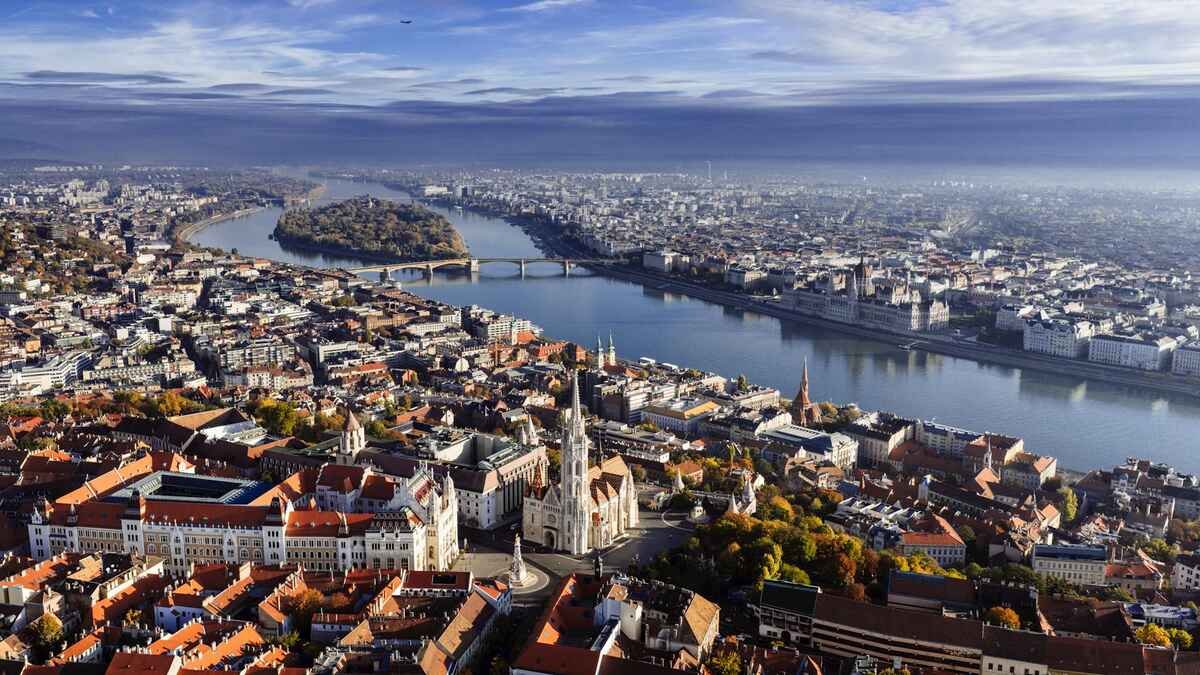
The city is geographically divided by the majestic Danube River, separating the hilly Buda side from the flatter Pest side, a duality beautifully reflected in its iconic buildings.
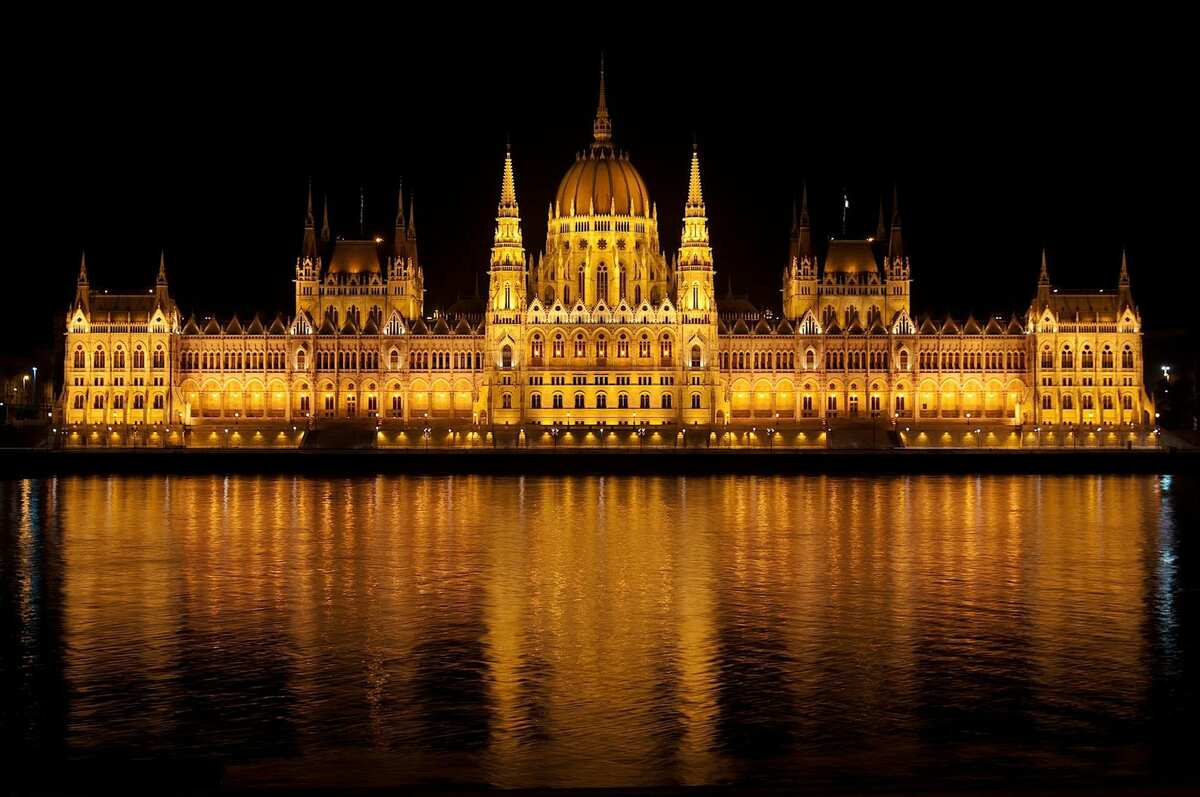
On the Pest bank, the Neo-Gothic grandeur of the Hungarian Parliament Building stands as the city’s undisputed icon. Its sheer size and intricate detailing are breathtaking, particularly when viewed from the Buda side or, even better, during a night-time river cruise when it’s spectacularly illuminated.
A few blocks away, St. Stephen’s Basilica, an equally imposing neoclassical structure, offers not just beautiful architecture but also a panoramic view from its dome. On the Buda side, the historic Buda Castle District is a treasury of sights.
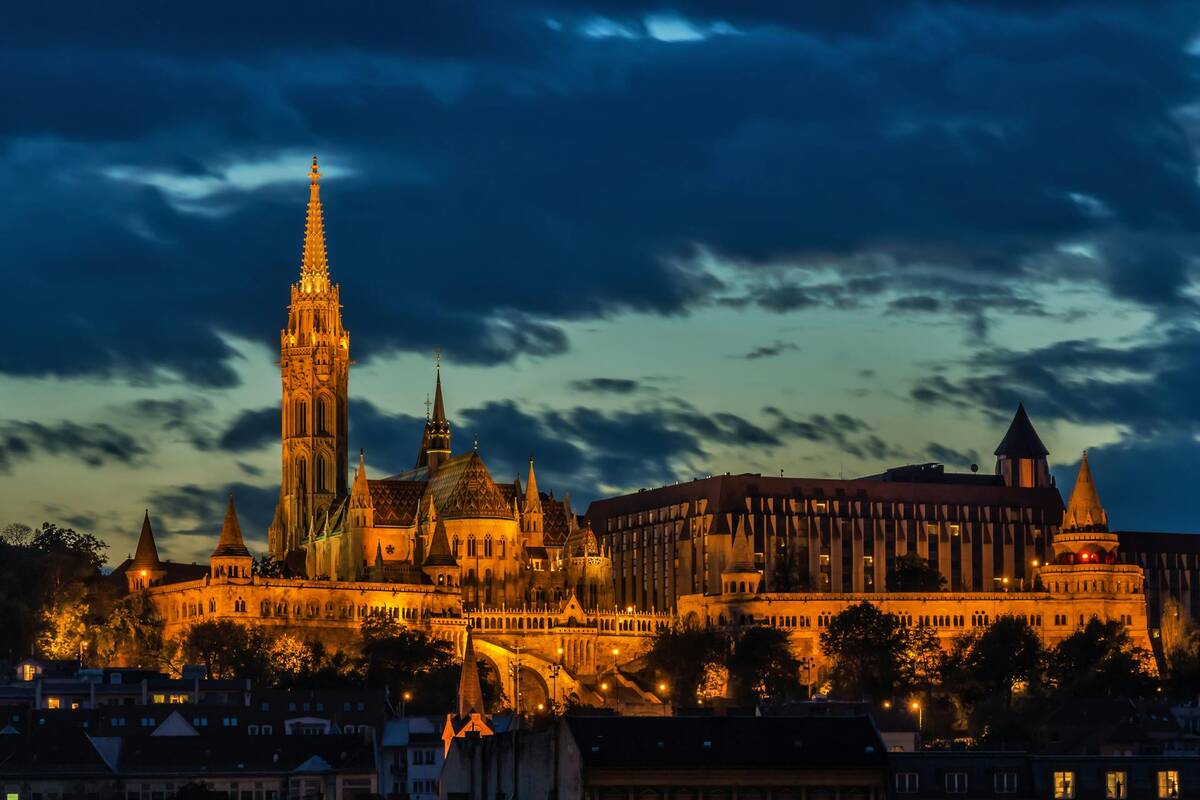
Wander around the cobblestone streets to discover Matthias Church, with its colourful tiled roof, and the Fisherman’s Bastion, a fairytale-like fortress that provides perhaps the most spectacular viewing terrace over the river and the Pest skyline.
To truly experience the essence of this magnificent city, make sure to allocate time for exploring both sides of the river; it’s an essential part of any successful travel itinerary here.
Visit Budapest: What are the top historical sites that tell the story of the Hungarian capital?
Visit Budapest: To truly grasp the spirit of the Hungarian capital, you must delve into the historical narratives woven into its very fabric. The city’s past is a dramatic tapestry of invasions, occupations, revolutions, and periods of great cultural flourishing.
Start your historical deep travel dive at the House of Terror, a museum housed in the former headquarters of the fascist and communist secret police, offering a chilling and vital look at 20th-century authoritarian rule.
Next, the Shoes on the Danube Bank is a poignant, must-see memorial that commemorates the Jewish victims shot into the river by the Arrow Cross militiamen during World War II.
On the Buda side, the Castle District is where you can explore centuries of Hungarian royalty and defence history; the medieval history is palpable in the winding alleys and fortifications.
The Hospital in the Rock Nuclear Bunker Museum, an underground former secret hospital and nuclear bunker, offers a unique and sobering perspective on the Cold War era. For those keen on understanding the city’s ancient roots, a trip to Aquincum in Óbuda reveals the remnants of a Roman settlement.
Visit Budapest to connect with its resilient past; it is a profound and rewarding experience that offers context to the vibrant city you see today.
Visit Budapest: Where can I experience the famous thermal bath culture and what should I expect?
Visit Budapest: Experiencing the legendary thermal baths is not just a leisure activity, but a profound cultural immersion that taps into a tradition dating back to Roman times and further developed during the Ottoman occupation.
The city sits atop a vast network of thermal springs, earning it the title “City of Spas.” The most famous and largest is the Széchenyi Thermal Bath, a stunning Neo-baroque complex in City Park.
Here, you can soak in 18 different pools, including three large outdoor ones where locals often play chess on floating boards, even in winter! For a more historic and Art Nouveau setting, the Gellért Baths, housed within the beautiful Hotel Gellért, offer exquisite interiors and a more tranquil atmosphere.
Alternatively, for a truly historic experience, the Rudas Baths retain some of their original 16th-century Turkish architecture, offering separate bathing days for men and women, or mixed days for all. Remember to bring your own towel and flip-flops, or rent them there to save a little on your budget.
No visit Budapest is complete without indulging in this healing, restorative tradition. This thermal experience is one of the most unique offerings the Hungarian capital has for any discerning visitor planning their travel adventure.
Visit Budapest: Which areas offer the best insight into the local food and drink scene?
Visit Budapest: The local culinary landscape is a delicious blend of tradition and modernity, anchored by rich flavours and famous staples. Your gastronomic travel adventure must begin at the Great Market Hall (Nagy Vásárcsarnok), a stunning Neo-Gothic structure that is a feast for the senses.
Here, you can sample authentic Hungarian delicacies like lángos (fried flatbread with various toppings), purchase Hungarian paprika, and browse local crafts.
For traditional, hearty meals, seek out classic étterem (restaurants) to savour a bowl of authentic goulash (gulyás), a satisfying meat stew with vegetables, or Halászlé (fisherman’s soup).
The Jewish Quarter (District VII) is now the epicentre of the city’s modern dining scene, offering everything from Michelin-starred restaurants to trendy street food vendors and, of course, the famous ruin bars.
These eclectic, creatively designed bars offer unique settings for enjoying Hungarian wines, local craft beers, and the potent fruit brandy pálinka. To truly appreciate the local cuisine, be sure to step away from the main tourist routes occasionally.
Visit Budapest and allow your palate to guide you through the diverse and flavourful offerings; you’ll find that the food is a central part of the cultural journey in this great capital.
Visit Budapest: What are the best ways to get around the city and what accommodation options should I consider?
Visit Budapest: Navigating the sprawling Hungarian capital is remarkably easy, thanks to an efficient and user-friendly public transport system, making your travel logistics a breeze.
The system includes four metro lines, trams, trolleybuses, and regular buses, all covered by a single ticket or travel pass, which is generally considered the most economical choice for visitors.
Tram lines 2 and 4/6 are particularly useful; Tram 2 runs along the Pest side of the Danube, offering scenic views of the Buda Castle and Parliament, while Tram 4/6 is a major artery connecting Buda and Pest.
For a unique experience, don’t miss riding the historic Millennium Underground Railway (M1), continental Europe’s oldest subway line. When it comes to accommodation, choices abound for every budget and preference.
The inner city (District V) is ideal for first-time visitors who want to be close to major sights like St. Stephen’s Basilica and the Parliament.
The Jewish Quarter (District VII) is perfect for those seeking nightlife and a vibrant atmosphere, while the Buda side offers quieter, more picturesque options with stunning views.
From luxury hotels to budget-friendly hostels and modern Airbnb apartments, you will find a comfortable base for your stay. Visit Budapest and secure a travel pass; it is the key to unlocking seamless exploration across the city.
Visit Budapest: How can I best explore the natural beauty and green spaces within the metropolis?
Visit Budapest: While renowned for its grand architecture, the capital city also offers delightful escapes into nature and peaceful green spaces, providing a refreshing counterpoint to urban exploration.
The most famous and cherished green sanctuary is Margaret Island (Margitsziget), a car-free island in the middle of the Danube River, easily accessible by a dedicated bridge or tram.
This haven is perfect for long strolls, jogging, picnicking, or simply relaxing by the musical fountain. Rent a bike or a small electric vehicle to cover more ground, and don’t miss the medieval ruins or the Japanese Garden. On the Buda side, the hills offer even more expansive nature.
Take the cogwheel railway or the Chairlift (Libegő) up to János Hill, the city’s highest point, for spectacular panoramic views, followed by a rewarding hike. The City Park (Városliget), home to the Széchenyi Baths and Vajdahunyad Castle, is another essential green lung; it transforms into a massive ice rink in winter.
Incorporating these natural spots into your travel plan is crucial for a balanced and enriching visit Budapest experience, allowing you to recharge amidst the bustling rhythm of the metropolis.
Visit Budapest: What kind of unique cultural experiences and quirky museums can I find?
Visit Budapest: Beyond the major landmarks, the city is brimming with unique and often quirky cultural experiences that showcase its creative and sometimes eccentric spirit. One of the most original aspects of the city’s character is its famous ruin bar scene, primarily located in the Jewish Quarter.
These are not just bars; they are vibrant, temporary art installations set within dilapidated pre-war buildings, with Szimpla Kert being the original and most celebrated. They are essential to the city’s contemporary cultural identity.
For museum lovers, look beyond the national galleries. The Pinball Museum is an unexpectedly fun, interactive attraction with hundreds of playable machines.
The House of Houdini, dedicated to the Budapest-born escape artist, offers a magical and intimate experience. For a deep dive into communication history, the Post Office Museum, housed in a stunning Art Nouveau building, is an often-overlooked gem.
These unique spots enrich your travel narrative and offer a different perspective on the Hungarian capital. Visit Budapest with an open mind, ready to stumble upon these delightful oddities that make a trip here so memorable and unconventional.
Visit Budapest: What local products and souvenirs should I look for and where is the best place to shop?
Visit Budapest: Finding the perfect keepsake or gift is a rewarding part of the travel experience, and this Hungarian capital offers a rich selection of local products that are both authentic and high-quality.
The undisputed best place to start is the magnificent Great Market Hall, which is a destination in itself. Here, you’ll find stalls piled high with Hungarian paprika, the country’s signature spice, available in sweet, hot, and smoked varieties, as well as Tokaji wine, Hungary’s famous “King of Wines, Wine of Kings.”
Another iconic local product is Herend or Zsolnay porcelain, known globally for its exquisite craftsmanship and intricate designs, making for a luxurious souvenir.
For something more modern, the design stores around the Jewish Quarter and District V offer contemporary Hungarian fashion, jewellery, and graphic art. If you’re looking for edible souvenirs, try the famous Pick salami or a bottle of Unicum, a traditional herbal liqueur.
The high-street shopping is centered around Váci Street, but for a more local flavour, explore the smaller artisan shops. When you visit Budapest, make sure to dedicate time for browsing; supporting local craftspeople is a wonderful way to take a piece of the city’s heritage home with you.
Visit Budapest: Are there any engaging day trips or excursions I should consider from the capital?
Visit Budapest: While the Hungarian capital offers endless attractions, its surrounding regions are equally rewarding and easily accessible, making for perfect travel excursions.
The most popular and scenic option is the Danube Bend (Dunakanyar), a picturesque area where the river dramatically changes course.
Within the Bend, three towns stand out. Szentendre is a charming, artsy town known for its colourful Baroque houses, cobblestone streets, and numerous art galleries and museums; it’s just a short train or boat ride away.
Further north, Visegrád boasts a spectacular hilltop citadel and the ruins of a former Royal Palace, offering breathtaking views of the river landscape—a must for history buffs.
Esztergom, once the capital of Hungary and the birthplace of the first Hungarian King, is home to the largest church in the country, Esztergom Basilica. For wine enthusiasts, a day trip to the historic Eger wine region, famed for its full-bodied red blend ‘Egri Bikavér’ (Bull’s Blood), is highly recommended.
These regional explorations complement your visit Budapest itinerary perfectly, offering a deeper understanding of Hungary’s diverse history and natural beauty, enriching your overall journey.
What should budget-conscious travellers know to make the most of their visit?
Visit Budapest: This Hungarian capital remains one of Europe’s most affordable major cities, making it an ideal travel destination for those looking to explore a vibrant metropolis without breaking the bank.
The local currency, the Forint (HUF), generally stretches further than the Euro in many other European capitals.
A top tip for saving money is to rely heavily on the city’s excellent public transport system; purchasing a 24-hour, 72-hour, or even a 7-day Budapest Travel Card will drastically reduce your transportation costs compared to buying individual tickets.
When it comes to dining, bypass tourist traps and opt for étkezde (small, simple eateries) or lángos stands for delicious, authentic, and inexpensive meals. The Great Market Hall offers cheap and cheerful lunch options on its upper floor.
For sightseeing, many major attractions, like the Fisherman’s Bastion and stunning views from Gellért Hill, are free. Consider the Budapest Card, which offers free public transport and discounts on attractions, though you should calculate if the included perks truly outweigh the cost for your specific itinerary.
Visit Budapest and enjoy its affordability; by making smart choices about transport and dining, you can stretch your budget comfortably and enjoy a rich, fulfilling experience.
Where is the best place to experience the city’s famed nightlife and entertainment scene?
Visit Budapest: When the sun dips below the horizon and illuminates the Parliament in a golden glow, the city truly comes alive, offering a diverse and unforgettable nightlife and entertainment scene.
The undisputed heart of the after-dark action is the Jewish Quarter (District VII), home to the famous Ruin Bars. These institutions, like the legendary Szimpla Kert, are a uniquely Hungarian phenomenon, offering labyrinthine spaces, artistic flair, and a fantastic party atmosphere in formerly abandoned buildings.
Beyond the ruin bars, the Budapest scene caters to all tastes. You can enjoy a sophisticated evening at one of the city’s many rooftop bars, such as the High Note SkyBar, which offers stunning views of St. Stephen’s Basilica.
For a truly unique experience, consider a “Sparty” (Spa Party) held at the Széchenyi Baths on Saturday nights, where the thermal pools are transformed into a massive outdoor dance party with light shows and music.
Theatre and opera lovers can enjoy world-class performances at the Hungarian State Opera House or the National Theatre. Your travel plan should definitely allocate time to experience the city’s dynamic evenings.
Visit Budapest and dive into its vibrant energy; whether you’re seeking eclectic pubs, chic cocktails, or a dance-floor experience, this city offers a compelling close to every day.
Conclusion
Visit Budapest: As we wrap up this comprehensive guide, we hope you feel inspired and fully prepared to embark on your Hungarian adventure.
This city is more than just a collection of stunning sights; it’s a living museum that combines the architectural grandeur of its Golden Age with the tenacious, vibrant spirit of modern life.
You now have the ultimate blueprint for your travel experience, covering everything from the must-see landmarks and the restorative thermal baths to the buzzing ruin bars and the flavourful local cuisine.
Remember to allow yourself time to wander, to get happily lost in the labyrinthine streets of the Jewish Quarter, or to simply enjoy the views along the Danube. The magic of Budapest lies in its ability to cater to all tastes and budgets, offering a truly rich European experience without the hefty price tag.
By following the tips in this guide, your journey will be seamless, unforgettable, and deeply rewarding. Don’t wait—the Pearl of the Danube is calling. Plan your trip, pack your bags, and get ready to create memories that will last a lifetime.
FAQ
The best time to visit Budapest largely depends on your priorities. Spring (April to May) and Autumn (September to October) offer the most pleasant weather for sightseeing, with fewer crowds and comfortable temperatures. Summer (June to August) is lively and perfect for outdoor activities and the Sziget Festival, but expect higher prices and more tourists. Winter (November to March) is magical, especially with the Christmas markets and the unique experience of soaking in the outdoor thermal baths while it snows.
The official currency in Hungary is the Hungarian Forint (HUF). While many major hotels, restaurants, and shops in tourist areas accept credit cards, it’s always best to have some Forints for smaller vendors, market stalls, and transport tickets. You should avoid exchanging large amounts at the airport or train stations. Instead, exchange a small amount and use bank ATMs or local exchange offices in the city centre for better rates once you visit Budapest.
For a comprehensive exploration of the Hungarian capital’s main attractions, history, and culture, we recommend planning a trip of at least 3 to 4 full days. This allows you enough time to see the Parliament, Buda Castle, experience a thermal bath, explore the ruin bars, and delve into a few key museums without feeling rushed. If you wish to include day trips to the Danube Bend (like Szentendre), plan for 5 to 7 days.
Yes, public transport is exceptionally user-friendly and highly efficient. The metro, trams, and buses are well-connected and frequent. For a hassle-free visit Budapest, we strongly recommend purchasing a 24-hour, 72-hour, or Budapest Travel Card (BKK pass). Tram line 2, which runs along the Danube on the Pest side, is a particularly scenic and recommended route for any visitor.
You absolutely must try Goulash (Gulyás), the famous Hungarian beef stew seasoned with paprika. However, don’t stop there! Also sample Halászlé (Fisherman’s Soup), Lángos (deep-fried flatbread topped with sour cream and cheese), and the chimney cake Kürtőskalács for dessert. These dishes are central to the local culinary experience when you visit Budapest.
For the most popular sites, especially the Hungarian Parliament Building tour and the Széchenyi Thermal Baths, booking tickets online in advance is highly advisable. This helps you skip the long queues, secure your entry time, and sometimes even get a slight discount. Planning this part of your sightseeing is key to a smooth and enjoyable visit Budapest.
Compared to Western European capital cities like Paris or London, Budapest is relatively affordable, making it a budget-friendly travel destination. Accommodation, public transport, and dining at local eateries offer excellent value. While tourist attractions and fine dining will cost more, budget-conscious travellers can enjoy a rich experience without overspending when they visit Budapest.
The two sides of the city offer distinct atmospheres. When you visit Budapest, focus on the Buda side for history, castles, and views (Buda Castle, Fisherman’s Bastion, Matthias Church, Gellért Hill). Concentrate on the Pest side for political landmarks, commerce, and nightlife (Parliament Building, St. Stephen’s Basilica, Great Market Hall, and the Jewish Quarter).
The official language is Hungarian, which is notoriously difficult to learn. However, English is widely spoken in all major tourist areas, including hotels, restaurants, travel information points, and attractions. You will have no major issues navigating the city using only English during your visit Budapest. Learning a few polite Hungarian phrases, like Köszönöm (Thank you), is always appreciated.
The ruin bars (romkocsma) are a signature feature of Budapest’s nightlife. They are large, eclectic bars set up in dilapidated, abandoned pre-war buildings, primarily in the Jewish Quarter. They are decorated with mismatched furniture, colourful art, and quirky installations, offering a unique and vibrant atmosphere that perfectly embodies the city’s modern, artistic edge. Visiting one is a quintessential night-time experience.

Author: Horeca Health
Horeca Health
















Leave a Reply