Introduction
When you decide to visit Malta, you step into a sun-drenched archipelago where 7,000 years of history meet crystalline Mediterranean waters. This tiny nation, wedged between Sicily and North Africa, packs an astonishing cultural punch that belies its size.
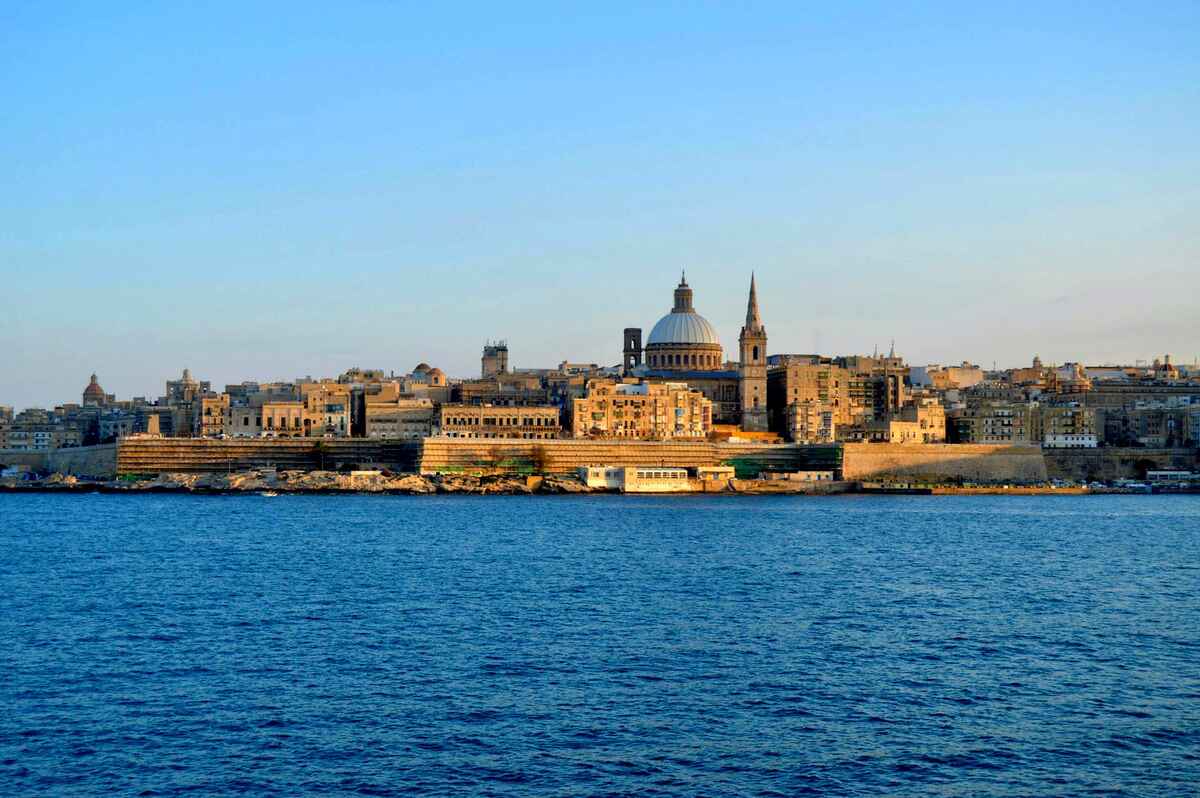
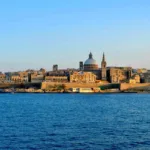
From the towering bastions of Valletta, a UNESCO World Heritage capital built by the Knights of St John, to prehistoric temples that predate the Egyptian pyramids, every stone tells a story.
The islands also offer a vibrant contemporary scene with world-class diving, lively village festivals, and a cuisine shaped by Phoenician, Arab, Italian, and British influences. Whether you are a passionate history buff, a beach lover, or a culinary explorer, a trip here rewards the curious traveller with layer upon layer of discovery.
Planning the perfect getaway can feel overwhelming, but this guide distils the essentials into one seamless narrative. We will walk you through the best seasons to travel, how many days you need to truly savour the experience, and the attractions that deserve a spot on any itinerary.
You will learn where to base yourself, what local dishes to sample, and how to move around the compact islands without stress. We also cover cultural etiquette, day‑trip possibilities, and practical budgeting insights. By the time you reach the final paragraphs, you will have a comprehensive blueprint for an unforgettable Maltese adventure.
Malta’s compact geography is one of its greatest gifts; you can drive from the southern cliffs to the northernmost coves in under an hour. Yet within that small footprint lives a staggering variety of experiences.
Ancient temples rub shoulders with baroque cathedrals, and sleepy fishing villages lie only minutes from the buzzing nightlife of St Julian’s. The archipelago is also a year‑round destination, though each season paints the islands in a different light.
Understanding these rhythms will help you tailor your stay to your interests, whether that means snorkelling in the Blue Lagoon or wandering the silent streets of Mdina after dusk.
Before you pack your bags, it helps to know a few core truths about Malta: English is an official language, the currency is the euro, and the locals are famously warm and welcoming.
The islands are safe, well‑connected, and surprisingly affordable when compared with other Mediterranean hotspots. Still, like any destination, Malta rewards the well‑prepared traveller. Let’s dive into the details that will transform a simple holiday into a deeply enriching journey.
Why Visit Malta?
Malta offers a rare combination of sun, sea, and millennium‑spanning heritage that few other destinations can match.
The islands served as a strategic crossroads for centuries, leaving behind a layered cultural legacy you can still touch today. Whether you crave megalithic temples, Baroque masterpieces, or lazy afternoons on golden limestone cliffs, Malta delivers it all within a single day’s itinerary.
One of the most compelling reasons to visit is the sheer density of UNESCO‑listed sites. The Ġgantija temples on Gozo, built between 3600 and 3200 BC, are among the oldest free‑standing structures on earth.
Valletta itself has been described as an open‑air museum, with over 320 monuments packed into a fortified peninsula barely a kilometre long. Unlike sprawling European capitals where you spend hours in transit, Malta allows you to walk from a Roman catacomb to a Caravaggio masterpiece in an afternoon.
Nature, too, plays a starring role. The coastline is a dramatic quilt of sea‑sculpted arches, hidden grottoes, and unexpected sandy beaches.
The Blue Grotto on the south coast flashes with an almost electric shade of turquoise, while Comino’s Blue Lagoon draws visitors with water so clear it feels like swimming in liquid glass. Diving enthusiasts flock to the islands for famous wrecks, underwater caves, and visibility that can exceed 30 metres in summer.
Then there is the intangible charm: the scent of wild thyme on a coastal walk, the peal of church bells echoing through honey‑coloured alleys, and the spontaneous generosity of a family‑run pastizzeria.
When you visit Malta, you are not just ticking off landmarks; you are stepping into a living, breathing Mediterranean tapestry where history and everyday life intertwine effortlessly.
What Is the Best Time to Visit Malta?
The ideal window to visit Malta stretches from late spring to early autumn, with May, June, September, and October offering the best balance of warm weather and manageable crowds.
July and August deliver classic beach conditions but also peak tourist numbers and temperatures that can easily climb above 35°C. Winter, while mild, sees many seaside businesses close and the water become too chilly for casual swimming.
Spring is truly magical. Between March and May, the countryside erupts in a blanket of wildflowers, and the days are pleasantly warm without the oppressive heat of high summer.
This is the perfect time for hiking the Dingli Cliffs, exploring rural Gozo, and photographing the island’s blooming landscapes. Easter celebrations are also deeply traditional, with solemn processions that reveal Malta’s strong Catholic identity.
Autumn rivals spring for the best season to visit Malta. The sea remains warm enough for swimming into early November, yet the summer crowds have dispersed. Prices for flights and accommodation dip, and the cultural calendar fills up with events like Notte Bianca in Valletta and the three‑month Birgu Fest.
The light in October, soft and golden, is a photographer’s dream, especially in the ancient streets of Mdina.
The table below distils seasonal variations into an at‑a‑glance reference, helping you choose the moment that matches your travel style.
| Season | Months | Average High Temp | Crowd Level | Top Experience |
|---|---|---|---|---|
| Spring | Mar – May | 18–24°C | Moderate | Wildflower walks & Easter processions |
| Summer | Jun – Aug | 28–35°C | Very High | Beach days & village festas |
| Autumn | Sep – Nov | 20–28°C | Moderate–Low | Warm seas & cultural festivals |
| Winter | Dec – Feb | 13–17°C | Low | Valletta sightseeing without queues |
How Many Days Do You Need to Visit Malta?
A stay of five to seven days allows you to experience Malta’s highlights without feeling rushed. With this timeframe you can explore Valletta properly, take a full‑day boat trip to the Blue Lagoon, and dedicate at least one day to the silent city of Mdina and nearby Rabat.
If Gozo is on your wish list, a seven‑day itinerary gives you the breathing room needed to savour its slower pace.
A three‑day long weekend is certainly possible, but you will need to make sharp choices. In that case, base yourself in Valletta or Sliema, spend one full morning at St John’s Co‑Cathedral and the Grandmaster’s Palace, then head to the Three Cities for a waterfront lunch.
On your second day, visit Mdina early, and on your final day squeeze in a boat trip to Comino. The main trade‑off is that you will barely scratch the surface of Malta’s prehistoric sites and local food scene.
For those who can stretch their holiday to ten days, the rewards multiply. A longer stay lets you add a leisurely tour of the Ħaġar Qim and Mnajdra temples, hike a section of the Victoria Lines trail, and explore off‑beat gems like the fishing village of Marsaxlokk on market day. You can also linger on Gozo for two or even three nights, enjoying its secluded bays and artisan food producers.
Remember that the islands’ compact size means you waste very little time in transit. The real question is how deeply you want to travel.
A rushed visit Malta itinerary will showcase the greatest hits; a week or more will reveal the heart and soul of the archipelago, leaving you with a connection that goes well beyond the postcard views.
What Are the Top Historical Sites to Visit in Malta?
When you visit Malta, the standout historical sites include Valletta’s St John’s Co‑Cathedral, the Ħal Saflieni Hypogeum, and the fortified medieval capital of Mdina.
These three landmarks alone span over 5,000 years of history, from the mysterious temple‑building culture to the opulent world of the Knights of St John. Each site offers a completely different window into the islands’ layered past.
St John’s Co‑Cathedral in Valletta is a Baroque masterpiece that leaves visitors speechless. Its unassuming stone façade belies an interior dripping with gold leaf, carved marble, and masterpieces by Caravaggio.
The oratory houses his monumental “Beheading of Saint John the Baptist”, the only painting he ever signed. Arrive early to avoid the midday crush and allow at least an hour to absorb the intricate side chapels and the marble‑inlaid tombstones of the knights beneath your feet.
For a journey into the prehistoric world, the Ħal Saflieni Hypogeum in Paola is unparalleled. This subterranean necropolis, carved over 4,000 years ago, is access‑controlled to protect its fragile microclimate; you must book tickets weeks in advance.
The eerie ochre‑painted chambers and the famous “Sleeping Lady” figurine echo a sophisticated spirituality that still challenges archaeologists. Nearby, the above‑ground Tarxien Temples provide further context, allowing you to walk through the very spaces where Neolithic rituals unfolded.
No historical tour is complete without Mdina, the former capital perched on a hilltop in the island’s centre. Known as the Silent City, its car‑free lanes glow with honey‑coloured stone and hide noble palazzos, hidden courtyards, and sweeping views over the surrounding plains.
Visit at dusk when the day‑trippers have gone and the lamp‑lit streets evoke centuries of Arab, Norman, and Aragonese rule. Combining Mdina with a stroll through Rabat’s Roman catacombs gives you a masterclass in Maltese history in just a few hours.
Local Customs and Cultural Etiquette
Understanding Maltese social norms will enrich your interactions and help you blend in seamlessly. The islands are deeply Catholic, and religious traditions still shape daily life.
While most locals are relaxed with visitors, showing respect for churches, religious processions, and modest dress when entering sacred spaces is greatly appreciated. In village squares, you will notice that life often revolves around the parish church, especially during the summer festa season.
Greetings are warm but polite. A handshake with direct eye contact is appropriate when meeting someone for the first time, while friends often kiss on both cheeks. Address people using their title and surname until invited to use first names.
The Maltese language, a unique Semitic tongue with strong Italian and English influences, is a source of national pride; even a simple “bonġu” (good morning) or “grazzi” (thank you) brings genuine smiles.
Dining etiquette is Mediterranean and unhurried. Lunch is traditionally the main meal, though modern schedules have shifted this in urban areas. If you are invited to a local home, it is customary to bring a small gift such as wine, pastries, or flowers.
Once seated, keep your hands visible above the table, but not your elbows, and expect generous portions. Pacing yourself through multiple courses is a sign of enjoyment rather than lingering.
Beaches and swimwear remain strictly by the water; walking around a village in a bikini or bare‑chested will draw disapproving looks. Tipping in restaurants is not compulsory but widely practiced for good service, with 5–10% being a typical gesture.
Overall, the cultural key when you visit Malta is to approach every interaction with genuine curiosity and a smile — the Maltese will match it with extraordinary hospitality.
Exploring Malta’s Enchanting Beaches and Coastline
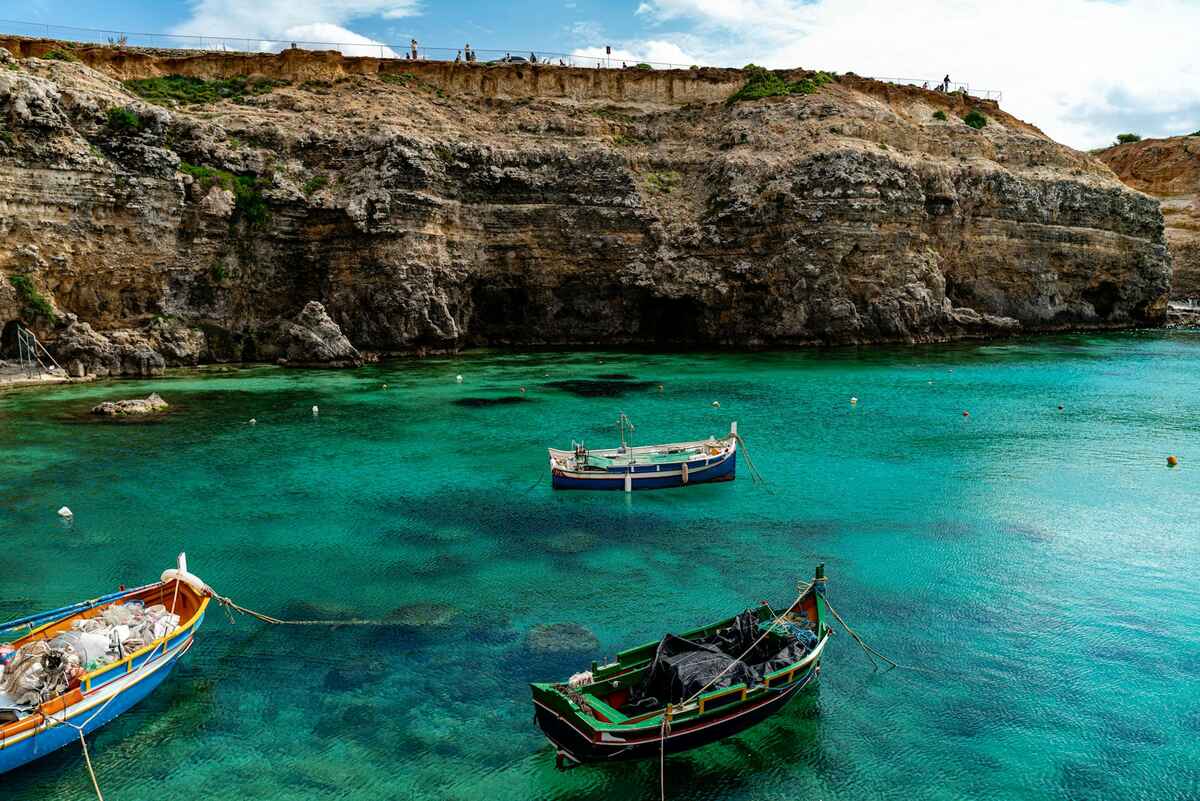
Malta’s coastline may lack endless sweeps of tropical sand, but it compensates with dramatic character and startling beauty. Rocky shores dip into impossibly clear water, while hidden coves reward those willing to scramble down a few steps.
The archipelago offers a mix of family‑friendly sandy beaches, plunge‑perfect ledges, and secret sea caves that make each swim a distinct adventure.
Golden Bay and Mellieħa Bay (also known as Għadira) are the largest sandy stretches on the main island, ideal for families with young children. Both offer gentle slopes into shallow water and are backed by basic facilities in summer.
For a more cinematic setting, drive to the south‑west and descend the cliff path to Għar Lapsi, a natural swimming pool carved into the rock, favoured by locals for its crystalline visibility and snorkelling potential.
Comino’s Blue Lagoon, nestled between Malta and Gozo, is the undeniable poster child. Its startling turquoise waters over a white sand seafloor create the illusion of a tropical paradise. However, the tiny beach can become unbearably crowded during peak season.
The trick is to visit early in the morning or in late afternoon, or to skip the shore entirely and explore the lagoon from a kayak or a chartered boat that anchors further out.
Divers and snorkellers will find their paradise along the Cirkewwa and Wied iż‑Żurrieq coastlines, where underwater arches, wrecks, and marine life thrive.
The Blue Hole on Gozo’s west coast, connected to a spectacular open‑water arch, is consistently ranked among Europe’s top dive sites. Whether you are a sun‑seeker or an underwater photographer, the coastline that greets those who visit Malta is a constant invitation to plunge in.
Where to Stay When You Visit Malta?
Choosing the right base when you visit Malta depends on your travel style, because each major area offers a markedly different atmosphere.
Valletta delivers culture and elegance, Sliema and St Julian’s provide nightlife and convenience, while Gozo and the rural south promise peace and authentic charm. Your decision will shape the pace and personality of your entire trip.
For history lovers who want to wake up inside a UNESCO World Heritage city, Valletta is unbeatable. Boutique hotels occupy beautifully restored palazzos, and you are steps away from world‑class museums, rooftop restaurants, and the Grand Harbour.
Evenings are refined rather than raucous, and the city’s compact size means you can walk everywhere. The downside is that accommodation prices are generally higher than elsewhere on the main island.
- Valletta: Cultural immersion, boutique hotels, walkable, premium pricing.
- Sliema & St Julian’s: Shopping, dining, nightlife, easy bus connections, modern apartments.
- Mdina & Rabat: Timeless atmosphere, quiet evenings, few but characterful guesthouses.
- Gozo: Rustic charm, farmhouses with pools, ideal for nature and slow travel.
- Mellieħa & the North: Beach proximity, family resorts, relaxed vibe, slightly removed from main hubs.
Families and sun‑seekers often gravitate towards Mellieħa or the Qawra/Buġibba strip, where hotels and self‑catering apartments cluster near sandy bays. The north offers a more laid‑back rhythm and easy access to the Gozo ferry.
If you prefer a self‑contained resort experience, St Julian’s and its Spinola Bay vicinity cater to diverse budgets with a lively café culture and direct bus links to Valletta.
Those who visit Malta for tranquillity should look to Gozo’s farmhouses or boutique stays in the Three Cities, where evenings are soundtracked by lapping water rather than party beats.
What Maltese Foods Should You Try During Your Visit?
Maltese cuisine is a robust Mediterranean fusion that deserves a central place on your travel agenda. Start with pastizzi, flaky filo pastry parcels stuffed with ricotta or mushy peas, sold for a few cents from hole‑in‑the‑wall bakeries.
This humble snack, best eaten hot from the oven, is the ultimate local fast food and a beloved national staple.
For a heartier meal, order fenkata, a traditional rabbit stew slow‑cooked in wine, garlic, and tomatoes. Historically a rural feast dish, it appears on menus in traditional restaurants across the islands, often accompanied by crusty Maltese sourdough bread called ħobż tal‑Malti.
Another iconic dish is stuffat tal‑qarnit, an octopus stew that simmers for hours until the tentacles become meltingly tender, typically served with spaghetti or rice.
Seafood lovers will find their bliss in Marsaxlokk, where colourful luzzu boats bob in the harbour and waterfront restaurants serve the morning’s catch.
Lampuki pie, made with the seasonal dolphinfish, is a unique autumn specialty, while aljotta, a fragrant fish soup bright with lemon and herbs, soothes the soul on a blustery day.
For a quick seaside lunch, try a ħobż biż‑żejt: a thick slice of bread drenched in olive oil, rubbed with ripe tomatoes, and layered with tuna, capers, and olives.
Sweet temptations include kannoli, crisp pastry tubes filled with sweet ricotta, and imqaret, deep‑fried date pastries infused with aniseed and citrus.
Wash it all down with a glass of local wine — Malta’s indigenous Gellewza and Girgentina grapes produce easy‑drinking reds and whites — or a bottle of Cisk lager, the islands’ beloved beer.
A culinary exploration when you visit Malta is, without exaggeration, a journey through centuries of trade, conquest, and sun‑ripened abundance.
Navigating Malta’s Transport System
Getting around Malta is relatively straightforward, though the system has its quirks. The public bus network, operated by Malta Public Transport, covers the main island extensively and connects to the Gozo ferry at Ċirkewwa.
Buses are affordable and modern, but they can be crowded and subject to delays during peak hours. A tallinja card, available from vending machines and ticket offices, offers the best value for multi‑day travel.
For maximum freedom, renting a car is a popular choice. Driving is on the left, a legacy of British rule, and roads can be narrow and winding in older villages. Parking in Valletta, Sliema, and St Julian’s can be challenging, so choose accommodation that offers a space if you go this route.
A small car is easier to manoeuvre and park; international car‑rental agencies and trusted local firms are available at the airport and in major tourist hubs.
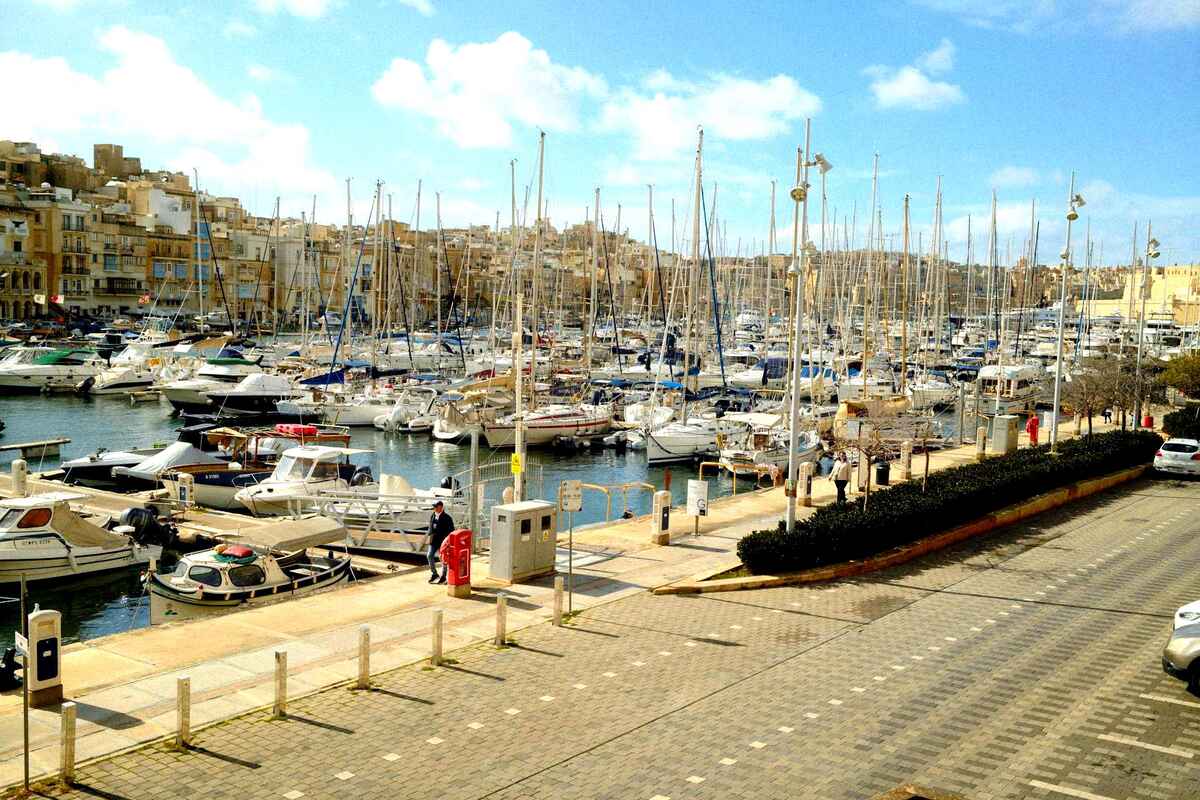
Ferries and water taxis add a scenic and practical layer. The Valletta–Sliema and Valletta–Three Cities ferries cut journey times dramatically and treat you to postcard views of the Grand Harbour.
The main Gozo ferry runs 24 hours and takes about 25 minutes each way, while a faster passenger‑only service operates between Valletta and Mgarr harbour in peak season. Traditional dgħajsa boats in the harbours also offer characterful, if slightly more adventurous, crossings.
Ride‑hailing apps like Bolt and eCabs operate widely and are often cheaper than traditional taxis. Cycling is less common due to hilly terrain and limited bike lanes, but Gozo’s quieter roads make it a better option for two wheels.
Whatever mode you choose, the key to smooth transport when you visit Malta is patience; the islands are small, and distances are short, so even a traffic delay rarely consumes more than 40 minutes.
Budgeting for Your Malta Trip
Malta sits in the middle range of Mediterranean destinations, generally more affordable than the Amalfi Coast or the French Riviera but pricier than parts of mainland Greece.
Accommodation costs vary sharply by season and location: a double room in a mid‑range Valletta boutique hotel might cost between €120 and €200 per night in high summer, while a similar standard in St Julian’s or Buġibba can fall closer to €80–€130. Booking well ahead unlocks better rates, particularly for Gozo farmhouses during peak weeks.
Food and drink expenses are reasonable, especially if you eat where locals eat. A meal at a modest family‑run restaurant will typically cost €15–€25 per person, excluding drinks, while a pastizz and a coffee from a street kiosk can leave you full for under €3.
A three‑course dinner at a harbour‑view establishment in Valletta or Marsaxlokk can easily climb to €50–€70 per person, so mixing high‑ and local‑end dining keeps budgets balanced.
Entry fees to major historical sites are modest by European standards, usually ranging from €6 to €15. The Hypogeum, being an exclusive timed‑entry experience, is the exception at around €35.
Public transport is a bargain; a seven‑day Explore card granting unlimited bus travel costs just €21 for adults. Taxis and transfers add up, so consider the airport‑Valletta direct bus or a pre‑booked shared shuttle to save money on arrival.
A reasonable daily budget for a mid‑range traveller who wants to visit Malta comfortably is around €100–€150 per person, covering accommodation, meals, transport, and one major attraction.
Backpackers can survive on €50–€70 a day using hostels and self‑catering, while luxury seekers should budget upwards of €300 daily. Always carry some cash for smaller bakeries and village markets, even though cards are widely accepted in towns.
Unforgettable Day Trips from the Main Island
Malta’s compact geography turns neighbouring islands and coastal gems into easy day trips. Gozo, the second‑largest island, is the classic escape.
A 25‑minute ferry ride delivers you to a greener, sleepier world where the Citadel in Victoria commands panoramic views and the coastline is sculpted into wonders like the Azure Window’s successor, Wied il‑Mielaħ.
Spend the morning at Ramla Bay’s rust‑red sand, enjoy a long lunch featuring Gozitan cheeselets, and visit the Ġgantija temples before catching an evening ferry back.
Comino, the tiny isle separating Malta and Gozo, is day‑trip territory but best visited with a strategy. Joining an organised boat tour that departs early gives you the Blue Lagoon before the crowds swarm.
Many tours include a stop at the quieter Santa Marija Bay and the chance to sail through caves along the coast. Pack your own food and water, and bring water shoes to navigate the rocky entry into the lagoon.
Closer to the main island, the Three Cities — Vittoriosa, Senglea, and Cospicua — offer a profound historical experience without requiring a ferry. A short traditional dgħajsa across the Grand Harbour from Valletta lands you in an area of ancient auberges, maritime museums, and waterfront gardens.
The views from the Gardjola Gardens in Senglea across the harbour back to Valletta are among the most photographed in the country, especially at sunset.
For a wilder escape, head to the south‑west coast near Għar Lapsi and walk the clifftop path to the Blue Grotto. The boat trips into this sea cave system run only in calm weather, so check conditions locally.
Afterwards, drive inland to the prehistoric temples of Ħaġar Qim and Mnajdra, perched on a limestone plateau with vast sea views. These half‑day excursions prove that when you visit Malta, you never need to go far to feel as though you have entered another world.
Packing Tips for a Malta Holiday
Packing for Malta is about balancing sun protection, comfort, and cultural appropriateness. The Mediterranean sun is unrelenting from May through September, so high‑factor sunscreen, a wide‑brimmed hat, and polarised sunglasses are non‑negotiable.
Lightweight linen, cotton, and breathable fabrics keep you cool while exploring sun‑soaked sites. A reusable water bottle is both eco‑friendly and budget‑conscious, given the heat and the fact that tap water is safe but can taste chlorinated.
Comfortable walking shoes are essential. Malta’s charm lies in its cobbled streets, stone staircases, and uneven historic paths. Valletta, Mdina, and the coastal walks all demand footwear with solid grip.
Ladies should pack a light scarf or pashmina that can double as a shoulder cover when entering churches, as bare shoulders and short skirts are often frowned upon in sacred spaces.
- Sun protection: Broad‑spectrum SPF 50+, lip balm, after‑sun lotion, UV‑blocking sunglasses.
- Footwear: Sturdy walking sandals, closed‑toe sneakers for hiking, and water shoes for rocky swim entries.
- Clothing: Light layers, a long‑sleeve cover‑up for evenings and church visits, quick‑dry swimwear.
- Health & comfort: Insect repellent for rural evenings, basic first‑aid kit, motion sickness tablets for boat trips.
- Tech & practical: Universal travel adapter (UK three‑pin), power bank, dry bag for boat excursions.
Winter visitors should pack a light jacket and jumpers, as temperatures can dip to 10°C and indoor heating is not always robust.
Regardless of the season, include a microfibre travel towel if you plan to swim at remote coves. And leave space for edible souvenirs: jars of local honey, prickly pear jam, or a bottle of Gozitan olive oil will bring a taste of your visit Malta back home long after your tan fades.
Essential Travel Tips Before You Visit Malta
A little preparation goes a long way in smoothing your Maltese journey. First, book your accommodation and Hypogeum tickets as far in advance as possible, especially if your trip coincides with the peak summer months or major events like the Isle of MTV concert. The islands are small, and the best rooms and time‑sensitive entry slots disappear quickly.
Stay aware of local festivals and public holidays when planning your itinerary. Malta celebrates over 60 village festas between May and September, each involving fireworks, band marches, and street decorations.
While these are unforgettable cultural spectacles, they can disrupt transport and fill small towns with crowds. Conversely, many businesses close on Good Friday, Christmas Day, and New Year’s Day, so check availability if dining out on public holidays.
Health and safety are generally straightforward. Malta is one of the safest destinations in Europe, with low violent crime rates, but petty theft can occur in crowded nightlife areas. Keep an eye on your belongings and avoid leaving valuables in a car overnight.
Tap water is safe, but bottled water is widely available if you prefer the taste. EU citizens should carry the European Health Insurance Card; non‑EU travellers need comprehensive travel insurance, as even minor clinic visits can be costly.
Finally, embrace the slower rhythm. The Maltese clock runs on Mediterranean time, and a strict, minute‑by‑minute schedule will only lead to frustration.
Linger over a morning coffee in a piazza, let a spontaneous conversation detour your afternoon, and allow the islands to reveal themselves on their own terms. When you visit Malta with an open mind and a flexible plan, the archipelago rewards you with memories that linger far longer than a suntan.
Conclusion
A decision to visit Malta is an invitation to walk through history, taste the confluence of cultures on a single plate, and surrender to the rhythm of an island that has welcomed travellers for millennia.
From the prehistoric quiet of the Hypogeum to the golden glow of a Gozo sunset, every day can be shaped to fit your mood — whether that means diving into underwater caves, dancing under fireworks at a village festa, or simply soaking up the view from a Valletta rooftop.
This guide has traced the essential threads of a Maltese holiday: the best seasons to travel, the neighbourhoods that define the experience, and the flavours, customs, and practicalities that turn a good trip into a great one.
By now you have a mental map of how to spend your days, where to rest, and what to prioritise when time is short. The islands never demand a single right itinerary; they coax you to build your own, day by day.
As you sketch your plans, remember that Malta’s greatest gift is its intimacy. You can cross from a neolithic temple to a Renaissance masterpiece, then shake off the history with a swim in crystal‑clear water, all before lunch.
Resist the temptation to cram every sight into a checklist. The spaces between moments — chatting with a pastizz vendor, wandering a silent alley, listening to the waves — hold the true spirit of the place.
Before you book anything, verify current entry requirements, flight schedules, and accommodation availability directly with official sources. Prices, weather conditions, and health protocols can shift, and local circumstances vary.
A responsible traveller couples inspiration with up‑to‑date information. With that in mind, pack your curiosity and a decent pair of walking shoes. The archipelago is ready, and it will leave its mark on you.
FAQ
Do I need a visa to visit Malta?
Malta is part of the Schengen Area. Citizens of the EU, EEA, and many other countries can enter visa‑free for short stays of up to 90 days within a 180‑day period. Travellers from visa‑required nations must apply for a Schengen visa through the Maltese embassy or consulate in their country of residence. Entry rules change, so always check the latest requirements with official Maltese immigration sources before booking.
What currency is used in Malta?
Malta adopted the euro (€) in 2008. ATMs are widespread in towns and tourist hubs, and credit and debit cards are accepted in most hotels, restaurants, and larger shops. Some village bakeries, small markets, and taxi services still prefer cash, so carry a modest amount of euros for incidental purchases.
Is English widely spoken in Malta?
Yes, English is an official language alongside Maltese. Road signs, menus, and official communications are typically bilingual, and the vast majority of the population speaks fluent English. Visitors rarely encounter language barriers, which makes navigating the country and interacting with locals very straightforward.
What is the best way to get around in Malta?
The public bus network covers most tourist destinations affordably, but renting a car offers the greatest flexibility, especially for reaching beaches and Gozo’s interior. Driving is on the left. Ride‑hailing apps like Bolt and eCabs are reliable in urban areas, while ferries and water taxis efficiently connect the harbour towns.
Is Malta expensive for tourists?
Malta is moderately priced by Mediterranean standards. Mid‑range accommodation, meals at local restaurants, and attraction entry fees are generally lower than those in Italy’s major cities. A daily budget of around €100–€150 per person allows a comfortable experience, while cost‑conscious travellers can manage on €50–€70 per day by using public transport and self‑catering.
When is the best time to visit Malta for beaches?
Beach weather peaks from June to September, when sea temperatures rise above 24°C and sunshine is almost guaranteed. July and August draw the largest crowds. Late May, June, and September offer warmth and sun with slightly thinner crowds, making them excellent alternatives for a seaside break.
Can I visit Malta and Gozo in one trip?
Absolutely. The Gozo ferry from Ċirkewwa takes around 25 minutes and runs 24 hours. Many travellers spend three or four nights on Malta and two or three on Gozo, which is easy to arrange thanks to the short crossing. Comino can be visited as a day trip from either island.
What are the must‑try Maltese dishes?
Pastizzi, rabbit stew (fenkata), octopus stew (stuffat tal‑qarnit), and the local bread snack ħobż biż‑żejt are iconic. For dessert, sample kannoli and imqaret date pastries. Seafood lovers should try lampuki pie when in season, while Cisk lager and indigenous wines complete the culinary picture.
Is tap water safe to drink in Malta?
Tap water is safe and meets EU standards, but it is desalinated and can have a slightly saline or chlorinated taste that some visitors find unpleasant. Many locals and tourists prefer to drink bottled water, which is inexpensive and readily available everywhere.
What is the emergency number in Malta?
The single European emergency number, 112, works in Malta and connects you to police, fire, and ambulance services. Operators speak English and Maltese. Malta is a safe destination with generally low crime, but keep the number handy for any unexpected medical or safety situations.

Author: Horeca Health
Horeca Health

Leave a Reply