Introduction
If you plan to visit Greenland, you are stepping into a world where ice sheets meet Inuit tradition and every fjord tells a story of ancient migrations.
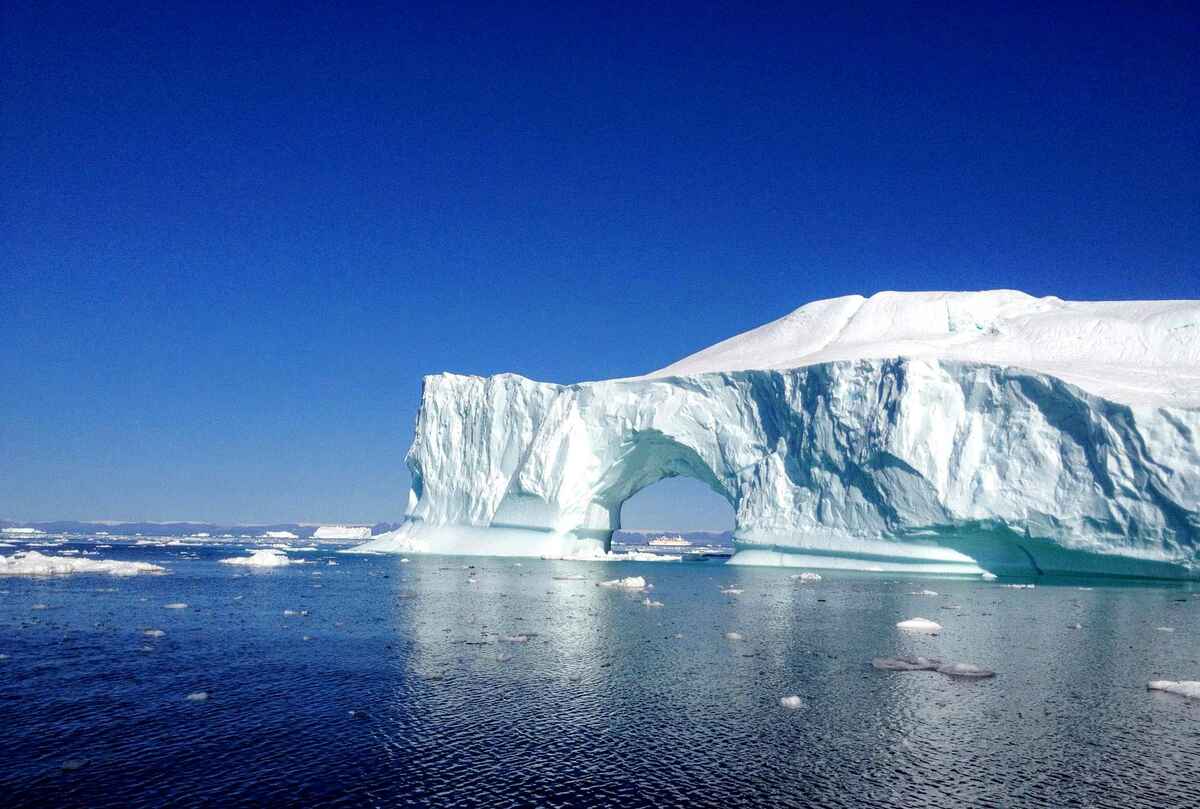
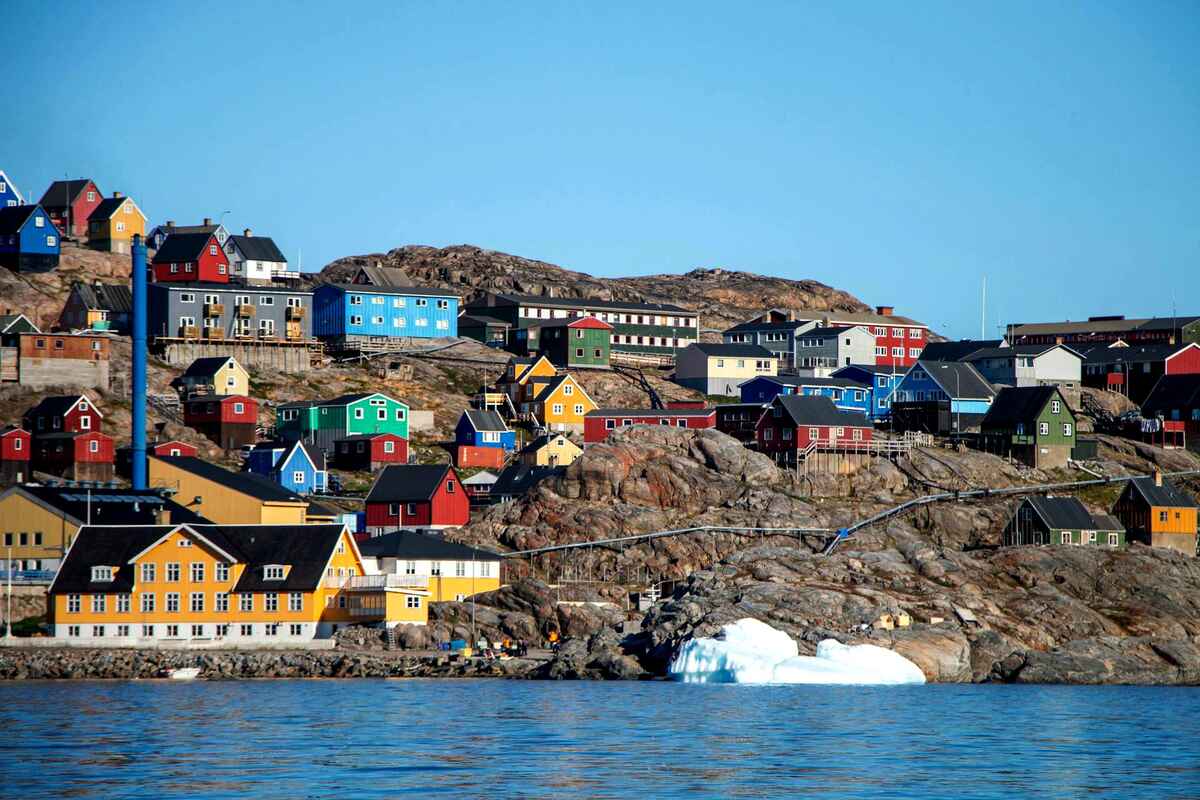
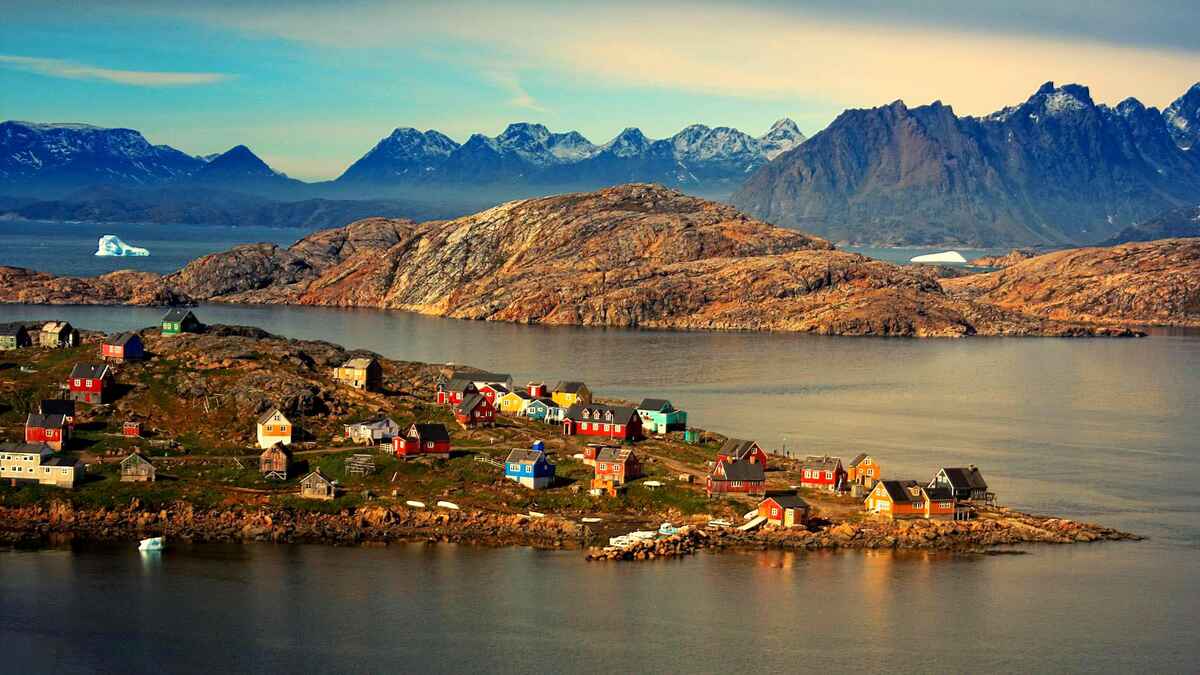
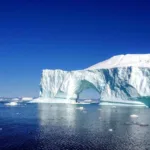
This vast Arctic island lures explorers, photographers, and cultural travelers with a promise of raw, untamed beauty that feels almost otherworldly. Towering icebergs drift silently past colorful wooden houses, while humpback whales breach in bays lit by the midnight sun.
Greenland is not a typical beach destination; it asks for preparation, respect for nature, and a willingness to travel slowly.
Yet the reward is a journey that shifts your perspective on scale, wilderness, and human resilience. Here, sled dogs outnumber cars, and the northern lights dance over frozen landscapes no camera can fully capture.
This complete travel guide covers everything you need to shape your trip: the island’s deep history, the best seasons to go, must-see regions, cultural experiences, outdoor adventures, practical travel tips, and honest insights about costs.
Whether you are drawn by Viking ruins or the silence of the ice sheet, understanding the details will help you plan a responsible and memorable Arctic journey.
Let’s dive into the essentials so your decision to visit Greenland becomes a well-informed, soul-stirring experience.
What Is the Best Time to Visit Greenland?
The best time to visit Greenland depends on what you want to experience.
Summer (June to August) gives you continuous daylight, blooming tundra, and excellent conditions for hiking and sailing among icebergs.
Winter (November to March) transforms the island into a dark, snowy theater for the aurora borealis and dog sledding. The shoulder months of May and September often bring fewer visitors, lower prices, and dramatic light transitions.
Summer travelers enjoy temperatures that typically hover between 5°C and 10°C (41°F–50°F) in coastal areas, though dry inland air can feel warmer.
This is the high season for most tour operators, with small-ship cruises filling the fjords of Disko Bay and hikers tackling the Arctic Circle Trail. Book flights and accommodation well in advance if you target this window.
Those who visit Greenland in winter come for the deep polar stillness. From late August the nights darken enough for aurora viewing, and by midwinter the sun disappears entirely in towns like Ilulissat and Qaanaaq.
It’s a season of dog sledding, snowmobile safaris, and cultural gatherings indoors. Temperatures can plunge below -20°C (-4°F) in many places, so specialized arctic gear is mandatory.
Late spring and early autumn offer a quieter rhythm. May reveals melting sea ice and returning whales, while September turns the tundra russet and gold under softer light. These months can present more unpredictable weather, but for photographers and solitude-seekers, they are a secret worth planning around.
A Brief History of Greenland: From Vikings to Modern Times
Deepening any decision to visit Greenland begins with its human story, which stretches back roughly 4,500 years.
The first Paleo-Eskimo cultures, including the Saqqaq and Dorset peoples, migrated across the frozen north in waves, surviving on marine mammals and caribou. Their stone tools and tent rings are still found along the coast, whispering of a life mastered far beyond the reach of trees.
The most famous chapter arrived around 985 CE when Erik the Red, exiled from Iceland, landed on the southwestern coast.
He named it Greenland—a clever piece of medieval marketing—and Norse settlers soon established two communities, the Eastern and Western settlements, centered on pastoral farming, hunting, and even a bishopric at Garðar.
For nearly 500 years the Norse thrived, but shifting climate and economic isolation contributed to their mysterious disappearance in the 15th century.
As the Norse presence faded, the Thule culture—ancestors of today’s Inuit—moved into Greenland from Alaska around 1200 CE.
They brought advanced kayak technology, dog sleds, and robust winter dwellings, forming the cultural backbone of the Greenland you encounter today. When Danish-Norwegian missionaries and traders arrived in the 1700s, they found a resilient population with deep knowledge of sea ice and survival.
Greenland’s modern identity was shaped by colonial rule, post-war reforms, and the push for self-government. In 1979 home rule was established, and the 2009 Self-Government Act extended authority over most domestic affairs.
Walking through Nuuk’s national museum or the reconstructed Norse longhouse at Igaliku makes history tangible, reminding every visitor that to visit Greenland is to enter a living timeline written in bone, stone, and ice.
How to Get to Greenland: Flights and Entry Points
You can reach Greenland by air from Copenhagen, Denmark, or Reykjavik, Iceland, landing primarily at Kangerlussuaq, Nuuk, or Ilulissat.
There are no road or rail connections to other countries. Cruise ships and expedition vessels also depart from Canada, Iceland, or mainland Europe during the summer months, offering a slow, scenic approach to the coast.
Air Greenland is the national carrier, operating year-round transatlantic flights, while seasonal charters and connections from Iceland Air supplement the schedule.
The recent expansion of Nuuk’s international airport is set to open up more direct routes, making it easier than ever to visit Greenland without flying through the former military hub at Kangerlussuaq. Domestic flights and helicopters are lifelines between towns, as there are virtually no roads connecting settlements.
For travelers arriving by cruise, the main entry points are harbors such as Qaqortoq, Nuuk, and Ilulissat. Expedition-style cruises prioritize small passenger numbers and Zodiac landings, which allow access to remote fjords that larger ships can’t reach.
This approach can turn the journey itself into a core part of the Greenland experience, with wildlife spotting along the way.
Visa requirements depend on your nationality: Greenland is part of the Kingdom of Denmark but is not in the Schengen Area, so a separate permit may be needed.
Always check official Danish immigration sites before booking, as rules change periodically. When you visit Greenland, travel insurance covering medical evacuation is strongly recommended given the remote health facilities and high cost of emergency transport.
Understanding Greenland’s Unique Climate and Weather
Greenland’s climate is an exercise in extremes that defines every aspect of travel. The ice sheet, which covers around 80% of the island, creates its own weather systems, pushing cold, dry air down through the fjords.
Along the coast, summers are surprisingly mild but brief, while winters are long, dark, and deeply frozen—conditions that demand flexible itineraries and proper gear.
Coastal areas in the south and west enjoy tundra climates with average July highs around 10°C (50°F), though the sun can feel intense on a still day.
Precipitation is low, so you rarely face heavy rain, but fog can roll in abruptly, delaying flights and boat transfers. If you visit Greenland expecting to pivot plans, you will handle these moments with less frustration.
The dry air and reflective snow amplify solar radiation; sun protection is essential even in winter. Spring brings the “white nights” and the return of migratory birds, while autumn can surprise you with crystal-clear skies and crisp, stable weather perfect for photography.
East Greenland is generally colder and more isolated, with sea ice lingering well into summer.
Wind is a constant companion, and katabatic gales can funnel through valleys with little warning. Always factor in a buffer day for travel between towns, especially if you book internal flights.
A careful reading of seasonal weather patterns will shape your packing list and your choice of itinerary, helping you make the most of every hour when you visit Greenland.
Which Regions Are Worth Exploring When You Visit Greenland?
The most rewarding regions to visit Greenland are West Greenland’s Disko Bay, the cultural capital Nuuk, South Greenland’s verdant fjords dotted with Norse ruins, and the remote East Greenland coast.
Each area offers a distinct flavor of Arctic life, from towering icebergs to tiny hunting communities, so choosing where to go defines your entire experience.
| Region | Main Attractions | Best For | Accessibility |
|---|---|---|---|
| West Greenland (Disko Bay) | Ilulissat Icefjord, Eqi Glacier, whale watching | Icebergs, midnight sun, classic Arctic scenery | Good; flights to Ilulissat, regular boat tours |
| South Greenland | Norse ruins (Brattahlíð), Hvalsey Church, green valleys | Hiking, Viking history, farming landscapes | Moderate; flights to Narsarsuaq, local boats necessary |
| East Greenland | Tasiilaq, Scoresby Sound, remote villages | Untamed wilderness, Northern Lights, isolation | Limited; helicopter or air from Kulusuk, very few visitors |
| North Greenland | Qaanaaq, Thule culture, sea ice and polar nights | Extreme adventure, traditional hunting, rare expedition depth | Difficult; logistical planning required, expedition-only |
West Greenland is the most popular choice for first-timers. Ilulissat’s Sermermiut valley offers boardwalk trails overlooking a UNESCO-listed icefjord, and boat tours get you close enough to hear icebergs crack and roll. The town itself has a museum, cafes, and a range of accommodation, making it an approachable base.
South Greenland surprises visitors with subarctic agriculture and the remnants of Erik the Red’s settlement.
The sheltered fjords around Qaqortoq and Narsaq create a microclimate where sheep graze and vegetables grow—a side of Greenland few expect. Travelers who visit Greenland for history often gravitate here, walking among the stone walls of the Hvalsey church.
What Are the Must-See Natural Wonders in Greenland?
The Ilulissat Icefjord, a UNESCO World Heritage site, anchors any list, but the Greenland Ice Sheet itself, multi-hued icebergs, deep fjord systems like Scoresby Sound, and the aurora borealis are equally iconic. Many travelers who visit Greenland discover that the sheer scale of nature here—glaciers calving, mountains plunging into the sea—outstrips even the most vivid photographs.
- Ilulissat Icefjord: A colossal conveyor of icebergs from the Sermeq Kujalleq glacier, one of the fastest-moving glaciers in the world.
- Greenland Ice Sheet: Accessible via Kangerlussuaq; you can walk on a cap of ancient ice up to 3 kilometers thick.
- Scoresby Sound: The world’s largest fjord system, a labyrinth of ice and rock in East Greenland that shelters whales and seals.
- Disko Island: Surreal basalt columns, black sand beaches, and hot springs give a volcanic edge to the Arctic landscape.
- Eqip Sermia Glacier: A dramatic calving front where you can overnight in a lodge and watch ice tumble into the sea.
- Northern Lights: Aurora borealis swirling over settlements like Kangerlussuaq or Tasiilaq from late August onward.
Approach these wonders with a safety-first mindset. Glacier edges are unstable, icebergs can roll, and hypothermia is a real risk even in summer. Guided excursions are not just preferred but often essential. Local operators combine environmental expertise with safety protocols, ensuring you can marvel without compromising your well-being.
The variety is staggering: one day you might kayak through diamond-like brash ice, the next hike across a valley where musk oxen graze.
Each region reveals a different facet of the island’s geology, shaped by millennia of ice and tectonic upheaval. Many travelers find that the biggest challenge when they visit Greenland is fitting such diversity into a single trip.
How Can You Experience Authentic Inuit Culture in Greenland?
Attending a kaffemik—a traditional open-house gathering with coffee, cake, and storytelling—offers an immediate window into Greenlandic hospitality.
Museums in Nuuk and Qaqortoq exhibit millennia of Inuit innovation, while cultural centers stage drum dancing, mask carving, and choral singing. To truly connect when you visit Greenland, engage with local guides who bridge past and present through their own family histories.
Greenland’s Inuit culture is not a reenactment; it is a living, evolving way of life. Hunters in the north still travel by dogsled, and many towns celebrate the return of the sun with festivals that blend ancient ritual and modern music.
The Greenlandic language, Kalaallisut, resonates in song and daily conversation, and learning a few phrases—like “aluu” (hello) or “qujanaq” (thank you)—goes a long way in showing respect.
The National Museum and Archives in Nuuk house the famous Qilakitsoq mummies, well-preserved women and children from the 15th century, alongside exquisite umiaks and traditional skin clothing.
In Ilulissat, the local museum holds exhibitions on how the ice fjord shaped settlement patterns. Pair these with a village visit to Ilimanaq or Oqaatsut to experience life outside the main tourist corridors.
Remember that cultural sensitivity is essential. Always ask permission before photographing people, avoid romanticizing seal hunting—which is a regulated and crucial subsistence activity—and support community-run tourism cooperatives where possible.
A responsible approach to experiencing Inuit customs will deepen your journey and ensure that communities benefit directly when travelers visit Greenland.
The Best Outdoor Adventures for Your Visit to Greenland
Outdoor adventures in Greenland stretch from serene kayak trips between icebergs to multi-day treks across the tundra.
Dog sledding remains a traditional mode of transport in winter, while summer opens up glacier walks, whale-watching expeditions, and the legendary Arctic Circle Trail. Whatever your fitness level, the key is choosing activities matched to the season and your experience.
For many, the Arctic Circle Trail between Kangerlussuaq and Sisimiut is the ultimate trek. Covering around 160 kilometers of pristine backcountry, it demands self-sufficiency and careful planning, with huts and emergency cabins along the route.
The trail traverses a landscape of lakes, low mountains, and caribou herds, offering a rare sense of remoteness that defines many decisions to visit Greenland.
Kayaking among icebergs in Ilulissat or Tasiilaq connects you directly to the marine world that sustains local communities.
Paddling in a still fjord as the ice groans around you is an experience no motorboat can replicate. Outfitters provide dry suits, safety briefings, and guides who read ice movements, making the activity accessible to fit beginners as well.
Winter brings a different menu: snowmobiling across the frozen Disko Bay, dog sled expeditions lasting several days, and backcountry skiing above the fjords. These require expertise or guides; Greenland’s terrain is unpredictable, and crevasse hazards exist in glaciated areas.
Safety checks are non-negotiable. Even in summer, always tell someone your route and carry a satellite communication device. The extraordinary adventures that await when you visit Greenland come with an inherent need for caution and preparation.
How Much Does It Cost to Visit Greenland?
Greenland is widely regarded as one of the world’s most expensive travel destinations. A mid-range daily budget—covering accommodation, meals, a guided half-day tour, and domestic transport—can easily top $400–$600 USD per person.
High costs stem from extreme logistics, imported goods, and limited competition, so advance planning and realistic expectations are essential.
Flights are typically the single largest expense. Round-trip airfare from Copenhagen or Reykjavik ranges from about $800 to $1,500 USD, while domestic flights between towns add hundreds more.
Accommodation varies from basic hostels in Nuuk to comfortable hotels in Ilulissat, with double rooms often starting at $200 per night. Self-catering from supermarkets and local fish markets can help control meal spending, but eating out is pricey.
Guided tours account for a significant share of the total cost. A two-hour boat safari among the Ilulissat icebergs might cost $150–$200, while a full-day glacier excursion can exceed $300.
Costs reflect the genuine expense of operating safely in Arctic conditions, with skilled guides, specialized equipment, and low group sizes. Budget travelers who visit Greenland sometimes offset this by camping on the Arctic Circle Trail or choosing multi-day packages that bundle lodging and excursions.
To stretch funds, travel in shoulder season, book flights early, and consider joining a small-group tour that secures bulk rates. Avoid last-minute bookings, as availability is limited and prices only rise.
Track exchange rates for the Danish krone, and always carry a credit card and emergency cash, as remote settlements may have limited banking facilities. A realistic, padded budget ensures that financial strain won’t overshadow the landscapes you came to see.
Practical Travel Tips for Your Greenland Journey
A trip to the Arctic requires more than a standard suitcase. Layered clothing—thermal base, fleece mid-layer, windproof and waterproof outer shell—forms the foundation, while sturdy waterproof boots and warm accessories are non-negotiable. Even if you visit Greenland in summer, pack a hat and gloves; weather can change in minutes.
- Currency and payments: Danish krone (DKK) is the official currency; credit cards are widely accepted in towns, but carry cash for small settlements.
- Language: Greenlandic (Kalaallisut) is official, with Danish widely spoken; English is common in tourism but less so in remote villages.
- Health and insurance: Comprehensive travel insurance covering medical evacuation is critical, given limited hospital facilities outside Nuuk.
- Connectivity: Mobile coverage exists in towns, but satellite connectivity is advisable for backcountry areas.
- Booking windows: Reserve domestic flights, accommodation, and popular tours months ahead, particularly for summer and aurora season.
- Respect local customs: Ask before photographing, dress modestly in villages, and avoid disrupting hunting equipment or sled dogs.
Transport logistics inside Greenland are unlike any other country. With no roads between towns, you rely on small planes, helicopters, and boats. Delays are common due to fog or ice, so schedule buffer days and treat timetable shifts as part of the journey. Ferries like the Sarfaq Ittuk along the west coast offer a slower, scenic alternative.
Safety is tied to preparation. Hypothermia, polar bear encounters in remote areas, and crevasse falls are genuine risks in certain regions.
In East and North Greenland, local regulations often require you to carry a rifle when traveling outside settlements, but this is only for trained and authorized guides. Heed official travel advisories and always consult local knowledge. A mindful traveler who chooses to visit Greenland recognizes that the environment demands deep respect, not conquest.
What Is the Northern Lights Season in Greenland?
The northern lights season in Greenland runs from late August through early April, with the most intense displays often occurring around the autumn and spring equinoxes.
Clear, dark skies away from artificial light are essential, which makes Kangerlussuaq, with its stable inland weather, one of the world’s most reliable aurora destinations. Coastal towns like Ilulissat and Tasiilaq also witness frequent shows, weather permitting.
Geomagnetic activity drives the aurora, so displays can never be guaranteed—no honest operator will promise a certain sighting. However, the long polar nights increase your odds significantly.
September offers the bonus of open water reflecting the lights, while midwinter provides near-constant darkness. Many aurora enthusiasts who visit Greenland plan a stay of at least four or five nights to maximize chances.
Photographing the lights demands a tripod, manual camera settings, and warm patience. Local guides often combine aurora excursions with storytelling or hot drinks in a remote cabin, turning even a cloudy night into a memorable evening. Download a reliable aurora forecast app, but remember that local microclimates can override predictions.
Beyond the visual spectacle, the season shapes the rhythm of daily life. In towns above the Arctic Circle, the sun disappears for months, and communities shift into a slower, cozier mode.
Combining aurora viewing with dog sledding, ice fishing, or a cultural kaffemik can turn a dark-season trip into a deeply immersive Arctic experience that lingers long after the lights fade.
Common Mistakes to Avoid When Planning to Visit Greenland
First-time travelers often underestimate the sheer scale and logistical complexity of Greenland. A common pitfall is trying to cover too many regions in a short trip; the distances are vast, internal flights infrequent, and weather can ground planes for days.
A focused itinerary in one or two areas almost always yields a richer experience than a rushed multi-region dash.
- Booking too late: Peak-season flights, key hotels, and sought-after tours fill up six to twelve months in advance; waiting can mean paying a premium or missing out entirely.
- Ignoring weather buffers: Not adding extra days for flight delays can derail your entire schedule; a 48-hour cushion is wise, especially on the east coast.
- Skipping proper gear: Insufficient clothing leads to misery and potential danger; invest in or rent genuine Arctic-quality layers and waterproof footwear.
- Under-budgeting: Many travelers are shocked by costs; build a realistic daily budget with a 20% contingency for unforeseen expenses.
- Neglecting cultural norms: Treating Greenland as a theme park rather than a living culture damages encounters; approach with curiosity, not entitlement.
- Assuming easy connectivity: Wi-Fi and mobile signals are limited outside main towns; download offline maps and inform contacts about communication gaps.
- Overlooking travel insurance: Medevac alone can cost tens of thousands of dollars; valid, comprehensive coverage is essential.
Another oversight involves wildlife expectations. Polar bears are primarily found in the far north and east, not in the popular west-coast tourist hubs.
Whale sightings are common in summer, but you should manage hopes: nature operates on its own schedule. When you visit Greenland, embrace the unexpected rather than ticking a checklist.
Finally, don’t assume that independent travel is as straightforward here as in mainland destinations. Many remote areas require local permits, guides, or specialized transport.
Trying to go solo in regions where safety dictates otherwise can put you and rescue teams at risk. Reach out to destination management organizations like Visit Greenland for current, region-specific advice.
Conclusion
The decision to visit Greenland is an invitation to witness a world where nature still holds the upper hand. From the Norse ruins of the south to the glow of the aurora above a frozen fjord, each day on the island rewrites familiar notions of travel.
The planning may be demanding, yet the payoffs—silence, scale, and cultural depth—are unlike anything you will find elsewhere.
Remember that Greenland changes. Glaciers calve, ice conditions shift, flight schedules evolve, and local regulations adapt. The costs, access points, and seasonal details mentioned here are based on general patterns and should be verified before you commit to bookings.
Always consult official sources, including tourism board updates, airline announcements, and government travel advisories, as your departure date approaches.
By traveling with curiosity, cultural humility, and careful preparation, you can make your Arctic journey as rewarding for the communities you encounter as it is for your own spirit.
Whether you seek the narrow streets of Nuuk, the towering ice walls of Disko Bay, or the complete solitude of the tundra, your trip can become a story you will carry with you for a lifetime.
Start your research early, invest in the right gear, leave space for the unexpected, and allow Greenland to reveal itself on its own terms. Few places on earth demand so much, and few give so much in return.
FAQ
Do I need a visa to visit Greenland?
Greenland is part of the Kingdom of Denmark but is not in the Schengen Area. Visa rules depend on your nationality. Many travelers will need a special Danish visa issued for Greenland. Always check the most current requirements with the official Danish Immigration Service well before your trip.
What is the currency in Greenland?
The Danish krone (DKK) is the official currency. Credit and debit cards are widely accepted in larger towns and tourist hubs, but carrying some cash is advisable for small settlements and local markets. Currency exchange facilities are limited outside Nuuk.
Is English widely spoken in Greenland?
English is commonly understood in tourism-related businesses, hotels, and among younger Greenlanders, especially in Nuuk and Ilulissat. In smaller villages, Greenlandic (Kalaallisut) and Danish dominate. Learning a few local phrases is appreciated.
Can I see polar bears when I visit Greenland?
Polar bears are primarily found in the remote northern and eastern parts of Greenland. They are rarely seen in the popular west-coast regions like Ilulissat or Nuuk. If you travel to polar bear territory, you must always go with an experienced, armed guide for safety.
How long should I plan to stay in Greenland?
A minimum of 7–10 days is recommended to explore one or two regions without rushing. This allows time to account for weather delays and to experience a mix of cultural and outdoor activities. Shorter trips are possible but will be more limited in scope.
Is Greenland safe for solo travelers?
Greenland is generally safe for solo travelers in terms of crime, but the environment itself poses risks. Solo hikers should be experienced in backcountry navigation, carry emergency communication devices, and inform locals of their route. Guided day trips are safer for those new to Arctic conditions.
What should I pack for a trip to Greenland?
Pack thermal base layers, insulating mid-layers, a waterproof and windproof outer shell, sturdy waterproof boots, gloves, a warm hat, sunglasses, and high-SPF sunscreen. Even in summer, temperatures can drop quickly, and weather-proof layering is essential year-round.
Can I use my mobile phone in Greenland?
Mobile coverage exists in towns and some coastal areas, but it can be patchy outside settlements. Many travelers use a local prepaid SIM or rely on satellite communication for hiking routes. Download offline maps before heading into remote terrain.
When is the best time to see the midnight sun?
The midnight sun is visible above the Arctic Circle roughly from late May to late July. The exact dates vary by latitude—Ilulissat experiences continuous daylight from around May 21 to July 24. Further north, the period is longer.
Do prices for flights and tours change seasonally?
Yes, prices are highest during the summer peak and the northern lights season. Shoulder months like May and September may offer more moderate rates and better availability, though weather can be less predictable. Always book as early as possible to secure the best fares.

Author: Horeca Health
Horeca Health









Leave a Reply