Visit Vienna: Introduction
Visit Vienna: Stepping into this Austrian capital for the first time is like opening a magnificent history book, one where every chapter is filled with imperial grandeur, world-class music, and irresistible coffee house culture.
We know that planning a debut travel excursion to a city as historically rich as this one can feel overwhelming—where do you start when monumental palaces and centuries of musical genius are competing for your attention?
Fear not, fellow explorer! This comprehensive guide is designed to cut through the noise, providing you with expert, yet laid-back, advice to navigate the city’s highlights like a seasoned pro.
From decoding the efficient public transport system and securing those must-have tickets to exploring the very best imperial sights and sampling the quintessential local delicacies, we’ve distilled the essential knowledge you need.
You’re about to discover why Vienna consistently ranks among the most liveable and beloved cities in the world.
Get ready to immerse yourself in the elegant charm, artistic heritage, and captivating stories that await you on this unforgettable journey. This is your essential roadmap to experiencing the very soul of the city, ensuring your inaugural visit is nothing short of spectacular.

Visit Vienna: What Are the Key Historical Eras That Shaped This Imperial Capital?
Visit Vienna: To truly appreciate the splendor of this European destination, it’s essential to understand the sweeping historical narrative that forged it, which is an exciting component of any travel experience.
The city’s roots stretch back to the Roman Empire, when it was established as the military camp of Vindobona around the 1st century AD.
This early outpost was a crucial defense point on the Danube frontier, securing the Roman territories and leaving behind subtle traces still visible today in the city’s layout.
However, the period that indelibly marked Vienna was the long reign of the Habsburg dynasty, which began in the late 13th century and lasted until 1918.
For over six centuries, the Habsburgs elevated Vienna from a regional hub to the heart of a vast, multi-ethnic empire, establishing it as a center of political power, art, music, and science.
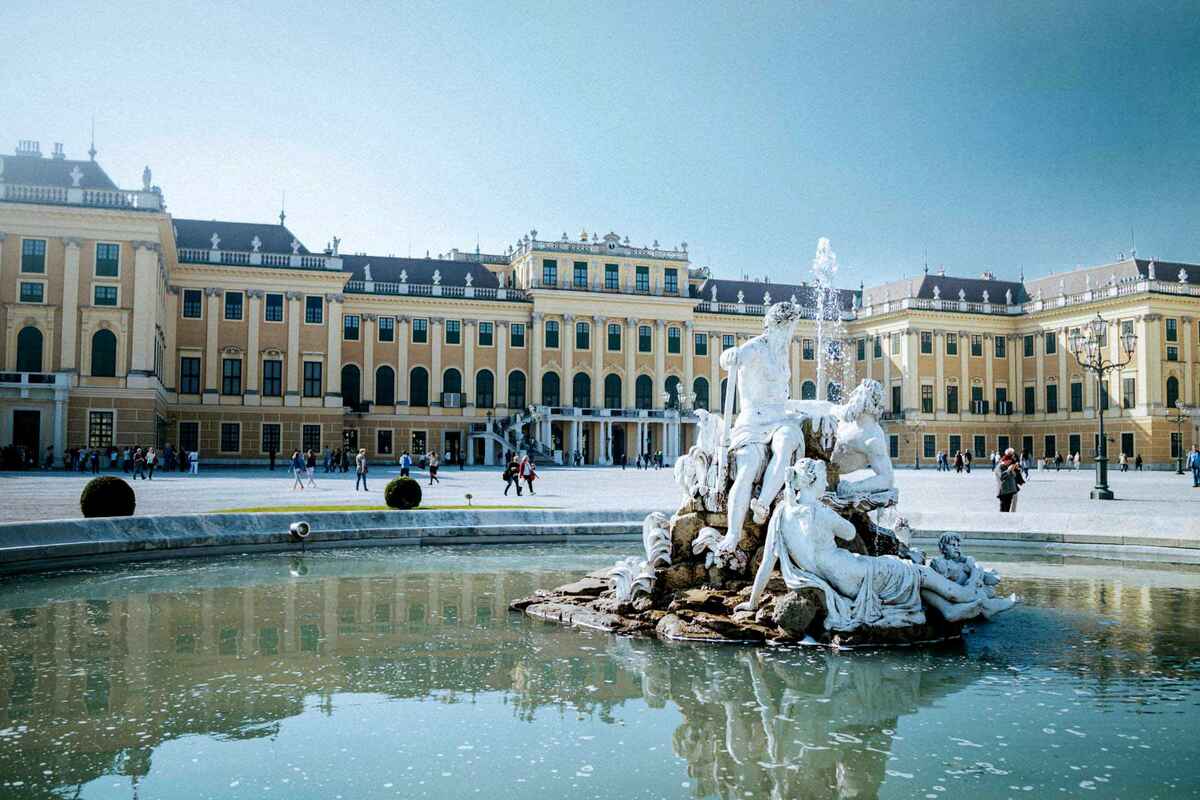
This imperial age gave rise to the iconic palaces like Schönbrunn and the Hofburg, the opulent architecture along the Ringstrasse, and the flourishing of classical music led by giants like Mozart and Strauss.
The transition from the Empire to the modern Republic in 1918 marked a seismic shift, but the cultural richness and architectural majesty of the Habsburg era remain the defining features of this beautiful city.
Every corner offers a glimpse into this magnificent past, making your journey through its history as fascinating as its present.
Visit Vienna: Which Imperial Palaces and Grand Landmarks are Essential to See on a First Trip?
Visit Vienna: Planning your debut excursion to this European capital means diving headfirst into its opulent imperial heritage, and two sites reign supreme for first-time visitors: Schönbrunn Palace and the Hofburg.
Schönbrunn, the former summer residence of the Habsburg emperors, is a sprawling masterpiece of Baroque architecture and a UNESCO World Heritage site.
To genuinely appreciate the grandeur, you should allocate at least half a day to explore not just the state rooms—like the magnificent Great Gallery and the private apartments of Emperor Franz Joseph and Empress Sisi—but also the extensive, perfectly manicured gardens.
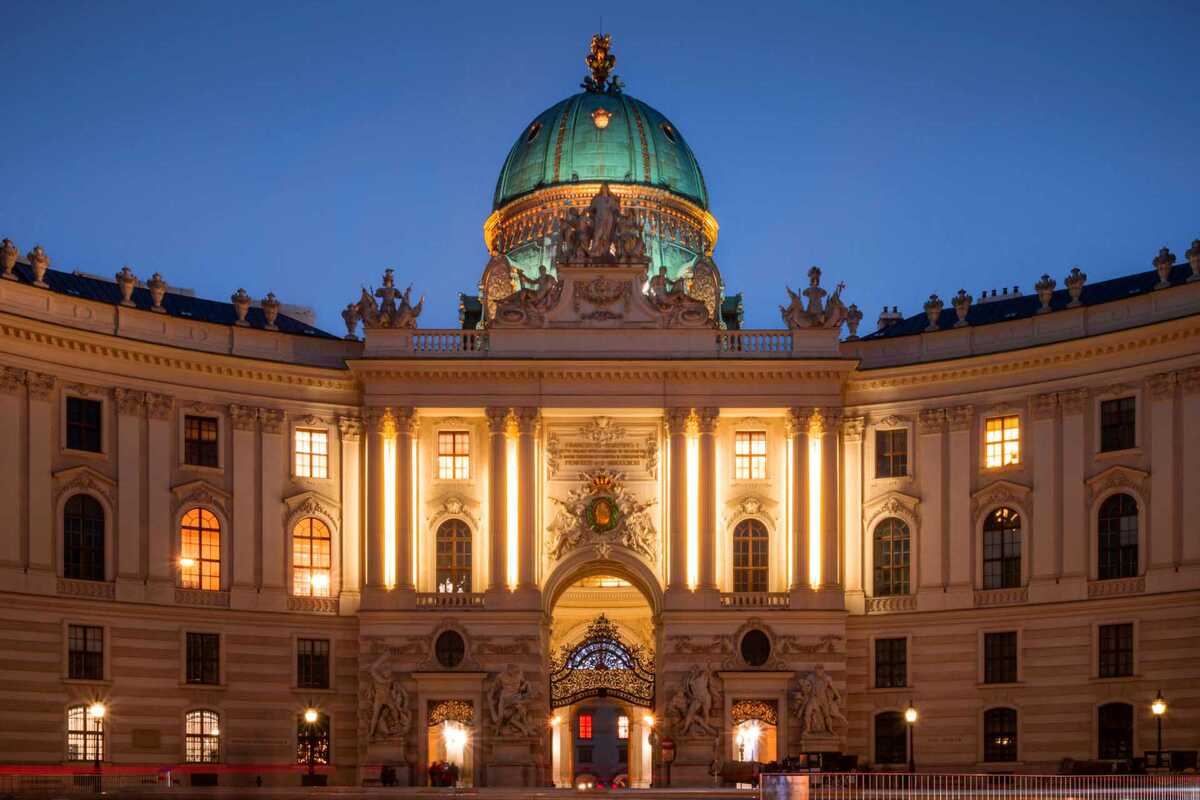
Wander up to the Gloriette for an unbeatable panoramic view of the palace and the cityscape. Beyond Schönbrunn, a journey to the heart of the city leads you to the Hofburg Palace, the former winter residence that now houses the Federal President, museums, and the Spanish Riding School.
Here, you can immerse yourself in the daily life and tragic romantic history of Empress Elisabeth (Sisi) at the Sisi Museum, examine the priceless jewels and crowns in the Imperial Treasury, and stand in awe of the sheer scale of the compound.
While there are countless other sights, these two locations serve as the perfect introduction to the royal history that shaped the very soul of this destination. A successful European travel itinerary must prioritize these stunning architectural and historical treasures to truly grasp the city’s unique charm and legacy.
Visit Vienna: Where Can I Find the Best World-Class Art and Culture in the City?
Visit Vienna: For the art aficionado or the culturally curious tourist, this glorious city provides an overwhelmingly rich array of galleries and museums.
To begin your cultural travel exploration, the Museum Quartier (MQ) is an absolute must-see. This vibrant, modern complex contrasts beautifully with the Baroque buildings surrounding it and is home to several major institutions.
Top of the list should be the Leopold Museum, which showcases a stunning collection of Austrian modern art, including masterpieces by Egon Schiele and Gustav Klimt. Just a short walk away, you’ll find the historic Museum of Art History (Kunsthistorisches Museum Wien), housed in a jaw-dropping palace on the Ringstrasse.
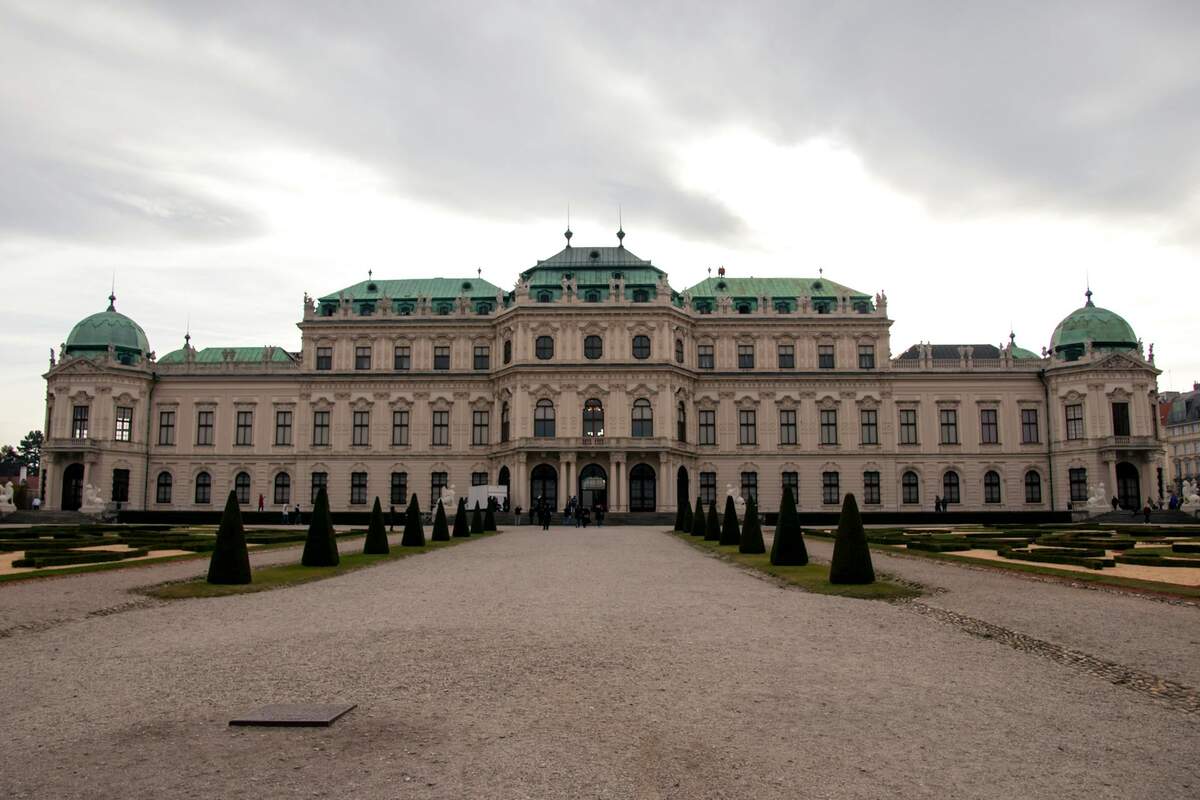
The KHM holds an extraordinary collection of works by Old Masters, including Raphael, Vermeer, and an unparalleled collection of Bruegel the Elder’s paintings. No cultural tour of the city is complete without a visit to the Belvedere Palace, the former residence of Prince Eugene of Savoy.
The Upper Belvedere, in particular, is home to the world’s largest collection of Klimt paintings, including his famous The Kiss, which is a highlight for visitors from around the globe.
To ensure a stress-free experience, it’s highly recommended to book your tickets in advance online, especially for popular spots like the Belvedere, as they tend to be perpetually busy.
Vienna has truly perfected the art of preserving and presenting its priceless cultural heritage, making it a dream destination for lovers of the arts.
Visit Vienna: What Are the Most Authentic and Unmissable Culinary Delights?
Visit Vienna: The gastronomic scene here is a magnificent blend of imperial elegance and hearty, comforting home cooking, making your culinary travel experience just as memorable as your sightseeing.
Start with the undisputed star: the Wiener Schnitzel, a perfectly breaded and pan-fried cutlet of veal, traditionally served with potato salad. Seek out a Beisl (a traditional, cozy tavern) or a renowned spot like Figlmüller for an authentic and massive portion.
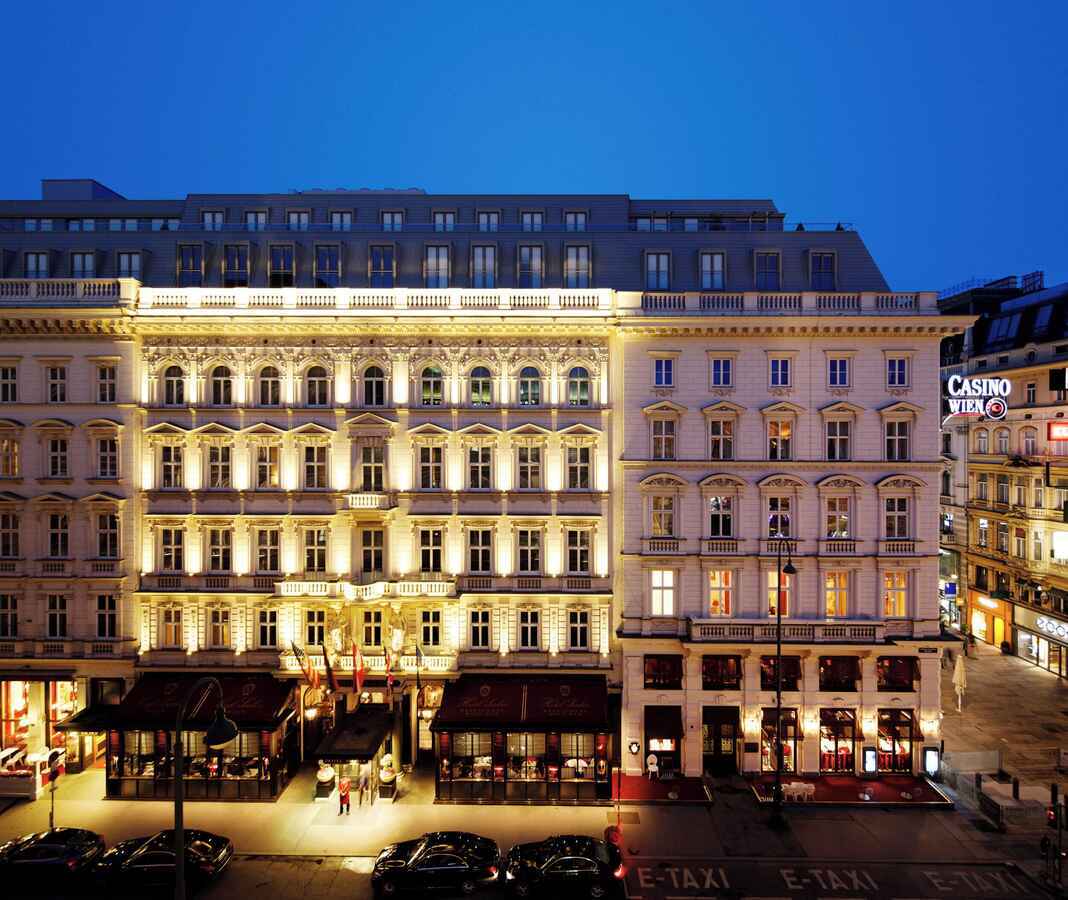
Next on your tasting tour must be the famous Sachertorte, a decadent chocolate cake layered with apricot jam, best sampled at its birthplace, the Hotel Sacher, or at the equally historic Café Central.
Speaking of coffee houses, spending time in a Viennese Kaffeehaus is an integral part of the city’s cultural DNA.
These institutions are not just places to drink coffee; they are extended living rooms where you can read newspapers, chat, or simply watch the world go by over an Melange (similar to a cappuccino) and a slice of Apfelstrudel.
For a taste of local market life, head to the Naschmarkt, a bustling outdoor market with stalls offering everything from exotic spices and fresh produce to international street food.
Don’t leave this wonderful city without trying Tafelspitz (boiled beef), another imperial favorite, and the sweet, fluffy shredded pancake known as Kaiserschmarrn. This destination provides a depth of flavor and tradition that elevates simple dining into a profound cultural encounter.
Visit Vienna: How Can I Best Experience the “City of Music” for the First Time?
Visit Vienna: As the historical epicenter of classical music, this amazing city offers a truly unique soundtrack for your debut travel adventure. Names like Mozart, Beethoven, Strauss, and Schubert all called this beautiful city home, and their legacy is alive in countless venues.
The most iconic experience is, without a doubt, attending a performance at the Vienna State Opera (Wiener Staatsoper), one of the world’s most prestigious opera houses.
Even if you don’t secure a ticket for a full performance, taking a guided tour of the stunning building provides incredible insight into its history and architecture.
For a more accessible or casual experience, consider the Vienna Philharmonics in the Musikverein, famous for its dazzling Golden Hall, a space celebrated for its exceptional acoustics and the host of the globally televised New Year’s Concert.
Alternatively, you can step back in time by visiting the homes and apartments of the great composers, such as the Mozarthaus Vienna, where the maestro himself composed The Marriage of Figaro.
To fully immerse yourself in the local musical culture, you might also look for a performance of the famous Viennese waltz.
This city ensures that music is not just a performance but a vital, vibrant thread woven into the fabric of daily life. Even just wandering the historic streets, you’ll feel the rhythm of this magical destination.
Visit Vienna: What Are the Best Ways to Enjoy the Green Spaces and Day Trips Near the Capital?
Visit Vienna: While renowned for its grand palaces and urban sophistication, this splendid metropolis is also surrounded by beautiful nature and features numerous inviting green spaces, offering perfect counterpoints to city sightseeing during your travel experience.
For a relaxing urban escape, the Volksgarten and Burggarten, located right in the center, are ideal for a peaceful stroll, with the latter featuring the charming Mozart Statue and the beautiful Palm House.
The ultimate green retreat, however, is the Schönbrunn Palace Gardens, which are free to enter and expansive enough for hours of exploration, from the Roman Ruins to the serene maze.
When you’re ready for a delightful day trip, consider heading to the Vienna Woods (Wienerwald), a stunning natural area just on the outskirts of the city. You can take a local bus or train to one of the picturesque villages, like Kahlenberg or Grinzing.
Kahlenberg offers an incredible vantage point with breathtaking views across the entire city and the winding Danube River, making it an excellent photo opportunity.
Grinzing, on the other hand, is famous for its Heuriger (traditional wine taverns) where you can sample delicious local wines and simple, rustic Austrian food.
This city cleverly manages to combine the hustle of a major cultural hub with easy access to serene landscapes, ensuring your itinerary includes a refreshing breath of fresh air.
Visit Vienna: How Can I Master the Public Transportation System as a New Visitor?
Visit Vienna: Navigating the city’s public transport system is remarkably straightforward, efficient, and user-friendly, which makes your travel around the Austrian capital an absolute breeze, even for first-timers.
The network, run by Wiener Linien, is a well-integrated web of U-Bahn (subway/metro), S-Bahn (suburban train), trams, and buses that cover virtually every corner of the metropolitan area.
The most essential item to purchase for a typical visit is a time-based pass, such as a 24-hour, 48-hour, or 72-hour ticket, or even the popular 7-day pass, which often proves economical.
These passes are incredibly convenient because they are valid across all modes of public transport within the core zone, allowing you to hop on and off freely without worrying about individual tickets.
Remember, the system operates on a trust basis—you rarely see turnstiles—but you must validate your ticket before your first journey (if it is a paper ticket) and keep it with you, as ticket inspectors frequently conduct spot checks, and the fines for riding without a valid ticket are steep.
The U-Bahn is the fastest way to cover long distances, while the trams, particularly the historic Ring Tram, offer a leisurely sightseeing tour around the Ringstrasse. Download a simple map or use an app like WienMobil to plan your routes.
With its reliable and punctual transit system, Vienna sets a golden standard for urban mobility, ensuring you spend more time exploring and less time stressing about how to get there.
Visit Vienna: What is the Best Time of Year to Plan My First Trip?
Visit Vienna: Choosing the ideal moment for your introductory journey to this spectacular destination depends entirely on what you wish to experience, as each season offers a distinctly different, yet equally enchanting, flavor of travel in the Austrian capital.
If you dream of wandering through sun-drenched imperial gardens and attending open-air festivals, then the late spring (May-June) and summer (July-August) months are perfect, with pleasant, warm weather and long days for sightseeing.
Be aware that this is peak tourist season, so expect higher prices and larger crowds at popular sites like Schönbrunn Palace. For those who prefer a more tranquil experience with beautiful colors and crisp, comfortable weather, early autumn (September-October) is truly magnificent.
The summer crowds thin out, the foliage turns golden, and the city’s wine taverns (Heuriger) are in full swing with the Sturm (new wine) season. However, for many, the most magical time to visit Vienna is during the festive winter period (late November-December).
The entire city transforms into a wonderland, with magnificent Christmas markets lighting up every major square, offering a fairytale atmosphere, mulled wine, and traditional crafts.
While the weather will be cold, the unique ambiance of the city during Advent is unforgettable. Ultimately, there is no wrong time for a travel experience here, only a time that best suits your personal interests and tolerance for crowds.
Visit Vienna: Can I Explore the Entire Historic Center Easily on Foot?
Visit Vienna: One of the most delightful aspects of this European capital is the compact and pedestrian-friendly nature of its inner city, or Innere Stadt (First District), making it exceptionally easy to explore the entire historic center comfortably on foot during your travel.
This UNESCO World Heritage site is a treasure trove of grand architecture, charming cobblestone streets, and hidden alleyways, and walking is truly the best way to uncover its intricate beauty.
A fantastic starting point is St. Stephen’s Cathedral (Stephansdom), the city’s geographical and spiritual heart. From there, you can easily navigate the surrounding main Vienna thoroughfares, such as Graben and Kohlmarkt, which are bustling pedestrian zones lined with high-end shops and impressive historical monuments like the Pestsäule (Plague Column).
Following the streets will naturally lead you toward the Hofburg Palace complex, the Austrian National Library, and the MuseumsQuartier. For a longer, yet still easy, walk, follow the Ringstrasse, a grand boulevard that encircles the entire inner city.
While not strictly part of the historic center itself, a leisurely stroll along the Ringstrasse takes you past iconic buildings like the Parliament, the City Hall (Rathaus), and the State Opera.
The ease of pedestrian movement here means you can stumble upon beautiful courtyards and traditional coffee houses that you would otherwise miss on public transport.
Visit Vienna: What Essential Tips Should I Know to Avoid Common Tourist Mistakes?
Visit Vienna: Every great travel adventure is made smoother by knowing a few local secrets, and your first trip to this sophisticated capital is no exception. A key tip is to be strategic about buying tickets.
For the most popular attractions—like Schönbrunn Palace, the Belvedere, and the State Opera—always book your entry time online and in advance. This small effort can save you from spending hours in long queues, especially during the busy summer months.
Secondly, embrace the local food culture by looking for the Mittagsmenü (lunch menu) at traditional restaurants. Many high-quality establishments offer multi-course fixed-price menus during lunchtime for significantly less than their dinner prices.
A common Vienna mistake is ordering a generic “coffee”; the local Kaffeehäuser have a complex vocabulary for their brews, so try a Melange, a Verlängerter, or a Einspänner for an authentic taste.
Also, don’t confuse the Wiener Schnitzel (veal) with the Schnitzel vom Schwein (pork schnitzel), which is a common but less traditional variant.
Finally, while English is widely spoken in tourist areas, learning a few polite German phrases like Danke (thank you) and Guten Tag (hello) is always appreciated by the locals and enhances your overall experience in this amazing city.
Visit Vienna: Where are the Best Places for Shopping and Souvenir Hunting?
Visit Vienna: Whether you’re hunting for high-end fashion, unique local crafts, or the perfect edible souvenir, the shopping scene in this cosmopolitan city is as varied and captivating as its history, making it a crucial part of your travel experience.
For a blend of luxury and imperial ambiance, the streets of Graben and Kohlmarkt in the First District are the undisputed heart of upscale shopping. Here, you’ll find world-renowned designer boutiques, famous jewelers, and elegant porcelain houses, all housed in stunning, historic buildings.
For a more bohemian and diverse shopping experience, the Vienna Naschmarkt, besides being a food lover’s paradise, has stalls selling everything from clothing and antiques to unique trinkets.
If you’re looking for authentic Austrian crafts or a great local gift, head to the Spittelberg Market area (especially beautiful during the Christmas season) or browse the shops near St. Stephen’s Cathedral.
For edible souvenirs, pick up a box of the famous Mozartkugel (chocolate pistachio marzipan balls) or a bottle of local wine from a Heuriger.
Don’t forget to visit the shops associated with the major palaces, as they often carry high-quality, museum-replicated gifts, perfect for commemorating your journey. The city offers a sophisticated and diverse retail environment that is sure to satisfy every taste and budget.
What are the Most Family-Friendly Activities for Visitors with Children?
Visit Vienna: While the city is often celebrated for its imperial grandeur and high culture, it is also a wonderfully child-friendly destination, offering a plethora of engaging and memorable activities perfect for a family travel adventure.
One of the top-rated spots is the Schönbrunn Zoo (Tiergarten Schönbrunn), which is the oldest continuously operating zoo in the world and is located within the magnificent grounds of the palace.
It’s an engaging and beautifully maintained home to thousands of animals, including giant pandas, making it a hit with kids of all ages. A visit to the Prater amusement park, home to the iconic Giant Ferris Wheel (Riesenrad)—which offers a slow, spectacular view of the cityscape—is another must-do.
The Prater offers both thrilling rides and classic family attractions. For a more educational and interactive experience, the House of Music (Haus der Musik) is a fun museum where children can explore the world of sound, composition, and the city’s musical history in a playful way, including a “virtual conductor” experience.
Also, consider the Kindermuseum at Schönbrunn Palace, which offers children the chance to dress up in imperial costumes and learn about life in the court. This vibrant and culturally rich city ensures that its youngest visitors have just as much to explore and enjoy as their parents.
How Can I Experience the Local Wine Culture at a Heuriger?
Visit Vienna: Experiencing a Heuriger is one of the most authentic and convivial local traditions you can incorporate into your debut travel plan, offering a rustic counterpoint to the city’s imperial elegance.
A Heuriger is a traditional, rustic wine tavern run by local vintners who are only permitted to serve their own Vienna-grown wine and simple, cold Austrian food.
These establishments are typically found in the surrounding wine-growing districts, such as Grinzing, Neustift am Walde, and Stammersdorf, which are easily accessible via the city’s public transport.
You can tell if a Heuriger is open by looking for the traditional sign of a pine branch or a bundle of fir twigs hanging above the entrance, often accompanied by a small plaque reading Ausg’steckt.
The atmosphere is relaxed, communal, and often involves sitting on wooden benches at long tables, often in a lovely outdoor courtyard or garden. The menus are simple—think platters of cold meats, cheeses, spreads, and bread—which pair perfectly with the young local wines.
Make sure to try a glass of Sturm (lightly fermented grape juice) if you visit in the autumn. This local tradition offers an unparalleled opportunity to savor the Gemütlichkeit (coziness and good cheer) of Austrian culture and is a truly essential experience for any visitor looking to enjoy the genuine local flavor of the region.
Introduction
Visit Vienna: As we conclude this ultimate guide, it’s clear that this magnificent destination offers far more than just a fleeting glimpse into the past; it presents a symphony of experiences waiting to be enjoyed.
From the stunning Baroque majesty of Schönbrunn Palace to the intimate charm of a traditional Heuriger, you are now equipped with the essential knowledge to transform your first trip into a seamless and deeply rewarding travel adventure.
Remember to approach the city with a sense of wonder, allowing time to simply sit in a historic Kaffeehaus and absorb the ambiance, or to wander the Ringstrasse admiring the architectural genius.
The key to enjoying this cultured capital lies in balancing the “must-see” imperial landmarks with the quiet pleasures of local life.
Whether you leave with a newfound appreciation for classical music, a taste for the perfect Sachertorte, or simply a collection of unforgettable memories, Vienna has a way of leaving a lasting, elegant impression.
We encourage you to start booking those museum tickets and planning your culinary explorations—your Austrian journey into history, art, and timeless European sophistication awaits.
FAQ
If you are traveling from within the Schengen Area or an EU member state, you typically do not need a visa to enter Austria. For visitors from outside the EU, check the current requirements for the Schengen Zone. Most tourist visits for less than 90 days are visa-free for citizens of the US, Canada, UK, Australia, and many other countries. Always verify the latest regulations well before your planned date to Visit Vienna.
The quickest and most straightforward way is usually the City Airport Train (CAT), which takes just 16 minutes to reach Wien Mitte station, though it is the most expensive option. Alternatively, the S-Bahn (S7 line) is more affordable and takes about 25 minutes. Taxis and dedicated airport buses are also available, making Visit Vienna accessible upon arrival.
This depends on your itinerary. The Vienna City Card is primarily a travel card that includes unlimited use of public transport for a set duration, plus discounts at attractions. The Vienna Pass, while more expensive, offers free entry to over 60 sights (including Schönbrunn and the Giant Ferris Wheel) but does not include public transport (which must be purchased separately). If you plan to see many expensive attractions, the Pass is a good investment for your Visit Vienna.
Tipping is customary but less formal than in the US. In restaurants and coffee houses, it’s standard practice to round up the bill or add about 5-10% for good service. For instance, if your bill is €18.50, you might round it up to €20. When paying, you typically tell the waiter the final amount you wish to pay. Tipping is a small gesture appreciated by service staff during your stay.
Yes, absolutely. You will find that English is widely spoken in all tourist areas, hotels, museums, and major restaurants. However, attempting a few simple German phrases like Danke (thank you) or Bitte (please) will always be appreciated by the locals and enhance your interaction when you Visit Vienna.
Austria is a member of the Eurozone, so the official currency is the Euro (€). Credit cards are widely accepted, especially in larger establishments, but it is always wise to carry some cash for smaller cafes, market stalls (like Naschmarkt), and traditional Heuriger wine taverns.
Opening hours generally range from 9:00 AM to 5:00 PM or 6:00 PM, especially for palaces like Schönbrunn and Belvedere. Museums often have one late opening evening per week. During peak summer and the December Christmas market season, hours may be extended. Always check the official website of the attraction you plan to Visit Vienna to confirm seasonal changes.
Yes, absolutely! Vienna is famous for having some of the highest-quality drinking water in the world, sourced directly from pristine alpine springs. It is perfectly safe, delicious, and highly recommended to drink straight from the tap. Bring a reusable bottle for your travel and enjoy this fantastic amenity.
For highly sought-after performances, especially at the State Opera or the Musikverein’s Golden Hall, you should book several weeks or even months in advance. However, if you are flexible, you can often find standing-room tickets (Stehplätze) at the State Opera on the day of the performance for just a few Euros—a fantastic, budget-friendly way to experience the music culture on your Visit Vienna.
Generally, yes. Vienna has put significant effort into ensuring accessibility. The U-Bahn (metro) stations are mostly equipped with elevators, and most modern trams and buses are low-floor. Major attractions and museums usually provide excellent accessibility for visitors with wheelchairs. You can easily plan your routes using the city’s accessible public transport.

Author: Horeca Health
Horeca Health















Leave a Reply