Dead Tooth: Introduction
Dead Tooth: When it comes to dental issues, a toothache is usually an immediate red flag. But what if a tooth is dying or already dead and you don’t even know it?
This silent and often painless condition, known as a dead tooth, can pose a serious threat to your oral health. While it might sound intimidating, understanding a dead tooth is the first step toward protecting yourself from potential complications.
In this comprehensive guide, we’ll break down everything you need to know, from the common causes and subtle symptoms to the most effective treatments.
We’ll also cover what happens if you ignore the problem and, most importantly, how you can prevent it from happening in the first place. Whether you’re experiencing a suspicious twinge or just want to be prepared, this post will give you the knowledge you need to take control of your dental health.
What causes a dead tooth?
A dead tooth, often referred to by dentists as a non-vital tooth or necrotic pulp, is a significant dental issue that occurs when a tooth’s inner tissue, known as the pulp, loses its blood supply and nerve function.
This is an irreversible condition, and its primary causes are typically either severe trauma or deep, progressive tooth decay.
In the case of trauma, a direct impact to the face—perhaps from a sport’s injury, a fall, or a car accident—can physically sever the delicate blood vessels and nerves that enter the tooth through the tip of its root.
When this happens, the pulp is starved of the oxygen and nutrients it needs to survive, leading to its eventual death. The pulp, a soft tissue containing blood vessels, nerves, and connective tissue, is the tooth’s lifeline; without it, the tooth essentially becomes an inert object.
The other major culprit is advanced tooth decay. When a cavity is not treated in its early stages, the decay-causing bacteria can eat through the hard outer layers of enamel and dentin, eventually reaching the pulp chamber.
Once the bacteria infect the pulp, they cause inflammation and swelling within the tooth’s rigid, unyielding structure. This pressure builds up and can compress the very blood vessels that are trying to supply the tooth, effectively cutting off its circulation and leading to the death of the pulp.
This chain of events results in a dead tooth, which requires professional dental intervention to prevent further complications. Understanding these causes is the first step toward recognizing the problem early and seeking the necessary treatment.
What are the most common symptoms of a dead tooth?
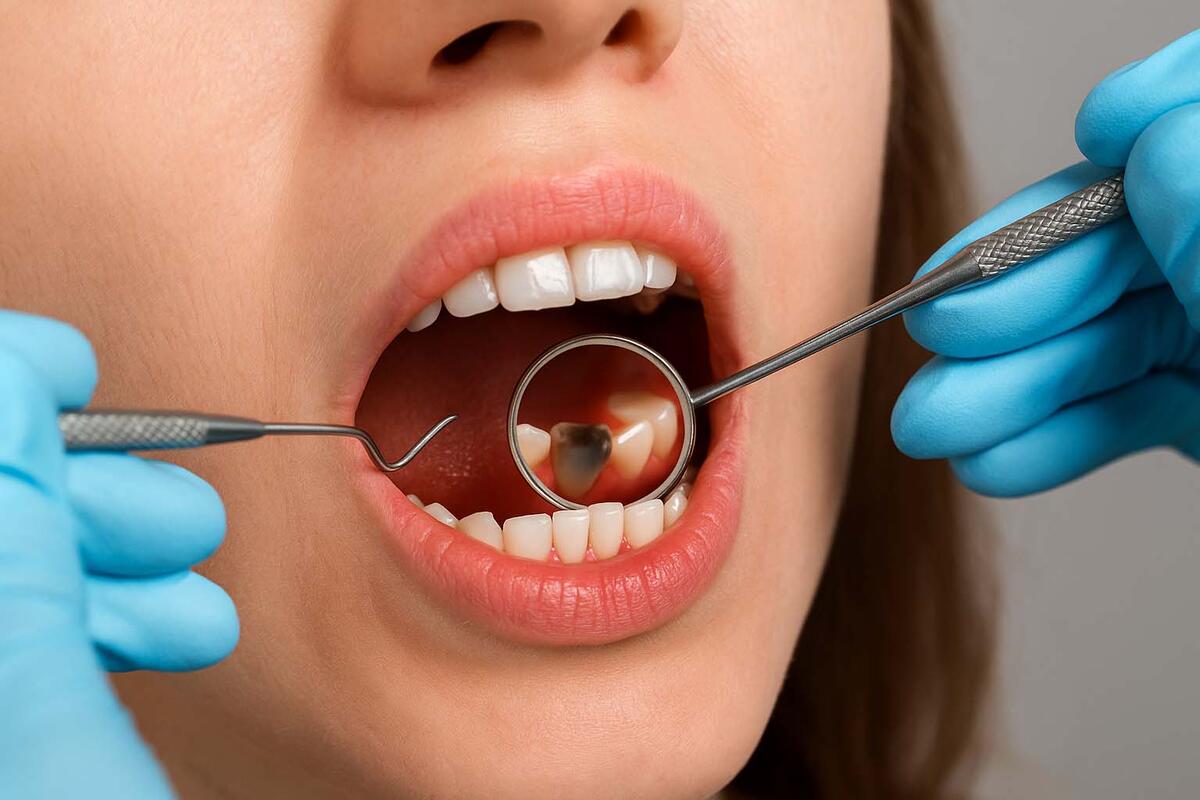
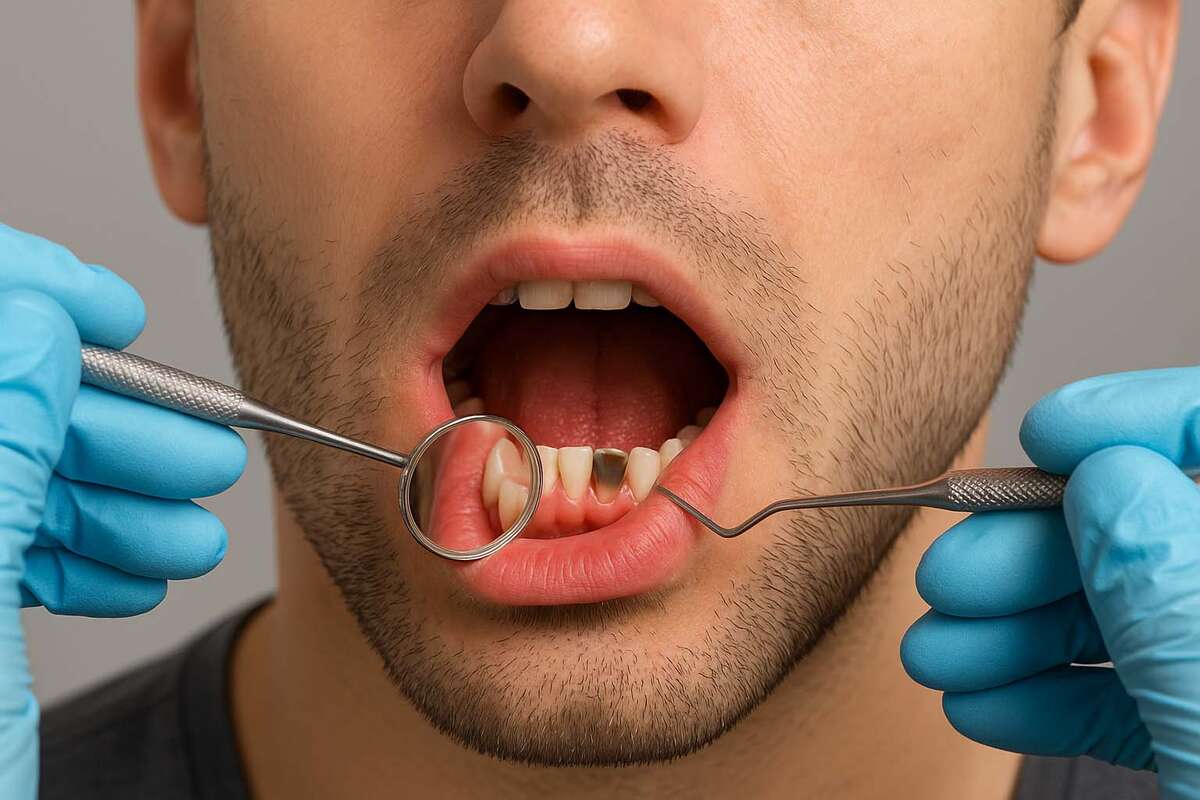
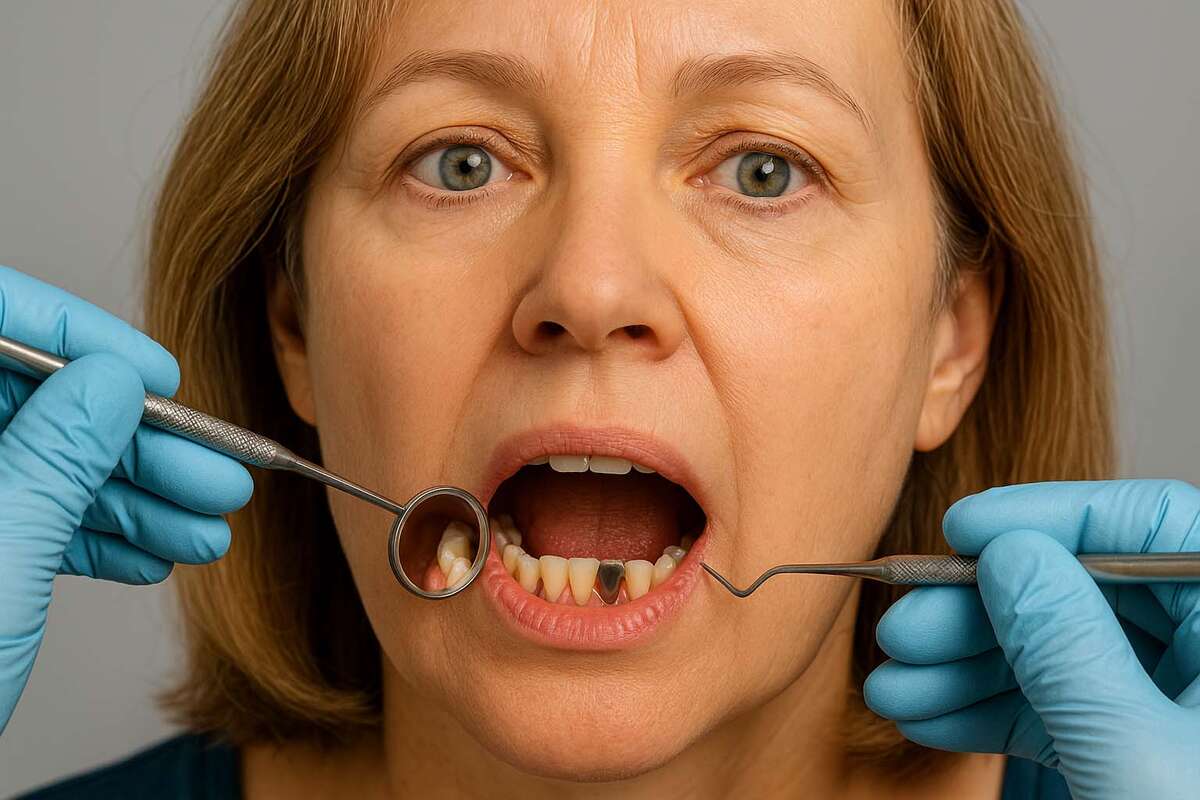
Recognizing the signs of a non-vital tooth is crucial for seeking timely treatment. The most noticeable symptom is often a change in the tooth’s color.
A healthy tooth is typically a shade of off-white, but a tooth that is dying may begin to look bruised, turning gray, dark yellow, light brown, or even black over time. This discoloration is caused by the breakdown of hemoglobin—the protein in red blood cells—within the tooth’s inner structure.
As the pulp dies, the blood cells release their contents, staining the surrounding dentin. Another key symptom, which can be particularly confusing for many people, is pain. It’s a common misconception that a dead tooth won’t hurt because its nerve is no longer active.
However, the pain is not coming from the tooth itself, but from the infection that has spread to the surrounding ligaments and jawbone. This pain can range from a dull, persistent ache to a sharp, excruciating pain when you bite down or apply pressure.
Other symptoms to look out for include swelling and tenderness in the gums near the affected tooth, a bad taste in your mouth, or a foul odor emanating from the area.
In some cases, a small pimple-like bump may form on the gum line, which is actually a fistula—a channel for the pus from a dental abscess to drain. If you notice any of these symptoms, it’s imperative to consult a dentist immediately to get a proper diagnosis and treatment plan.
Can a tooth be a dead tooth and not cause pain?
It may seem contradictory, but a tooth can indeed have a non-vital pulp and not cause any noticeable pain. This is one of the reasons why a dead tooth can go undetected for a long time, as the absence of pain can give a false sense of security.
The lack of pain happens when the pulp dies off completely without triggering a significant inflammatory or infectious response. The death of the nerve can be a slow, gradual process, and if no infection spreads to the surrounding tissues, the tooth may not send any pain signals.
In these “silent” cases, the tooth’s nerve and blood vessels have completely necrotized, and all sensation is lost. However, even if the tooth doesn’t hurt, the dead tissue inside is a breeding ground for bacteria.
This creates a high risk for a silent, underlying infection that could fester and eventually lead to a dental abscess—a serious and painful condition where a pocket of pus forms at the root of the tooth.
An abscess can cause swelling and severe pain later on, and can even spread the infection to other parts of your body.
Therefore, even a pain-free, non-vital tooth is a serious health concern that should never be ignored. Regular dental checkups and X-rays are the best way to catch such issues before they become emergencies.
What happens if I leave a dead tooth untreated?
Neglecting a non-vital tooth is a significant risk that can lead to a cascade of serious oral health issues. When a tooth’s pulp dies, it provides a perfect, enclosed environment for bacteria to multiply unchecked.
This can lead to a severe infection that can travel down the root canals and into the jawbone, a condition known as a dental abscess. An abscess is an extremely painful collection of pus that can cause swelling, fever, and a general feeling of being unwell.
If an abscess bursts, it can release the infection into your bloodstream, which, in rare but serious cases, can lead to life-threatening conditions. Beyond the immediate risk of infection, an untreated dead tooth also loses its structural integrity over time.
Without the vital blood flow to nourish it, the dentin becomes brittle and prone to fracturing. This can lead to the tooth chipping, breaking, or even crumbling apart entirely, making it unsavable.
In many cases, ignoring a non-vital tooth will eventually necessitate its extraction, which is always a less desirable outcome than saving the natural tooth.
An extraction can then lead to further issues, such as bone loss in the jaw and the shifting of adjacent teeth, creating more complex dental problems down the line.
Does a dead tooth always require a root canal?
While a root canal is the most common and effective treatment for a non-vital tooth, it is not the only option, and it may not be suitable in every single case. The primary purpose of a root canal is to save the natural tooth.
The procedure involves the dentist meticulously removing the dead or infected pulp, cleaning and disinfecting the inner canals, and then filling and sealing the tooth to prevent re-infection.
This approach allows you to retain your natural tooth, which is always the best solution for maintaining proper bite function and preserving the jawbone. However, a root canal may not be a viable option if the tooth is too compromised.
For instance, if the tooth has a deep fracture that extends below the gum line or if a significant amount of the tooth’s structure has been destroyed by decay, the dentist may not be able to save it. In such scenarios, the only alternative is to extract the tooth.
While this is always a last resort, it can be the safest option to completely remove the source of infection. Therefore, while a dead tooth most often leads to a root canal, the final decision depends on a thorough assessment of the tooth’s condition and the extent of the damage.
How can I prevent a dead tooth from happening?
Preventing a non-vital tooth is far more desirable than treating one. The most effective preventative measures involve a combination of excellent daily oral hygiene and protecting your teeth from physical trauma.
A diligent oral hygiene routine is your best defense against the deep decay that can eventually kill a tooth’s pulp. This means brushing your teeth at least twice a day with a fluoride toothpaste and flossing daily to remove plaque and food particles from between your teeth and along the gum line.
Regular dental checkups and professional cleanings are also non-negotiable. Your dentist can spot early signs of decay or other issues and address them before they have a chance to progress to the pulp.
To prevent a dead tooth resulting from trauma, consider wearing a custom-fitted mouthguard during sports or any recreational activities that could lead to a facial injury. A mouthguard can absorb the impact of a blow and protect your teeth from being fractured or knocked out.
If you do experience a facial or dental injury, no matter how minor it seems, it is crucial to see a dentist immediately. Prompt professional care can sometimes restore blood flow to a damaged tooth and prevent the pulp from dying.
What does a dentist do to diagnose a dead tooth?
Diagnosing a non-vital tooth requires more than just a quick visual check; it involves a comprehensive examination to determine the health of the tooth’s pulp. Your dentist will start by discussing your symptoms and dental history to understand what might be happening.
The physical examination will include a thorough visual inspection to look for signs of discoloration, swelling, or other visible issues. However, the most definitive part of the diagnosis involves a series of tests to check the tooth’s nerve and blood supply.
A common tool is the pulp tester, which sends a small electrical current through the tooth to see if the nerve responds. A healthy tooth will react with a tingling sensation, while a tooth with a non-vital pulp will have no response at all.
The dentist may also use thermal tests, applying a cold or hot stimulus to the tooth to gauge its reaction. A dead tooth will not react to these temperature changes. Finally, dental X-rays are an essential diagnostic tool.
They allow the dentist to see what’s happening beneath the surface, including any signs of infection at the tip of the root, which often appears as a dark lesion on the X-ray, providing a clear indication of a dead tooth.
Can a dead tooth be whitened?
When a tooth’s pulp dies, it often results in internal staining that regular external whitening products cannot fix. This is because the discoloration is caused by the breakdown of blood cells and tissues within the tooth’s inner structure, not on its surface.
However, there is a specialized procedure called internal bleaching that can effectively restore the tooth’s natural color. This treatment is only possible after the tooth has been successfully treated, usually with a root canal, to ensure the internal chamber is clean and sealed.
During the procedure, the dentist creates a small opening in the back of the tooth to access the pulp chamber. They then place a powerful bleaching agent directly inside the tooth, where it works from the inside out to break down the pigment molecules causing the discoloration.
The opening is then temporarily sealed. The patient may need to return for several follow-up visits until the desired shade is achieved.
Internal bleaching is an excellent cosmetic solution for a dead tooth and is often a more conservative and less expensive option than a porcelain veneer or crown, which are also used to improve the appearance of a discolored tooth.
How does a root canal save a non-vital tooth?
A root canal procedure is the gold standard for saving a tooth that has a non-vital or severely infected pulp. Rather than extracting the tooth, which would be the only alternative, the root canal procedure focuses on eliminating the infection and preserving the natural tooth structure.
The process begins with the dentist creating a small opening in the tooth’s crown to access the pulp chamber and root canals. Using very fine, specialized instruments, they meticulously clean out all the dead or infected pulp tissue, bacteria, and debris from the inside of the tooth.
The canals are then disinfected with special solutions. Once the area is thoroughly cleaned, the dentist fills the canals with a biocompatible, rubber-like material called gutta-percha to seal them off and prevent any future infection.
The final step involves sealing the tooth with a permanent filling or, more commonly, a crown. A crown is often recommended because a tooth that has undergone a root canal can become brittle over time and may need the extra support to prevent it from fracturing.
This comprehensive process not only removes the source of the infection but also allows the patient to keep their natural tooth, which is always the best solution for maintaining proper bite function and preserving the jawbone.
Are there any alternatives to a root canal for a non-vital tooth?
When a tooth’s pulp is non-vital, a root canal is the most recommended treatment because it allows the patient to keep their natural tooth. However, in some situations, a root canal may not be possible, and the only alternative is to have the tooth extracted.
This is a decision that is made when the tooth is too severely compromised to be saved, for example, if there are deep fractures that extend below the gum line, or if the infection has caused so much bone loss that the tooth is no longer stable.
While an extraction is a last resort, it is sometimes the only way to completely remove the source of a serious infection and prevent it from spreading.
Once a tooth is extracted, it is essential to replace it to prevent a number of other issues, such as the shifting of adjacent teeth, changes to your bite, and potential bone loss in the jaw.
The most common replacement options are a dental implant, which is a highly durable and long-lasting solution that functions like a natural tooth, or a dental bridge, which uses the neighboring teeth as anchors to support a false tooth.
While a root canal is the ideal solution for a dead tooth, it’s important to understand all available treatment options.
Why is early treatment for a dead tooth so important?
The timely treatment of a non-vital tooth is absolutely critical for several reasons, and it can be the difference between a simple, effective procedure and a more complex, painful, and costly one. When a tooth’s pulp dies, it doesn’t just disappear; it becomes a breeding ground for bacteria.
If this infection is not addressed promptly, it can spread beyond the confines of the tooth itself and into the surrounding gum tissue, jawbone, and even into your bloodstream.
The most common and painful result of an untreated infection is the formation of a dental abscess, which is a pocket of pus that can cause intense pain and swelling. An abscess requires immediate attention and can even be dangerous if it is left to spread.
By seeking early treatment, a dentist can perform a root canal to remove the infected tissue and save the tooth before the damage becomes too widespread.
Waiting can weaken the tooth’s structure, making it more prone to fracture and potentially un-savable, which would then require an extraction.
Early intervention preserves the natural tooth, prevents the infection from spreading to other parts of your mouth or body, and generally leads to a much more predictable and successful long-term outcome.
What is the difference between a dying and a dead tooth?
Understanding the distinction between a “dying” and a “dead” tooth is important for recognizing the stage of your dental issue.
A dying tooth is in a state of irreversible pulpitis, meaning the pulp is inflamed and in the process of dying, but it hasn’t completely necrotized yet. At this stage, you might experience lingering sensitivity to hot and cold, and the pain may come and go.
The pulp is struggling to survive but is on its way to failure. In some rare cases of minor irritation, the pulp may be able to heal itself, but this is not common. In contrast, a dead tooth refers to a tooth where the entire pulp has completely died (a condition called pulp necrosis).
At this point, the tooth has no feeling or sensation, and the damage is irreversible. While a dying tooth often presents with noticeable pain and sensitivity, a tooth that is already dead might not have any sensation at all, or the pain may be coming from an infection that has spread to the surrounding tissues, not from the tooth itself.
This lack of pain can often be deceptive and lead people to believe there is no problem, allowing the infection to fester silently.
Conclusion
Navigating the world of dental health can be complex, but armed with the right knowledge, you can protect your smile and avoid serious complications. A dead tooth, while often subtle and sometimes painless, is a condition that demands attention.
As we’ve seen, it’s not just a cosmetic issue but a serious health concern that can lead to infection, abscesses, and even the loss of the tooth itself.
From understanding the tell-tale signs like discoloration and lingering pain to exploring treatment options like root canals and internal bleaching, you now have the tools to identify and address a non-vital tooth. The most important takeaway, however, is the value of proactive care.
Regular dental checkups, good hygiene, and taking precautions against injury are your best defenses. Don’t wait for a small issue to become a major problem—listen to your body, pay attention to the warning signs, and always consult a professional. Your oral health is a crucial part of your overall well-being.
FAQ
A dead tooth is a tooth that has lost its blood supply and nerve function. The inner part of the tooth, called the pulp, dies, causing the tooth to become non-vital. This can happen due to severe injury or deep, untreated tooth decay.
The most common symptoms include discoloration (the tooth may turn gray, brown, or black), pain (which can be constant or come and go), and swelling or a pimple-like bump on the gums near the affected tooth. However, a dead tooth can sometimes be completely painless.
No, a dead tooth does not always cause pain. The nerve inside the tooth dies, so it may no longer send pain signals. Pain often comes from an infection that has spread to the surrounding bone and tissues, so a lack of pain doesn’t mean there’s no problem.
Yes, in most cases, a dead tooth can be saved with a root canal procedure. A dentist removes the dead pulp, cleans the inside of the tooth, and seals it to prevent further infection. This allows you to keep your natural tooth.
Ignoring a dead tooth can lead to serious complications. The dead tissue can become infected, leading to a dental abscess, which can cause intense pain and swelling. The infection can also spread to other parts of your body. An untreated dead tooth will also become weak and prone to fracturing.
A dentist will diagnose a dead tooth with a combination of a physical exam, pulp testing (checking the tooth’s response to cold or electrical stimuli), and dental X-rays. The X-rays can reveal signs of infection at the root, which is a key indicator of a non-vital tooth.
A root canal is the standard treatment for a dead tooth. However, if the tooth is too severely damaged or fractured, an extraction may be necessary. In that case, the tooth will need to be replaced with a dental implant or a bridge to maintain your oral health.
External whitening products won’t work on a dead tooth because the discoloration is internal. The best solution is a professional procedure called internal bleaching, where a bleaching agent is placed inside the tooth to restore its color from the inside out.
The best way to prevent a dead tooth is to maintain excellent oral hygiene with regular brushing and flossing, and to have regular dental checkups. You should also wear a mouthguard during sports to protect your teeth from injury.
A dead tooth can potentially last for a while without falling out, but its structural integrity is compromised. Without a blood supply, the tooth becomes brittle and is more likely to break. It’s crucial to seek treatment promptly to prevent further damage and infection.

Author: Horeca Health
Horeca Health
DISCLAIMER
All content provided on this website is for informational purposes only and should not be considered a substitute for professional advice, diagnosis, or treatment. Always consult qualified healthcare professionals regarding any questions or concerns you may have about your health or any medical condition.




















Leave a Reply