Green Tomatoes: Introduction
Green Tomatoes: When you picture a tomato, you probably imagine a perfectly ripe, juicy red globe bursting with summer flavor.
But what if we told you that skipping its unripe, tart cousin means you’re missing out on a nutritional powerhouse? Green tomatoes, often relegated to the world of frying or pickling, are much more than just a culinary curiosity.
These firm, vibrant vegetables—technically fruits—are packed with a unique array of vitamins, minerals, and potent compounds that offer surprising and significant benefits for your long-term health.
Far from being just a stage in the ripening process, the green stage holds a concentrated punch of specific nutrients, like high levels of Vitamin C and the intriguing compound alpha-tomatine, that work wonders from the inside out.
If you’re looking for a simple, delicious way to boost your immunity, support a healthy heart, or strengthen your bones, it’s time to look past the color red. Get ready to discover the 12 powerful health benefits of green tomatoes that science is finally starting to recognize.
Prepare to be amazed as we peel back the layers on this kitchen staple and reveal why adding these tangy treats to your diet is one of the smartest moves you can make for your well-being.
Are Green Tomatoes a Secret Weapon for Better Digestive Health?
Absolutely, the unassuming green tomatoes are a champion when it comes to nurturing your digestive system, a core component of overall health. Many people overlook these firm, tangy globes in favor of their ripe, red counterparts, but in doing so, they miss out on a significant source of dietary fiber.
This type of fiber is particularly crucial for maintaining regularity and preventing common issues like constipation. Fiber acts like a natural broom, sweeping waste materials through the colon efficiently, which not only keeps things moving smoothly but also supports a healthy gut microbiome.
A balanced gut flora is increasingly recognized as fundamental to everything from mood regulation to immune function. The beneficial bacteria in your gut thrive on the indigestible plant matter found in these unripe fruits, essentially fermenting it into short-chain fatty acids (SCFAs), such as butyrate.
Butyrate is a primary energy source for the cells lining the colon and plays a vital role in reducing inflammation in the digestive tract.
By fostering this environment, these crunchy vegetables contribute to a more robust and resilient intestinal lining, minimizing the risk of “leaky gut” syndrome and associated systemic inflammation.
Incorporating these tart treats into your diet, whether fried, pickled, or stewed, is a simple, delicious way to elevate your fiber intake and ensure your digestive engine runs like a well-oiled machine.
This simple dietary adjustment can have profound, long-term effects on your internal well-being, making the effort entirely worthwhile.
Can Eating Unripe Tomatoes Really Boost Your Immune System?
Yes, integrating unripe tomatoes into your diet can certainly give your immune system a noticeable lift, contributing significantly to your long-term health. The powerhouse behind this benefit is the impressive concentration of Vitamin C, a well-known and essential nutrient for immune function.
While all tomatoes contain Vitamin C, the levels in the unripe variety are particularly high, which is a major advantage. Vitamin C is a potent antioxidant that actively seeks out and neutralizes harmful free radicals throughout the body.
This protective action reduces oxidative stress, which can otherwise weaken immune cell function and make the body more susceptible to infections and illnesses.
Beyond its role as an antioxidant, Vitamin C is directly involved in the production and function of various white blood cells, which are the body’s primary defense forces.
It helps stimulate the production of lymphocytes and phagocytes, enhancing their ability to patrol the body and effectively neutralize pathogens.
A strong supply of this vitamin is also critical for the maintenance of epithelial barriers, such as the skin and mucous membranes, which serve as the first line of defense against invading microbes.
By regularly consuming firm, tangy globes of green tomatoes, you are essentially providing your body with the ammunition it needs to stay resilient against seasonal bugs and environmental threats.
This simple addition to your meals is a proactive step toward maintaining a robust defense system year-round, securing a solid foundation for your overall vitality.
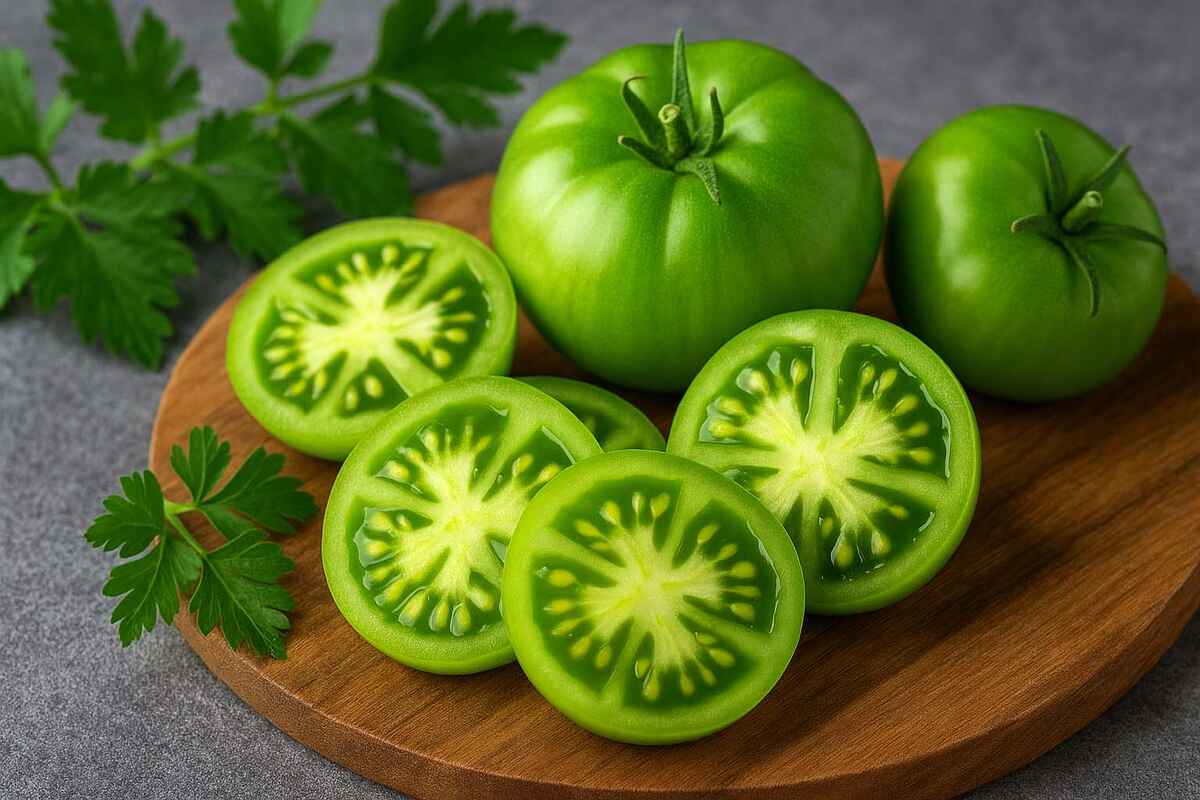
How Do Green Tomatoes Support Stronger Bone Health?
The surprising link between green tomatoes and skeletal strength lies in their rich content of key vitamins and minerals that are often overlooked, yet crucial for health and bone density.
Foremost among these is Vitamin K, a fat-soluble vitamin that plays an indispensable role in bone metabolism. Vitamin K is essential for the carboxylation of specific bone proteins, including osteocalcin.
Osteocalcin is a protein hormone that binds calcium to the bone matrix, effectively integrating it and strengthening the bone structure. Without sufficient Vitamin K, this process is hampered, leading to reduced bone mineralization and an increased risk of fractures.
Furthermore, the tart, firm vegetable also contains other supportive minerals, such as a respectable amount of calcium and magnesium, although in smaller quantities than other sources. These minerals work synergistically with Vitamin K to maintain the structural integrity of the skeleton.
Magnesium, in particular, helps in the conversion of Vitamin D to its active form, which is necessary for the proper absorption of calcium from the gut.
By incorporating these flavorful, tangy fruits into your regular dietary rotation, you are providing a complex blend of micronutrients that work together beneath the surface.
For individuals concerned about bone deterioration, especially as they age, including the often-underestimated unripe fruit is a simple and enjoyable strategy.
It’s a proactive dietary choice that goes a long way toward building and maintaining a resilient skeletal system throughout life, ensuring mobility and freedom for years to come.
What Unique Antioxidants Make Unripe Produce Beneficial for Skin Health?
The vibrant green hue of unripe produce signals the presence of powerful and unique phytochemicals that offer significant benefits for skin health and appearance.
While ripe tomatoes are famous for lycopene, the firm, tangy fruit contains a higher concentration of alpha-tomatine. Alpha-tomatine is a glycoalkaloid that has been extensively studied for its various biological activities, including its impressive antioxidant and anti-inflammatory properties.
On the skin, these compounds help combat the visible signs of aging caused by exposure to environmental stressors like UV radiation and pollution.
They work by neutralizing the free radicals that break down collagen and elastin, the proteins responsible for maintaining the skin’s firmness and elasticity.
By mitigating this cellular damage, the regular consumption of green tomatoes can help reduce the appearance of fine lines and wrinkles, leading to a smoother and more youthful complexion.
Moreover, the anti-inflammatory action of these phytochemicals can be beneficial for calming skin conditions like redness, irritation, and even some forms of acne. A reduction in systemic inflammation often translates to clearer, more balanced skin from the inside out.
Coupled with their substantial Vitamin C content, which is vital for collagen synthesis, these crunchy vegetables are a true nutritional asset for dermatological well-being.
Thinking of your diet as a vital part of your skincare routine, adding this particular fruit becomes an easy step toward achieving that coveted healthy glow and maintaining the integrity of your body’s largest organ.
Are Green Tomatoes Effective in Helping to Regulate Blood Sugar Levels?
The potential for green tomatoes to assist in managing and regulating blood sugar is a compelling reason to consider them for improved metabolic health.
This benefit is largely attributed to their substantial dietary fiber content, which plays a crucial role in moderating the body’s response to carbohydrate consumption. When fiber is present in the digestive system, it slows down the rate at which sugars are absorbed into the bloodstream.
This creates a more gradual and sustained release of glucose, rather than the rapid spikes and crashes that can be detrimental, especially for individuals managing or at risk of type 2 diabetes.
By flattening the curve of blood sugar response, these firm, tangy globes help to improve insulin sensitivity, allowing the body’s cells to more efficiently use the insulin produced by the pancreas.
Furthermore, the presence of certain phytochemicals in the unripe fruit may also contribute to better glucose control, though research is ongoing.
The overall effect of a high-fiber diet, easily supplemented by including these crisp vegetables, is a more stable internal environment that reduces the strain on the pancreas and helps prevent the damaging effects of chronic hyperglycemia.
Making a simple switch by incorporating these tart fruits into salads, relishes, or other dishes is a low-effort, high-impact strategy.
It’s an excellent way to use food as a functional tool for supporting your body’s complex metabolic processes, leading to greater energy stability and a significant step toward achieving optimal well-being.
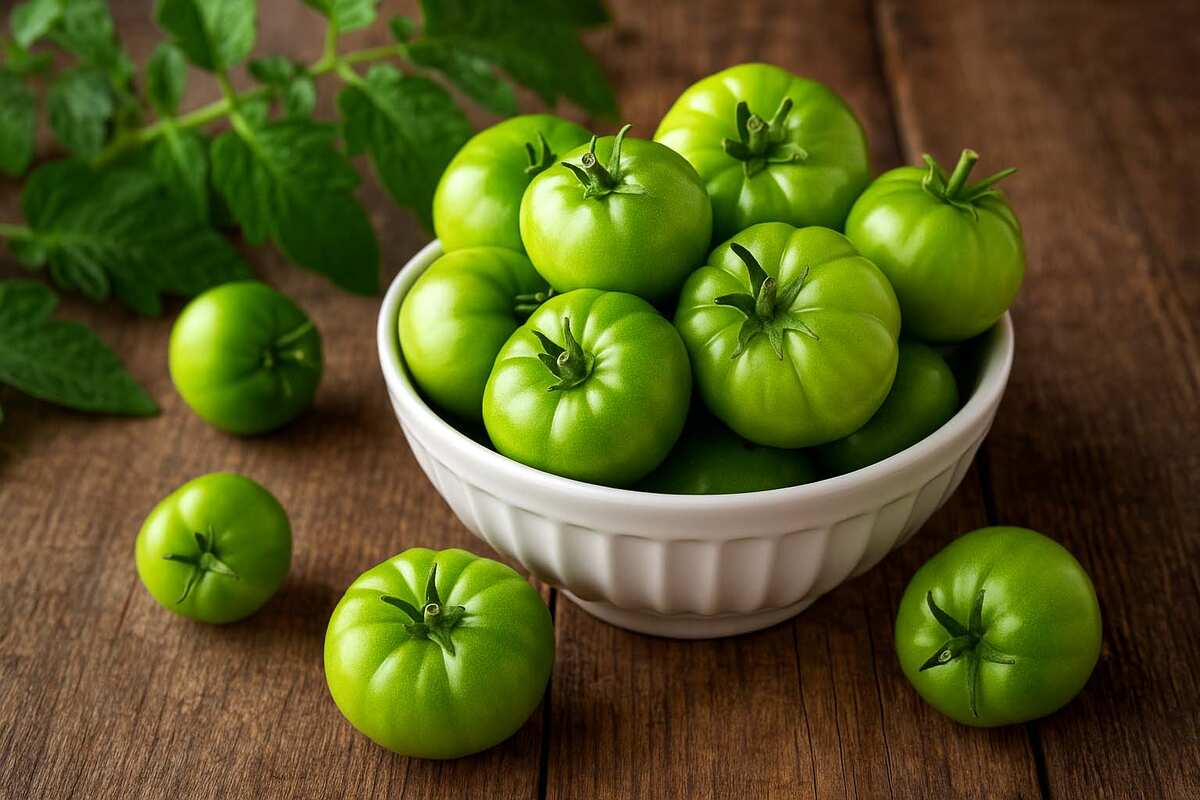
Do Unripe Tomatoes Offer Any Heart-Protective Benefits?
Indeed, unripe tomatoes offer several powerful, science-backed benefits that contribute to excellent cardiovascular health. One of the main mechanisms is their high potassium-to-sodium ratio.
Potassium is a vital electrolyte that plays a key role in balancing the negative effects of sodium on blood pressure. It acts as a vasodilator, helping the walls of the blood vessels relax, which in turn lowers blood pressure and reduces the workload on the heart.
This blood pressure-regulating effect is foundational to preventing serious conditions like stroke and heart attack. Beyond minerals, these firm, tangy globes are also a good source of fiber, which is critical for managing cholesterol levels.
Soluble fiber in the unripe fruit binds to cholesterol in the digestive tract, preventing its absorption and promoting its excretion from the body. This reduction in ‘bad’ LDL cholesterol directly correlates with a lower risk of plaque buildup in the arteries (atherosclerosis).
Moreover, the array of antioxidants, including Vitamin C and beta-carotene precursors, protect the delicate lining of the blood vessels from oxidative damage and inflammation. A healthy, uninflamed endothelium is essential for proper blood flow and vessel elasticity.
By regularly including these vibrant green vegetables in your diet, you are equipping your heart with essential nutrients and protective compounds. It’s a simple, delicious, and natural way to safeguard your cardiovascular system, making them a true asset for a long and vibrant life.
Can Consuming Green Tomatoes Help with Maintaining a Healthy Weight?
Absolutely, the inclusion of green tomatoes in your meal plan can be a smart and satisfying strategy for maintaining a healthy weight. Their efficacy in weight management stems from a fantastic combination of low caloric density and high water and fiber content.
These firm, tart fruits are naturally very low in calories, meaning you can eat a substantial volume of them without significantly increasing your overall caloric intake, a key principle in successful weight control.
The high water and fiber content work together to promote a strong sense of satiety or fullness. Fiber swells in the digestive tract, physically occupying space and sending signals of contentment to the brain, which effectively reduces the likelihood of overeating or snacking between meals.
This powerful duo helps to naturally curb appetite without relying on restrictive dieting or artificial supplements.
Furthermore, because of their slow-releasing nature, the unripe fruit helps stabilize blood sugar levels, as discussed previously, which prevents the roller-coaster energy crashes that often trigger cravings for sugary, high-calorie foods.
By adding these crunchy vegetables, perhaps pickled as a side or sliced raw, you are increasing the nutritional density of your meals while decreasing the caloric load.
This makes them an invaluable asset for creating balanced, filling, and guilt-free plates. It is a testament to how simple, whole foods can be the most effective tools for sustainable and long-term weight management.
How Does the Nutritional Profile of Green Tomatoes Aid Eye Health?
The distinct nutritional makeup of green tomatoes includes vital components that make them a surprisingly effective food for supporting optimal vision and eye health.
While carrots are often cited as the top eye health food, these crisp, tangy globes contain key carotenoids, albeit different ones than their red counterparts, which are essential for protecting the eyes.
Lutein and zeaxanthin are two specific carotenoids that are known to accumulate in the macula of the eye. This macula pigment acts as a natural filter, absorbing harmful high-energy blue light and protecting the delicate photoreceptor cells from damage caused by light exposure.
Adequate intake of these compounds is associated with a lower risk of developing age-related macular degeneration (AMD) and cataracts, two of the leading causes of vision impairment.
Moreover, the significant presence of Vitamin C in the unripe fruit acts as a powerful antioxidant within the eye, helping to protect the ocular tissues from oxidative stress. This stress can be caused by continuous exposure to light and environmental toxins.
By including these vibrant green vegetables in your diet, you are essentially fortifying your internal defense system against the factors that can diminish vision over time.
It’s an easy, enjoyable way to proactively care for your eyesight, underscoring the role of nutrition as a foundational element of long-term ocular well-being.
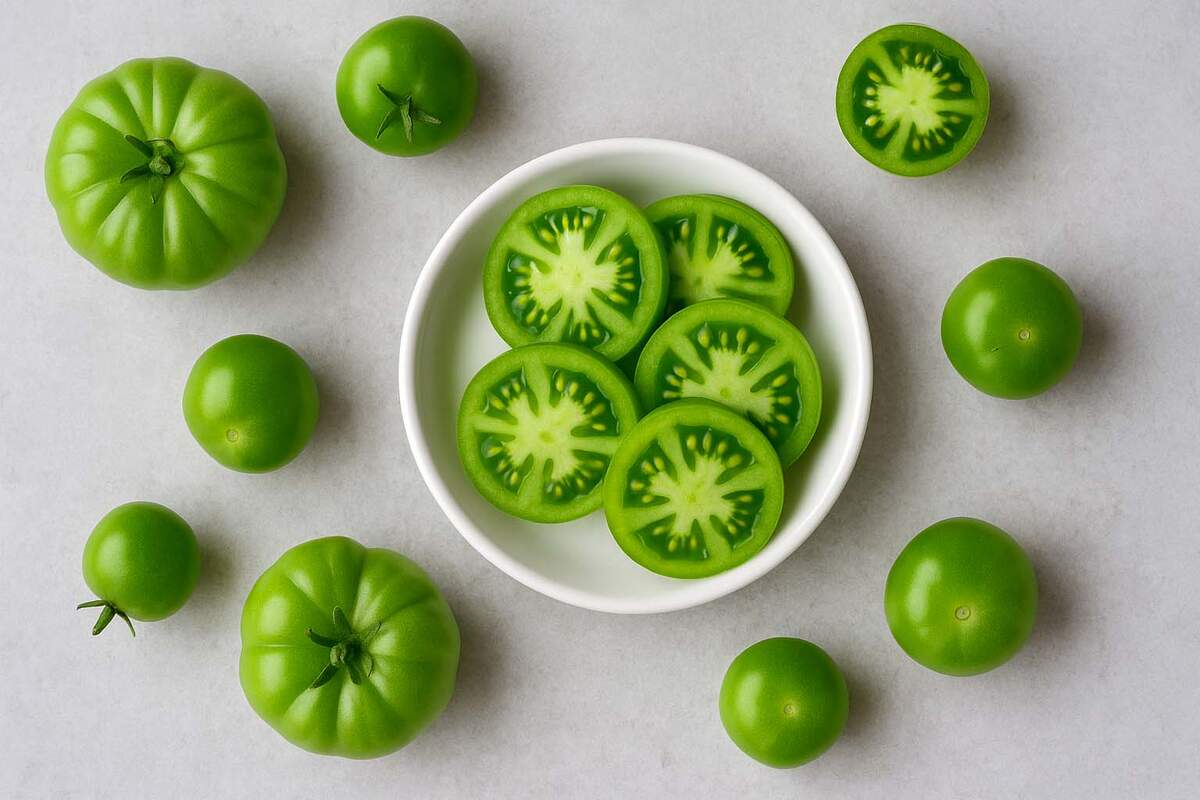
Can Eating Unripe Tomatillos Help Reduce Inflammation in the Body?
Yes, incorporating unripe tomatillos, which are botanically related to and often share a similar usage profile to green tomatoes, can significantly help to mitigate chronic inflammation—a silent factor underlying many serious health conditions.
The anti-inflammatory power of these tart, globe-shaped fruits stems from a diverse cocktail of antioxidants and phytochemicals. Chronic low-grade inflammation in the body is a major driver for diseases ranging from heart disease to arthritis and even some cancers.
The compounds in these firm vegetables work by interfering with the inflammatory pathways within the body, effectively dampening the production of pro-inflammatory signaling molecules.
Alpha-tomatine, as mentioned earlier, exhibits anti-inflammatory effects that can soothe internal irritation. The high Vitamin C content also contributes to this, as it is a crucial component in the body’s defense against oxidative stress, which itself is a key trigger of inflammation.
By consuming the unripe fruit, you are providing your body with natural, food-based tools to counteract the effects of a pro-inflammatory diet and lifestyle.
Regular consumption can lead to a noticeable reduction in systemic inflammation markers, supporting improved joint comfort, better circulation, and a more resilient overall state of health.
It’s a simple, holistic approach to turning down the volume on chronic pain and internal stress, highlighting the potent medicinal quality of whole foods.
Why are the Firm, Tart Vegetables a Good Source of Essential Minerals?
The firm, tart vegetables, including their popular form as green tomatoes, are highly valuable not just for their vitamins but also as a natural, readily available source of several essential minerals vital for peak health.
While they may not be the highest source of any single mineral, their contribution to your overall intake, particularly for certain trace elements, is significant.
They provide a decent amount of potassium, which is crucial for nerve signaling, muscle contraction, and maintaining fluid balance within the cells—all fundamental processes for a functioning body.
Furthermore, you’ll find trace amounts of manganese in these crunchy globes. Manganese is an often-overlooked mineral that is a critical cofactor for many enzymes, including superoxide dismutase, a powerful antioxidant enzyme that protects the body from cellular damage.
They also contain small but relevant quantities of iron and copper, which are essential for the production of red blood cells and for energy metabolism.
Because they are often eaten raw, pickled, or quickly cooked, the mineral content of green tomatoes is generally well-preserved, ensuring your body can efficiently absorb and utilize these micronutrients.
Thinking of your diet as a complex symphony of nutrients, these vegetables play a key supporting role, ensuring all the necessary elements are present for optimal cellular function and maintaining the intricate chemical balances that underpin all aspects of physical health.
Can the Green Vegetable Contribute to Better Energy Levels?
Yes, the green vegetable, particularly in the form of green tomatoes, contributes significantly to sustained energy levels and overall vitality, a central aspect of good health.
This energy boost is achieved through a multi-faceted nutritional profile that supports efficient metabolism and combats the root causes of fatigue.
A key element is their notable B-vitamin content, though not in very high amounts, they offer small doses of niacin (B3) and pyridoxine (B6). B-vitamins are indispensable co-factors in the process of converting food, specifically carbohydrates, into usable energy (ATP) at the cellular level.
Without adequate B-vitamins, the body’s energy production chain becomes sluggish, leading to feelings of weariness and low stamina. Moreover, the unripe fruit’s high fiber content, as previously discussed, ensures a slow and steady release of glucose into the bloodstream.
This stable energy supply prevents the sudden blood sugar spikes and subsequent crashes that often result in energy dips and brain fog, providing a more consistent and reliable fuel source for the brain and muscles throughout the day.
By providing the body with the right combination of B-vitamins and a steady fuel source, the green tomatoes help optimize mitochondrial function, the powerhouses of the cells.
Incorporating them into your diet is a simple yet effective way to move beyond temporary caffeine fixes and establish a foundation for genuine, long-lasting energy, enhancing your ability to stay productive and engaged.
Is the Alpha-Tomatine in Green Tomatoes Protective Against Certain Cellular Damage?
The fascinating compound alpha-tomatine, found concentrated in green tomatoes (the unripe fruit), is indeed a subject of considerable scientific interest due to its potential protective effects against various types of cellular damage, which is fundamental to long-term health.
As a glycoalkaloid, alpha-tomatine has been researched for its properties that go beyond simple antioxidants.
Preliminary studies suggest that this compound may possess antiproliferative qualities, meaning it could potentially help to inhibit the growth and spread of certain damaged or abnormal cells in the body.
While this area requires much more clinical research, the mechanistic evidence points towards its ability to interact with cell membranes and potentially induce apoptosis (programmed cell death) in compromised cells, a natural process essential for maintaining healthy tissue turnover.
Additionally, its strong antioxidant capability allows it to directly neutralize free radicals, thereby protecting the integrity of cellular DNA from oxidative stress, a primary cause of aging and disease initiation.
This protective action is a profound contribution to the body’s inherent defense mechanisms against chronic disease. By consuming these firm, tangy globes, you are not just enjoying a tasty food; you are supplying your system with a potent, natural phytochemical.
This choice is an active step toward bolstering your cellular resilience and supporting the intrinsic processes that keep your body functioning optimally and minimizing the risk of harmful internal changes.
Are There Any Known Side Effects or Precautions When Eating Green Tomatoes?
While the nutritional value and health benefits of green tomatoes are extensive, it’s responsible to address the potential side effects and necessary precautions, ensuring a well-rounded approach to their consumption.
The primary concern surrounding the unripe fruit is the presence of alpha-tomatine, a naturally occurring glycoalkaloid.
In very high concentrations, particularly if consumed in massive, unrealistic quantities, glycoalkaloids can cause gastrointestinal distress, including nausea, vomiting, or diarrhea.
However, it’s crucial to understand that the levels of alpha-tomatine found in the average serving of a typical variety of culinary green tomatoes—especially those destined for pickling or frying—are generally considered safe for human consumption and significantly decrease upon cooking.
Most people experience no ill effects whatsoever. The biggest practical precaution is related to individuals with specific allergies.
If you have a known allergy or sensitivity to nightshade vegetables, which include tomatoes, potatoes, and eggplant, it is advisable to exercise caution, as consuming even the unripe version could trigger an adverse reaction.
Furthermore, because of their relatively high acidity, people with severe acid reflux or Gastroesophageal Reflux Disease (GERD) might find that large amounts of these tangy fruits could exacerbate their symptoms.
A simple approach is moderation: incorporate the versatile vegetable into your diet in sensible amounts, just as you would any other food.
If you are pregnant, breastfeeding, or have a pre-existing medical condition, a quick chat with your doctor or a registered dietitian before making significant dietary changes is always the smartest step to safeguard your overall well-being.
Conclusion
We’ve journeyed through the incredible spectrum of nutritional advantages that the humble green tomatoes bring to the table, confirming their status as far more than just a tangy garnish.
From acting as an unsung hero for your digestive health and boosting your immunity with high doses of Vitamin C, to providing critical support for bone density and offering unique skin protection, these firm, vibrant globes are a powerhouse of preventative health.
We’ve seen how their high fiber content and unique phytochemicals, like alpha-tomatine, contribute to metabolic stability, weight management, and essential protection against cellular damage.
The key takeaway is clear: don’t wait for your tomatoes to turn red to reap the rewards. By incorporating unripe fruit into your regular diet—whether in a comforting fried preparation, a bright relish, or a crunchy pickle—you are making a simple, delicious, and incredibly smart investment in your long-term well-being.
So, the next time you visit the market, give these green treasures the attention they deserve. They are a potent, versatile, and underappreciated tool for achieving truly vibrant health. Isn’t it time you gave this “unripe” superstar a permanent spot in your kitchen?
FAQ
This is a common point of confusion. Green tomatoes can be two things: they can be simply the unripe fruit of the common red tomato plant, or they can be a distinct variety that naturally stays green even when fully mature, such as the ‘Green Zebra’ tomato. For most culinary purposes, especially frying and pickling, people typically use the unripe fruit of the standard red variety due to its firm texture and tart flavour. Both types, however, share similar nutritional profiles when it comes to the beneficial compounds discussed.
Yes, the alpha-tomatine content in culinary green tomatoes is generally considered safe. While this glycoalkaloid is found in higher concentration in the unripe fruit than in ripe tomatoes, the levels are significantly reduced by cooking methods like frying or pickling. In typical food portions, the benefits derived from the vitamins and fiber in green tomatoes far outweigh any minor risks, and most people experience no adverse effects whatsoever.
While classic fried green tomatoes are delicious, excessive deep-frying can reduce some vitamin content (especially Vitamin C) and add unnecessary fat. The best methods to preserve the maximum amount of nutrients in green tomatoes are light sautéing, grilling, or incorporating them raw into relishes, salads, and salsas. These methods retain the majority of the fiber, vitamins, and minerals.
Both are incredibly healthy, but they offer different advantages. Ripe red tomatoes are famous for their high concentration of lycopene, a powerful antioxidant. Green tomatoes, on the other hand, contain higher levels of Vitamin C and unique compounds like alpha-tomatine, which offer distinct benefits for immunity and cellular protection. Including both in your diet ensures a wider spectrum of antioxidants and nutrients.
Due to their relatively high acidity, individuals prone to severe acid reflux or GERD might find that consuming large quantities of raw green tomatoes can aggravate their symptoms. It’s best to start with small, moderate portions. For those with general digestive issues, the high fiber content in green tomatoes is actually beneficial for regularity, making them a great addition to the diet in moderation.
Absolutely. Green tomatoes are very low in calories while being high in water and dietary fiber. This combination makes them an excellent food choice for weight management. The fiber helps increase feelings of satiety (fullness), which naturally helps reduce overall caloric intake, making green tomatoes a smart, filling addition to any weight loss-focused meal plan.
Green tomatoes are most readily available during the late summer and early fall harvest seasons, as they are often picked just before the first frost. You can find them at farmer’s markets, in the produce section of most major grocery stores, and sometimes directly from local farms. Availability can be more sporadic in the winter months, making the fall the best time to buy and preserve them (e.g., pickling).
Yes, in typical cooked or prepared forms (like relish or lightly fried slices), children can safely eat green tomatoes as part of a balanced diet. As with any new food, introduce them slowly. The primary considerations are the same as for adults: ensuring the child does not have a nightshade allergy and watching for any signs of acidity-related discomfort.
Pickling is a form of preservation that generally maintains the fiber content and mineral levels of the green tomatoes. However, the long brining process can lead to some loss of Vitamin C, which is water-soluble. On the positive side, the fermentation process in some pickling methods can introduce beneficial probiotics, adding another layer of health benefit.
If you are taking blood-thinning medication (anticoagulants), you should consult your doctor. Green tomatoes contain Vitamin K, which plays a role in blood clotting. While the amount is not usually problematic, it’s wise to discuss major dietary changes, including regular consumption of Vitamin K-rich green tomatoes, with your physician to ensure it does not interfere with your medication.
Showering with Cold or Hot Water?

Author: Horeca Health
Horeca Health
DISCLAIMER
All content provided on this website is for informational purposes only and should not be considered a substitute for professional advice, diagnosis, or treatment. Always consult qualified healthcare professionals regarding any questions or concerns you may have about your health or any medical condition.




















Leave a Reply