Fluoride Treatment: Introduction
Fluoride Treatment: Welcome to the definitive guide on a simple yet profoundly effective dental procedure: the fluoride treatment. For years, this quick application has been a staple in preventative dentistry, yet many people still only associate it with childhood check-ups.
The truth is, the benefits of professional fluoride application extend far beyond the playground, serving as a powerful, non-invasive shield for smiles of all ages. You brush, you floss, and you try to avoid too much sugar—all great steps for your oral health.
But the daily challenges posed by modern diets, hidden acids, and natural wear and tear are relentless. Even the most dedicated brushers face constant battles against demineralization and decay.
This post will peel back the science behind this simple treatment, explaining exactly how a professional fluoride treatment works its magic to strengthen tooth enamel.
We’re here to show you that a few minutes in the dental chair can translate into years of protection, dramatically reducing your risk of cavities and sensitivity.
We’ll also address the silent threat of dental erosion—the chemical wear-and-tear that can compromise your smile—and how professional care is essential to fight back. Get ready to discover why this procedure is one of the smartest investments you can make in the long-term strength and vitality of your teeth.
How Does Fluoride Treatment Actually Strengthen Tooth Enamel?
The core mechanism behind a professional fluoride treatment lies in the process of remineralization, a natural repair cycle for your teeth.
When acid attacks from food or bacteria demineralize the enamel—the hard outer layer of your teeth—it leaves microscopic pores and weak spots, making the tooth vulnerable to decay.
When a high-concentration topical fluoride is applied, it doesn’t just sit on the surface; it actively gets integrated into the tooth structure.
Specifically, fluoride ions attract calcium and phosphate ions, forming fluorapatite, a stronger, more acid-resistant version of the natural hydroxyapatite that makes up your enamel.
This mineral exchange essentially patches and fortifies the weakened areas, making the entire tooth surface more resilient against future acid challenges. This significant boost in enamel strength is a proactive step toward long-term oral health, effectively creating a protective shield against cavities.
This preventative measure is particularly beneficial for individuals prone to decay or those with sensitive teeth. By making the enamel harder and denser, the application of this topical mineral dramatically reduces the risk of developing cavities.
Receiving a fluoride treatment as part of your regular dental check-up is one of the most effective ways to maintain the structural integrity and durability of your smile for years to come. This simple, non-invasive procedure is a cornerstone of modern preventative dentistry.
Who Should Consider Getting a Professional Fluoride Treatment?
While most people associate professional fluoride treatment with children, the truth is that a vast and diverse group of adults can significantly benefit from this preventative measure.
It’s an excellent option for anyone looking to boost their oral health and strengthen their teeth beyond what brushing with fluoridated toothpaste alone can achieve.
High-risk groups include those with a history of frequent or recurrent cavities, individuals with braces or other orthodontic appliances that make thorough cleaning difficult, and people experiencing dry mouth (xerostomia).
Dry mouth is a major risk factor for decay because saliva, which naturally buffers acid and aids in remineralization, is diminished.
Furthermore, patients with receding gums, which expose the tooth root surfaces to decay, should consider this application, as roots are softer than enamel and more susceptible to acid wear.
Certain medical conditions and medications can also increase cavity risk, making this professional application a crucial protective step. If you frequently consume acidic beverages or sugary foods, a high-strength fluoride treatment can help counterbalance the destructive effects of your diet.
Your dentist is the best person to assess your individual risk factors based on your diet, medical history, and clinical findings, and will recommend a personalized application schedule tailored to your specific needs.
Is Fluoride Treatment Safe for Children and How Often Should They Get It?
Safety is a common question parents have regarding fluoride treatment for their children, and the good news is that when administered professionally in controlled doses, it is incredibly safe and highly effective.
In fact, professional fluoride varnish application is a standard, evidence-based pillar of pediatric dental care worldwide, playing a critical role in establishing excellent oral health habits early in life.
For children, the primary goal is to prevent early childhood caries (cavities), which can disrupt eating, speaking, and overall development.
The dosage used in a dental office is carefully measured and applied topically (directly to the tooth surface) in the form of a varnish, gel, or foam, minimizing the amount that could be ingested.
The American Dental Association (ADA) and the American Academy of Pediatric Dentistry (AAPD) typically recommend that children receive a professional application of a high-concentration fluoride treatment every three to six months, depending on their individual risk for decay.
Children with a higher risk, perhaps due to genetics, diet, or poor brushing habits, may need more frequent applications. Your pediatric dentist will conduct a comprehensive risk assessment during each check-up.
This regular schedule ensures that the tooth enamel is consistently kept strong and resilient during the years when permanent teeth are still developing and most vulnerable.
How Does Fluoride Treatment Help Prevent Sensitive Teeth?
Tooth sensitivity often occurs when the underlying dentin, which contains microscopic tubes leading to the tooth’s nerve, becomes exposed due to enamel wear or gum recession. This exposure allows hot, cold, or sweet stimuli to reach the nerve, causing a sharp, temporary pain.
A professional fluoride treatment can act as a powerful desensitizing agent. When applied, the high concentration of fluoride ions forms a protective layer over the exposed dentin and, crucially, physically blocks or obturates the open microscopic tubules.
This mineral deposit essentially plugs the direct pathway to the tooth nerve, preventing external stimuli from triggering pain.
By achieving this physical blockage, the treatment provides rapid and often long-lasting relief from hypersensitivity, dramatically improving the quality of life and allowing for comfortable eating and drinking.
Addressing sensitivity is a vital aspect of comprehensive oral health, as discomfort can discourage proper brushing, leading to further decay.
In addition to reducing pain, the application of a fluoride treatment also strengthens the remaining enamel, making it less likely to wear down further and expose more dentin.
Dentists often recommend this application as a first-line treatment for generalized tooth sensitivity before resorting to more complex procedures.
What Should I Expect During and Immediately After a Fluoride Treatment?
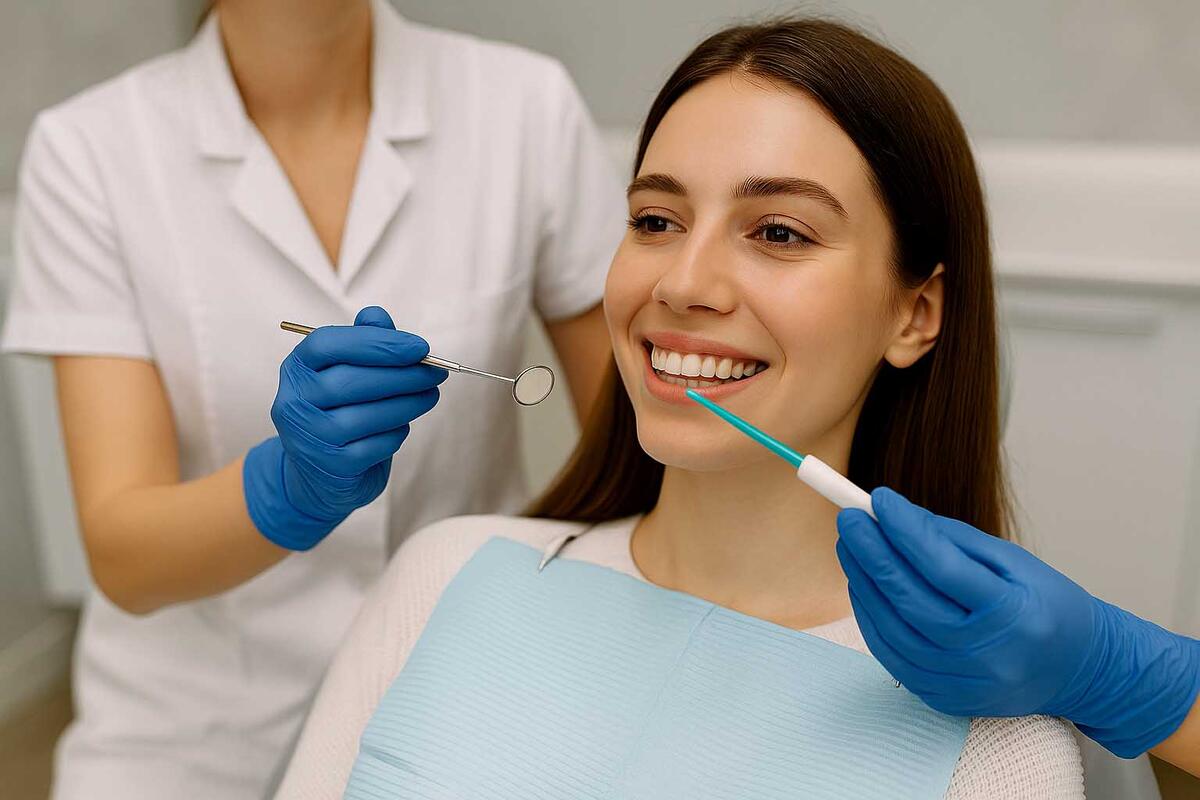
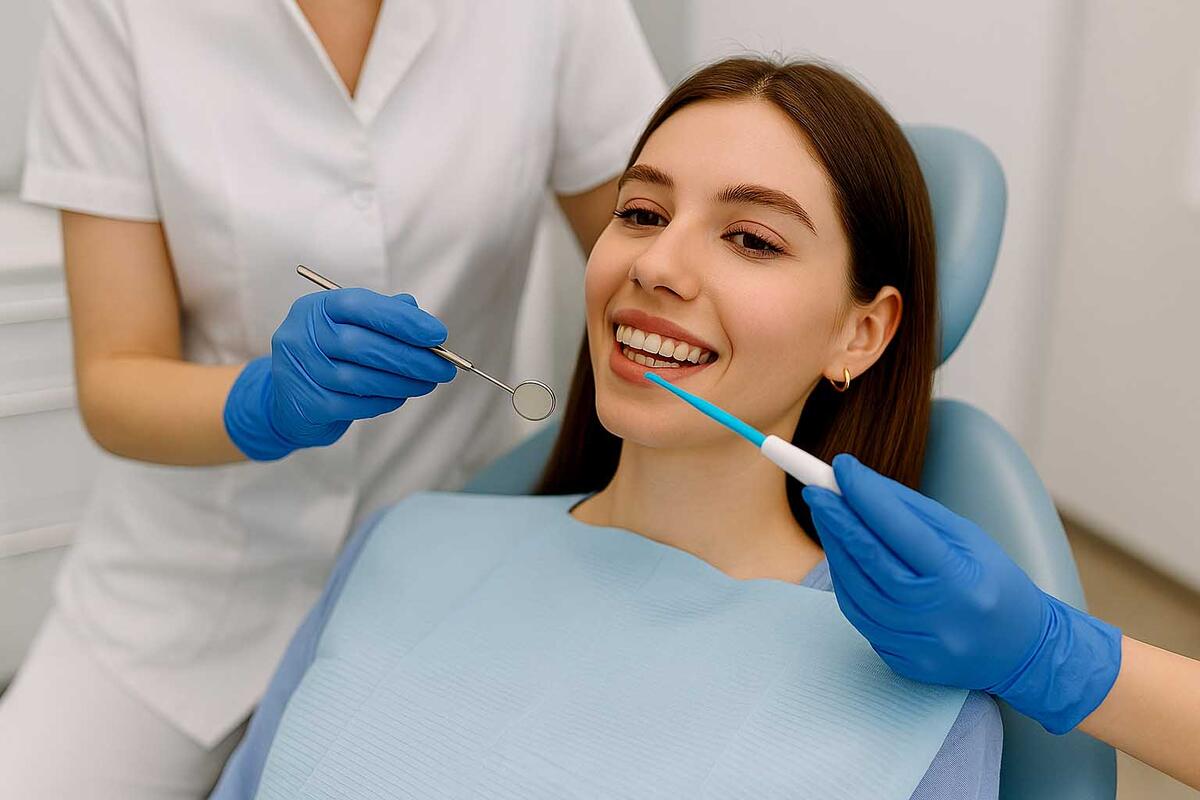
A professional fluoride treatment is one of the quickest and easiest preventative procedures you’ll undergo at the dentist’s office. It typically takes just a few minutes, often performed right after your cleaning and check-up.
The process usually involves the dentist or hygienist applying a thin, concentrated layer of fluoride varnish directly onto the surfaces of your teeth using a small brush.
The varnish sets immediately upon contact with saliva, meaning you won’t need trays or have to hold a rinse in your mouth, which is a big plus for both adults and children. The varnish has a sticky texture and a mild flavor.
Following the application, your dentist will give you specific aftercare instructions aimed at maximizing the treatment’s effectiveness.
Generally, you will be advised to avoid eating hard or sticky foods, hot beverages, and alcohol for a few hours, and to refrain from brushing or flossing for at least four to six hours.
This waiting period is essential because it allows the high-concentration fluoride treatment sufficient time to fully absorb and integrate into the tooth enamel, ensuring maximum strengthening and lasting oral health benefits.
Failure to follow these simple instructions can significantly reduce the efficacy of the application. By sticking to the post-treatment guidelines, you ensure that this preventative measure performs its function optimally.

Can a Professional Fluoride Treatment Actually Reverse Early Tooth Decay?
One of the most remarkable benefits of a professional fluoride treatment is its ability to not just prevent but actually help reverse the very earliest stages of tooth decay, known as incipient caries or “white spot lesions.”
These lesions represent areas where demineralization has occurred, but a full-blown cavity (a hole in the tooth) has not yet formed. At this stage, the enamel structure is weakened but still salvageable.
The high concentration of fluoride applied by your dental professional acts as a powerful catalyst for remineralization. It rapidly deposits essential minerals like calcium and phosphate back into the weakened enamel, effectively ‘healing’ the lesion and stopping the decay process in its tracks.
This therapeutic action is crucial for maintaining long-term dental health. Instead of progressing to a cavity that would require drilling and a filling, the tooth can be fully restored to its healthy mineral composition.
This makes the fluoride treatment a non-invasive, proactive, and highly effective intervention. Regular application, combined with excellent home care, can make the difference between catching and reversing early decay versus letting it progress to a point where restorative treatment becomes necessary.
What is the Difference Between Topical and Systemic Fluoride Treatment?
Understanding the difference between topical and systemic fluoride is key to appreciating the role of a professional fluoride treatment.
Systemic fluoride is ingested, meaning it becomes part of the body’s system, and it is incorporated into the structure of developing teeth before they erupt (come through the gums). The main sources are fluoridated drinking water and prescribed fluoride supplements.
While vital for proper tooth development and contributing to lifelong strength, systemic fluoride is not the application used in the dental office. Topical fluoride is applied directly to the surface of the already-erupted teeth, where it works on the enamel from the outside.
This includes toothpastes, mouth rinses, and the high-concentration fluoride treatment administered by your dentist or hygienist.
The professional in-office application delivers a significantly higher concentration of the mineral than over-the-counter products, allowing for maximum uptake into the enamel to fight decay and improve oral health.
The mechanism is different: systemic is developmental; topical is for repair, protection, and remineralization of existing enamel. Both forms are important, but the topical, concentrated application is your best tool for defending mature tooth surfaces against daily acid challenges.
Can I Get a Fluoride Treatment if I Already Have Fillings or Crowns?
Absolutely, having restorative dental work like fillings, crowns, veneers, or bridges does not preclude you from receiving a beneficial fluoride treatment; in fact, it can be even more important.
The fluoride is designed to strengthen the natural tooth structure, but it also provides a crucial protective benefit to the areas surrounding the restorations.
The margins—the edges where the filling or crown meets the natural tooth—are known areas of vulnerability where bacteria can collect, leading to “secondary” or “recurrent” decay.
The high concentration of fluoride applied during a professional fluoride treatment seeps into these vulnerable margins, strengthening the adjacent natural enamel and making it more resistant to acid attack.
This preventative measure helps prolong the life of your existing restorative work and is a crucial part of maintaining comprehensive oral health.
The fluoride itself will not harm the material of the filling or crown. Instead, it serves as a robust defense mechanism for the remaining natural tooth structure, ensuring that your investment in previous dental work is protected from new decay. Regular applications are highly recommended for anyone with extensive dental restorations.
Are There Any Long-Term Risks Associated With Professional Fluoride Treatment?
When administered by a dental professional, as a topical fluoride treatment, there are virtually no long-term risks, which is why it remains a standard of preventative care worldwide.
Concerns often stem from the misunderstanding of fluorosis, which is a cosmetic condition that only develops when children ingest excessive amounts of fluoride during the developmental years of permanent teeth (typically before age eight).
The professional application is topical—applied directly to the surface—and the tiny amount that might be accidentally ingested is negligible and poses no risk of systemic toxicity or dental fluorosis. Furthermore, for adults, the risk of fluorosis is zero as tooth development is complete.
The benefit to long-term oral health far outweighs any minimal, hypothetical risks. Your dentist controls the dosage and application method precisely, ensuring safety.
The goal of this non-invasive preventative measure is simply to build a stronger enamel barrier against decay.
It is a highly studied and evidence-based procedure, proven to be both effective and safe for patients of all ages when used correctly under professional supervision. Fluoride treatment is a straightforward way to fortify your teeth without concern.
Does Dental Erosion Worsen If Left Untreated, and What Are the Signs?
Dental erosion is the irreversible loss of tooth structure due to chemical dissolution by acids not caused by bacteria. If left unaddressed, the condition will inevitably worsen, leading to increasingly severe oral health issues.
Initially, erosion might manifest as a dull, smooth, and polished appearance of the enamel, particularly on the chewing surfaces and near the gum line. However, as it progresses, the enamel thins, leading to exposure of the yellowish dentin underneath, which is when the tooth begins to look darker.
This loss of protective enamel is accompanied by a significant increase in tooth sensitivity to hot, cold, and sweet stimuli.
In advanced stages, the erosion can compromise the structural integrity of the tooth, causing the edges of the teeth to appear chipped or rounded, a phenomenon known as “cupping” on the chewing surfaces.
Eventually, the extensive loss of tooth material can necessitate complex and costly restorative procedures like crowns or veneers to rebuild the lost structure and protect the remaining pulp.
Identifying the early signs of dental erosion—such as increased sensitivity or a change in tooth appearance—is crucial, as early intervention can halt the progression and prevent major damage, preserving the function and aesthetics of your smile.
How Can I Prevent Dental Erosion Caused by Acidic Beverages and Foods?
Preventing dental erosion primarily involves modifying dietary habits and adjusting daily routines to minimize acid contact with tooth surfaces.
Since the most common culprits are highly acidic foods and drinks, such as carbonated sodas, sports drinks, citrus fruits (like lemons and grapefruit), and vinegars, a critical preventative step is reducing the frequency and duration of exposure to these items.
When you do consume them, try to do so quickly and ideally as part of a main meal, which stimulates saliva flow, a natural acid neutralizer. Avoiding sipping acidic drinks over long periods is key.
Furthermore, after consuming acidic items, the crucial thing not to do is immediately brush your teeth, as the enamel is softened by the acid and can be physically worn away.
Instead, rinse your mouth thoroughly with water or a fluoridated mouthwash, and wait at least 30 to 60 minutes before brushing. Using a straw to bypass the front teeth when drinking sodas can also help. Protecting your teeth against acid wear is paramount for maintaining long-term oral health.
By implementing these simple but effective behavioral changes, you can significantly reduce the risk and progression of dental erosion, helping your teeth maintain their protective enamel layer.
Can Professional Dental Care Help Manage or Treat Severe Dental Erosion?
Yes, professional dental care is absolutely essential for managing and treating severe dental erosion. When the erosion is advanced, simple preventative measures alone are often insufficient to restore the lost tooth structure, and without intervention, the progression can lead to severe pain, infection, and potential tooth loss.
Your dentist will first identify the root cause of the dental erosion—whether it’s dietary, gastric (like acid reflux or GERD), or a behavioral habit—and collaborate with you or a physician to manage that underlying issue.
The treatment phase then focuses on restoring the lost enamel and protecting the tooth. For moderate erosion, bonding with composite resin may be used to fill in chipped areas and rebuild the tooth’s shape.
For more severe cases where the structure is extensively compromised, the dentist may recommend placing partial coverage restorations (inlays/onlays) or full dental crowns to encase and protect the entire tooth surface, restoring its function and aesthetics.
Managing the effects of severe erosion is crucial for overall dental health and involves a multi-faceted approach to stop the acidic attacks and physically rebuild the damaged enamel structure.
Conclusion
As we’ve explored, the professional fluoride treatment is far more than a minor routine procedure; it is a critical, high-impact pillar of modern preventative oral health for people of all ages.
We’ve seen how this simple application actively works to remineralize your enamel, creating a fortified defense system against the daily onslaught of acid attacks that lead to decay and sensitivity.
By strengthening the very structure of your teeth, a regular fluoride treatment not only helps prevent new cavities but can even reverse the earliest signs of damage, keeping your smile whole and healthy.
Furthermore, understanding the threat of dental erosion is key to protecting your long-term dental health. Whether the acid comes from your diet or a medical condition, professional care provides the necessary defense and restoration when needed.
Ultimately, investing a few extra minutes during your dental visit for a fluoride treatment is a proactive step that pays dividends in comfort, strength, and reduced need for costly restorative work down the road.
Talk to your dentist about an application schedule tailored to your specific risk level—it’s the smart, easy way to ensure your teeth remain resilient for a lifetime.
FAQ
A professional fluoride treatment involves applying a highly concentrated form of fluoride (usually a varnish, gel, or foam) directly onto the tooth surfaces in a dental office. While your daily toothpaste contains fluoride for maintenance, the professional application delivers a dose significantly higher in concentration. This allows for rapid and maximum mineral uptake by the enamel, providing a powerful, short-term boost of protection and remineralization that your toothpaste simply cannot match.
The frequency depends entirely on your individual risk for cavities. For low-risk adults, an application might be recommended once or twice a year during routine check-ups. However, if you have a high risk of decay, active gum disease, or are prone to dry mouth, your dentist may recommend a professional fluoride treatment every three to six months to ensure continuous enamel fortification.
No, that’s a common misconception! While essential for developing teeth in children, fluoride treatment is highly beneficial for adults. It helps fight root decay (common with receding gums), reduces tooth sensitivity, strengthens enamel against acid erosion, and protects the margins around existing fillings or crowns. It’s a key preventative measure for adult oral health.
The application process is very quick, usually taking just one to three minutes! Your dentist or hygienist will simply brush the fluoride varnish onto your teeth. The entire process is non-invasive and is often done immediately following your routine dental cleaning.
When administered professionally and correctly, the topical fluoride treatment is extremely safe. Since it is applied directly to the teeth and the amount ingested is negligible, there are no serious side effects. Immediately after application, you may notice a slightly sticky residue or film on your teeth, but this goes away after brushing a few hours later.
Yes, absolutely. Tooth sensitivity occurs when exposed dentin allows stimuli to reach the nerve. The high-concentration fluoride in a professional fluoride treatment helps block these tiny tubules in the dentin, reducing nerve exposure and providing effective, often long-lasting relief from sensitivity to hot, cold, or sweet foods.
To get the most benefit, your dental professional will advise you to avoid eating hard, crunchy, or sticky foods, hot beverages, and alcohol for several hours (usually 4 to 6 hours). They will also usually recommend that you refrain from brushing or flossing during this period to give the fluoride treatment time to fully absorb into the enamel.
Many dental insurance plans, especially those emphasizing preventative care, do cover professional fluoride treatment, often at a high percentage or even 100%, particularly for patients under 18. However, coverage for adults varies widely. It is always best to check with your specific insurance provider for details on your plan.
Yes, you certainly can. The fluoride treatment will not harm your existing restorations. In fact, it is highly recommended because it strengthens the natural tooth structure surrounding your restorations, such as the margins of fillings or crowns, which are often vulnerable to recurrent decay.
No, the procedure is completely painless. The application involves simply painting a thin layer of varnish onto the teeth. There are no needles, drills, or discomfort associated with receiving a topical fluoride treatment.

Author: Horeca Health
Horeca Health
DISCLAIMER
All content provided on this website is for informational purposes only and should not be considered a substitute for professional advice, diagnosis, or treatment. Always consult qualified healthcare professionals regarding any questions or concerns you may have about your health or any medical condition.




















Leave a Reply