Tooth Erosion: Introduction
Tooth Erosion: You know that feeling when you bite into something cold or sweet and get a sharp, zinging pain? Or maybe you’ve noticed your teeth looking a bit more yellow or transparent than they used to.
These could be early warning signs of a common but often misunderstood condition: tooth erosion. Unlike tooth decay, which is caused by bacteria, tooth erosion is the gradual wearing away of your tooth enamel due to acid. And here’s the kicker—it’s not just from sugary sodas.
Many “healthy” foods and drinks can be surprisingly acidic, quietly eating away at your smile without you even realizing it.
In this comprehensive guide, we’ll dive deep into the causes, symptoms, and effective treatments for this silent threat to your dental health. We’ll also bust some common myths and give you expert tips on how to protect your teeth so you can keep that dazzling smile for a lifetime.
What Exactly Is Tooth Erosion and How Does It Happen?
Tooth erosion is a gradual loss of tooth enamel, the hard, protective outer layer of your teeth. Unlike tooth decay, which is caused by bacteria, tooth erosion is caused by acids that wear away the enamel.
This can happen in several ways, but the most common cause is the consumption of acidic foods and drinks. Think of a soda or fruit juice, for example; these can be highly acidic and can dissolve the minerals in your enamel over time.
Another common culprit is acid reflux disease (GERD), which brings stomach acid up into the mouth and can cause significant damage. The constant exposure to these acids softens the enamel, making it more susceptible to wear and tear.
This process is a slow but steady one, often going unnoticed until the damage is already significant. Understanding the root causes is the first step in prevention. Tooth erosion, also known as dental erosion, is a silent and progressive condition that many people don’t realize they have until it’s too late.
The early stages often present with no symptoms at all, making it a tricky condition to spot. Recognizing the difference between normal tooth wear and pathological enamel loss is crucial for your long-term dental health.
What Are the Main Causes of Tooth Erosion?
The main causes of tooth erosion fall into two categories: intrinsic and extrinsic. Intrinsic causes are related to conditions within the body, such as acid reflux (GERD), which brings stomach acid up into the mouth, or eating disorders like bulimia, which involve frequent vomiting.
Both of these conditions expose the teeth to highly corrosive stomach acids. Extrinsic causes, on the other hand, come from outside the body. This is where your diet plays a huge role.
Regularly consuming acidic beverages like soda, sports drinks, and fruit juices can significantly contribute to enamel loss. Even seemingly healthy choices like citrus fruits and vinegar-based salad dressings can cause damage if consumed frequently.
Beyond diet, other factors can contribute to dental erosion, such as certain medications that reduce saliva flow, as saliva helps to neutralize acids. Environmental factors, like exposure to industrial acids, can also be a cause for concern for some professions.
It’s not just about what you eat or drink; it’s about the frequency and the way you consume it. Sipping on a soda throughout the day, for example, is far more damaging than drinking it quickly and then rinsing your mouth with water. The continuous acid attack prevents your enamel from remineralizing, leading to accelerated wear.
What Are the Visible Symptoms of Tooth Erosion?
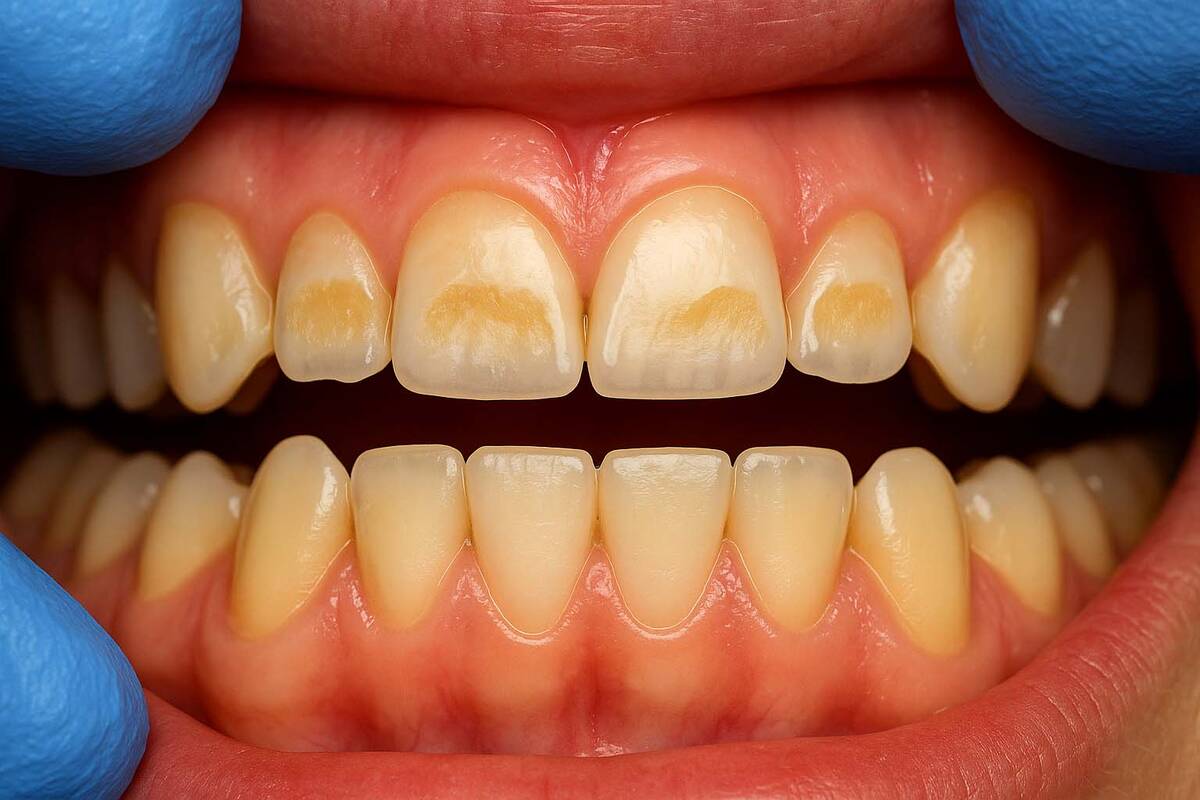
Identifying the symptoms of tooth erosion can be challenging in the early stages, as they often start subtly and worsen over time. One of the first signs you might notice is increased tooth sensitivity.
As the enamel wears away, the underlying dentin, a softer layer of the tooth, becomes exposed. This dentin contains microscopic tubules that lead to the nerves inside the tooth. When these are exposed, hot, cold, or sweet foods and drinks can trigger a sharp, jabbing pain.
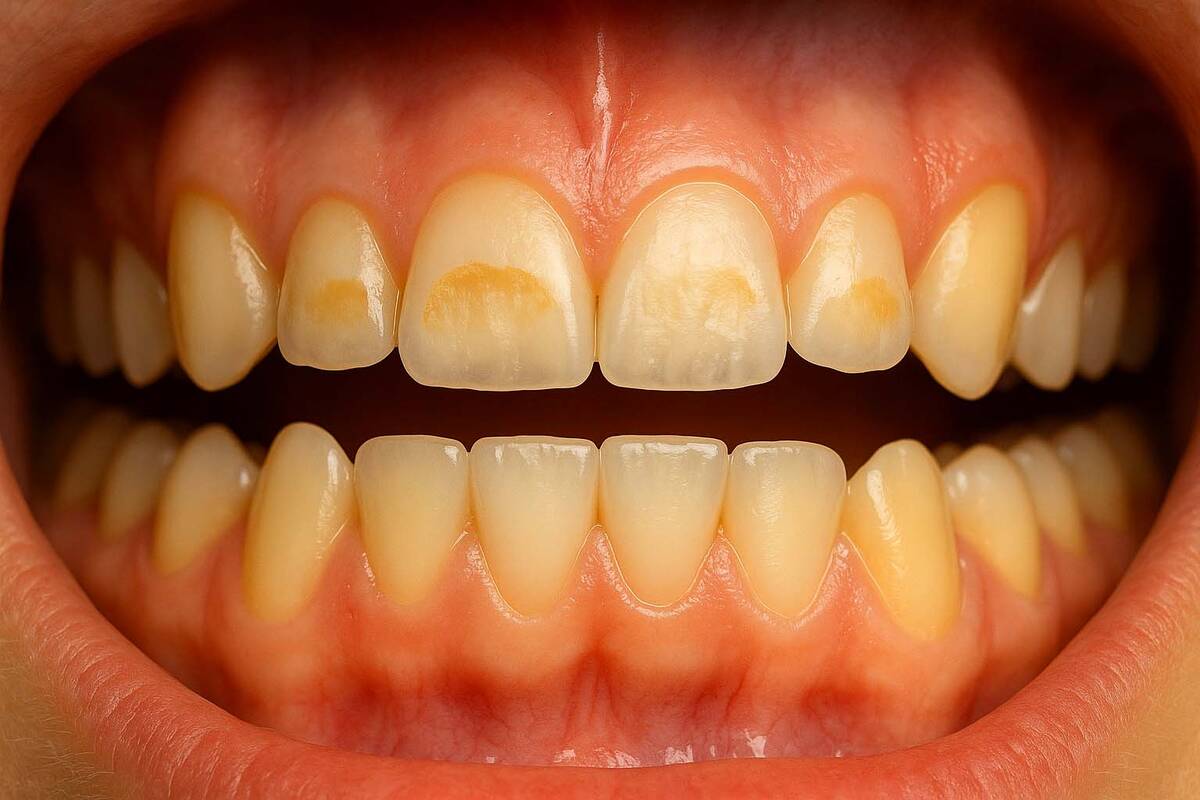
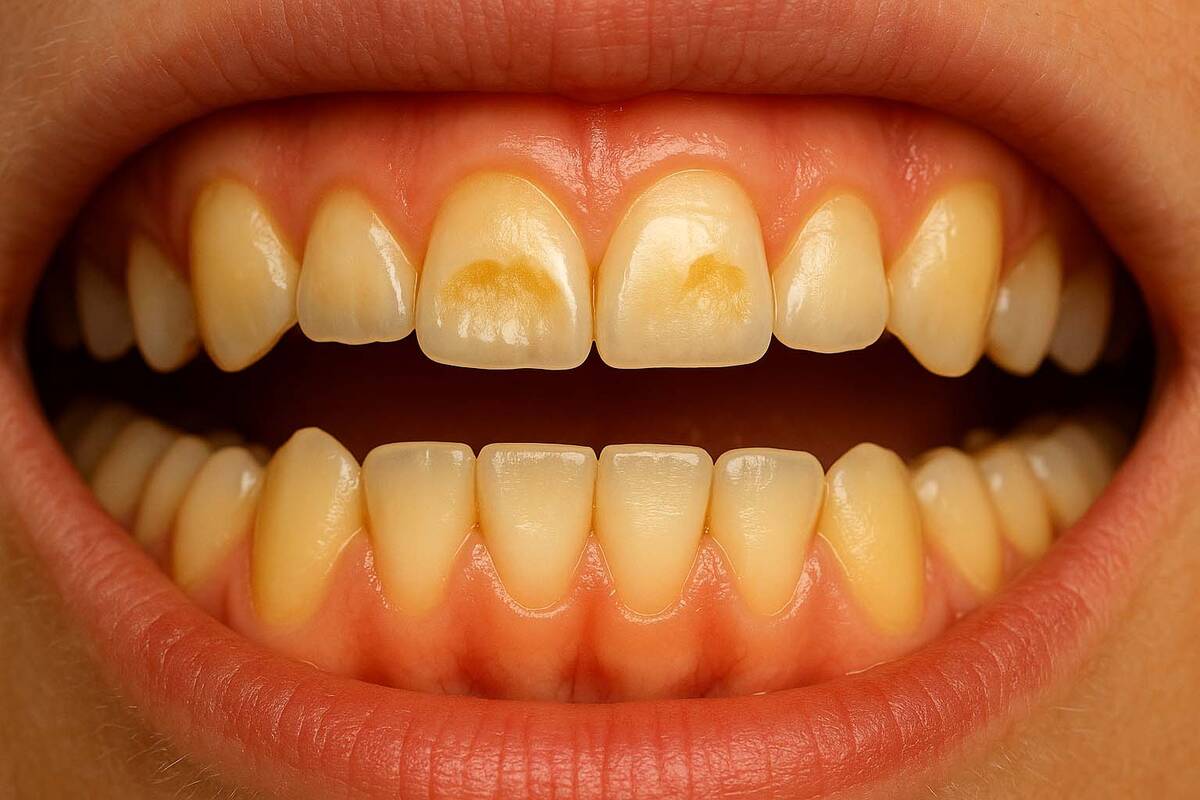
Another key symptom is the discoloration of your teeth. Enamel is naturally white, but the dentin underneath is yellowish. As the white enamel erodes, the yellow dentin becomes more prominent, making your teeth appear darker or more yellow.
You may also notice that the edges of your teeth look thin or translucent, particularly the biting edges of your front teeth. This is a clear sign of significant enamel loss. Additionally, as the enamel on the chewing surfaces of your back teeth wears away, small indentations, often called “cupping,” may form.
These are signs of serious wear. Recognizing these symptoms early is vital. While some of these symptoms can be caused by other issues, their combination often points to dental erosion. Consulting your dentist is the best way to get a proper diagnosis and start a treatment plan.
How Can Tooth Erosion Be Prevented?
Preventing tooth erosion is far more effective than treating it, and it primarily involves making a few key lifestyle and dietary adjustments. First and foremost, you should limit your intake of highly acidic foods and drinks.
This doesn’t mean you have to give them up entirely, but rather be mindful of how often and how you consume them. For example, instead of sipping on a soda for an hour, drink it quickly with a straw to minimize contact with your teeth.
After consuming something acidic, rinse your mouth with water or chew sugar-free gum to help neutralize the acids and stimulate saliva flow. Saliva is your mouth’s natural defense against acid, as it helps to wash away food particles and re-mineralize your teeth.
Another crucial preventive measure is to wait at least 30 minutes after consuming acidic foods or drinks before brushing your teeth. Brushing immediately after an acid attack can actually scrub away the softened enamel, causing more damage.
Instead, allow your saliva time to remineralize the enamel first. Using a soft-bristled toothbrush and a low-abrasive, fluoride toothpaste can also help protect your enamel.
These simple habits can go a long way in protecting your teeth from the silent and destructive effects of dental erosion. Regular dental check-ups are also essential for early detection and professional advice.
Can Lifestyle and Dietary Changes Reverse Tooth Erosion?
Unfortunately, once enamel is lost due to tooth erosion, it cannot be regenerated or reversed naturally. Enamel is a non-living tissue, and your body doesn’t have a way to grow it back.
This makes prevention and early intervention absolutely critical. While you can’t reverse the damage, you can take steps to halt the progression and protect your remaining enamel. The good news is that by addressing the underlying causes, you can prevent further wear and tear.
This includes significantly reducing your consumption of acidic foods and drinks, as discussed earlier. If the cause is an internal issue like acid reflux, working with a doctor to manage the condition is paramount.
For those who can’t completely eliminate acidic foods, altering the way they consume them—using a straw, for example—can make a big difference.
Your dentist might also recommend specific fluoride treatments or toothpastes to strengthen your remaining enamel and make it more resistant to acid attacks. These treatments don’t reverse the loss, but they can fortify the surface, offering a layer of protection.
While there are no at-home miracle cures, professional dental care can provide solutions to manage and minimize the long-term effects of dental erosion, such as bonding or crowns to repair significant damage.
What Treatment Options Are Available for Tooth Erosion?
The treatment for tooth erosion depends on the severity of the damage. In the early stages, where the erosion is minimal, the focus is on prevention and protection.
Your dentist might recommend using a high-fluoride toothpaste or a fluoride varnish treatment to strengthen the enamel and make it more resistant to acid attacks. Fluoride works by helping to remineralize the tooth surface, making it harder and more resilient.
For more moderate cases, where some dentin is exposed, your dentist might suggest dental bonding. This involves applying a tooth-colored resin to the affected areas to restore the tooth’s shape and protect the underlying dentin.
Bonding is a relatively simple and non-invasive procedure that can significantly improve both the function and appearance of your teeth. In severe cases of tooth erosion, where a significant amount of the tooth structure is lost, more extensive restorative work may be necessary.
This can include crowns, veneers, or inlays. Crowns are a more comprehensive solution that covers the entire tooth, providing strength and protection.
Veneers are thin, custom-made shells that cover the front surface of the teeth, ideal for restoring aesthetics. These treatments not only repair the damage but also restore the tooth’s function and prevent further wear.
How Does Tooth Erosion Differ from Tooth Decay?
It’s easy to confuse tooth erosion with tooth decay, but they are two distinct conditions with different causes. The key difference lies in what causes the damage. Tooth decay, also known as cavities, is primarily caused by bacteria.
These bacteria feed on sugars and starches left on your teeth and produce acids as a byproduct. These bacterial acids create holes, or cavities, in the enamel.
On the other hand, dental erosion is caused by non-bacterial acids, such as those found in acidic foods and drinks or stomach acid from conditions like acid reflux. While both conditions lead to the loss of enamel, the mechanism is different.
Tooth decay is a localized process that forms a hole, whereas erosion is a more generalized, surface-level wearing away of the entire tooth surface. Another important distinction is that tooth decay is a progressive disease that requires a specific treatment (filling) to stop its progression.
Erosion, however, is a chemical process that can be halted by removing the source of the acid. Recognizing this difference is crucial for effective prevention and treatment. Your dentist can easily tell the difference by examining the pattern of wear on your teeth and identifying the underlying cause.
How Does My Diet Contribute to Dental Erosion?
Your diet is one of the most significant factors in the development of dental erosion. While many people focus on sugary foods for causing tooth decay, acidic foods and beverages are the primary culprits for enamel loss.
The pH scale measures acidity, and anything below a pH of 5.5 is considered acidic enough to damage tooth enamel. Unfortunately, many common foods and drinks fall into this category. Sodas, sports drinks, and energy drinks are notorious for their high acidity.
Even diet sodas, which contain no sugar, are highly acidic and can be just as damaging. Fruit juices, especially citrus juices like orange and grapefruit juice, are also very acidic. Fruits themselves, such as lemons, limes, and even tomatoes, can be erosive.
The key isn’t necessarily to avoid these foods entirely but to be mindful of how you consume them. Constant sipping or swishing of acidic drinks exposes your teeth to prolonged acid attacks. The longer the acid is in contact with your teeth, the more damage it can do.
By understanding which foods and drinks are acidic and adjusting your consumption habits, you can take a major step toward preventing tooth erosion. Remember, it’s the frequency of exposure that often matters more than the amount.
What Role Does Saliva Play in Preventing Dental Erosion?
Saliva is your mouth’s most powerful natural defense against dental erosion. It plays a crucial role in maintaining a healthy oral environment and protecting your teeth from acid attacks. The most important function of saliva is its ability to neutralize acids.
Saliva contains bicarbonates and phosphates that act as buffers, raising the pH level in your mouth and counteracting the acidity from foods, drinks, or stomach acid. This helps to protect your enamel from being dissolved.
Additionally, saliva is rich in minerals like calcium and phosphate. After an acid attack, saliva helps to remineralize your tooth enamel, a natural repair process that strengthens the tooth surface and helps to reverse some of the early enamel softening.
Think of it as your body’s built-in restorative system. A dry mouth, often caused by certain medications or medical conditions, can put you at a much higher risk for tooth erosion. When saliva flow is reduced, acids linger on the teeth for longer periods, and the remineralization process is compromised.
Staying hydrated and chewing sugar-free gum to stimulate saliva production are simple but effective ways to harness your body’s natural protective mechanisms and keep your teeth strong and healthy.
Why Is Professional Dental Care Essential for Tooth Erosion?
While at-home prevention and dietary changes are crucial, professional dental care is essential for managing and treating dental erosion.
A dentist can accurately diagnose the condition, distinguish it from other forms of tooth wear, and identify the underlying cause, whether it’s dietary or a medical issue like acid reflux. This accurate diagnosis is the first step toward an effective treatment plan.
Your dentist can also apply professional-grade fluoride treatments, which are much more concentrated than over-the-counter products and provide a significant boost to your enamel’s resistance. For more advanced cases, a dentist can perform restorative procedures to repair the damage.
They can use materials like dental bonding to fill in eroded areas or, in more severe cases, recommend veneers or crowns to restore the tooth’s structure and function. These professional interventions are key to preventing further tooth loss and preserving your smile.
Ignoring the signs of dental erosion can lead to serious consequences, including tooth fractures, loss of teeth, and the need for more complex and expensive treatments down the road. Regular check-ups allow your dentist to monitor your oral health and intervene before the damage becomes irreversible.
What Are Some Common Misconceptions About Dental Erosion?
One of the most common misconceptions about dental erosion is that only people who drink a lot of soda or other sugary drinks are at risk. In reality, while these are major culprits, the problem is far more widespread.
Many “healthy” choices, such as fruit juices, smoothies, and sports drinks, can be highly acidic. People who frequently consume these items, thinking they are making a better choice, may be unknowingly putting their enamel at risk.
Another myth is that you can simply brush away the damage. As we’ve discussed, brushing immediately after consuming something acidic can actually cause more harm than good by scrubbing away softened enamel. A third misconception is that enamel loss is a normal part of aging.
While some wear and tear is normal, significant tooth erosion is a pathological process that can and should be prevented. It’s not something you simply have to live with. Finally, many people believe that chewing sugar-free gum is only for freshening breath.
In fact, it’s a powerful tool in the fight against enamel loss as it stimulates saliva flow, helping to neutralize acids and remineralize your teeth. Separating these facts from fiction is crucial for effective prevention and maintaining a healthy smile for years to come.
How Can I Protect My Children’s Teeth from Dental Erosion?
Protecting children’s teeth from dental erosion is especially important because their primary and permanent teeth are still developing and are more vulnerable to acid attacks. The first step is to be mindful of their diet.
Many seemingly harmless kids’ drinks, like juice boxes and flavored waters, are highly acidic. Encouraging them to drink plain water and milk is one of the best things you can do for their dental health. If they do drink something acidic, teach them to rinse their mouth with water afterward.
Secondly, supervise their brushing habits. Ensure they are using a soft-bristled toothbrush and a pea-sized amount of fluoride toothpaste. Teaching them to wait at least 30 minutes after consuming acidic snacks or drinks before brushing is a crucial habit to instill early on.
Third, talk to your pediatric dentist about fluoride treatments or sealants. Sealants are a protective coating applied to the chewing surfaces of the back teeth to prevent decay and wear.
Finally, if your child has an underlying medical condition like acid reflux, it is important to manage it with a doctor, as this can be a major cause of tooth erosion. By being proactive and teaching good habits early, you can help your children maintain a healthy smile for life.
Conclusion
Hopefully, this guide has given you a clear picture of what tooth erosion is and how you can take control of your dental health. While enamel loss is irreversible, you have the power to stop its progression and protect your smile for years to come.
By understanding the causes, recognizing the symptoms, and making small but impactful changes to your daily habits, you can significantly reduce your risk. Remember, it’s not just about brushing and flossing; it’s about being mindful of what you consume and how you treat your teeth.
Regular visits to your dentist remain your best defense, providing a professional assessment and the right treatment plan tailored to your needs. A proactive approach to dental erosion is the key to preserving the health, strength, and beauty of your smile for a lifetime.
FAQ
The key difference lies in the cause. Tooth decay is caused by bacteria that create acids from sugars, leading to cavities (holes). Tooth erosion, on the other hand, is caused by non-bacterial acids from foods, drinks, or stomach acid, which cause a more generalized, surface-level wearing away of the tooth enamel.
Yes, absolutely. While sodas are a major culprit, many other beverages and foods are highly acidic, including fruit juices, sports drinks, and even “healthy” options like citrus fruits and vinegar. Acid reflux (GERD) is another common cause of tooth erosion, bringing stomach acids into the mouth.
It’s actually better to wait. Brushing immediately after consuming acidic foods or drinks can scrub away the softened enamel, causing more damage. It’s best to wait at least 30 minutes to allow your saliva to neutralize the acids and start the remineralization process.
Common signs include increased tooth sensitivity to hot, cold, or sweet foods, teeth that appear more yellow or translucent, and small indentations (“cupping”) on the chewing surfaces. If you notice any of these symptoms, it’s best to consult your dentist for a proper diagnosis.
Unfortunately, once enamel is lost, it cannot be regenerated by the body. However, you can stop the progression of tooth erosion by addressing the causes and protecting your remaining enamel. Your dentist can also use treatments like bonding or crowns to repair the damage.
Saliva is your mouth’s natural defense. It helps to neutralize acids and contains minerals that aid in the remineralization of tooth enamel. Having good saliva flow is crucial for protecting your teeth from acid attacks.
Yes. Look for toothpastes that are low-abrasive and contain fluoride. Fluoride helps to strengthen enamel and make it more resistant to acid. Your dentist might also recommend a high-fluoride toothpaste for extra protection.
The best way is to use a straw, which helps bypass the teeth, and drink them quickly rather than sipping over a long period. After finishing, rinse your mouth with water or chew sugar-free gum to help neutralize the acids.
Yes, sugar-free gum is an excellent tool. Chewing gum stimulates saliva production, which helps to wash away food particles, neutralize acids, and remineralize your tooth enamel.
Regular dental check-ups allow your dentist to detect early signs of tooth erosion and provide professional treatments like fluoride varnishes. A dentist can also recommend and perform restorative procedures, such as bonding or crowns, to repair significant damage and prevent further tooth loss.

Author: Horeca Health
Horeca Health
DISCLAIMER
All content provided on this website is for informational purposes only and should not be considered a substitute for professional advice, diagnosis, or treatment. Always consult qualified healthcare professionals regarding any questions or concerns you may have about your health or any medical condition.




















Leave a Reply