Visit Svalbard: Introduction
When you visit Svalbard, you step into one of the planet’s most extraordinary territories—a Norwegian archipelago perched just 650 miles from the North Pole.
This Arctic wilderness defies every conventional expectation of travel, offering landscapes of raw, unfiltered beauty where polar bears outnumber people and the midnight sun refuses to set for months on end.
Planning a journey here demands more than typical vacation preparation. Svalbard operates under unique legal frameworks, extreme environmental conditions, and a delicate balance between human presence and pristine wilderness preservation.
Whether you’re drawn by the aurora borealis dancing across polar nights, the chance to witness glaciers calving into turquoise fjords, or the profound silence of true Arctic isolation, understanding this destination thoroughly transforms a standard trip into an unforgettable expedition.
This complete travel guide Svalbard equips you with essential knowledge spanning logistics, safety protocols, seasonal considerations, and sustainable practices.
From Longyearbyen’s colorful settlement to remote expedition camps, every recommendation here emerges from genuine Arctic expertise and respect for this remarkable region’s fragility.
What Exactly Is Svalbard and Where Is It Located?
Svalbard comprises a Norwegian archipelago in the Arctic Ocean, situated between 74° and 81° north latitude and 10° and 35° east longitude. Despite its remote position, it falls under Norwegian sovereignty through the Svalbard Treaty of 1920, which grants signatory nations equal rights to economic activity while restricting military use.
The archipelago’s largest island, Spitsbergen, hosts the primary settlement of Longyearbyen, home to roughly 2,400 -2,800 residents representing over 50 nationalities. This international character distinguishes Svalbard from mainland Norway, creating a genuinely cosmopolitan outpost at the edge of the habitable world.
Geographically, Svalbard sits within the High Arctic, characterized by permafrost, extensive glaciation covering approximately 60% of land area, and dramatic fjord systems carved by ancient ice movements.
The surrounding waters remain ice-bound for significant portions of the year, though climate change has progressively reduced sea ice extent and duration.
Understanding Svalbard’s political and geographical uniqueness matters profoundly for visitors. The Svalbard Treaty creates specific visa arrangements—Schengen rules apply differently here, and some nationalities enjoy more flexible access than they would to mainland Norway. Researching these distinctions before booking prevents costly administrative complications.
When Is the Best Time to Visit Svalbard?
Timing your visit Svalbard experience depends entirely on which Arctic phenomena you prioritize, as each season delivers dramatically different conditions and opportunities. There is no universally “best” period—only the best match for your specific interests and tolerance for extreme environments.
The polar summer spans late April through September, featuring the midnight sun from late April to late August. During this period, temperatures hover between 3°C and 10°C (37°F–50°F), snow melts at lower elevations, and wildlife becomes extraordinarily active.
Arctic foxes hunt along coastlines, seabird colonies reach peak occupancy, and whales—including belugas, narwhals, and various baleen species—frequent fjord entrances.
Conversely, the polar night dominates late October through mid-February, with true darkness persisting from mid-November through late January.
Temperatures plunge to -15°C or lower, yet this period offers unparalleled aurora viewing opportunities and a profound atmospheric stillness impossible to replicate elsewhere.
The transitional periods—February through April and September through October—provide balanced experiences with manageable daylight hours and diverse activity options.
Consider your physical comfort thresholds honestly. Summer appeals to most first-time visitors, offering accessible hiking, boat excursions, and manageable conditions.
Winter demands specialized equipment, experience with cold-weather travel, and acceptance of genuinely challenging environments. Neither season disappoints, but mismatched expectations certainly can.
How Do You Reach Svalbard and Get Around?
Accessing Svalbard requires deliberate planning, as no roads connect the archipelago to mainland Europe.
Regular commercial flights operate from Oslo and Tromsø to Svalbard Airport, Longyear (LYR), with Norwegian and SAS maintaining year-round services. Flight duration from Oslo approximates three hours—remarkably brief given the dramatic latitude change.
Upon arrival, ground transportation options differ substantially from typical destinations. Private vehicles are largely impractical for visitors; instead, organized tours, snowmobiles in winter, and boats in summer constitute primary mobility methods.
Longyearbyen itself is compact and walkable, but venturing beyond settlement boundaries legally requires carrying appropriate polar bear deterrent firearms—another reason guided excursions dominate visitor experiences.
Seasonal transportation variations significantly impact itinerary possibilities. Winter snowmobile routes follow established trail networks across vast snow-covered expanses, while summer boat services access otherwise unreachable fjords and glacier fronts.
Helicopter charters offer premium access to remote locations but at substantial cost and environmental impact.
Booking transportation well in advance proves essential, particularly for peak summer periods and popular winter aurora dates. Limited accommodation capacity and regulated tour group sizes mean last-minute arrangements often fail entirely.
Reputable operators like Better Moments, Svalbard Adventures, and Hurtigruten Svalbard maintain established safety records and knowledgeable local guides worth prioritizing.
What Should You Pack for Arctic Conditions?
Arctic packing demands strategic thinking beyond standard cold-weather travel. Layering systems prove fundamental, with moisture-wicking base layers, insulating mid-layers, and windproof outer shells forming the essential trio.
Merino wool and synthetic fabrics outperform cotton universally in these conditions, as cotton retains moisture and accelerates dangerous heat loss.
Footwear requires particular attention. Insulated, waterproof boots rated to at least -25°C protect against frostbite during extended outdoor exposure.
Many tour operators provide specialized expedition boots for glacier walks and snowmobile excursions, but personal sturdy footwear remains necessary for independent Longyearbyen exploration.
Critical accessories often underestimated include high-quality sunglasses with side protection (snow blindness poses genuine risk), touchscreen-compatible insulated gloves, and face protection against wind exposure.
A small daypack with emergency provisions—extra layers, high-energy food, water, and basic first aid—accompanies every responsible Arctic traveler beyond settlement limits.
Photography enthusiasts face unique challenges. Cold temperatures drain batteries rapidly; storing spares close to body heat preserves functionality.
Condensation management when moving between cold exteriors and heated interiors protects sensitive equipment. Many experienced Arctic photographers use silica gel packets and gradual acclimation procedures to prevent moisture damage.
Understanding Polar Bear Safety and Regulations
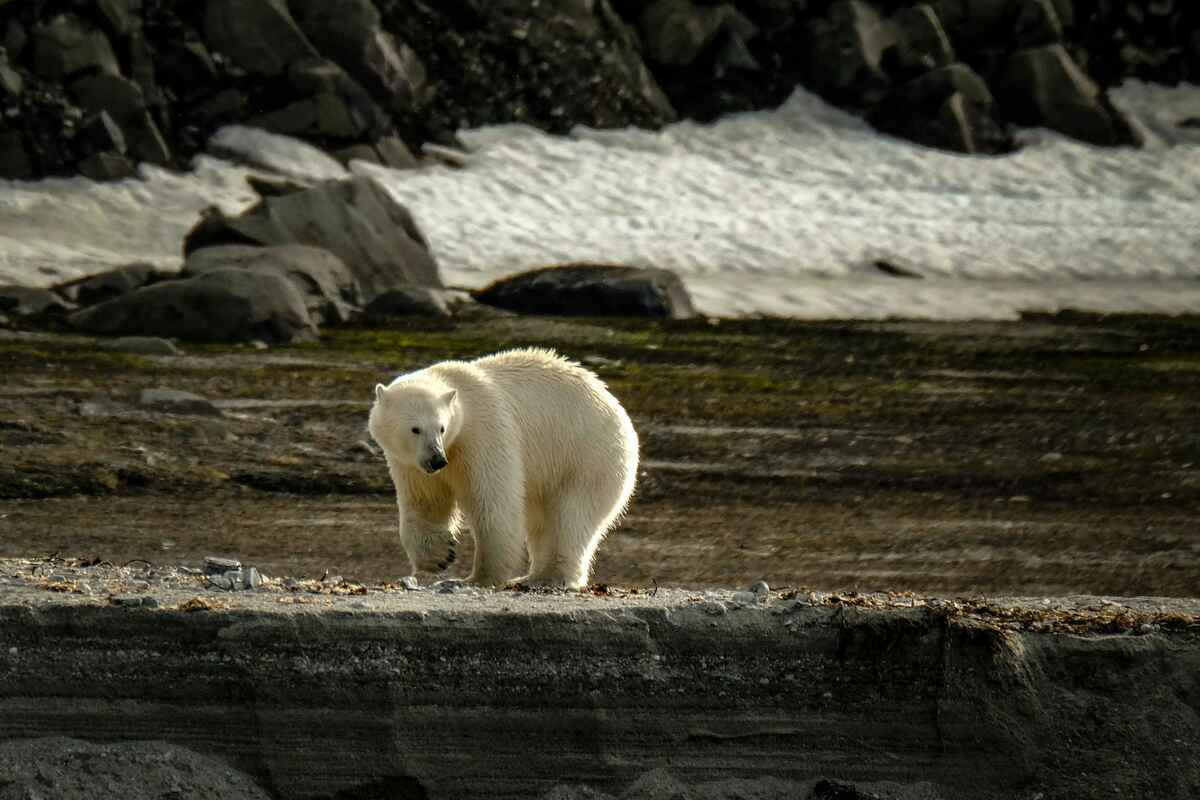
The prospect of encountering polar bears in their natural habitat draws many visitors to visit Svalbard, yet this attraction carries serious responsibilities.
Approximately 3,000 polar bears inhabit the Barents Sea population, making human-bear encounters statistically probable in remote areas. Norwegian authorities treat these interactions with utmost seriousness, enforcing regulations that protect both species.
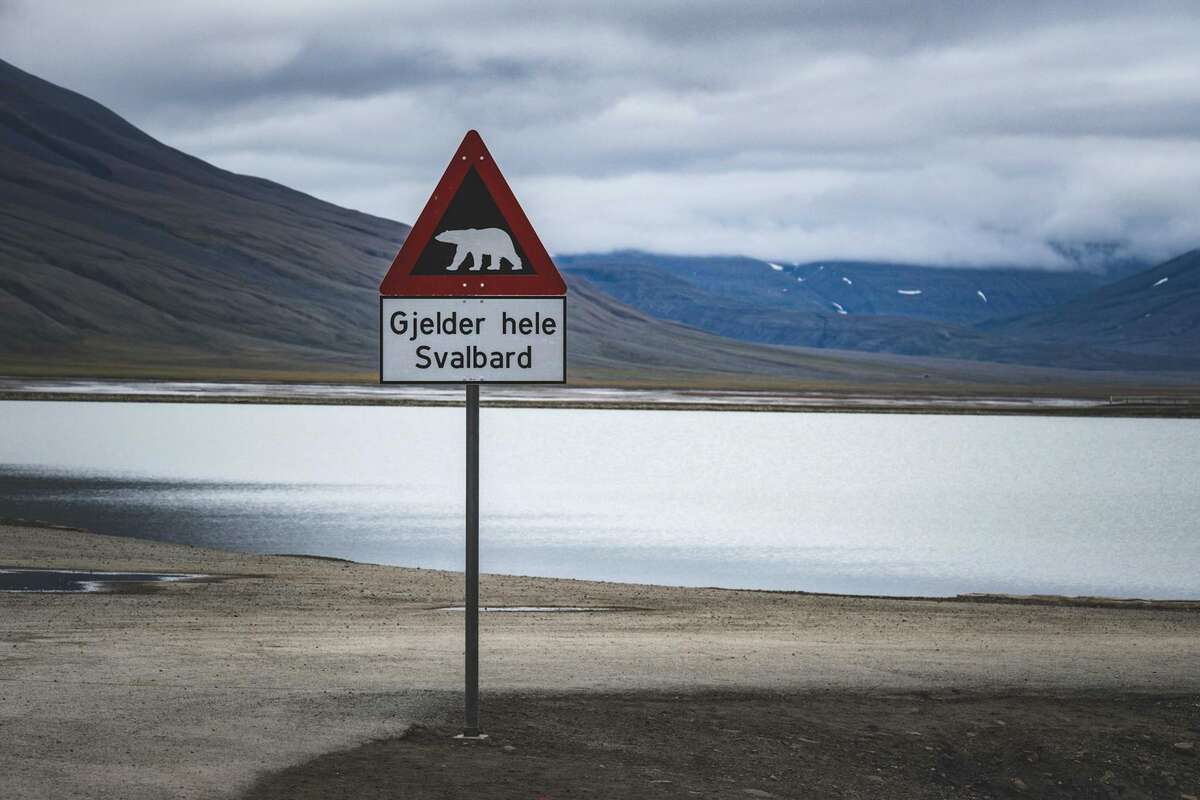
Outside Longyearbyen’s settlement boundaries, carrying capable polar bear deterrent equipment is legally mandatory.
This typically means a high-powered rifle or flare gun, combined with knowledge of proper usage. Solo travel beyond designated safe zones is effectively prohibited; guided groups with armed, trained leaders constitute the standard and responsible approach.
Understanding polar bear behavior enhances safety and appreciation. These animals are not aggressive by nature but are perpetually seeking food in an environment of extreme scarcity. Their exceptional sense of smell detects potential meals from extraordinary distances.
Maintaining vigilant awareness, securing food properly, and never approaching bears—however photographically tempting—preserves safety for all parties.
Responsible operators brief clients thoroughly on emergency procedures, including group formations, deterrent deployment, and retreat protocols. These briefings are not bureaucratic formalities but potentially life-saving preparations.
Visitors who dismiss or minimize these instructions endanger themselves, their companions, and ultimately the bear populations whose conservation depends on positive human-wildlife coexistence.
Wildlife You Can Encounter Beyond Polar Bears
While polar bears dominate popular imagination, Svalbard’s wildlife diversity astonishes attentive observers.
The archipelago supports robust populations of Arctic foxes, Svalbard reindeer (a distinct subspecies smaller and stockier than mainland relatives), and numerous seal species including ringed, bearded, and harp seals.
Marine mammal encounters frequently exceed expectations. Walrus haul-outs, particularly at locations like Poolepynten on Prins Karls Forland, allow remarkable observation opportunities of these massive, socially complex creatures.
Whale watching yields regular sightings of minke, fin, and humpback whales, with blue whales and sperm whales appearing less predictably.
The critically endangered Spitsbergen bowhead whale population, slowly recovering from historical exploitation, represents perhaps the most significant cetacean conservation success in Arctic waters.
Avian life reaches extraordinary concentrations during breeding seasons. Cliff colonies at Alkefjellet and Fuglefjella host hundreds of thousands of Brünnich’s guillemots, little auks, and kittiwakes, creating sensory experiences of sound, smell, and constant motion that defy description.
Arctic terns, possessing the longest migration of any animal, arrive to breed after traveling from Antarctic wintering grounds.
Responsible wildlife observation maintains minimum disturbance distances, avoids nesting area approaches during sensitive periods, and never feeds or attempts interaction.
The Arctic ecosystem’s fragility means even minor human impacts can cascade unpredictably. Quality guides exemplify these principles, modeling behavior that preserves extraordinary encounters for future visitors.
Exploring Longyearbyen: The World’s Northernmost Settlement
Longyearbyen functions as the gateway and hub for every visit Svalbard experience, yet merits appreciation beyond its logistical utility.
This community of approximately 2,400 – 2,800 residents has transformed from a coal-mining company town into a sophisticated Arctic center combining research institutions, tourism services, and genuine local culture.
The settlement’s infrastructure surprises first-time visitors. Restaurants serve excellent cuisine incorporating Arctic ingredients like reindeer, seal, and locally harvested herbs.
The Svalbard Museum and North Pole Expedition Museum provide outstanding context for regional exploration. A surprisingly vibrant arts scene includes galleries, concert programming, and the annual Polarjazz festival each February.
Practical services accommodate visitor needs effectively. Grocery stores stock familiar products alongside specialty Arctic items. The Svalbard Hospital provides emergency medical care, though serious conditions require evacuation to mainland Norway.
Banking services, postal facilities, and reliable internet connectivity maintain connection with the wider world—sometimes disconcertingly so for those seeking complete Arctic isolation.
Longyearbyen’s social dynamics fascinate observant visitors. The transient population, with average residency under seven years, creates fluid community structures. The absence of traditional retirement—elderly residents must return to mainland Norway—shapes demographic patterns.
The community’s commitment to sustainability, including ambitious renewable energy goals, reflects awareness that Arctic habitation carries environmental responsibilities that intensify with climate change.
Glaciers, Fjords, and Arctic Landscapes Worth Visiting
Svalbard’s physical landscapes constitute perhaps its most profound draw, presenting geological features shaped by millions of years of glaciation, erosion, and extreme climatic forces. Understanding these formations enriches every encounter beyond mere scenic appreciation.
The archipelago contains approximately 2,100 glaciers, ranging from small cirque formations to massive ice caps like Austfonna on Nordaustlandet—one of the world’s largest ice bodies by volume.
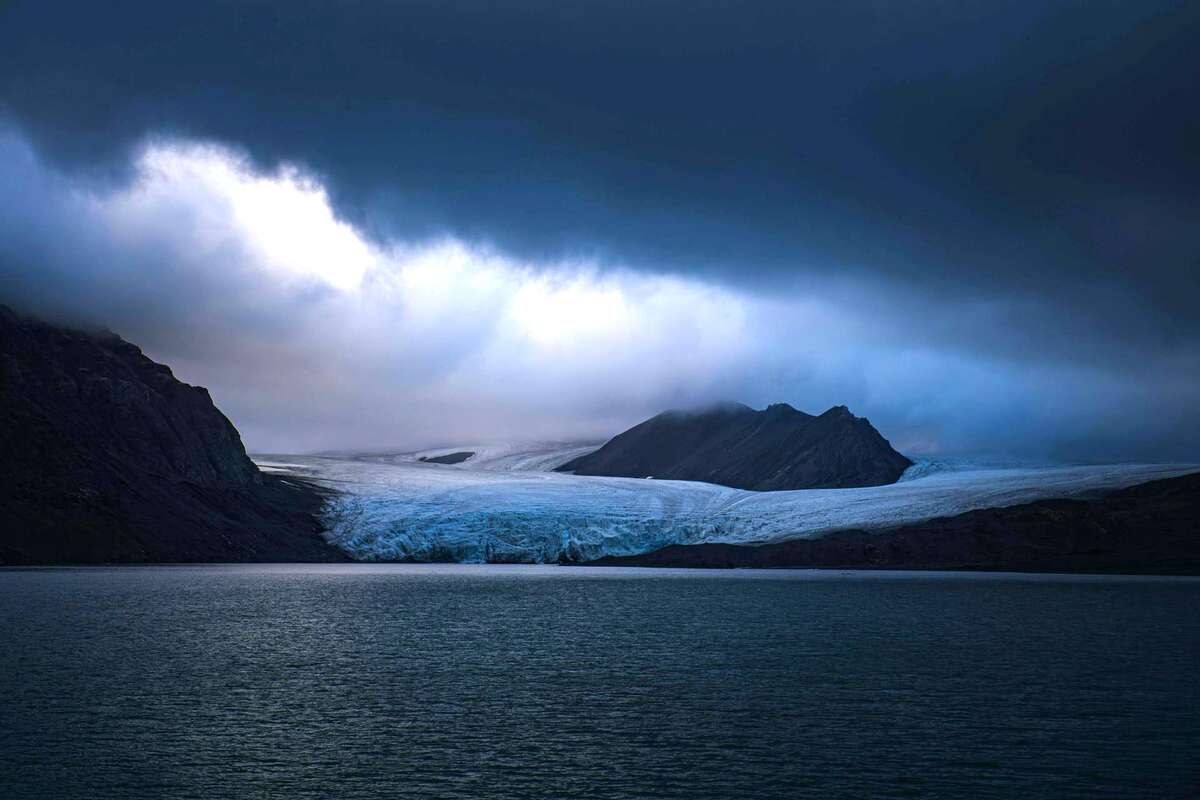
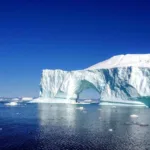
Glacier fronts, where ice meets water, offer spectacular calving displays as house-sized blocks fracture and crash into fjords. Monacobreen, Lilliehöökbreen, and 14th of July Glacier rank among the most accessible and visually impressive for boat-based viewing.
Fjord systems penetrate deeply into the island interiors, creating protected waterways that concentrate wildlife and enable human access to otherwise unreachable terrain.
Isfjorden, the largest fjord system, extends over 100 kilometers inland with multiple branching arms. Tempelfjorden’s dramatic mountain backdrop provides iconic Arctic imagery, while Billefjorden accesses the remarkable Pyramiden settlement.
| Landscape Feature | Location | Best Access Method | Optimal Season |
|---|---|---|---|
| Monacobreen Glacier | Liefdefjorden, northwest Spitsbergen | Boat expedition | June–September |
| Pyramiden Settlement | Billefjorden, central Spitsbergen | Boat or snowmobile | Year-round |
| Alkefjellet Bird Cliffs | Lomfjordhalvøya, northeast Spitsbergen | Expedition cruise | May–August |
| Austfonna Ice Cap | Nordaustlandet | Expedition cruise or charter | July–September |
| Tempelfjorden | Central Spitsbergen | Boat, snowmobile, or ski | Year-round |
| Hornsund Fjord | South Spitsbergen | Expedition cruise | June–September |
Geological features beyond ice and water command attention. The layered mountain sediments at Festningen reveal ancient tropical origins before continental drift carried these rocks to polar latitudes.
Hot springs at Trollheimen, though modest compared to Icelandic counterparts, demonstrate ongoing geothermal activity. Coal seams visible in cliff faces document the Carboniferous swamp forests that once flourished here—an almost unimaginable transformation across deep time.
Adventure Activities Available Throughout the Year
Svalbard’s activity offerings shift dramatically with seasons, yet maintain consistent intensity and uniqueness year-round. Summer visitors access hiking trails across tundra landscapes, kayak among drifting ice fragments, and cruise to remote glacier fronts.
Multi-day trekking expeditions with professional guides penetrate wilderness areas impossible to experience otherwise, camping in locations where human presence remains genuinely rare.
Winter transforms the activity palette entirely. Snowmobile expeditions cover distances impossible on foot, reaching abandoned mining settlements, remote cabins, and vast ice-covered plateaus.
Dog sledding with Alaskan huskies provides quieter, more intimate Arctic travel, with the dogs’ enthusiasm and the sled’s rhythmic motion creating meditative experiences.
Ice caving within glacier interiors reveals otherworldly blue chambers and crystal formations, accessible only when meltwater channels freeze sufficiently for safe entry.
Specialized activities demand appropriate preparation and often prior experience. Glacier hiking with crampons and ice axes requires physical fitness and comfort with exposure. Ski expeditions across vast snowfields necessitate backcountry skiing proficiency and avalanche awareness.
Even seemingly straightforward activities like snowshoeing become demanding in Arctic conditions where weather changes instantaneously and navigation challenges intensify.
Photography-focused expeditions have proliferated, catering to enthusiasts seeking optimal lighting conditions and wildlife encounters.
These specialized tours often feature professional guidance on Arctic-specific techniques, extended periods at productive locations, and patience for unpredictable natural phenomena.
The investment typically yields superior results compared to general sightseeing tours rushed between multiple locations.
Why Is Sustainable Tourism Critical in Svalbard?
Svalbard’s ecosystem operates at the absolute limit of biological tolerance, making it extraordinarily vulnerable to human disturbance.
When you visit Svalbard, your presence inevitably impacts this fragile environment, creating ethical and practical imperatives for minimizing footprint and supporting conservation-oriented practices.
The archipelago’s governance reflects these sensitivities. The Governor of Svalbard enforces strict environmental regulations, including protected area designations, wildlife disturbance prohibitions, and waste management requirements.
The entire archipelago functions essentially as a nature reserve, with human activities permitted only where explicitly authorized. This framework differs fundamentally from typical tourism destinations where development proceeds unless specifically restricted.
Climate change amplifies sustainability concerns dramatically. Svalbard warms at roughly twice the global average rate, with measurable consequences including glacier retreat, permafrost thaw destabilizing infrastructure, and ecosystem disruptions affecting species distributions.
Visitor transportation—particularly air travel—contributes to these changes, creating uncomfortable tensions between conservation values and tourism access.
Responsible visitors can partially mitigate these impacts. Choosing locally based operators with demonstrated environmental commitments concentrates economic benefits within the community while typically ensuring better regulatory compliance.
Participating in citizen science programs—reporting wildlife observations, contributing to glacier monitoring, or supporting archaeological documentation—transforms tourism into productive research participation.
Minimizing waste, respecting protected area boundaries, and following guide instructions precisely represent baseline expectations for ethical Arctic visitation.
Accommodation Options From Expedition Camps to Boutique Hotels
Svalbard’s accommodation spectrum spans genuinely primitive to surprisingly refined, with selection depending on budget, comfort requirements, and desired proximity to wilderness experiences. Understanding available options prevents mismatched expectations and enables appropriate planning.
Longyearbyen offers the most conventional choices. The Funken Lodge and Radisson Blu Polar Hotel provide full-service hospitality with Arctic character.
More economical alternatives include guesthouses and the Svalbard Hotel, maintaining cleanliness and comfort without premium pricing.
All Longyearbyen accommodations share the settlement’s infrastructure advantages—reliable heating, running water, and electrical power—amenities not guaranteed elsewhere.
Remote accommodation options deliver more immersive Arctic experiences. Expedition cruise vessels range from basic research ships to luxury expedition yachts, with duration from single-day fjord excursions to multi-week circumnavigations.
These floating accommodations maximize wildlife access and landscape variety, though seasickness susceptibility and close quarters may challenge some travelers.
Truly adventurous visitors consider trapper-style cabins, historic mining settlements converted for tourism, or wilderness camping. These options demand substantially greater self-sufficiency, appropriate equipment, and often guided support.
The experience rewards with profound solitude and direct environmental connection impossible in more developed settings. However, the physical and psychological demands are genuine; romanticized expectations of rustic simplicity often collide with Arctic reality.
Booking windows vary dramatically by category. Longyearbyen hotels fill for peak periods months ahead; expedition cruises often sell out a year or more in advance for premier vessels and itineraries.
Last-minute availability occasionally appears for local operators, but relying on this approach risks complete disappointment during high-demand periods.
Essential Regulations and Practical Considerations
Visiting Svalbard involves navigating regulatory frameworks unfamiliar to most travelers. Beyond standard passport and visa documentation, specific requirements apply that demand advance attention to prevent denied boarding or entry complications.
The Schengen Area connection requires clarification. While Svalbard is Norwegian territory, it lies outside the Schengen zone. Travelers typically pass through Schengen controls in mainland Norway en route, but the distinction matters for visa purposes.
Some nationalities require specific Svalbard endorsements; others enjoy more flexible arrangements. Confirming exact requirements with Norwegian authorities well before travel prevents last-minute crises.
Health preparation extends beyond standard travel insurance. Medical evacuation from Svalbard to mainland Norway is extraordinarily expensive; insurance explicitly covering this contingency is essential.
Pre-existing conditions warrant particular attention, as local medical facilities, though competent, have limited specialist capabilities. Pregnancy beyond specific gestational limits typically triggers travel restrictions due to neonatal care limitations.
Firearms regulations surprise many visitors. The polar bear protection requirement means temporary firearm possession by individuals who may have no previous experience.
Rental arrangements through guides satisfy legal obligations without personal licensing, but understanding basic safety principles remains advisable. Alcohol purchase is regulated through quota systems reflecting historical rationing origins, though restrictions are modest for typical visitor stays.
Cultural sensitivity matters in this unique community. Photography of residents requires the same courtesy as anywhere; the small population means individuals are readily identifiable.
Respect for research activities, which constitute Svalbard’s primary international purpose, maintains positive visitor-community relations. Recognizing that this is a working community, not merely a tourist destination, shapes appropriate behavior.
Hidden Gems and Lesser-Known Experiences
Beyond iconic attractions, Svalbard rewards curious explorers with genuinely special experiences often overlooked in standard itineraries. These discoveries typically require local knowledge, flexible timing, or willingness to venture beyond obvious paths.
Pyramiden represents perhaps the most compelling unusual destination—a Soviet-era mining settlement abandoned in 1998, now partially restored for tourism.
Walking its empty streets, entering preserved buildings with Soviet-era furnishings intact, and encountering the northernmost bust of Lenin creates profound temporal dislocation. The site’s preservation, deliberate rather than merely neglected, offers authentic Cold War atmosphere impossible to stage.
Grumant, another abandoned settlement, receives far fewer visitors due to more difficult access. Its crumbling wooden structures and spectacular coastal setting reward the effort for those arranging appropriate transportation.
Similarly, the Swedish mining settlement of Sveagruva, recently closed, represents transitional heritage at the moment of abandonment—documentation of industrial archaeology in real-time.
Nature-focused hidden experiences include the hot springs at Jotunkjeldene, accessible by demanding hike or boat; the extraordinary acoustic properties of certain glacier caves where dripping water creates resonant music; and specific locations where geological conditions concentrate aurora visibility beyond general regional patterns.
Local guides who’ve spent multiple seasons accumulate this knowledge and share it with engaged, respectful clients.
The truest hidden gem may be simply extended time in quality wilderness locations. Rushed itineraries checking multiple sites daily miss the transformative potential of sustained observation—watching light change across a glacier face for hours, listening to sea ice shift and crack through a polar night, or tracking a single Arctic fox’s hunting behavior across a full day.
These immersive experiences, impossible to schedule precisely, emerge from unhurried presence and openness to unexpected encounters.
Conclusion
When you visit Svalbard, you engage with a destination that fundamentally challenges conventional tourism assumptions. This Arctic archipelago demands preparation, respect, and adaptability; it rewards these investments with experiences unavailable anywhere else on Earth.
From the profound silence of polar landscapes to the raw power of calving glaciers, from intimate wildlife encounters to the cosmic spectacle of auroral displays, Svalbard offers transformative engagement with our planet’s most extreme environments.
This complete travel guide Svalbard has examined practical logistics, safety imperatives, seasonal variations, activity options, and ethical responsibilities essential for responsible visitation.
The knowledge presented here serves not merely as trip planning reference but as foundation for genuine Arctic literacy—the understanding that enables meaningful, safe, and sustainable engagement with this remarkable territory.
As climate change accelerates and Arctic access potentially expands, the character of Svalbard tourism will inevitably evolve. Current visitors participate in defining what responsible Arctic visitation means for future generations.
The choices made—operators selected, behaviors exhibited, impacts minimized—collectively shape whether this extraordinary destination remains worthy of the journey.
Approach your Svalbard experience with appropriate humility, thorough preparation, and openness to profound natural encounters, and you will discover why this remote archipelago captures the imagination of explorers, scientists, and thoughtful travelers worldwide.
FAQ
Do I need a visa to visit Svalbard?
Svalbard is not part of the Schengen Area, but most travelers pass through mainland Norway, which is. Check with Norwegian authorities for your specific nationality’s requirements, as some visitors need Schengen visas with Svalbard endorsements while others enjoy more flexible access under the Svalbard Treaty.
Is it safe to visit Svalbard without a guide?
Within Longyearbyen, independent exploration is perfectly safe. However, traveling beyond settlement boundaries legally requires carrying polar bear deterrent firearms and is strongly discouraged without experienced armed guides. Most visitors book organized excursions for wilderness access.
How much does a typical Svalbard trip cost?
Budget minimally $200–300 USD daily for basic Longyearbyen accommodation and meals. Guided activities range from $150 for short excursions to $500+ for full-day expeditions. Multi-day expedition cruises typically cost $4,000–$15,000 depending on duration and vessel luxury level.
Can I see polar bears on every trip?
No. Polar bear encounters, while possible, are never guaranteed. Bears roam vast territories and may be absent from accessible areas during your visit. Responsible operators avoid guaranteeing sightings, as this would require unethical practices like baiting or approaching den sites.
What currency is used in Svalbard?
The Norwegian krone (NOK) is the official currency. Credit cards are widely accepted throughout Longyearbyen, including at most tour operators and restaurants. Cash is rarely necessary, though carrying small amounts for remote cabin stays or emergencies is prudent.
Is there mobile phone coverage across Svalbard?
4G coverage exists in Longyearbyen and limited surrounding areas. Remote regions have no coverage whatsoever. Satellite phones or emergency beacons are essential for extended wilderness travel. Most guided operators carry appropriate emergency communication equipment.
Can I see the northern lights during summer?
No. The midnight sun prevents aurora visibility from late April through late August. Polar night conditions from November through January offer optimal viewing opportunities, though auroras are never guaranteed and depend on solar activity and clear skies.
Are there any dangerous animals besides polar bears?
Arctic foxes and Svalbard reindeer pose no threat to humans. Seal encounters in water are safe if respectful distances are maintained. The primary wildlife safety concern remains polar bears, though severe weather and terrain hazards actually cause more visitor incidents annually.
What languages are spoken in Svalbard?
Norwegian is the official language, with English widely spoken throughout the tourism industry. The international community means many languages are represented among residents. Tour operators typically offer services in English and Norwegian, with some providing German or French options.
How does climate change affect visiting Svalbard?
Warming temperatures have reduced sea ice extent, altered wildlife distributions, increased glacier calving activity, and destabilized permafrost-based infrastructure. Some previously accessible areas have become more dangerous or inaccessible, while new areas occasionally open. Visitors should follow current local guidance rather than outdated information.

Author: Horeca Health
Horeca Health








Leave a Reply