Introduction
Rhodes rises from the southeastern Aegean like a living museum carved from limestone and sunlight. As the largest of Greece’s Dodecanese islands, it carries millennia of layered history—from classical temples and Byzantine churches to the formidable citadel built by the Knights Hospitaller.
Yet Rhodes refuses to be trapped in its past. Beyond those weathered walls, you’ll discover coves of turquoise water, villages where time slows to the rhythm of goat bells, and a culinary tradition that turns simple ingredients into unforgettable meals.
This travel guide to Rhodes Greece cuts through the noise of generic island hopping advice. Whether you’re drawn by the UNESCO-listed Old Town, the butterfly valleys of Petaloudes, or the windswept beaches of Prasonisi, you’ll find practical, experience-backed recommendations here.
We’ve structured everything to help you plan smarter, travel deeper, and return home with stories worth retelling. Let’s walk through what makes Rhodes genuinely extraordinary—and how to experience it without the usual tourist fatigue.
What Makes Rhodes Different from Other Greek Islands?
Rhodes occupies a unique position in the Aegean, both geographically and culturally. Its proximity to Asia Minor—just 18 kilometers from the Turkish coast—has made it a crossroads of civilizations for over three millennia.
This isn’t an island that borrowed a few architectural flourishes from neighbors; it’s a place where Dorian Greeks, Romans, Crusaders, Ottomans, and Italians each left indelible marks.
The medieval legacy sets Rhodes apart most dramatically. While Mykonos sells sunset selfies and Santorini trades in caldera views, Rhodes offers the most intact medieval settlement in Europe.
The Old Town of Rhodes isn’t a reconstructed theme park—it’s a functioning city where approximately 6,000 residents live, work, and socialize within walls that have withstood sieges since 1309. Walking those cobblestones at dawn, before the cruise ships disgorge their passengers, connects you to something raw and authentic.
Beyond history, Rhodes delivers remarkable ecological diversity. The island stretches 80 kilometers north to south, encompassing alpine forests, citrus groves, and desert-like landscapes where the prickly pear cactus thrives.
This variety means you can hike through pine-scented mountains in the morning and swim in crystalline coves by afternoon without ever feeling you’ve exhausted the island’s possibilities.
The scale matters too. Rhodes is substantial enough to reward extended exploration—ten days barely scratches the surface—yet compact enough that you can base yourself in one location and make varied day trips. That combination of depth and accessibility is rare among Greek islands.
When Is the Best Time to Visit Rhodes?
Timing your visit to Rhodes requires balancing weather, crowds, and cultural events. The island enjoys one of Greece’s longest tourist seasons, stretching from April through late October, but each window offers distinctly different experiences.
Spring (April–May) brings wildflowers to the hillsides and comfortable temperatures in the low twenties Celsius.
This is ideal for hiking, archaeological exploration, and experiencing local Easter celebrations, which follow the Orthodox calendar and often fall in April or early May. The water remains brisk for swimming, but you’ll have ancient sites nearly to yourself.
June and September represent the sweet spot for most travelers. The sea has warmed sufficiently for extended swimming, restaurants and attractions operate at full capacity, and the crushing July–August crowds haven’t arrived or have already departed.
September particularly rewards visitors with grape harvests, wine festivals, and a golden light that photographers chase across the island.
July and August deliver guaranteed sunshine and the full spectrum of water sports, but you’ll pay premium prices and share beaches with thousands of others.
The Meltemi winds can provide welcome relief from the heat, though they occasionally disrupt ferry services. If summer is your only option, prioritize the less developed southern coast and venture out early mornings.
| Season | Temperature Range | Swimming Conditions | Crowd Level | Best For |
|---|---|---|---|---|
| April–May | 18–24°C | Cool, possible | Low | Hiking, history, Easter |
| June | 24–29°C | Excellent | Moderate | Balanced experience |
| July–August | 28–35°C | Perfect | Very high | Beach focus, nightlife |
| September | 24–29°C | Excellent | Moderate | Wine, photography, value |
| October | 20–25°C | Good, declining | Low | Autumn colors, solitude |
How to Reach Rhodes and Get Around?
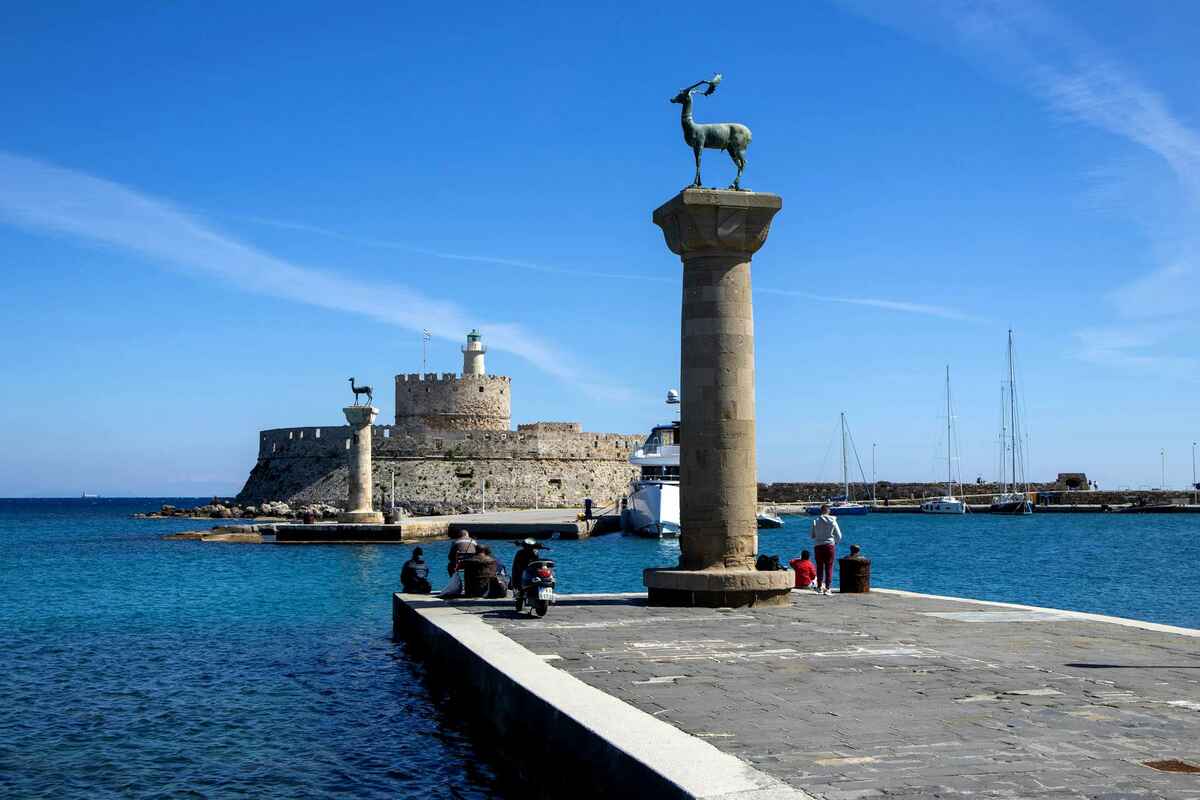
Reaching Rhodes is straightforward, though the journey itself becomes part of the experience. Diagoras International Airport serves direct flights from most major European cities during tourist season, with connections through Athens available year-round.
Flight time from Athens is roughly 50 minutes—barely enough to finish a coffee before you’re descending over the island’s northern coast.
Ferries offer a more romantic alternative, particularly the overnight service from Piraeus. The Blue Star Ferries and Dodekanisos Seaways routes take 12–17 hours depending on stops, but waking to sunrise over the Aegean justifies the slower pace.
Island-hoppers can also reach Rhodes from Kos, Symi, and even Santorini during high season, though schedules compress significantly outside July and August.
Once arrived, transportation choices shape your Rhodes experience profoundly. Public buses connect Rhodes Town to major destinations like Lindos, Faliraki, and Kamiros, but frequencies drop outside summer and evening returns can prove unreliable.
Renting a car or scooter unlocks the island’s hidden corners—the mountain village of Embonas, the abandoned Italian estates near Kattavia, the secret coves accessible only by rough dirt tracks.
Cycling has gained popularity, though the mountainous interior demands serious fitness. E-bikes offer a compelling middle ground, allowing you to cover the 50-kilometer coastal road to Lindos without arriving drenched in sweat.
Whatever your transport mode, always carry more water than seems necessary; the island’s summer heat has surprised even experienced Mediterranean travelers.
Exploring the Medieval Old Town of Rhodes
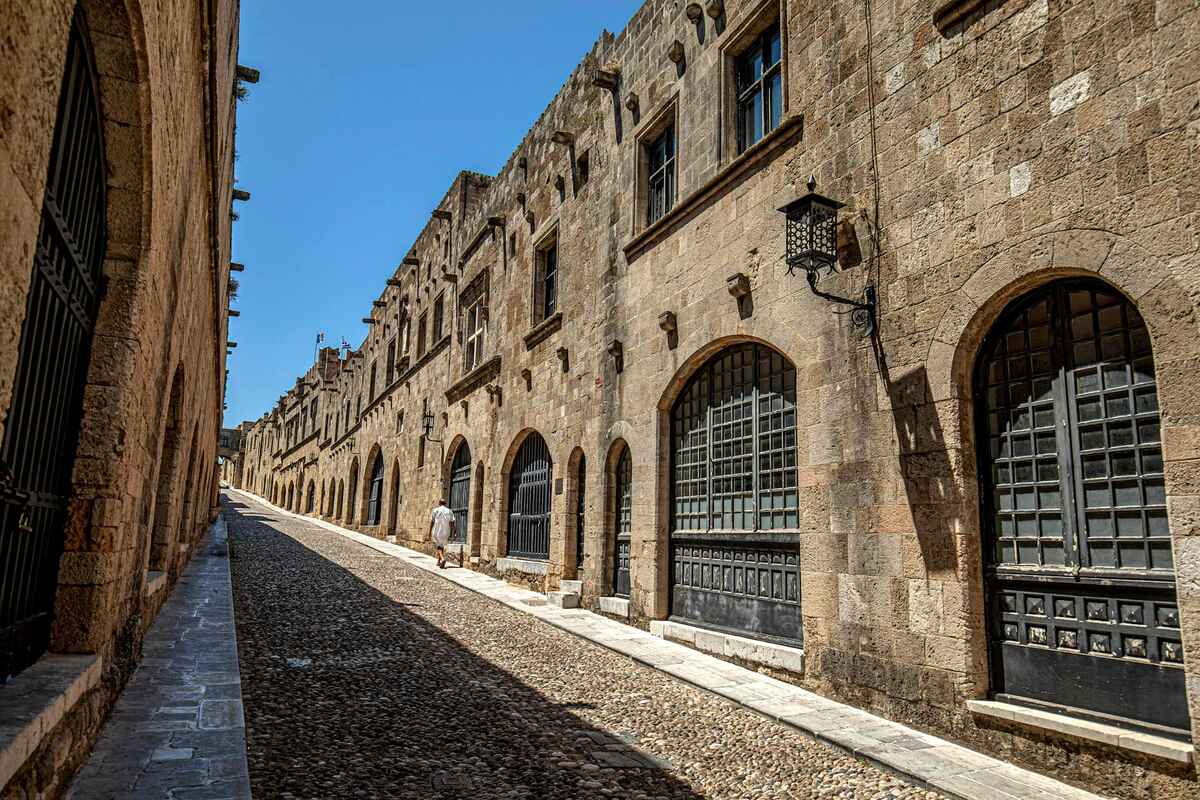
The Old Town of Rhodes demands more than a casual afternoon. Enclosed within four kilometers of double walls, this UNESCO World Heritage site contains over 200 streets, many unnamed, arranged in a deliberate labyrinth designed to confuse invaders. Getting deliberately lost here isn’t a mistake—it’s the recommended approach.
Enter through the Liberty Gate near the harbor, where cruise passengers swarm, but quickly divert into the residential backstreets.
The Collachio (Upper Town) preserves the Knights’ quarter with remarkable fidelity: the Street of the Knights, the Grand Master’s Palace (rebuilt by the Italians in the 1930s), and the Hospital of the Knights now housing the Archaeological Museum.
These monuments display a fascinating hybrid of Gothic and Ottoman elements, reflecting the island’s successive rulers.
The Bourgo (Lower Town) offers more intimate discoveries. Here, Ottoman mosques with slender minarets stand beside Byzantine churches converted to museums, and Jewish synagogues remember the Sephardic community that flourished until World War II.
The Kahal Shalom Synagogue, dating to 1577, contains a small museum documenting this nearly vanished heritage.
Evening transforms the Old Town entirely. As day-trippers depart, locals emerge for their volta—the traditional evening promenade.
Tavernas in hidden squares serve meze until midnight, and the floodlit walls create an atmosphere that no daytime visit can replicate. Consider staying within the walls for at least two nights; several small hotels and guesthouses offer this immersive possibility.
What Are the Must-See Ancient Sites Beyond the Walls?
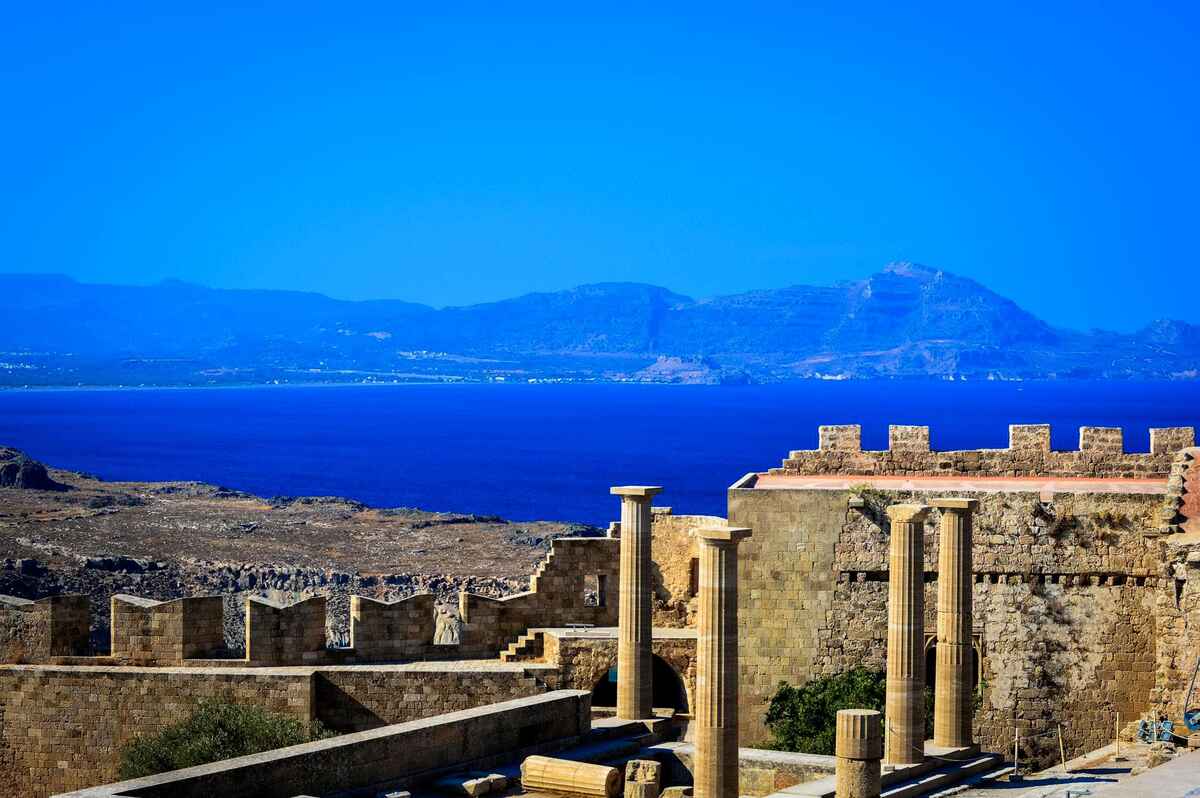
Rhodes was a major power in the ancient Greek world, and its archaeological legacy extends far beyond the medieval city. The Acropolis of Lindos, perched dramatically above a fishing village on the east coast, ranks among Greece’s most photogenic ancient sites.
The climb up 116 steps rewards you with a 4th-century BC temple to Athena Lindia, a Hellenistic stoa, and views that stretch to the Turkish coast on clear days. Arrive before 9 AM to experience the site’s spiritual atmosphere before the tour buses arrive.
The ancient city of Kamiros, on the northwest coast, offers something entirely different. Unlike the reconstructed grandeur of Lindos, Kamiros presents an excavated residential quarter where you can trace the grid plan of streets, peer into ancient cisterns, and imagine daily life in a Dorian city-state.
The setting—overlooking the sea with the Akramitis mountain behind—adds melancholic beauty to the archaeological experience.
The Acropolis of Rhodes, ironically located in modern Rhodes Town, receives fewer visitors despite its significance.
Here, fragments of the Temple of Apollo and an ancient stadium survive, but the real draw is the panoramic view across the harbor to Turkey. French and Italian archaeological teams continue working here, and you may observe ongoing excavations depending on the season.
Less celebrated but equally evocative, the Tomb of Kleoboulos near Lindos and the scattered ruins of Ialysos on Filerimos hill complete the picture of Rhodes’ classical importance. These sites require more effort to reach but reward the curious traveler with solitude and connection to the island’s deeper past.
Beaches and Coastal Experiences Worth Seeking Out
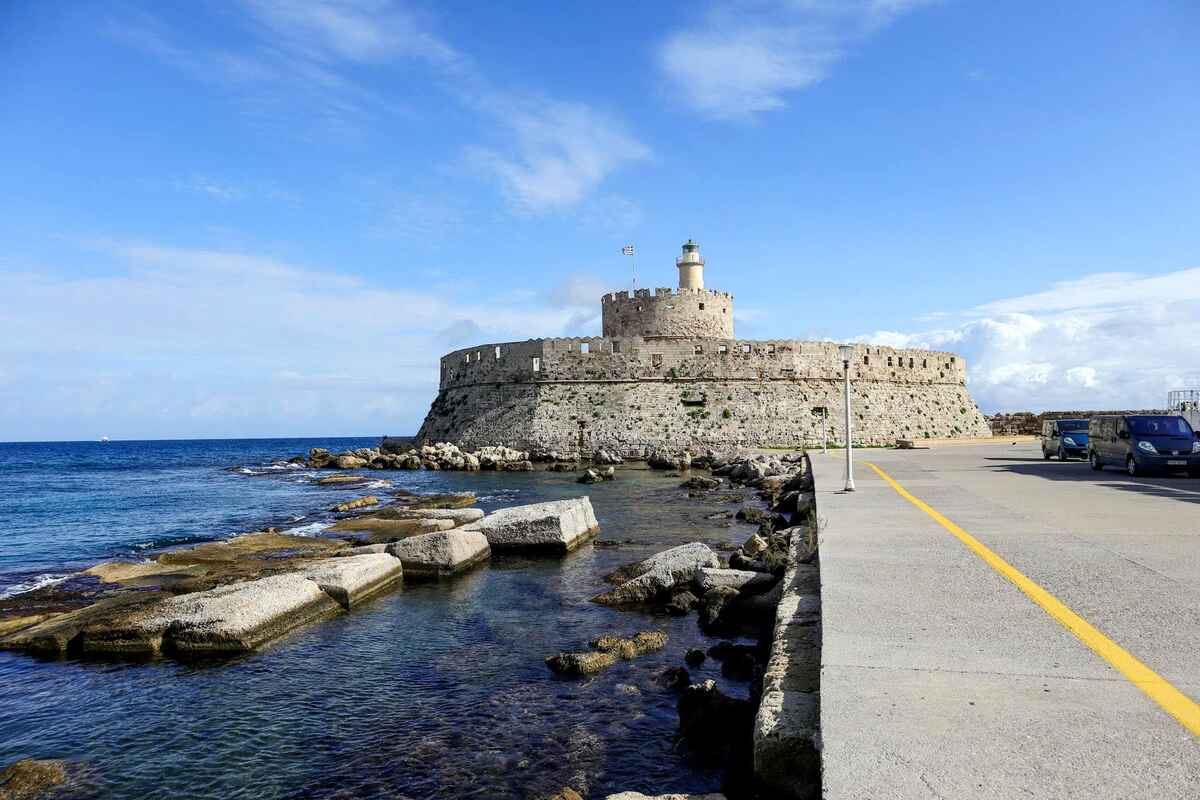
Rhodes possesses over 220 kilometers of coastline, and the character shifts dramatically from north to south. Understanding these variations helps you choose beaches aligned with your preferences rather than defaulting to whatever your hotel recommends.
The east coast, facing Turkey, delivers the calmest waters and the classic Aegean beach experience. Anthony Quinn Bay, named for the actor who filmed “The Guns of Navarone” here, nestles between rocky headlands with excellent snorkeling.
Further south, Tsambika Beach offers two kilometers of fine sand backed by a dramatic monastery-topped crag. The climb to Panagia Tsambika (300 steps) is traditionally undertaken by women seeking fertility—a fascinating cultural layer to an already beautiful location.
The west coast faces the open Mediterranean and receives stronger winds, making it ideal for windsurfing and kitesurfing.
Prasonisi, at the island’s southern tip, becomes a peninsula in summer when sandbars connect it to the mainland, creating two beaches with entirely different conditions—calm on one side, waves suitable for international competitions on the other.
For genuine seclusion, the small coves between Lindos and Plimmiri require effort to reach but reward you with crystalline water and absolute quiet.
Boat trips from Rhodes Town or Lindos can access otherwise unreachable beaches, including the stunning St. Paul’s Bay where the apostle supposedly landed. These excursions typically include swimming stops and lunch at waterfront tavernas inaccessible by road.
Mountain Villages and the Interior Landscape
Too many visitors never venture into Rhodes’ mountainous interior, missing the island’s most authentic cultural experiences.
The road from Rhodes Town to Embonas climbs through pine forests and past abandoned Italian agricultural estates, eventually reaching a village that produces some of Greece’s most interesting wines.
Embonas sits at 450 meters elevation, surrounded by vineyards cultivated on terraced slopes since antiquity. The local grape varieties—Athiri, Amorgiano, and the increasingly celebrated Mandilaria—thrive in the mineral-rich volcanic soils.
Several family wineries offer tastings without the pretension of more famous Greek wine regions; the Zacharioudakis and Alexandris estates particularly welcome interested visitors. The village itself remains resolutely working-class, with elderly men playing backgammon in kafeneia that haven’t changed in decades.
Siana, further south, centers on honey production and souma, a potent grape distillate similar to tsipouro.
The Church of Saint Panteleimon contains remarkable frescoes, and the surrounding hills explode with wild herbs in spring—sage, thyme, and oregano that flavor everything local kitchens produce.
Atop Profitis Ilias, the island’s second-highest peak at 798 meters, stand two Italian-era hotels built during Mussolini’s occupation.
The Elafos and Elafina lodges, constructed in alpine chalet style incongruous to their Mediterranean setting, now operate as atmospheric accommodations for hikers exploring the network of trails radiating across the mountain. The cool temperatures here—often ten degrees below the coast—provide welcome summer relief.
Why Is Rhodes Cuisine Distinct from Mainland Greek Food?
Rhodes developed culinary traditions shaped by isolation, conquest, and remarkable agricultural diversity. The island’s cuisine diverges from mainland Greek standards in fascinating ways that reward attentive eating.
The Ottoman occupation left the strongest imprint. Melekouni, a sesame-and-honey confection flavored with orange zest and spices, appears at every wedding and baptism—a direct descendant of Turkish halva traditions.
Pitaroudia, chickpea fritters with mint and tomato, reflect Sephardic Jewish influences that disappeared from most of Greece after World War II. The local version of moussaka substitutes zucchini for eggplant and adds cinnamon to the meat sauce, creating something lighter and more aromatic than the Athenian standard.
Seafood dominates coastal taverna menus, but the preparations differ from typical Greek practice. Grilled octopus arrives more tender here, often marinated in local red wine vinegar before cooking.
Small fish like maridaki and barbounia are simply floured and flash-fried, served with nothing more than lemon wedges and the view across the water.
The island’s agricultural bounty extends to exceptional produce. The village of Apollona produces distinctive goat cheese aged in wine must. The citrus groves of Kremasti yield thick-skinned oranges with intense fragrance.
And everywhere, the wild greens known as horta—stamnagathi, vlita, and dozens of hyper-local varieties—appear simply boiled and dressed with olive oil and lemon, their bitter complexity cutting through richer dishes.
Practical Tips for a Smooth Rhodes Experience
Smart preparation prevents common frustrations that can diminish your Rhodes experience. These recommendations come from repeated visits and conversations with longtime residents.
Water scarcity shapes island life more than most tourists recognize. Rhodes receives minimal rainfall, and the groundwater is often brackish. Hotels may restrict laundry service, and you should never waste drinking water.
Carry a refillable bottle and use the public fountains in Rhodes Town’s Platia Rimini—the water there comes from mountain springs and stays remarkably cold.
Cash remains essential despite Greece’s post-crisis digitalization. Many village tavernas, particularly in the interior, don’t accept cards. ATMs in Rhodes Town and Lindos function reliably, but carry sufficient cash for remote excursions.
Tipping follows Greek norms—round up for coffee, leave 5–10% for restaurant meals, nothing expected for taxis beyond rounding to the nearest euro.
Sun protection requires serious attention. The Aegean sun reflects off water and pale stone with an intensifying effect.
Dermatologists here treat alarming numbers of tourists with second-degree burns. Apply SPF 50+ before 10 AM, reapply after swimming, and seek shade during midday hours. A wide-brimmed hat serves you better than any baseball cap.
Finally, respect the siesta tradition. Many shops and services close between 2 and 5 PM, reopening until evening. Plan accordingly, and use these hours for beach time or hotel rest rather than frustrated attempts to conduct business.
Where Should You Base Yourself on Rhodes?
Your accommodation location fundamentally shapes what you’ll experience. Rhodes offers distinct zones, each with genuine advantages depending on your priorities.
Rhodes Town provides the most comprehensive base. The New Town offers better value and parking accessibility, while staying within the Old Town walls delivers unmatched atmosphere—though luggage transport over cobblestones requires planning.
From here, you can access the northern beaches, ancient sites, and excellent restaurants without daily relocation. The trade-off is summer crowds and limited beach access within walking distance.
Lindos attracts those seeking the iconic white-village-plus-acropolis aesthetic. The pedestrian-only core preserves its character, but this comes with practical challenges—no vehicle access means porters carry luggage on donkeys (arrange in advance).
Lindos works beautifully for beach-focused vacations with occasional cultural excursions, less well for comprehensive island exploration.
The west coast villages—Kritinia, Monolithos, Siana—offer authentic rural experiences with dramatic sunset views.
Accommodation options are limited but increasingly include restored stone houses available through specialized rental agencies. These locations suit travelers prioritizing tranquility, hiking, and culinary exploration over beach convenience.
Faliraki and Ixia cater to package tourism with large resorts and organized entertainment. They’re efficient for families wanting predictable facilities but offer little of the Rhodes that makes the island special. Consider them only if resort amenities outweigh exploration in your priorities.
Day Trips and Island Excursions from Rhodes
Rhodes’ position makes it an excellent hub for exploring smaller Dodecanese islands and the nearby Turkish coast. These excursions add dimension to longer stays without requiring complex logistics.
Symi, just an hour by hydrofoil, presents one of Greece’s most beautiful harbor towns. The neoclassical mansions climbing Gialos harbor were built by 19th-century sponge merchants, and their faded elegance creates an atmosphere unlike anywhere else in the islands.
Day trips allow time for the monastery at Panormitis and swimming in the island’s rocky coves, though staying overnight reveals Symi’s deeper rhythms after the excursion boats depart.
Halki, smaller still, operates at an even slower tempo. The single village, Nimporio, wraps around a harbor where fishermen mend nets in the shade of tamarisk trees. There’s little to do here beyond swim, read, and eat exceptionally fresh seafood—precisely the point for stressed urban visitors.
The Turkish port of Marmaris operates daily ferry connections from Rhodes Town, allowing legal border crossings for shopping, hammam experiences, or simply the frisson of stepping onto another continent for lunch. Visa requirements vary by nationality; check current regulations before planning this excursion.
Closer to Rhodes itself, the uninhabited islet of Alimia, near Halki, offers pristine beaches and the submerged remains of a World War II Italian seaplane base visible to snorkelers. Local boat operators from Rhodes Town or Lindos can arrange these trips with sufficient advance notice.
Understanding Rhodes’ Complex Cultural Heritage
Appreciating Rhodes requires acknowledging its contested history without simplifying it into tourist-friendly narratives. The island’s identity has been forged through successive occupations, each leaving marks that residents navigate daily.
The Knights Hospitaller period (1309–1522) receives the most promotional attention, and the medieval architecture genuinely impresses.
Yet this was also a period of rigid social stratification, with Greek Orthodox inhabitants relegated to second-class status. The knights’ legacy is visually magnificent but socially complicated—a tension that scholarly historians continue to debate.
Ottoman rule (1522–1912) transformed Rhodes more profoundly than most acknowledge. The Islamic architectural elements, the Sephardic Jewish community’s flourishing, the agricultural innovations—all shaped contemporary island life.
Turkish place names persist in villages, and elderly residents still remember grandparents who spoke Turkish at home. This heritage receives less tourist attention, partly because it doesn’t fit the “European Rhodes” marketing narrative.
The Italian occupation (1912–1943) brought infrastructure development alongside fascist ideology. Mussolini’s architects imposed their vision of Mediterranean grandeur, sometimes demolishing Ottoman structures to do so.
The De Vecchi monument in Rhodes Town—now officially renamed—embodies these contradictions. Contemporary Rhodians navigate this legacy pragmatically, using Italian-built hospitals and roads while critiquing the colonial intentions behind them.
Engaging this complexity enriches your visit beyond postcard appreciation. Ask questions, read beyond guidebooks, and recognize that the “authentic” Rhodes contains multitudes.
Sustainable Travel Practices for Responsible Visitors
Rhodes faces genuine environmental pressures that thoughtful travelers can help mitigate. Water scarcity, overtourism in concentrated areas, and marine ecosystem degradation require conscious choices.
Accommodation selection matters significantly. Properties with solar water heating, wastewater treatment, and local food sourcing reduce environmental impact while often providing superior experiences.
The Ef Zin Villas near Archangelos and the Elakati Hotel in Rhodes Town demonstrate that sustainability and luxury aren’t mutually exclusive. Ask direct questions about environmental practices before booking—genuine commitment shows in specific answers, not vague “eco” labeling.
Water conservation should become habitual. Take shorter showers, reuse towels, and never leave taps running.
The groundwater depletion affecting Rhodes’ agriculture connects directly to tourist consumption patterns. Similarly, avoid single-use plastics; Greece has implemented bans, but enforcement remains inconsistent, and island waste management struggles with volume.
Marine protection requires particular attention. The Mediterranean monk seal, one of the world’s most endangered mammals, occasionally visits Rhodes’ more remote coves.
Never approach seals or sea turtles you might encounter; disturbance during resting or nesting can prove fatal. Anchor damage destroys Posidonia seagrass meadows that stabilize coastlines and shelter juvenile fish. Choose boat operators who use mooring buoys rather than dropping anchor in sensitive areas.
Supporting local economies directly—buying honey from village producers, dining at family tavernas, hiring local guides—distributes tourism benefits more equitably than all-inclusive packages that repatriate profits.
Conclusion
Rhodes refuses reduction to any single identity. It is simultaneously a medieval fortress, a sun-seeker’s paradise, a hiker’s challenge, and a gastronome’s discovery.
The island rewards those who approach with curiosity rather than checklist efficiency, who linger in village squares for second coffees, who climb extra steps for views unphotographed by crowds.
This travel guide to Rhodes Greece has mapped the practical terrain—when to visit, where to stay, what to eat, how to move.
But the essential Rhodes experience emerges from between these recommendations, in the unplanned conversations, the wrong turns that reveal hidden chapels, the evenings when sunset stretches across the Aegean and time seems to pause. The island has witnessed empires rise and dissolve; it has little patience for hurried tourism.
Come prepared, but remain open to being changed by what you encounter. Rhodes has been transforming visitors for three thousand years. There’s no reason you should be the exception.
FAQ
How many days do I need to properly explore Rhodes?
Plan for at least seven days to experience Rhodes beyond surface-level tourism. This allows time for the Old Town, Lindos, mountain villages, and several beaches without rushing. Ten to fourteen days lets you incorporate day trips to smaller islands and deeper cultural immersion.
Is Rhodes expensive compared to other Greek islands?
Rhodes offers excellent value relative to Mykonos or Santorini. Accommodation and dining in Rhodes Town and villages cost significantly less than celebrity islands, though Lindos and Faliraki command premium prices in peak season. Traveling in shoulder season stretches budgets further.
Can I visit Rhodes as a day trip from another island?
Day trips from Kos or Symi are possible but don’t do Rhodes justice. The island’s scale and diversity demand dedicated time. Cruise ship passengers who see only the Old Town’s commercial streets miss entirely what makes Rhodes remarkable.
Do I need a car on Rhodes?
A car isn’t essential but strongly recommended for exploring beyond main tourist routes. Public buses connect major destinations, but reaching mountain villages, remote beaches, and archaeological sites like Kamiros requires private transport. Scooters suit confident riders; standard cars handle mountain roads more safely.
Is Rhodes suitable for families with young children?
Rhodes excels for family travel, with calm east-coast beaches, shallow water entry points, and historical sites that engage children when presented appropriately. The Butterfly Valley and aquarium in Rhodes Town specifically appeal to younger visitors. Avoid the intense summer heat with very young children.
What should I pack for a Rhodes vacation?
Pack sturdy walking shoes for cobblestones and archaeological sites, modest clothing for monastery and church visits, serious sun protection, and layers for mountain excursions where temperatures drop significantly. Swim shoes help on rocky beaches.
Are credit cards widely accepted throughout Rhodes?
Major tourist areas and hotels accept cards reliably, but village tavernas, small shops, and some archaeological site entrances operate cash-only. Carry euros sufficient for daily expenses, especially when exploring rural areas. ATMs are plentiful in Rhodes Town and Lindos.
Can I swim comfortably in Rhodes outside summer months?
Sea temperatures remain swimmable from late May through early October, with September often ideal—warm water, fewer crowds. April and November swims appeal to the hardy; wetsuits help extend the season for dedicated open-water swimmers.
What languages are spoken on Rhodes?
Greek is official, but English prevails in tourism infrastructure. Italian remains surprisingly present among older generations from the occupation period. German is widely spoken in resorts catering to that market. Learning basic Greek greetings earns genuine appreciation.
Is Rhodes safe for solo travelers?
Rhodes ranks among Greece’s safest destinations for solo travelers of all genders. Violent crime is rare, and the island’s scale means you’re rarely truly isolated. Standard precautions against pickpockets in crowded Old Town areas apply. Solo dining is completely normal and comfortable.

Author: Horeca Health
Horeca Health











Leave a Reply