Visit Iceland: Introduction
Visit Iceland: Iceland sits at the edge of the Arctic Circle like a promise kept by fire and ice. When you visit Iceland, you step into a landscape that feels borrowed from another planet—one where glaciers grind against volcanic ridges, where geysers erupt on schedule, and where the northern lights dance across skies so dark they seem infinite.
This complete travel guide is built for first-time explorers who want more than postcard snapshots.
Whether you’re drawn by the thundering waterfalls of the south coast, the remote fjords of the Westfjords, or the geothermal lagoons that have become synonymous with Icelandic relaxation, preparation transforms a good trip into an extraordinary one.
We’ll cover everything from seasonal weather patterns and strategic packing to road safety on the Ring Road and the cultural nuances that help travelers connect meaningfully with this remarkable island nation.
What Is the Best Time to Visit Iceland?
The best time to visit Iceland depends entirely on what you want to experience. Summer brings the midnight sun, with nearly 24 hours of daylight from late May through July, making it ideal for extensive hiking, camping, and exploring the Highlands.
Temperatures hover between 10°C and 15°C (50–59°F), which feels remarkably pleasant given the latitude.
Winter, stretching from November through March, delivers the polar opposite: brief, precious daylight hours but the highest probability of aurora borealis sightings.
The trade-off is real—fewer accessible roads, more challenging driving conditions, and some attractions closed entirely. Yet the snow-draped landscapes and ice caves accessible only in colder months create experiences impossible to replicate in summer.
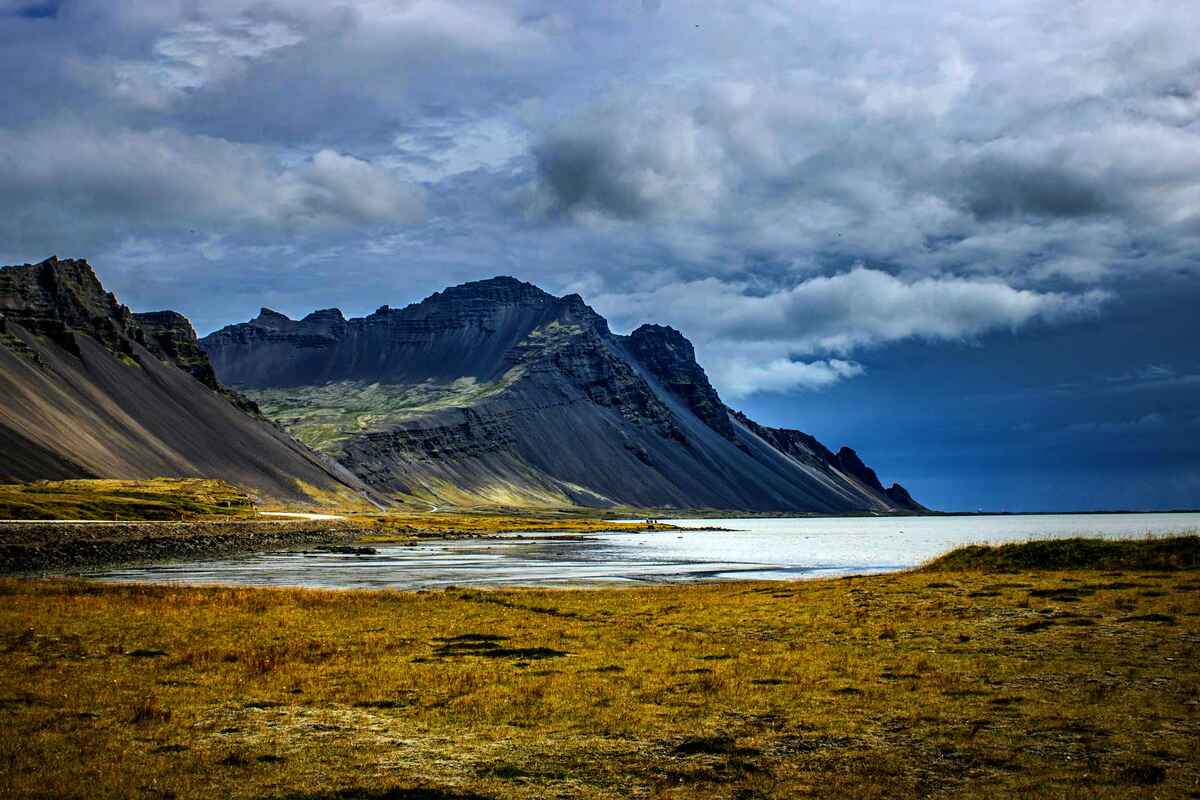
Shoulder seasons—April to May and September to October—offer compelling middle ground. You’ll find thinner crowds, moderate prices, and decent chances of catching both lingering northern lights and accessible Highland roads. September particularly shines for photographers seeking autumn colors against volcanic backdrops.
Consider your priorities carefully. If the northern lights top your list, commit to winter despite the hardships. If flexibility and comprehensive exploration matter more, summer’s extended daylight wins decisively.
Essential Packing List for Icelandic Conditions
Icelandic weather doesn’t merely change; it performs. A morning of brilliant sunshine can dissolve into horizontal rain by afternoon, then settle into fog so thick you’ll struggle to see the car ahead. Layering isn’t advice here—it’s survival strategy.
Start with a moisture-wicking base layer, preferably merino wool or high-quality synthetic. Add a warm mid-layer, typically fleece or lightweight down.
Your outer shell must be genuinely waterproof, not water-resistant, with sealed seams and a hood that actually stays put in wind. Many first-time visitors discover too late that their “waterproof” jacket fails the Icelandic test.
Footwear demands equal attention. Waterproof hiking boots with aggressive tread handle everything from glacier walks to slick boardwalks around geysers.
Pack wool socks—multiple pairs—and consider neoprene boot covers for serious waterfall proximity. Don’t forget swimwear for those geothermal pools; they’re non-negotiable regardless of season.
Accessories complete the system: touchscreen-compatible gloves, a buff or neck gaiter, UV-blocking sunglasses (glacier reflection is intense), and a headlamp with red-light mode for aurora photography without ruining night vision.
How Much Should You Budget for an Iceland Trip?
Iceland ranks among Europe’s most expensive destinations, but strategic planning prevents budget shock. Expect daily costs of $250–400 per person for mid-range travel, excluding international flights. This covers accommodation, meals, rental vehicle, fuel, and attraction fees.
Accommodation represents the largest variable. Guesthouses and farm stays outside Reykjavik offer authenticity at $120–180 nightly.
Hostel dorm beds run $50–70, while design hotels in the capital can exceed $400. Camping—permitted nearly everywhere with proper equipment—slashes this dramatically, though summer-only access limits flexibility.
Food costs surprise many visitors. Restaurant mains typically start at $35–45, with breakfast often $20–25. The supermarket chain Bonus becomes your ally; self-catering drops meal costs to roughly $15–20 daily. The famous hot dog stands deliver genuine value at under $5, and they’re genuinely good.
Vehicle rental varies enormously by season and capability. A compact car suffices for summer Ring Road travel at $60–100 daily. Winter demands four-wheel drive with studded tires, jumping to $150–250. The F-roads into the Highlands require specifically permitted vehicles, adding another tier entirely.
Navigating the Ring Road and Beyond
Route 1, Iceland’s Ring Road, circumnavigates the island in 1,332 kilometers of mostly paved, generally well-maintained highway.
For first-time visitors, this circuit delivers extraordinary density of iconic landscapes—waterfalls, glaciers, black sand beaches, and volcanic fields—without requiring specialized vehicles or remote navigation skills.
The classic Ring Road itinerary spans 7–10 days, allowing reasonable pacing with 2–3 hours of driving daily.
Rushing it in five days means marathon drives and missed detours. The Diamond Circle in the north and the Snæfellsnes Peninsula west of Reykjavik reward extensions; both contain attractions rivaling anything on the main circuit.
F-roads—mountain roads designated with an F prefix—demand specific preparation. These unpaved tracks cross rivers, navigate lava fields, and reach Iceland’s most dramatic interior landscapes.
River crossings destroy vehicles annually; never attempt without experience, proper clearance, and current conditions verified at road.is. Rental insurance specifically excludes most F-road damage.
Gas stations thin dramatically outside population centers. Fill at every opportunity, especially heading north or east from Reykjavik. The N1 chain operates most reliably, with some open 24 hours. Download offline maps; cellular coverage disappears precisely when you need navigation most.
Must-See Natural Wonders and Landscapes
Iceland’s geological youth manifests in raw, unfiltered spectacle. The Golden Circle—Þingvellir National Park, Geysir geothermal area, and Gullfoss waterfall—serves as the classic introduction, manageable as a day trip from Reykjavik yet deserving deeper exploration.
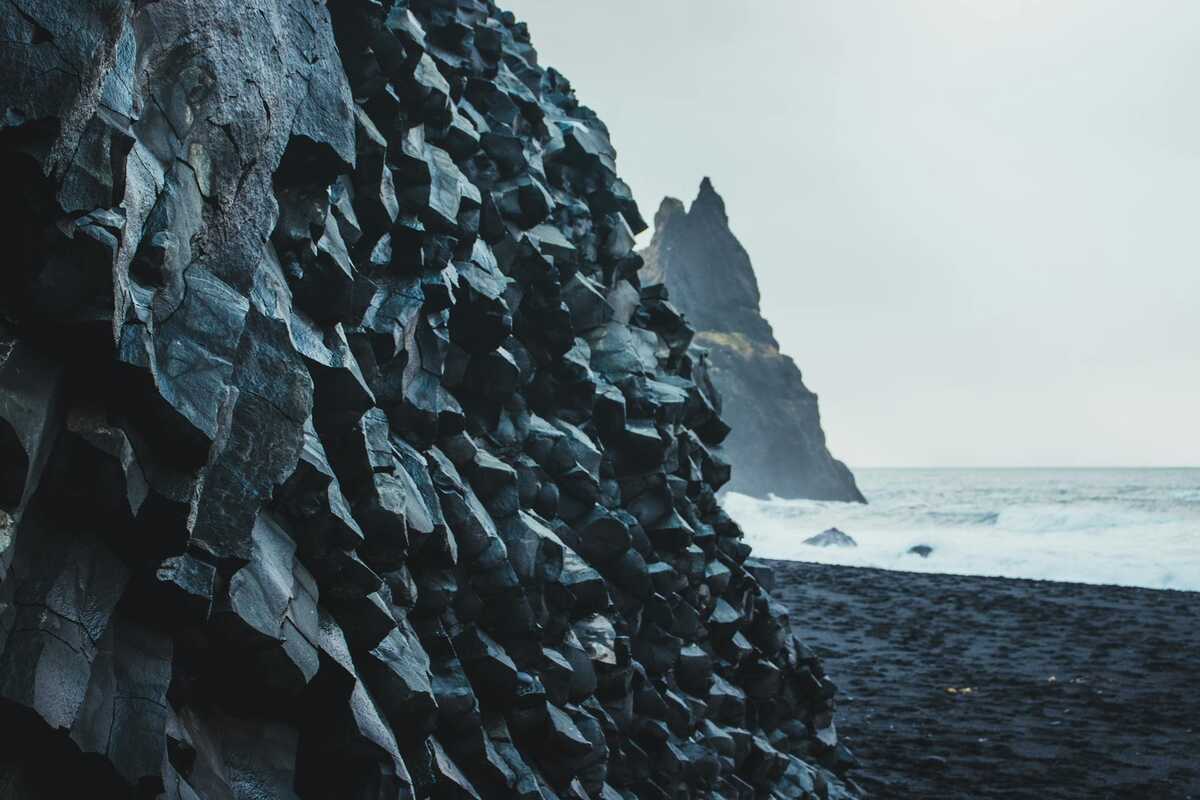
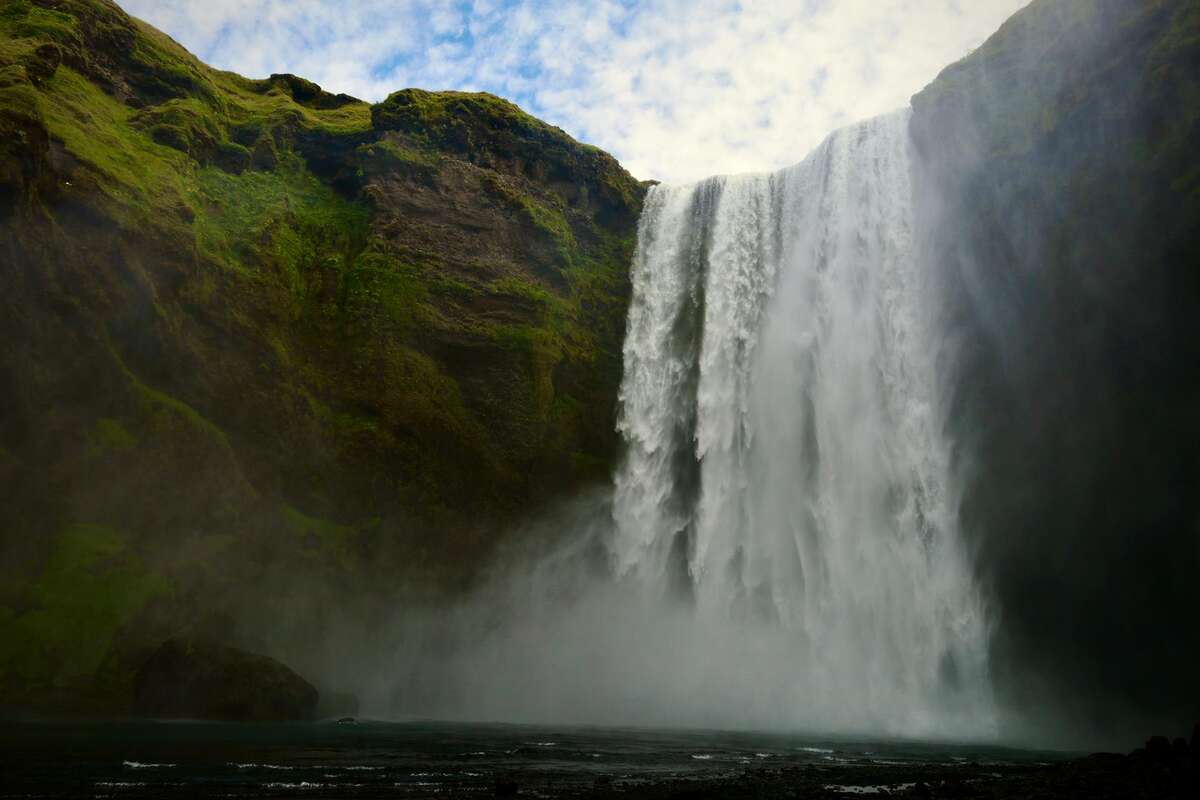
The south coast escalates the drama. Seljalandsfoss and Skógafoss waterfalls plunge from former sea cliffs, while Reynisfjara black sand beach presents basalt columns and violent surf that demands respectful distance. Further east, Jökulsárlón glacier lagoon calves icebergs into a tidal lake where seals surface among blue ice sculptures.
The north offers different character. Mývatn’s pseudocraters and geothermal fields feel almost Martian, while Dettifoss—Europe’s most powerful waterfall—unleashes 193 cubic meters of water per second into a canyon of basalt.
The Westfjords, Iceland’s least populated region, contain Hornstrandir’s pristine wilderness and Dynjandi’s bridal-veil cascade, accessible only by determined travelers.
| Region | Signature Attraction | Best Season | Access Requirements |
|---|---|---|---|
| South Coast | Jökulsárlón Glacier Lagoon | Year-round | Standard vehicle |
| North Iceland | Mývatn Geothermal Area | Year-round | Standard vehicle |
| Westfjords | Dynjandi Waterfall | June–September | Standard vehicle, gravel roads |
| Highlands | Landmannalaugar | June–September | 4WD on F-roads only |
| Snæfellsnes | Kirkjufell Mountain | Year-round | Standard vehicle |
Chasing the Northern Lights: When and Where?
The aurora borealis transforms an already extraordinary destination into something transcendent. Solar wind interacting with Earth’s magnetosphere produces curtains of green, sometimes rippling into purple and red, visible across Iceland’s dark skies from September through mid-April.
Success requires three converging factors: solar activity, clear skies, and darkness. The first remains unpredictable despite improving forecasts; the Icelandic Met Office’s aurora predictions provide 30-minute outlooks.
Cloud cover proves more controllable—monitor vedur.is and position yourself in predicted clear patches, even if it means midnight relocation.
Light pollution sabotages otherwise perfect conditions. Reykjavik’s glow extends surprisingly far; serious aurora hunters drive 30–60 minutes from the capital. The Reykjanes Peninsula, Þingvellir, and the south coast near Vík offer accessible dark skies with infrastructure nearby for warmth retreats.
Photography demands patience and preparation. A sturdy tripod is essential; exposures run 5–15 seconds. Manual focus on distant stars, ISO 1600–3200, and aperture wide open capture the most detail. But don’t spend the entire display behind a camera—the memory of standing beneath swirling light often outlasts any image.
Geothermal Pools and Hot Springs Etiquette
Iceland’s geothermal abundance creates bathing culture unlike anywhere else. The Blue Lagoon, despite its fame and corresponding crowds, delivers genuinely remarkable experience—the milky silica water, the steam rising against black lava, the in-water bar. Book well ahead; capacity controls mean walk-ins rarely succeed.
Lesser-known alternatives reward the curious. Sky Lagoon near Reykjavik offers infinity-edge design with ocean views.
The Secret Lagoon in Flúðir provides historic authenticity—Iceland’s oldest swimming pool, still naturally heated. Myvatn Nature Baths replicate the Blue Lagoon’s appeal with fraction of the visitors and lower prices.
Wild hot springs scatter the landscape, from developed pools with changing facilities to undeveloped sources requiring backcountry hiking. Research current conditions; geothermal features change, and some beloved pools have closed due to temperature shifts or landowner decisions.
Universal rules govern all Icelandic bathing. Shower thoroughly without swimsuit before entering—this is non-negotiable hygiene, not suggestion.
Silence generally prevails; these are contemplative spaces. Never enter under influence of alcohol. Respect capacity limits and opening hours, which vary seasonally. The cultural significance of these pools runs deep; approach with appropriate reverence.
What Should You Know About Icelandic Culture and Customs?
Icelandic culture reflects centuries of isolation, harsh environment, and literary tradition. The medieval sagas—prose histories of Viking-Age families—remain actively studied and referenced, with many Icelanders able to trace ancestry to saga figures.
This connection to narrative history creates a people who value storytelling, directness, and understated humor.
Social interaction follows Nordic patterns: reserved initially, genuinely warm once connection establishes. Icelanders don’t perform friendliness for strangers; this isn’t coldness but authenticity.
English fluency is nearly universal, yet attempting basic Icelandic phrases—”takk” for thanks, “góðan daginn” for good day—generates appreciative responses.
The Þorrablót midwinter festival and Sumardargurinn fyrsti (First Day of Summer) mark cultural calendar points, though visitors rarely encounter these. More relevant: respect for nature isn’t performative environmentalism but lived necessity. Stay on marked paths; Iceland’s moss and volcanic soil recover excruciatingly slowly from damage.
Swimming pool culture serves as genuine social infrastructure. Locals visit daily, discussing politics and community news in hot pots. Joining this ritual offers more authentic cultural access than any organized tour—provided you observe the pre-swim showering protocol scrupulously.
Wildlife Encounters and Responsible Observation
Iceland’s wildlife doesn’t match African savannas in diversity, but what exists proves extraordinary in context.
Atlantic puffins nest on coastal cliffs from May through August, with Látrabjarg in the Westfjords and Dyrhólaey on the south coast offering world-class viewing. These comical birds tolerate remarkably close approach, but maintain respectful distance to avoid colony disturbance.
Arctic foxes, Iceland’s only native land mammal, inhabit remote regions including Hornstrandir, where they’ve grown habituated to human presence.
Whale watching operates from Húsavík, Reykjavik, and Akureyri, with humpback and minke whales most commonly sighted, occasionally orcas and blue whales. Responsible operators maintain distance guidelines; choose those certified by IceWhale or equivalent standards.
Seals populate numerous locations, particularly the Vatnsnes Peninsula and Jökulsárlón. Icelandic horses—distinct breed, not pony despite size—appear everywhere; resist feeding or approaching without invitation from owners. They’re famously friendly but deserve respect as working animals.
Reindeer, introduced from Norway in the 18th century, roam East Iceland’s highlands. Birdwatchers find rare Arctic species, particularly in the Westfjords and Grimsey island on the Arctic Circle. All wildlife observation carries responsibility: never approach nests, never feed, never chase for photographs.
Sustainable Travel Practices in a Fragile Ecosystem
Iceland’s popularity creates genuine environmental pressure. Visitor numbers multiplied sevenfold between 2010 and 2018, straining infrastructure and landscape alike. Sustainable travel isn’t optional virtue-signaling here—it’s necessary preservation of what draws travelers initially.
Transportation choices matter enormously. Domestic flights between Reykjavik and Akureyri carry heavy carbon cost; the bus network, while slower, reduces per-passenger emissions dramatically.
Electric vehicle charging infrastructure expands rapidly; consider renting electric for Ring Road circuits. Offset remaining emissions through certified programs, preferably Icelandic ones like Kolviður.
Accommodation selection influences impact significantly. Certified sustainable lodgings—look for Vakinn environmental labels—implement waste reduction, renewable energy, and water conservation. The national park system relies on visitor fees for maintenance; pay willingly.
Camp only in designated areas; wild camping, while legally permitted in some circumstances, damages increasingly stressed landscapes.
Consumption patterns complete the picture. Avoid bottled water—Iceland’s tap water is exceptionally pure, often better than filtered alternatives. Choose local food products, reducing import emissions while supporting Icelandic agriculture.
Purchase souvenirs from verified local artisans rather than mass-produced imports. Each decision compounds, for better or worse.
Safety Considerations Every Traveler Must Understand
Iceland’s wilderness is not benign. The same landscapes that photograph beautifully can kill the unprepared.
Weather changes with lethal speed; the phrase “if you don’t like the weather, wait five minutes” understates the danger. Check safetravel.is daily, register your itinerary, and heed warnings absolutely.
Glacier travel requires specific competence. Crevasses hide beneath deceptively solid-looking snow bridges.
Never walk on glaciers without proper equipment and experienced guidance—guided walks on Sólheimajökull or Svínafellsjökull offer accessible introduction. Similarly, volcanic zones present hazards from toxic gas to unstable terrain; respect closures around active systems.
Coastal dangers are insidious. Reynisfjara’s “sneaker waves” have swept multiple visitors to their deaths; never turn your back on the ocean there. Hot springs and geothermal areas cause severe burns annually; stay on boardwalks, test water temperature before entering, and supervise children absolutely.
River crossings in the Highlands drown vehicles and people. The rule is simple: if you cannot walk across and remain dry to mid-thigh, no vehicle should attempt it.
Current strength is deceptive; many crossings that appear manageable have proven fatal. When uncertain, wait for another vehicle to cross first, or turn back.
Reykjavik and Urban Iceland Beyond the Capital
Reykjavik anchors most Iceland itineraries, and deserves more than transit-stop treatment. The world’s northernmost capital of a sovereign state packs remarkable cultural density into compact scale.
Hallgrímskirkja’s expressionist architecture dominates the skyline; ascend the tower for orientation. Harpa Concert Hall’s geometric glass facade transforms with light and weather, housing Iceland Symphony Orchestra and opera.
The National Museum and Settlement Exhibition trace Icelandic history from Viking arrival through modern independence. Contemporary art thrives at Reykjavik
Art Museum and numerous galleries. The food scene has evolved dramatically; restaurants like Dill (New Nordic) and Bæjarins Beztu (the legendary hot dog stand) represent poles of accessible excellence.
Akureyri, “capital of the north,” offers comparable charm at smaller scale. Botanical gardens thrive at this latitude through geothermal heating; the church’s stained glass originated in Coventry Cathedral. Seyðisfjörður in the east charms with rainbow-painted road and arts community, reachable via dramatic mountain pass.
Even small settlements reward exploration. Stykkishólmur on Snæfellsnes preserves historic architecture; Ísafjörður in the Westfjords serves adventure hub. These places reveal Iceland beyond the itinerary-checklist version—living communities where tourism coexists with fishing, farming, and creative enterprise.
Practical Tips for Booking and Trip Planning
Advance booking defines successful Iceland travel. Accommodation in popular areas fills months ahead, particularly June through August and northern lights season. The same applies to sought-after restaurants, Blue Lagoon entry, and popular guided activities like glacier walks and ice cave tours.
Rental vehicle reservations should lock in early for best rates and vehicle selection. Compare carefully: some seemingly cheaper rates exclude essential insurance, gravel protection, or ash/storm damage coverage that proves necessary. Inspect vehicles thoroughly at pickup; document existing damage photographically.
The official tourism site, inspiredbyiceland.com, offers comprehensive planning resources. The AppyHour app identifies happy hour deals across Reykjavik, addressing the capital’s notorious drink prices. 112 Iceland app provides emergency contact and GPS location sharing with rescue services.
Consider travel timing strategically. Arriving mid-week often yields better accommodation availability and slightly lower prices.
Building buffer days accommodates weather delays that affect road conditions and flight schedules. Iceland doesn’t reward rigid itineraries; flexibility transforms potential frustration into unexpected discovery.
Conclusion
When you visit Iceland, you encounter a destination that resists superficial treatment. The island demands preparation, respects patience, and rewards genuine curiosity with experiences that reshape understanding of what’s possible on Earth.
From the first glimpse of steam rising from geothermal fields to the final northern lights farewell, Iceland operates on its own terms—and insists visitors adapt accordingly.
This complete travel guide provides foundation, not formula. The best Iceland journeys emerge from informed improvisation: knowing enough to stay safe and access opportunities, while remaining open to the unexpected detour, the unplanned conversation, the weather window that opens precisely when needed.
First-time explorers who balance structure with flexibility discover why return visits become almost inevitable.
Iceland isn’t merely a place to see; it’s a place to be changed by. The landscapes imprint themselves, the light alters perception, the scale of natural forces humbles in productive ways. Pack thoughtfully, drive carefully, respect the environment and its people, and allow more time than seems necessary.
The island has waited millennia for your arrival; a few extra days of exploration seems modest reciprocity for such extraordinary hospitality.
FAQ
Do I need a visa to visit Iceland?
Iceland participates in the Schengen Area. Citizens of the EU, EEA, USA, Canada, Australia, and many other countries can enter visa-free for up to 90 days within a 180-day period. Always verify current requirements with Icelandic authorities before travel, as regulations evolve.
Is it safe to drive in Iceland during winter?
Winter driving demands four-wheel drive with studded tires, experience with snow and ice conditions, and flexible itineraries. Roads close frequently due to weather; check road.is and safetravel.is continuously. If uncertain, join guided tours instead of self-driving.
Can I drink tap water in Iceland?
Icelandic tap water is exceptionally pure, sourced from natural springs and glacial runoff. It often exceeds bottled water quality. Bringing a reusable bottle reduces plastic waste and saves considerable expense compared to purchasing bottled alternatives.
What currency does Iceland use, and are credit cards accepted everywhere?
Iceland uses the Icelandic króna (ISK). Credit and debit cards are accepted virtually everywhere, including remote locations and even some rural bathrooms. Cash is rarely necessary; contactless payment dominates. Notify your bank before travel to prevent card blocks.
How long should I plan to stay for a first visit?
A minimum of 7–10 days allows comfortable Ring Road completion with key detours. Shorter visits of 4–5 days work for Reykjavik-based exploration with Golden Circle and south coast day trips. Two weeks enables Highlands access and deeper regional immersion.
Are there any dangerous animals in Iceland?
No dangerous land animals exist. Polar bears occasionally drift from Greenland on ice floes but are extremely rare and immediately addressed by authorities. The primary wildlife hazards are defensive Arctic terns protecting nests and unpredictable seals in water.
What language is spoken, and will I need to learn Icelandic?
Icelandic is the official language, but English fluency is nearly universal among those under 70. Learning basic phrases demonstrates respect and is appreciated, but comprehensive English communication is standard in tourism, hospitality, and commerce throughout the country.
Can I see the northern lights in Reykjavik?
Possible during strong activity, but light pollution significantly reduces visibility. For reliable viewing, travel 30–60 minutes outside the capital to darker locations. The aurora requires solar activity, clear skies, and darkness—three factors rarely coinciding perfectly within city limits.
Is wild camping allowed in Iceland?
Technically permitted on uncultivated land for one night with small tents, but strongly discouraged due to environmental damage. Designated campgrounds are affordable, accessible, and preserve the landscapes visitors come to experience. The ethical choice is clear.
What happens if my flight is delayed due to weather?
Keflavík International Airport occasionally closes during severe conditions. Build buffer days into itineraries, purchase comprehensive travel insurance, and maintain flexible accommodation bookings. Icelandic weather doesn’t negotiate; preparation and patience become essential travel skills.

Author: Horeca Health
Horeca Health
Leave a Reply