Dandruff: Introduction
Dandruff. Just the word can conjure up images of embarrassing white flakes dusting your shoulders, turning a simple dark shirt into a source of stress. If you’re tired of that telltale itch and the constant worry about your scalp, you are absolutely not alone.
This incredibly common condition affects nearly half of all adults, yet it remains one of the most misunderstood and mistreated cosmetic issues.
You’ve probably tried a dozen different shampoos, maybe even sworn off dark clothing, but true, long-lasting relief often feels just out of reach.
The truth is, effectively eliminating dandruff requires more than just a quick wash; it demands a real understanding of what’s happening beneath the surface. Is it simply a dry scalp, a fungal reaction, or is your stress level playing a role?
In this comprehensive guide, we’re going to pull back the curtain on persistent flaking. We will dive deep into the real science behind dandruff—uncovering the primary causes, debunking common myths, and breaking down the expert-approved strategies that actually work.
Get ready to transform your hair care routine, address your overall health, and finally achieve a calm, clear, and flake-free scalp. Let’s get started on your journey to confidence!
What exactly is dandruff and why does it appear on your scalp?
If you’ve ever dealt with those pesky white flakes on your shoulders, you’re not alone. The condition we commonly call dandruff is actually a very mild and common form of seborrheic dermatitis—a chronic, inflammatory skin condition that primarily affects the scalp.
Essentially, it’s an acceleration of the natural skin renewal process. Normally, skin cells on your scalp multiply and die in a gradual, unnoticeable cycle. However, when you have this issue, that cycle speeds up dramatically.
The dead skin cells shed in oily, large clusters, which are the visible flakes that characterize a case of dandruff. While it can be bothersome and sometimes a little embarrassing, it’s important to remember that it is not contagious and is treatable.
The root cause is often linked to a naturally occurring yeast-like fungus called Malassezia globosa. This fungus lives on most adult scalps and feeds on the sebum (natural oils) secreted by the hair follicles.
For reasons that are often genetic, hormonal, or related to environmental factors, some people’s immune systems overreact to the byproducts of this fungus. This irritation triggers the rapid turnover of skin cells, leading to flaking and an itchy scalp.
Stress, cold, dry weather, and even infrequent shampooing can also exacerbate the symptoms. Addressing this condition often involves restoring the scalp’s natural balance. It’s a common misconception that flaking is purely a sign of poor hygiene, but it is actually a complex interaction between microbiology and your body’s response.
Maintaining good overall health, including stress management and a balanced diet, can significantly influence the severity and frequency of flare-ups, demonstrating the interconnectedness of skin conditions and systemic well-being.
Can a simple lack of hygiene cause or worsen dandruff?
It’s a common myth that a person develops dandruff simply because they don’t wash their hair enough, and it’s a misconception that often carries an unnecessary social stigma. While poor hygiene doesn’t cause the underlying condition, it can certainly make it look and feel a whole lot worse.
Not washing your hair often enough allows the natural oils (sebum) and dead skin cells to accumulate on the scalp. This accumulation provides a rich feeding ground for the Malassezia fungus, which, as we discussed, is a primary driver of the flaking.
When the fungus thrives, it creates oleic acid as a byproduct, and this is what triggers the accelerated cell turnover and the visible flakes of dandruff. By skipping washes, you are essentially leaving a buffet out for the problematic microorganism, leading to a more pronounced flare-up.
Conversely, some people think that over-washing is the answer, but this can also be counterproductive. Shampooing too frequently, particularly with harsh products, can strip the scalp of its essential moisture, leading to dryness and irritation that mimics the appearance of flaking or triggers the scalp to overproduce oil in response—a classic vicious cycle.
The key, therefore, is finding a balanced, consistent washing routine that effectively manages the oil and cell buildup without stripping the scalp. It’s about optimizing your scalp’s environment, not just ‘being clean.’
For optimal hair and scalp health, dermatologists often recommend a therapeutic shampoo schedule that might involve alternating between a medicated anti-flaking product and a gentle, moisturizing one, ensuring both fungal control and proper hydration.
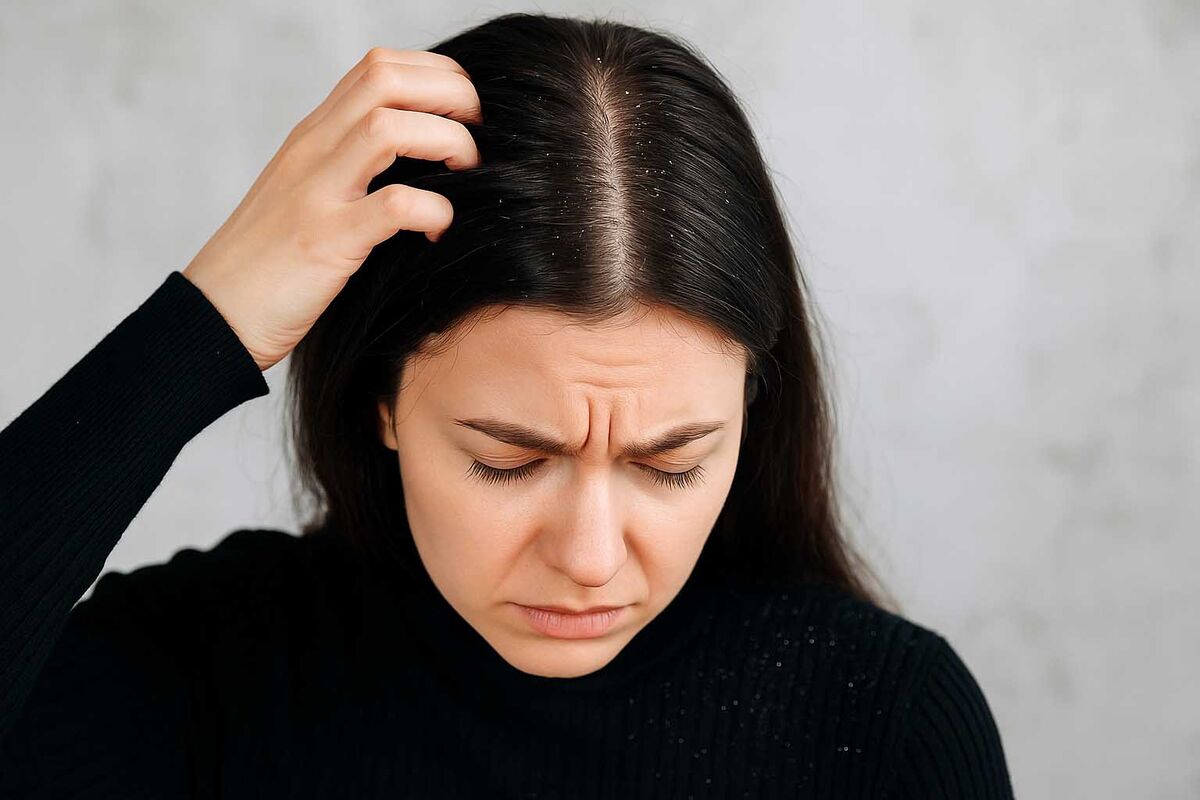
How does the scalp fungus malassezia contribute to the formation of dandruff?
The scientific community points to the yeast-like fungus Malassezia globosa as a key player in the development of dandruff. This isn’t some external contamination; Malassezia is a part of the normal microflora on the scalp of most healthy adults.
It becomes a problem when its activity triggers an inflammatory response. The fungus thrives in an oily environment, feeding on the triglycerides found in sebum, which is the natural oil produced by your sebaceous glands.
As it metabolizes these oils, it produces oleic acid. While harmless to most people, about half the population is sensitive to this oleic acid. For those sensitive individuals, the acid penetrates the top layer of the scalp skin, causing irritation and inflammation.
This irritation is the body’s cue to rapidly replace the affected skin cells. This super-accelerated cell production cycle means that skin cells clump together and shed quickly, creating the large, visible white or yellowish flakes we recognize as dandruff. It’s a classic inflammatory cascade.
The amount of sebum available, which is influenced by factors like hormones and diet, directly affects the fungus’s ability to flourish. This explains why the condition often starts or worsens around puberty when hormonal changes increase oil production.
Understanding this fungal connection is crucial because the most effective treatments, such as anti-dandruff shampoos containing active ingredients like ketoconazole or zinc pyrithione, are specifically designed to either control the population of Malassezia or slow down the rapid cell turnover.
Ultimately, managing this condition is about controlling the fungal activity and soothing the scalp’s reaction to maintain optimal skin health.
Are there any major skin conditions that are often confused with common dandruff?
Yes, absolutely. While common dandruff—medically referred to as pityriasis capitis—is usually mild and manageable, there are several other, more serious skin conditions that can present with similar flaking and itching, leading to confusion.
The most common look-alike is seborrheic dermatitis, which is essentially a more severe and inflammatory version of the flaking problem.
While common dandruff is confined to flaking and mild irritation, seborrheic dermatitis can involve redness, significant scaling, and an oily, greasy appearance on the scalp, and it can also affect other areas of the body, such as the face, chest, and back.
Another condition often mistaken for it is scalp psoriasis. Psoriasis is an autoimmune disease where skin cell turnover is extremely rapid, but its flakes are typically thick, silvery-white, and distinctively scaly, often forming well-defined patches or plaques that are usually red underneath.
Finally, an extremely dry scalp, caused by factors like harsh weather or certain hair products, can also result in fine, dry flaking. The key difference here is that dry scalp flakes are usually smaller and appear white, whereas the flakes from true seborrheic dandruff are typically larger and have an oily, yellowish tint.
If over-the-counter anti-flaking shampoos don’t provide relief after a few weeks, it’s a strong sign that you might be dealing with one of these other conditions.
Consulting a dermatologist for a proper diagnosis is vital for your overall skin health, as the treatment protocols for psoriasis or severe seborrheic dermatitis are quite different and require specialized medical attention.
How can specific dietary choices influence the severity of your dandruff?
While it’s unlikely that diet alone is the primary cause of dandruff, what you eat definitely plays a supporting role in the condition’s severity, particularly through its influence on skin oil production and inflammation.
Your skin’s condition, including your scalp, is a mirror of your internal health, and a diet high in refined sugars and certain types of saturated fats can exacerbate the problem.
These foods can spike insulin levels, which in turn can lead to increased sebum production, creating a more fertile ground for the Malassezia fungus we discussed earlier. More sebum means more food for the fungus, potentially leading to more pronounced flaking and irritation.
Conversely, a diet rich in essential nutrients can help manage and reduce the symptoms. Focus on incorporating plenty of Omega-3 fatty acids, found in oily fish like salmon, walnuts, and flaxseeds, as these are known to have powerful anti-inflammatory properties that can soothe an irritated scalp and help reduce the severity of dandruff flares.
Similarly, foods rich in zinc (like nuts and whole grains) and B vitamins (like lean meats, eggs, and leafy greens) are crucial. Zinc plays a role in regulating oil glands, while B vitamins are essential for skin cell regeneration and overall dermatological well-being.
Ensuring you are well-hydrated is also a simple yet effective step, as proper hydration supports healthy skin function from the inside out. Thinking of your diet as a component of your total wellness plan, rather than just a quick fix, is essential for maintaining a calm, flake-free scalp.
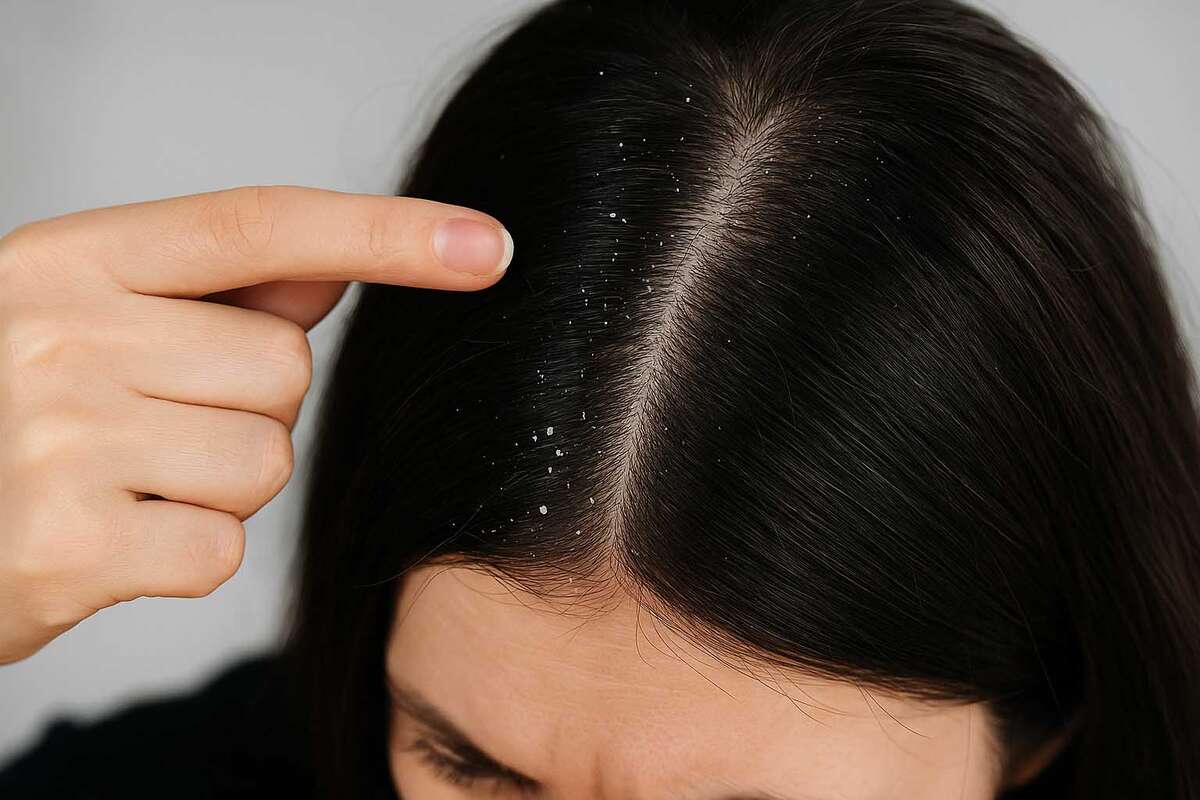
What are the most effective over-the-counter active ingredients for treating dandruff?
Navigating the anti-flaking shampoo aisle can feel overwhelming, but understanding the key active ingredients will help you find a truly effective treatment for your dandruff. These ingredients work in different ways to either control the fungal overgrowth or slow down the rapid cell turnover on the scalp.
One of the most common and effective is Zinc Pyrithione, often just called Pyrithione Zinc. This is an antifungal and antibacterial agent that works by slowing down the production of skin cells while simultaneously controlling the population of the Malassezia fungus.
Another powerhouse ingredient is Selenium Sulfide, which works similarly by both slowing the turnover of skin cells and possessing potent antifungal properties; however, it should be used carefully as it can occasionally lighten chemically-treated or colored hair.
For more stubborn cases of dandruff, products containing Ketoconazole are highly recommended. This is a broad-spectrum antifungal agent that is very effective at controlling the Malassezia yeast and is often available in higher concentrations by prescription.
Finally, Salicylic Acid and Coal Tar shampoos address the condition in a different way. Salicylic acid acts as a “scale softener,” helping to loosen and shed the existing flakes so they can be washed away, while coal tar slows down the rate at which skin cells die and flake off.
To achieve the best results, it’s often recommended to rotate between shampoos with different active ingredients. Giving your scalp the right combination of targeted treatment and general hair care is a crucial part of managing your overall health and maintaining a flake-free appearance.
Can stress and your mental state impact the flaking of your scalp?
The connection between your mind and your skin is far stronger than many people realize, and this psycho-dermatological link is clearly visible when it comes to the flaking associated with dandruff.
While stress does not directly cause the condition—remember, that’s primarily due to the Malassezia fungus—it acts as a powerful trigger and can dramatically worsen existing symptoms. When you experience high levels of stress, your body releases hormones like cortisol.
These stress hormones can impact your entire system, including your skin and scalp. Specifically, they are known to increase inflammation throughout the body and can also stimulate the sebaceous glands to produce more oil.
As we know, an increase in sebum production provides an optimal, oil-rich environment for the Malassezia fungus to thrive, which then leads to an increase in the tell-tale flaking and itching of dandruff.
Essentially, stress puts your scalp’s ecosystem out of balance. Moreover, when people are stressed, they may neglect their regular hair care routine, scratch their scalp more frequently (causing further irritation), or even experience changes in their immune function, all of which contribute to flare-ups.
Managing your mental and emotional health is, therefore, a crucial, though often overlooked, component of managing your scalp condition.
Incorporating stress-reducing practices like meditation, regular exercise, or ensuring adequate sleep can be just as beneficial as using a medicated shampoo for keeping your scalp calm and flake-free.
Why is consistent scalp management essential for long-term dandruff control?
Consistency is the single most important factor when it comes to the effective, long-term management of dandruff. This condition is often chronic and recurrent, meaning it doesn’t just disappear forever after one treatment; it requires a persistent, proactive routine to keep the symptoms at bay.
The underlying drivers—the presence of Malassezia and the scalp’s sensitivity to its byproducts—don’t simply vanish. Therefore, treatments, particularly medicated shampoos, are most effective when used regularly, as directed.
Initially, you might need to use a specialized anti-flaking shampoo several times a week to get the symptoms under control. Once the flaking subsides, a maintenance routine is vital.
This might involve scaling back to using the anti-dandruff product just once or twice a week, or alternating it with a gentle, non-medicated shampoo.
Interrupting the routine abruptly can allow the Malassezia population to rebound and the cycle of irritation and cell turnover to re-accelerate, quickly leading to a recurrence of the flakes. The goal isn’t just to treat the current flare-up, but to maintain a balanced, inhospitable environment for the fungus.
This continuous effort in scalp management supports the overall health of your hair and skin, preventing the sudden, embarrassing reappearance of visible dandruff. Think of it less as a cure and more as a continuous state of control achieved through dedication to your routine.

Are home remedies a viable solution for mild scalp flaking?
For those dealing with mild or occasional scalp flaking—a condition often synonymous with early-stage dandruff—many people turn to natural, home remedies before resorting to medicated products.
And for good reason: several household items have properties that can genuinely help soothe the scalp and manage the symptoms. Apple Cider Vinegar (ACV), for example, is a popular choice.
Its acidity is thought to help restore the scalp’s pH balance and acts as a natural clarifier to remove dead skin cells and product buildup, which can exacerbate the issue. Using a diluted ACV rinse after shampooing can be quite effective.
Tea Tree Oil is another powerful natural remedy. It has well-documented antifungal and antiseptic properties, making it excellent for targeting the Malassezia fungus that drives many cases of dandruff.
Since it is highly concentrated, it should always be diluted with a carrier oil, like coconut or jojoba, or simply added as a few drops into your regular shampoo before use.
Aloe Vera is also frequently recommended for its cooling and anti-inflammatory effects, offering immediate relief from the inevitable itching that comes with a flaky scalp.
While these remedies can provide relief and a gentle way to manage the problem, it is important to understand their limitations.
They may not be strong enough to control severe, persistent cases driven by significant inflammation or fungal overgrowth.
However, as part of a holistic approach to scalp health and used in conjunction with a generally healthy lifestyle, they are certainly a viable and gentle first-line approach for milder cases of flaking.
What role does lifestyle play in preventing and controlling a flaky scalp?
The health of your scalp is deeply interconnected with your overall lifestyle, extending far beyond the type of shampoo you use. When addressing a flaky scalp, also known as seborrheic dermatitis, shifting focus to your daily habits can make a profound difference in prevention and control.
The simple act of managing stress, for instance, is a huge factor. High stress levels can disrupt your hormonal balance, which in turn increases sebum production, creating a more welcoming environment for the yeast responsible for flaking.
Incorporating regular physical activity, ensuring adequate sleep, and practicing mindfulness techniques can significantly reduce stress and, consequently, reduce the likelihood of a flare-up.
Furthermore, excessive use of hair styling products like gels, mousses, and hairsprays can contribute to a buildup on the scalp, which traps oils and dead skin cells, exacerbating the problem. Opting for less product or ensuring a thorough cleansing regimen is part of a preventative strategy.
Even simple things like getting moderate sun exposure can be beneficial, as UV light has been shown to temporarily suppress fungal growth and inflammation, although excessive sun exposure must always be avoided for general skin health.
Finally, remember to clean your hair tools regularly, as brushes and combs can harbor oil and dead skin cells, reintroducing them to your clean scalp. A holistic approach that integrates mindful lifestyle choices with an effective hair care routine is key to maintaining a calm, consistently flake-free scalp.
How can specific hair products cause or worsen scalp irritation and flaking?
Many people often overlook the fact that their daily hair care regimen could be inadvertently causing or worsening scalp irritation and the subsequent flaking. This is often due to a condition called contact dermatitis, which is an inflammatory reaction to something that has touched your skin.
Certain ingredients commonly found in shampoos, conditioners, hair dyes, and styling products can be harsh, triggering sensitivity and irritation on a delicate scalp.
Common culprits include strong sulfates (like SLS), which can strip the scalp’s natural moisture barrier, leading to dryness and irritation that results in fine, powdery flaking. Another major cause is sensitivity to fragrances or preservatives in products.
These can cause allergic reactions that manifest as redness, intense itching, and significant inflammation—symptoms that closely mimic a severe case of dandruff.
Even applying heavy conditioners or styling creams directly onto the scalp can be problematic, as they can lead to product buildup that traps sebum and dead skin cells, creating the perfect conditions for the Malassezia yeast to thrive.
If you notice flaking or itching immediately after using a new product, or if your condition seems resistant to anti-flaking shampoos, consider switching to “free-from” or hypoallergenic products that are specifically formulated to be gentle on the scalp.
Paying close attention to how your scalp reacts to what you apply to it is a fundamental aspect of maintaining optimal dermatological health and avoiding unnecessary irritation.
Should you consult a doctor if your persistent scalp condition doesn’t improve?
Absolutely. While the vast majority of mild scalp flaking—your garden-variety dandruff—is effectively managed with over-the-counter anti-flaking shampoos, there is a point where self-treatment is no longer the appropriate path.
If you have been consistently using a medicated shampoo containing one of the key active ingredients (like zinc pyrithione or selenium sulfide) for several weeks, and you see no significant improvement, it’s a clear signal to consult a healthcare professional, preferably a dermatologist.
This lack of response suggests you may not be dealing with simple dandruff, but rather a more serious underlying condition.
As mentioned, the flakes could be symptoms of more severe skin diseases like scalp psoriasis, fungal infections such as tinea capitis (ringworm of the scalp), or a more inflammatory version of the condition called severe seborrheic dermatitis.
These conditions require specific, often prescription-strength, treatments that target different biological pathways than standard anti-flaking products. A doctor can perform a proper diagnosis by examining your scalp and, if necessary, taking a small sample for testing.
Furthermore, a persistent, intensely itchy, or painful scalp should always be evaluated. Ignoring these symptoms can lead to chronic inflammation, which can affect the long-term health of your hair follicles.
Seeking expert medical advice ensures you receive the correct diagnosis and the most effective treatment plan, putting you on the fastest track to a clear, comfortable scalp.
Conclusion
We’ve now covered the essential truth: managing dandruff is a journey of understanding, consistency, and holistic care, not a one-time fix.
From identifying the tiny, troublemaking Malassezia fungus to recognizing the significant role stress plays in exacerbating your symptoms, you now have the expert knowledge to truly take control.
The flakes on your shoulders are simply a signal—a reminder that your scalp’s ecosystem is out of balance.
By committing to a consistent washing routine, selecting shampoos with the right active ingredients (like Zinc Pyrithione or Ketoconazole), and supporting your overall health through diet and stress management, you are taking powerful, proactive steps toward long-term relief.
Remember, if over-the-counter options aren’t working after a dedicated effort, don’t hesitate to consult a dermatologist—they can rule out more complex conditions and tailor a treatment plan specifically for you.
Your path to a comfortable, flake-free scalp is clearer now. Take this information, commit to a routine, and step out with the confidence that comes with knowing you’ve mastered the art of scalp care. It’s time to stop worrying about flakes and start enjoying your life.
FAQ
The most common cause of dandruff is a reaction to Malassezia globosa, a yeast-like fungus that naturally lives on the scalps of most adults. This fungus feeds on the oil (sebum) produced by your hair follicles and creates oleic acid as a byproduct. For sensitive individuals, this acid irritates the scalp, triggering an accelerated turnover of skin cells that leads to visible flaking.
No, dandruff is not contagious. It is a non-infectious, personal skin condition related to your body’s specific reaction to a naturally occurring fungus and your scalp’s oil production. You absolutely cannot catch or transmit dandruff by sharing combs, hats, or pillowcases.
While both cause flaking, the key difference is oil. Flakes from a dry scalp are usually small, white, and dry, caused by a lack of moisture. True dandruff (seborrheic dermatitis) is caused by excess oil and appears as larger, oily, and often yellowish flakes. If a simple moisturizing shampoo helps, you likely had a dry scalp; if you need medicated products, it’s likely true dandruff.
To effectively treat dandruff, look for shampoos containing active ingredients designed to control the fungus or slow cell turnover. The most effective ingredients are Zinc Pyrithione (antifungal and antibacterial), Selenium Sulfide (antifungal and cell-slowing), and Ketoconazole (a strong antifungal agent).
Yes, stress is a known trigger for dandruff flare-ups. High stress levels can increase the production of cortisol and other hormones that stimulate your sebaceous glands to produce more oil. This excess oil creates a more hospitable environment for the Malassezia fungus to thrive, directly leading to an increase in flaking and irritation.
Washing your hair regularly is essential to manage dandruff as it removes excess oil and dead skin cells. However, washing too frequently with harsh products can dry out the scalp, while not washing enough allows oil and flakes to build up. The key is finding a consistent, balanced routine with a medicated anti-dandruff shampoo applied as directed.
Generally, dandruff itself does not cause permanent hair loss. However, the intense itching associated with it can lead to aggressive scratching. Excessive scratching can damage the hair follicle and cause temporary hair thinning or loss. Treating the underlying dandruff condition is the best way to stop the itch-related damage.
Yellowish, oily flakes often indicate a more inflammatory and severe form of dandruff called seborrheic dermatitis. This occurs when the scalp is not only shedding skin cells but also producing an excessive amount of sebum (oil) which mixes with the flakes, giving them a greasy, yellowish appearance.
Yes, some natural remedies can complement medicated treatments for mild dandruff. Apple Cider Vinegar (ACV) rinses can help balance the scalp’s pH, while Tea Tree Oil has natural antifungal properties that can help control the Malassezia yeast. Always dilute essential oils like Tea Tree Oil before applying them to the scalp.
You should consult a dermatologist if your dandruff symptoms—including flaking, redness, or itching—do not significantly improve after using a medicated over-the-counter shampoo consistently for four to six weeks. A doctor can rule out other conditions like psoriasis or tinea capitis (scalp ringworm) and prescribe stronger, targeted treatments.

Author: Horeca Health
Horeca Health
DISCLAIMER
All content provided on this website is for informational purposes only and should not be considered a substitute for professional advice, diagnosis, or treatment. Always consult qualified healthcare professionals regarding any questions or concerns you may have about your health or any medical condition.




















Leave a Reply