Ceramic Dental Implants: Introduction
Ceramic Dental Implants: Losing a tooth can feel like a setback, affecting everything from your confidence to your ability to eat and speak.
While traditional tooth replacement methods have been around for a long time, a groundbreaking new option is changing the game: ceramic dental implants.
Unlike the traditional metal-based dental implants, these innovative restorations are made from a high-tech, biocompatible material that offers a more natural, aesthetically pleasing, and holistic solution.
This guide will walk you through everything you need to know, from how ceramic dental implants work to why they might be the perfect choice for your smile.
What Are Ceramic Dental Implants and How Do They Work?
When you’re considering tooth replacement options, it’s easy to get overwhelmed by all the choices. You’ve probably heard a lot about traditional titanium implants, but a new, innovative solution is gaining popularity: ceramic dental implants.
These implants are a fantastic alternative for anyone looking for a more natural-looking and biocompatible option. Unlike their metal counterparts, which are made from titanium, these implants are crafted from a strong, durable, and tooth-colored material, typically zirconia.
This makes them an excellent choice for patients who are concerned about metal sensitivity or simply prefer a holistic approach to their dental care. The process begins with a careful examination and treatment plan, followed by the surgical placement of the implant into your jawbone.
Over the next few months, a process called osseointegration occurs, where the implant fuses with the bone, creating a stable foundation. This fusion is crucial for the long-term success of the restoration.
The biocompatibility of the ceramic material significantly reduces the risk of allergic reactions and inflammation, making them a safe and effective option for many people.
Their natural color also means there’s no dark line at the gum line, a common aesthetic concern with traditional dental implants. This makes them virtually indistinguishable from your natural teeth, giving you a beautiful, confident smile.
Why Are Ceramic Dental Implants a Superior Choice for Biocompatibility?
Biocompatibility is a critical factor in any medical procedure, and dentistry is no exception. When it comes to tooth replacement, the materials used must be compatible with your body to ensure long-term health and success.
Ceramic dental implants excel in this area due to their inert and hypoallergenic nature. Zirconia, the material most commonly used, is highly biocompatible, meaning it is well-tolerated by the body and does not provoke an immune response or allergic reactions.
This is a significant advantage, especially for individuals with sensitivities to metals. Traditional dental implants, made of titanium, can sometimes cause issues for patients with specific allergies or those who are simply looking to avoid metals in their body.
Furthermore, the smooth surface of zirconia is resistant to bacterial accumulation and plaque buildup, which helps promote healthier gum tissue and reduces the risk of peri-implantitis, a common inflammatory condition around implants.
This creates a healthier environment for your gums and surrounding bone, contributing to the long-term health and stability of the implant.
Choosing a biocompatible material is not just about avoiding allergies; it’s about supporting your body’s natural healing processes and ensuring the longevity of your dental restoration. The natural integration of the zirconia into the jawbone is remarkable, creating a stable and strong foundation for the new tooth.
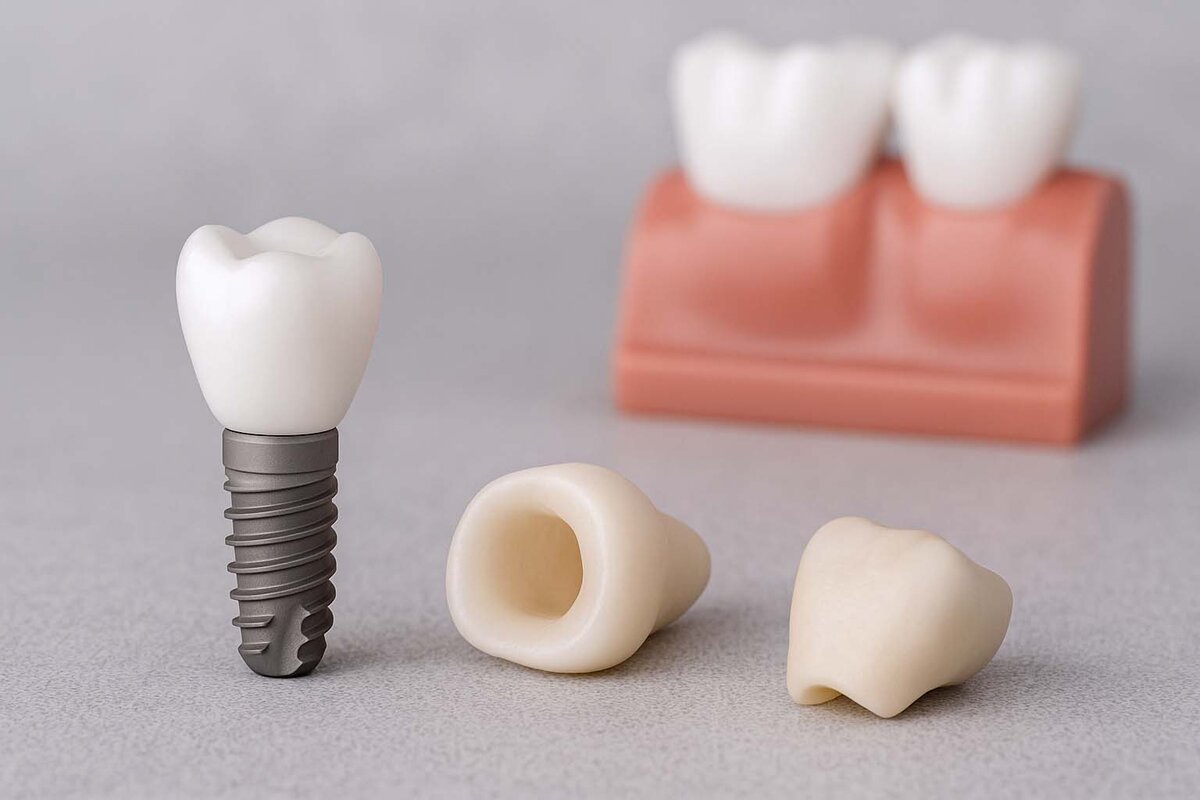
How Do Ceramic Dental Implants Enhance Your Smile’s Aesthetics?
One of the most appealing aspects of ceramic dental implants is their ability to deliver truly beautiful and natural-looking results. Aesthetics are a primary concern for anyone replacing a front tooth, but they matter just as much for back teeth, too.
Unlike traditional metal implants, which can sometimes create a visible gray or dark line at the gum line, these implants are made from a tooth-colored material. Zirconia naturally mimics the color and translucency of a real tooth root, so there is no metal to show through the gums.
This is especially important for people with thin gum tissue, where a dark shadow from a titanium post might be noticeable. The result is a seamless restoration that blends in perfectly with your natural teeth.
The crown placed on top of the implant is also custom-made to match the shape, size, and color of your existing teeth, making the entire restoration virtually undetectable.
The absence of a dark metal core means that the final crown has a more lifelike appearance, allowing light to pass through it in a way that mimics natural dentition.
This creates a harmonious and stunning smile. For anyone prioritizing a natural, beautiful, and flawless smile, dental implants made from ceramic are an exceptional choice that offers superior cosmetic outcomes compared to traditional options.
Are Ceramic Dental Implants as Strong and Durable as Titanium Implants?
A common question people have about ceramic dental implants is whether they are as strong and reliable as their titanium counterparts. The short answer is yes, they are incredibly strong and durable.
While titanium has a long-standing reputation for strength, modern zirconia implants are engineered to be extremely robust. Zirconia is a high-performance ceramic that is known for its exceptional resistance to fracture and wear.
In fact, it’s often referred to as “ceramic steel” due to its incredible strength and toughness. The manufacturing process for these implants ensures they can withstand the significant chewing forces exerted in the mouth.
The monolithic design of some ceramic implants, where the implant and abutment are a single piece, adds to their structural integrity and minimizes the risk of component loosening.
Studies have shown that the success rates of dental implants made from zirconia are comparable to those of titanium, demonstrating their long-term reliability and stability. They can support crowns, bridges, and even full arch restorations with confidence.
This means you can enjoy all your favorite foods and speak with confidence, knowing that your tooth replacement is built to last.
The durability of ceramic implants, combined with their aesthetic and biological benefits, makes them a compelling choice for anyone considering a permanent tooth replacement solution.
Who is a Good Candidate for Ceramic Dental Implants?
Deciding whether ceramic dental implants are the right choice for you involves a consultation with a qualified dental professional. Generally, most people who are good candidates for traditional titanium implants are also suitable for these ceramic alternatives.
A good candidate is someone who has lost one or more teeth and has a healthy jawbone with sufficient density to support the implant. It’s crucial that you don’t have active periodontal disease and that you maintain good oral hygiene.
People who are looking for a metal-free, holistic approach to their dental care are perfect candidates for ceramic implants. This includes individuals who have sensitivities or allergies to metals, as zirconia is hypoallergenic.
They are also an excellent choice for patients who have thin gum tissue or a high smile line, where the natural, tooth-colored material provides a superior aesthetic outcome. However, a thorough dental and medical history review is essential to determine your candidacy.
Factors like smoking, uncontrolled diabetes, or certain medical conditions might affect the success of the procedure, regardless of the material used. Your dentist will assess the health of your jawbone and gums, and may recommend bone grafting if necessary.
Ultimately, the best way to know if you’re a good candidate for dental implants made from this material is to schedule a personalized consultation with a dentist experienced in placing them.
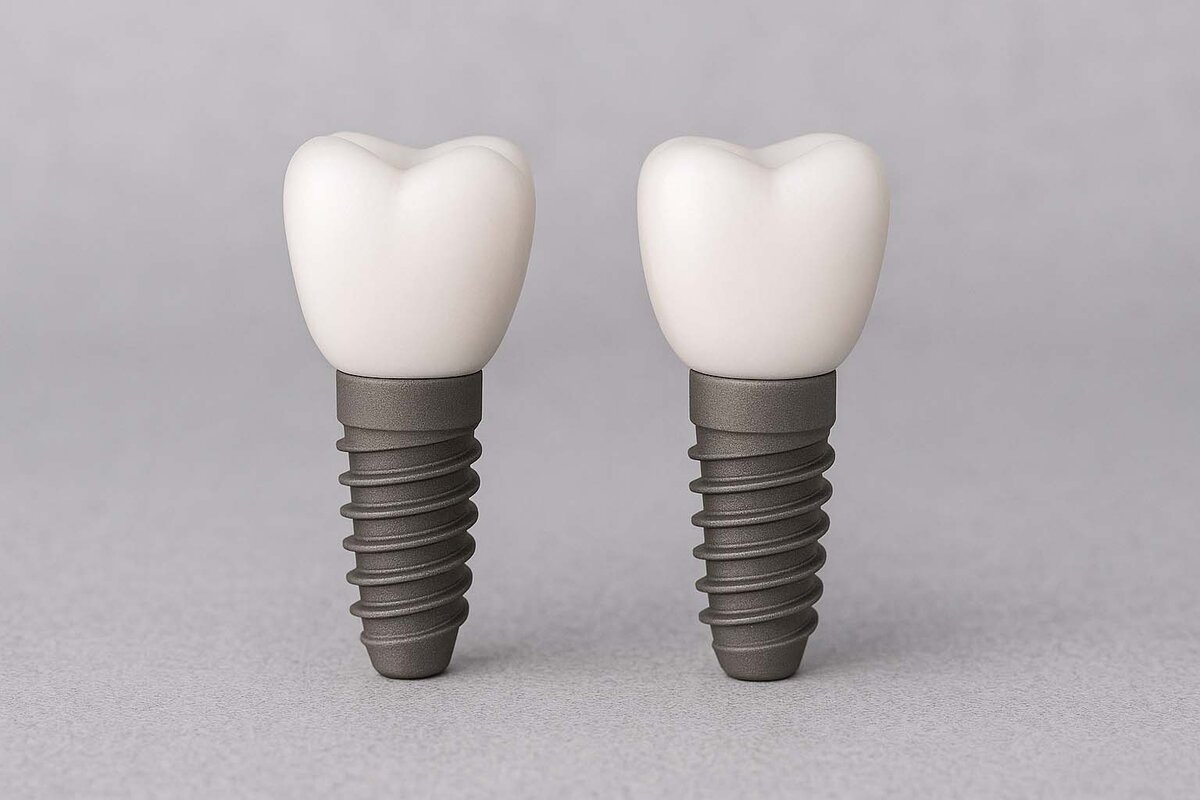
What are the Benefits of Choosing Ceramic Dental Implants Over Traditional Ones?
When faced with the decision of which type of implant to get, the benefits of ceramic dental implants often stand out. While traditional titanium implants have been the standard for years, the advantages of ceramic are compelling.
One of the primary benefits is their superior aesthetics. Because zirconia is tooth-colored, it blends seamlessly with your natural teeth and gums, preventing the dark gum line that can sometimes be a concern with metal implants.
This is particularly important for implants in the front of the mouth. Another major advantage is their biocompatibility. Zirconia is a hypoallergenic material that is highly compatible with the body, which reduces the risk of allergic reactions and inflammation.
For individuals with metal sensitivities or those who prefer a holistic, metal-free option, this is a significant factor. Furthermore, the smooth, non-porous surface of ceramic resists plaque and bacteria buildup, promoting healthier gums and reducing the risk of peri-implantitis.
This can contribute to the long-term health and stability of the implant. The natural integration of the material with the jawbone also provides excellent stability. Finally, patients often report that the process feels more natural, both aesthetically and biologically.
Choosing dental implants made from a ceramic material can provide a more natural look, reduced risk of complications, and a stronger foundation for a beautiful, lasting smile.
What is the Cost of Ceramic Dental Implants and How Does It Compare?
When exploring your tooth replacement options, cost is a major consideration. The price of ceramic dental implants can vary depending on several factors, including your location, the complexity of the procedure, and the experience of your dentist.
Generally, ceramic implants can be slightly more expensive than traditional titanium implants. This higher cost is often due to the advanced technology and materials required to manufacture high-quality zirconia implants, as well as the specialized training a dentist needs to place them.
However, it’s important to look beyond the initial price tag and consider the long-term value. The aesthetic, biocompatible, and health benefits of ceramic implants can make them a worthwhile investment in your oral health.
For instance, the reduced risk of gum inflammation and the superior aesthetics may save you money on future maintenance or cosmetic procedures. Many dental insurance plans may cover a portion of the cost, so it’s essential to check with your provider to understand your specific benefits.
Additionally, some dental offices offer financing options to help make the procedure more affordable. It’s also worth noting that the total cost of the procedure includes the implant itself, the abutment, the crown, and the surgical placement.
When you’re comparing prices, be sure you’re getting a full breakdown of all the associated costs. While the initial investment for dental implants made from ceramic may be higher, their long-term benefits in terms of health and aesthetics often make them a valuable choice.
Can You Get a Same-Day Tooth Replacement with a Ceramic Implant?
The prospect of getting a new tooth in a single visit is very exciting, and it’s a question that often comes up in consultations.
While it is possible to get a same-day tooth replacement in some cases, it’s important to understand that the process for placing ceramic dental implants is typically a multi-stage procedure.
A single-day procedure, often referred to as “Teeth in a Day,” is more feasible in specific situations, such as when a patient has excellent bone density and the implant can achieve primary stability immediately after placement.
In these cases, a temporary crown can be placed on the implant the same day. However, even with same-day placement, the implant still needs time to fully integrate with the jawbone—a process called osseointegration.
This period is crucial for the long-term success of the implant. For most patients, the full process involves placing the implant and then waiting several months for it to heal and fuse with the bone before the final crown is placed.
This ensures the strongest and most stable foundation for your new tooth. While some practices may offer the immediate placement of a temporary restoration, it’s not the same as having the final, permanent tooth.
Your dentist will determine if you are a candidate for immediate placement based on your specific oral health condition. Ultimately, while a same-day temporary tooth is an option, the full, permanent restoration with dental implants made from ceramic is a process that requires patience for the best results.
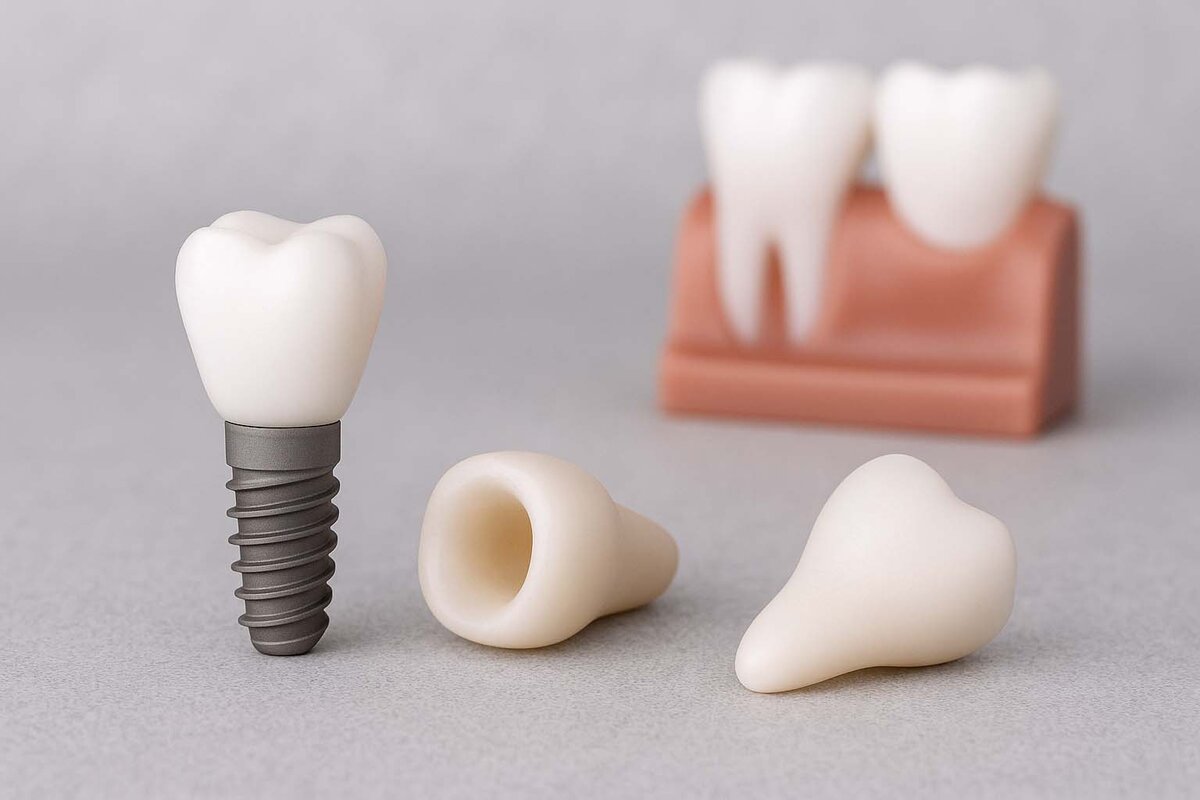
What is the Difference Between Zirconia and Titanium Dental Implants?
Understanding the key differences between zirconia and titanium is crucial when choosing your tooth replacement option. While both types of dental implants are highly successful, they differ in material composition, aesthetics, and biological properties.
Titanium implants have been the industry standard for decades. They are known for their strength and high success rate, and they are lightweight and resistant to corrosion.
However, they are a metal, which can be a concern for individuals with metal sensitivities or those who prefer a holistic, metal-free solution. Aesthetically, titanium can sometimes cause a dark gray line to show at the gum line, especially in patients with thin gums.
Zirconia, on the other hand, is a high-performance ceramic that is completely metal-free. Ceramic dental implants are a fantastic alternative. They are incredibly strong, but their most notable advantage is their natural, tooth-colored appearance.
This makes them a superior choice for aesthetic restorations, as there is no risk of a dark line showing through the gum tissue.
From a biological standpoint, zirconia is highly biocompatible and hypoallergenic, making it a great option for people with sensitivities or those who want to avoid metal in their bodies.
Additionally, zirconia’s smooth surface is less prone to plaque and bacterial buildup, which can lead to healthier gum tissue. While both materials have high success rates, the choice often comes down to personal preference regarding aesthetics, biocompatibility, and material type.
Can a Single Implant Replace a Missing Tooth?
Yes, absolutely. A single dental implant is an excellent and effective way to replace a single missing tooth, providing a permanent and natural-looking solution. When a tooth is lost, a single implant is surgically placed into the jawbone at the site of the missing tooth.
This implant acts as a new tooth root, creating a stable and durable foundation. Once the implant has fully integrated with the jawbone—a process that typically takes a few months—a custom-made crown is attached to the implant.
This crown is designed to perfectly match the shape, size, and color of your natural teeth, ensuring a seamless and beautiful result.
Using a single implant to replace a single tooth is a great solution because it avoids the need to modify the adjacent healthy teeth, as would be necessary for a traditional bridge. With a bridge, the neighboring teeth must be filed down to support the restoration, which can compromise their long-term health.
A single implant, however, leaves the surrounding teeth completely untouched. This method not only restores your smile’s aesthetics but also helps to prevent jawbone loss, which can occur when a tooth is missing.
The bone needs stimulation from a tooth root to remain healthy, and a single implant provides that necessary stimulation. This makes a single ceramic dental implant the most comprehensive and health-conscious way to restore a missing tooth.
Are Dental Implants the Best Long-Term Solution for Tooth Loss?
When you’re considering your options for replacing a missing tooth, it’s essential to think about the long-term. Dental implants are widely considered the gold standard for tooth replacement, and for good reason.
They offer a permanent solution that is designed to last a lifetime with proper care. Unlike dentures or bridges, which may need to be repaired or replaced over time, an implant becomes a permanent part of your jaw, just like a natural tooth root.
This longevity makes them a highly cost-effective choice over the long run, even though the initial investment may be higher. The implant’s ability to fuse with the jawbone, a process known as osseointegration, provides incredible stability and strength.
This fusion not only secures the new tooth but also helps to prevent jawbone deterioration, which naturally occurs after a tooth is lost.
By stimulating the bone, implants maintain the structural integrity of your face and jaw, preserving your youthful appearance. Furthermore, implants allow you to eat, speak, and smile with complete confidence, just as you would with your natural teeth.
There are no worries about slipping or a changing fit, which can be a common concern with removable restorations. The decision to invest in a permanent solution like a ceramic dental implant is a commitment to your long-term oral health and overall well-being.
How Does Bone Grafting Relate to Getting a Dental Implant?
Bone grafting is a common and often necessary procedure in the world of dental implants, as it addresses a key requirement for a successful implant: sufficient bone mass.
When a tooth is lost, the jawbone in that area can start to resorb or shrink over time due to a lack of stimulation from the tooth root. This bone loss can make it impossible to place an implant, which requires a solid and healthy foundation to fuse with.
Bone grafting is a surgical procedure that adds bone material to the jaw, helping to rebuild the bone and create the necessary volume and density for the implant. The bone material can come from your own body, a donor, or a synthetic source.
The graft acts as a scaffold, encouraging your body to grow new bone cells around it. This process can take several months, but it is a crucial step for many patients to ensure the long-term success of their implant.
Once the graft has healed and the new bone is strong enough, the implant can be placed. Your dentist will determine if you need a bone graft during your initial consultation, using scans and X-rays to assess your jawbone density.
While it may add time to the overall treatment plan, it’s a vital step for ensuring that your ceramic dental implant has a secure and stable base to support your new tooth for a lifetime.
Conclusion
Choosing the right option for tooth replacement is a decision that impacts your oral health and quality of life for years to come. While traditional dental implants have a proven track record, ceramic dental implants offer a compelling, modern alternative.
With their superior aesthetics, high biocompatibility, and excellent durability, they provide a solution that not only restores your smile but also aligns with a more holistic approach to health.
They seamlessly blend in with your natural teeth and are a top choice for those seeking a metal-free, long-lasting restoration.
If you’re ready to learn more about how ceramic dental implants can transform your smile, the next step is a simple consultation. Take the first step toward a healthier, more confident smile today.
FAQ
The primary benefits of ceramic dental implants include their superior aesthetics, high biocompatibility, and metal-free composition. Unlike titanium, zirconia is a tooth-colored material that prevents the risk of a dark line showing at the gum line. It is also hypoallergenic, making it a great option for individuals with metal sensitivities or those seeking a holistic approach to their dental care.
Yes, they are. Modern ceramic dental implants, made from high-performance zirconia, are incredibly strong and resistant to fracture. They are engineered to withstand the significant chewing forces in the mouth, and studies have shown their success rates are comparable to those of traditional titanium implants, ensuring a long-lasting and reliable solution.
The process for getting ceramic dental implants typically involves several stages. After the initial consultation and treatment plan, the implant is surgically placed. It then needs several months to fuse with the jawbone in a process called osseointegration. Once healed, the final crown is placed. While the entire process can take a few months, the result is a permanent, stable restoration.
The success rate of ceramic dental implants is very high and on par with that of traditional titanium implants. With proper placement by an experienced dental professional and diligent oral hygiene from the patient, these implants can last a lifetime, providing a stable and aesthetic solution for tooth loss.
The procedure for placing ceramic dental implants is typically performed under local anesthesia, so you should not feel any pain during the surgery. After the procedure, some patients may experience mild discomfort, swelling, or bruising, which can be managed with over-the-counter pain medication. Most people report the recovery to be very manageable.
Caring for ceramic dental implants is just like caring for your natural teeth. You should brush twice a day, floss daily, and maintain regular dental check-ups and cleanings. The smooth, non-porous surface of the implant resists plaque buildup, making it easier to keep clean and promoting healthier gum tissue around the implant.
Most people who are candidates for traditional implants are also good candidates for ceramic dental implants. Ideal candidates have good overall health, sufficient bone density in their jaw, and are free from active gum disease. They are an excellent choice for anyone who prefers a metal-free alternative or has a known metal allergy.
Bone grafting may be necessary if you don’t have enough jawbone density to support the implant. When a tooth has been missing for a while, the jawbone can resorb. Your dentist will use a bone graft to rebuild the bone, creating a strong foundation for the implant. The need for a graft is determined during the initial assessment for your ceramic dental implants.
The cost of ceramic dental implants is often slightly higher than titanium implants. This is due to the advanced materials and specialized manufacturing processes required for zirconia. However, it’s important to consider the long-term benefits, such as superior aesthetics and reduced risk of complications, as a worthwhile investment in your oral health.
Yes, ceramic dental implants can be used to replace multiple missing teeth. They are versatile enough to support a single crown, a dental bridge, or even a full arch of teeth. Your dentist will create a customized treatment plan based on your specific needs, ensuring a stable and long-lasting solution for your smile.

Author: Horeca Health
Horeca Health
DISCLAIMER
All content provided on this website is for informational purposes only and should not be considered a substitute for professional advice, diagnosis, or treatment. Always consult qualified healthcare professionals regarding any questions or concerns you may have about your health or any medical condition.




















Leave a Reply