Wild Garlic: Introduction
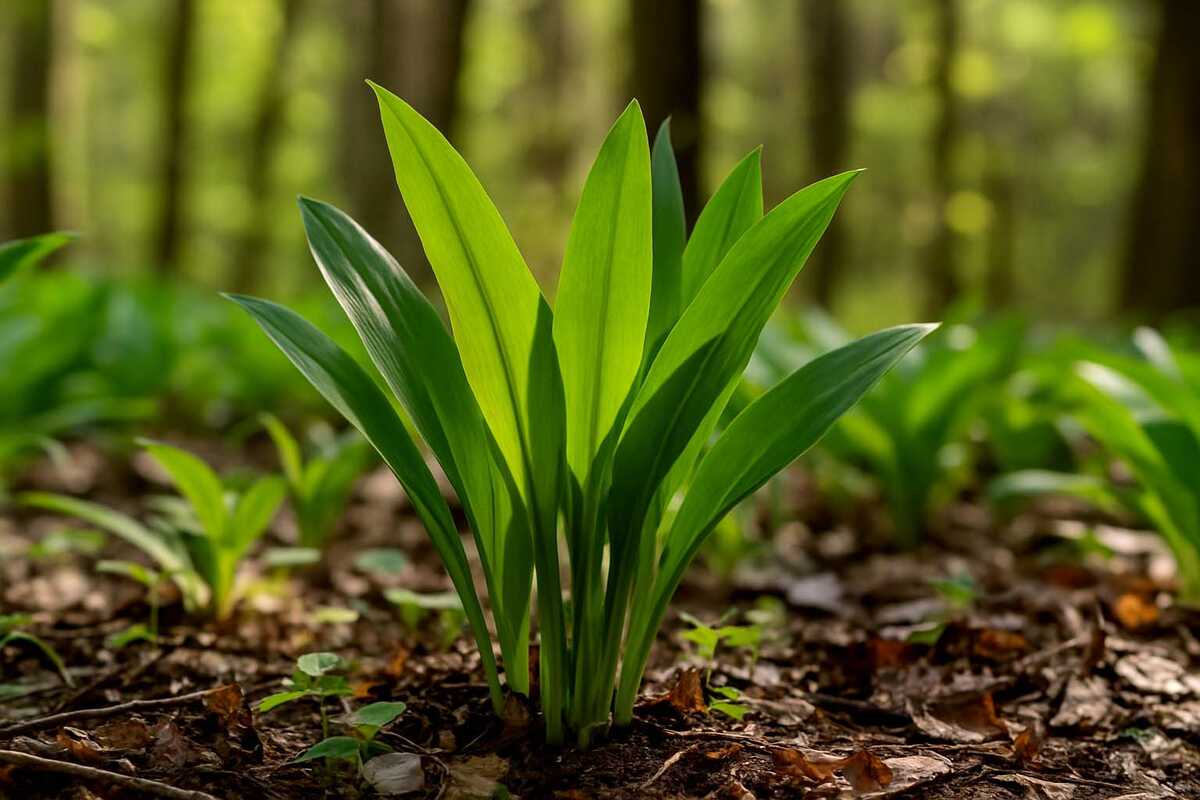
Wild Garlic: The scent of spring often brings with it the unmistakable, pungent aroma of wild garlic (Allium ursinum), blanketing woodland floors in a vibrant green carpet.
Often overshadowed by its domesticated cousin, this potent perennial herb is a true seasonal superstar, celebrated by foragers and natural health enthusiasts alike.
It’s more than just a delicious addition to your pesto or salad; this powerful plant has been a cornerstone of traditional European folk medicine for centuries.
Packed with organosulfur compounds like allicin, along with high levels of essential vitamins and antioxidants, the health benefits of wild garlic are vast and clinically relevant.
If you’ve ever wondered how this simple, beautiful leaf can contribute to everything from a stronger heart and lower blood pressure to a robust immune system and better gut health, you’re in the right place.
We’re diving deep into 12 proven ways that this natural wonder can boost your overall wellness, offering you expert insight on how to harness the incredible therapeutic potential of this remarkable spring treasure.
Get ready to discover why Allium ursinum deserves a permanent, respected spot in your personal wellness arsenal.
How does Wild Garlic Support Cardiovascular Health?
Wild garlic, often found carpeting forest floors in spring, is far more than just a culinary delight; it’s a powerful ally for your heart.
Like its well-known cousin, common garlic, wild garlic (Allium ursinum) is rich in organosulfur compounds, most notably allicin, which is responsible for its pungent aroma and significant medicinal properties.
These compounds play a crucial role in regulating blood pressure by promoting the production of nitric oxide (NO), a vasodilator that helps relax and widen blood vessels. This effect reduces the strain on the heart, making it easier to pump blood throughout the body.
Furthermore, studies suggest that the consumption of this herb can help manage cholesterol levels. It works by inhibiting the liver’s production of LDL (“bad”) cholesterol while potentially boosting HDL (“good”) cholesterol, thereby reducing the risk of plaque buildup in the arteries (atherosclerosis).
Incorporating this vibrant green into your diet is a simple yet effective step towards maintaining a healthy circulatory system.
The impressive health benefits of wild garlic stem from this potent blend of sulfur compounds and antioxidants, which together act as a natural, protective shield for your cardiovascular system, contributing to overall well-being.
Can Wild Garlic Boost Your Immune System and Fight Infections?
Absolutely. When flu and cold season hits, this natural remedy becomes an indispensable part of your wellness arsenal. The high concentration of allicin and other sulfur-containing compounds gives wild garlic potent antimicrobial, antibacterial, and antifungal properties.
Allicin works by disrupting the enzyme systems of various pathogens, effectively neutralizing them. This makes it an excellent natural defense against common colds, respiratory infections, and even yeast infections like Candida.
By regularly consuming the fresh leaves, you are providing your body with a continuous supply of these powerful immune-modulating agents.
Beyond direct pathogen fighting, this spring tonic is packed with essential vitamins like vitamin C, which is critical for stimulating the production and function of white blood cells—the frontline defenders of your immune system.
Furthermore, the antioxidants present in the leaves help protect immune cells from damage caused by free radicals, allowing them to function at peak efficiency.
The robust health benefits of wild garlic in immune support are well-documented in folk medicine, confirming its status as a seasonal superfood essential for maintaining robust health, especially during transitional weather.
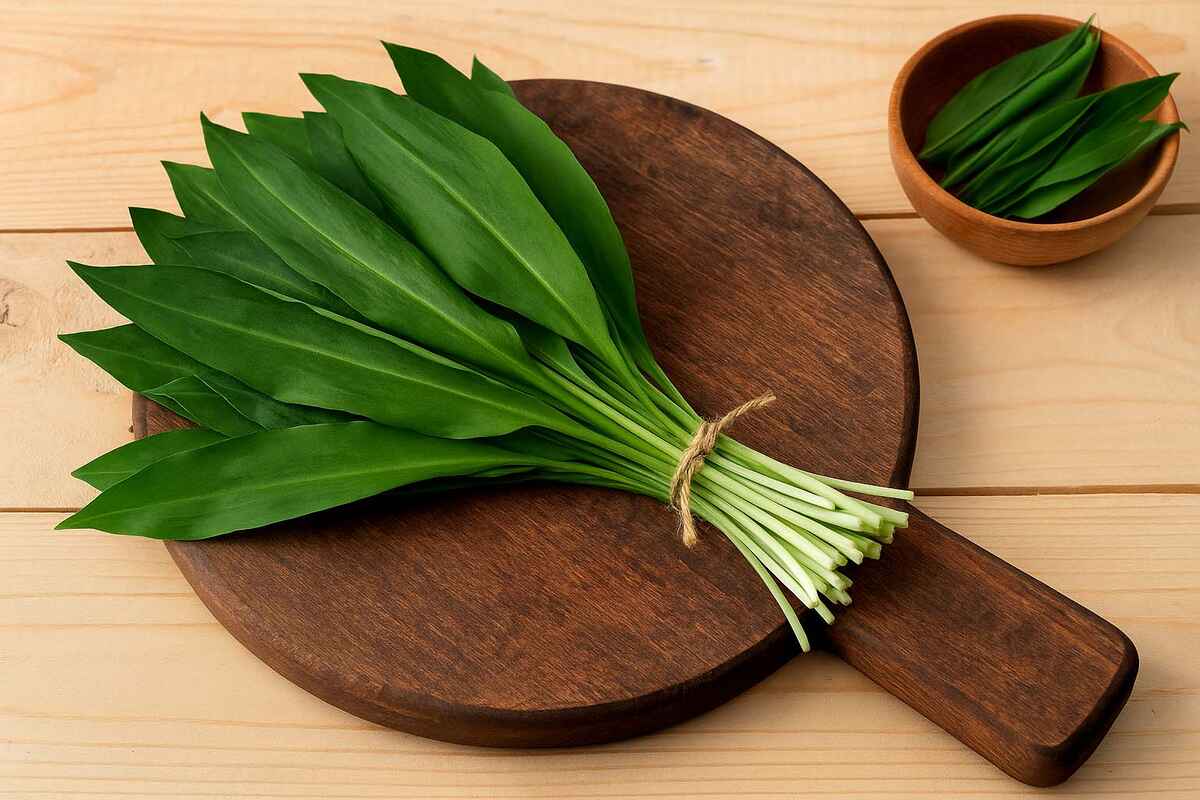
Is Wild Garlic Effective for Lowering Blood Pressure Naturally?
The potential of this pungent herb to manage hypertension is one of its most celebrated qualities. Numerous studies have focused on the antihypertensive effects of wild garlic, and the results are promising.
The key mechanism involves the aforementioned organosulfur compounds, particularly S-allylcysteine (SAC), which are released when the plant’s cells are crushed or chopped.
These compounds interact with red blood cells to release hydrogen sulfide, which signals the smooth muscle cells in the blood vessel walls to relax. This relaxation, or vasodilation, causes the vessels to widen, immediately lowering blood pressure and improving blood flow.
This natural dilation effect is a gentle yet consistent way to ease the workload on the heart, offering a significant advantage over many synthetic medications that can have side effects.
Furthermore, the high potassium content relative to sodium in the plant also aids in fluid balance and counteracts the blood pressure-raising effects of sodium.
For individuals seeking non-pharmaceutical methods to manage mild to moderate hypertension, incorporating a daily dose of fresh Allium ursinum can be highly beneficial.
This specific aspect of the health benefits of wild garlic makes it a popular recommendation among herbalists for supporting circulatory function and maintaining healthy blood pressure levels.
How Does Wild Garlic Aid in Detoxification and Liver Health?
The vibrant green leaves of this spring plant offer substantial support to the body’s natural detoxification pathways, primarily through the liver. The sulfur compounds are absolutely vital for the liver’s Phase II detoxification process, where toxins are neutralized and made water-soluble for excretion.
Specifically, these compounds help enhance the production of glutathione, often called the body’s “master antioxidant.” Glutathione plays a critical role in binding to heavy metals and various environmental toxins, facilitating their removal from the body.
Wild garlic acts as a powerful cholagogue, meaning it stimulates the production and flow of bile. Bile is essential for breaking down fats and carrying toxins and waste products (such as bilirubin and excess cholesterol) out of the liver and into the digestive tract for elimination.
By promoting healthy bile flow, the consumption of this herb prevents the congestion of the liver and gallbladder, ensuring the body efficiently processes and eliminates harmful substances.
The gentle yet effective support for hepatic function is a core part of the broader health benefits of wild garlic, making it a fantastic spring cleanse food to revitalize the body after the long winter months and ensure optimal internal cleansing.
Can Wild Garlic Improve Gut Health and Digestive Function?
Optimizing your digestion is another area where this potent herb truly shines. The antimicrobial properties of wild garlic are beneficial not just for systemic infections but also for maintaining a healthy balance within the gut microbiome.
It acts as a natural prebiotic, a type of non-digestible fiber that feeds the beneficial bacteria (probiotics) residing in the large intestine.
By nourishing these friendly bacteria, it helps them proliferate, which crowds out pathogenic bacteria and yeasts, contributing to a more balanced and diverse microbial environment.
A healthy gut microbiome is crucial for efficient nutrient absorption, the synthesis of certain B vitamins, and even for mood regulation (the gut-brain axis).
Furthermore, the plant’s compounds can help soothe the digestive tract and reduce inflammation, which can alleviate symptoms associated with mild irritable bowel syndrome (IBS) or indigestion.
Historically, this plant has been used as a carminative, meaning it helps to prevent or relieve flatulence and bloating.
The comprehensive health benefits of wild garlic for the gastrointestinal tract underscore its status as an ancient medicinal plant, providing a natural remedy for improving overall digestive function and microbial balance.
Why is Wild Garlic Considered a Powerful Natural Antioxidant Source?
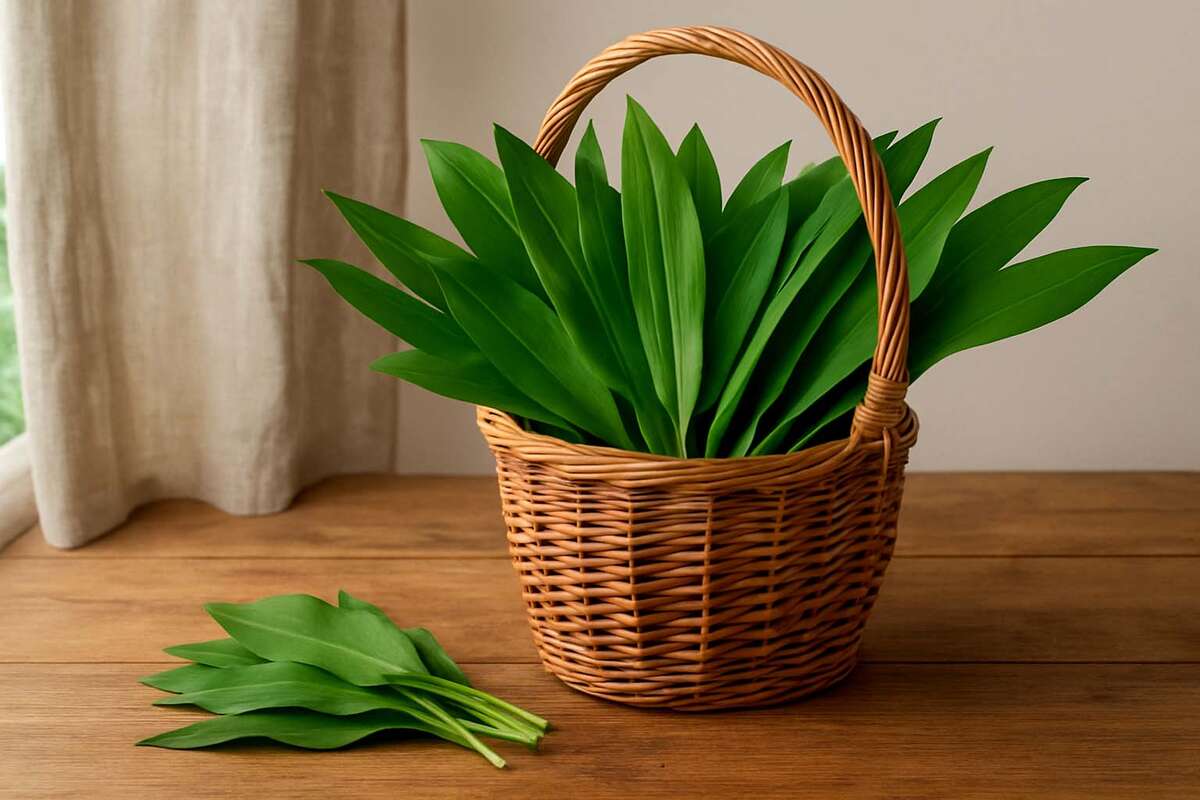
The intense green color of the leaves is a visual indicator of its potent antioxidant power, which is fundamental to maintaining cellular health and preventing chronic diseases.
Wild garlic is an excellent source of various phenolic compounds, flavonoids, and vitamin C, all of which are powerful antioxidants. These molecules work by neutralizing free radicals, which are unstable atoms that can cause damage to cells, proteins, and DNA through a process called oxidative stress.
Oxidative stress is implicated in aging and the development of numerous conditions, including heart disease, cancer, and neurodegenerative disorders.
By scavenging these harmful free radicals, the antioxidants in this plant help protect the integrity of your cells, slow down the aging process, and reduce overall inflammation throughout the body.
This preventative cellular protection is one of the most critical, yet often unseen, contributions of this herb to your long-term wellness.
The protective, age-defying health benefits of wild garlic are why integrating it into your daily diet is a superb strategy for bolstering the body’s defenses against environmental stressors and supporting robust cellular longevity.
What Specific Compounds in Wild Garlic are Responsible for its Anti-inflammatory Effects?
The remarkable anti-inflammatory action of this spring perennial is a direct result of its unique biochemical profile, particularly the high content of sulfur compounds.
Inflammation is a natural, protective response of the immune system, but chronic, low-grade inflammation is a major contributor to many modern illnesses.
Wild garlic contains compounds that have been shown to modulate the production of pro-inflammatory cytokines and enzymes, such as cyclooxygenase (COX) and lipoxygenase (LOX), which are central to the inflammatory cascade.
By gently inhibiting these chemical messengers, the herb can help mitigate systemic inflammation. Quercetin, a potent flavonoid also found in the leaves, further contributes to this effect by stabilizing mast cells, thereby reducing the release of histamine and other inflammatory mediators.
This ability to downregulate the body’s inflammatory response makes it beneficial for managing symptoms of inflammatory conditions like arthritis or certain skin disorders.
The natural, broad-spectrum anti-inflammatory health benefits of wild garlic offer a gentle, whole-food approach to managing the underlying causes of many chronic health issues without the adverse effects often associated with pharmaceutical anti-inflammatory agents.
Can Wild Garlic Contribute to Bone Health and Mineral Absorption?
While not typically the first benefit that comes to mind, the potential of this robust herb to support bone mineral density is an exciting area of nutritional research.
The leaves of wild garlic contain a good array of essential minerals, including manganese, calcium, and phosphorus, all of which are crucial building blocks for strong bones. However, its most interesting contribution might be its sulfur content.
Sulfur is a fundamental component of collagen, the main protein that forms the organic framework of bone, providing elasticity and strength.
Adequate sulfur intake is necessary for the proper synthesis of connective tissues, which include cartilage and tendons, thereby supporting the entire musculoskeletal structure.
Furthermore, chronic inflammation is known to accelerate bone loss, and because this plant is a powerful anti-inflammatory agent, it indirectly contributes to better bone health by reducing the destructive effects of persistent inflammation on bone tissue.
By supplying the necessary minerals and key compounds for tissue integrity, the consumption of this plant can be seen as a holistic way to support skeletal maintenance.
These complementary health benefits of wild garlic ensure that its contributions extend beyond just the immune and cardiovascular systems, encompassing fundamental structural support for the body.
How Can Wild Garlic Be Used as a Natural Remedy for Skin Conditions?
The therapeutic properties of this woodland herb extend topically, offering traditional and modern applications for various skin ailments. Historically, wild garlic poultices were applied directly to wounds and areas of fungal infection due to its powerful antiseptic and antifungal characteristics.
The same allicin compounds that fight internal infections can effectively combat skin pathogens like athlete’s foot, ringworm, and other dermatophytes. When consumed internally, the anti-inflammatory and antioxidant properties of the plant contribute to healthier, clearer skin from the inside out.
By reducing systemic inflammation, it can help manage conditions exacerbated by inflammation, such as acne, eczema, and psoriasis.
Moreover, its blood-purifying and detoxifying actions support the liver’s ability to efficiently process waste, preventing toxins from being pushed out through the skin, which often leads to blemishes and dullness.
When used cautiously as an infused oil or extract, it can gently cleanse and protect the skin barrier. The multifaceted health benefits of wild garlic – detoxifying, antimicrobial, and anti-inflammatory – position it as a valuable natural ingredient for promoting a clear, healthy complexion that reflects internal wellness.
What Role Does Allium Ursinum Play in Blood Sugar Regulation?
This aspect of the plant’s biochemistry is gaining attention among researchers, suggesting a promising role in metabolic health, particularly for individuals managing blood sugar levels.
Early studies indicate that compounds within wild garlic may help improve glucose metabolism. It is thought to work by enhancing insulin sensitivity, allowing the body’s cells to more efficiently absorb glucose from the bloodstream.
This effect is crucial because insulin resistance is a hallmark of Type 2 diabetes. Furthermore, the compounds may help inhibit enzymes involved in the breakdown of carbohydrates, leading to a slower and steadier release of glucose into the blood after a meal, preventing sharp blood sugar spikes.
The plant also has significant fiber content, which naturally slows digestion and glucose absorption. By aiding in the controlled processing of sugars, this herb offers a gentle, dietary tool to support pancreatic function and maintain stable energy levels.
Integrating this versatile green into meals provides a flavor boost alongside a subtle, yet significant, contribution to stable metabolic function. The emerging health benefits of wild garlic in the realm of glycemic control further cement its status as a functional food with broad, systemic advantages for overall wellness.
Beyond Allicin: What Other Phytochemicals Contribute to the Plant’s Medicinal Value?
While allicin is the most famous compound, the overall potency of this spring plant is due to a synergistic blend of many other vital phytochemicals.
The leaves are rich in a wide spectrum of sulfur-containing volatile oils, including ajoene and organosulfur compounds like vinyldithiins, which also possess powerful anti-clotting and antioxidant effects.
Crucially, wild garlic is an excellent source of various beneficial flavonoids, such as kaempferol and quercetin. These flavonoids are potent antioxidants that work to protect cells from damage and significantly reduce inflammation, working in tandem with the sulfur compounds.
Furthermore, the plant contains essential macro- and micronutrients, including iron, magnesium, and selenium, which play key roles in enzyme function and cellular processes throughout the body.
It is the comprehensive and synergistic action of this complex mixture—not just one single compound—that generates the plant’s holistic medicinal effect.
This “entourage effect” is why consuming the whole plant is generally more beneficial than taking an isolated extract. Understanding the full chemical profile illuminates the depth of the health benefits of wild garlic, showing it to be a true powerhouse of nature’s pharmacy.
How Does Traditional Use of Wild Garlic Align with Modern Scientific Findings?
The historical use of this fragrant herb across Europe as a blood purifier and spring tonic aligns remarkably well with current scientific understanding of its properties. For centuries, people consumed fresh wild garlic in spring to “cleanse the blood” after the heavier winter diet.
Modern science now interprets this “cleansing” as detoxification support, primarily through the stimulation of liver enzymes and bile flow, as well as the enhancement of the lymphatic system, confirming ancient wisdom.
Its traditional use as a remedy for worms and digestive issues is directly supported by contemporary findings regarding its potent antimicrobial and antiparasitic properties against a range of intestinal pathogens.
Furthermore, the folk practice of using it to ward off infection is clearly validated by the documented immune-boosting effects of allicin and Vitamin C. This convergence of traditional knowledge and empirical evidence underscores the profound efficacy of the plant.
The continued scientific validation of these historical applications only strengthens the case for incorporating this powerful, flavorful herb into a modern diet focused on preventative wellness.
The extensive and well-proven health benefits of wild garlic make it a perfect example of a natural remedy whose reputation has stood the test of time and research.
Who Should Exercise Caution When Consuming Wild Garlic?
While the vast majority of people can enjoy the extensive health benefits of wild garlic without issue, certain individuals should approach its consumption with care and perhaps consult a healthcare professional first.
Given its strong effects on the cardiovascular system, those already taking blood-thinning medications (anticoagulants or antiplatelet drugs), such as Warfarin or Aspirin, should be particularly cautious.
The natural anti-clotting properties of wild garlic can potentially enhance the effects of these drugs, increasing the risk of bruising or bleeding.
Furthermore, individuals scheduled for surgery should cease consuming large amounts of this herb at least two weeks prior to the procedure for the same reason.
People with known allergies to other members of the Allium family (like onions, chives, or common garlic) should also avoid it, as cross-reactivity is possible.
Finally, while generally safe during pregnancy in culinary amounts, those who are pregnant or breastfeeding should exercise moderation and discuss therapeutic use with their doctor.
Always ensure that the herb you forage is indeed Allium ursinum and not the toxic, look-alike plants like Lily of the Valley or Autumn Crocus, as misidentification can be fatal.
Conclusion
We have journeyed through 12 compelling reasons why wild garlic stands out as a foundational superfood for holistic wellness.
From its proven ability to act as a powerful cardioprotective agent by naturally lowering blood pressure and cholesterol, to its role in strengthening the immune system against seasonal threats, the therapeutic versatility of Allium ursinum is truly remarkable.
The potent blend of sulfur compounds, antioxidants, and essential nutrients ensures that the health benefits of wild garlic span critical areas like detoxification, gut health, and systemic anti-inflammation.
As spring brings this verdant gift to our forests, embracing its consumption offers a simple, delicious, and evidence-backed way to revitalize your body and support long-term health.
Whether you choose to incorporate it into your cooking or explore its traditional medicinal applications, take this as your invitation to experience the unique, cleansing power of this seasonal powerhouse and make it an active ingredient in your wellness journey this year.
FAQ
The prime season for foraging wild garlic is typically early spring, generally from March through to June in many temperate regions. The leaves are at their most tender and flavorful before the plant flowers. Once the distinctive white star-shaped flowers appear, the leaves tend to become tougher and less potent, although the flowers themselves are also edible. For the highest concentration of beneficial compounds, aim to harvest the leaves when they are young and vibrant.
The safest and most reliable way to identify wild garlic is by its characteristic smell. When you crush a leaf between your fingers, it should instantly release a strong, pungent aroma akin to common garlic or chives. Poisonous look-alikes, such as Lily of the Valley or Autumn Crocus, do not have this strong garlicky scent. Always perform the smell test, and if in doubt, never consume the plant.
Every part of the wild garlic plant is edible! The leaves are the most commonly used part, excellent for pestos and salads. The white, star-like flowers can be used as a beautiful, pungent garnish. The bulbs, which are much smaller than common garlic bulbs, can be dug up and used just like standard garlic, but collecting the bulbs is discouraged in large quantities as it prevents the plant from growing back the following year.
The primary health benefits of wild garlic are numerous and scientifically supported. It is a powerful natural remedy for supporting cardiovascular health by helping to lower blood pressure and cholesterol. Furthermore, its high allicin content gives it potent antimicrobial and immune-boosting properties, making it an excellent spring tonic for detoxification and fighting infections.
Yes, you can easily grow wild garlic in your garden, but be aware that it can spread rapidly and become quite dominant. It thrives best in shady, moist areas, mimicking its natural woodland habitat. It can be grown from seeds or small bulbs planted in the autumn. Once established, it will readily self-seed and return year after year, providing a reliable spring harvest.
Individuals taking blood thinning medication (anticoagulants or antiplatelet drugs) should exercise caution with wild garlic. Because the plant naturally possesses anti-clotting properties, consuming large or medicinal quantities could potentially increase the effects of the medication and raise the risk of bleeding. It is highly recommended to consult your doctor before consuming it therapeutically.
While both are members of the Allium family and share similar health properties, wild garlic is often richer in certain beneficial compounds. The leaves contain higher levels of organosulfur compounds like allicin, which are readily available when the leaves are crushed. It also tends to be higher in certain vitamins, like Vitamin C, when consumed fresh and uncooked.
The best way to preserve the strong flavor and nutrients of wild garlic is by freezing it. You can chop the leaves and freeze them in ice cube trays with a little oil or water. Alternatively, making and freezing wild garlic pesto is an extremely popular method. Drying the leaves is possible, but they tend to lose a significant amount of their flavor and potency in the process.
Generally, wild garlic is well-tolerated and often considered milder on the stomach than raw common garlic. However, consuming large quantities of any raw Allium species can sometimes cause mild indigestion, bloating, or flatulence in sensitive individuals. Start with small amounts to assess your tolerance, especially if you plan to use it as a therapeutic food.
Wild garlic is incredibly versatile! You can find countless recipes online, including classics like pesto, soups, and compound butter. The leaves can be used raw in salads, infused in oils, or gently cooked and added to omelets, pasta sauces, or focaccia bread. Its delicate flavor profile works well in nearly any dish where you would normally use chives or mild garlic.

Author: Horeca Health
Horeca Health
DISCLAIMER
All content provided on this website is for informational purposes only and should not be considered a substitute for professional advice, diagnosis, or treatment. Always consult qualified healthcare professionals regarding any questions or concerns you may have about your health or any medical condition.




















Leave a Reply