Hormonal belly: Introduction
Hormonal belly: That persistent, stubborn fat settling around your midsection can be incredibly frustrating.
You’ve tried the diets, logged the gym hours, yet the bulge remains, feeling strangely resistant to all your best efforts. If this sounds familiar, you may be battling a hormonal belly.
This phenomenon is not a formal medical diagnosis, but it is a very real and common experience. It describes abdominal fat accumulation driven not by simple overeating, but by a complex, often unseen web of hormonal imbalances.
It’s the kind of weight that makes you feel like your body is working against you, no matter how hard you try.
The truth is, this isn’t a lack of willpower; it’s a biological override orchestrated by stress (cortisol), blood sugar (insulin), and even age-related shifts in your sex hormones.
Conventional dieting and endless cardio often miss the mark because they fail to address these root chemical causes. In this definitive guide, we are cutting through the confusion to give you clear, science-backed answers.
We will explore exactly why the hormonal belly grows, which key hormones are the culprits, and, more importantly, we will provide 12 actionable strategies to finally get rid of it. Get ready to understand your body’s signals, fix the communication errors, and take lasting control of your metabolic health.
What is the true definition of a hormonal belly and why is it so common?
The term hormonal belly has become incredibly prevalent in modern health discourse, often used to describe persistent weight gain concentrated around the midsection that seems resistant to traditional dieting and exercise.
While not a formal medical diagnosis, it represents a very real and frustrating phenomenon—abdominal fat accumulation driven primarily by imbalances in the body’s complex endocrine system, rather than just simple overconsumption of calories.
It’s a common misconception that all belly fat is created equal; the fat associated with a genuine hormonal belly is frequently visceral fat, a deeper, more dangerous type of fat that wraps around internal organs.
This visceral fat is metabolically active, secreting inflammatory molecules that further disrupt hormone balance and overall well-being.
The commonality of this issue stems from the fact that our modern lifestyles—characterized by chronic stress, poor sleep, and exposure to endocrine-disrupting chemicals—are perfect catalysts for hormonal disruption.
For many people, especially those navigating life stages like perimenopause, menopause, or periods of high stress, their body’s natural rhythms are thrown off, making fat storage in the abdomen the path of least resistance.
Understanding this distinction is the first crucial step toward addressing the root causes and regaining control of your inner health. A holistic approach is essential, as simply cutting calories won’t fix the underlying communication errors within the body’s control center.
This deep dive into the true nature of this issue is vital for anyone looking to finally understand the frustrating puzzle of their weight and embrace lasting wellness.
Which key hormones are responsible for the development of a hormonal belly?
Several powerful hormones orchestrate the delicate balance of fat storage and distribution, and an imbalance in anyone can contribute significantly to a noticeable hormonal belly.
Perhaps the most infamous culprit is cortisol, often dubbed the “stress hormone.” When we experience chronic stress, the adrenal glands continuously pump out cortisol, which signals the body to store fat, specifically visceral fat, as a survival mechanism.
This mechanism is a relic from a time when stress meant famine or danger, but in modern life, it translates to stubborn midsection weight.
Insulin is another critical player; resistance to insulin means the body struggles to efficiently process glucose, leading to excess sugar being stored as fat, again, often around the waistline.
Furthermore, sex hormones like estrogen and progesterone in women, and testosterone in men, undergo natural fluctuations or declines (especially during menopause or andropause), which directly correlate with a shift in where the body preferentially stores fat, moving it from the hips and thighs to the abdomen, defining the classic shape of a hormonal belly.
The intricate dance between these chemical messengers profoundly impacts metabolism, appetite, and energy expenditure, making it clear why a targeted, hormone-aware strategy is vital for successful weight management.
Recognizing the specific hormonal imbalances at play is essential for crafting a personalized path to optimal health and restoring the body’s natural harmony
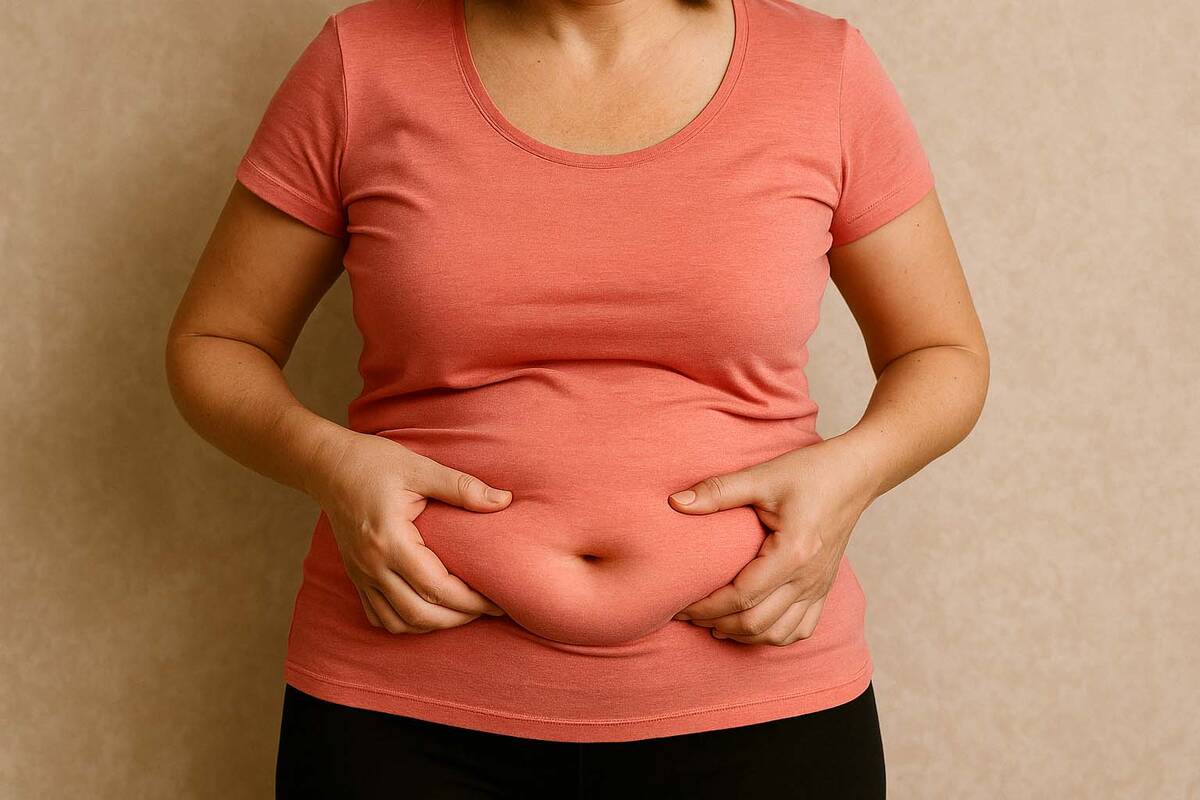
How does chronic stress directly contribute to gaining a hormonal belly?
The connection between unrelenting stress and a growing hormonal belly is one of the most well-documented and impactful links in metabolic health. When you are under chronic stress, your body constantly operates in a ‘fight or flight’ state, triggering the continuous overproduction of cortisol.
This continuous high level of cortisol sends a potent signal to the body’s fat cells, particularly those deep in the abdomen, instructing them to take up and store energy for the perceived emergency.
This is why you can be eating well and exercising, yet still struggle with that stubborn midsection bulge—the high-stress environment is overriding your best efforts.
Over time, elevated cortisol levels also negatively influence other crucial hormones, potentially leading to insulin resistance and disturbances in thyroid function, compounding the metabolic challenge and making it virtually impossible to shrink your hormonal belly.
This cascade effect is a major barrier to weight loss for millions. To effectively combat this, managing stress isn’t a luxury; it’s a fundamental pillar of any strategy aiming to achieve metabolic balance and well-being.
Prioritizing genuine rest, mindfulness, and relaxation techniques is just as critical as your diet and workout regimen for protecting your long-term health and ensuring your hormones are working for you, not against you.
Why is poor sleep quality a major factor in developing a hormonal belly?
The quality and duration of your sleep are far more powerful determinants of a hormonal belly than many people realize, yet it is often the first thing sacrificed in a busy life.
When sleep is insufficient or fragmented, it wreaks havoc on the body’s two major appetite-regulating hormones: ghrelin and leptin.
Ghrelin, the ‘hunger hormone,’ increases when you’re sleep-deprived, leading to a spike in appetite and often intense cravings for calorie-dense foods.
Conversely, leptin, the ‘satiety hormone’ that signals fullness, decreases. This dual assault means you are hungrier and less satisfied, leading to overconsumption and inevitable weight gain, much of which is stored as that persistent visceral fat.
Furthermore, poor sleep significantly elevates cortisol levels—the stress hormone we know is a direct driver of the hormonal belly—and decreases insulin sensitivity, creating the perfect metabolic storm for abdominal fat accumulation.
This vicious cycle, where a hormonal imbalance caused by sleepless nights makes fat loss almost impossible, underscores the profound importance of prioritizing restful sleep as a core component of any wellness plan.
Investing in deep, restorative slumber is a non-negotiable step toward balancing your hormones and safeguarding your overall health against metabolic dysfunction and excessive abdominal weight gain.
Can dietary choices directly worsen a hormonal belly?
Absolutely, the food choices we make every day play a pivotal role in either balancing our hormones or directly contributing to the accumulation of a hormonal belly. Diets high in refined sugars, processed carbohydrates, and unhealthy fats are metabolic disruptors.
The excessive intake of sugar, in particular, leads to a rapid and massive spike in blood glucose, forcing the pancreas to release a surge of insulin.
Over time, this constant demand can lead to insulin resistance, a state where cells ignore insulin’s signal, leaving glucose to circulate in the blood and eventually be stored as fat, predominantly around the abdomen.
This cycle is a primary mechanism behind the classic shape and stubborn nature of a hormonal belly. Chronic inflammation, often triggered by processed foods and an imbalance of omega-3 to omega-6 fatty acids, also impacts cortisol and sex hormone balance, further complicating fat loss efforts.
Shifting the diet to focus on whole, nutrient-dense foods—including lean proteins, healthy fats, and high-fiber vegetables—is an essential strategy.
This approach stabilizes blood sugar, improves insulin sensitivity, and provides the necessary building blocks for balanced hormone production, which is fundamental to supporting metabolic health and successfully targeting the stubborn fat stores associated with hormonal dysregulation.

Why does menopause frequently lead to a visible hormonal belly?
Menopause is a stage of profound hormonal change in a woman’s life, and it’s a time when many women notice the sudden and frustrating emergence of a prominent hormonal belly.
The primary driver of this change is the significant and sustained decline in estrogen. Estrogen is known to influence where fat is stored in the body; during the reproductive years, higher estrogen levels encourage fat storage in the hips and thighs (the ‘pear’ shape).
As estrogen levels drop during perimenopause and menopause, the body’s fat distribution pattern shifts dramatically toward the visceral area around the abdomen, resulting in the characteristic ‘apple’ shape.
This change is not solely about weight gain; it’s a critical change in fat location that signals a metabolic shift. This accumulation of visceral fat increases the risk of serious health conditions.
The body’s other hormones, like cortisol and insulin, can also become more easily dysregulated in this low-estrogen environment, further cementing the presence of the hormonal belly.
Understanding this natural, estrogen-driven shift is key for women, as it necessitates a targeted approach to diet and exercise that focuses on supporting insulin sensitivity, managing stress, and maintaining lean muscle mass, rather than just relying on previous weight loss strategies.
What are the most effective types of exercise for reducing a hormonal belly?
When tackling a stubborn hormonal belly, the type of exercise you choose is arguably more important than the sheer volume.
Unlike general weight loss, which responds well to steady-state cardio, reducing visceral fat accumulation requires workouts that specifically target hormonal balance, particularly insulin and cortisol.
High-Intensity Interval Training (HIIT) is highly effective because it significantly improves insulin sensitivity, making your body more efficient at utilizing glucose and less likely to store it as abdominal fat. Equally crucial is resistance training, such as weightlifting or bodyweight exercises.
Building and maintaining lean muscle mass boosts your resting metabolic rate, providing a continuous, powerful tool for improving metabolic health and promoting fat burning.
Crucially, muscle is a major site for glucose uptake. However, it’s important to balance high-intensity work with lower-intensity activities, like walking or yoga, to prevent excessive cortisol release, which could inadvertently worsen the hormonal belly.
A strategic blend of resistance training and smart cardio, prioritizing metabolic efficiency and stress management, offers the most comprehensive and evidence-based pathway to reducing abdominal fat and sustaining long-term well-being.
How do certain medical conditions mimic or contribute to a hormonal belly?
It is vital to recognize that what appears to be a typical hormonal belly can sometimes be a symptom of a more complex, underlying medical condition, necessitating professional diagnosis and treatment.
Conditions such as Polycystic Ovary Syndrome (PCOS) in women or low testosterone in men are classic examples, both of which are rooted in hormonal imbalances that directly promote abdominal fat storage and can cause significant metabolic distress.
Thyroid dysfunction, particularly hypothyroidism (an underactive thyroid), slows down the body’s metabolism, making weight gain, especially around the middle, a common and frustrating reality.
Perhaps most seriously, Cushing’s syndrome, while rare, involves prolonged exposure to high levels of cortisol, leading to a distinct pattern of weight gain concentrated in the face, neck, and abdomen.
If you are struggling with a persistent hormonal belly despite consistent lifestyle efforts, and especially if you experience other symptoms like severe fatigue, irregular cycles, or unusual hair growth, it is imperative to consult a healthcare provider.
A thorough check-up can uncover these root causes, ensuring that your approach to optimal health is medically informed and targeted, leading to far more effective and sustainable results than diet and exercise alone.
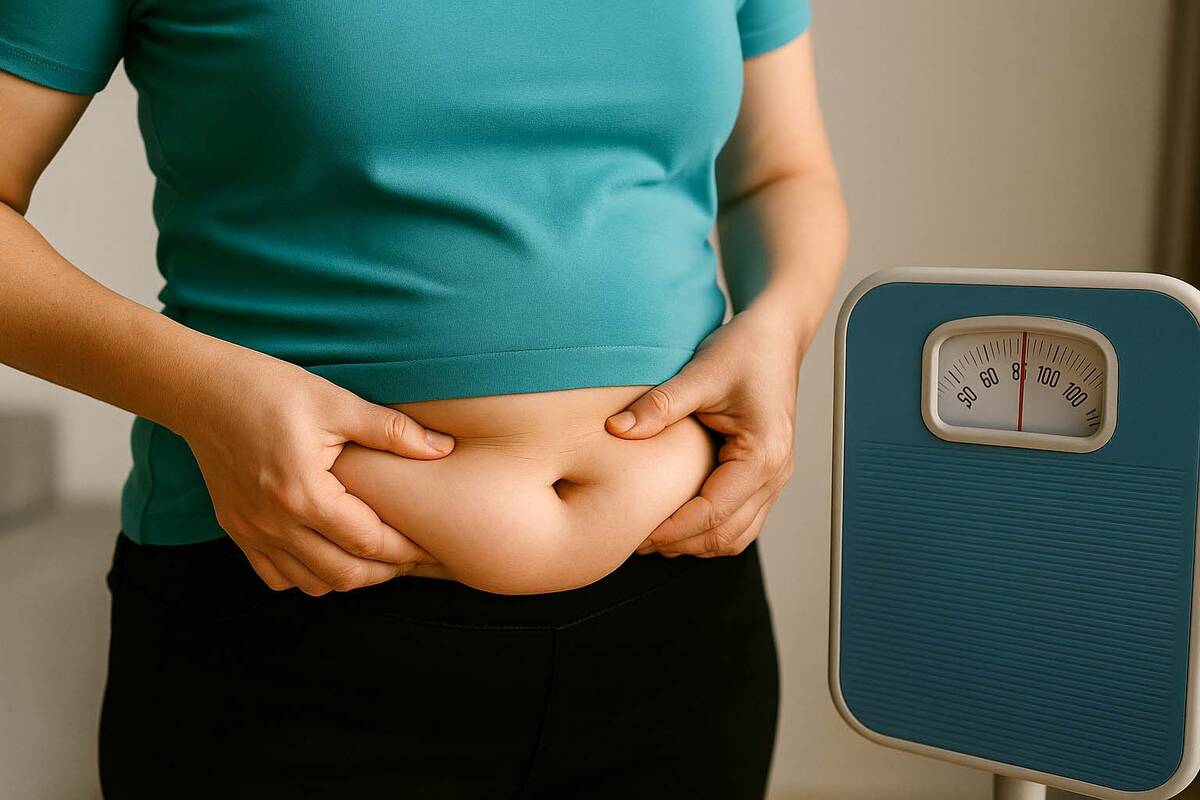
Can supplements and herbal remedies provide support in getting rid of a hormonal belly?
While no supplement is a magic cure, a strategic approach with targeted supplements and herbal remedies can offer powerful support for a balanced metabolism and help to shrink a stubborn hormonal belly.
Many people benefit from supplements aimed at improving insulin sensitivity, such as berberine or alpha-lipoic acid. These compounds help cells respond more effectively to insulin, reducing the likelihood of excess glucose being stored as abdominal fat.
For those whose hormonal belly is driven by chronic stress, adaptogenic herbs like Ashwagandha and Rhodiola can be invaluable; they help the body manage cortisol levels, dampening the stress response and mitigating the signal to store visceral fat.
Similarly, supporting gut health with high-quality probiotics and fiber is an indirect but critical strategy, as a healthy gut is essential for detoxifying excess hormones and reducing inflammation.
Always remember that supplements should be viewed as supportive tools, not replacements for foundational lifestyle changes.
They can enhance the effectiveness of a comprehensive plan focused on diet, exercise, and stress management, acting as a crucial element in your overall strategy to achieve better metabolic health and finally conquer that persistent, hormonally-driven weight.
Is ‘cortisol-driven abdominal fat’ simply a result of emotional eating?
The concept of ‘cortisol-driven abdominal fat’ is frequently linked to emotional eating, but the relationship is far more complex than a simple behavioral flaw.
While stress certainly can trigger comfort food cravings, the primary mechanism behind this type of fat accumulation is purely physiological.
When the body’s stress hormone, cortisol, is consistently elevated due to chronic pressure, inadequate sleep, or emotional distress, it directly signals the body’s fat cells, particularly the visceral ones, to increase in size and number.
This happens regardless of immediate calorie intake or emotional state; it’s a hardwired survival response where the body stores energy for the perceived crisis.
The frustration many people feel is precisely because they are maintaining a healthy diet and still seeing an expanding midsection, which points directly to this underlying hormonal override.
The subsequent emotional eating is often a symptom of the high-stress, low-energy cycle, not the cause of the fat deposition itself.
To effectively combat this, one must move beyond counting calories and instead adopt stress-reduction techniques—like deep breathing, meditation, or spending time in nature—to lower baseline cortisol.
Addressing this core physiological imbalance is a non-negotiable step toward metabolic balance and overall health.
What is the role of the gut microbiome in maintaining a balanced metabolism?
The gut microbiome, an ecosystem of trillions of bacteria residing in our digestive tract, plays an astonishingly powerful and often overlooked role in maintaining a balanced metabolism and preventing the accumulation of weight around the middle.
A healthy, diverse gut is essential for efficient digestion, nutrient absorption, and—crucially—hormone regulation. Specific gut bacteria are responsible for processing and excreting used hormones, such as estrogen, ensuring they don’t recirculate and cause imbalances.
When the microbiome is compromised (a state known as dysbiosis), this vital process is disrupted, potentially leading to hormone excess that can drive fat storage.
Furthermore, a damaged gut lining can lead to systemic low-grade inflammation, which is a known disruptor of both insulin and cortisol signaling. This chronic inflammation creates a hostile environment for fat loss, making it incredibly difficult to shed the weight that settles in the abdomen.
Feeding your gut with fiber-rich foods, fermented products, and high-quality prebiotics is a direct, powerful investment in your metabolic efficiency.
Nurturing this inner ecosystem is a sophisticated and foundational strategy for achieving optimal health and regulating the body’s tendency to store troublesome visceral fat.
How can you distinguish between typical weight gain and hormonally-driven weight gain?
Distinguishing between typical, calorie-driven weight gain and ‘hormonally-driven weight gain’ often comes down to the pattern and persistence of the accumulation, even when diet and exercise seem consistent.
Typical weight gain tends to be more generalized across the body and responds relatively predictably to a caloric deficit and increased activity.
In contrast, hormonally-driven fat accumulation has a distinct, frustrating stubbornness and is highly localized to the abdominal area—the classic ‘apple’ shape—often appearing resistant to standard weight loss methods. This visceral fat can feel firm, as opposed to the softer, subcutaneous fat.
A key indicator of a hormonal component is when the weight gain is accompanied by other tell-tale symptoms of endocrine imbalance, such as persistent fatigue, severe sugar cravings, poor sleep, sudden mood swings, or menstrual irregularities.
These secondary symptoms signal that the issue is not just an energy imbalance, but a communication error within the body’s hormonal control system.
If you find yourself doing all the ‘right things’ but still battling a rapidly expanding midsection, it’s a strong signal that you need to shift your focus from simple dieting to strategic hormone balancing and a deeper commitment to overall metabolic health.
Conclusion
You’ve now journeyed through the complex, yet fascinating, world of the hormonal belly. The most important takeaway is this: the fat accumulation around your midsection is rarely a moral failure or simply a matter of “eat less, move more.”
It is a sophisticated, biological response driven by critical hormones—cortisol from chronic stress, insulin from blood sugar dysregulation, and estrogen shifts from life stages like menopause.
This realization is your first step toward true metabolic freedom, allowing you to move past the frustration of failed conventional diets.
The path to shedding this resistant weight is about restoring harmony to your internal systems. It’s a holistic approach that integrates the power of strategic resistance training, the profound healing of quality sleep, the inflammation-fighting benefits of a whole-foods diet, and, most critically, dedicated stress management.
By addressing the root causes—the chronic cortisol, the insulin resistance, and the underlying inflammation—you can shift your body’s survival signal from “store fat” to “burn energy.”
Remember, achieving lasting well-being is not a sprint, but a sustained commitment to your body’s inherent wisdom. Prioritize your sleep, be mindful of your food choices, incorporate movement that builds muscle, and never underestimate the power of deep breathing to reset your nervous system.
By treating your body with the respect its complexity deserves, you aren’t just losing a few pounds; you are investing in fundamental metabolic health that will serve you for years to come. Take these 12 strategies, apply them with consistency, and finally conquer the hormonal belly for good.
FAQ
A hormonal belly is a term used to describe stubborn, often disproportionate fat accumulation concentrated around the abdomen, typically the lower midsection. It differs from regular weight gain in that it is primarily driven by imbalances in key hormones like high cortisol (stress), insulin resistance, or low sex hormones (estrogen/testosterone), making it resistant to diet and exercise alone. Normal weight gain is usually distributed more generally across the body and responds more predictably to calorie reduction.
The biggest culprits are Cortisol (the stress hormone, which signals the body to store visceral fat), Insulin (resistance leads to fat storage, particularly in the midsection), and Estrogen/Testosterone (shifts during menopause or andropause change fat distribution patterns towards the abdomen). Addressing the root imbalance in these hormones is key to shrinking a hormonal belly.
Absolutely, men can and do experience a hormonal belly. While women often deal with estrogen and progesterone shifts (especially during menopause), men are susceptible to lower levels of Testosterone and high levels of Cortisol and Insulin. Low testosterone is directly linked to an increase in visceral abdominal fat, making the problem equally relevant to men’s health.
The clearest indicator of a hormonal belly is its stubborn nature and its correlation with other symptoms of hormonal imbalance. If your abdominal weight gain persists despite consistent, healthy diet and exercise, and is accompanied by fatigue, poor sleep, intense cravings, or mood swings, hormone imbalance is likely a driving factor. Consulting a doctor for targeted hormone level testing (e.g., cortisol, insulin, thyroid) is the most definitive step.
Yes, stress management is non-negotiable for reducing a hormonal belly. Chronic stress leads to chronically high cortisol. This high cortisol directly instructs the body to store fat viscerally around the organs. Techniques like meditation, deep diaphragmatic breathing, and regular mindfulness practice help lower baseline cortisol, effectively turning off the body’s primary signal for abdominal fat storage.
Crunches and sit-ups are great for building muscle in your abdominal wall, but they do very little to reduce the visceral fat that makes up a typical hormonal belly. To lose this type of fat, you must focus on improving your metabolic health through full-body resistance training (to improve insulin sensitivity) and high-intensity interval training (HIIT) balanced with low-intensity movement like walking.
The speed of results depends on the severity and duration of the underlying imbalance, but consistency is crucial. While you may feel improvements in energy and sleep quality within a few weeks of adopting hormone-balancing habits, noticeable visual changes to a stubborn hormonal belly may take 2 to 3 months of consistent, targeted effort (diet, sleep, strategic exercise, and stress reduction) to truly manifest.
Sleep is a fundamental pillar for tackling a hormonal belly. Poor sleep increases cortisol and disrupts the balance of appetite hormones—ghrelin (makes you hungry) and leptin (makes you full). Lack of sleep makes you hungrier, less satisfied, and more prone to insulin resistance the next day, creating a perfect environment for storing abdominal fat. Aiming for 7-9 hours of quality sleep stabilizes these hormones.
Diet is essential but rarely sufficient on its own to fully reverse a menopausal hormonal belly. The primary cause is the decline in estrogen, which shifts fat storage to the abdomen. While a low-sugar, high-fiber, nutrient-dense diet is crucial for managing insulin sensitivity and inflammation, combining it with strategic resistance training (to build metabolism-boosting muscle) and stress reduction (to control cortisol) provides the most comprehensive and effective solution.
If your abdominal weight gain is rapid, unexplained, and resistant to sustained lifestyle changes, or if it is accompanied by severe symptoms like chronic fatigue, irregular periods, excessive hair loss, or depression, you should consult a doctor. They can perform diagnostic tests to rule out or treat underlying conditions like PCOS, thyroid disorders, or severe insulin resistance that are driving your hormonal belly.

Author: Horeca Health
Horeca Health
DISCLAIMER
All content provided on this website is for informational purposes only and should not be considered a substitute for professional advice, diagnosis, or treatment. Always consult qualified healthcare professionals regarding any questions or concerns you may have about your health or any medical condition.




















Leave a Reply