Health Benefits of Pickles: Introduction
Health Benefits of Pickles: The humble pickle is often relegated to the side of a sandwich or burger, merely a crunchy, tangy garnish. But what if we told you that this beloved condiment, particularly the crispy, briny pickled cucumber, is actually a powerhouse of surprising nutritional advantages?
For centuries, communities around the globe have relied on the process of pickling, not just for food preservation, but for the inherent health benefits of pickles.
Today, modern health research is finally catching up, confirming what our ancestors intuitively knew: these fermented foods are fantastic for your body, inside and out.
Beyond just satisfying a craving for something salty and sour, incorporating pickles into your daily diet can unlock a host of functional wellness support.
Are you looking for a simple, low-calorie snack that actively supports your digestive system? Do you need a natural way to quickly replenish electrolytes after a tough workout?
From fortifying your immune system and stabilizing blood sugar to even enhancing your mental well-being via the gut-brain axis, the case for eating more pickles is stronger than ever.
In this comprehensive guide, we are diving deep into 12 incredible reasons to embrace the crunch, exploring the little-known advantages that make the pickled cucumber far more than just a side dish. Get ready to discover the scientific reasons behind the savory secret to better health!
What Are the Significant Health Benefits of Pickles for Your Digestive System?
When we talk about the incredible world of fermented foods, it’s impossible to skip over the often-underestimated pickled cucumber.
Specifically, naturally fermented varieties are brimming with beneficial bacteria, known as probiotics, which play a starring role in maintaining a robust and diverse gut microbiome. These tiny powerhouses are essential for breaking down food, absorbing nutrients, and even synthesizing certain vitamins.
The process of pickling, when done through traditional brining rather than quick-pickling with just vinegar, creates an ideal environment for these friendly microbes to thrive.
Integrating these tangy treats into your regular diet can be a delicious way to replenish and diversify your gut flora, a foundational element of overall well-being and a critical component of a healthy immune system.
This focus on gut health is one of the most compelling health benefits of pickles that has garnered significant attention from nutritional experts in recent years.
By supporting the balance of bacteria in your intestines, these tasty cucumbers contribute to smoother digestion, potentially reducing issues like bloating and irregularity.
Furthermore, a healthy gut has been increasingly linked to better mood regulation and cognitive function, making the consumption of a probiotic-rich pickled cucumber a smart, holistic choice for your daily health routine.
Therefore, reaching for a crunchy, fermented spear is more than just satisfying a craving; it’s a strategic move for internal wellness.
How Do the Health Benefits of Pickles Contribute to Better Antioxidant Intake?
Beyond their digestive support, another compelling reason to enjoy these briny delights is their contribution to your body’s defense mechanisms through antioxidants.
Cucumbers, in their original form, are already a source of protective nutrients like beta-carotene and various vitamins, and the pickling process can actually help preserve or even enhance the bioavailability of certain compounds, offering another one of the essential health benefits of pickles.
These vital molecules work tirelessly within your body to combat free radicals—unstable atoms that can damage cells, leading to oxidative stress and potentially contributing to chronic diseases. Antioxidants essentially act as internal bodyguards, neutralizing these harmful agents.
Incorporating a nutrient-dense pickled cucumber into your meals is a simple and effective way to bolster your intake of these protective elements. For instance, some preparations that include specific spices like turmeric or chilli can further amplify the overall antioxidant capacity of the final product.
Focusing on plant-based foods rich in these compounds is paramount for long-term health, and these crunchy condiments fit perfectly into that framework. It’s a flavorful approach to cellular protection and disease prevention, proving that even a humble side dish can pack a significant nutritional punch.
The preserved essence of the vegetable, combined with the beneficial compounds in the brine, makes the final product a surprisingly potent source of disease-fighting agents that actively support your health goals.
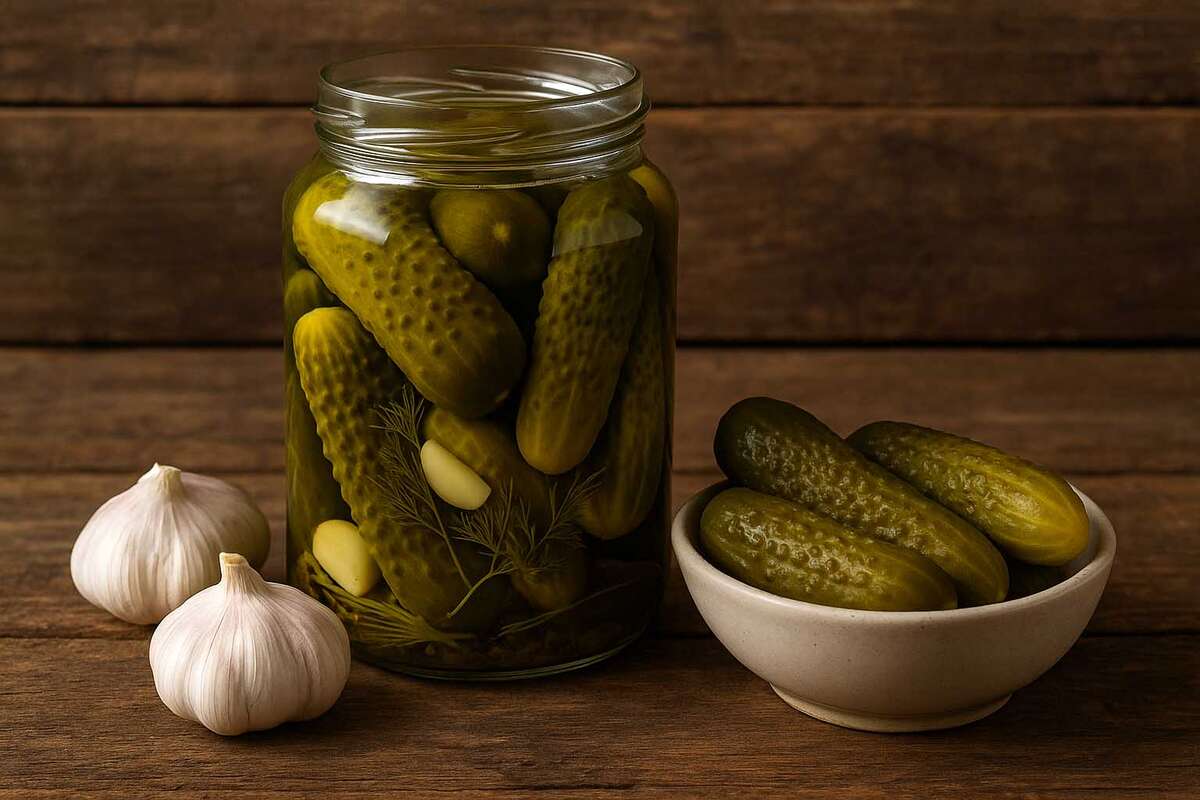
Why Are the Health Benefits of Pickles Crucial for Post-Exercise Recovery?
For active individuals and athletes, the humble jar of pickles holds a secret weapon for recovery, specifically relating to electrolyte replenishment. Intensive physical activity, especially in warm conditions, leads to the loss of essential minerals like sodium and potassium through sweat.
These minerals, known as electrolytes, are critical for maintaining fluid balance, nerve signaling, and optimal muscle function. The brine—the salty liquid surrounding the pickled cucumber—is naturally rich in these electrolytes.
Consuming a small amount of pickle juice or even a few spears after a strenuous workout can swiftly help restore the balance of these crucial elements in your system. This rapid rehydration and electrolyte boost is a significant, yet often overlooked, addition to the health benefits of pickles.
Research suggests that pickle juice may even be more effective than plain water at alleviating muscle cramps, possibly due to a neural reflex triggered by the potent taste, in addition to the mineral content.
This makes it an all-natural, inexpensive, and immediately available alternative to commercial sports drinks, many of which contain excessive sugars and artificial ingredients. Prioritizing effective recovery is central to consistent physical health and performance improvement.
By offering a clean and quick way to restore necessary salts and hydration, the pickled cucumber serves as a natural isotonic solution, directly supporting muscle recovery and overall physical well-being.
How Do the Health Benefits of Pickles Help in Blood Sugar Management?
Emerging research highlights the positive influence of consuming pickled cucumber varieties, particularly those made with vinegar, on maintaining steady blood sugar levels.
The acetic acid found in vinegar has been studied for its potential to help moderate the body’s response to carbohydrate-rich meals.
Specifically, consuming vinegar before or during a meal may slow down the rate at which the stomach empties, which in turn can lead to a more gradual rise in blood glucose levels following eating.
This effect is one of the more contemporary health benefits of pickles being explored, particularly for individuals focused on metabolic health or managing conditions like type 2 diabetes.
By helping to reduce large blood sugar spikes, these vinegary condiments can contribute to more stable energy levels throughout the day and potentially lower the overall insulin demand on the body.
While pickles should never replace prescribed medical treatment, incorporating a few slices into a meal can be a simple, dietary adjustment that supports improved glucose metabolism.
It’s a compelling example of how common foods can offer subtle yet meaningful support to important bodily functions.
For those looking for natural ways to enhance their long-term health profile, leveraging the effects of acetic acid through the consumption of a vinegary pickled cucumber is a practical and flavorful strategy.
In What Ways Do the Health Benefits of Pickles Aid in Weight Management?
For individuals monitoring their caloric intake and striving for a healthy body weight, pickles offer a surprisingly valuable tool. The primary ingredient, the cucumber, is naturally very low in calories and boasts high water content, which is largely retained even after the pickling process.
This combination means that a few crunchy pickled cucumber spears can provide a significant sense of fullness with minimal caloric impact.
The high water and fiber (in the whole cucumber) content contribute to satiety, helping to curb overeating and snacking between meals, which is a key pillar of effective weight management.
Furthermore, as previously discussed, the vinegar used in many popular types of pickles may have an effect on slowing carbohydrate absorption, which can also influence appetite and fat storage.
Therefore, enjoying a tangy, crunchy pickle as a snack or as a side to a main meal can be an excellent way to add flavor and volume to your diet without adding unnecessary calories.
This characteristic of low-energy density makes supporting a healthy weight one of the highly practical health benefits of pickles. They allow for satisfying, guilt-free consumption, making it easier to stick to a balanced eating plan.
By choosing this low-calorie, high-satiety option, you are making a simple yet effective choice for your overall long-term health and weight control efforts.
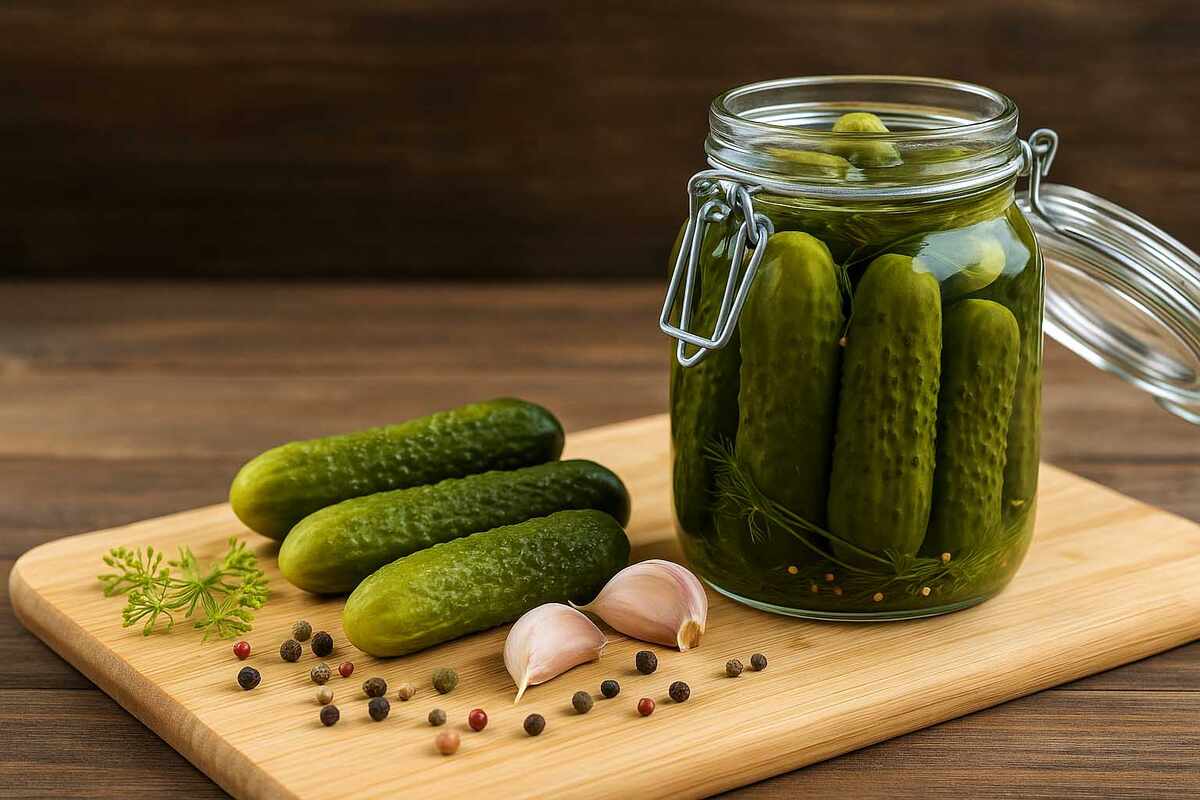
Can the Health Benefits of Pickles Support Your Body’s Hydration Levels?
Absolutely, the fluid in which the pickled cucumber is submerged—the brine—plays a crucial and distinct role in supporting the body’s hydration mechanisms, a notable element in the overall health benefits of pickles.
While plain water is essential for daily fluid intake, pure water alone does not contain the necessary mix of minerals lost through sweat and other bodily functions. The salt and water composition of pickle brine, particularly its sodium content, is key to this benefit.
Sodium is a vital electrolyte that helps the body regulate and retain water, ensuring that fluids are distributed efficiently to all cells and organs.
Especially following periods of heavy perspiration, such as after intense exercise or on a very hot day, consuming a sodium-containing liquid is more effective for rehydration than consuming water alone.
This is because the sodium encourages the body to hold onto the water, preventing it from being rapidly flushed out.
By providing a quick source of water and essential electrolytes, the consumption of these briny snacks directly aids in maintaining optimal fluid balance, which is essential for every aspect of physical health, from cardiovascular function to temperature regulation.
It’s a natural, easy, and flavorful way to supplement your regular water intake, turning a simple snack into a strategic health choice that ensures your body remains properly hydrated.
What Are the Mental Health Benefits of Pickles Related to the Gut-Brain Axis?
The emerging understanding of the bidirectional connection between the digestive system and the brain, known as the gut-brain axis, reveals surprising mental health benefits of pickles, particularly the fermented kind.
Since a significant portion of the body’s serotonin—a key neurotransmitter that influences mood, sleep, and appetite—is produced in the gut, the state of your gut microbiome is directly influential on your mental well-being.
Fermented pickled cucumber varieties are a source of probiotics, the beneficial bacteria that help cultivate a balanced and thriving gut environment.
When the gut is healthy, it communicates more effectively with the brain, potentially leading to positive effects on mood and a reduction in stress and anxiety symptoms. This is an exciting and evolving area of health research, suggesting that dietary choices can be a practical lever for emotional regulation.
Incorporating these probiotic foods, therefore, does more than just aid physical digestion; it’s a proactive step towards supporting cognitive health and emotional resilience.
While not a cure-all, the cumulative effect of maintaining a diverse and robust gut microbiome, achievable partly through enjoying a fermented pickled cucumber, contributes to a more stable internal environment that favors improved mental clarity and reduced feelings of emotional distress.
This connection underscores the profound, holistic impact of simple dietary inclusions on overall health.
How Do the Health Benefits of Pickles Support the Immune System?
A robust immune system is the cornerstone of good health, and the consumption of certain pickled cucumber types can provide valuable support. Much like the link to mental well-being, this health benefits of pickles is fundamentally rooted in the gut.
Approximately 70-80% of the body’s immune cells reside within the digestive tract. Therefore, maintaining a healthy, balanced gut flora is one of the most effective ways to bolster your immune defenses.
Fermented pickles, being rich in live probiotic cultures, actively contribute to this balance. These beneficial bacteria not only compete with and inhibit the growth of harmful pathogens but also directly interact with the immune cells, influencing their development and function.
Furthermore, pickles retain a portion of the original vegetable’s micronutrients, such as Vitamin C and antioxidants, which are crucial for immune cell operation and protection against oxidative damage.
Consuming these tangy snacks regularly helps to fortify the intestinal barrier, making it more difficult for unwanted substances to enter the bloodstream.
This dual action—direct probiotic influence on immune function and the provision of essential nutrients—makes the pickled cucumber a smart dietary inclusion for anyone focused on preventative health.
By nurturing your gut, you are essentially strengthening the primary line of defense your body has against illness and infection.
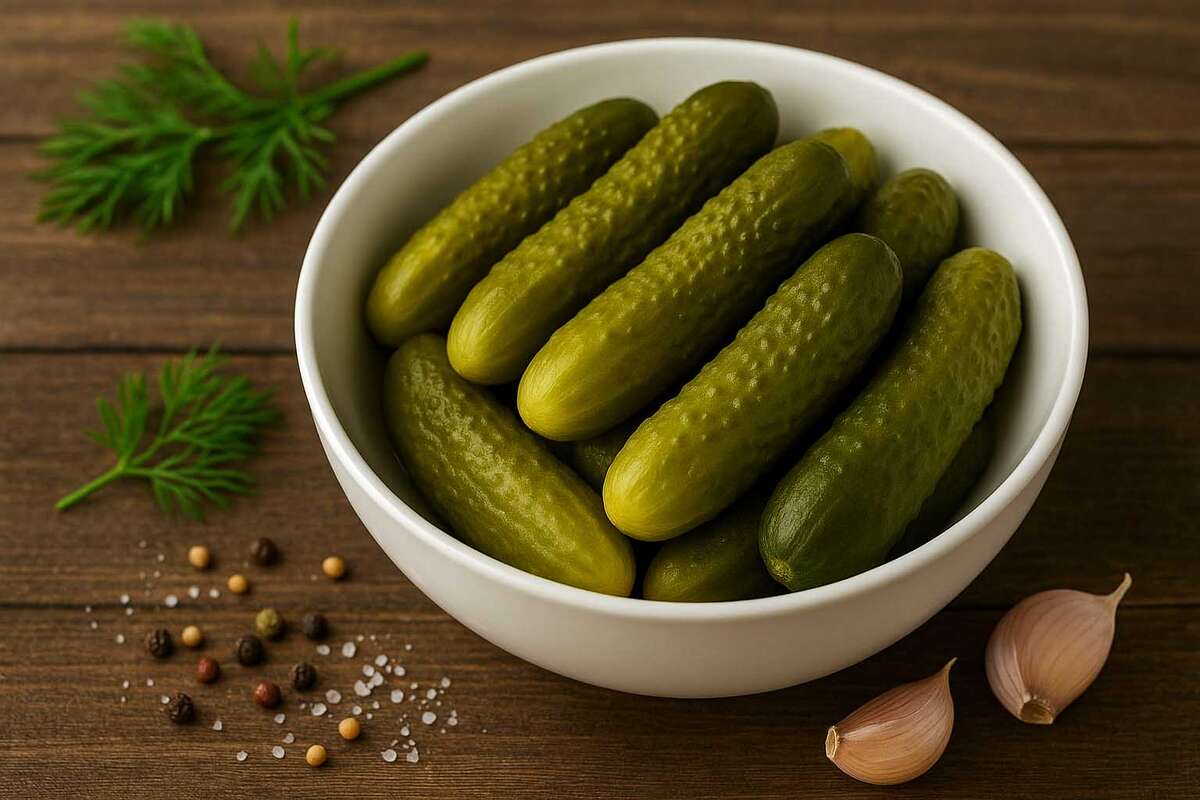
What Is the Role of the Health Benefits of Pickles in Providing Essential Vitamins and Minerals?
Despite undergoing the preservation process, a pickled cucumber still retains a valuable portion of the essential micronutrients found in its fresh form, contributing a subtle yet important aspect to the overall health benefits of pickles.
While the exact nutritional profile can vary based on the preparation method, pickles generally provide small but meaningful amounts of vitamins, including Vitamin K and Vitamin A.
Vitamin K is essential for blood clotting and plays a role in bone health, while Vitamin A is critical for good vision, immune function, and cell growth.
Moreover, the pickle itself and the brine often contain important minerals like potassium, which supports heart function and fluid balance, and sometimes a trace of magnesium.
Although their main contribution is often the probiotics and electrolytes, these preserved vegetables should not be discounted as a source of whole-food nutrition. Integrating them into your diet adds diversity to your nutrient intake.
For example, the natural antioxidants they contain, such as beta-carotene, continue to offer their protective qualities, shielding cells from damage.
While you wouldn’t rely solely on them for your daily nutrient requirements, making the choice to include a pickled cucumber in your meal is a small, flavorful step that helps round out your intake of vital micronutrients, supporting various systemic functions necessary for optimal physical health.
Can Consuming Pickled Cucumber Aid in Curbing Muscle Cramps?
The age-old anecdotal remedy of using pickle juice to stop muscle cramps has now found some backing in scientific studies, confirming one of the more surprising health advantages of the pickled cucumber.
Many athletes and fitness enthusiasts swear by a small shot of pickle brine immediately following exercise or during a cramp. The mechanism behind this rapid relief is thought to be twofold.
Firstly, as detailed previously, the high concentration of electrolytes, particularly sodium and potassium, helps rapidly replenish what is lost through strenuous activity, which is a common cause of exercise-induced cramping.
Secondly, and perhaps more importantly, some research suggests that the highly acidic and potent taste of the brine may trigger a nerve reflex in the mouth and throat that signals the brain to inhibit the firing of the motor neurons that cause the cramp.
This neural connection is believed to act even faster than the time it would take for the electrolytes to be absorbed into the bloodstream. This rapid, non-pharmacological relief from painful muscle spasms highlights a unique and powerful application of the pickled cucumber brine.
Thus, for anyone suffering from frequent or post-workout muscle cramps, keeping a jar handy offers a natural, swift, and effective solution, cementing this benefit as a true advantage of this simple food.
How Does the Pickled Cucumber Contribute to Better Oral Health?
While not the most publicized of the health benefits of pickles, certain aspects of the pickled cucumber can indirectly support better oral health. This connection is primarily seen through the probiotic content found in traditionally fermented varieties.
A healthy and balanced microbiome isn’t exclusive to the gut; it also extends to the mouth. The oral cavity is home to a vast community of bacteria, and an imbalance can lead to issues like gum disease, bad breath, and increased risk of cavities.
Probiotics, the beneficial bacteria introduced by eating fermented pickles, can help to populate the mouth with friendly microbes. These good bacteria may compete with and help suppress the growth of certain detrimental bacteria strains that are responsible for common dental problems.
Furthermore, the act of consuming a crunchy food like a pickle can stimulate saliva production. Saliva is the mouth’s natural defense mechanism, helping to wash away food particles and neutralize acids, which is a key component of preventing enamel erosion and decay.
While good oral hygiene, including brushing and flossing, remains paramount, adding a probiotic-rich, crunchy snack to your diet is a flavorful and simple way to provide ancillary support for your oral health, demonstrating a subtle but interesting facet of the overall advantages of the pickled cucumber.
Are There Anti-Inflammatory Health Benefits of Pickles for Your Overall Well-Being?
Yes, the presence of certain compounds in the pickled cucumber suggests they can offer a degree of support for the body’s natural anti-inflammatory processes, a crucial aspect of overall health.
The original cucumber contains various antioxidant compounds, which, as mentioned, fight the oxidative stress that often triggers inflammatory responses in the body.
Furthermore, the brining process, especially when incorporating spices like dill, garlic, or turmeric (a known potent anti-inflammatory agent), infuses the final product with additional beneficial properties.
A chronic low-grade state of inflammation is recognized as a contributing factor to numerous long-term health conditions, and managing it through diet is a key preventative strategy.
By reducing oxidative damage and supplying the gut with anti-inflammatory probiotics, fermented pickles support a calmer internal environment.
A healthy and balanced gut microbiome is intrinsically linked to lower systemic inflammation, as a compromised gut lining (leaky gut) can trigger immune responses.
Therefore, by nurturing gut integrity and providing protective antioxidants, the consistent consumption of these flavorful treats acts as a modest yet supportive dietary inclusion that helps your body maintain a state of balance.
This cumulative anti-inflammatory effect is yet another compelling entry on the list of remarkable health benefits of pickles.
Who Should Be Cautious About the Health Benefits of Pickles, and Are There Any Side Effects?
While the plethora of health benefits of pickles makes them an appealing addition to many diets, it is crucial to address the potential drawbacks and consider who should exercise caution, as these crunchy condiments are not universally beneficial in large quantities.
The primary concern revolves around the high sodium content—a necessary component of the pickling and brining process.
A single large pickled cucumber can easily contain a significant portion of the recommended daily sodium intake, and excessive salt consumption is a known risk factor for conditions like hypertension (high blood pressure) and can contribute to water retention, or bloating.
Therefore, individuals who are managing high blood pressure, those with pre-existing cardiovascular issues, kidney or liver conditions, or anyone advised to follow a strict low-sodium diet should limit their intake significantly or opt for specially prepared low-sodium varieties.
Furthermore, while the pickled cucumber can boost gut health through probiotics (in fermented types), some sensitive individuals may experience temporary digestive side effects.
The sudden influx of new bacteria can occasionally lead to gas, bloating, or mild discomfort as the gut microbiome adjusts.
Additionally, the high acidity of pickles, especially those made with vinegar, may exacerbate symptoms for people prone to acid reflux or heartburn, and frequent, excessive consumption may potentially contribute to dental enamel erosion over time.
Finally, certain fermented foods contain histamines, which may trigger adverse reactions, such as headaches or digestive upset, in individuals with histamine intolerance.
As with any food, moderation is key to enjoying the flavor and true health benefits of pickles without encountering unnecessary side effects. If you have any chronic health conditions, always consult a medical professional about dietary changes.
Conclusion
As we’ve explored the vast array of benefits, it’s clear that the pickled cucumber deserves far more credit than its status as a simple snack.
From the critical role of probiotics in enhancing gut flora, which underpins everything from immunity to mental health, to the fast-acting electrolyte replenishment crucial for post-exercise recovery, the health benefits of pickles are both diverse and significant.
They offer a flavorful, low-calorie option for weight management and provide unique metabolic support by aiding in blood sugar stabilization.
While we always stress caution regarding sodium intake for certain individuals (making informed choices about variety is key), for the average person, incorporating traditionally fermented or even vinegar-based pickles in moderation is a straightforward and delicious way to boost nutrient intake and support overall well-being.
Ultimately, these crunchy, tangy delights are a prime example of how small dietary additions can yield substantial rewards. The process of pickling transforms a simple vegetable into a functional food that delivers antioxidants, aids hydration, and supports a resilient body from the inside out.
So, the next time you reach for a snack, don’t overlook the jar in your fridge. Embrace the brine, savor the crunch, and enjoy a traditional food that truly contributes to a more vibrant and healthy lifestyle.
FAQ
No. The strongest probiotic health benefits of pickles come from traditionally fermented varieties, which use salt and water brine and contain live cultures. Quick-pickled or pasteurized pickles (often found on store shelves) primarily offer fiber and antioxidants but usually lack live probiotics. Therefore, if your goal is gut health, look for labels that say “fermented” or “contains live cultures.”
Fermented pickles introduce beneficial bacteria (probiotics) into your system. These microbes help balance your gut flora, aiding in the breakdown of food, increasing nutrient absorption, and contributing to smoother digestion and reduced bloating. This makes supporting digestive health one of the primary reasons many people turn to this tangy snack.
Absolutely. The high electrolyte content, particularly sodium and potassium, in pickle brine is excellent for rapid rehydration and mineral replenishment. Studies also suggest the brine’s strong taste triggers a neural reflex that can stop muscle cramps faster than water alone, making this one of the most surprising health benefits of pickles for athletes.
Yes, they are a fantastic diet tool. Pickles are extremely low in calories, high in water content, and provide a satisfying crunch that promotes satiety (feeling full) with minimal energy intake, supporting overall health and weight goals effectively.
Caution is advised. While the general health benefits of pickles are great, their high sodium content can be problematic for individuals managing hypertension. If you have high blood pressure, you should strictly limit intake or specifically choose specially prepared low-sodium pickle varieties.
Pickles retain useful micronutrients like Vitamin K (important for blood clotting and bone health) and some Vitamin A. They are also a significant source of necessary electrolytes like sodium and potassium, supporting heart and muscle function, which are part of their overall health profile.
The improved gut environment, courtesy of probiotics, positively impacts the gut-brain axis. Since the gut produces many mood-regulating neurotransmitters, a healthy gut flora contributes directly to better mood, reduced stress, and enhanced cognitive health.
Consistency is more important than volume. Eating a serving (a few spears) of fermented pickles several times a week is often sufficient to continuously introduce diverse bacteria and enjoy the positive health benefits of pickles without consuming excessive sodium.
Yes, particularly vinegar-based pickles. The acetic acid found in vinegar is known to slow down the digestion and absorption of carbohydrates, which can lead to a more gradual rise in blood glucose levels following a meal, supporting metabolic health.
The most common side effect is related to high sodium intake, potentially leading to water retention, bloating, or exacerbating blood pressure issues. For sensitive individuals, the high acidity can also trigger mild acid reflux or heartburn, so moderation is key to maximizing the intended health benefits of pickles.

Author: Horeca Health
Horeca Health
DISCLAIMER
All content provided on this website is for informational purposes only and should not be considered a substitute for professional advice, diagnosis, or treatment. Always consult qualified healthcare professionals regarding any questions or concerns you may have about your health or any medical condition.




















Leave a Reply