Hair Loss: Introduction
Hair Loss: If you’ve noticed more hair on your brush, a widening part, or simply less volume when you look in the mirror, you are not alone.
Dealing with hair thinning or accelerated hair loss can be deeply frustrating, often impacting confidence and overall well-being. It is a common concern that affects millions, yet it is frequently misunderstood.
Many people mistakenly believe that hair loss is a single issue, when in fact, it is a complex symptom stemming from a multitude of possible root causes—from genetics and hormonal shifts to nutritional deficiencies and acute stress.
The journey toward a thicker, healthier head of hair begins not with a miracle product, but with knowledge: correctly identifying the “why” is the key to successfully finding the “how” to treat and reverse it.
In this comprehensive guide, we will unpack the specific causes of hair loss, explore the crucial role of scalp health, and detail the best non-surgical treatments and lifestyle shifts you can adopt today to stimulate growth and restore the vitality of your hair.
What is the difference between normal shedding and excessive hair loss?
It’s a common misconception that finding strands of hair in your brush, on your pillow, or clogging your shower drain automatically signifies a serious case of alopecia or clinical hair loss.
The reality is that losing a certain quantity of hair daily is a perfectly natural and essential component of the body’s continuous cycle of renewal and regeneration.
The hair growth cycle, which consists of the growth (anagen), regression (catagen), and resting (telogen) phases, culminates in the exogen phase—the process where old, detached strands are pushed out to make room for new growth from the follicle below.
For the average healthy adult, this means a baseline loss of approximately 50 to 100 hairs per 24-hour period.
When this process remains within the normal limits, the amount of lost hair is consistently balanced by the amount of new hair entering the growth phase, meaning the overall density of your mane remains unchanged.
However, when the rate of shedding significantly exceeds this normal physiological range, or when the growth cycle is prematurely interrupted, that is the critical point when we transition into true, clinical hair loss, medically termed alopecia.
True hair loss is characterized by symptoms such as the noticeable thinning of the overall volume, a progressive widening of the scalp part, a visible recession of the frontal hairline, or the emergence of distinct, often alarming, patches of baldness.
Understanding this subtle yet crucial distinction between expected shedding and excessive loss is the vital first step in diagnosing and addressing the root cause of any sudden or chronic reduction in the thickness of your hair.
How do genetics and heredity cause hair loss in men and women?
The single most prevalent and widespread reason for progressive hair thinning and eventual baldness is a condition you inherit: androgenetic alopecia.
Universally recognized as male-pattern or female-pattern baldness, this type of chronic hair loss is meticulously encoded into your genetic blueprint, and it accounts for the overwhelming majority of cases that present in clinical settings globally.
The core mechanism driving this hereditary condition revolves around the sensitivity of your hair follicles to a potent androgen hormone known as dihydrotestosterone, or DHT.
In individuals genetically predisposed to this condition, the DHT hormone binds to receptors in the scalp follicles, which initiates a detrimental process called follicular miniaturization.
Over a period of years or decades, DHT exposure causes the once-robust hair follicles to gradually shrink, becoming smaller and smaller, and simultaneously shortening their active growth phase (anagen).
This destructive process leads to the strong, thick, and pigmented terminal hair being slowly but surely replaced by much finer, shorter, almost transparent vellus hair, until the follicle ultimately shrinks to the point where it completely ceases to grow any hair at all.
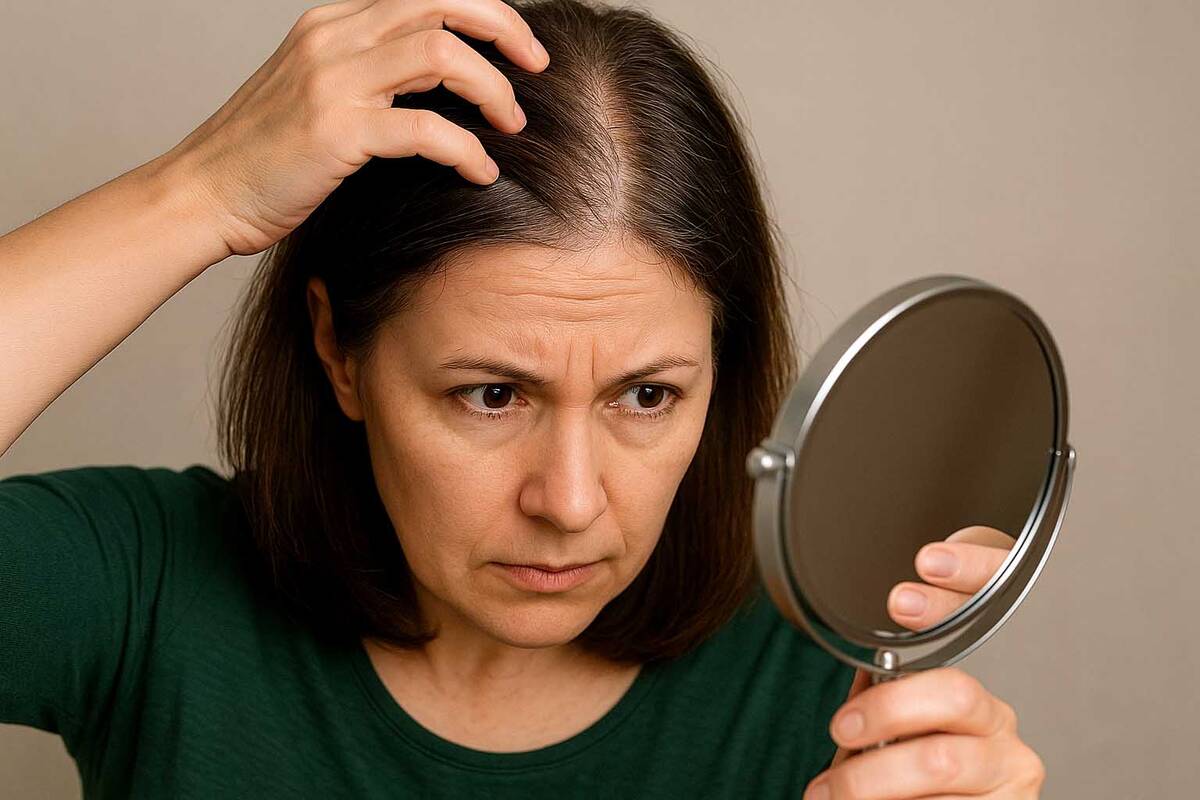
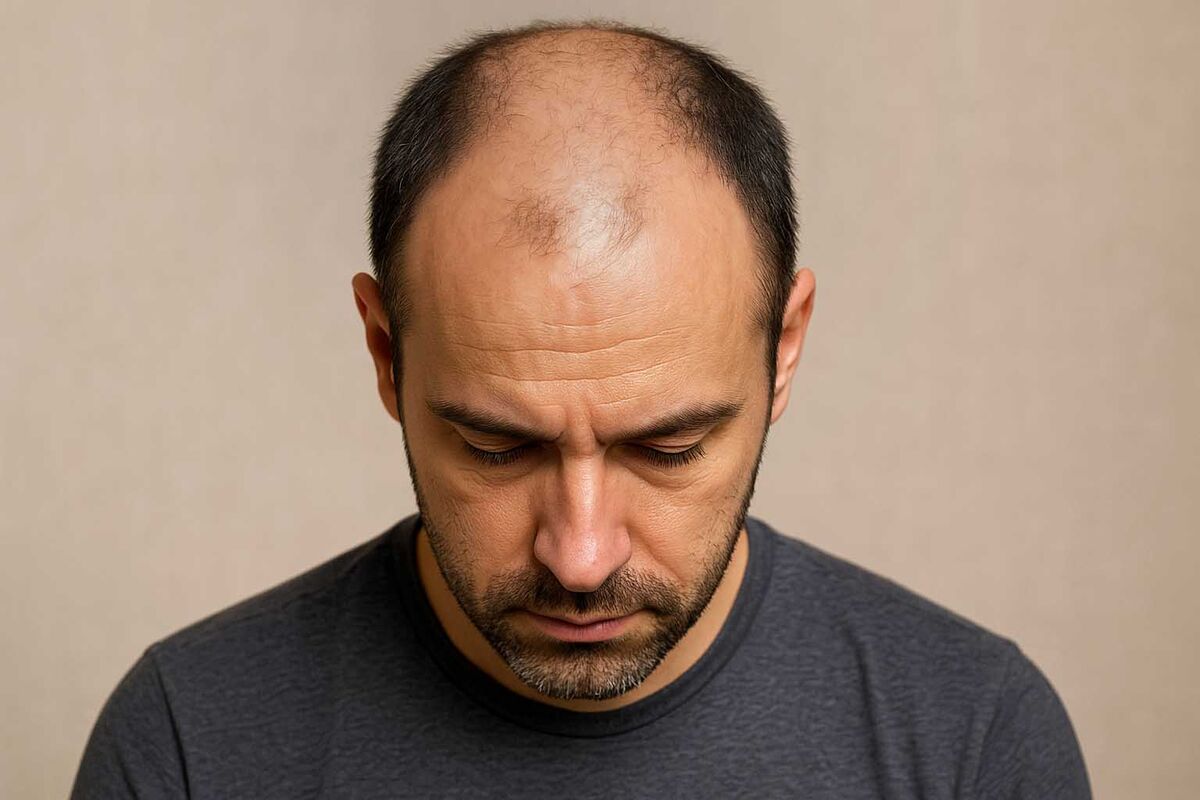
For men, this genetic predisposition most often manifests as the classic receding “M” shape at the temples and a bald spot on the crown.
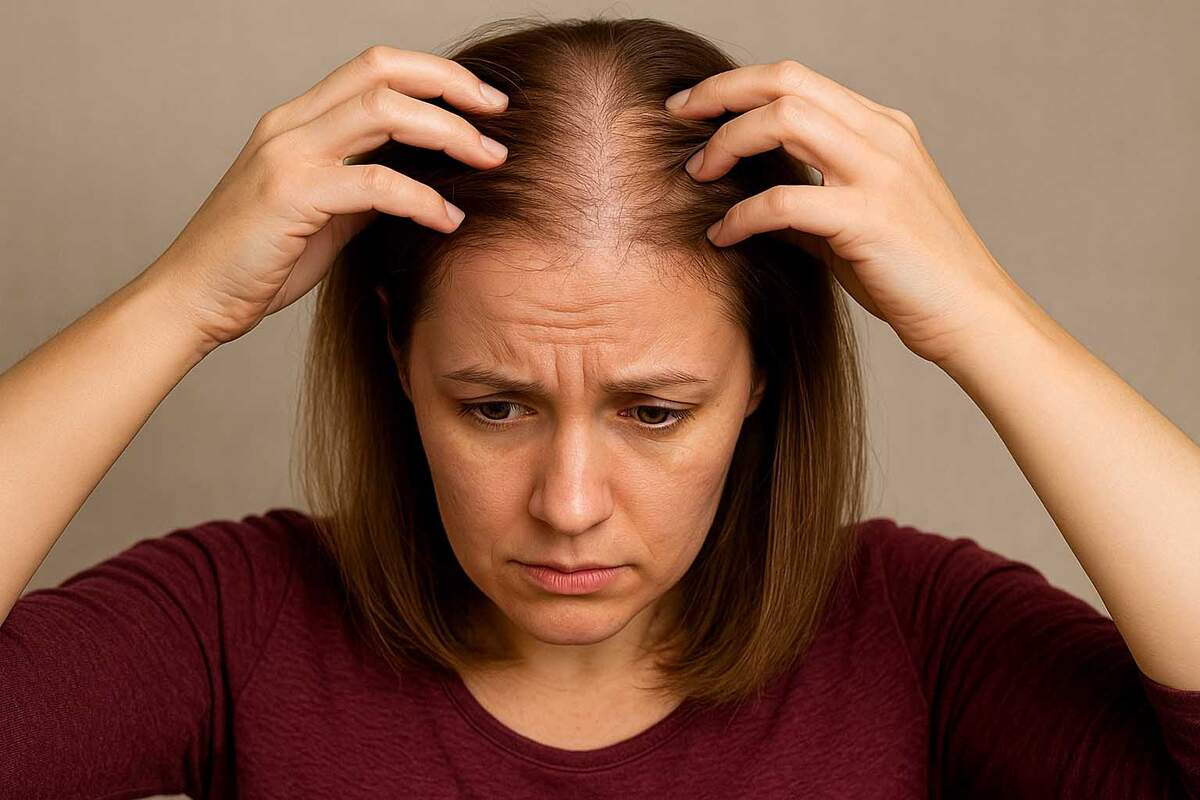
Conversely, in women, the pattern typically presents as a diffuse, uniform thinning over the entire top of the scalp and a widening of the central part, while the frontal hairline is often mercifully preserved.
It’s important to know that while your predisposition is hereditary, it is polygenic, meaning the genes responsible come from both sides of the family, and early recognition based on family history is the best predictor for timely intervention and treatment to preserve your existing hair density.
Can chronic stress and major life events truly cause hair loss?
The profound connection between a person’s psychological and physical stress levels and the resulting health and density of their hair is not mere anecdote; it is a well-documented physiological reality.
Significant physical or psychological trauma, chronic anxiety, or major stressful life events have the capacity to trigger a highly alarming, though typically temporary, form of hair loss known as telogen effluvium.
This condition is an acute response where a large proportion of hair follicles—sometimes up to 50%—are abruptly shocked and shunted out of the long anagen (growth) phase and forced prematurely into the telogen (resting) phase.
The common triggers for this sudden shift include major surgery, high fever or severe illness, hormonal shifts post-childbirth, extreme and rapid weight loss, or an extended period of intense emotional distress.
A key feature of telogen effluvium is the time delay: the hair loss typically manifests as profuse shedding approximately three months after the initial triggering event, since the telogen phase itself lasts for about three months before the resting strands are physically ejected from the scalp.
This shedding is typically diffuse, meaning the thinning occurs uniformly across the entire scalp, often resulting in handfuls of hair coming out when brushing or washing. The reassuring aspect of this type of hair loss is that it is fundamentally reversible.
Once the underlying stressor has been properly identified and either resolved or managed effectively, the hair growth cycle can normalize, and the vast majority of people experience a full and substantial regrowth of their hair within six to nine months, restoring their prior density.
Which medications and medical conditions are known to cause hair loss?
When attempting to pinpoint the cause of uncharacteristic shedding or progressive thinning, a thorough review of your current medications and medical history is absolutely paramount, as many systemic issues and pharmaceuticals can directly interfere with the delicate hair growth cycle.
The list of known culprits is surprisingly extensive and can include various classes of drugs. For instance, common medications such as blood thinners, certain types of antidepressants, specific blood pressure regulators (like beta-blockers), and high doses of supplemental Vitamin A are all documented to potentially interrupt the anagen phase of the hair, leading to increased shedding.
Beyond pharmacological causes, several crucial medical conditions must be actively ruled out by a physician.
Thyroid dysfunction, both an overactive (hyperthyroidism) and an underactive (hypothyroidism) gland, is a very frequent and treatable cause of diffuse hair loss because thyroid hormones are central and critical regulators of the body’s metabolic functions, including the hair production cycle.
Autoimmune diseases, such as the widely recognized Alopecia Areata, cause the immune system to mistakenly identify and attack healthy hair follicles, resulting in distinct, non-scarring, smooth patches of hair loss on the scalp.
Other conditions like systemic lupus erythematosus, uncontrolled diabetes, and even simple, yet severe, deficiencies such as low iron levels (anemia) can all lead to increased hair shedding.
Therefore, the most effective path to halting this type of hair loss is always to address the primary cause, whether that involves carefully adjusting a medication regimen under doctor supervision or treating the underlying systemic illness to stabilize the hair cycle.
How does nutritional deficiency lead to hair loss?
The essential health and vitality of your hair are inextricably linked to the quality and consistency of your diet, as hair is fundamentally a non-essential tissue and is, therefore, the first to suffer when the body experiences nutrient deprivation.
A diet that is chronically deficient in key macro- and micronutrients can lead to a condition known as deficiency-related telogen effluvium, a distinct form of excessive hair loss.
Since hair strands are almost entirely composed of protein (keratin), a prolonged, inadequate intake of quality proteins from sources like lean meats, fish, or legumes means the body lacks the raw building materials necessary for robust, strong new hair growth, often resulting in existing hair becoming brittle and weakened.
Furthermore, iron deficiency, even in its non-anemic stages (low ferritin stores), is one of the most statistically common nutritional links to increased shedding, particularly affecting women of reproductive age.
Iron is absolutely critical for the optimal delivery of oxygen to the energy-hungry hair follicles. Similarly, inadequate levels of zinc, a mineral essential for hair tissue growth, repair, and the proper function of oil glands, and certain B vitamins, notably biotin, are known to directly impair the structural integrity and growth speed of the hair.
This also applies to extreme, rapid weight loss diets or highly restrictive eating habits, which can shock the system and temporarily trigger significant hair loss due to the sudden caloric and nutrient deficit.
Adopting a well-rounded and sustainable diet, rich in complex carbohydrates, healthy fats, and a full, diverse spectrum of vitamins and minerals, is not just a general health recommendation but a foundational, non-negotiable step toward sustaining a full, vibrant, and resilient head of hair over a lifetime.
Can excessive heat styling and chemical treatments cause hair loss?
While aggressive styling practices may not cause the permanent, genetic follicular failure seen in androgenetic alopecia, they are undoubtedly a leading cause of traumatic hair loss from breakage, often referred to as acquired trichorrhexis nodosa or traction alopecia.
The constant application of high heat from styling tools—including flat irons, curling wands, and high-temperature blow dryers—causes significant internal damage to the hair shaft.
This process involves the excessive evaporation of moisture within the strand, literally boiling the water inside the cortex and resulting in the formation of internal vacuoles, which severely compromise the hair’s protective outer cuticle layer.
The result is hair that becomes overly dry, brittle, and incredibly prone to snapping off mid-shaft, leading to a noticeable reduction in the overall perceived thickness and length of the mane.
Similarly, strong chemical processes such as aggressive bleaching, permanent waves, or caustic relaxers chemically break the critical disulfide bonds that give the hair its inherent strength, structure, and elasticity, leaving the strands weak and highly vulnerable to physical damage.
Beyond chemical trauma, the physical strain of constant, excessive tension on the hair roots—through practices like wearing very tight braids, severe ponytails, heavy extensions, or weaves—can physically damage the delicate dermal papilla and stem cells within the hair follicle over time, potentially leading to a permanent form of follicle scarring known as traction alopecia.
For those who observe thinning following a major chemical treatment or a consistently tight styling routine, the immediate and mandatory course of action is a strategic ceasefire: drastically minimizing heat exposure, avoiding harsh chemical services, and exclusively adopting loose, tension-free hairstyles to allow the hair shaft and the stressed follicle a crucial period to fully rest, recover, and eventually regrow without further trauma.
How does blood flow and scalp health influence hair loss?
The health of your scalp is the absolute bedrock upon which a robust head of hair is built, and both compromised blood circulation and poor skin condition in this area can significantly contribute to progressive hair thinning and hair loss.
Every single hair follicle is a tiny, highly energetic organ that requires a continuous, rich supply of oxygen and essential nutrients, which are delivered exclusively by a dense network of micro-capillaries at the base of the follicle.
If the blood flow, or vascularization, to the scalp is inhibited or insufficient—a state sometimes linked to inflammation, excessive tension, or age—the hair follicles are effectively deprived and “starved.”
This nutritional scarcity results in a diminished, shorter growth phase (anagen), the subsequent production of visibly finer and weaker hair strands, and ultimately, accelerated, premature shedding.
Furthermore, any underlying skin conditions that cause chronic irritation or inflammation on the scalp surface—such as untreated severe dandruff (seborrheic dermatitis), psoriasis, or inflammatory fungal infections—create a highly hostile and sub-optimal environment for the delicate hair follicle to function properly.
This inflammation surrounding the follicle’s opening can physically impede its growth and accelerate the hair’s transition from the productive growth phase into the unproductive resting phase.
This undeniable physiological link is precisely why scalp health has rapidly evolved into a primary focus in modern hair retention and anti-shedding strategies.
Integrating simple, routine practices like gentle, consistent scalp massage can dramatically help by actively boosting peripheral blood circulation, ensuring a steady and rich delivery of vital growth factors directly to the hair roots, establishing a strong, healthy foundation for thicker, more resilient hair growth.
When should i consult a medical professional about my hair loss?
While minor and intermittent shedding can often be managed effectively through adjustments to diet and a reduction in stress, there are several crucial and non-negotiable red flags that should immediately prompt a consultation with a medical professional, ideally a board-certified dermatologist or a physician specialized in hair disorders.
You should seek expert advice urgently if you observe sudden, acute, or rapid onset of shedding where hair is coming out in unexpectedly large clumps, or if you begin to notice distinct, smooth, and geometrically round or oval patches of baldness on your scalp, as this is strongly indicative of the autoimmune condition known as Alopecia Areata.
It is also imperative to see a doctor if your hair loss is not an isolated symptom but is accompanied by other significant, systemic changes, such as persistent, unexplained fatigue, noticeable changes in weight, irregular menstrual cycles, chronic skin rashes, or overall malaise, as these symptoms can point toward a serious, underlying medical issue like a thyroid imbalance, an autoimmune disorder, or an iron deficiency.
For individuals who are noticing a progressive, consistent widening of their hair part (common in female pattern thinning) or a rapid, consistent recession of the frontal hairline (male pattern thinning), early medical diagnosis is absolutely paramount for pattern hair loss, as the highly effective pharmaceutical treatments currently available work best when initiated early to prevent further irreversible miniaturization of the hair follicles.
A doctor can accurately diagnose the cause through a combination of blood tests to check for vitamin deficiencies and hormones, and potentially a scalp biopsy, offering the only definitive path to a customized and successful treatment plan to stop the progressive hair shedding.
What effective non-surgical treatments are available to combat hair loss?
The landscape of non-surgical interventions designed to effectively combat progressive hair loss is now more advanced and successful than ever before, offering numerous evidence-based options for individuals seeking to restore their density.
The globally recognized gold standard for both men and women remains topical Minoxidil (commonly known by the brand name Rogaine), an over-the-counter preparation that functions as a vasodilator, working primarily to prolong the active growth (anagen) phase of the hair cycle and potentially increase the physical size of miniaturized hair follicles.
For men specifically, and sometimes prescribed off-label for post-menopausal women, the oral medication Finasteride (Propecia) is a powerful tool; it actively works by inhibiting the enzyme 5-alpha reductase, which is responsible for converting testosterone into the follicle-damaging hormone, DHT.
Beyond these cornerstone pharmaceuticals, Platelet-Rich Plasma (PRP) therapy has emerged as a cutting-edge and popular in-office procedure.
This treatment involves drawing a small sample of the patient’s own blood, processing it in a centrifuge to isolate a concentrated serum rich in growth factors and platelets, and then meticulously injecting this potent plasma directly into the areas of thinning scalp.
These powerful growth factors directly stimulate the dormant stem cells within the hair follicles, prompting them to re-enter the active growth phase and leading to the production of visibly thicker and healthier hair.
Additionally, Low-Level Laser Therapy (LLLT), available in various convenient at-home devices like laser caps and combs, utilizes specific red light wavelengths to stimulate cellular energy and activity within the hair follicles.
The single most crucial factor for success across all these treatments is unwavering consistency; they all require continuous, long-term use to maintain the density achieved and prevent the inevitable return of hair loss.
How can i promote thicker hair naturally through lifestyle changes?
Cultivating a truly thicker, healthier head of hair is less about miracle products and more about adopting a consistent, supportive, and holistic approach to your overall health and well-being.
The single most fundamental lifestyle adjustment you can make is a deep commitment to optimizing your nutrition, as your body uses food as the raw material for hair production.
Since the hair structure is predominantly protein (keratin), ensuring a consistently high intake of quality, diverse proteins—from sources like fish, lean poultry, legumes, and eggs—is non-negotiable for strength and new growth.
This must be complemented by essential micronutrients; focus particularly on ensuring adequate intake of Iron (often a cause of deficiency-related shedding), Zinc, Vitamin D, and especially Omega-3 fatty acids, which are crucial for nourishing the scalp and follicles from the inside out.
A second powerful and entirely free strategy involves actively mitigating chronic stress; prolonged periods of high stress elevate cortisol, a hormone that can prematurely push a large number of hair follicles into the shedding phase.
Integrating daily, non-negotiable practices like mindfulness meditation, regular brisk exercise, or therapeutic yoga can significantly buffer the negative impact of stress on the hair growth cycle.
Furthermore, be rigorously gentle with your hair; minimize chemical processing, dramatically reduce the use of high-heat styling tools, and finally, integrate a simple, daily, and gentle scalp massage.
This small habit is a powerful, non-invasive way to physically increase localized blood flow to the follicles, ensuring a rich, steady delivery of oxygen and nutrients directly to the root of the hair, promoting maximum thickness and structural integrity.
What role does professional scalp care play in preventing hair thinning?
While many people mistakenly focus solely on the ends of their hair, investing in professional-grade scalp care is arguably the most essential strategy for long-term hair health and effectively minimizing progressive hair shedding.
You must conceptualize the scalp as the fertile soil from which your hair grows; if the “soil” is unhealthy, inflamed, or congested, the hair strands simply cannot achieve their maximum potential thickness and longevity.
Advanced scalp care products and treatments are specifically engineered to proactively target and resolve common underlying issues that actively impede robust growth, such as the buildup of excessive sebum (oil), residual styling product, microscopic inflammation, and microbial imbalance (like severe dandruff or fungal issues).
Establishing a routine that incorporates the regular use of gentle, clarifying, and sulfate-free shampoos, along with targeted scalp exfoliants, is a vital first step, as these products work to remove dead skin cells and physically unclog the follicular openings.
Furthermore, utilizing high-quality, targeted scalp serums that contain proven bio-active ingredients—such as specific peptides, powerful antioxidants, and anti-inflammatory compounds—can penetrate deep into the skin, directly nurturing and stabilizing the intricate environment of the hair follicle.
Prioritizing the health of this vital, underlying skin layer helps to ensure that every new hair strand is generated from a stable, nutrient-rich, and non-inflamed base, thereby maximizing its inherent potential for thickness and density while creating a strong defensive barrier against further follicular compromise and hair loss.
How can proper hairstyling and cutting techniques create the illusion of density?
For individuals who are actively managing progressive hair thinning or diffuse hair loss, smart, strategic hairstyling and cutting techniques are an incredibly powerful and immediate way to dramatically boost self-confidence and create the convincing visual effect of much greater hair density.
The most effective cutting technique for maximizing volume is the blunt cut, which involves creating a sharp, precise, and thick-looking line at the bottom.
This intentional lack of wispy layers at the perimeter makes the ends appear much fuller and weightier, directly counteracting the light, airy look of thin or fine hair.
While subtle layering can add necessary movement and lift, particularly around the crown where hair often falls flat, this must be executed with caution to avoid aggressively thinning out the ends. Beyond the cut, utilizing modern, high-quality volumizing and thickening products is a necessity.
These specialized products, such as root-lifting sprays, lightweight texturizers, and mousses, work through various mechanisms, including gently coating the individual hair shaft to increase its circumference and providing structural support at the root, which directly lifts the hair away from the scalp and immediately combats the flat appearance of thinning hair.
Finally, strategic color work is a powerful, non-invasive technique: the application of subtle lowlights or skillfully placed balayage can cleverly add contrast and dimension, which creates a visual shadow and trick of the eye that makes the entire head of hair appear significantly denser and more voluminous than it actually is.
Consulting with an experienced stylist who understands hair loss patterns is the key to tailoring these effective techniques to your unique situation, providing an immediate aesthetic improvement while you pursue long-term medical solutions.
Conclusion
We understand that navigating the complexities of hair loss can feel overwhelming, but the key takeaway is this: you have the power to influence the health and density of your hair.
From understanding the non-negotiable role of genetics and recognizing the impact of stress and diet, to exploring powerful medical interventions and prioritizing dedicated scalp care, the path to thicker hair is paved with consistent, informed action.
True, sustainable growth requires patience and commitment, but by implementing the expert strategies outlined in this guide—from nutritional optimization to smart styling—you are actively creating an environment where your hair can thrive.
If your thinning is sudden or severe, remember that consulting a specialized medical professional is the best way to receive a definitive diagnosis and the most effective treatment plan.
Don’t let hair loss define your confidence; take control of your hair health journey now and start laying the foundation for a fuller, more resilient mane.
FAQ
No, not all shedding signifies permanent hair loss. It is normal to shed between 50 and 100 hairs daily as part of the natural hair cycle (exogen phase). True or clinical hair loss (alopecia) occurs when the rate of shedding significantly exceeds regrowth, or when the hair follicle itself begins to shrink, leading to visible, progressive thinning or bald patches.
Patience is crucial with any treatment for hair loss. Since hair grows slowly—approximately half an inch per month—it typically takes a minimum of three to six months of consistent use of treatments like Minoxidil or Finasteride before you can notice any visible reduction in shedding or the start of new, thicker growth of hair.
While there is currently no definitive “cure” that permanently stops hereditary hair loss (androgenetic alopecia), there are highly effective medical treatments. Medications like Minoxidil and Finasteride can significantly slow the progression of thinning, prevent further follicular miniaturization, and in many cases, stimulate the regrowth of existing hair. Consistency is the key to maintaining these benefits.
Yes, in the vast majority of cases, stress-induced hair loss (telogen effluvium) is temporary and fully reversible. This condition causes excessive shedding roughly three months after a major stressful event. Once the underlying stressor (illness, surgery, emotional trauma) is resolved or managed, the hair cycle typically normalizes, and density begins to return within six to nine months.
The most frequently identified nutritional deficiencies contributing to sudden or progressive hair loss are low iron levels (ferritin), which impacts oxygen delivery to the follicle, and low levels of Zinc and Vitamin D. A lack of high-quality protein can also weaken the hair structure. Consulting a doctor for blood tests can confirm if a deficiency is driving your hair shedding.
No, washing your hair frequently does not cause hair loss; it merely dislodges the strands that have already detached from the follicle. In fact, gentle, regular washing is vital for scalp health, which is the foundation for healthy hair growth. Using a sulfate-free shampoo to keep the scalp clean and non-inflamed is a beneficial practice for preventing hair loss.
Thyroid dysfunction (both hypo- and hyperthyroidism) often causes a diffuse, generalized thinning of the hair across the scalp. If your hair loss is accompanied by other systemic symptoms like sudden weight change, fatigue, sensitivity to temperature, or mood swings, you should request a thyroid function test from your doctor to rule out this common cause.
Yes, Platelet-Rich Plasma (PRP) therapy has shown promising results as an effective non-surgical treatment for certain types of hair loss, particularly androgenetic alopecia. It involves injecting a concentration of the patient’s own growth factors directly into the scalp to stimulate dormant follicles and promote the growth of thicker, stronger hair.
Constant, excessive tension on the hair follicle from very tight braids, ponytails, or hair extensions can lead to a specific type of trauma-induced hair loss called traction alopecia. If this practice is continued over a long period, it can cause irreversible scarring of the follicle, leading to permanent bald patches. Switching to loose, tension-free styles is critical for prevention.
Hair loss is extremely common in both genders, but the pattern differs. Hereditary pattern baldness (androgenetic alopecia) affects a significant majority of men by age 50, typically resulting in a receding hairline and bald crown. While less often leading to total baldness, female pattern hair loss is very common, manifesting as diffuse thinning and a widening of the central hair part.

Author: Horeca Health
Horeca Health
DISCLAIMER
All content provided on this website is for informational purposes only and should not be considered a substitute for professional advice, diagnosis, or treatment. Always consult qualified healthcare professionals regarding any questions or concerns you may have about your health or any medical condition.




















Leave a Reply