Collagen: Introduction
Collagen: The topic of collagen has dominated the wellness conversation in recent years, moving from a niche supplement to a certified mainstream obsession.
You see it everywhere: swirling in coffee, blended into smoothies, and celebrated by everyone from beauty gurus to professional athletes.
But beyond the hype and the marketing buzz, what is this protein, and is it truly the elixir of youth and vitality it’s made out to be? The answer, as you’re about to find out, is a resounding yes—but understanding why is the key to unlocking its full power.
This single, most abundant protein in the human body is far more than just a beauty aid; it is the fundamental structural backbone of your entire physical form.
Think of it as the body’s internal scaffolding, providing the strength, elasticity, and structure to your skin, the cushioning for your joints, and the framework for your bones.
However, as the years tick by, your body’s natural production of this essential protein begins a steady decline, a process that underpins many of the physical changes we associate with getting older.
In this expert-guided yet approachable post, we’re going to cut through the confusion and give you the definitive guide.
We will explore in depth what this structural powerhouse is, uncover its vital role in your long-term health and well-being—from your hair to your heart—and, most importantly, show you exactly how to incorporate it into your routine for maximum benefit.
Prepare to transform your understanding of this critical protein and learn how you can proactively support your body’s most essential framework.
What Exactly is Collagen and Why is it Essential for Your Body?
As the most abundant protein in the human body, collagen serves as the fundamental scaffolding that supports our structure, acting much like the ‘glue’ that holds everything together.
Comprising about one-third of our total protein, this remarkable substance is critical to the integrity of our connective tissues, including skin, bones, tendons, ligaments, and cartilage. Think of it as the framework that provides strength, elasticity, and resilience.
Without adequate levels of this fibrous protein, the structures that define our youthful appearance and mobility would begin to falter. Structurally, it is composed of amino acids—primarily glycine, proline, and hydroxyproline—wound together into a characteristic triple helix.
This unique structure is what gives it its incredible tensile strength. Our bodies naturally produce this vital protein, but production begins to decline as we age, typically starting in our mid-twenties.
This natural decrease is a primary contributor to the common signs of aging we often observe, such as wrinkles, joint stiffness, and weakened bones. Maintaining sufficient levels is therefore paramount for long-term well-being and overall health.
Understanding its role as a master building block is the first step in appreciating its profound impact on your physical form and function. Furthermore, the synthesis of this essential component relies heavily on co-factors like Vitamin C, making diet and nutrient availability an inseparable part of its upkeep.
A holistic approach that acknowledges both internal production and external support is key to leveraging its full benefits.
How Does Diminishing Collagen Affect Our Skin’s Appearance Over Time?
The gradual decline in collagen production is arguably the single largest factor driving the visible signs of aging in our skin, turning the smooth, plump canvas of youth into a landscape of fine lines and wrinkles.
In our younger years, this powerful structural protein forms a dense, organized network in the dermis layer of the skin, providing the firm foundation necessary for elasticity and moisture retention.
As we age, however, not only does the quantity of new collagen decrease, but the existing fibers also become fragmented and disorganized, compromising the skin’s supportive mesh.
This structural degradation leads directly to the skin losing its firmness and ability to spring back, resulting in sagging and the development of deep wrinkles.
The overall reduction in skin turgor and hydration, which are also intrinsically linked to healthy collagen levels, leaves the skin appearing dull and less radiant.
Beyond chronological aging, external factors such as prolonged UV exposure, pollution, and poor lifestyle choices significantly accelerate the breakdown of this crucial protein.
Sun damage, for instance, triggers enzymes called matrix metalloproteinases (MMPs) that actively chew up the existing collagen framework, fast-tracking the aging process. Therefore, protecting the integrity of this dermal matrix is not just a cosmetic pursuit but a critical aspect of dermatological health.
By addressing this foundational protein loss, whether through supplementation or preventative lifestyle measures, we can significantly mitigate the visual effects of time and environmental stressors.
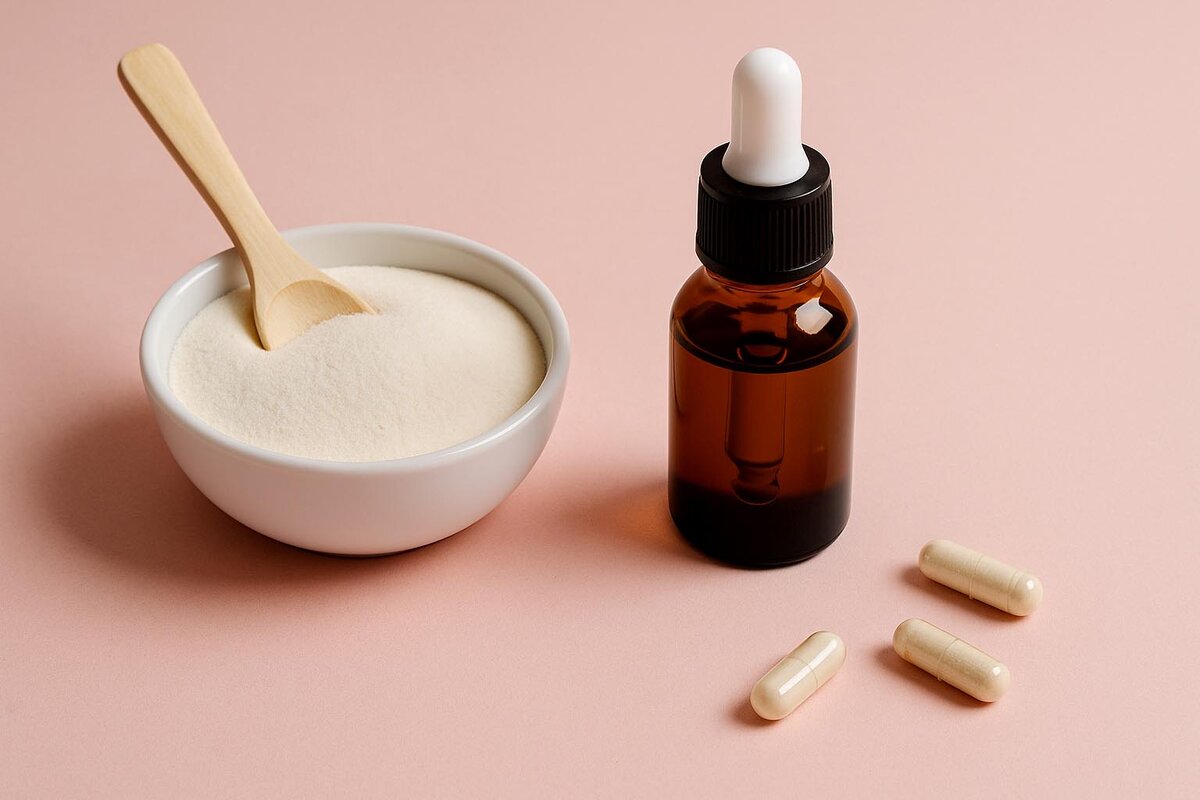
What Role Does Collagen Play in Supporting Joint and Bone Health?
While often lauded for its aesthetic benefits, the role of collagen in maintaining musculoskeletal integrity is perhaps its most vital function, serving as a critical component for both joint and bone health.
In the joints, it constitutes a substantial percentage of cartilage, the rubbery tissue that cushions the ends of bones and allows them to glide smoothly against each other.
When collagen within the cartilage begins to degrade, this protective layer thins, leading to increased friction, pain, stiffness, and conditions like osteoarthritis.
Supplementing with specific collagen peptides can signal the body to ramp up its own production, helping to regenerate cartilage tissue and providing a significant mechanism for reducing joint discomfort and improving mobility.
Furthermore, in bone tissue, collagen provides the flexible framework, or organic matrix, onto which minerals like calcium are deposited. This gives bones their necessary elasticity and resilience, preventing them from becoming brittle and prone to fractures.
As the collagen matrix weakens with age, so does bone mineral density, increasing the risk of osteoporosis.
By providing the amino acid building blocks, collagen supplementation is increasingly recognized as a supportive strategy for maintaining strong, dense bones throughout life, ensuring a robust physical foundation that allows for an active and unrestricted lifestyle.
Which Types of Collagen Should You Know About When Considering Supplements?
The term collagen is often used generally, but it actually encompasses a large family of proteins, with at least 28 different types identified, each with a specific structure and function within the body.
When navigating the supplement aisle, it’s most beneficial to focus on the four main types, which account for the majority of the protein found in humans.
Type I is the most abundant, making up about 90% of the body’s total collagen and providing structure to the skin, bones, tendons, ligaments, and organs. It is the primary target for those seeking skin and bone health benefits.
Type II is predominantly found in elastic cartilage, making it essential for joint support and function. Type III often works alongside Type I and is found in the muscles, arteries, and internal organs, contributing to the structural integrity of these soft tissues. Finally,
Type IV forms sheets rather than thick fibers and is crucial for the filtration functions in the skin layers and kidneys. Most collagen supplements on the market are derived from bovine (Type I and III) or marine sources (primarily Type I), as these types are the most relevant for skin elasticity and joint health.
Choosing the right supplement often depends on your specific health goals, but for all-around benefits, a product containing a blend of Type I and III is a popular and effective choice for the average consumer.
Can Collagen Supplementation Truly Improve Your Hair and Nail Quality?
The widespread testimonial evidence suggesting that collagen improves hair and nail quality is strongly supported by its fundamental role as a structural protein.
Both hair and nails are primarily composed of keratin, and while collagen isn’t keratin itself, it provides the necessary building blocks and optimal environment for keratin production.
Specifically, the amino acids abundant in collagen, such as proline, are key components in the formation of keratin, meaning that a steady supply directly supports the growth of strong, healthy strands and plates.
Furthermore, collagen helps to strengthen the dermis—the layer of skin that contains the root of the hair follicle—which is crucial for anchoring hair and supporting its growth cycle.
By reinforcing the dermal layer and improving blood flow to the scalp, it can reduce hair thinning and breakage, leading to thicker, more resilient hair.
For nails, a similar effect is observed: regular collagen intake has been shown in clinical trials to reduce nail brittleness, decrease the frequency of chipping and splitting, and accelerate the rate of nail growth.
These improvements are a direct reflection of its impact on the surrounding tissues, reinforcing overall structural health. Therefore, incorporating this supplement into your daily routine is a proactive and targeted approach to nurturing the strength and appearance of your hair and nails from the inside out.

Are There Specific Foods That Can Naturally Boost Your Collagen Production?
While supplementation is a highly effective way to increase circulating peptides, a strategic diet rich in precursor nutrients can powerfully enhance your body’s natural production of collagen.
As a protein, it requires a robust supply of specific amino acids—primarily proline, glycine, and hydroxyproline—which are abundant in animal sources like bone broth, tough cuts of meat, and fish skin.
Bone broth, made by simmering bones and connective tissue, is particularly celebrated as a natural source of this beneficial protein.
However, for the body to synthesize these building blocks into the complex triple helix structure of collagen, it needs several key cofactors, the most critical of which is Vitamin C.
Without sufficient Vitamin C, the body simply cannot complete the synthesis process, making citrus fruits, bell peppers, and berries non-negotiable for healthy collagen formation.
Other essential nutrients include Zinc, found in seeds, nuts, and legumes, and Copper, available in organ meats and dark leafy greens. A diet that neglects these vitamins and minerals will inevitably hamper your natural synthesis capabilities.
Therefore, a truly pro-collagen lifestyle integrates whole food sources of both the amino acid raw materials and the crucial enzymatic cofactors, providing a powerful synergistic boost to maintain the structural integrity of all connective tissues.
What Are the Key Differences Between Collagen Peptides and Gelatin?
Although both collagen peptides (often called hydrolyzed collagen) and gelatin originate from the same raw material—animal collagen—they represent two distinct forms of the protein, processed differently and with varying biological effects.
Gelatin is produced when collagen is partially broken down by heating, resulting in a protein that retains its gelling properties when cooled. This makes it a popular ingredient in desserts and as a thickener, but its larger molecular size means it is not as efficiently absorbed by the body.
Collagen peptides, on the other hand, undergo a more extensive process called hydrolysis, which uses water to break the long protein chains down into much smaller, low-molecular-weight amino acid fragments.
This significant reduction in size is the crucial factor that distinguishes the two: the smaller peptides are highly bioavailable, meaning they are easily digested in the gut and absorbed into the bloodstream.
Once absorbed, these peptides travel throughout the body, signaling fibroblasts and other cells to boost their own production of this essential protein.
This superior absorption profile is why hydrolyzed collagen is the preferred form for supplements targeting systemic health benefits like joint mobility and skin elasticity.
How Do Lifestyle Factors Impact Your Body’s Natural Collagen Reserves?
It’s a common misconception that age is the sole factor dictating the decline of collagen; in reality, daily lifestyle choices exert a profound influence on your body’s capacity to produce and maintain its reserves.
Chronic exposure to ultraviolet (UV) radiation from the sun is perhaps the biggest environmental saboteur, as it penetrates the skin and triggers the activity of enzymes that specifically degrade the collagen matrix.
Similarly, a diet high in refined sugars and processed foods leads to a process called glycation, where sugar molecules bind to protein fibers, forming advanced glycation end products (AGEs) that stiffen and weaken collagen, causing it to lose its elasticity and resilience.
Smoking is another powerful antagonist, significantly constricting blood vessels, which impedes the delivery of essential nutrients (like Vitamin C, which is required for synthesis) to the skin and connective tissues, thereby starving the collagen production process.
Even chronic stress and lack of sleep can negatively impact your reserves by elevating cortisol levels, which has been shown to slow down regeneration.
Optimizing your health therefore involves not just adding a supplement, but actively mitigating these destructive habits—wearing sunscreen, managing blood sugar, and ensuring adequate rest—to protect and preserve the collagen you already have.
What is the Recommended Dosage and Best Way to Take a Collagen Supplement?
Determining the ideal dosage and method for taking a collagen supplement largely depends on the specific type of collagen and your individual health objectives, but there are widely accepted guidelines to ensure efficacy.
For hydrolyzed collagen (peptides) intended for skin and joint health, the typical effective daily dose ranges from 2.5 grams up to 15 grams. Most clinical studies showing positive results for skin elasticity and joint pain relief have centered around daily intakes of 5 to 10 grams.
The beauty of hydrolyzed collagen is its versatility: it is highly soluble in both hot and cold liquids and has virtually no taste. This makes it incredibly easy to integrate into your daily routine—you can simply mix the powder into your morning coffee, tea, smoothie, water, or even oatmeal.
Consistency is far more important than the time of day you take it; whether you prefer it first thing in the morning or before bed, the key is to ensure continuous daily intake to keep a steady supply of peptides in your system.
As with any supplement, look for third-party tested products to ensure purity and quality. Ultimately, the ‘best way’ to take your collagen is the way you will consistently stick to, making it a sustainable part of your daily well-being regimen.
Why is Sourcing and Quality so Crucial for this Bioavailable Protein?
When selecting a supplement aimed at supporting your structural integrity, the sourcing and quality of this essential bioavailable protein are absolutely paramount to ensure that your body can effectively utilize what you consume.
The term ‘bioavailable’ means the degree to which the substance can be absorbed and utilized by the body, and not all collagen is created equal in this regard.
High-quality products, such as those labeled as “hydrolyzed” or “peptides,” have been broken down into small, digestible amino acid chains that are easily absorbed from the digestive tract into the bloodstream, where they can then be used to rebuild tissue or signal the body’s own production.
Inferior or non-hydrolyzed forms may simply pass through your system without being properly absorbed, rendering the supplement largely ineffective for your internal health goals.
Top-tier sourcing generally includes marine (fish) or bovine (cow) sources, with preferences often depending on dietary restrictions.
Furthermore, ensuring that the product is sourced from grass-fed, pasture-raised animals (for bovine collagen) or sustainably-caught fish, and is free from heavy metals and contaminants, is critical for overall safety and health.
A commitment to quality guarantees you are investing in a product that truly delivers the structural building blocks your body needs.
What Should You Look For in an Effective Connective Tissue Supplementation Routine?
A truly effective strategy for connective tissue supplementation goes beyond simply consuming a single powder; it involves a holistic approach that pairs the right form of the protein with essential cofactors for maximum impact.
The foundation of this routine should be a high-quality, hydrolyzed form of the protein, which, as a highly bioavailable protein, ensures the necessary amino acids reach the target tissues.
However, the body cannot effectively synthesize new strands of this structural material without key nutritional allies.
Therefore, the most potent supplementation routines intentionally incorporate Vitamin C, which is absolutely mandatory for the hydroxylation process that turns the raw amino acids into the triple helix structure.
Look for formulas that either contain Vitamin C or commit to pairing your supplement with a Vitamin C-rich food or drink.
Furthermore, minerals like zinc and copper also play crucial roles in maintaining the integrity of the tissue, suggesting that a balanced multivitamin or mineral-rich diet complements the supplement perfectly.
This synergistic approach maximizes the body’s ability to repair and rejuvenate its structural framework, leading to superior outcomes for skin, joint, and bone health and making the most of your collagen intake.
Can Topical Products Help Improve Your Dermal Matrix Integrity?
The question of whether topical products can effectively restore dermal matrix integrity is a nuanced one, as the large molecular size of the raw protein makes it difficult for it to penetrate the skin’s barrier to reach the deeper layers where it is needed.
Because the protein is too large to pass through the epidermis and influence the fibroblasts in the dermis, simply slathering a cream containing collagen may only offer surface-level hydration, leaving the underlying structure unchanged.
However, the field of skincare has evolved significantly. Advanced topical products are now designed not to contain the protein itself, but rather smaller, fragmented peptides or signaling molecules.
These smaller peptides can penetrate the upper layers of the skin, and their function is not to replace the lost structure, but to act as messengers.
They signal the skin’s own cells (fibroblasts) to ramp up their natural production of this essential structural protein and other key components like elastin and hyaluronic acid.
Therefore, for serious improvements in the firmness and resilience of the skin, a comprehensive approach often pairs internal collagen supplementation (for systemic health benefits) with topicals containing proven pro-collagen ingredients like retinoids and Vitamin C to directly stimulate the skin’s regeneration mechanisms.
Conclusion
In conclusion, the journey through the world of collagen reveals that this protein is genuinely fundamental to human well-being, confirming that its celebrated status in the health and beauty spheres is well-deserved.
Far from being just a temporary trend, its role as the primary structural component of our bodies—from providing the plumpness and elasticity in our skin to cushioning our joints and forming the foundation of our bones—makes it indispensable for long-term health.
We’ve seen that the age-related decline in natural collagen production is a critical factor in aging, but the good news is that we have effective, actionable ways to combat this decline.
Whether through strategic supplementation with highly bioavailable collagen peptides, ensuring a diet rich in essential cofactors like Vitamin C, or mitigating external degraders like UV rays and sugar, the power to support your internal scaffolding is in your hands.
By choosing high-quality, bioavailable forms of this structural protein and integrating it consistently into your daily routine, you are making a profound investment not just in your appearance, but in the sustained functional integrity of your joints, bones, and digestive system.
Embrace this powerful protein as a cornerstone of your proactive wellness plan, and start supporting your body’s structural health from the inside out. Your future self will thank you for maintaining your internal strength and resilience.
FAQ
Yes, absolute consistency is key! Think of Collagen supplementation as a daily maintenance routine, not a one-time fix. Since your body is constantly using and breaking down this structural protein, a steady, daily supply of collagen peptides is required to keep signaling your body’s cells (fibroblasts) to ramp up production. Most clinical studies show visible improvements in skin hydration and joint comfort only after 8-12 weeks of continuous, daily intake!
Patience, young padawan! While internal benefits like gut support can sometimes be felt sooner, visible changes usually take time because your body needs to rebuild tissues. For improved skin elasticity and hydration, expect to notice changes around 4 to 8 weeks. For significant joint support or stronger nails, the timeline is often closer to 3 to 6 months. Your personal results depend on your starting Collagen levels and overall health!
Not necessarily “superior,” but they are different! Marine Collagen (from fish) is often touted for better absorption because its peptides tend to have a slightly smaller molecular weight, making it highly bioavailable. It is primarily Type I, which is excellent for skin, hair, and nails. Bovine Collagen (from cows) is typically a mix of Type I and Type III, making it a powerful choice for both skin and comprehensive joint/bone health. Choose based on your dietary preferences and specific health goals!
Absolutely, men benefit hugely! While often marketed toward women for beauty, Collagen is a gender-neutral structural protein vital for everyone. Men need it for the exact same reasons: supporting joint cartilage after intense workouts, maintaining bone density, and promoting healthy muscle mass (as it accounts for 1-10% of muscle tissue). Every human body needs ample Collagen to maintain physical integrity!
Collagen supplements are generally very well-tolerated and considered safe for most people. Side effects are rare and typically mild, sometimes including a feeling of fullness, slight bloating, or a bad taste in the mouth (especially with lower-quality products). The biggest precaution is for those with allergies—if you’re allergic to fish, eggs, or beef, avoid supplements derived from those sources and always check the label!
Nope, that is a common myth! High-quality, hydrolyzed Collagen peptides are highly heat-stable and won’t be “destroyed” by the heat of your coffee or tea. Hydrolysis already breaks the protein into small pieces, and adding it to hot water simply dissolves it. Feel free to stir your daily dose of Collagen right into your favorite morning beverage without worrying about losing those precious benefits!
You can take your Collagen powder either way! It’s super flexible. Some experts recommend taking it on an empty stomach to potentially maximize absorption, while others suggest taking it with food to avoid any minor digestive discomfort. Since consistency is key, the best time is simply the time you are most likely to remember it every single day. Just ensure you are taking your full, recommended daily dosage!
They can’t consume animal-based Collagen, but they can absolutely boost their body’s own production! Since the protein is only found in animal tissues, vegans and vegetarians rely on providing their bodies with the necessary raw materials. They should focus heavily on foods rich in the key amino acids (glycine, proline) and, crucially, the essential cofactors like Vitamin C, zinc, and copper to optimize their natural Collagen synthesis
Yes, these terms are used interchangeably to describe the same superior form! “Hydrolyzed Collagen” refers to the process (hydrolysis) that uses water to break down the long protein chains. “Collagen Peptides” refers to the short chains of amino acids (peptides) that result from that process. Both terms confirm the product has been processed for excellent bioavailability, ensuring your body can easily absorb and use the structural material.
Quality comes down to three things: source, purity, and dosage! A high-quality Collagen will specify if it is sourced from grass-fed, pasture-raised (Bovine) or wild-caught (Marine) sources. It will also guarantee that it is third-party tested and free from heavy metals, contaminants, and unnecessary fillers. Finally, it provides an adequate daily dosage (usually 5-15 grams of Hydrolyzed Collagen) as supported by clinical research for maximum health benefits! Don’t skimp on this essential Collagen!
Showering with Cold or Hot Water

Author: Horeca Health
Horeca Health
DISCLAIMER
All content provided on this website is for informational purposes only and should not be considered a substitute for professional advice, diagnosis, or treatment. Always consult qualified healthcare professionals regarding any questions or concerns you may have about your health or any medical condition.




















Leave a Reply