Sensitive Teeth During Pregnancy: Introduction
Sensitive Teeth During Pregnancy: Pregnancy is a beautiful journey filled with anticipation and change. While you’re busy preparing for your new arrival, your body is undergoing a remarkable transformation—and some of these changes can be quite unexpected.
For many expectant mothers, one of the most common yet often overlooked issues is a sudden increase in tooth sensitivity. This discomfort, ranging from a mild ache to a sharp pain, can make enjoying your favorite foods and drinks a challenge.
What you may not know is that this heightened sensitivity is often directly linked to a condition known as pregnancy gingivitis. Understanding the connection between these two is the key to managing your oral health during this special time.
In this comprehensive guide, we’ll explore why sensitive teeth are so common in pregnancy, what pregnancy gingivitis is, and provide expert advice on how to care for your teeth and gums to ensure a healthy, comfortable nine months. Let’s get to the bottom of this discomfort and empower you with the knowledge to protect your smile.
Why do my teeth feel so sensitive during pregnancy?
During pregnancy, your body undergoes a remarkable transformation, and these changes can extend to your oral health. Many expectant mothers find themselves grappling with a new and often uncomfortable issue: sensitive teeth.
This heightened sensitivity isn’t just an inconvenience; it’s a direct result of the hormonal shifts coursing through your system. Specifically, an increase in hormones like progesterone and estrogen can make your gums more susceptible to inflammation.
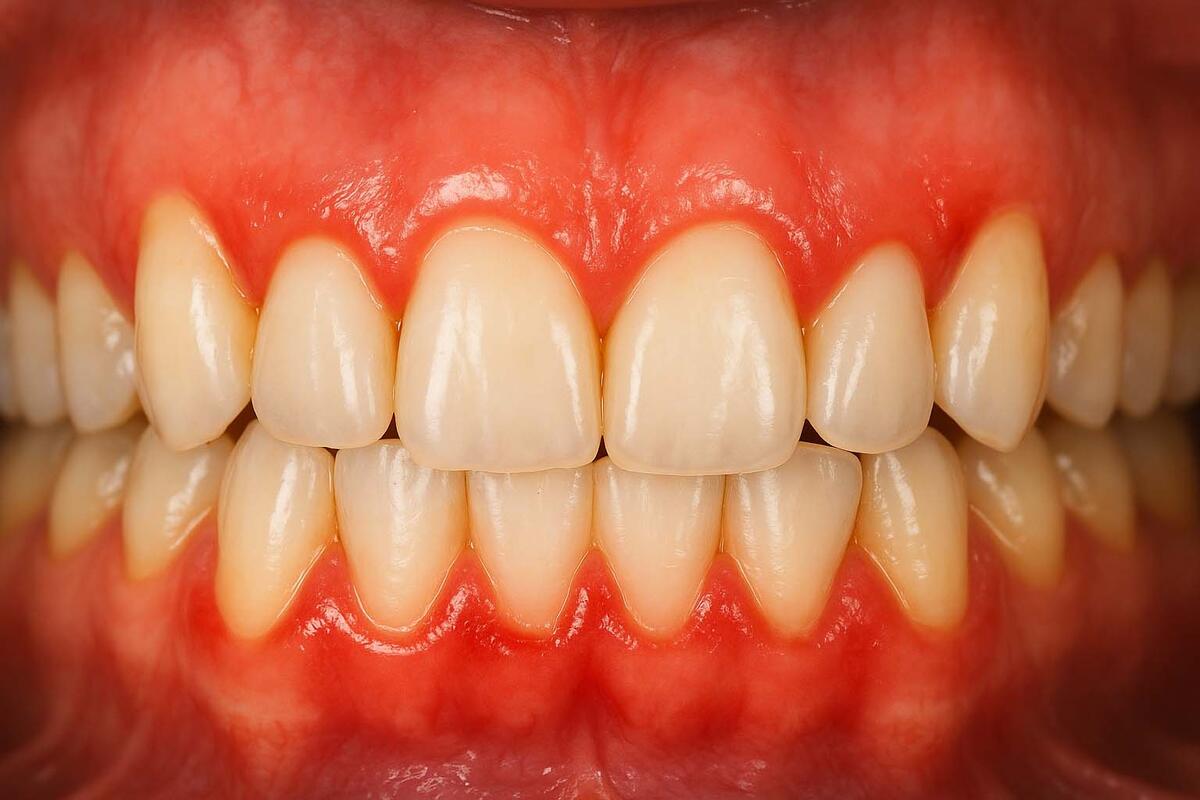
This condition, known as pregnancy gingivitis, can cause the gum tissue to swell, become tender, and even bleed when you brush or floss. The inflammation can also expose the delicate tooth roots, leading to a sharp, jarring sensation when you consume hot, cold, sweet, or acidic foods and drinks.
It’s a very common experience during pregnancy, and understanding the root cause is the first step toward managing it. While the issue of sensitive teeth is prevalent, it’s not something you should ignore.
The physical changes your body is going through during pregnancy make it crucial to be proactive about dental care. Taking steps to address this sensitivity early on can prevent it from escalating into more serious dental problems.
Remember, your oral health is intrinsically linked to your overall well-being and the health of your baby. Sensitive teeth during pregnancy is a clear signal from your body that your dental hygiene routine may need some adjustments, or that you should consult with a dentist for a check-up and professional advice on how to soothe your discomfort.
How do hormonal changes affect my oral health in pregnancy?
Hormonal fluctuations are the primary culprits behind many of the physical and emotional shifts that occur during pregnancy.
These powerful chemical messengers, particularly elevated levels of progesterone and estrogen, have a profound impact on your body’s tissues, and your gums are no exception. Progesterone, for instance, increases blood flow to your gums, making them more prone to swelling, redness, and bleeding.
This heightened vascularity creates a fertile environment for bacteria, which can lead to inflammation and the development of pregnancy gingivitis. Estrogen, on the other hand, can alter the body’s natural response to plaque, making your gums more reactive and sensitive.
The combination of these two hormones makes the gum tissue more vulnerable to bacterial plaque, which, if not removed effectively, can trigger a heightened inflammatory response. This is often the underlying reason for the development of sensitive teeth and other oral discomforts.
The good news is that these hormonal changes are temporary, but their effects on your oral health can persist if not managed properly. Experiencing sensitive teeth during pregnancy is a significant indicator of this increased susceptibility.
It is therefore vital to be extra vigilant with your oral hygiene routine. The challenge of sensitive teeth is a common aspect of this incredible period of change, and understanding the hormonal basis for it can help you approach your dental care with more awareness and care.

What is pregnancy gingivitis and how does it relate to sensitive teeth?
Pregnancy gingivitis is a specific form of gum inflammation that affects many expectant mothers, typically starting in the second trimester. It is directly linked to the hormonal changes of pregnancy, which cause an exaggerated inflammatory response to plaque buildup.
Even if your oral hygiene routine was flawless before, the hormonal surge can make your gums react more intensely to the presence of bacteria, leading to them becoming swollen, red, tender, and prone to bleeding.
This condition is not just a nuisance; the inflammation can also cause the gum line to pull away slightly from the teeth, exposing the dentin—the softer, more porous layer beneath the enamel.
The dentin contains microscopic tubules that lead to the nerves of the tooth, and when they are exposed, they become highly reactive to external stimuli. This is the direct mechanism that causes sensitive teeth.
The sensation can range from a mild ache to a sharp, sudden pain when you eat or drink things that are hot, cold, or sugary. Sensitive teeth during pregnancy are often the most noticeable symptom of this underlying gum inflammation.
It’s a common misconception that bleeding gums are normal during this time, but they are a clear sign of gingivitis that needs attention. Taking proactive steps to control plaque is essential to soothe your sensitive teeth and maintain good oral health throughout your pregnancy.
Are there specific foods I should avoid if I have sensitive teeth during pregnancy?
Managing sensitive teeth during pregnancy often involves more than just a change in your brushing habits; it also requires a careful look at your diet. Certain foods and drinks can exacerbate the problem by triggering sharp pain or even contributing to enamel erosion.
Highly acidic items are a major culprit. Think citrus fruits like lemons and oranges, as well as acidic beverages like soda, sports drinks, and fruit juices.
These can temporarily soften the tooth enamel, making the underlying dentin more vulnerable and heightening the pain associated with sensitive teeth. Similarly, very hot or very cold foods and drinks can be a significant trigger.
A bowl of hot soup or a scoop of ice cream can cause a jolt of pain that can be quite uncomfortable. Sugar is another major factor.
Sugary foods and candies feed the bacteria in your mouth, leading to increased plaque buildup and a higher risk of acid production, which further irritates the gums and contributes to sensitivity. While it might seem like a lot to avoid, the key is moderation and being mindful of how your teeth react.
You don’t have to eliminate these foods entirely, but rinsing your mouth with water after consuming them can help neutralize the acids.
Paying attention to what you eat is a crucial step in managing the discomfort of sensitive teeth during pregnancy and promoting a healthier oral environment. This awareness can help you navigate this period of your life with less pain and more comfort.
Can brushing my teeth too hard cause sensitivity during pregnancy?
Yes, absolutely. While it might seem counterintuitive, aggressive brushing can be a significant cause of sensitive teeth, especially during pregnancy when your gums are already more delicate and prone to inflammation.
When you brush too hard, you risk damaging your gum tissue and wearing away the protective enamel on your teeth. The gums can recede, exposing the dentin—the sensitive layer beneath the enamel that contains thousands of microscopic tubules leading to the tooth’s nerve.
Once this layer is exposed, it reacts to hot, cold, and sweet stimuli, causing that familiar jolt of pain. Because hormonal changes make your gums more susceptible to bleeding and irritation, overzealous brushing can exacerbate pregnancy gingivitis and intensify any existing discomfort.
Using a hard-bristled toothbrush or applying too much pressure can also cause micro-abrasions on the tooth surface, creating a rough texture where bacteria can easily cling, further compounding the problem.
To effectively clean your teeth without causing damage, it is crucial to switch to a soft-bristled toothbrush and use a gentle, circular motion. You should focus on gently massaging the gum line rather than scrubbing it.
This simple change in technique can make a world of difference in soothing your sensitive teeth during pregnancy and preventing further damage. When your body is already undergoing so many changes, taking a gentler approach to your daily routine can make a big difference in how you feel.
What are the best toothpaste and mouthwash options for sensitive teeth in pregnancy?
Selecting the right dental hygiene products is a crucial step in managing sensitive teeth during pregnancy. You should look for toothpastes specifically formulated for sensitive teeth.
These products contain ingredients that either desensitize the nerves in the tooth or create a protective barrier over the exposed dentin. Common active ingredients to look for include potassium nitrate or stannous fluoride.
Potassium nitrate works by blocking the signals from the nerves in the tooth, reducing the sensation of pain. Stannous fluoride, on the other hand, helps to seal the microscopic tubules in the dentin, preventing external triggers from reaching the nerves.
When it comes to mouthwash, it’s best to choose an alcohol-free formula. Alcohol can be drying and irritating to your gums, which are already more sensitive due to the hormonal changes of pregnancy.
An alcohol-free mouthwash with fluoride can help strengthen your enamel without causing irritation. It’s also important to consult your dentist for recommendations tailored to your specific needs.
They may suggest a prescription-strength fluoride rinse or a high-fluoride toothpaste if your sensitivity is severe. Using the right products consistently can significantly alleviate the discomfort of sensitive teeth during pregnancy and help maintain your oral health.
A proper regimen can help you feel more comfortable and confident about your dental care throughout this special time.
Is it safe to go to the dentist for a check-up and cleaning during pregnancy?
Absolutely. Regular dental check-ups and cleanings are not only safe during pregnancy but are highly recommended. Many women are hesitant to visit the dentist during this time, fearing it might harm the baby, but the opposite is true.
Poor oral health, including conditions like pregnancy gingivitis, has been linked to potential complications such as premature birth and low birth weight.
A professional dental cleaning can remove the plaque and tartar buildup that lead to gum inflammation and sensitive teeth, which can significantly alleviate your discomfort. Be sure to inform your dentist that you are pregnant, as they will take extra precautions.
They may suggest postponing X-rays until after delivery, although modern dental X-rays use minimal radiation and are considered safe when necessary.
Your dentist can also provide personalized advice on how to manage your oral hygiene at home, recommend safe products, and monitor the health of your gums.
The American Dental Association and the American College of Obstetricians and Gynecologists both advocate for routine dental care throughout pregnancy.
Addressing sensitive teeth during pregnancy with a professional’s help is a proactive measure that benefits both you and your baby. It is a vital part of your prenatal care.
How can I naturally soothe sensitive teeth at home during pregnancy?
Beyond professional dental care and product choices, there are several simple home remedies that can help soothe your sensitive teeth during pregnancy. One of the most effective methods is a saltwater rinse.
Saltwater has natural antiseptic properties and can help reduce gum inflammation, a common cause of sensitive teeth. Simply dissolve a teaspoon of salt in a warm glass of water and swish it around your mouth for about 30 seconds before spitting it out.
This can be done a few times a day, especially after meals. Another strategy is to be mindful of your food and drink temperatures. Avoid consuming very hot or very cold items, as these can trigger a sharp, painful response.
Opt for lukewarm foods and drinks instead. Using a soft-bristled toothbrush and brushing gently is also key, as harsh brushing can wear down enamel and irritate your already tender gums. If your dentist agrees, you can also use desensitizing toothpaste as a topical treatment.
Simply apply a small amount directly to the sensitive areas of your teeth with a clean finger or cotton swab and let it sit for a few minutes before rinsing.
While these natural methods can provide relief for sensitive teeth during pregnancy, they should be used in conjunction with a good oral hygiene routine and regular dental check-ups to address the root cause of the issue.
Can morning sickness affect my teeth and make them sensitive?
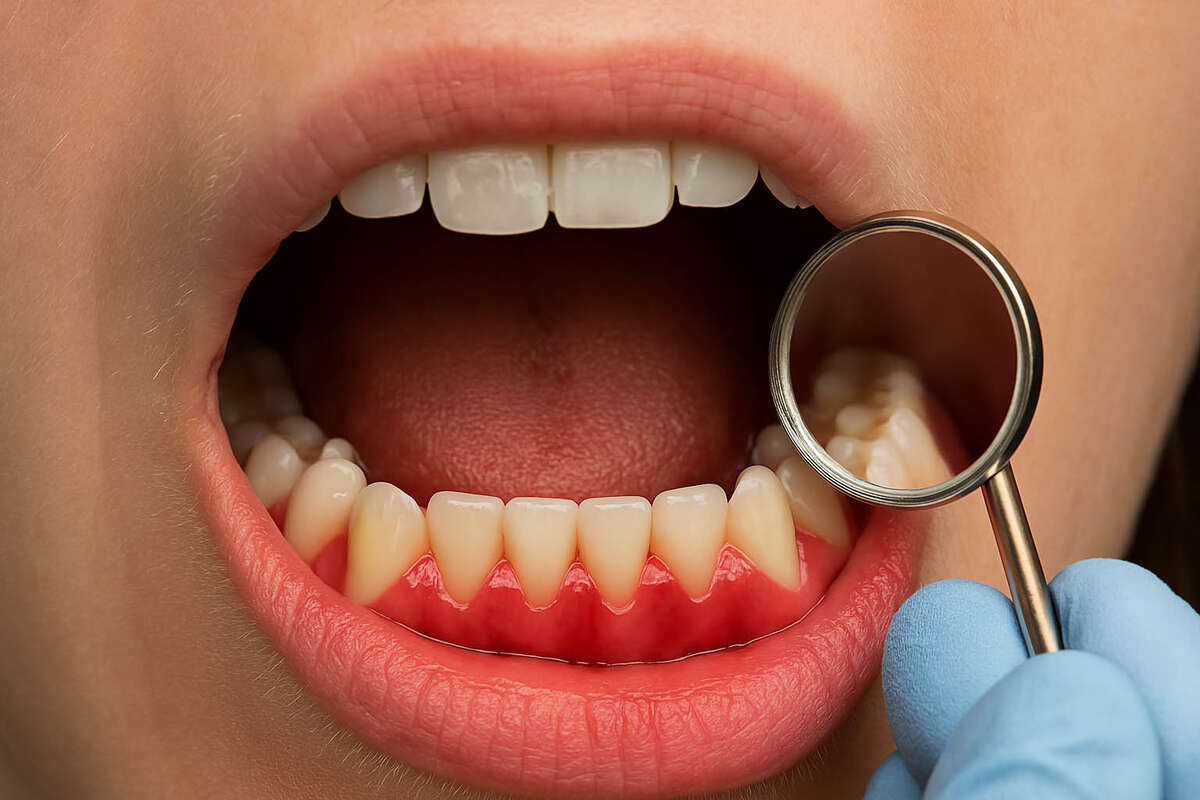
Morning sickness, while a common symptom of early pregnancy, can have a significant and often overlooked impact on your oral health, directly contributing to sensitive teeth. The frequent exposure to stomach acid from vomiting can be highly damaging to your tooth enamel.
Stomach acid is extremely corrosive and can erode the outer protective layer of your teeth. Once the enamel is worn away, the underlying dentin—the softer, more porous layer—is exposed.
This exposure is the primary cause of tooth sensitivity, as the dentin contains microscopic tubules that lead directly to the tooth’s nerve endings. When these tubules are stimulated by hot, cold, or sweet foods, they trigger a painful sensation.
To mitigate the damage, it’s crucial to avoid brushing your teeth immediately after a bout of morning sickness. Brushing while your enamel is softened by acid can cause further erosion. Instead, rinse your mouth with a solution of water mixed with a teaspoon of baking soda.
Baking soda is alkaline and will help neutralize the stomach acid. You should wait at least 30 minutes before gently brushing your teeth to give your enamel time to re-harden.
This simple, proactive step can significantly protect your teeth from the erosive effects of morning sickness and help alleviate the discomfort of sensitive teeth during pregnancy. It is a simple but powerful way to maintain your oral health.
When should I be concerned about sensitive teeth during pregnancy and see a dentist?
While sensitive teeth are a very common occurrence during pregnancy due to hormonal changes, there are certain signs that indicate it’s time to schedule a dental appointment.
If your sensitivity is severe, persistent, and interferes with your daily activities like eating, drinking, or even talking, it warrants immediate professional attention. A visit to the dentist is also necessary if you experience sharp, sudden, or throbbing pain that doesn’t go away after a few minutes.
This could be a sign of a more serious underlying issue, such as a cavity, a cracked tooth, or a dental abscess. Bleeding gums, especially if it’s heavy or accompanied by gum swelling and redness, is another red flag.
While some bleeding is common with pregnancy gingivitis, excessive bleeding or a noticeable change in the health of your gums should not be ignored. A dental professional can assess the severity of your gum inflammation and recommend a professional cleaning or other appropriate treatment.
Waiting to address these issues could lead to more significant problems down the line, so it’s always better to be proactive.
Your dentist can provide a proper diagnosis and the best course of action to ensure both you and your baby remain healthy. Sensitive teeth during pregnancy can be managed, but if they are causing severe discomfort, a professional opinion is the best step.
Are there any dental procedures I should avoid while pregnant?
While routine dental check-ups and cleanings are considered safe and even encouraged during pregnancy, certain procedures are generally avoided or postponed unless absolutely necessary.
Elective cosmetic procedures, such as teeth whitening, veneers, or orthodontic adjustments, are usually deferred until after delivery. These procedures are not essential for your immediate health and can be delayed to minimize any potential risk.
While dental X-rays are typically safe with proper shielding, many dentists prefer to postpone them until the second trimester or until after you give birth, especially if they are not urgent.
It’s crucial to inform your dentist that you are pregnant so they can take all necessary precautions and make an informed decision. For more complex procedures, like wisdom tooth extraction or extensive root canals, your dentist will work with your doctor to determine the safest time to perform them.
Local anesthetics, such as lidocaine, are generally considered safe for use during pregnancy, but your dentist will use the lowest effective dose.
The key is to have a conversation with your dentist and your obstetrician to create a treatment plan that addresses your needs without compromising the safety of you or your baby. This proactive approach ensures you can manage your oral health, including sensitive teeth, throughout this special time.
How can I prevent sensitive teeth from returning after my pregnancy?
Preventing sensitive teeth from returning after pregnancy involves maintaining the good oral hygiene habits you’ve developed and addressing any underlying issues.
While the hormonal changes that caused pregnancy gingivitis will subside, the habits you’ve built are the foundation for long-term oral health. Continue to use a soft-bristled toothbrush and a desensitizing toothpaste, and be sure to brush twice a day using a gentle, circular motion.
Flossing daily is also crucial to remove plaque from between your teeth and along the gum line, preventing inflammation and promoting healthy gums. Regular dental check-ups every six months are essential for professional cleanings and for monitoring your oral health.
Your dentist can identify and treat any issues, like small cavities or receding gums, before they become more serious. It is important to continue to be mindful of your diet and limit sugary and acidic foods and drinks.
The discomfort of sensitive teeth during pregnancy is a temporary condition for most women, but the lessons learned about oral care can last a lifetime. Taking proactive steps to maintain your oral health will not only prevent future sensitivity but also ensure a healthier mouth for years to come.
Conclusion
Navigating the ups and downs of pregnancy requires patience, self-care, and a little bit of knowledge. While the discomfort of sensitive teeth may feel like just another hurdle, understanding its connection to pregnancy gingivitis empowers you to take control of your oral health.
By adopting a gentle brushing technique, choosing the right products, and maintaining regular dental check-ups, you can not only alleviate the pain but also protect your overall well-being and that of your baby.
Remember, your body is doing an incredible job building a new life, and it’s essential to give it the care it deserves—from head to toe, and especially in your mouth.
Your smile is a reflection of your health, so don’t let dental discomfort overshadow this incredible journey. Stay proactive, stay informed, and enjoy every moment of your pregnancy with a confident and healthy smile.
FAQ
Yes, it’s very common. Hormonal changes, particularly increased levels of progesterone and estrogen, can affect your gums, making them more susceptible to inflammation and sensitivity. This is often the primary reason for sensitive teeth during pregnancy.
The sensitivity often starts in the first or second trimester and may last throughout your pregnancy. It usually subsides after you give birth and your hormone levels return to normal.
Pregnancy gingivitis is a mild form of gum disease that causes swollen, tender, and bleeding gums. It’s caused by the heightened hormonal response to plaque buildup. This condition is a leading cause of sensitive teeth during pregnancy.
Yes, absolutely. Regular dental check-ups and cleanings are safe and recommended. Be sure to inform your dentist that you are pregnant so they can take appropriate precautions.
Look for a toothpaste specifically designed for sensitive teeth. These products often contain ingredients like potassium nitrate or stannous fluoride, which help to block nerve signals and protect the dentin.
Yes. The stomach acid from vomiting can erode your tooth enamel, exposing the sensitive layer underneath. This can significantly worsen the problem of sensitive teeth during pregnancy.
Yes, most desensitizing mouthwashes are safe. Opt for an alcohol-free formula to avoid irritating your already sensitive gums.
Try rinsing your mouth with a warm saltwater solution to reduce inflammation. Also, avoid very hot, cold, or acidic foods and drinks that can trigger pain.
You should see a dentist if the sensitivity is severe, persistent, or accompanied by sharp, throbbing pain, as this could indicate a more serious underlying issue like a cavity or an infection.
Maintain a good oral hygiene routine, including gentle brushing twice a day and daily flossing. Continue with your regular dental check-ups and cleanings to ensure long-term oral health.
What Are Mini dental Implants?

Author: Horeca Health
Horeca Health
DISCLAIMER
All content provided on this website is for informational purposes only and should not be considered a substitute for professional advice, diagnosis, or treatment. Always consult qualified healthcare professionals regarding any questions or concerns you may have about your health or any medical condition.




















Leave a Reply