What Are Mini Dental Implants: Introduction
What Are Mini Dental Implants: Are you tired of dealing with a loose denture that slips and slides, or perhaps a missing tooth that makes you self-conscious about your smile?
For many years, the only permanent solution was a traditional dental implant, a complex and often costly procedure. But what if there was a simpler, more affordable, and less invasive way to restore your confidence and your smile? Enter mini dental implants.
These smaller, innovative implants are changing the game in restorative dentistry, offering a streamlined path to a secure and beautiful smile.
Whether you’re looking to stabilize a denture, replace a single tooth, or simply want to understand your options, this comprehensive guide will walk you through everything you need to know about this modern dental marvel. Let’s dive in and discover how mini implants can transform your dental health and your life.
What Are Mini Dental Implants: An Introduction to a Modern Solution
What Are Mini Dental Implants: Mini dental implants, often referred to as MDIs, are a game-changing alternative to traditional dental implants.
These slender, screw-like titanium posts are surgically placed into the jawbone, serving as a stable foundation for a prosthetic tooth or to secure a full or partial denture.
Unlike their conventional counterparts, which are larger and often require more invasive procedures, these smaller posts are roughly the diameter of a toothpick.
This makes them an excellent option for patients who may not be suitable candidates for traditional implants due to insufficient bone density or other anatomical limitations.
The beauty of these mini dental implants lies in their simplicity and the minimal disruption they cause to the surrounding bone and gum tissue.
They are a single-piece unit, which means there’s no need for a separate abutment, simplifying the restoration process and often allowing for the prosthetic to be attached in the same visit. This innovation provides a less complex, quicker, and more affordable pathway to a restored smile.
The goal of using these tiny titans is to give patients a secure and confident bite, allowing them to eat, speak, and smile without the worry of a loose denture or a missing tooth. Choosing this method is often about finding a streamlined solution that doesn’t compromise on stability or function.
What Are Mini Dental Implants: Key Differences from Traditional Implants
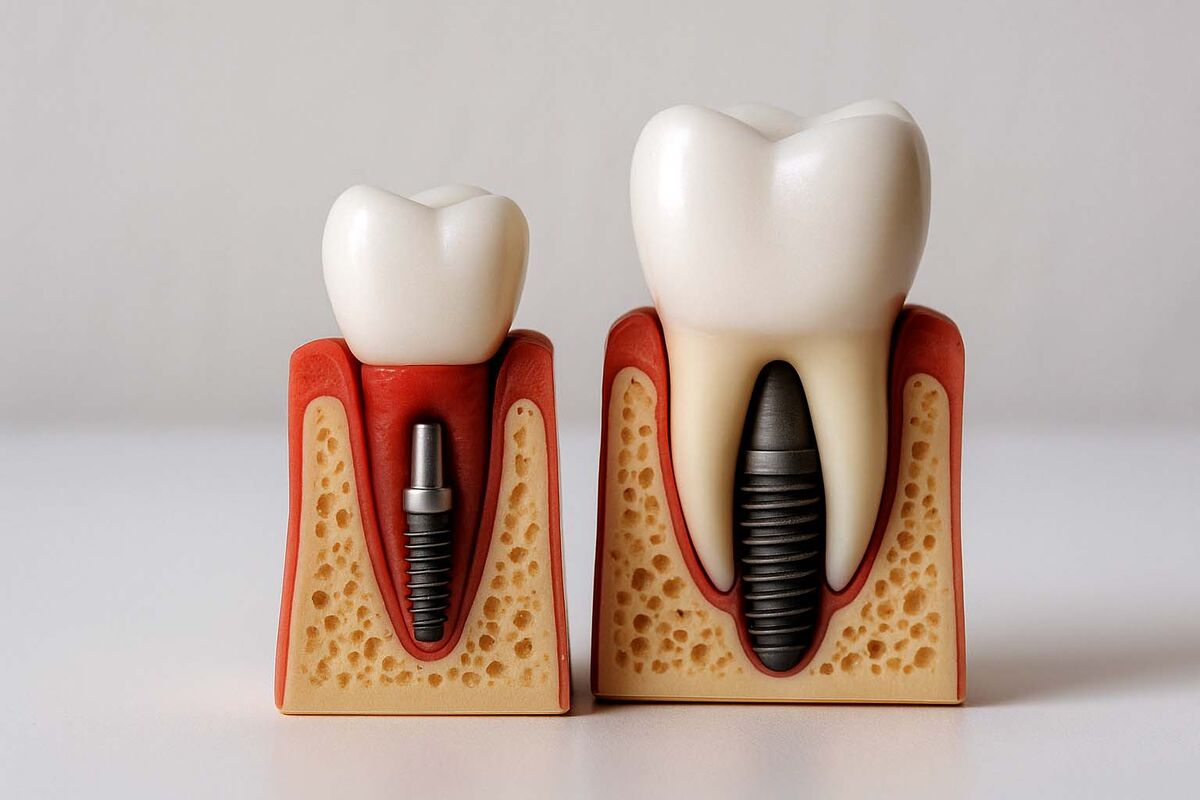
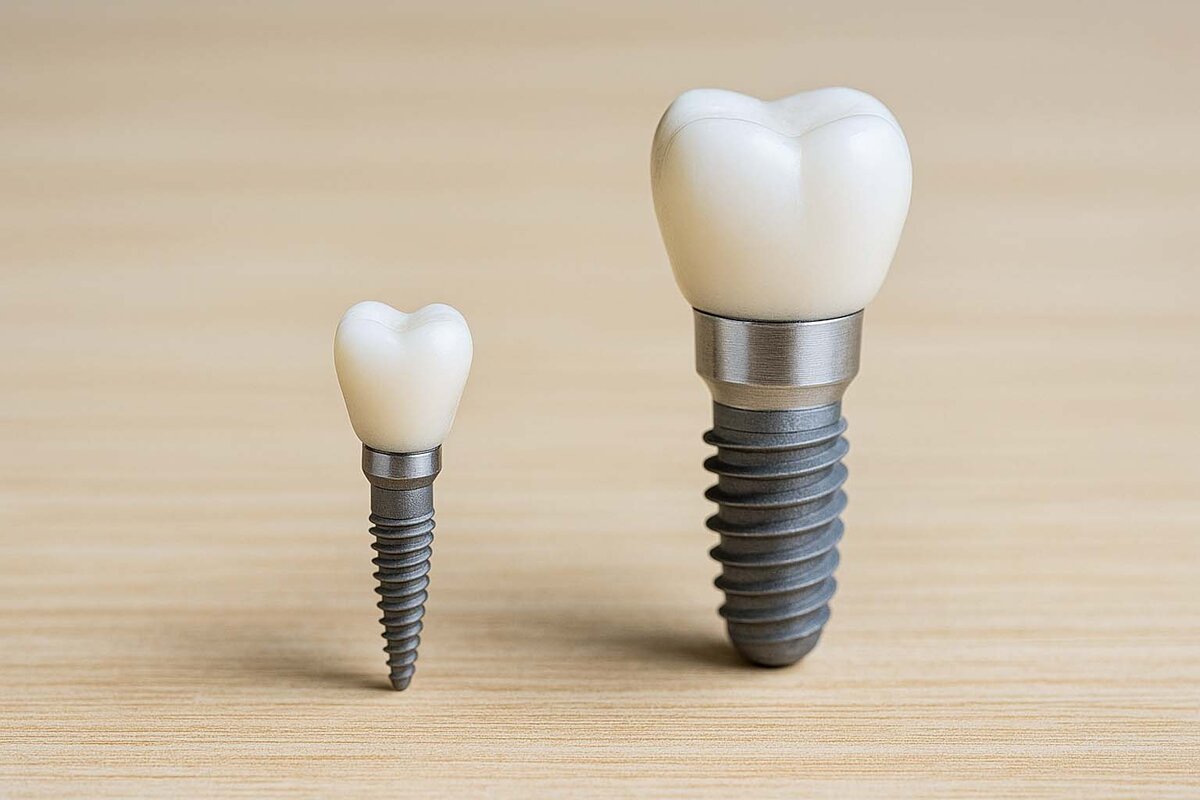
What Are Mini Dental Implants: The primary distinction between mini and traditional dental implants lies in their size and structure. A conventional implant is a two-piece system, consisting of the implant post itself and a separate abutment that connects the post to the crown or prosthetic.
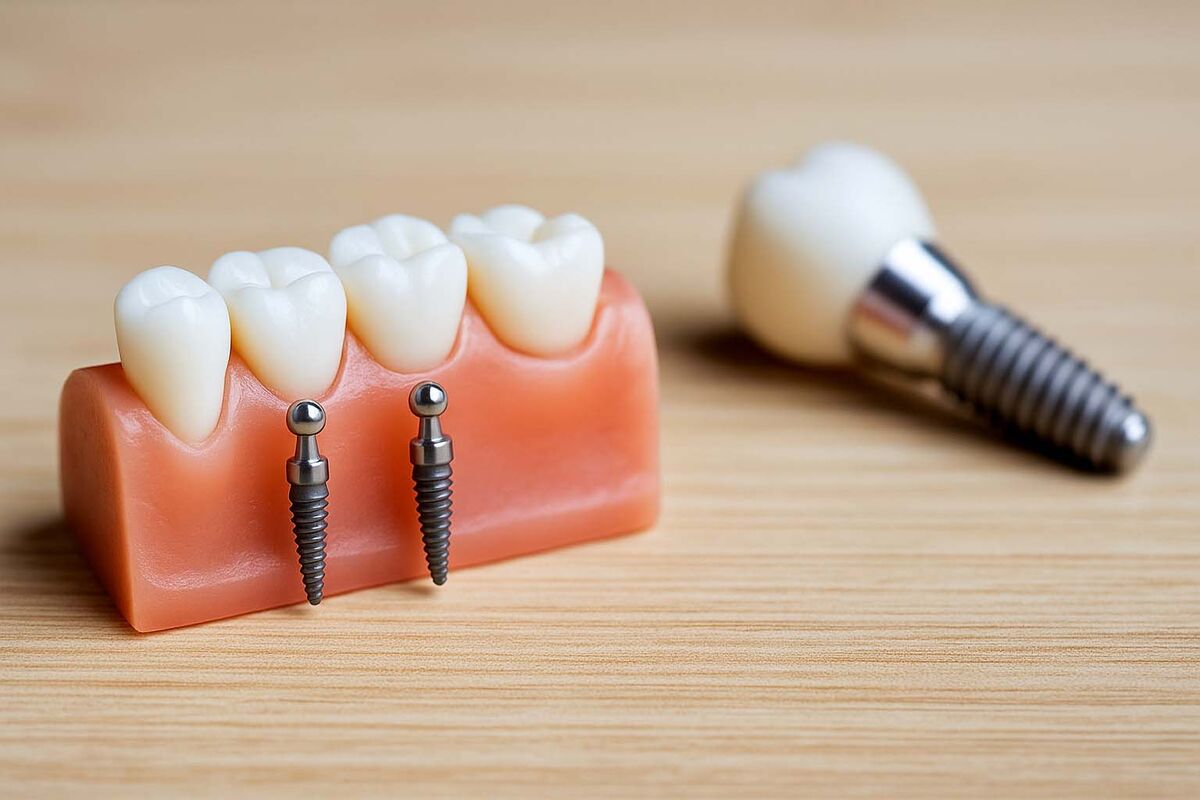
Conversely, a mini dental implant is a one-piece unit—a single titanium screw with a ball-shaped end that protrudes from the gum line to secure the restoration. This single-unit design simplifies the placement procedure, as there’s no need for a separate surgery to place the abutment.
Moreover, the narrow diameter of mini implants, typically less than 3mm, is a stark contrast to traditional implants, which can be 3.25mm or larger.
This size difference is crucial, as it allows for placement in areas with limited bone width or density without the need for a bone graft, a common and often lengthy procedure required for traditional implants.
Because of their smaller footprint, these mini dental implants can be placed in a single visit, leading to a much shorter overall treatment time and a faster recovery.
This streamlined process makes mini implants an attractive option for those seeking a less invasive and more immediate solution for tooth loss, as they provide an effective way to restore function and aesthetics without the extensive process associated with full-sized implants.
What Are Mini Dental Implants: Ideal Candidates and Indications
What Are Mini Dental Implants: Determining if you’re an ideal candidate for mini implants requires a thorough evaluation by a dental professional, but there are some common scenarios where they are a top choice.
The most frequent indication is for patients who have experienced a significant amount of bone loss in their jaw. This can occur naturally over time after a tooth has been missing for a while, as the bone in that area is no longer stimulated and begins to resorb.
For these individuals, traditional implants might not be an option without undergoing a complex and costly bone grafting procedure. However, the smaller size of MDIs allows them to be placed in areas with limited bone structure, bypassing the need for a graft.
They are also widely used to stabilize loose dentures, offering a dramatically improved level of comfort and security. People who struggle with dentures that slip, cause irritation, or make it difficult to speak and eat often find that anchoring them with a few mini dental implants is a life-changing solution.
Furthermore, they are an excellent option for replacing small teeth, such as lower incisors, or for single-tooth replacements in areas with limited space. This targeted use makes mini dental implants a versatile tool in modern restorative dentistry, providing a functional and aesthetic solution for a wide range of patients.
What Are Mini Dental Implants: The Procedure and Recovery
What Are Mini Dental Implants: The procedure for placing mini implants is remarkably straightforward and minimally invasive compared to conventional implant surgery.
After a comprehensive consultation and digital imaging to plan the placement, the procedure is typically performed under local anesthesia, so you’ll be comfortable and pain-free throughout.
The dentist or oral surgeon makes a small entry point in the gum tissue, and the tiny titanium post is gently inserted into the jawbone using specialized instruments. The process is so precise that in many cases, it doesn’t even require stitches.
The one-piece design of the implant means that the prosthetic can often be attached immediately after placement, allowing patients to walk out of the office with a restored smile. This “immediate loading” capability is a major benefit.
The recovery period is also significantly shorter and more comfortable than with traditional implants. Most patients report only minor discomfort, which can be managed with over-the-counter pain relievers.
You’ll need to follow a soft-food diet for a few days to allow the implant to fully integrate with the bone, but you can typically return to your normal routine very quickly.
This quick, efficient procedure and fast recovery make mini dental implants a very appealing option for those who want to minimize downtime and get back to their lives.
What Are Mini Dental Implants: Benefits of Choosing MDIs
What Are Mini Dental Implants: The advantages of choosing mini implants are numerous, and they address many of the concerns patients have about traditional tooth replacement options. One of the most significant benefits is the minimally invasive nature of the procedure.
Because of their small size, they require less drilling into the jawbone and often no need for a surgical incision, which leads to less trauma to the mouth, reduced discomfort, and a much faster healing time. This is a huge plus for those who are anxious about dental surgery.
Another major benefit is the cost-effectiveness. Mini implants are typically more affordable than conventional implants because the procedure is less complex and requires fewer materials and appointments.
For many people, this makes a permanent, secure tooth replacement a viable option for the first time. The shorter treatment time is also a key advantage; often, the entire process, from placement to restoration, can be completed in a single day.
This means you don’t have to endure months of waiting for your final restoration. Finally, their versatility in treating a variety of issues, from stabilizing dentures to replacing individual teeth, makes mini dental implants a highly effective and adaptable solution for restoring function and confidence.
What Are Mini Dental Implants: Applications in Modern Dentistry
What Are Mini Dental Implants: The versatility of mini dental implants has expanded their use beyond simple single-tooth replacements and denture stabilization.
While their role in anchoring loose dentures is one of their most popular applications, they are also effectively used in other areas of restorative dentistry. For instance, they can be used to replace a single missing tooth, particularly in the front of the mouth where aesthetics and space are a concern.
Their narrow design allows them to fit into tight areas without impacting adjacent teeth, preserving the natural tooth structure. They are also a great option for creating a bridge where a traditional implant isn’t feasible.
By placing a few of these smaller posts, dentists can create a sturdy foundation for a multi-tooth restoration. Furthermore, they can be utilized in orthodontics to serve as temporary anchorage devices, helping to move teeth more efficiently and predictably.
This showcases their adaptability and importance as a modern tool. This broad range of uses demonstrates how mini dental implants have become a valuable part of the dental toolkit, offering a less invasive and often more convenient solution for a variety of dental challenges.
Whether it’s securing a smile or providing a stable base for a crown, these innovative implants are at the forefront of patient-friendly dental care.
What Are Mini Dental Implants: Are They Right for You?
What Are Mini Dental Implants: Deciding whether mini implants are the right choice for you is a conversation you should have with a qualified dental professional. While they offer numerous benefits, they are not a one-size-fits-all solution.
Your dentist will conduct a thorough examination of your oral health, including a review of your jawbone density, to determine the best course of action. Generally, mini dental implants are a fantastic option if you’re looking for a less invasive and more affordable alternative to traditional implants.
They are particularly well-suited for older patients, or those with underlying health conditions that make extensive surgery a risk.
If you’ve been told you aren’t a candidate for traditional implants due to bone loss, or you simply want to stabilize a denture without the hassle of a complex procedure, this could be the solution you’ve been looking for.
However, it’s important to understand their limitations. For example, because of their smaller size, they may not be ideal for supporting molars, which are subject to high chewing forces.
Your dentist will help you weigh the pros and cons, ensuring you make an informed decision that aligns with your specific needs and long-term oral health goals. A consultation is the crucial first step in determining if mini dental implants can help you achieve the smile you’ve always wanted.
What Are Mini Dental Implants: Cost and Affordability
What Are Mini Dental Implants: The cost of mini implants is a significant factor for many people, and it’s one of their most appealing features. On average, the procedure is considerably less expensive than traditional implant surgery.
The reasons for this lower cost are tied directly to the nature of the treatment. For one, the implants themselves are smaller and require less material to produce. The procedure is also less complex, which reduces the overall chair time and the number of appointments needed.
Since bone grafting is often unnecessary, you also save on the costs associated with that additional surgery and the extended recovery period.
When you compare the total cost of a full-sized implant, which can include the implant, abutment, and a separate bone graft, the price difference becomes very clear.
This affordability has made a secure and long-lasting tooth replacement solution accessible to a wider range of patients who might have otherwise ruled out implants as an option.
While the initial investment in mini dental implants may seem substantial, it’s important to consider the long-term value.
Unlike temporary solutions like adhesives for dentures, mini implants are a durable and effective solution that provides lasting comfort and confidence, ultimately saving you money and hassle in the long run.
What Are Mini Dental Implants: Longevity and Maintenance
What Are Mini Dental Implants: With proper care, mini implants can be a long-lasting solution for tooth loss, providing years of function and stability. Their longevity is comparable to that of traditional implants, though it largely depends on the patient’s oral hygiene habits and overall health.
The titanium posts are highly durable and resistant to decay, but the surrounding gum tissue and bone require consistent attention to stay healthy. This is why proper maintenance is key. Caring for your mini implants is similar to caring for your natural teeth.
Regular brushing, flossing, and using an interdental brush to clean around the implant posts are essential to prevent plaque buildup and gum inflammation, which could compromise the implant’s stability.
In addition to at-home care, routine dental check-ups and cleanings are crucial. Your dentist will monitor the health of your implants and the surrounding tissues, ensuring everything is stable and well-maintained.
While mini dental implants are a durable restoration, they are not impervious to damage from neglect. Maintaining excellent oral hygiene and attending your scheduled appointments will protect your investment and ensure that your secure, confident smile lasts for many years to come.
What Are Mini Dental Implants: Common Myths Debunked
What Are Mini Dental Implants: There are several misconceptions about mini implants that often deter people from considering this excellent option. One of the most common myths is that they are less stable or durable than traditional implants.
While it’s true they are smaller, the titanium material and their integration with the bone provide a strong and reliable foundation. They are more than capable of handling the forces of biting and chewing, especially for their intended applications like securing dentures or replacing smaller teeth.
Another myth is that the procedure is painful or requires extensive recovery. In reality, the minimally invasive nature of the surgery and the use of local anesthesia mean that most patients experience very little discomfort during and after the procedure, with a quick return to normal activities.
Some also believe that mini implants are only a temporary fix. In truth, when placed correctly and cared for properly, they are a permanent and long-lasting solution. Their longevity and success rate are very high, making them a viable alternative for many patients.
Understanding the facts about mini dental implants can help you make a confident and informed decision about your dental health.
Success Rates and Outcomes
What Are Mini Dental Implants: The success rates for mini implants are impressive, mirroring the high success rates of traditional implants. Clinical studies and long-term data have shown that when placed in the right candidates, these smaller implants are highly effective and reliable.
The success of the procedure hinges on several factors, including the patient’s overall health, the quality of their jawbone, and their commitment to proper oral hygiene. The skill and experience of the dental professional also play a critical role.
When the treatment is planned meticulously and the placement is done with precision, the outcome is almost always positive. Patients who receive mini dental implants to stabilize their dentures often report a dramatic improvement in their quality of life.
The implants eliminate the need for messy adhesives, restore their ability to eat a wider variety of foods, and boost their confidence in social situations.
The final restorations, whether a crown or a denture, look and feel incredibly natural, providing a level of comfort and security that was previously unattainable with conventional dentures.
This high rate of successful outcomes and patient satisfaction makes mini implants a highly trusted and valuable option in restorative dentistry.
What to Expect at Your Consultation
What Are Mini Dental Implants: Your initial consultation for mini dental implants is the first and most important step in your journey to a new smile.
This is not just a quick appointment; it’s a comprehensive assessment designed to determine if you are a good candidate and to create a personalized treatment plan. The dentist will start with a thorough oral examination and a review of your medical history.
You should be prepared to discuss any health conditions and medications you are taking. Next, the dentist will take digital x-rays or a CT scan of your jaw.
This imaging is crucial for assessing your bone density, the available space, and the overall health of your jawbone, allowing the professional to plan the precise placement of the implants. This is also your opportunity to ask questions.
Don’t be shy! Ask about the procedure, the recovery, the cost, and the expected outcome. The dentist will explain all of your options, including a detailed breakdown of the procedure and what to expect.
This consultation ensures you have all the information you need to make a confident decision about your oral health. A well-informed patient is a happy patient, and this initial meeting sets the stage for a successful outcome with mini dental implants.
Conclusion
What Are Mini Dental Implants: From a secure foundation for loose dentures to a reliable replacement for a single missing tooth, mini implants have proven to be a game-changer in modern dentistry.
Their smaller size and less invasive placement procedure make them an excellent alternative for patients who may not be suitable candidates for traditional implants due to bone loss or other health concerns.
The numerous benefits—including reduced cost, faster treatment time, and a more comfortable recovery—make mini implants an incredibly attractive option for anyone seeking a permanent and effective solution for tooth loss.
By understanding the key differences, applications, and what to expect, you can confidently explore this option with your dental professional.
Ultimately, these innovative implants offer a streamlined path to a restored smile and renewed confidence, proving that a transformative dental solution doesn’t have to be complex or out of reach.
If you’ve been living with a compromised smile, it may be time to discover how mini dental implants can change your life for the better.
FAQ
Mini dental implants are a smaller, single-piece version of traditional dental implants. Made from titanium, these narrow posts are surgically placed into the jawbone to serve as a stable foundation for a prosthetic tooth or to secure dentures, offering a less invasive and more affordable alternative to conventional implants.
The main difference lies in their size and structure. Traditional implants are wider and consist of two parts (the post and an abutment), while mini dental implants are much narrower and are a single, integrated unit. This smaller size often eliminates the need for a bone graft and allows for a quicker, less complex procedure.
They are an excellent option for patients who have experienced some bone loss and may not be suitable for traditional implants. They are also ideal for stabilizing loose dentures and for replacing smaller teeth, particularly in the front of the mouth. Your dentist will conduct an evaluation to determine if they are right for you.
The procedure is minimally invasive and typically performed using local anesthesia, so you will not feel any pain during the placement. Most patients report only minor discomfort or soreness afterward, which can be managed with over-the-counter pain relievers.
The placement of mini dental implants is a very efficient process. In most cases, the procedure can be completed in a single visit, often allowing the prosthetic to be attached immediately. This significantly reduces overall treatment time compared to traditional implants.
With proper care and maintenance, mini dental implants can last for many years, even a lifetime. Their longevity depends on your oral hygiene habits and regular dental check-ups. They are a durable and long-lasting solution for tooth loss.
Recovery is generally quick and comfortable. Because the procedure is less invasive, there is less trauma to the gums and jawbone. You may need to stick to a soft-food diet for a few days, but most patients can return to their normal routine very quickly.
Yes, they are generally more affordable than traditional implants. The lower cost is due to the less complex procedure, shorter chair time, and the fact that they often don’t require additional surgeries like bone grafting.
While they are excellent for stabilizing full dentures, they are not typically used to replace an entire arch of teeth with individual crowns. Instead, they are most often used as anchors for a denture or to replace a few individual teeth, depending on the case.
Caring for your mini dental implants is similar to caring for your natural teeth. Regular brushing, flossing, and using an interdental brush to clean around the implant posts are essential. Routine dental check-ups are also crucial to ensure the health and stability of your implants.

Author: Horeca Health
Horeca Health
DISCLAIMER
All content provided on this website is for informational purposes only and should not be considered a substitute for professional advice, diagnosis, or treatment. Always consult qualified healthcare professionals regarding any questions or concerns you may have about your health or any medical condition.




















Leave a Reply