Healthiest Fish in the World: Introduction
Healthiest Fish in the World: Hello there, health seekers and seafood enthusiasts! If you’re looking to upgrade your diet, boost your brain power, and protect your heart, you’ve likely heard the golden rule: eat more fish.
It’s advice backed by countless studies, but the sheer variety available in markets and restaurants can be overwhelming. Which ones are truly the champions? Is wild better than farmed? What about mercury? Navigating the nuances of marine nutrition can feel like charting an unknown ocean.
We’re here to cut through the confusion and deliver a comprehensive, expert guide to the finest catches the sea has to offer.
This isn’t just a random list; it’s a meticulously curated selection of 15 fish species that excel in essential nutrients like omega-3 fatty acids, Vitamin D, high-quality protein, and vital minerals.
Whether you prioritize low environmental impact, minimal mercury risk, or maximum antioxidant power, we have a superior choice for you.
From the vibrant, heart-healthy fats of Wild Salmon to the bone-building calcium found in humble Sardines, each fish on this list offers a unique and powerful pathway to better health.
We’ll show you why certain fish are safer for children and expectant mothers, which species are the best for building lean muscle, and which are the most sustainable choices for our planet.
Get ready to transform your weekly menu. Dive into our definitive guide to the Healthiest Fish in the World and discover the nutritional secrets that lie beneath the waves.
Why is Wild-Caught Alaskan Salmon widely regarded as the healthiest fish choice?
Wild-Caught Alaskan Salmon stands at the pinnacle of marine nutrition, earning its title as arguably the healthiest fish available globally.
This distinction is primarily rooted in its exceptionally high concentration of the powerful marine omega-3 fatty acids, EPA and DHA, which are crucial for fighting systemic inflammation, supporting robust cardiovascular function, and promoting superior brain health.
Unlike farmed varieties, Alaskan salmon’s natural diet provides a cleaner, more balanced fat profile, optimizing the ratio of omega-3s to omega-6s.
Beyond the essential fats, this vibrant fish is one of nature’s best sources of Vitamin D, a nutrient notoriously difficult to obtain through diet alone, and which is vital for bone health and immune system regulation.
The deep red color of the flesh comes from astaxanthin, a powerful carotenoid antioxidant that offers significant benefits for skin and eye health, further cementing its superfood status.
A single serving of this delicious protein provides a complete spectrum of essential amino acids necessary for muscle repair and satiety.
By consistently choosing Wild-Caught Alaskan Salmon, you are not only indulging in a superior-tasting fish but are also making a direct, measurable investment in your long-term health and well-being.
This dense nutrient profile ensures that salmon is truly an exceptionally healthy fish and remains the gold standard when discussing the healthiest fish options to include in your regular meal plan.
Is Atlantic Mackerel the healthiest fish alternative for high-dose omega-3s?
When searching for the healthiest fish that provides an incredibly potent dose of omega-3 fatty acids without the mercury concerns associated with larger fish, Atlantic Mackerel emerges as a formidable champion.
This small, oily, pelagic fish boasts an omega-3 content that often rivals, and sometimes exceeds, that of salmon, delivering potent anti-inflammatory effects that are crucial for managing heart health and supporting cognitive function. Its size is a significant advantage; being low on the food chain and fast-growing,
Atlantic Mackerel accumulates virtually no measurable levels of methylmercury, making it a safe and worry-free choice for frequent consumption, even for vulnerable groups.
Furthermore, Mackerel is packed with micronutrients that are often lacking in the average diet, including exceptionally high levels of Vitamin B12, which is vital for nerve function and energy metabolism, and Vitamin D.
Its robust population and efficient fishing methods mean it is highly sustainable, reinforcing its position as a responsible and healthy fish choice.
Because it is widely available, affordable, and incredibly nutrient-dense, Atlantic Mackerel provides a practical and superior way to boost your marine nutrient intake.
For maximizing the intake of beneficial fats and minimizing contaminants, this small, silvery fish is clearly one of the healthiest fish that should be a non-negotiable part of a proactive wellness diet.
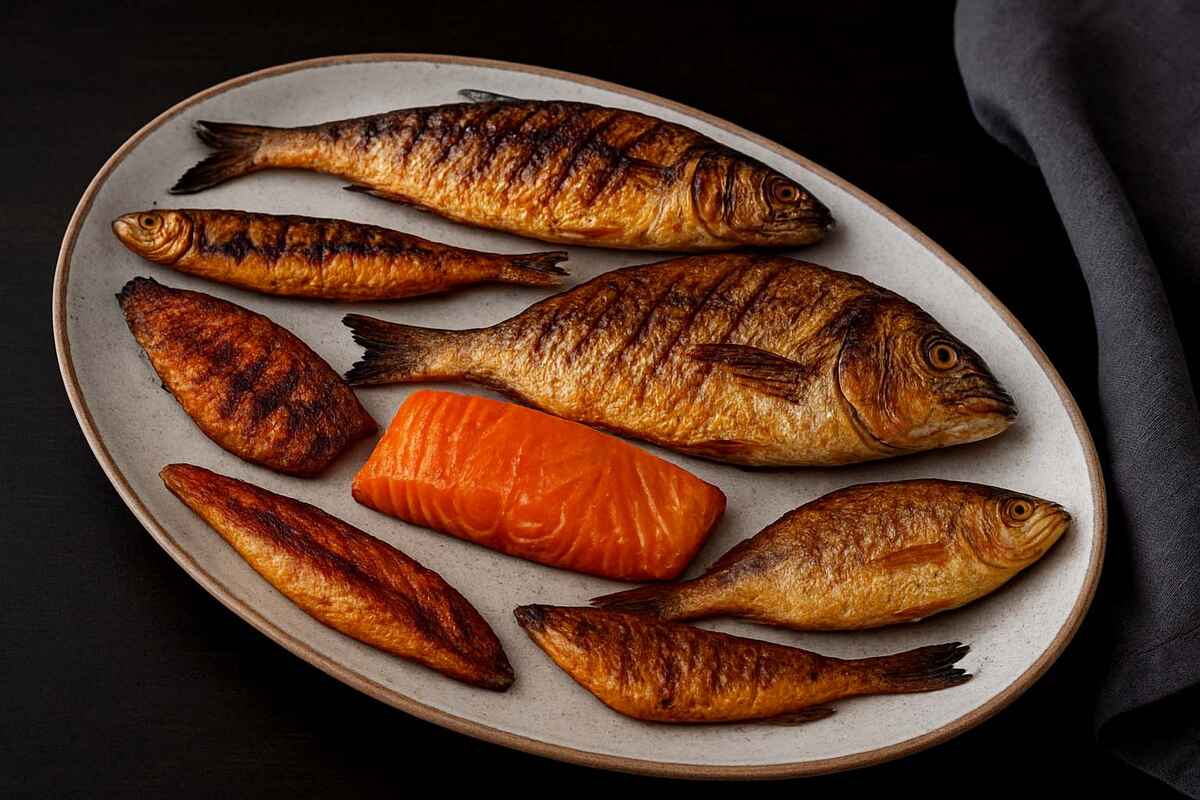
Are Sardines the healthiest fish for simultaneous calcium and omega-3 intake?
Yes, Sardines (which include various small, canned pilchards and herring) are exceptionally strong contenders for the title of the healthiest fish, particularly when the goal is a synergistic boost of calcium and omega-3s.
The unique preparation of canned sardines, where they are consumed whole with their soft, edible bones, provides an easily absorbed, natural source of calcium and phosphorus—minerals absolutely critical for maintaining strong bone density and preventing age-related bone loss.
This calcium content often rivals or surpasses that found in dairy products. Complementing the minerals is the incredibly high concentration of omega-3 fatty acids, EPA and DHA, which are crucial for reducing cardiovascular risk and supporting brain function.
Furthermore, as small, short-lived fish, sardines are inherently low in environmental contaminants like mercury, making them a safe and highly recommended healthy fish for everyone, including expectant mothers and young children.
Sardines also provide a substantial amount of vitamin D, which is essential for maximizing the absorption and utilization of all that calcium. Their sustainability and low cost only add to their appeal.
For a convenient, affordable, and nutrient-dense source of both bone and heart-supporting nutrients, there are few foods that can compete with the holistic package offered by this undeniably healthiest fish.
Is Black Cod (Sablefish) the healthiest fish for a rich, buttery texture and high fat content?
Black Cod, also known as Sablefish or “butterfish,” is a deep-sea delicacy that earns its spot among the healthiest fish precisely because of its high-fat content, which gives it that luxurious, velvety texture.
Crucially, the fat in Sablefish is predominantly comprised of the beneficial omega-3 fatty acids, making it an excellent source of EPA and DHA for heart health, cognitive support, and chronic inflammation reduction.
Its unique oil composition also provides a monounsaturated fat profile similar to that of avocados or olives, contributing to its rich flavor and superb texture. This makes it an incredibly appealing way to increase your intake of vital marine fats.
Beyond the healthy lipids, Black Cod is rich in high-quality protein and essential micronutrients, particularly selenium, which acts as a powerful antioxidant and is crucial for thyroid hormone metabolism.
Although it is a larger, longer-lived fish, Black Cod harvested from well-managed Alaskan and Canadian fisheries is generally considered a low-to-moderate mercury choice, well within safe consumption guidelines.
Its combination of exquisite taste and superior nutritional density ensures that it is not just a culinary treat, but an exceptionally healthy fish.
For those seeking a rich-tasting option that doesn’t compromise on the essential health benefits of omega-3s, Black Cod stands as one of the most rewarding and healthiest fish options available.
Can Pacific Halibut be considered the healthiest fish for achieving a high-protein, low-fat diet?
For those rigorously following a high-protein, low-fat dietary strategy, Pacific Halibut presents a compelling argument as the healthiest fish choice. Halibut is renowned for its firm, flaky white flesh that is practically fat-free, making it one of the leanest animal protein sources available globally.
The sheer quantity and quality of its complete protein profile make it an ideal food for supporting muscle growth, aiding in post-exercise recovery, and significantly promoting satiety, which is essential for effective weight management.
A serving of Halibut delivers a massive protein punch with minimal caloric contribution from fat. While it cannot rival the omega-3 content of oily fish, its focus on clean, superior protein is its winning attribute.
Halibut also provides a good array of essential minerals, including potassium, which is important for fluid balance and blood pressure regulation, and niacin (Vitamin B3).
Responsible sourcing is key; consumers should look for wild-caught Pacific Halibut, which is generally well-managed and considered sustainable. Although its size dictates a moderate mercury risk, consuming it within recommended guidelines allows for all the benefits.
The purity of its protein content, combined with its mineral richness, makes it an exceptionally healthy fish choice. Therefore, when defining the healthiest fish through the lens of maximizing lean protein efficiency, Pacific Halibut is certainly a top-tier performer.

Is Cod one of the cleanest and healthiest fish options for very frequent consumption?
Cod, particularly the highly sustainable Pacific Cod, is undoubtedly one of the cleanest and healthiest fish choices, making it ideal for very frequent, even daily, consumption.
Its status as a clean fish stems primarily from its incredibly low-fat content and its place in the marine food web, resulting in minimal accumulation of contaminants, including mercury. This makes Cod an exceptionally safe and worry-free protein source for all age groups.
Nutritionally, Cod is a powerhouse of lean, high-quality protein, which is highly digestible and essential for tissue repair and metabolic health. It is an excellent choice for anyone aiming for a low-fat, low-calorie diet without sacrificing essential nutrients.
Cod is particularly rich in several key minerals, including iodine, a crucial element for thyroid hormone synthesis and metabolic regulation, and selenium, a potent antioxidant that supports immune function.
While it is not an oily fish, its overall purity and dense micronutrient profile make it a superior choice among white fish. The sustainability of many Cod fisheries, especially in the Pacific, further reinforces its status as a responsible and healthy fish option.
For those seeking a consistently reliable, low-risk, and nutrient-rich protein staple, Cod offers a compelling combination of safety and nutritional value, cementing its status as one of the healthiest fish options to eat often.
Considering mercury risk, is Skipjack Tuna the healthiest fish from the tuna family?
Yes, when mercury accumulation is the primary health concern, Skipjack Tuna is unequivocally the healthiest fish choice within the entire tuna family. Skipjack, which is commonly canned and labeled as “light” tuna, is the smallest and fastest-growing species of tuna.
Due to its short lifespan, it has significantly less time to accumulate methylmercury compared to its larger cousins, such as Bluefin or Bigeye. This low-mercury profile makes it the safest tuna to consume regularly, even for sensitive populations when consumed in moderation.
Nutritionally, Skipjack is a stellar source of lean, complete protein, which is essential for muscle maintenance and promoting satiety.
It also delivers a robust amount of B vitamins, including Niacin (B3), which aids in energy production and DNA repair. Importantly, Skipjack is also rich in selenium, a powerful antioxidant that, paradoxically, may help the body bind and excrete small amounts of heavy metals.
By choosing Skipjack, consumers benefit from the convenience and nutrient density of tuna while actively mitigating the associated health risks.
This strategic selection ensures you are getting a highly healthy fish that is also responsibly sourced. For anyone looking to enjoy the benefits of tuna without the worry, Skipjack is certainly the most balanced and healthiest fish within its category.
Is Wild-Caught Sockeye Salmon the healthiest fish for high antioxidant levels?
Without a doubt, Wild-Caught Sockeye Salmon holds the distinction of being the healthiest fish for maximizing intake of the powerful antioxidant, astaxanthin. Sockeye’s deep, brilliant red color is a direct result of its diet, which is rich in crustaceans that contain this carotenoid.
Astaxanthin is significantly more potent than many other antioxidants, and studies suggest it offers remarkable benefits for neurological health, protecting the brain and nervous system from oxidative damage. Furthermore, it is linked to superior skin health and enhanced immune function.
Beyond its antioxidant firepower, Sockeye is packed with the essential omega-3 fatty acids, EPA and DHA, and offers a substantial amount of high-quality protein. It typically has a leaner fat profile than King Salmon while still providing a beneficial amount of those crucial oils.
Sockeye is also one of the most sustainable salmon species, making it an environmentally responsible choice. The combination of its superior antioxidant content, clean fat profile, and high protein quantity places it at the very top of the list.
By choosing Sockeye, you are selecting an exceptionally healthy fish that provides powerful, protective nutrients that are difficult to find in such concentrations elsewhere. Sockeye stands out as the healthiest fish for a diet focused on cellular protection and longevity.
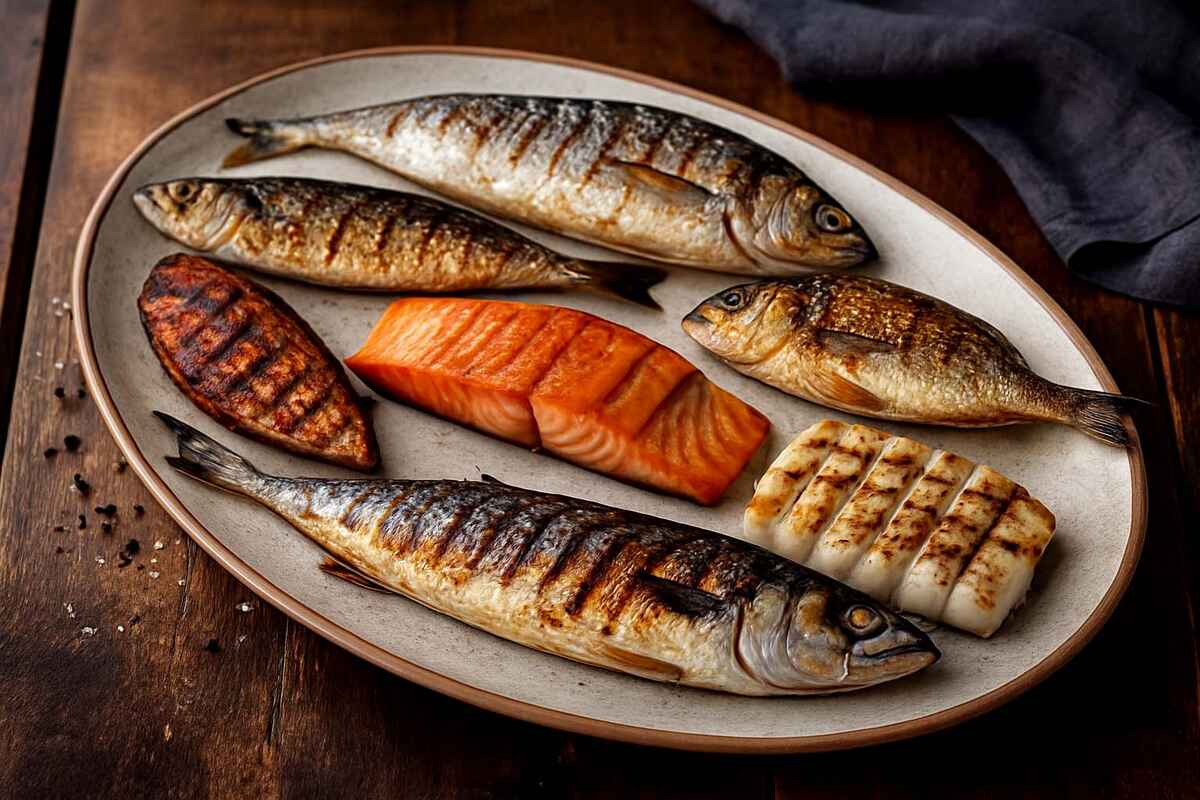
Is Farmed Rainbow Trout one of the cleanest and healthiest fish options available?
Farmed Rainbow Trout is increasingly recognized as one of the cleanest and healthiest fish options available, challenging the long-held assumption that wild-caught is always superior.
The reason for its cleanliness is the controlled environment: Trout are typically raised in closed, inland aquaculture systems that significantly minimize their exposure to environmental contaminants and pollutants found in open oceans, resulting in virtually non-existent mercury levels.
This makes it an incredibly safe and consistently reliable healthy fish for consumers concerned about heavy metals.
Nutritionally, modern farming practices have resulted in trout that possess a substantial, beneficial omega-3 profile, along with high-quality protein and essential minerals like potassium and phosphorus.
While its overall omega-3 content may not match that of wild salmon, the quality is high, and the risk is low, making the tradeoff highly favorable. Furthermore, farmed trout is generally sustainable, often requiring less wild fish feed than other farmed species, which reduces its environmental impact.
For those seeking a delicious, mild-flavored fish that offers a strong combination of high protein, good omega-3s, and the certainty of a very low-contaminant source, Farmed Rainbow Trout stands out as an exceptionally balanced and healthiest fish choice for consistent inclusion in the diet.
Why is Anchovy considered one of the healthiest fish sources for trace minerals?
The small, yet mighty, Anchovy is a giant when it comes to nutrient density, securing its place as one of the healthiest fish options available, particularly due to its high concentration of essential trace minerals.
Because anchovies are consumed whole, they provide a full spectrum of nutrients that would be lost if only the fillet were eaten.
They are notably rich in Iron, which is critical for oxygen transport in the blood and preventing anemia, and Selenium, a powerful antioxidant vital for thyroid health and immune regulation.
They also deliver an excellent amount of phosphorus, a key mineral for bone health and energy production (ATP).
Furthermore, as an oily fish, anchovies are packed with the highly beneficial omega-3 fatty acids, EPA and DHA, and provide ample Vitamin B12.
Like sardines, their size and position at the bottom of the food chain mean they are one of the lowest-mercury fish available, making them safe for frequent consumption.
The strong, umami flavor of anchovies also makes them a fantastic ingredient for boosting the nutritional value of sauces and dressings, making it easy to incorporate this nutrient powerhouse into your diet.
This superior combination of mineral richness, low contaminant risk, and high omega-3 content ensures that anchovy is an undeniably healthy fish that provides foundational support for numerous bodily functions.
Is Chilean Sea Bass the healthiest fish to consume when balancing omega-3s with sustainability?
The decision to consume Chilean Sea Bass (Patagonian Toothfish) as the healthiest fish option requires a careful balance between its nutritional benefits and its sustainability challenges.
Nutritionally, this fish is superb, providing a high-fat content rich in beneficial omega-3 fatty acids, which contribute to its buttery texture and potent cardioprotective effects. However, its historical vulnerability to overfishing makes its sustainability rating a critical factor.
To ethically consider it a healthy fish, consumers must only purchase sources that carry official certification, such as the Marine Stewardship Council (MSC), which guarantees it was caught legally and sustainably.
Choosing a certified source minimizes the negative environmental impact, ensuring that your choice supports responsible fishing practices. Furthermore, due to its long lifespan and large size, it accumulates moderate levels of mercury.
Therefore, while it is nutrient-dense, it should be consumed sparingly—perhaps once or twice a month—to reap the omega-3 rewards while managing heavy metal intake.
By adhering strictly to sustainable sourcing and moderate consumption, Chilean Sea Bass can be a delicious and exceptionally healthy fish option for the discerning, environmentally conscious consumer.
What makes Herring a uniquely healthy fish for high-dose Vitamin D?
Herring, a small, schooling fish often enjoyed smoked, pickled, or as canned sardines, is a uniquely healthy fish that provides an exceptional and often under-appreciated natural source of vitamin D.
Vitamin D is crucial for numerous bodily functions, acting more like a hormone than a vitamin, directly supporting immune health, bone mineralization, and regulating mood.
Due to its oily nature and diet, herring concentrates this fat-soluble vitamin in high amounts, making it a powerful dietary tool to combat widespread Vitamin D deficiency.
Furthermore, Herring is an omega-3 powerhouse, delivering high concentrations of EPA and DHA that support cardiovascular and cognitive function, making it an excellent anti-inflammatory food.
Like its cousin, the sardine, Herring is low on the marine food chain, meaning it carries a minimal risk of mercury or other contaminants, reinforcing its status as an exceptionally safe and healthy fish for frequent family consumption.
The combination of high Vitamin D, superior omega-3 content, and low contaminant risk solidifies Herring’s position. For a nutrient-dense, sustainable, and powerful source of essential vitamins, Herring is an undeniably healthy fish that should be regularly incorporated into any wellness-focused diet.
What makes Wild-Caught Fish, as a category, the superior healthy fish choice?
Choosing Wild-Caught Fish as a category, particularly for oily species like salmon, inherently leads to a superior healthy fish choice due to the purity and quality of its fat composition.
Wild fish thrive on a diverse, natural diet of smaller marine life, which results in a cleaner nutritional profile and, critically, a more optimal ratio of omega-3 to omega-6 fatty acids. This translates to greater anti-inflammatory power for the consumer.
While aquaculture is improving, wild-caught fish from well-managed fisheries often carry lower risks of exposure to antibiotics, dyes, and growth hormones sometimes used in intensive farming operations. Furthermore, the protein in wild fish is typically cleaner, making it a purer nutrient source.
The health of the fish reflects the health of its natural environment, and high-quality wild fish are often richer in trace minerals absorbed directly from the ocean.
Prioritizing wild sourcing is not just a health decision but an ethical one that supports robust, naturally balanced marine ecosystems.
While sustainably farmed species exist, the overall purity and fat quality of Wild-Caught Fish establish it as the gold standard for selecting a truly superior and exceptionally healthy fish option.
Why is Cod Liver a concentrated healthy fish product for essential fat-soluble vitamins?
Cod Liver, and its extracted oil, is a highly concentrated and uniquely healthy fish product specifically prized for its abundance of essential fat-soluble vitamins, distinguishing it from the cod fillet itself.
This part of the fish is a potent natural source of both vitamin A and vitamin D. Vitamin A is vital for maintaining healthy vision, robust immune response, and cellular differentiation, while vitamin D is essential for regulating calcium and phosphorus absorption, directly impacting bone density and overall immune modulation.
Both these vitamins are often challenging to obtain in sufficient amounts through a regular diet. Additionally, Cod Liver and its oil are rich in omega-3 fatty acids, EPA and DHA, offering the synergistic benefit of anti-inflammatory fats alongside these key vitamins.
When sourced from wild-caught cod, it maintains the fish’s low-mercury profile. While caution is required due to the high concentration of Vitamin A (requiring moderate consumption), its unparalleled nutritional density ensures it is a supremely healthy fish product.
For targeted nutritional support of immune function, bone health, and essential vitamin intake, Cod Liver provides a powerful and comprehensive package that few other marine products can match.
Why are small, fast-reproducing species generally the safest fish for frequent family meals?
The category of small, fast-reproducing species, encompassing fish like sardines, anchovies, and mackerel, represents the safest and most healthy fish options recommended for consistent family meals.
The primary reason for this superiority is a direct result of their biology: they are short-lived and sit at the bottom of the marine food chain.
This characteristic prevents them from accumulating high levels of environmental toxins, particularly methylmercury, a significant concern for children and pregnant women.
By prioritizing these species, families can ensure they receive the profound benefits of marine omega-3 fatty acids—essential for the development of the brain, heart, and nervous system—without the toxic risk associated with larger, long-lived predators.
Furthermore, these species are highly abundant and reproduce quickly, making them resilient to fishing pressures and therefore more sustainable.
The high convenience of canned varieties, coupled with their dense nutrient profile, including calcium, iron, and B12, makes them an accessible, affordable, and incredibly healthy fish foundation for family nutrition.
Conclusion
We’ve reached the end of our deep dive, and hopefully, you now feel equipped not just to eat more fish, but to eat the right fish.
The message is clear: seafood is a critical component of a truly vibrant, longevity-focused diet, but intelligent selection is key. We’ve moved beyond generic advice to provide you with a powerful, comprehensive toolkit of 15 fish species that offer specific and measurable health benefits.
From the unparalleled omega-3 density of Atlantic Mackerel and the antioxidant potency of Wild-Caught Sockeye Salmon, to the pure, lean protein of Pacific Halibut and the sustainable, calcium-rich goodness of Sardines, every choice on this list is a strategic step toward wellness.
Remember, the healthiest fish isn’t always the biggest or the most expensive; often, the small, mighty species low on the food chain offer the most benefit with the lowest risk of contaminants.
The takeaway is simple: Incorporate a variety of these species into your weekly routine, paying attention to sourcing (look for “wild-caught,” “pole-caught,” or trusted sustainability certifications).
By prioritizing these healthy fish options, you are actively investing in your cardiovascular system, boosting your brain health, strengthening your immune response, and supporting strong bones.
Don’t wait to make these powerful nutritional upgrades. The ocean’s bounty is waiting for you, and by choosing wisely, you can enjoy a delicious, nutrient-dense diet that contributes both to your well-being and the health of our oceans.
FAQ
Wild Salmon is consistently ranked as the healthiest fish option for heart health due to its exceptionally high levels of EPA (eicosapentaenoic acid) and DHA (docosahexaenoic acid). These potent omega-3 fatty acids are scientifically proven to lower blood pressure, reduce triglycerides, and decrease the risk of arrhythmias, making it a foundational component of a cardioprotective diet. Choosing wild-caught varieties ensures a superior fat profile, reinforcing its status as the healthiest fish for cardiovascular wellness.
Yes, Sardines are widely regarded as the healthiest fish for bone density. This is because they are typically consumed whole, including the tiny, soft bones, which provide a remarkably high, easily absorbed dose of calcium and phosphorus. Furthermore, Sardines are rich in Vitamin D, which is essential for the body to properly absorb and utilize that calcium. This unique, nutrient-dense profile makes them the most complete and healthiest fish source for supporting strong skeletal health.
Considering mercury contamination, Skipjack Tuna (often labeled as “light” canned tuna) is the healthiest fish choice for regular consumption. Skipjack is a smaller, faster-growing species, meaning it accumulates significantly less methylmercury than larger tuna like Albacore or Bluefin. This low-risk profile allows you to benefit from its excellent lean protein and selenium content. When choosing tuna for frequent meals, Skipjack is objectively the safest and healthiest fish from the entire tuna family.
To maximize the benefits, health organizations typically recommend consuming the healthiest fish options, such as salmon, mackerel, or sardines, two to three times per week. This frequency ensures a consistent intake of the anti-inflammatory omega-3s, Vitamin D, and B vitamins necessary for heart, brain, and immune function. Prioritizing these oily fish provides the most impact, confirming their role as the healthiest fish to anchor your weekly diet.
Yes, Pacific Halibut is considered a top contender for the healthiest fish for muscle building. This is due to its extremely high content of high-quality, complete protein coupled with very low-fat levels. The protein is easily digestible and provides all the essential amino acids required for muscle repair and growth (anabolism). While low in omega-3s compared to salmon, its efficiency as a lean protein source makes Halibut an exceptionally healthy fish choice for fitness goals and achieving satiety.
Black Cod, or Sablefish, is a uniquely rich and healthy fish primarily due to its exceptional fat composition. The high-fat content is overwhelmingly comprised of beneficial omega-3 fatty acids, providing superior cardiovascular and anti-inflammatory benefits. This dense oil is what gives it its sought-after, buttery texture. Its high concentration of essential fats and powerful minerals like selenium ensures Black Cod is a decadent, yet highly healthy fish and a fantastic way to consume your marine omegas.
For individuals concerned about contaminants, Atlantic Mackerel or Anchovies are the healthiest fish to eat virtually without worry. Their status as small, short-lived fish low on the food chain means they have had minimal exposure to environmental toxins like mercury. This makes them among the safest and most frequently recommended options, particularly for sensitive groups. Their low contaminant risk combined with high omega-3 levels confirms their standing as the most worry-free healthiest fish selections.
Yes, Wild-Caught Sockeye Salmon strongly qualifies as the healthiest fish specifically because of its remarkably high antioxidant levels. Its vivid red flesh is packed with astaxanthin, a potent carotenoid antioxidant that offers superior protection for the brain, eyes, and nervous system from oxidative stress. This powerful component, combined with its clean omega-3 profile, ensures Sockeye is not just a nutritious fish but the healthiest fish choice for maximizing antioxidant defense.
Yes, Farmed Rainbow Trout is still considered a very healthy fish option. Modern aquaculture practices have resulted in trout raised in clean, controlled environments, giving them a minimal, often virtually undetectable, mercury level. This safety profile is a huge plus. Furthermore, the fish provides a good amount of beneficial omega-3s and is a lean, high-quality protein source. Its low-risk status and good nutritional value mean that Farmed Rainbow Trout remains a reliably healthy fish for regular consumption.
The best way to determine if a species like Chilean Sea Bass is the healthiest fish for the planet is by checking its sustainability rating with reputable organizations like the Marine Stewardship Council (MSC). Because this fish has a history of overfishing, sourcing certified, sustainably caught varieties is crucial. When chosen responsibly, it is a superior source of omega-3s, but only by verifying its environmental footprint can you confirm that it is an ethically sound and truly healthiest fish choice.
Health Benefits of Sesame Seeds

Author: Horeca Health
Horeca Health
DISCLAIMER
All content provided on this website is for informational purposes only and should not be considered a substitute for professional advice, diagnosis, or treatment. Always consult qualified healthcare professionals regarding any questions or concerns you may have about your health or any medical condition.




















Leave a Reply