Sciatica: Introduction
Sciatica: Have you ever experienced a sudden, debilitating shock of pain that travels like wildfire from your lower back, through your buttock, and relentlessly down your leg?
If so, you may have experienced a classic flare-up of sciatica, medically known as ischialgia. This incredibly common condition is far more than just a regular backache; it is a specialized nerve pain stemming from irritation or compression of the body’s longest nerve—the powerful sciatic nerve.
For the millions of people affected globally, this intense discomfort can dramatically interfere with every aspect of daily life, turning simple actions like sitting, standing, or walking into a painful ordeal.
The pain is often described as searing, burning, or an unpredictable electrical shock, and it frequently brings with it the unwelcome companions of numbness and tingling.
In this comprehensive guide, we move beyond simple symptom description to offer you an expert, yet easy-to-understand, roadmap to this challenging condition.
More importantly, we will meticulously outline the most effective strategies for diagnosis, from the initial physical exam to advanced MRI imaging, and explore the full spectrum of treatment options available today.
Whether you are seeking immediate relief through home remedies, exploring the long-term benefits of physical therapy, or considering advanced options like spinal injections or surgery, our goal is to empower you with the knowledge needed to manage your pain and reclaim your mobility. Let’s demystify the origins, understand the signals, and discover the best routes to recovery from ischialgia.
What Exactly is Sciatica (Ischialgia)?
Sciatica, also widely known by its medical term ischialgia, is a common and often severely painful condition that is frequently misunderstood by the general public.
Fundamentally, sciatica is not a diagnosis in itself, but rather a descriptive term for a collection of symptoms arising from the irritation or compression of the sciatic nerve—the largest and longest nerve in the human body.
This massive nerve originates from the nerve roots in the lower spine (specifically L4 through S3), travels deep into the buttock, and extends all the way down the back of each leg to the foot.
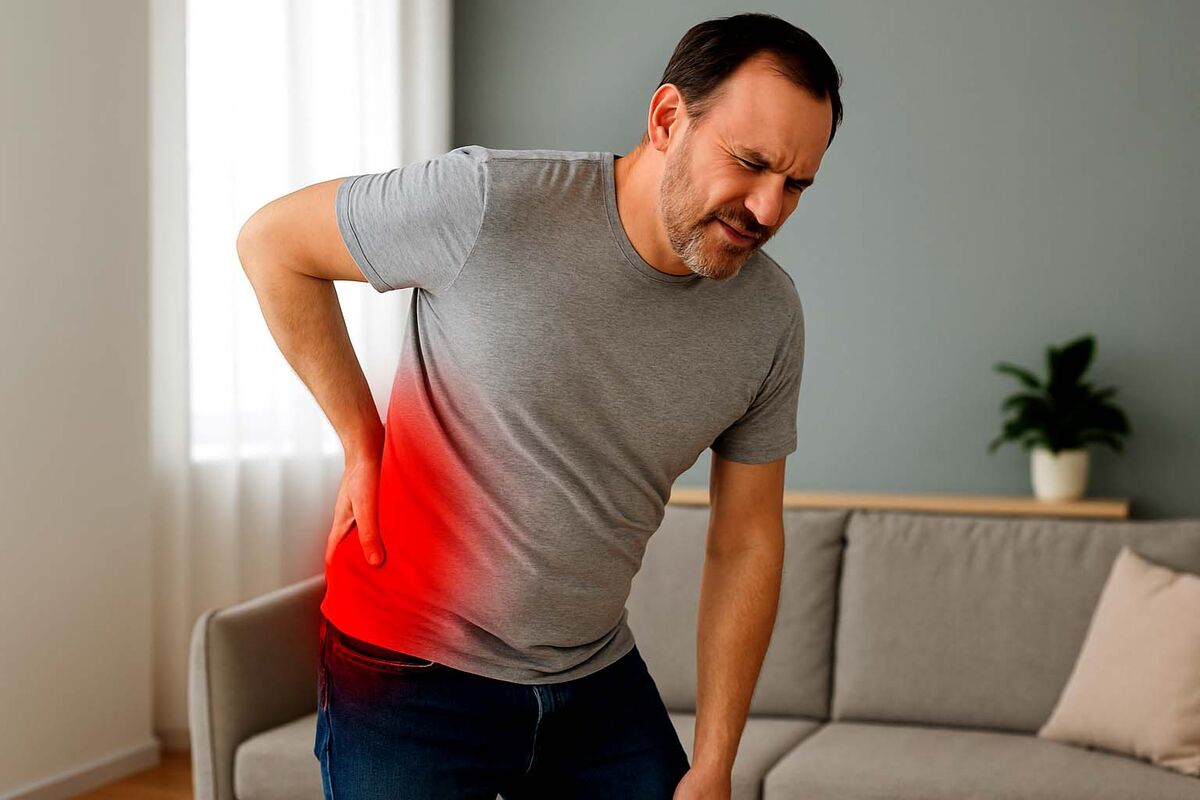
The signature symptom of this condition is a radiating pain that usually starts in the lower back or gluteal region and shoots down only one leg.
Patients frequently describe this pain as an intense, burning, or searing sensation, sometimes accompanied by sharp, electric-shock-like jolts, a persistent dull ache, or neurological symptoms such as tingling, numbness (paresthesia), and muscle weakness.
The underlying cause is nearly always a mechanical compression of the nerve roots in the lumbar spine, most commonly due to a herniated intervertebral disc or, less frequently, conditions like spinal stenosis or piriformis syndrome.
This compression prevents the nerve from functioning properly, leading to the debilitating symptoms that can severely impact mobility and quality of life.
Understanding that the source of the discomfort lies in the back, even if the pain is felt primarily in the leg, is key to diagnosing and treating this specific type of radiating nerve pain effectively.
Understanding the Roots of Sciatica: What Exactly Causes Sciatica Nerve Pain?
Have you ever felt a jolt of pain starting deep in your lower back or buttock that shoots down one of your legs? That tell-tale discomfort, often described as a searing, electric-shock-like sensation, is highly indicative of sciatica, medically referred to as sciatic nerve pain or lumbar radiculopathy.
This condition isn’t a diagnosis in itself, but rather a profound symptom stemming from an underlying mechanical issue that places pressure on the sciatic nerve—the single longest and widest nerve in the entire human body, running from the lower spinal area, through the hips and buttocks, and continuing down each leg.
The indisputable primary culprit behind this intense nerve irritation is most frequently a herniated or ‘slipped’ disc in the lower (lumbar) spine.
When the soft, gel-like nucleus of an intervertebral disc pushes out (protrudes) through a tear in its tougher exterior, it makes direct, painful contact with the delicate nerve roots that merge to form the great sciatic nerve, instantly triggering the debilitating cascade of pain, numbness, and neurological symptoms we collectively identify as sciatica.
Understanding the critical role of this mechanical compression is the fundamental first step toward finding effective and lasting relief from chronic lower back and leg pain.
Furthermore, the pain sensation can be dramatically aggravated by everyday, seemingly simple actions, such as bending over, twisting the torso, coughing, or even a sudden sneeze, unequivocally highlighting the nerve’s vulnerability to any positional stress or sudden increase in spinal pressure.
The radiating nature of this discomfort clearly distinguishes it from more generalized, muscle-based backaches.
Ischialgia Demystified: What Conditions Often Lead to Sciatic Nerve Impingement?
While a lumbar disc herniation remains the most prevalent trigger for the characteristic radiating leg pain known as ischialgia, numerous other specific medical conditions can either perfectly mimic or directly induce this debilitating discomfort, making a precise diagnosis crucial.
One significant, age-related contributor, particularly observed in older adults, is a condition called lumbar spinal stenosis, which represents a progressive narrowing of the bony spinal canal itself.
This narrowing places considerable physical pressure on both the spinal cord and the vital nerve roots. The stenosis is often caused by the natural wear and tear of aging, leading to the formation of bony growths known as spurs (osteophytes) and the abnormal thickening of the spinal ligaments.
Another key offender that can cause intense nerve pain is spondylolisthesis, a specific instability where one vertebra in the spine slips forward or backward out of its correct alignment relative to the bone below it, thereby physically pinching the nerve structures and initiating symptoms of ischialgia.
Less common, but deserving of attention, is Piriformis Syndrome, a condition that occurs when the small but powerful piriformis muscle, situated deep within the buttock region, spasms or becomes inflamed, resulting in irritation and direct compression of the sciatic nerve as it either passes through or underneath this muscle.
Accurately identifying the specific anatomical or mechanical root of the nerve compression is paramount, as the underlying cause of your severe leg pain entirely dictates the most appropriate and successful long-term treatment strategy.
How Does Sciatica Pain Typically Present and What are the Warning Signs to Watch For?
Recognizing the complex and varying ways that sciatica presents itself is absolutely vital for an individual to seek appropriate and timely medical attention.
The definitive, unmistakable hallmark of this nerve compression condition is pain that consistently originates in the lower lumbar area or the deep buttock region and travels, or radiates, extensively down the back of just one leg, frequently extending all the way to the ankle, calf, or foot.
This severe pain can manifest in a spectrum of ways: it might be experienced as a persistent, dull ache, a sudden, sharp, and intense burning sensation, or, most notoriously, as an unpredictable, electric-shock-like jolt that renders simple, everyday movements excruciatingly difficult.
A critical diagnostic indicator is that the severity of the leg pain is, in almost all genuine cases, substantially worse and more distracting than any concurrent lower back discomfort—this clear dominance of leg symptoms is what truly differentiates sciatica from generalized, non-nerve-related back pain.
Beyond the pain, impingement of the nerve can lead to a host of neurological changes. These often include paresthesia, which patients commonly describe as a persistent pins-and-needles feeling, along with localized areas of numbness (hypoesthesia) or a burning, tingling sensation anywhere in the affected leg or foot.
In the most severe instances, patients may begin to experience profound muscle weakness, such as an inability to properly lift the front part of the foot (a condition medically termed ‘foot drop’), which is a concerning sign of significant nerve compromise and mandates prompt medical consultation.
How is Ischialgia Differentiated from Other Types of Lower Back and Leg Pain?
Differentiating true ischialgia—the definitive nerve root pain—from the numerous other, more common types of lower back and leg discomfort is a fundamental requirement for achieving an accurate diagnosis and formulating a successful, targeted treatment plan.
Many individuals tend to incorrectly label any pain that travels down the leg as a form of this nerve compression, but genuine sciatic nerve pain possesses a highly specific set of clinical characteristics.
The pain pathway characteristic of true ischialgia meticulously follows the precise anatomical distribution of the sciatic nerve, consistently radiating down the posterior aspect of the leg, and is almost always accompanied by distinct neurological deficits, such as localized numbness, pronounced tingling, or measurable muscle weakness.
In stark contrast, common musculoskeletal conditions like simple hamstring strains, localized muscle spasms, or pain originating from the sacroiliac joint may cause a dull, referred ache down the leg, but they conspicuously lack the intense, burning, or electrical quality of specific nerve pain and, crucially, do not present with profound neurological deficits like a true foot drop.
Another key clinical distinction used by medical professionals is that the pain caused by this specific nerve root irritation is reliably exacerbated by actions that transiently increase pressure within the spinal canal, such as the Valsalva maneuver (straining), coughing violently, or sneezing forcefully, which helps practitioners precisely isolate the compressed nerve root as the specific source of the patient’s severe radiating discomfort, confirming the diagnosis of sciatica.

What Serious Red Flag Symptoms Associated with Sciatica Warrant Immediate Medical Attention?
While it is genuinely true that the vast majority of sciatica cases are benign and spontaneously resolve with time and conservative, non-operative management, there exists a very small, critical set of “red flag” symptoms that unequivocally signal a potentially severe, even catastrophic, underlying medical emergency and absolutely necessitate immediate and urgent medical evaluation at a hospital emergency room.
These critical warning signs indicate that the compressed sciatic nerve or the surrounding nerve roots are suffering an acute, rapidly progressing degree of damage that could potentially lead to permanent neurological deficits if not addressed immediately.
The most singularly critical red flag is the sudden, unexpected onset of a loss of function or control over the bowel or bladder (urinary retention or incontinence), which is a definitive clinical sign of a medical emergency known as Cauda Equina Syndrome.
This rare condition involves massive compression of the entire bundle of spinal nerve roots and requires emergency surgical decompression.
Another extremely serious and alarming symptom is the development of rapidly progressing or severe muscle weakness, such as an acute inability to lift the front part of the foot (often referred to as ‘foot drop’) or the significant, sudden loss of strength in the entire leg, which suggests severe motor nerve compression and must be urgently investigated.
Furthermore, if the nerve pain associated with the sciatica is completely unremitting, progressively worsening despite all medications and rest, or if it is accompanied by other systemic red flags like an unexplained high fever, persistent chills, or unexplained, significant weight loss, it must be evaluated immediately to systematically rule out very rare, non-mechanical, but serious causes such as spinal infection (osteomyelitis) or a spinal tumor.
What Diagnostic Steps are Essential to Confirm the Presence of Sciatica?
The process of accurately diagnosing sciatica involves much more than simply identifying the presence of pain; it critically focuses on precisely pinpointing the exact structural or mechanical reason for the nerve root compression.
The diagnostic journey always begins with a detailed and comprehensive medical history, where the physician carefully notes the character, onset, location, and severity of the pain, alongside what activities or positions seem to exacerbate or alleviate the patient’s symptoms.
This is immediately followed by a thorough physical and neurological examination. During this exam, the doctor will frequently perform the highly specific Straight Leg Raise (SLR) test, where gently lifting the affected leg while the patient is lying flat will reliably reproduce or significantly intensify the characteristic radiating pain in true cases of nerve root irritation caused by sciatica.
While this physical test can strongly indicate the condition, imaging studies are almost always utilized to definitively confirm the specific structural issue.
Plain X-rays are useful primarily for ruling out bone fractures, tumors, or identifying significant bone spurs, but the gold standard diagnostic tool is the Magnetic Resonance Imaging (MRI) scan.
The MRI provides highly detailed, cross-sectional images of the soft tissues, clearly revealing a herniated disc, the extent of spinal stenosis, or other soft-tissue compression that is unequivocally causing the ischialgia.
In specific, complex cases, specialized nerve studies, such as nerve conduction velocity tests or electromyography (EMG), might be employed to evaluate the electrical activity within the nerve and muscles, helping to accurately assess the degree of nerve damage and rule out other potential peripheral neuropathies that could cause similar symptoms.
How Can Initial Flare-Ups of Sciatica Be Managed with Simple Home Remedies?
For a great many individuals experiencing a sudden, acute onset of severe sciatica, the intense pain can be alarming, yet the encouraging news is that the vast majority of cases successfully resolve with consistent, conservative, and carefully applied self-care at home, often within a short period of a few weeks.
The initial strategic management of this pain primarily concentrates on a two-pronged approach: drastically reducing both inflammation around the nerve root and managing the sharp, localized pain.
A highly effective and recommended first step is the intelligent use of alternating temperature therapy. Applying cold packs or wrapped ice to the most painful area, usually the lower back or the deep buttock, for the first 48 to 72 hours helps to significantly numb the intense pain and effectively reduce the acute inflammation.
Following this initial cold phase, switching to the application of heat, such as using a heating pad on a low setting or taking a warm bath, can be introduced to promote increased blood flow and relax any tight or spasming muscles that might be contributing to the compression of the sciatic nerve.
In terms of medication, readily available over-the-counter non-steroidal anti-inflammatory drugs (NSAIDs), such as ibuprofen or naproxen, can be beneficial in mitigating both the sharp pain and the inflammatory response surrounding the irritated nerve.
However, it is fundamentally important to know that while short-term rest for a day or two is permissible during the worst pain, prolonged bed rest is universally discouraged by specialists, as excessive inactivity is known to weaken the core muscles and can inadvertently worsen the symptoms of sciatica and unnecessarily delay the full recovery process.
What Types of Physical Therapy and Exercises Are Best for Easing Chronic Sciatica?
Once the initial, debilitating acute pain associated with sciatica has been successfully brought under control, commencing a dedicated and professionally guided physical therapy regimen becomes one of the absolute cornerstones of effective long-term management and the prevention of future painful flare-ups.
A well-structured physical therapy program is expertly designed with the crucial goal of not merely alleviating the current residual pain, but more importantly, of proactively addressing the underlying biomechanical deficiencies that originally led to the nerve root compression.
These tailored programs typically integrate a holistic combination of specific strengthening exercises, targeted stretching routines, and low-impact aerobic conditioning.
Central to this approach is rigorous core muscle strengthening, as developing a powerful and stable core musculature provides vastly improved, natural support for the entire lower spinal column, which in turn dramatically minimizes mechanical pressure on the vulnerable nerve roots.
Specific stretching routines, particularly those that focus on improving the flexibility of the hip flexors, hamstrings, and especially the deep piriformis muscle, are critically important for releasing the muscular tension that can directly irritate the great sciatic nerve, thereby providing tangible relief from the shooting pain and neurological symptoms often associated with sciatica.
Furthermore, regular low-impact aerobic activities, such as brisk walking or swimming, help to maintain overall systemic fitness, promote healthy blood circulation throughout the area, and facilitate the natural healing process without placing undue or excessive stress on the compromised lumbar spine, significantly improving function and overall comfort.
When is Medication Necessary, and What Pharmacological Options Exist for Sciatica Relief?
For a significant number of individuals experiencing moderate to severe or prolonged episodes of sciatica, conservative non-drug treatments like rest and dedicated physical therapy may require strategic supplementation with specific pharmacological interventions to achieve truly effective management of the pain and inflammation.
Over-the-counter anti-inflammatory drugs (NSAIDs), which effectively target both the sensation of pain and the inflammatory reaction around the irritated nerve roots, are typically the foundational first-line defense used in a home setting.
However, when the nerve pain proves to be more intense, chronic, or highly resistant to standard NSAIDs, a medical doctor may deem it necessary to prescribe stronger medication.
This often includes targeted muscle relaxants, which are specifically used to quell and alleviate the severe, involuntary muscle spasms in the lower back and deep gluteal muscles that can dramatically aggravate the compressed sciatic nerve.
Furthermore, a highly specialized class of prescription medications, including certain anti-seizure drugs (like gabapentin) or tricyclic antidepressants, can be exceptionally effective in directly dampening the sharp, shooting, or intense electrical-type pain signals that are pathognomonic of sciatica; these neurological medications operate by modifying how the damaged nerves transmit their pain signals to the brain, offering a distinct and often superior pathway for relief compared to standard, opiate-based painkillers.
It is a key clinical principle that all these pharmacological treatments are intended for temporary use, primarily to effectively manage the acute and subacute phase of the nerve pain, which in turn allows the patient to participate fully and consistently in the essential physical therapy and rehabilitative activities crucial for a full and sustainable recovery.
Are Spinal Injections an Effective Treatment Option for Persistent Sciatica?
For patients who unfortunately fail to achieve satisfactory or adequate relief from a rigorous course of conservative treatments, including extensive physical therapy and various oral medications, professionally administered spinal injections can present a highly powerful and incredibly targeted intervention for persistent and disabling sciatica.
The most commonly performed and widely used procedure is an Epidural Steroid Injection (ESI). This technique involves the precise injection of a corticosteroid—a potent, fast-acting anti-inflammatory medication—along with a local anesthetic, which is delivered directly into the epidural space.
This space is the immediate area that surrounds the spinal cord and, crucially, the specific affected nerve roots.
The core objective of this therapeutic procedure is to deliver an exceptionally high concentration of the anti-inflammatory medication right to the exact biological source of the nerve irritation, thereby rapidly reducing the swelling and inflammation around the structurally compressed sciatic nerve roots.
This prompt and significant reduction in local inflammation very often translates into substantial and sometimes long-lasting pain relief, although it is important to manage patient expectations regarding the duration of the effect.
By effectively minimizing the nerve root swelling, the ESI procedure is designed to create a valuable “window of opportunity” lasting several weeks, during which the patient is able to engage with dramatically reduced pain in intensive and corrective physical therapy, which is an absolutely essential component for the long-term, functional recovery from the painful manifestations of ischialgia.
In What Scenarios Might Surgery Be Considered to Alleviate Severe Sciatica?
While specialists agree that the vast majority of patients successfully recover from sciatica without ever needing surgical intervention, it remains a highly necessary and profoundly effective option in a small subset of cases that are considered severe, complex, or utterly non-responsive to all conservative measures.
Elective surgery for disc-related nerve compression is typically only considered and offered after a patient has completed a prolonged trial, usually lasting several months, of all non-operative treatments—including tailored physical therapy, various prescription medications, and at least one spinal injection—without achieving any meaningful or sustainable improvement in their pain and function.
The most compelling and urgent reasons for recommending surgical intervention involve the presence of severe, progressive neurological deficits, such as the alarming and worsening loss of muscle strength in the affected leg or the development of pronounced foot drop, which are definitive indicators of serious, ongoing damage to the nerve.
Furthermore, surgery becomes a mandatory, time-critical emergency if the patient suddenly exhibits any signs of Cauda Equina Syndrome, a rare but devastating condition characterized by the acute onset of loss of bladder or bowel control.
The most routine surgical procedure performed for severe disc-related sciatica is a microdiscectomy, where a specialized surgeon meticulously removes only the fragment of the herniated disc material that is physically impinging upon the nerve root.
In cases primarily involving spinal stenosis, alternative procedures like a laminectomy or foraminotomy are conducted to surgically widen the spinal canal or the nerve root opening, thus creating necessary space.
Can Lifestyle Adjustments and Posture Changes Help Prevent Future Episodes of Ischialgia?
Absolutely, one of the single most impactful, non-invasive, and proactive steps an individual can take in the effective long-term management and comprehensive prevention of recurrent ischialgia is the firm commitment to strategic lifestyle and conscious postural changes.
Since the underlying mechanism that precipitates sciatic nerve irritation very often involves repetitive or chronic mechanical stress placed upon the delicate structures of the lower spinal segment, intelligently minimizing this daily stress is paramount to staying pain-free.
A critical lifestyle factor is maintaining a healthy, optimal body weight, as carrying excess body mass, particularly fat concentrated around the abdominal area, drastically increases the load placed on the lower lumbar spine and the vulnerable intervertebral discs.
Furthermore, paying meticulous and continuous attention to your posture, especially during periods of prolonged sitting, is an essential, non-negotiable step toward prevention.
When you are required to sit for extended work periods, you must ensure that your chair provides robust and customized lumbar support, and that your knees and hips are kept level or your hips are slightly elevated.
Using a small footrest or placing a rolled-up towel or pillow in the small of your back can significantly help to maintain the spine’s correct, natural curvature, thereby substantially reducing the direct pressure exerted on the sciatic nerve.
Regular, gentle, and consistent exercise—with a primary focus on strengthening the core muscles (abdomen and lower back) and safely increasing overall flexibility—plays a protective and vital role by creating a much more robust, stable, and resilient support system for the entire spine, which ultimately works to mitigate the structural triggers that lead to disc protrusion and compression of the nerve.
By fully adopting and consistently practicing these daily preventative habits, you can dramatically reduce the incidence and severity of the painful condition known as sciatica.
Conclusion
Successfully navigating the challenges of sciatica (or ischialgia) is absolutely achievable, but it requires patience, proactive management, and an informed approach.
As we have explored in detail, the hallmark radiating pain and associated neurological symptoms are not arbitrary; they are clear signals of an underlying mechanical issue—most often, nerve root compression in the lower spine.
The journey from debilitating pain to functional recovery hinges on accurately identifying this root cause, whether it’s a disc herniation, spinal stenosis, or muscle irritation, which is why diagnostic imaging and specialized physical examinations are so vital.
The overwhelmingly positive news is that the vast majority of cases resolve effectively through conservative, non-operative treatments.
By committing to targeted physical therapy, embracing core strengthening and flexibility exercises, employing intelligent posture correction, and utilizing anti-inflammatory medications or spinal injections when necessary, you can dramatically reduce nerve irritation and prevent future painful flare-ups of sciatica.
While surgery remains a highly effective option for the small percentage of severe, non-responsive cases or neurological emergencies, conservative strategies are the primary and most successful pathway for nearly everyone.
Remember that the pain and weakness associated with ischialgia do not have to define your life. By empowering yourself with knowledge, maintaining a healthy lifestyle, and working closely with your healthcare providers, you possess the tools to manage your symptoms, restore your function, and confidently return to the activities you love.
FAQ
The single most frequent cause of sciatica is a herniated or ‘slipped’ lumbar disc. When the soft interior of an intervertebral disc pushes out, it can compress the nerve roots that form the sciatic nerve, directly leading to the characteristic pain that radiates down the leg. Other common causes include spinal stenosis (narrowing of the spinal canal) and piriformis syndrome.
No. It is important to know that the vast majority—about 80% to 90%—of sciatica cases resolve on their own with conservative, non-surgical treatment within a few weeks or months. Treatment options typically include rest, ice/heat therapy, over-the-counter pain relievers, and, most effectively, physical therapy focusing on core strength and flexibility. Surgery is usually reserved for cases that are severe, progressive, or non-responsive to all conservative measures.
The intense, sharp, or electrical sensation characteristic of sciatica is due to the physical irritation and inflammation of the nerve tissue itself. Unlike muscle pain, nerve pain transmits rapid, high-intensity signals that are perceived as burning, shooting, or jolting. This neurogenic pain quality is a key differentiator from other types of back and leg discomfort.
Yes, for many people, prolonged sitting is detrimental to sciatica. Sitting increases the pressure on the intervertebral discs in the lower back, which can exacerbate the compression of the sciatic nerve root. If you must sit for long periods, ensure you have proper ergonomic support, take frequent short breaks to stand and stretch, and maintain good posture to minimize pressure on the nerve.
Absolutely. Targeted stretching is a fundamental component of managing and preventing recurrent sciatica. Stretches that focus on the hamstrings, hip flexors, and especially the piriformis muscle (which lies close to the sciatic nerve) can significantly reduce muscle tension and release pressure on the irritated nerve, providing notable symptom relief.
Recovery time is highly variable based on the cause and severity. Mild to moderate flare-ups of sciatica caused by a disc injury often improve significantly within 4 to 8 weeks with consistent physical therapy and conservative care. Full resolution of pain and function can sometimes take a few months. Consistent adherence to prescribed exercises is the most critical factor in speeding recovery.
The main difference is the location of the pain. Generalized lower back pain (lumbago) is typically confined to the back muscles and spine. In contrast, sciatica is defined by pain that originates in the back or buttock and radiates down the leg, following the distinct path of the sciatic nerve. Sciatica also often involves neurological symptoms like numbness and tingling in the leg or foot.
You should seek immediate medical attention if your sciatica is accompanied by severe, progressive weakness in the leg or foot (like foot drop), or, critically, if you experience new loss of bowel or bladder control. These are “red flag” symptoms that can indicate a rare but serious condition like Cauda Equina Syndrome, requiring emergency intervention.
Yes, for persistent and severe cases of sciatica that have not responded to oral medications, epidural steroid injections (ESIs) can be highly effective. The injection delivers potent anti-inflammatory medication (corticosteroids) directly to the area around the irritated nerve root, reducing swelling and providing significant, temporary pain relief that allows the patient to participate in rehabilitative therapy.
Yes, poor or sustained incorrect posture is a significant contributing factor to chronic sciatica. Slouching or slumping while sitting places undue and sustained stress on the lumbar discs, making them more vulnerable to herniation and subsequent compression of the sciatic nerve roots. Maintaining an ergonomically correct posture is a crucial preventative measure.

Author: Horeca Health
Horeca Health
DISCLAIMER
All content provided on this website is for informational purposes only and should not be considered a substitute for professional advice, diagnosis, or treatment. Always consult qualified healthcare professionals regarding any questions or concerns you may have about your health or any medical condition.




















Leave a Reply