Hair Hydration: Introduction
Hair Hydration: If your hair often feels brittle, lacks shine, or seems impossible to tame, you’ve likely been fighting the battle against chronic dryness.
It’s a common frustration, but here’s the expert truth: your hair isn’t necessarily damaged—it’s simply desperately thirsty. The secret to transforming dull, frizzy, and fragile hair into a soft, resilient, and luminous mane lies not in expensive temporary fixes, but in mastering the science of moisture.
We’re diving deep into the fundamentals of hair hydration, offering you a definitive, step-by-step guide to replenish and lock in moisture for good. This isn’t just about applying a mask once a week; it’s about building a holistic regimen that supports the very structural health of your hair from the inside out.
In this comprehensive post, we break down 12 essential, expert-approved steps—from selecting the right cleansing products to utilizing powerful environmental defenses—all designed to help you conquer dryness.
Get ready to finally give your strands the intense hydration they crave and unlock the long-term vibrancy and manageability you deserve.
Why is consistent hair hydration so crucial for optimal hair health?
Consistent and intentional hair hydration forms the bedrock of a successful haircare routine, moving beyond just superficial shine to genuinely improve the structural integrity of your strands.
Dehydrated hair is inherently weak, brittle, and prone to breakage, primarily because the outer layer, the cuticle, becomes rough and lifted, allowing vital moisture to escape.
By prioritizing moisture replenishment, you are effectively smoothing and sealing the cuticle, which immediately results in a softer texture, increased elasticity, and a significant reduction in frustrating frizz.
This diligent approach to hydration directly correlates with the long-term health of your hair, transforming it from merely existing to thriving. Think of your hair like a plant: without regular, deep watering, it will inevitably wilt.
For hair, this ‘wilting’ manifests as dullness, split ends, and unmanageability. Furthermore, deeply moisturized hair responds better to styling and chemical treatments, as its internal structure is fortified.
Implementing a routine focused on maintaining optimal moisture levels prevents the damaging cycle of dryness and breakage, ensuring every strand retains its natural resilience and luminosity.
Achieving true hair hydration is not a quick fix; it is a commitment to the vitality and strength of your hair from the inside out, providing the necessary foundation for true, lasting health and vibrancy.
How can selecting a sulfate-free shampoo enhance your hair hydration efforts?
Opting for a sulfate-free shampoo is a critical strategic pivot in your quest for superior hair hydration. Traditional shampoos often rely on harsh detergents, specifically sulfates like Sodium Lauryl Sulfate (SLS) and Sodium Laureth Sulfate (SLES), which are powerful surfactants designed to create a rich lather and aggressively strip away dirt and oil.
While effective at cleansing, this aggressive action doesn’t discriminate, removing not only product buildup but also the scalp’s natural protective oils, known as sebum, which are essential for natural hair hydration.
The resulting ‘squeaky clean’ feeling is actually a sign of the hair’s natural moisture barrier being compromised, leaving the cuticle exposed and vulnerable to moisture loss. By contrast, sulfate-free formulas utilize milder, plant-derived cleansing agents.
These gentler alternatives effectively cleanse the scalp and hair without unnecessarily depleting the lipid layer and the hair shaft’s intrinsic moisture.
This gentler cleansing approach preserves the integrity of your hair’s structure and maintains a balanced, healthy scalp environment, which is paramount for promoting overall hair health.
Making the switch to a milder cleanser is a foundational step, ensuring that your cleansing routine supports, rather than sabotages, your consistent effort toward optimal hair hydration.
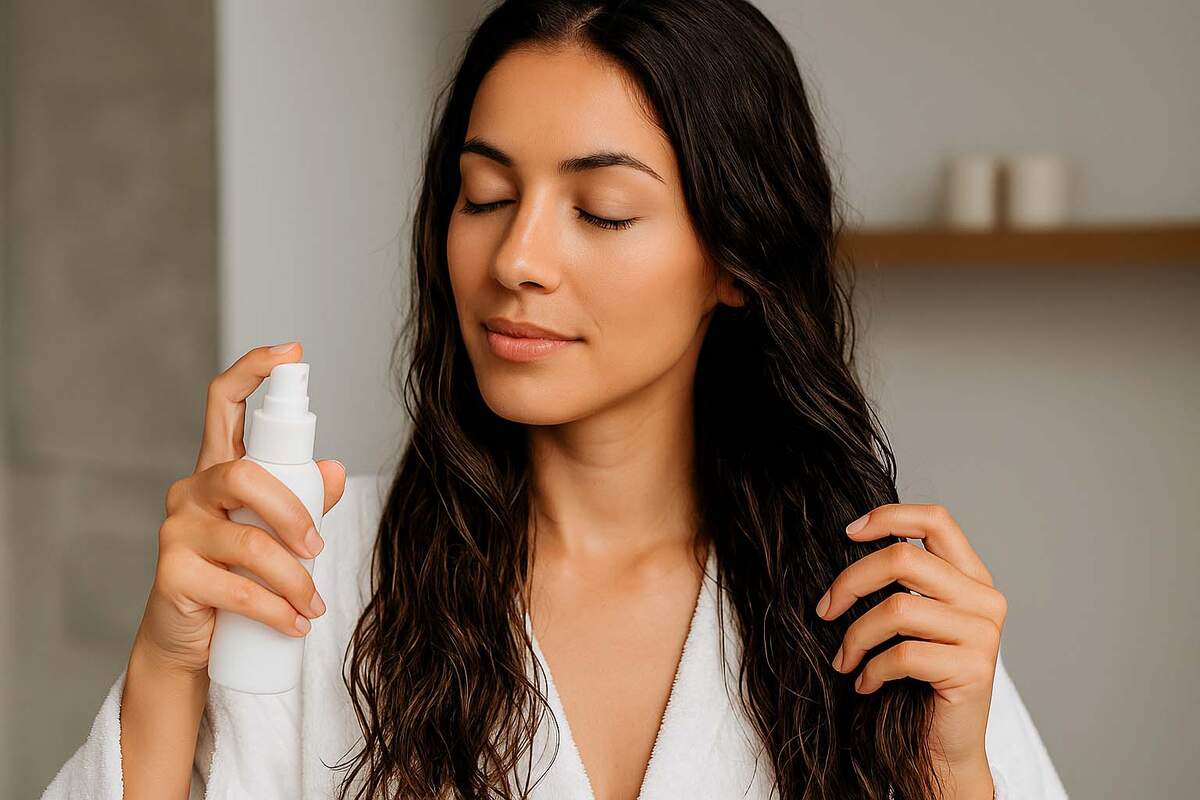
What role does deep conditioning play in maximizing hair hydration and resilience?
Deep conditioning is arguably the single most impactful step in any intensive hair hydration regimen, acting as a crucial weekly intervention that goes far beyond the capabilities of a standard daily conditioner.
These intensive treatments are formulated with a higher concentration of beneficial ingredients—such as emollients, humectants, and penetrating proteins—designed to dive deep past the hair’s outer cuticle and into the cortex.
By being left on for an extended period, often 20 to 30 minutes, these masks have the necessary time to infuse the hair shaft with maximum moisture and essential nutrients.
This deep penetration temporarily fills in the microscopic gaps and tears along the hair strand, a process that significantly boosts the hair’s internal water content and dramatically improves elasticity.
The result is hair that is not only noticeably softer and shinier but also considerably stronger and less susceptible to the tension and stress that leads to breakage. Incorporating a high-quality, moisture-rich mask every week is non-negotiable for anyone serious about restoring their hair’s health.
This regular, concentrated dose of moisture is vital for maintaining the hair’s natural flexibility and vitality, making deep conditioning a foundational practice for achieving and sustaining profound hair hydration over time.
Can internal nourishment (diet and water) truly affect hair hydration and shine?
Absolutely! Adopting an inside-out approach through optimal nutrition and consistent fluid intake is a deeply underestimated but powerful strategy that fundamentally impacts both hair hydration and its visual appeal.
Hair is a non-living tissue once it exits the scalp, but the follicles that produce it are very much alive and require a steady supply of specific nutrients delivered via the bloodstream.
A diet rich in Omega-3 fatty acids (found in salmon, flaxseeds, and walnuts), essential vitamins (like Biotin and Vitamin E), and lean proteins provides the necessary building blocks and nourishment to ensure the follicle is operating at its best.
This superior internal nourishment directly contributes to the production of strong, resilient hair strands and a well-hydrated, balanced scalp—the initial source of your hair’s natural moisture.
Furthermore, the importance of water cannot be overstated; staying consistently hydrated internally is crucial for virtually every bodily function, including the mechanism that delivers moisture to the skin and scalp.
While drinking water doesn’t directly deposit moisture into the hair shaft, it supports the overall environment that promotes robust hair health.
Therefore, nourishing your body with a balanced diet and ample water intake provides the fundamental support system for true hair hydration that radiates natural shine and health.
What are the best natural oils to use for effectively sealing in hair hydration?
The strategic use of natural oils is a classic and highly effective method for locking in optimal hair hydration after applying water-based moisturizers.
It is crucial to understand that oils themselves are primarily emollients and sealants; they don’t add water to the hair but instead create a protective, hydrophobic barrier around the hair shaft to prevent the water-based product from escaping, a process often referred to as ‘sealing.’
The best oils for this purpose are those that are lightweight yet effective. Coconut oil is a popular choice known for its ability to penetrate the hair shaft, but for many, a lighter oil is preferable.
Jojoba oil closely mimics the scalp’s natural sebum, making it an excellent, non-greasy option for balancing moisture. Argan oil, often dubbed ‘liquid gold,’ is rich in Vitamin E and antioxidants, providing excellent shine and protection without weighing the hair down.
Similarly, sweet almond oil is a great source of fatty acids that seal the cuticle and soften the hair. By applying a small amount of one of these high-quality oils to the mid-lengths and ends after conditioning or using a leave-in treatment, you are physically trapping the moisture you’ve just added.
This technique is indispensable for sustaining your hair hydration levels, ensuring that the hair retains its much-needed moisture for lasting vibrancy and superior hair health.
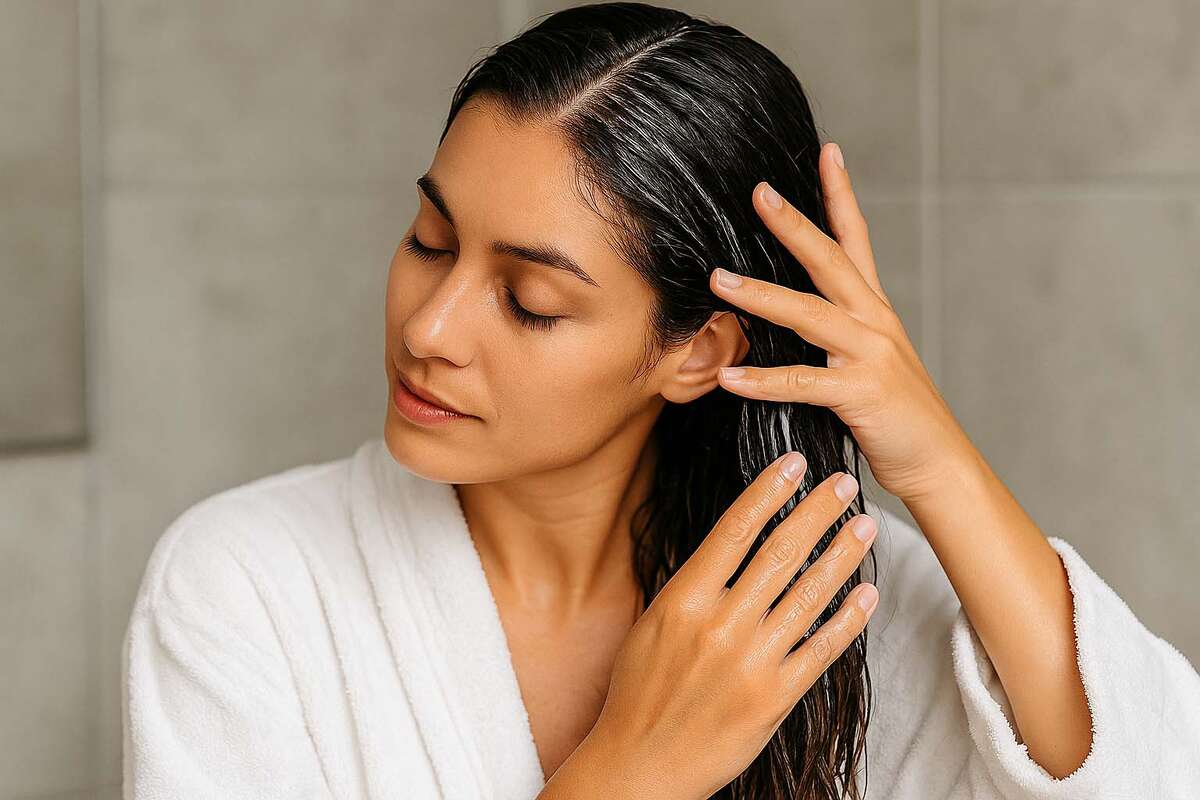
How does minimizing heat styling contribute to better hair hydration over time?
Minimizing your reliance on high-heat styling tools is a pivotal step in preserving and improving your long-term hair hydration levels. Tools like flat irons, curling wands, and even blow dryers, when used without proper protection or at excessive temperatures, subject your hair strands to rapid, intense heat.
This process fundamentally causes the water molecules inside the hair shaft to flash-evaporate. When this happens repeatedly, the hair cuticle is aggressively raised and damaged, creating tiny gaps and fissures that lead to chronic moisture loss, resulting in strands that are perpetually dry, brittle, and structurally compromised.
In essence, heat styling works against every product and treatment designed to boost moisture. By either drastically reducing the frequency of heat use or committing to only low-to-medium heat settings, you substantially mitigate this internal moisture depletion.
When heat is unavoidable, the non-negotiable application of a quality heat protectant spray creates a necessary thermal barrier that shields the hair shaft.
Prioritizing air-drying and heat-free styling methods allows the hair’s natural oils and applied moisturizers to remain locked in, actively fostering better hair health.
Protecting your strands from this thermal stress is a crucial, preventative measure for maintaining optimum hair hydration and overall health.
Why should you consider using a silk pillowcase to prevent moisture loss and boost hair hydration?
Switching to a silk or satin pillowcase is a surprisingly effective, passive strategy for maintaining and improving your nightly hair hydration levels. Traditional cotton pillowcases are inherently absorbent, designed to wick away moisture—which they do not only from your skin but also from your hair.
As you move and toss in your sleep, the friction between your hair and the rough cotton fabric essentially rubs away the protective moisture and natural oils that you’ve worked hard to seal in during your evening routine.
This constant friction also leads to hair abrasion, tangles, frizz, and eventual breakage, all of which compromise the structural integrity needed for retaining moisture. Silk and satin, on the other hand, are exceptionally smooth, non-absorbent fabrics.
When your hair glides over this smooth surface, there is virtually no friction, which dramatically reduces tangling, minimizes cuticle disruption, and, most importantly, prevents the fabric from soaking up the hair’s essential moisture.
This allows your nightly leave-in conditioners and natural sebum to stay put, actively supporting superior hair hydration. It’s a simple, luxurious, and highly beneficial addition to your health routine that safeguards your hair while you sleep.
Is utilizing leave-in conditioner an essential daily step for sustaining hair hydration?
Incorporating a leave-in conditioner into your daily or post-wash routine is indeed an essential and highly effective step for continuous hair hydration.
Unlike rinse-out conditioners, which offer a temporary smoothing effect, a leave-in product is specifically formulated to remain on the hair shaft, providing sustained, day-long moisture and protection.
These light-to-medium consistency formulas are often rich in humectants, which actively draw moisture from the air into the hair, and emollients that soften the strands.
Beyond hydration, leave-in conditioners serve a dual purpose: they act as a vital pre-styling detangler, reducing the mechanical stress and potential breakage caused by brushing or combing wet hair. This reduction in physical stress is a cornerstone of maintaining optimal hair health.
For those with dry, porous, or textured hair, a leave-in is non-negotiable for replenishing what the washing process might have removed and preparing the hair for the day’s environmental challenges.
Consistent application ensures the hair’s internal moisture reserves are constantly topped up, preventing the mid-day dryness and brittleness that leads to damage.
Therefore, making a leave-in an integral part of your regimen is a key tactic for achieving and sustaining exceptional hair hydration and managing your overall hair health.
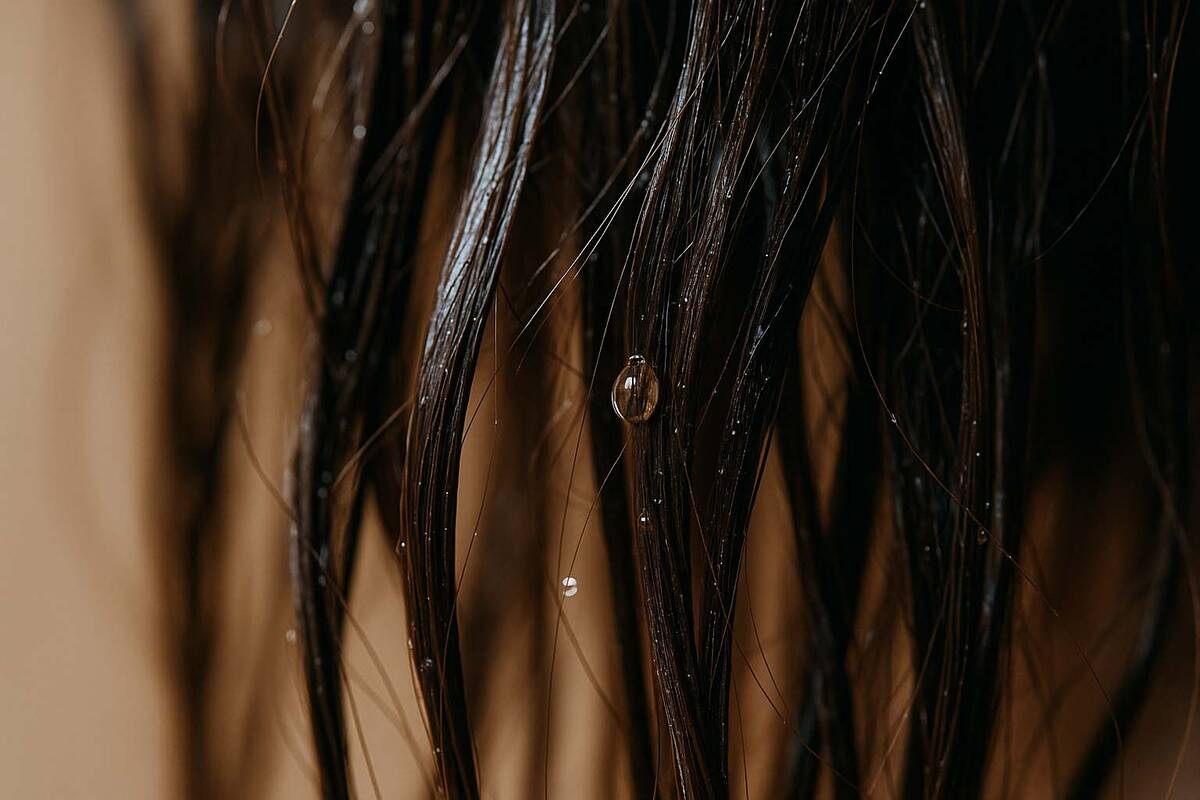
What are the best techniques for effectively rinsing hair to avoid stripping away hair hydration?
The way you rinse your hair, particularly the water temperature, has a profound and immediate impact on your efforts to maximize hair hydration. While a hot shower might feel relaxing, scalding hot water is one of your hair’s greatest enemies when it comes to retaining moisture.
Excessive heat aggressively lifts the hair’s cuticle—the shingle-like outer layer—allowing essential moisture and the beneficial ingredients from your conditioner to escape rapidly. This open cuticle structure is what gives hair a rough, dry, and dull appearance.
To safeguard the moisture you’ve intentionally added through cleansing and conditioning, the best technique is to use lukewarm water for shampooing and conditioning. However, the final rinse is the most critical: always finish your wash routine with a burst of cool or cold water.
This sudden temperature change acts to swiftly close and seal the hair cuticle. A closed, smooth cuticle is able to reflect light better, leading to enhanced shine, and, crucially, it effectively locks in the moisture and nutrients from your deep conditioner or mask.
This simple, temperature-controlled technique is a highly effective, yet often overlooked, strategy for protecting your hair’s health and preserving deep hair hydration.
How can managing environmental factors protect the long-term health of your hair?
Mastering moisture retention requires a proactive approach to managing the various environmental factors that constantly threaten to deplete your hair’s internal water reserves.
The natural world, from harsh sun exposure to extreme cold and dry indoor air, actively works against your efforts to maintain peak hair health.
Intense UV radiation from the sun acts much like a heat tool, degrading the hair’s protein structure and accelerating moisture loss, making a sun-protective hat or a UV-blocking hair spray an essential defense during prolonged outdoor exposure.
Similarly, dry winter air, often exacerbated by indoor heating, acts as a humectant, pulling water out of your hair. Combatting this requires using a humidifier in your home and relying heavily on effective sealants like natural oils (as discussed earlier).
Furthermore, exposure to chlorine in swimming pools or saltwater at the beach can severely dry out and damage the cuticle. Always pre-wet your hair and apply a leave-in conditioner before swimming to create a barrier, followed by a gentle cleanse afterward.
Being mindful of these daily environmental assaults and applying strategic protective measures is a fundamental aspect of effective moisture retention and ensuring the long-term health and vitality of your hair.
Why is consistency in your moisturizing routine key to maintaining optimal your hydration?
In the realm of haircare, consistency is not just advisable—it is absolutely key to maintaining optimal, long-term hair hydration. Hair, especially if it’s naturally dry, chemically treated, or porous, loses moisture every single day due to environmental exposure, natural wear and tear, and even simple friction.
Therefore, expecting a single deep conditioning session to last for weeks is unrealistic and sets you up for failure. A truly effective hydration plan is built on a sequence of regular, smaller steps—a consistent cycle of cleansing gently, conditioning every wash day, applying a weekly deep treatment, and using a daily leave-in conditioner or oil to seal.
This routine prevents the hair from entering the damaging “dry-break-repair” cycle. When you are sporadic with your moisturizing efforts, the hair’s water content fluctuates wildly, leading to periods of severe dryness, which in turn causes breakage, requiring you to then play catch-up.
Consistent, steady reintroduction of moisture ensures the hair shaft remains plump, elastic, and strong, actively supporting its intrinsic structural health.
Think of your routine as a continuous pipeline of nourishment: regularity guarantees that the foundation for continuous hair hydration is never compromised, leading to predictably soft, manageable, and resilient hair.
How often should clarifying shampoos be used to prevent product buildup and improve hair hydration?
While your primary focus is on hair hydration, the strategic, infrequent use of a clarifying shampoo is paradoxically essential for allowing your moisturizing products to work effectively.
Over time, styling products, natural oils, and even the conditioning agents from your regular shampoo and conditioner can accumulate on the hair shaft and scalp, creating a physical barrier known as product buildup.
This impenetrable film prevents your highly-effective, moisture-rich deep conditioners and leave-ins from actually penetrating the hair cuticle to deliver the much-needed hair hydration. Instead, these vital products simply sit on the surface, making the hair feel heavy, dull, and falsely conditioned.
Clarifying shampoos are formulated with stronger surfactants designed to cut through this buildup. However, because they are more potent, they must be used sparingly to avoid stripping the hair. For most people, a clarifying wash once a month is sufficient.
For those who use heavy oils, silicones, or dry shampoo frequently, once every two to three weeks may be necessary.
By clearing this unwanted residue, you are essentially resetting your hair, ensuring that every subsequent moisturizing treatment can fully access the hair shaft, thereby maximizing the health and efficacy of your entire hydration regimen.
Conclusion
Achieving deeply moisturized and truly healthy hair is an ongoing journey, not a single destination. As we’ve explored, the path to superior hair hydration is paved with intention—from the gentle surfactants in your shampoo to the protective barrier of a silk pillowcase.
By integrating these 12 essential steps into your routine, you are doing more than just superficial conditioning; you are actively investing in the long-term health and structural integrity of your hair.
Remember that consistency is your most powerful tool. The cumulative effect of gentle cleansing, regular deep treatments, and strategic moisture-sealing is what permanently transforms brittle, dry strands into a vibrant, elastic, and manageable crown.
Don’t let chronic dryness dictate your hair’s potential any longer. Take these expert insights, implement the changes that best suit your hair type, and watch as your locks regain their natural luster and resilience. Start prioritizing deep hair hydration today—your hair will undoubtedly thank you for it.
FAQ
Hair hydration specifically refers to increasing the water content within the hair shaft, which is what gives hair its elasticity and pliability. Moisturizing, conversely, is the act of sealing that water into the hair using oils and butters (emollients). You must first add hydration (usually with water-based products) before you can effectively moisturize (seal) it.
For most hair types, especially those prone to dryness, a weekly deep conditioning treatment is ideal for maintaining optimal hair hydration. If your hair is severely damaged, very thick, or high-porosity, you may benefit from using a mask twice a week until its moisture balance is restored.
Yes, indirectly. While drinking water doesn’t directly insert moisture into the hair strand, internal hydration is crucial for the overall health of your body and scalp. A well-hydrated body ensures that the hair follicles receive the necessary nutrients and oils to produce healthy, strong hair that is better able to retain moisture.
Generally, yes. Sulfates are aggressive detergents that can strip the hair of its natural protective oils (sebum) and lead to significant moisture loss. Switching to a sulfate-free, gentle cleanser is a key step in any strategy focused on deep hair hydration.
Not if you choose the right product and technique. Fine hair still requires hair hydration, but you should opt for lightweight, protein-free deep conditioners. Apply the product primarily from the mid-shaft to the ends, avoiding the scalp and roots, and rinse thoroughly to prevent your hair from feeling heavy.
The most effective technique is to use the L.O.C. method: Liquid (a water-based leave-in), Oil (a lightweight natural oil like Argan or Jojoba), and Cream (a butter or styling cream). This sequence ensures moisture is added and then effectively sealed for lasting hair hydration.
High heat from styling tools causes the water molecules inside the hair shaft to flash-evaporate. This process severely disrupts the hair’s cuticle, leading to chronic moisture loss and dryness. Always use a heat protectant and limit the frequency of heat styling to protect your hair hydration.
Look for ingredients known as humectants and emollients. Key humectants that draw in moisture include Glycerin, Aloe Vera, and Hyaluronic Acid. Key emollients that seal it in include Shea Butter, Coconut Oil, and various fatty alcohols. These are essential for robust hair hydration.
A final rinse with cool or cold water helps to smooth and flatten the hair’s outer layer (the cuticle). When the cuticle is closed, the moisture and nutrients from your conditioner are sealed inside, which prevents moisture loss and locks in maximum hair hydration.
It’s an essential tool for hair health. Cotton pillowcases absorb moisture and create friction that leads to frizz, tangles, and broken cuticles. Silk or satin fabric allows the hair to glide smoothly, minimizing moisture absorption and friction, thereby protecting your nightly hair hydration efforts.

Author: Horeca Health
Horeca Health
DISCLAIMER
All content provided on this website is for informational purposes only and should not be considered a substitute for professional advice, diagnosis, or treatment. Always consult qualified healthcare professionals regarding any questions or concerns you may have about your health or any medical condition.




















Leave a Reply