Hormonal Weight Gain: Introduction
Hormonal Weight Gain: Are you eating well and exercising, yet still struggling with stubborn, unexplained weight gain? You’re not alone. The simple “calories in, calories out” equation often fails to account for a powerful, hidden force: your hormones.
This is the conversation that finally validates your struggle. Your body’s endocrine system—a master conductor of hormones like cortisol, insulin, estrogen, and thyroid—dictates your metabolism, appetite, and fat storage.
When this system is imbalanced, the result is a fierce, biologically driven weight gain that feels impossible to conquer.
In this expert guide, we move past the myths to dissect the science of hormonal weight gain. You will learn how common conditions like insulin resistance, perimenopause, and chronic stress directly drive fat accumulation and slow your metabolism.
Prepare to discover the precise signs and actionable strategies needed to harmonize your hormones, support your long-term health, and finally regain control over your body. Let’s decode the hormonal truth behind your scale.
Is My Weight Gain Truly Due to Hormonal Weight Gain, or Is It Something Else?
The journey to understanding unexplained changes on the scale often leads straight to the endocrine system, making the question of whether one is experiencing actual hormonal weight gain a crucial first step.
It’s a common misconception that any sudden or stubborn weight accumulation must be hormonally driven, yet the reality is more nuanced.
While hormones certainly play a pivotal role in regulating metabolism, appetite, and fat distribution, other factors like lifestyle choices, diet quality, stress levels, and sleep hygiene often contribute significantly.
A detailed evaluation, ideally with a healthcare professional, is essential to differentiate between true endocrine dysregulation and weight gain rooted in behavioral patterns.
Conditions such as hypothyroidism, polycystic ovary syndrome (PCOS), Cushing’s syndrome, or even perimenopause can undeniably lead to significant and challenging weight increases.
These conditions alter the delicate balance of regulatory hormones, often favoring fat storage, particularly visceral fat, which is known to be metabolically detrimental.
However, attributing every extra pound to hormones without exploring caloric intake versus expenditure, or the impact of chronic high-stress cortisol levels, risks overlooking correctable causes.
Understanding the specific patterns of your weight changes—where the fat is accumulating, when the changes began, and what other symptoms you are experiencing—can provide vital clues.
For instance, weight gain around the midsection might point to cortisol or insulin resistance issues, both deeply linked to the hormonal system.
Ultimately, while it is possible and common for hormone imbalances to drive weight changes, a holistic view of one’s complete physiological and lifestyle profile is mandatory before concluding that the issue is solely hormonal weight gain.
Taking proactive steps to optimize one’s overall health involves ruling out other culprits and confirming the precise underlying mechanism, paving the way for targeted and effective intervention strategies.
How Does Cortisol Contribue to Hormonal Weight Gain and Belly Fat?
Cortisol, often dubbed the “stress hormone,” plays a dual and sometimes detrimental role in metabolic function, making its connection to hormonal weight gain a topic of significant concern, particularly regarding abdominal fat accumulation.
In short bursts, cortisol is essential for the “fight or flight” response, mobilizing energy stores to deal with perceived threats. However, chronic elevation of cortisol, often triggered by sustained psychological stress, poor sleep, or intense over-training, fundamentally alters how the body manages energy.
High, persistent cortisol signals to the body that it is living in an ongoing state of scarcity or danger, prompting it to conserve energy and, crucially, to prioritize the storage of fat, particularly in the visceral area around the organs.
This specific pattern of weight gain—the infamous “stress belly”—is not merely cosmetic; visceral fat is highly active metabolically, releasing inflammatory markers that contribute to insulin resistance, creating a vicious cycle.
The elevated cortisol directly influences appetite, often increasing cravings for high-calorie, high-sugar comfort foods, which further exacerbates weight gain.
Moreover, it interferes with the signals of other hormones, notably leptin (the satiety hormone) and ghrelin (the hunger hormone), making it harder to feel full and easier to overeat.
The interplay between stress, sleep deprivation, and cortisol creates a perfect storm for metabolic dysfunction and the subsequent struggle with persistent weight.
Managing stress through mindfulness, incorporating sufficient rest, and balancing exercise intensity are not merely suggestions but critical components for mitigating the negative effects of this powerful hormone.
Addressing the root causes of chronic stress is paramount for anyone looking to reverse the pattern of weight accumulation driven by cortisol. This targeted approach is essential to support long-term health and tackle the core issue of stress-induced hormonal weight gain.
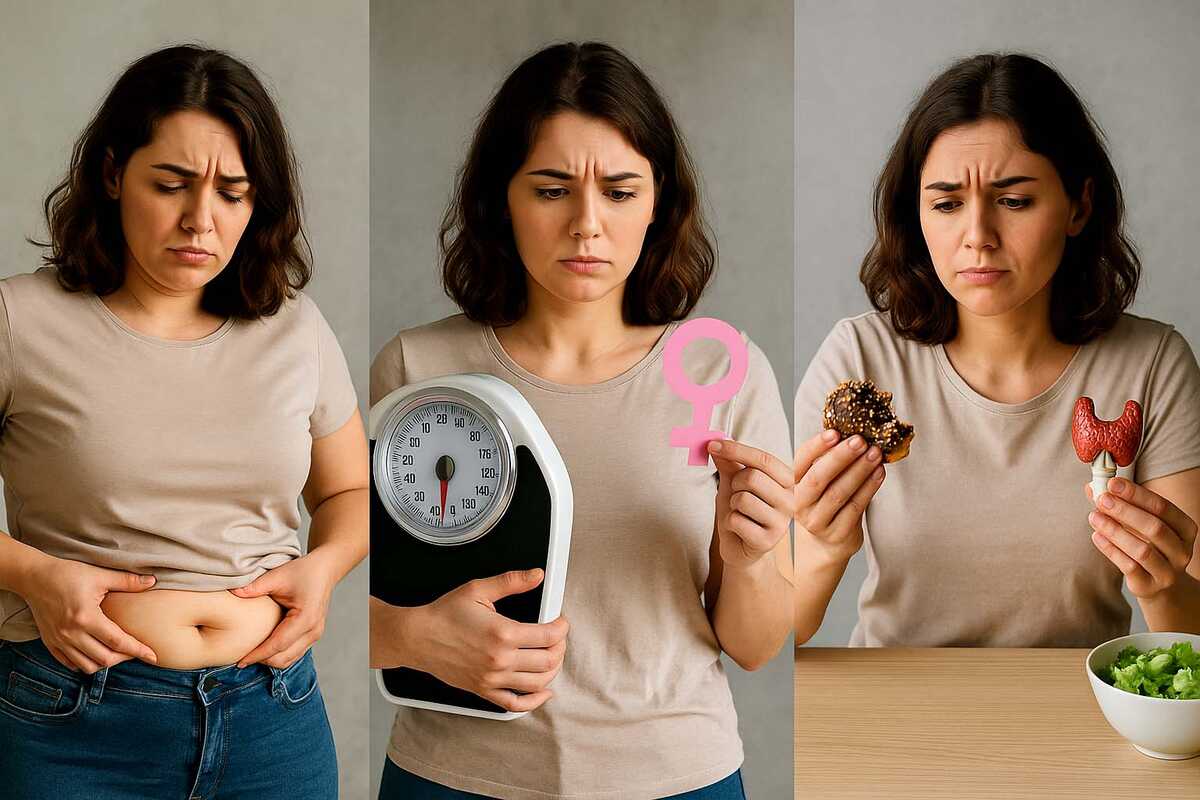
What Are the Key Signs and Symptoms of Estrogen-Related Hormonal Weight Gain?
Estrogen, the primary female sex hormone, exhibits a complex and fluctuating relationship with body weight, making the identification of estrogen-related hormonal weight gain a frequent challenge, particularly during life stages like perimenopause and menopause.
Estrogen has a protective role in pre-menopausal years, typically favoring fat distribution in the hips and thighs (the gynoid pattern) and contributing to metabolic flexibility. However, as estrogen levels decline, often sharply, during the menopausal transition, a significant shift in fat storage occurs.
The body’s set point for weight can increase, and there is a noticeable migration of fat from the hips and thighs to the abdominal area (the android pattern), which is less metabolically favorable. This change is not just a matter of aging; it is directly related to the hormonal milieu.
Low estrogen levels can also negatively impact insulin sensitivity, meaning the body becomes less efficient at utilizing glucose for energy, leading to higher circulating insulin and subsequent fat storage.
Furthermore, estrogen helps regulate thyroid function and even influences mood, which can indirectly affect appetite and motivation for physical activity.
The key signs of estrogen-related weight accumulation often include a seemingly unprovoked increase in central adiposity, coupled with other classic symptoms of hormonal shifts like hot flashes, night sweats, changes in mood, and sleep disturbances.
It is a misconception that hormone replacement therapy (HRT) inevitably leads to weight gain; for many, it can help stabilize the metabolic shifts caused by declining hormones, though this should always be discussed with a specialist.
Recognizing these specific patterns and acknowledging the systemic changes that accompany estrogen shifts is vital for developing effective weight management strategies tailored to this specific type of weight increase.
Prioritizing bone and cardiovascular health alongside metabolic management is critical when addressing this type of hormonal weight gain.
Does Insulin Resistance Lead to Hormonal Weight Gain, and How Can I Reverse It?
The relationship between insulin resistance and hormonal weight gain is one of the most direct and pervasive metabolic challenges faced today, representing a critical area where diet and hormones intersect powerfully.
Insulin, produced by the pancreas, is the key that unlocks cells to allow glucose (sugar) entry for energy. When cells become resistant to insulin’s signal, a state often brought on by a diet persistently high in refined carbohydrates and sugars, the pancreas produces more and more insulin to compensate.
This elevated, chronic presence of insulin in the bloodstream is highly lipogenic, meaning it actively promotes the storage of fat and prevents its breakdown for energy.
This is a primary mechanism driving central adiposity and making weight loss incredibly difficult, creating a cycle where weight gain worsens resistance, which in turn causes further fat storage. It is a classic example of hormonal weight gain where a regulating hormone is overactive.
Reversing insulin resistance hinges primarily on dietary modification, specifically by reducing the intake of foods that spike blood sugar and require a high insulin response.
Focusing on a nutrient-dense diet rich in fiber, lean protein, and healthy fats helps to stabilize blood sugar levels and allows insulin sensitivity to improve over time.
Physical activity, especially resistance training, is also a powerful tool, as muscle cells become more responsive to insulin when they are actively utilized, helping to clear glucose from the bloodstream more efficiently.
Consistent exercise and dietary change work synergistically to restore metabolic balance, reducing the constant signal for fat storage.
Supplements like chromium and berberine can sometimes be supportive, but they are never a substitute for foundational lifestyle changes. Embracing these sustained shifts is not just about weight; it’s a profound investment in long-term metabolic health.
Can Polycystic Ovary Syndrome (PCOS) Be a Major Contributor to Hormonal Weight Gain?
Absolutely, Polycystic Ovary Syndrome (PCOS) is one of the most common endocrine disorders affecting women of reproductive age and is strongly implicated as a significant driver of hormonal weight gain that is notoriously difficult to manage.
The core metabolic issue in PCOS is often insulin resistance, even in women who are not visibly overweight, though the majority of those affected struggle with weight.
The ovaries and adrenal glands respond to the high levels of circulating insulin by overproducing androgens (male hormones), such as testosterone.
This hormonal imbalance creates a cascading effect: the excess androgens contribute to classic PCOS symptoms like hirsutism (excess body hair), acne, and irregular periods, while the underlying insulin resistance relentlessly promotes fat storage, predominantly around the abdomen.
This pattern of weight gain is often disproportionate to caloric intake and can feel maddeningly stubborn, as the body is constantly signaling for fat storage due to the elevated insulin and androgen levels.
Managing this type of weight gain requires a multi-faceted approach that targets both the insulin resistance and the androgen excess. Dietary interventions similar to those for general insulin resistance—low-glycemic index foods, adequate protein, and fiber—are fundamental.
Furthermore, many women with PCOS find benefit from medications like Metformin, which improves insulin sensitivity, or birth control pills, which help regulate the hormonal balance and reduce androgen production.
Understanding that the weight gain is a symptom of a deeper hormonal and metabolic issue, rather than a lack of willpower, is crucial for both mental health and effective treatment.
Successfully addressing the underlying endocrine dysfunction is the key to unlocking sustainable weight management and reversing the challenging effects of this specific form of hormonal weight gain.
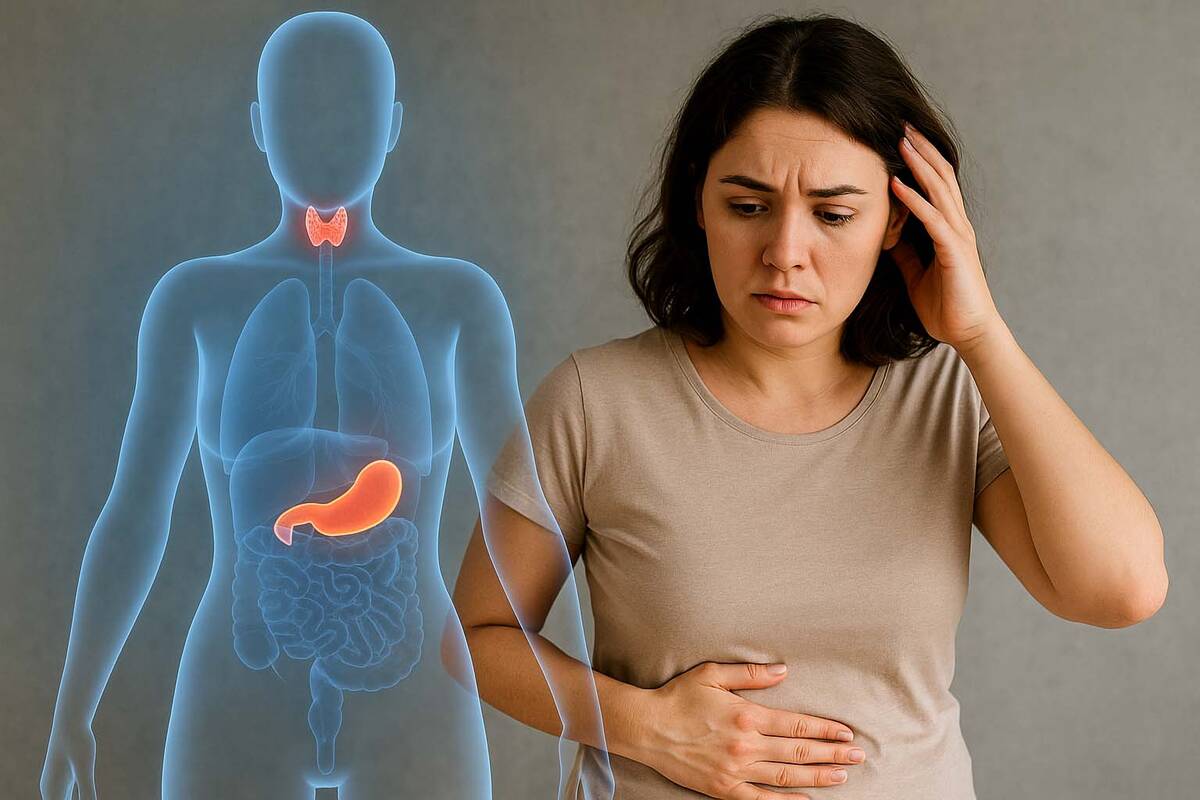
Are Thyroid Issues a Common Cause of Hormonal Weight Gain, and How Is It Treated?
Thyroid dysfunction, particularly hypothyroidism (an underactive thyroid), is a classic and widely recognized cause of hormonal weight gain because the thyroid gland acts as the master regulator of the body’s entire metabolic rate.
The thyroid produces hormones, primarily T4 and T3, which dictate how quickly every cell in the body uses energy. When the thyroid gland produces insufficient hormone, the body’s metabolism dramatically slows down, resulting in fewer calories being burned at rest.
This deceleration in the basal metabolic rate means that even maintaining one’s usual caloric intake can lead to a gradual but persistent accumulation of weight.
This weight gain is often characterized by generalized puffiness or fluid retention in addition to fat storage and is frequently accompanied by other tell-tale symptoms like profound fatigue, cold intolerance, dry skin, and constipation.
Importantly, the weight gain in hypothyroidism, while real, is often modest, typically ranging from 5 to 10 pounds; however, it can be the single most frustrating symptom for many patients.
Diagnosis is typically made through a simple blood test measuring Thyroid Stimulating Hormone (TSH) and free T3 and T4 levels. The excellent news is that once diagnosed, this form of weight gain is highly treatable.
Treatment involves daily administration of synthetic thyroid hormone (levothyroxine), which restores hormone levels to the optimal range.
As the medication takes effect and the metabolic rate returns to normal, patients often find that their energy levels improve, and the weight becomes much easier to manage or shed. Regular monitoring and dosage adjustments are essential to ensure optimal thyroid function.
Successfully managing thyroid health is paramount not only for weight management but also for overall cardiovascular and mental well-being, directly reversing the negative cycle initiated by the lack of sufficient thyroid hormone and the resulting hormonal weight gain.
How Does Leptin Resistance Drive Hormonal Weight Gain, and What Can Be Done About It?
Leptin, often called the “satiety hormone,” is produced by fat cells and signals to the brain that the body has sufficient energy stores, instructing it to reduce appetite and increase energy expenditure.
The mechanism by which leptin resistance drives hormonal weight gain is a perfect, yet unfortunate, example of a signal that goes haywire, fundamentally disrupting the body’s weight regulation system.
When an individual accumulates excess body fat, the fat cells produce very high levels of leptin. Paradoxically, instead of the brain registering this strong satiety signal, chronic overexposure to high leptin levels causes the brain to become desensitized—a state known as leptin resistance.
Essentially, the brain believes the body is starving, even though there is an abundance of stored energy and high levels of the hormone circulating.
This faulty communication results in persistent, powerful hunger signals and a decreased metabolic rate, a combination that makes sustained weight loss virtually impossible. It is a significant metabolic barrier that acts as a powerful driver of continued hormonal weight gain.
Overcoming leptin resistance is not achieved by simply injecting more leptin, but by restoring the brain’s sensitivity to the existing hormone.
This is primarily accomplished through interventions that reduce inflammation, stabilize blood sugar (as insulin resistance often co-exists), and ensure adequate sleep, which is critical for hormone signaling.
Eliminating highly processed foods, especially those high in sugar and unhealthy fats, and engaging in regular, moderate-intensity exercise are cornerstones of this effort.
Consistent lifestyle adherence is necessary to lower systemic inflammation and body fat, thus allowing the brain to resensitize to leptin’s signal, leading to normalized appetite and improved long-term health.
Is Perimenopause a Direct Cause of Hormonal Weight Gain, or Is It Lifestyle-Related?
Perimenopause, the transitional phase leading up to menopause, is a period of profound hormonal fluctuation that is a direct and undeniable contributor to hormonal weight gain, often acting in synergy with lifestyle factors to create a challenging weight management scenario.
During this time, estrogen levels rise and fall erratically before their eventual decline, and progesterone levels begin to drop significantly. This hormonal instability disrupts metabolic equilibrium.
Lowered progesterone can exacerbate stress and anxiety, potentially leading to increased cortisol production, which, as discussed, promotes fat storage. More critically, the changing estrogen profile is the main metabolic culprit.
As estrogen levels become less stable and begin their overall downward trend, the body’s fat distribution pattern shifts dramatically from the protective, lower-body pattern to a less favorable, central abdominal fat deposition.
This is a hard-wired biological change driven by the loss of estrogen’s regulatory influence. While aging naturally brings a slow decline in muscle mass (sarcopenia) and often a reduction in spontaneous physical activity, which are lifestyle-related causes of weight gain, the specific pattern of fat redistribution is distinctly hormonal.
To mitigate the effects of perimenopausal hormonal weight gain, the approach must be two-pronged: directly addressing the hormonal shifts through consultation with a healthcare provider regarding options like bioidentical hormones or targeted supplementation, and rigorously optimizing lifestyle factors.
Prioritizing resistance training to counteract muscle loss and focusing on stress management are essential components for maintaining metabolic health during this transition.
Can Sleep Deprivation Exacerbate Hormonal Weight Gain by Affecting Key Regulatory Hormones?
The critical link between insufficient sleep and hormonal weight gain is often overlooked, yet sleep deprivation acts as a potent metabolic disruptor, directly upsetting the delicate balance of hormones that regulate appetite and energy expenditure.
A chronic lack of sleep—defined as less than 7-8 hours per night—immediately impacts the two main appetite-regulating hormones: ghrelin and leptin.
Ghrelin, the ‘hunger hormone,’ increases significantly when sleep is restricted, leading to increased appetite and powerful cravings, particularly for high-calorie, simple carbohydrate foods.
Conversely, leptin, the ‘satiety hormone,’ decreases, resulting in the brain not receiving the signal to stop eating, even after sufficient caloric intake. This hormonal double-whammy makes it almost impossible to maintain a calorie deficit and makes the body biologically primed for weight accumulation.
Furthermore, poor sleep significantly elevates cortisol levels throughout the following day, mimicking the effects of chronic stress, which we know drives fat storage, especially abdominal fat.
The resulting increase in circulating cortisol also contributes to insulin resistance, creating an environment where the body is prone to storing any incoming energy as fat.
This vicious cycle—lack of sleep drives hormonal imbalance, which drives weight gain, which can in turn disrupt sleep—is a major contributor to stubborn weight issues.
Therefore, optimizing sleep hygiene—establishing a consistent schedule, ensuring a dark, cool sleep environment, and limiting screen time before bed—is not merely a tip for well-being; it is a fundamental strategy for metabolic health and a powerful countermeasure against this specific form of hormonal weight gain.
Prioritizing sleep is arguably one of the most effective non-dietary interventions for weight management.
Are Environmental Endocrine Disruptors Sabotaging My Metabolism and Weight Loss Efforts?
The concept of environmental toxins acting as endocrine-disrupting chemicals (EDCs) introduces a modern and insidious layer to the discussion of metabolic dysfunction and stubborn weight.
EDCs are pervasive chemicals found in plastics (like BPA and phthalates), pesticides, and certain personal care products that, once absorbed by the body, can mimic or interfere with the function of natural hormones, fundamentally throwing the endocrine system off balance.
These substances are also often referred to as ‘obesogens’ due to their demonstrated ability to reprogram fat cell development and increase the propensity for fat storage, even at low doses and particularly during critical developmental windows.
By interfering with key metabolic hormones such as thyroid hormones, estrogen, and androgens, EDCs can slow the metabolic rate, increase insulin resistance, and alter the body’s appetite regulation signals.
For instance, some EDCs have been shown to bind to estrogen receptors, sending confusing signals that can lead to changes in fat distribution or an increase in fat cell size. Addressing the impact of these environmental factors on health requires a proactive approach focused on reducing exposure.
This involves choosing fresh, organic foods when possible to limit pesticide intake, minimizing the use of plastics for food storage and heating, and selecting personal care and cleaning products that are free of known chemical offenders.
While the primary drivers of weight are still diet and activity, neglecting the role of EDCs is ignoring a critical, underlying stressor on the hormonal system.
Mitigating exposure to these chemicals is a powerful, yet often overlooked, step towards restoring proper endocrine function and making the body more receptive to traditional weight management efforts, thereby reducing the influence of external factors that contribute to unintentional weight changes.
These efforts are crucial to counteract the subtle yet powerful influence these disruptors have on overall metabolic function.
How Does the Health of My Gut Microbiome Influence My Body Composition and Fat Storage?
The connection between the composition of the gut microbiome and body weight has emerged as a revolutionary area of metabolic science, revealing that the trillions of microorganisms residing in the digestive tract play a critical, and often surprising, role in regulating body composition and fat storage.
The gut microbiome is essentially an endocrine organ itself, producing various compounds that directly communicate with the brain, liver, and fat cells.
One of the key mechanisms involves the extraction of calories: certain bacterial compositions, particularly those that are less diverse or dominated by specific phyla like Firmicutes over Bacteroidetes, are more efficient at extracting energy from food, meaning a person might absorb more calories from the same meal compared to an individual with a different microbial profile.
Furthermore, the gut produces short-chain fatty acids (SCFAs), notably butyrate, which are crucial for maintaining the integrity of the gut lining and influencing satiety hormones.
A dysbiotic (unhealthy) gut can lead to increased gut permeability (“leaky gut”), triggering systemic inflammation. This chronic low-grade inflammation is a major precursor to insulin resistance and leptin resistance, two fundamental drivers of stubborn weight accumulation.
Therefore, optimizing the gut is an essential, foundational step in any weight management strategy. The primary way to foster a healthy and diverse gut environment is through diet: a high-fiber intake from diverse plant sources acts as prebiotics, feeding beneficial bacteria.
Additionally, consuming fermented foods rich in probiotics can help diversify the microbial population. Managing stress and ensuring adequate sleep also positively impacts the gut-brain axis.
Addressing the gut microbiome is an indirect yet highly effective way to re-establish hormonal balance and support metabolic function, making it an indispensable component in the pursuit of sustainable weight and overall wellness.
Why Do I Hit Weight Loss Plateaus, and Is Metabolic Adaptation a Form of Hormonal Weight Gain?
Weight loss plateaus, those frustrating periods where progress inexplicably stalls despite continued effort, are a near-universal experience that can often be explained by the biological phenomenon known as metabolic adaptation, a process intricately linked to the hormonal system.
When an individual achieves significant weight loss through calorie restriction, the body interprets this energy deficit as a threat to survival.
The endocrine system responds by lowering the resting metabolic rate (RMR) to conserve energy, a state often called “starvation mode,” though the technical term is adaptive thermogenesis.
This adaptive drop in RMR means the body requires significantly fewer calories to maintain its new, lower weight than predicted by standard formulas, effectively negating the calorie deficit that initially caused the loss.
Furthermore, this adaptation involves crucial hormonal changes: levels of thyroid hormone often drop, and appetite-regulating hormones shift to promote hunger and decrease satiety.
Ghrelin increases, and leptin decreases (especially if significant body fat has been lost), creating a constant drive to eat more, a powerful biological force that acts against continued weight loss efforts.
In essence, while not true hormonal weight gain (which implies gaining weight due to imbalance), metabolic adaptation is the hormonal system fighting against weight loss, making the body fiercely resistant to further fat reduction.
Overcoming a plateau requires strategic intervention: incorporating “refeeds” or short periods of higher-calorie intake can help signal to the body that the famine is over, temporarily boosting the metabolism and hormone levels.
More importantly, integrating resistance training is vital to build muscle mass, which is metabolically active and helps to raise the RMR, directly counteracting the metabolic slowdown.
Focusing on exercise intensity and protecting muscle mass while managing hormonal signals is key to breaking through plateaus and maintaining long-term metabolic health.
Conclusion
In concluding this exploration, it is evident that the discussion surrounding hormonal weight gain moves beyond simple anecdote and into the realm of biological reality.
The complex interplay of hormones—including cortisol, insulin, leptin, and those related to the thyroid and reproductive system—exerts a significant and measurable influence on metabolism, fat distribution, and appetite regulation. These imbalances can pose substantial challenges to conventional weight management efforts.
The key insight is that effective strategies for dealing with stubborn weight must be informed and multi-faceted. Understanding the specific hormonal drivers behind weight gain, such as insulin resistance or thyroid dysfunction, allows for more precise and effective interventions.
By prioritizing fundamental elements of metabolic health—quality sleep, stress mitigation, and a diet supportive of blood sugar stability—individuals can positively influence their endocrine balance.
Ultimately, navigating the complexities of hormonal weight gain requires patience and an individualized approach.
Utilizing this knowledge to engage in informed conversations with healthcare professionals is essential, ensuring that any weight management plan addresses the body’s hormonal landscape for long-term well-being and stability.
FAQ
Regular weight gain is typically caused by a simple energy imbalance (consuming more calories than you burn). In contrast, hormonal weight gain is primarily driven by an imbalance in the endocrine system (e.g., high cortisol, insulin resistance, or low thyroid hormones). This hormonal dysregulation often leads to a shift in fat distribution (like increased abdominal fat), a slowdown in metabolism, and persistent, unmanageable cravings, making weight loss extremely difficult even with strict dieting.
The most common culprits are Insulin (when resistance occurs), Cortisol (due to chronic stress), Thyroid hormones (T3/T4, due to hypothyroidism), Estrogen (during perimenopause/menopause), and Leptin (when resistance develops). Any imbalance in this core group can trigger difficult-to-treat hormonal weight gain.
The timeline varies significantly depending on the underlying cause. If the issue is a simple hormone deficiency (like hypothyroidism), medication can stabilize the metabolism within weeks, but noticeable weight changes often take 3 to 6 months. For issues like insulin or leptin resistance, which require deep lifestyle changes, reversing the pattern of hormonal weight gain can take anywhere from 6 to 12 months of consistent effort.
Men absolutely experience hormonal weight gain, though the hormonal drivers may differ. Low testosterone (often called “Low T”) in men is strongly linked to a loss of muscle mass, an increase in body fat, and metabolic dysfunction. Chronic high cortisol and insulin resistance are equally relevant drivers of weight gain in both sexes.
While there is no single “cure-all” diet, the most effective approach is generally one that focuses on stabilizing blood sugar and reducing inflammation. This often means adopting a low-glycemic, whole-foods diet rich in fiber, lean protein, and healthy fats. Reducing refined sugars and processed carbohydrates is critical for reversing the insulin resistance that often drives hormonal weight gain.
Chronic stress doesn’t guarantee it, but it dramatically increases the risk. Sustained high levels of the stress hormone cortisol signals the body to store fat, particularly in the midsection, and disrupts the function of other metabolic hormones. Therefore, managing stress is one of the most direct ways to mitigate the risk of stress-induced hormonal weight gain.
Supplements can be supportive but should never replace foundational lifestyle changes. Certain supplements, like magnesium for stress/sleep, berberine or inositol for insulin resistance, or Omega-3s for inflammation, can help modulate specific hormone pathways. Always consult with a healthcare professional before starting supplements to ensure they are appropriate for your specific type of hormonal weight gain.
Sleep deprivation is a major hormonal disruptor. Just one night of poor sleep can cause ghrelin (the hunger hormone) to increase and leptin (the satiety hormone) to decrease, making you hungrier and less satisfied. It also raises cortisol and impairs insulin sensitivity, creating the perfect metabolic storm for rapid and difficult-to-lose hormonal weight gain.
Yes. Even “subclinical” or “borderline” hypothyroidism, where your TSH levels are slightly elevated but still within the very broad reference range, can significantly slow down your resting metabolic rate and contribute to stubborn hormonal weight gain and profound fatigue. If you have symptoms, discussing targeted treatment with an endocrinologist is crucial.
While diet, exercise, and stress management are all critical, the single most powerful factor for reversing the most common form of hormonal weight gain (driven by insulin resistance) is consistent movement (not just high-intensity workouts) and optimizing whole-body metabolic health. This includes strength training to build muscle (which is highly insulin-sensitive) and ensuring daily low-intensity activity.

Author: Horeca Health
Horeca Health
DISCLAIMER
All content provided on this website is for informational purposes only and should not be considered a substitute for professional advice, diagnosis, or treatment. Always consult qualified healthcare professionals regarding any questions or concerns you may have about your health or any medical condition.




















Leave a Reply