Fungal Infections: Introduction
Fungal infections—the unwelcome guests of the body—are far more common than most people realize, affecting millions globally every year.
While the term might sound intimidating, these conditions, also known as mycoses, range from the mildly irritating “athlete’s foot” to more serious systemic illnesses that require urgent medical attention.
Think of fungi as microscopic opportunistic organisms; they’re all around us, and they only seize the chance to multiply and cause trouble when conditions—like a damp environment or a weakened immune system—are just right.
Navigating the world of fungal infections can be confusing, with a plethora of symptoms, names (ringworm, thrush, jock itch!), and treatment options. But gaining knowledge is the first and most critical step toward prevention and recovery.
This comprehensive guide will demystify the symptoms you should look out for, break down the different types of infections—from superficial skin issues to deep-seated mycoses—and clarify the most effective approaches to treatment, empowering you to protect your long-term health and tackle any fungal infection with confidence and clarity.
Let’s peel back the layers on this common medical issue so you can stay one step ahead.
What exactly are fungal infections and how do they occur?
Fungal infections, also known as mycoses, are surprisingly common ailments caused by fungi—microscopic organisms that thrive in warm, moist environments. These organisms are everywhere in our world, from the soil to the air, and even on our skin.
While many fungi are harmless, a select few are pathogenic, meaning they can cause disease when the conditions are just right. Understanding the etiology is the first step toward effective management and prevention.
These organisms reproduce by releasing spores, which can be inhaled or land on the skin, leading to an opportunistic infection, especially if the body’s defenses are momentarily compromised.
The severity can range from a minor, localized skin rash to a life-threatening systemic illness, highlighting the importance of proper hygiene and immune function in maintaining overall health.
Essentially, a fungal infection starts when a microscopic fungus finds a conducive environment—such as damp skin folds, beneath the nails, or within a compromised immune system—and begins to multiply rapidly, overcoming the body’s natural defenses.
The resulting condition, a localized or disseminated fungal infection, is often persistent and requires targeted treatment to eradicate the fungi completely and restore normal physiological function.
This foundational knowledge is crucial for anyone looking to understand why they might be susceptible to these types of conditions.
What are the most common signs and symptoms of superficial fungal infections?
Recognizing the early warning signs of superficial fungal infections is vital for prompt and successful treatment. These infections typically affect the outermost layers of the skin, hair, and nails, presenting with a range of often-unpleasant symptoms.
For instance, common skin infections like athlete’s foot (tinea pedis), jock itch (tinea cruris), and ringworm (tinea corporis) usually manifest as intensely itchy, red, and scaly rashes.
The irritation can be severe, often leading to scratching that further compromises the skin barrier and potentially allows for secondary bacterial infections.
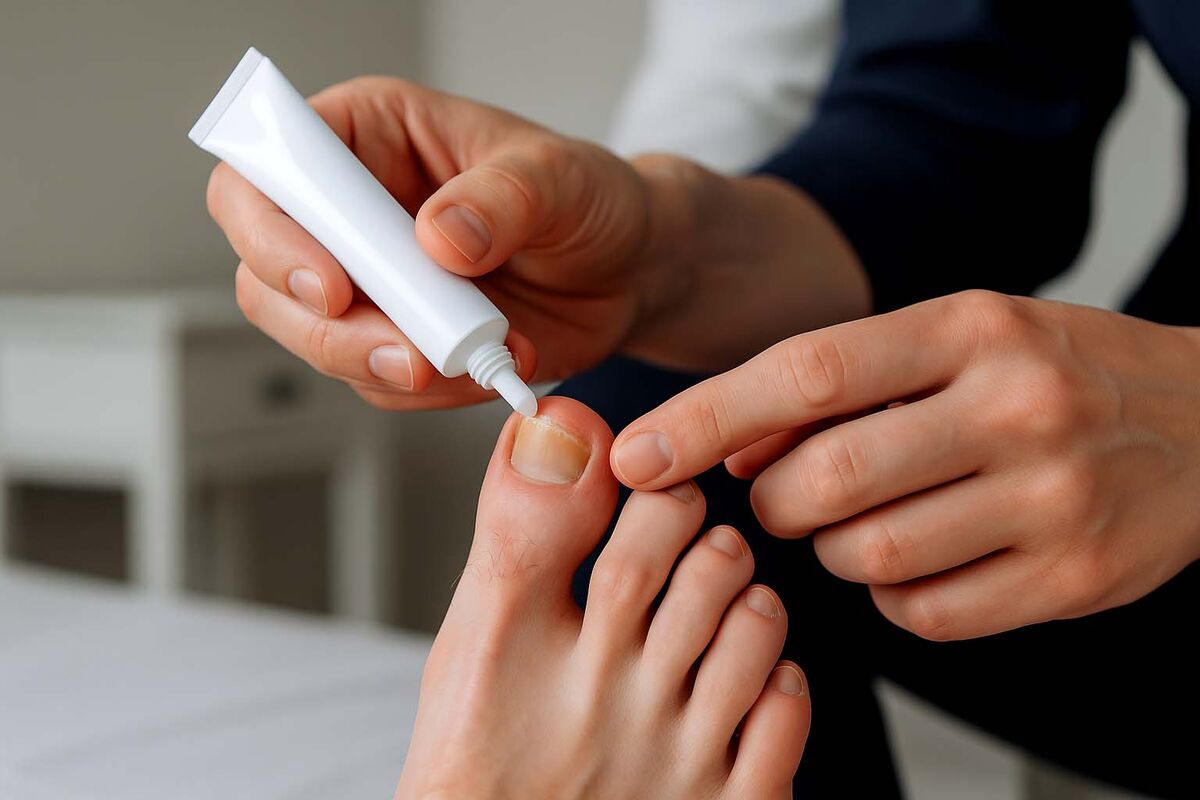
In cases affecting the nails, such as onychomycosis, the signs include thickening, discoloration (often yellow, brown, or white), and a brittle texture, sometimes causing the nail to lift from the nail bed.
Other tell-tale symptoms might involve peeling or cracking skin, a burning sensation, or the formation of blisters. It is important to note that while these conditions are generally not life-threatening, they significantly impact the quality of life and personal health of the affected individual.
Recognizing the characteristic “ring” shape of ringworm, despite the misleading name (it’s caused by a fungus, not a worm), or the persistent scaling between the toes can quickly point to a superficial fungal infection, allowing for appropriate over-the-counter care or medical consultation before the condition becomes more entrenched and difficult to manage.

How do doctors diagnose different types of fungal infections?
The diagnostic process for fungal infections varies significantly depending on whether the infection is superficial, cutaneous, or systemic.
For common, external conditions like athlete’s foot or ringworm, a diagnosis is often made clinically, simply by examining the characteristic appearance of the rash or nail change.
However, for a definitive identification and to rule out other dermatological issues, doctors frequently perform a simple, painless procedure known as a skin scraping.
This involves gently scraping a small sample of the affected skin or nail and examining it under a microscope using a potassium hydroxide (KOH) preparation, which dissolves skin cells but leaves the fungal elements visible, confirming the presence of the causative organism and establishing the existence of a fungal infection.
For more stubborn or deep-seated infections, a culture may be taken, where the sample is sent to a lab to allow the specific fungus to grow and be identified.
In the case of systemic mycoses, which affect internal organs, diagnosis becomes more complex, often requiring blood tests to detect fungal antigens or antibodies, chest X-rays, or even specialized procedures like bronchoalveolar lavage or lumbar puncture.
A thorough and accurate diagnosis is critical, as misidentification can lead to inappropriate treatment, potentially worsening the patient’s health outcome or delaying recovery from a serious deep-tissue fungal infection.
What are the key differences between superficial and systemic fungal infections?
The distinction between superficial and systemic fungal infections is crucial for understanding the potential severity and the appropriate therapeutic approach. Superficial mycoses, as the name implies, are localized infections restricted to the outermost layer of the skin, hair, or nails.
They are typically minor, causing discomfort, itching, and cosmetic concerns, but rarely pose a serious threat to a person’s life. Examples include most instances of ringworm and candidiasis of the mouth or vagina.
These conditions are usually treated effectively with topical antifungal creams, sprays, or shampoos. Conversely, systemic fungal infections are far more serious, as they penetrate deep into the body, often affecting the lungs, blood, and other internal organs, and can be life-threatening, particularly in individuals with compromised immune systems.
These deep fungal infections are often acquired by inhaling spores from the environment (e.g., histoplasmosis or coccidioidomycosis).
While a superficial fungal infection might simply require a few weeks of topical application to resolve, a systemic infection often necessitates prolonged treatment with potent oral or intravenous antifungal medications in a hospital setting.
The body’s overall health and immune status play a much more decisive role in managing and recovering from these invasive fungal infections.
Which populations are at the highest risk for severe fungal infections?
While anyone can contract a superficial fungal infection, certain populations face a significantly elevated risk for severe, life-threatening systemic mycoses.
The primary risk factor is a compromised immune system, which is the body’s main defense mechanism against invasive pathogens, including fungi.
Individuals undergoing chemotherapy, those with advanced HIV/AIDS, organ transplant recipients taking immunosuppressive drugs, and patients with poorly controlled diabetes are all highly vulnerable groups.
In these individuals, fungi that are normally harmless can seize the opportunity to invade internal tissues, leading to serious or disseminated fungal infections.
Furthermore, people who live in or travel to areas where certain endemic fungi thrive (such as the American Southwest for Valley Fever) are also at a higher risk of contracting specific deep-seated fungal infections upon spore inhalation.
Even simple, seemingly minor health conditions or prolonged use of broad-spectrum antibiotics, which disrupt the body’s natural microbial balance, can increase the risk of opportunistic fungal infection, highlighting the complex interplay between host immunity and environmental exposure in the development of these diseases.

Can lifestyle changes help in preventing common skin fungal infections?
Absolutely! Implementing smart lifestyle adjustments is a highly effective, often overlooked, strategy in the prevention of common skin fungal infections. Fungi thrive in warm, moist, and dark conditions, which means the areas most susceptible are the feet, groin, and skin folds.
The simplest yet most effective step is maintaining meticulous hygiene and ensuring that the skin is kept dry.
For example, diligently drying between your toes after showering, wearing breathable, loose-fitting clothing made from natural fibers, and changing socks frequently—especially after exercise—can drastically reduce the environments in which the fungi multiply.
If you frequent public locker rooms, pools, or gym showers, always wear protective footwear like flip-flops to minimize direct contact with contaminated surfaces, which can harbor the organisms that cause athlete’s foot.
These seemingly minor habits contribute significantly to overall skin health. By proactively addressing the environmental factors that encourage fungal growth, you can often prevent the need for medical intervention.
Since common fungal infections are usually an opportunistic consequence of the environment and not necessarily a failure of systemic immunity, these preventative measures are your best line of defense against future episodes of fungal infection.
What are the over-the-counter and prescription treatments for skin fungal infections?
The good news is that most superficial skin fungal infections are highly treatable, with a robust selection of both over-the-counter (OTC) and prescription options available.
For common ailments like ringworm, jock itch, or athlete’s foot, OTC topical antifungal medications are usually the first line of defense.
These typically come in creams, sprays, or powders and contain active ingredients like clotrimazole, miconazole, or terbinafine, which work by disrupting the fungal cell membrane, ultimately killing the organism.
Consistency is key with these treatments; one must continue application for the recommended period, even after symptoms subside, to ensure the complete eradication of the fungal infection.
However, if the infection is widespread, affects the scalp or nails, or fails to clear up with topical agents, a doctor will likely prescribe oral antifungal medication, such as fluconazole, itraconazole, or oral terbinafine.
These systemic drugs travel through the bloodstream to tackle the infection from the inside out, often being necessary for stubborn nail or scalp fungal infections.
Always consult a healthcare professional to determine the most effective treatment course, as the correct medication and dosage are essential for regaining optimal health and preventing recurrence.
How does antibiotic use potentially increase the risk of fungal infections?
It might seem counterintuitive, but the use of broad-spectrum antibiotics, the drugs we rely on to fight bacterial infections, can inadvertently increase the risk of developing a fungal infection, especially one caused by Candida species (yeast).
This phenomenon is a direct consequence of the antibiotic’s mechanism of action. Antibiotics work by killing bacteria, and in doing so, they don’t discriminate between the harmful pathogenic bacteria and the beneficial “friendly” bacteria that naturally reside on our skin, in our gut, and in other mucous membranes.
These beneficial bacteria are a crucial part of our body’s microbial balance, acting as a natural control system to keep opportunistic fungi, like Candida, in check.
When the antibiotic wipes out this competitive bacterial flora, it creates an ecological void, allowing the naturally present yeast to proliferate rapidly without competition.
This overgrowth can lead to conditions such as oral thrush or vaginal yeast infections, which are classic examples of opportunistic fungal infections following antibiotic therapy.
Maintaining a healthy gut microbiome through diet or probiotics can sometimes mitigate this effect, playing a significant role in preventing this unintended impact on one’s general health while fighting off bacterial infections.
When is it necessary to seek medical attention for suspected fungal infections?
While many superficial fungal infections can be successfully managed with over-the-counter treatments, there are several key indicators that warrant an immediate visit to a healthcare provider.
Firstly, if a common skin infection, like athlete’s foot or jock itch, does not begin to show improvement after two weeks of consistent OTC antifungal use, it suggests the infection may be more severe, misdiagnosed, or resistant to the standard treatment, requiring a prescription-strength drug.
Secondly, any infection that involves the scalp or the nails should be assessed by a doctor, as these often require oral medications to reach the infection site effectively.
Most critically, if you experience symptoms that suggest a deeper, systemic infection—such as high fever, persistent cough, extreme fatigue, joint pain, or if you are immunocompromised—you must seek emergency medical help.
These could be signs of a serious, invasive fungal infection that demands prompt and aggressive treatment. Never underestimate the potential seriousness of these diseases, particularly if your overall health is already compromised.
Early medical intervention is the single most important factor in the successful outcome of a severe fungal infection.
What role does microbial balance play in preventing yeast overgrowth?
The concept of microbial balance, often referred to as the microbiome, is a cornerstone of preventative medicine, playing a decisive role in warding off conditions like yeast overgrowth, especially those caused by the Candida fungus.
Our bodies host trillions of microorganisms, including a vast array of bacteria and fungi that coexist in a complex, mutually beneficial relationship. Within the gastrointestinal tract, skin, and mucosal surfaces, the beneficial bacteria are constantly competing with opportunistic fungi for resources and space.
This constant, natural competition effectively keeps the yeast population—which is usually present in small, harmless amounts—under tight control, preventing it from proliferating into an infection.
When this delicate balance is disrupted, often by factors like broad-spectrum antibiotic use, high sugar diets, or immune suppression, the yeast population is given a significant advantage, leading to an overgrowth.
This imbalance can manifest as oral thrush, vaginal candidiasis, or even more persistent skin problems. Maintaining a diverse and healthy microbiome is therefore a crucial element of proactive health management.
By supporting the body’s natural flora, we reinforce one of our most effective, built-in defenses against fungal infection and related problems.
How does antifungal medication work to eliminate the causative organisms?
Antifungal medications, the therapeutic backbone for treating mycoses, function through sophisticated mechanisms designed to target and neutralize the fungal cells without harming the patient’s cells.
The most common class of antifungals, known as azoles, works by inhibiting the synthesis of ergosterol, a crucial component of the fungal cell membrane that is necessary for its structural integrity and proper function.
Essentially, these drugs poke holes in the protective layer of the fungus, leading to cell leakage and ultimately, fungal death.
Another group, like the polyenes (e.g., Amphotericin B, often used for severe systemic infections), directly bind to the ergosterol in the fungal membrane, similarly causing cell permeability and destruction.
This targeted approach is vital because fungal cells are eukaryotes, just like human cells, making it challenging to design drugs that are toxic to the pathogen but safe for the host.
The precise mechanism of action depends on the specific drug prescribed, which is tailored to the type of fungal infection and its location.
Through these precise chemical interventions, modern pharmacology provides highly effective ways to eradicate the organisms causing the fungal infection and swiftly restore an individual’s health.
What are the long-term impacts of untreated mycosis on the body?
While many individuals view superficial fungal infections as a minor annoyance, leaving any mycosis untreated can lead to significant and potentially severe long-term consequences for the body.
On the milder end of the spectrum, untreated tinea infections, such as those affecting the nails or feet, can become chronic and highly resistant to over-the-counter treatments, requiring prolonged and expensive prescription therapy.
Chronic infections can also permanently damage the nail bed or cause recurrent, painful fissures in the skin. More concerning, however, is the risk of secondary bacterial infection.
Fungal rashes often cause intense itching and scaling, and scratching can break the skin barrier, creating a perfect entry point for bacteria, which can lead to cellulitis or other serious complications.
Furthermore, systemic fungal infections, if left untreated, can disseminate throughout the body, causing irreversible organ damage, meningitis, or even death, particularly in immunocompromised individuals.
This underscores the need for early diagnosis and treatment, as neglecting a minor issue can cascade into a major health crisis. Prompt action is the most responsible way to prevent an initial, seemingly harmless fungal infection from becoming a protracted and dangerous ailment.
Conclusion
We’ve covered a significant amount of ground, moving from the basic causes of mycoses to the distinct characteristics of superficial versus systemic infections, and the critical role of timely treatment.
The key takeaway is this: understanding fungal infections is not about fear, but about empowerment. By recognizing the early symptoms—such as persistent itching, redness, or skin changes—you significantly improve your chances of a quick and easy recovery, often before the condition even requires prescription medication.
Remember that prevention is your most powerful tool; simple lifestyle habits, like keeping susceptible areas dry and maintaining good hygiene, are crucial defenses.
While common skin infections are usually a simple nuisance, the underlying message of this entire discussion is the importance of immune vigilance, especially for those at higher risk.
Never hesitate to seek expert medical advice if an infection is persistent or if you suspect a deep-seated issue.
By staying informed, respecting the balance of your body’s natural flora, and acting promptly when necessary, you can effectively manage and mitigate the threat of a fungal infection, ensuring the continuous optimization of your overall health and well-being.
FAQ
Fungal infections are diseases caused by a fungus—a type of microorganism that lives in air, soil, plants, and water. These conditions, also known as mycoses, occur when fungi invade a localized area of the body (like the skin or nails) or, more rarely, when spores are inhaled and cause a systemic illness affecting internal organs. Most common cases are superficial and easily treated.
Many common, superficial fungal infections—such as ringworm and athlete’s foot—are highly contagious. They can be spread through skin-to-skin contact, or indirectly by sharing contaminated items like towels, clothing, or by walking barefoot in public areas like locker rooms and showers. However, deep-seated, systemic mycoses are rarely passed from person to person.
The duration of treatment for a fungal infection varies significantly based on its type and location. A mild skin rash might clear up within 2 to 4 weeks with topical antifungal creams. However, nail fungal infections (onychomycosis) can take several months—sometimes up to a year—of consistent topical or oral medication to fully resolve, as the fungus must be eliminated from the new nail growth.
The most common cause of skin fungal infections are dermatophytes—a group of fungi that feed on keratin, the material found in skin, hair, and nails. These fungi thrive in warm, moist environments, leading to conditions like tinea pedis (athlete’s foot) and tinea cruris (jock itch) in areas where sweat and moisture are trapped.
Fungal cells are biologically similar to human cells, which makes it challenging to develop drugs that target the fungus without harming the host’s cells. Additionally, fungi can form biofilms and penetrate hard structures like the nail plate, making it difficult for topical treatments to reach the infection. This resilience often requires prolonged treatment to completely eradicate the fungal infection.
Yes, taking broad-spectrum antibiotics can increase the risk of developing a fungal infection, particularly those caused by Candida yeast (like thrush). Antibiotics disrupt the natural microbial balance in the body by killing beneficial bacteria, which normally keep the yeast population in check, allowing the fungi to overgrow and cause an opportunistic infection.
While many skin fungal infections can be treated with over-the-counter (OTC) products, you should see a doctor if the infection covers a large area, affects your scalp or nails, is painful, or fails to show signs of improvement after two weeks of consistent OTC treatment. Prompt medical attention is essential to prevent the infection from worsening.
Yes, both ringworm (Tinea corporis) and athlete’s foot (Tinea pedis) are common examples of superficial fungal infections caused by dermatophytes. Despite its name, ringworm is not caused by a worm; it is a fungal rash characterized by a red, circular, scaly patch.
Severe, systemic fungal infections typically affect people with weakened immune systems and can manifest with flu-like symptoms. Warning signs include high fever, persistent cough, chest pain, shortness of breath, headache, and severe fatigue. If you are immunocompromised and experience these symptoms, seek immediate medical care.
Yes, lifestyle habits are key to preventing many common fungal infections. Wearing loose-fitting clothing and underwear made of natural, breathable fabrics like cotton can help keep skin folds dry. Regularly changing socks after exercise and wearing sandals or flip-flops in public damp areas like pools and gyms also significantly reduces your risk of environmental exposure.

Author: Horeca Health
Horeca Health
DISCLAIMER
All content provided on this website is for informational purposes only and should not be considered a substitute for professional advice, diagnosis, or treatment. Always consult qualified healthcare professionals regarding any questions or concerns you may have about your health or any medical condition.




















Leave a Reply