Oral Thrush: Introduction
Oral thrush is a topic that many people have heard of, but few truly understand. This common fungal infection can be uncomfortable and confusing, leaving you with a mouthful of questions.
From those strange white patches to the burning sensation that makes it hard to eat, the symptoms can be alarming. But what exactly causes it, who is at risk, and more importantly, how can you get rid of it and keep it from coming back?
In this comprehensive guide, we’ll break down everything you need to know about oral thrush, from its symptoms and causes to the most effective treatments and prevention strategies. We’ll demystify this condition so you can feel confident in managing your oral health.
What is Oral Thrush and why does it occur?
Oral thrush, medically known as oropharyngeal candidiasis, is a common fungal infection of the mouth caused by an overgrowth of the Candida albicans fungus. This yeast is a natural part of our oral microbiome, residing harmlessly in the mouths of most healthy individuals without causing any issues.
However, when the delicate balance of microorganisms in the mouth is disrupted, the Candida fungus can multiply uncontrollably, leading to the characteristic symptoms of this infection.
The disruption often stems from a weakened immune system, whether due to an illness, certain medical treatments like chemotherapy, or even stress.
Other common triggers include long-term use of antibiotics, which can wipe out beneficial bacteria that keep Candida in check, and the use of corticosteroid inhalers, which can leave a fungal residue in the mouth.
Conditions like diabetes, which can increase sugar levels in saliva, also create a favorable environment for this yeast to thrive. Understanding the underlying cause is key to effective management and prevention, as simply treating the symptoms without addressing the root issue can lead to a quick recurrence.
This fungal overgrowth, or oral thrush, can be uncomfortable and, in more severe cases, can impact a person’s quality of life.
The infection, also known as oral candidiasis, is a clear signal that something has disturbed your body’s natural balance, prompting the need for targeted treatment and a re-evaluation of potential risk factors.
What are the primary symptoms of Oral Thrush?
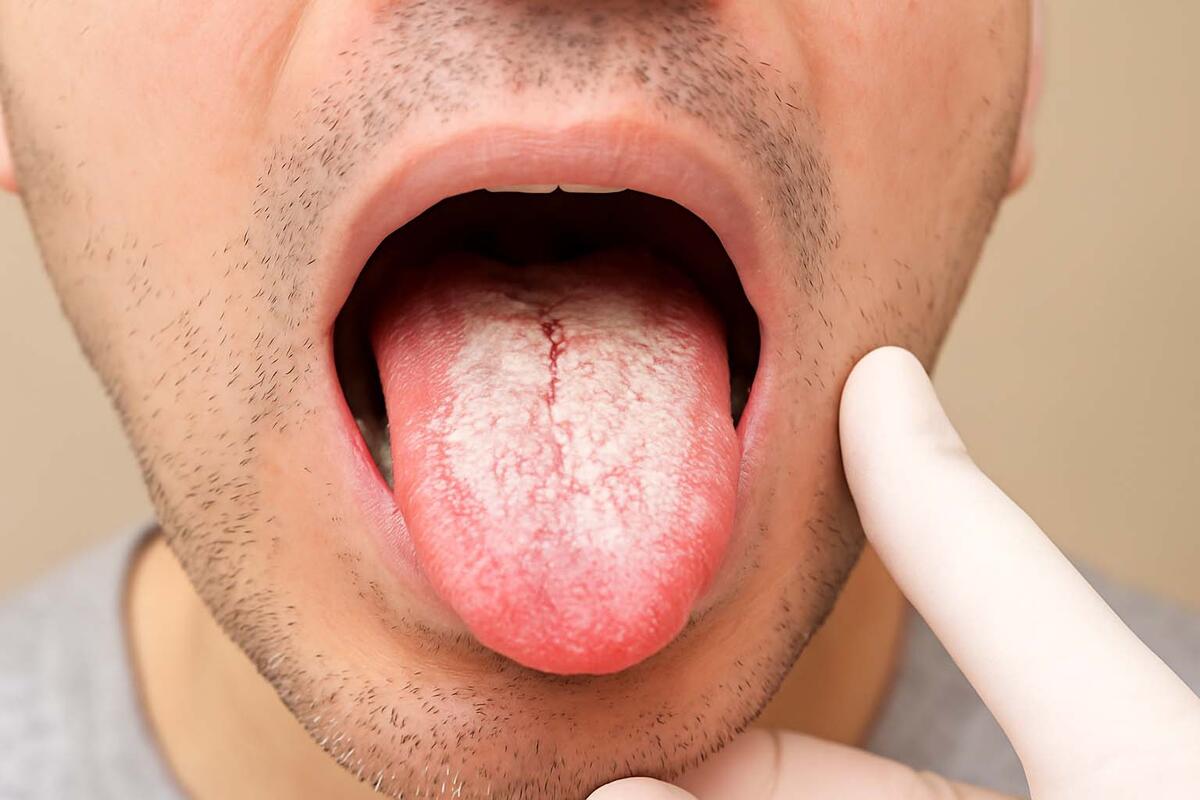
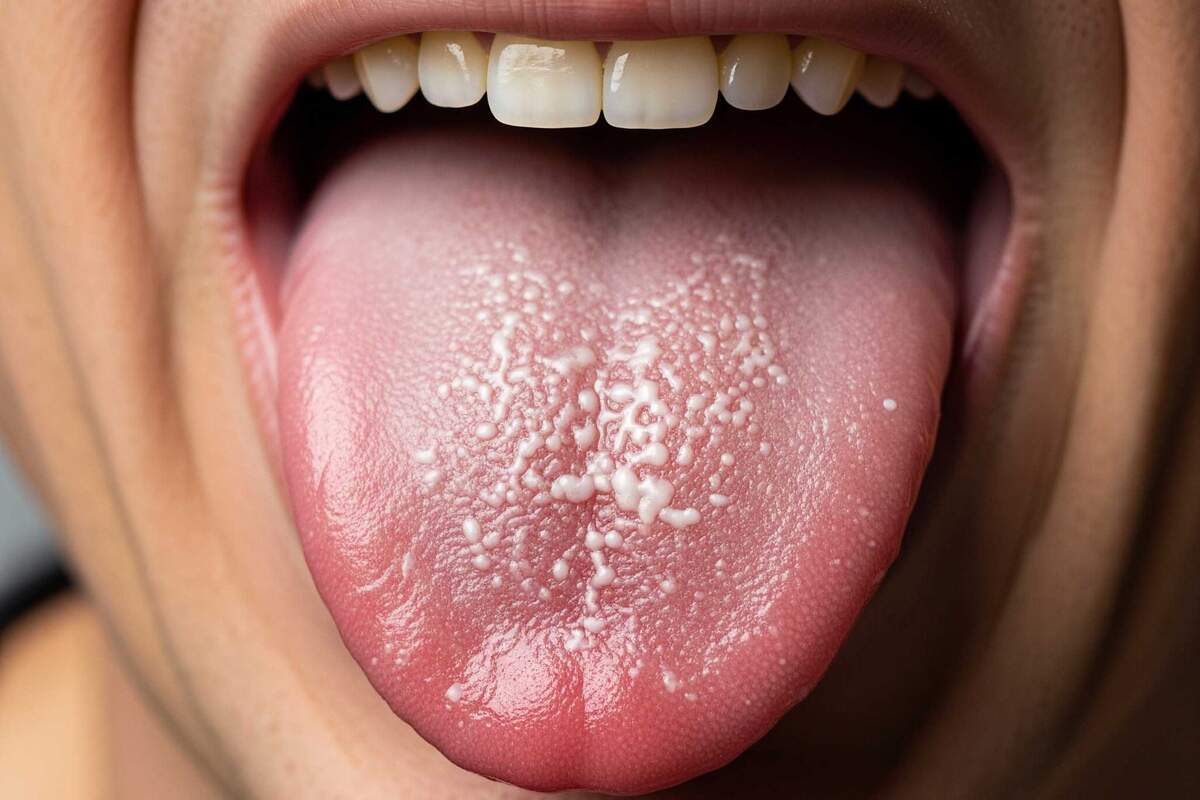
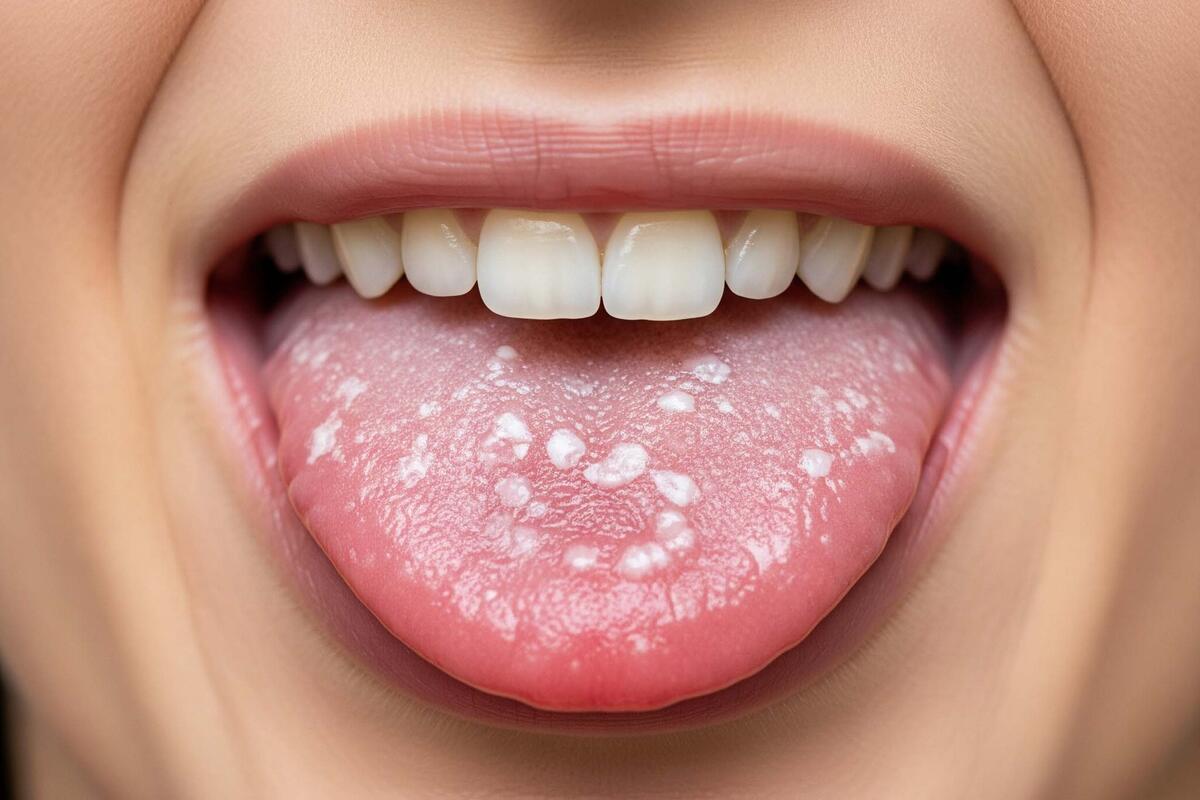
Recognizing the symptoms of oral thrush is the first step toward getting the right treatment. The most noticeable and classic symptom is the appearance of creamy white, slightly raised lesions on the tongue and inner cheeks.
These patches might look a bit like cottage cheese or milk curds and, if you try to scrape them off, can reveal red, inflamed tissue underneath that may bleed slightly. While these patches are a hallmark sign, the infection can also present with other uncomfortable symptoms.
Many people experience a cotton-like feeling in their mouth, a loss of taste, or an unpleasant taste. The corners of the mouth may become red, cracked, and sore, a condition known as angular cheilitis, which is often a related fungal manifestation.
Pain or a burning sensation in the mouth and throat can make swallowing difficult and uncomfortable, affecting your ability to eat and drink properly. For some, the problem might be entirely asymptomatic, particularly in the very early stages.
However, as the fungal overgrowth progresses, these discomforts tend to become more pronounced. Timely identification of these signs is crucial to preventing the infection from spreading further into the throat or esophagus, a more serious complication.
The discomfort caused by this infection, oral thrush, can range from a minor annoyance to a significant impediment, making it essential to recognize the signs of oral candidiasis and seek help.
Who is most susceptible to developing oral candidiasis?
While anyone can get oral candidiasis, certain individuals are at a higher risk due to a compromised or underdeveloped immune system. Infants, for instance, have immature immune systems and are particularly prone to developing this fungal infection.
A mother who has a vaginal yeast infection during childbirth can also pass the fungus on to her baby, leading to a case of this condition. Similarly, older adults, whose immune systems naturally weaken with age, are more susceptible.
The use of dentures, especially if they are not cleaned properly, can also create a warm, moist environment where the fungus can thrive, increasing the risk for denture wearers.
People with chronic medical conditions like diabetes are also at elevated risk because high blood sugar levels can provide a ready source of food for the yeast.
A significant number of cases are linked to individuals with compromised immune systems, such as those undergoing chemotherapy or radiation treatments for cancer, or those living with HIV/AIDS.
Even something as common as taking broad-spectrum antibiotics for a prolonged period can disturb the natural balance of microorganisms in your body, allowing the Candida fungus to proliferate.
Recognizing these risk factors is vital for proactive management, as those who are more susceptible can take preventative steps to reduce their chances of getting oral candidiasis.
How is oral candidiasis diagnosed by healthcare professionals?
Diagnosing oral candidiasis is typically a straightforward process for a healthcare professional and often begins with a simple visual inspection.
During a physical examination, the doctor or dentist will look for the characteristic creamy white lesions on the tongue, inner cheeks, roof of the mouth, or even the back of the throat.
The appearance of these patches, especially if they reveal red, raw tissue underneath when gently scraped, is often enough to make a presumptive diagnosis.
However, to confirm the diagnosis and rule out other conditions that might have similar symptoms, a healthcare provider might take a small sample of the lesions.
This sample is then sent to a lab to be examined under a microscope, a process that can quickly and definitively identify the presence of the Candida fungus.
In some cases, especially if the infection is persistent or unresponsive to initial treatment, a culture might be grown from the sample to determine the specific strain of Candida, which can help in choosing the most effective antifungal medication.
While this simple diagnosis can provide a clear path forward, it’s important to remember that it is not always a one-size-fits-all process.
The doctor will also ask about your medical history, any recent use of antibiotics, or if you have any underlying health conditions, as these factors are crucial in identifying the root cause of the oral candidiasis and preventing future recurrences.
Can certain medications increase your risk of getting oral thrush?
The link between medication use and the development of oral thrush is well-documented, with several common drug classes known to disrupt the mouth’s natural microbiome and leave you vulnerable to this infection.
Corticosteroids, particularly those used in inhalers for conditions like asthma and COPD, are a significant culprit. These medications can suppress the local immune response in the mouth and throat, allowing the Candida fungus to multiply.
Patients who use these inhalers can significantly reduce their risk by rinsing their mouth with water after each use. Another major category of medications that can lead to a fungal overgrowth is broad-spectrum antibiotics.
While these drugs are essential for fighting bacterial infections, they can’t distinguish between “bad” bacteria and the “good” bacteria that help keep Candida in check. By wiping out these beneficial microorganisms, antibiotics inadvertently create an open field for the fungus to grow unchecked.
Chemotherapy and radiation treatments also put patients at extremely high risk because they severely weaken the immune system, making it unable to combat opportunistic infections like this. Furthermore, certain drugs that cause dry mouth, or xerostomia, can indirectly increase the risk of oral thrush.
Saliva plays a crucial role in maintaining a healthy oral environment and keeping yeast in check, so a lack of it makes the mouth a more hospitable place for the fungus.
Understanding how these medications can affect your oral health is key to taking preventative measures against oral candidiasis and its uncomfortable symptoms.
What are the most effective medical treatments for oral thrush?
When it comes to treating oral thrush, medical professionals have a number of effective options at their disposal, all aimed at stopping the fungal overgrowth and restoring a healthy oral environment.
The specific treatment prescribed will depend on the severity of the infection and the patient’s overall health. For mild cases, a doctor might recommend a topical antifungal medication.
These often come in the form of lozenges, troches, or a liquid suspension that you swish in your mouth and then swallow. Common examples include clotrimazole, miconazole, or nystatin. These treatments are applied directly to the affected areas, working to eliminate the fungus locally.
In more severe or widespread cases, especially if the infection has spread to the esophagus or is not responding to topical medications, an oral antifungal medication may be necessary. Fluconazole is a frequently prescribed tablet that works systemically to fight the infection from within.
It is important to complete the entire course of medication as prescribed, even if symptoms improve quickly, to ensure the fungal infection is completely eradicated and to prevent a recurrence.
Alongside medication, your doctor will likely advise addressing any underlying causes, such as controlling blood sugar levels in diabetics or adjusting medication dosages.
Timely and appropriate medical intervention is crucial for treating this infection, as oral thrush can be very persistent if not handled correctly.
Are there home remedies and lifestyle changes that can help with oral candidiasis?
While medical treatments are often necessary to clear up a case of oral candidiasis, a number of home remedies and lifestyle adjustments can provide significant relief from symptoms and support the healing process.
One of the most common and effective remedies is a saltwater rinse. The saline solution can help soothe a sore mouth and create an environment that is less hospitable for the fungus to grow. Similarly, a mixture of baking soda and water can be used as a rinse.
Baking soda has been shown to have antifungal properties and can help neutralize the acids in the mouth, which Candida thrives on. Probiotic supplements or foods rich in probiotics, like yogurt with live cultures, can also be beneficial.
They work by reintroducing beneficial bacteria that help restore the natural balance of your oral microbiome, thus keeping the fungal population in check.
For those who wear dentures, it’s absolutely critical to clean them thoroughly every day and soak them in an antifungal solution to prevent the fungus from recolonizing. Additionally, maintaining meticulous oral hygiene is paramount.
Brushing your teeth with a soft-bristled toothbrush, flossing daily, and using an alcohol-free mouthwash can help remove food particles and microorganisms that contribute to the fungal overgrowth.
While these remedies can offer a great deal of comfort and support, they should be used in conjunction with, not as a replacement for, professional medical advice, especially for persistent cases of oral candidiasis.
How can you prevent a recurrence of oral candidiasis?
Preventing a recurrence of oral candidiasis requires a multi-faceted approach that goes beyond just treating the symptoms. The key lies in identifying and managing the underlying factors that caused the initial fungal overgrowth.
For individuals with underlying health conditions, such as diabetes, maintaining stable blood sugar levels is one of the most effective preventative measures.
The less sugar available in the saliva, the less fuel the Candida fungus has to grow. For people who frequently use corticosteroid inhalers, a simple but crucial step is to rinse your mouth and throat with water after each use to wash away any residual medication that could foster fungal growth.
Proper oral hygiene is also non-negotiable. Regular brushing, flossing, and using a tongue scraper can significantly reduce the bacterial and fungal load in your mouth.
If you wear dentures, it is imperative to remove them at night, clean them thoroughly, and soak them in an antifungal or mild bleach solution as recommended by your dentist.
The use of certain medications, such as prolonged antibiotic courses, can be a major risk factor, so it’s important to discuss the potential for this side effect with your doctor and explore preventative measures.
By proactively addressing these risk factors, you can dramatically reduce your chances of experiencing another bout of this uncomfortable infection. Managing these factors is the cornerstone of preventing oral thrush and maintaining a healthy mouth.
What role does your diet play in managing oral thrush?
The food and drinks you consume can have a significant impact on your oral health and can either contribute to or help mitigate a case of oral thrush. Since Candida albicans is a type of yeast, it thrives on sugar.
Therefore, one of the most effective dietary changes you can make is to reduce your intake of sugary foods and simple carbohydrates. This includes not just obvious culprits like candy, sodas, and baked goods but also processed foods and even some fruits with high sugar content.
By limiting the sugar, you essentially starve the fungus and make it harder for it to multiply. Conversely, incorporating certain foods into your diet can be beneficial.
Probiotic-rich foods like plain yogurt with live and active cultures can help restore the balance of beneficial bacteria in your gut and mouth, which naturally keeps Candida in check. Garlic, with its natural antifungal properties, can also be a helpful addition.
While it shouldn’t replace medical treatment, adding it to your diet may support your body’s fight against the infection. Some people also find that fermented foods like kefir and sauerkraut can be helpful.
Staying hydrated is also crucial, as it helps maintain saliva production, which is a natural defense against microbial overgrowth.
Making mindful dietary choices is a powerful way to support the healing process and create an oral environment that is less hospitable to the fungal infection. By managing your diet, you can have a direct impact on your battle with oral thrush.
Can Oral Thrush affect infants, and what should parents look for?
Oral thrush is a very common condition in infants, and it’s one that parents should be aware of, as it can be uncomfortable for their little ones. An infant’s immune system is still developing, making them particularly vulnerable to the overgrowth of Candida.
The most classic sign parents should look for is the presence of white, cottage cheese-like patches on the tongue, inner cheeks, gums, or roof of the mouth.
Unlike milk residue, which can be wiped away easily, these patches are more difficult to remove and may reveal red, sensitive skin underneath if you try.
Parents might also notice that their baby is more fussy or irritable during feedings, as the infection can cause pain or discomfort in the mouth, making it difficult to latch or suck. In some cases, the infection can be passed back and forth between a breastfeeding mother and her baby.
The mother might experience a painful, itchy rash on her nipples, while the baby shows the classic signs in their mouth. If a baby has oral thrush, it’s essential for both the baby and the mother to receive treatment to prevent a cycle of reinfection.
Your pediatrician will likely prescribe a mild antifungal solution to be applied to the baby’s mouth, and may also recommend treatment for the mother’s nipples. Prompt and gentle care is key, as a baby’s case of oral thrush is usually very treatable and not a cause for alarm.
When is it necessary to seek medical attention for oral thrush?
While mild cases of oral thrush may clear up on their own or with simple home remedies, there are several key indicators that it’s time to see a doctor or dentist.
If you’ve been experiencing symptoms for more than a few days and they’re not improving, it’s a good idea to seek professional medical advice. The most obvious signal is when the classic white lesions begin to spread, become more painful, or start to affect your ability to eat and swallow.
If the infection spreads to the esophagus, it can cause a feeling of food being stuck in your throat, and this warrants immediate medical attention.
For people who have a weakened immune system due to conditions like HIV/AIDS, cancer treatments, or organ transplantation, oral thrush can be a sign of a more widespread fungal infection.
In these cases, it’s crucial to seek medical help as soon as symptoms appear to prevent the infection from becoming systemic and more dangerous.
Additionally, if the infection keeps coming back despite treatment, a healthcare provider can help identify and address any underlying causes, such as uncontrolled diabetes or a poor-fitting denture, which are often the culprits behind recurrent infections.
Don’t hesitate to reach out to a professional for guidance, as they can accurately diagnose the problem and prescribe the most effective treatment for your specific case of oral thrush.
Are there any serious complications associated with severe oral thrush?
While oral thrush is generally considered a mild to moderate infection in healthy individuals, it can lead to more serious complications, particularly in those with compromised immune systems.
For a healthy person, the most common complication is the spread of the infection to the esophagus, a condition known as esophagitis. This can cause pain or difficulty when swallowing, a sensation of food being stuck in your throat, and chest pain.
If the infection is not treated promptly, it can lead to malnutrition and dehydration due to the inability to eat or drink comfortably. The real danger, however, is for immunocompromised individuals.
In these cases, the Candida fungus can move from the mouth and esophagus into the bloodstream, a life-threatening condition known as invasive candidiasis or candidemia.
Once in the bloodstream, the fungus can spread to other parts of the body, including the heart valves, brain, kidneys, and bones, causing severe systemic infections. This requires aggressive treatment with intravenous antifungal medications and is a medical emergency.
Moreover, chronic or recurrent oral thrush can be a sign of an undiagnosed or poorly managed underlying health condition, such as diabetes or an immune disorder, which could be more serious than the fungal infection itself.
Recognizing when a case of oral thrush has gone from an annoyance to a potential threat is crucial for a positive outcome.
Conclusion
Now that we’ve covered the ins and outs of oral thrush, you should feel more prepared to recognize the signs, understand the causes, and take control of your oral health. While this fungal infection can be a nuisance, remember that it’s highly treatable.
By understanding the underlying causes and implementing the right treatment and prevention strategies, you can effectively manage it and prevent it from coming back.
Whether it’s practicing good oral hygiene, managing an underlying health condition, or seeking professional medical advice, you have the tools to restore balance to your mouth.
Your journey to a healthier, more comfortable smile starts with knowledge, and we hope this guide has given you the confidence to take the first step.
FAQ
Oral thrush, also known as oral candidiasis, is a common fungal infection of the mouth caused by an overgrowth of the Candida albicans yeast. While Candida is a natural part of our oral microbiome, certain conditions can disrupt the balance and cause it to multiply, leading to the characteristic white patches and discomfort.
The most common symptoms include creamy white, raised lesions on your tongue and inner cheeks. You might also experience redness or soreness in your mouth, a cotton-like feeling, a loss of taste, or a burning sensation that makes eating and swallowing difficult.
Anyone can get this infection, but it is more common in infants, older adults, and people with weakened immune systems. Individuals with diabetes, those who wear dentures, or people on long-term antibiotics or corticosteroid inhalers are also at a higher risk.
Yes, it can be contagious. It can be passed between a breastfeeding mother and her baby, or in rare cases, through close contact like kissing. However, it usually only takes hold in someone who is already susceptible due to underlying factors.
A healthcare provider or dentist can often diagnose oral thrush with a simple visual examination of your mouth. In some cases, they might take a small sample from the lesions to confirm the presence of Candida under a microscope.
Treatment typically involves antifungal medications. For mild cases, a doctor may prescribe a topical medication like a lozenge or liquid suspension that you swish and swallow. For more severe infections, a systemic oral antifungal tablet, such as fluconazole, may be necessary.
While home remedies are not a substitute for medical treatment, they can provide relief. Rinsing with a saltwater or baking soda solution can soothe a sore mouth. Eating plain yogurt with live cultures or taking probiotic supplements can also help restore your mouth’s natural microbial balance.
Prevention is key. This includes practicing excellent oral hygiene, rinsing your mouth after using a steroid inhaler, and managing any underlying health conditions like diabetes. For denture wearers, it’s crucial to clean your dentures thoroughly every day.
You should see a doctor if your symptoms don’t improve after a few days, if the infection spreads to your throat or esophagus, or if you have a compromised immune system. Recurrent infections also warrant a visit to identify and address the root cause.
In healthy people, it’s usually not a sign of a serious condition. However, for those with weakened immune systems, a persistent case of oral thrush could be an indicator of a more significant underlying issue, making a medical evaluation essential.

Author: Horeca Health
Horeca Health
DISCLAIMER
All content provided on this website is for informational purposes only and should not be considered a substitute for professional advice, diagnosis, or treatment. Always consult qualified healthcare professionals regarding any questions or concerns you may have about your health or any medical condition.




















Leave a Reply