Sauerkraut health benefits: Introduction
Sauerkraut health benefits: For centuries, sauerkraut has been a staple in kitchens around the world, cherished not only for its tangy flavor but also for its remarkable health benefits.
This humble, fermented cabbage is far more than just a condiment; it’s a nutritional powerhouse and a secret weapon for your well-being. From its deep roots in traditional medicine to its modern-day recognition as a superfood, the journey of sauerkraut is a testament to the power of fermentation.
In a world of complex supplements and health fads, this simple, accessible food stands out as a natural and delicious way to nourish your body from the inside out.
Get ready to discover the incredible science behind this probiotic-rich delicacy. Below, we’ll dive into 12 compelling reasons why adding a spoonful of sauerkraut to your daily diet can transform your health.
Sauerkraut health benefits: How does it improve your gut health?
Sauerkraut health benefits: One of the most celebrated aspects of this tangy, delicious food is its profound impact on the gut microbiome, a complex ecosystem of trillions of microorganisms residing within our digestive tracts.
Think of your gut as a bustling city, and the probiotics in sauerkraut are the friendly, hard-working residents that keep everything running smoothly.
The fermentation process, a natural phenomenon where beneficial bacteria like Lactobacillus cultures multiply, is what transforms plain cabbage into a powerhouse of probiotics.
When you consume unpasteurized sauerkraut, you are essentially introducing a diverse and thriving community of these good bacteria directly into your system. This influx helps to increase the overall diversity of your gut flora, which is a key indicator of a healthy microbiome.
A balanced and diverse gut environment is crucial for optimal digestion and nutrient synthesis. The presence of these good bacteria helps to outcompete and suppress the growth of harmful pathogens, preventing them from taking over and causing digestive issues.
Beyond just adding new residents, the environment created by consuming this beneficial fermented cabbage also supports the existing healthy bacteria, essentially providing them with the ideal conditions to flourish.
Regular consumption of this simple, cultured cabbage can help restore balance after periods of stress, illness, or antibiotic use, which can often disrupt the delicate microbial balance.
The lactic acid produced during the fermentation of sauerkraut also plays a role, helping to create a slightly acidic environment in the gut that is inhospitable to bad bacteria while promoting the growth of the beneficial ones.
This natural, food-based approach to nurturing your gut health is a gentle yet effective way to support your body’s inner ecosystem.
The continued research into the gut-brain axis only further highlights the importance of maintaining a healthy microbiome, making the inclusion of this humble, cultured food in your diet a simple act with far-reaching benefits for your overall well-being.
Sauerkraut health benefits: Can it really boost your immune system?
Sauerkraut health benefits: It may seem surprising that a humble, fermented food can be a secret weapon for your immune system, but the science is clear: a large portion of your body’s immune cells are located in your gut.
This means that a healthy gut is directly linked to a robust and responsive immune system. The rich probiotic content in unpasteurized sauerkraut plays a critical role in this connection.
These live cultures act like a training ground for your immune cells, teaching them to better distinguish between harmless substances and genuine threats.
By interacting with the cells lining your digestive tract, the beneficial bacteria found in this traditional fermented food help to modulate the body’s immune response, potentially reducing the severity and duration of colds and other infections.
This is not about a quick fix but rather a long-term, foundational support system. Think of it as strengthening the first line of defense.
The regular consumption of this cultured cabbage provides a consistent source of probiotics that fortify the gut barrier, making it more difficult for pathogens to enter the bloodstream. Furthermore, sauerkraut is an excellent source of vitamin C, a well-known antioxidant that is essential for immune function.
While the cabbage itself is rich in this nutrient, the fermentation process can even enhance its bioavailability, meaning your body can absorb and utilize it more effectively. The synergistic effect of probiotics and vitamin C in fermented cabbage creates a powerful combination.
It’s a dual-action approach: the probiotics work on a cellular level to optimize immune function, while the antioxidants protect your cells from oxidative stress.
Incorporating a small serving of this nutritious food into your daily diet is a simple, proactive step you can take to give your immune system the natural support it needs to stay strong and ready to defend against whatever comes your way.
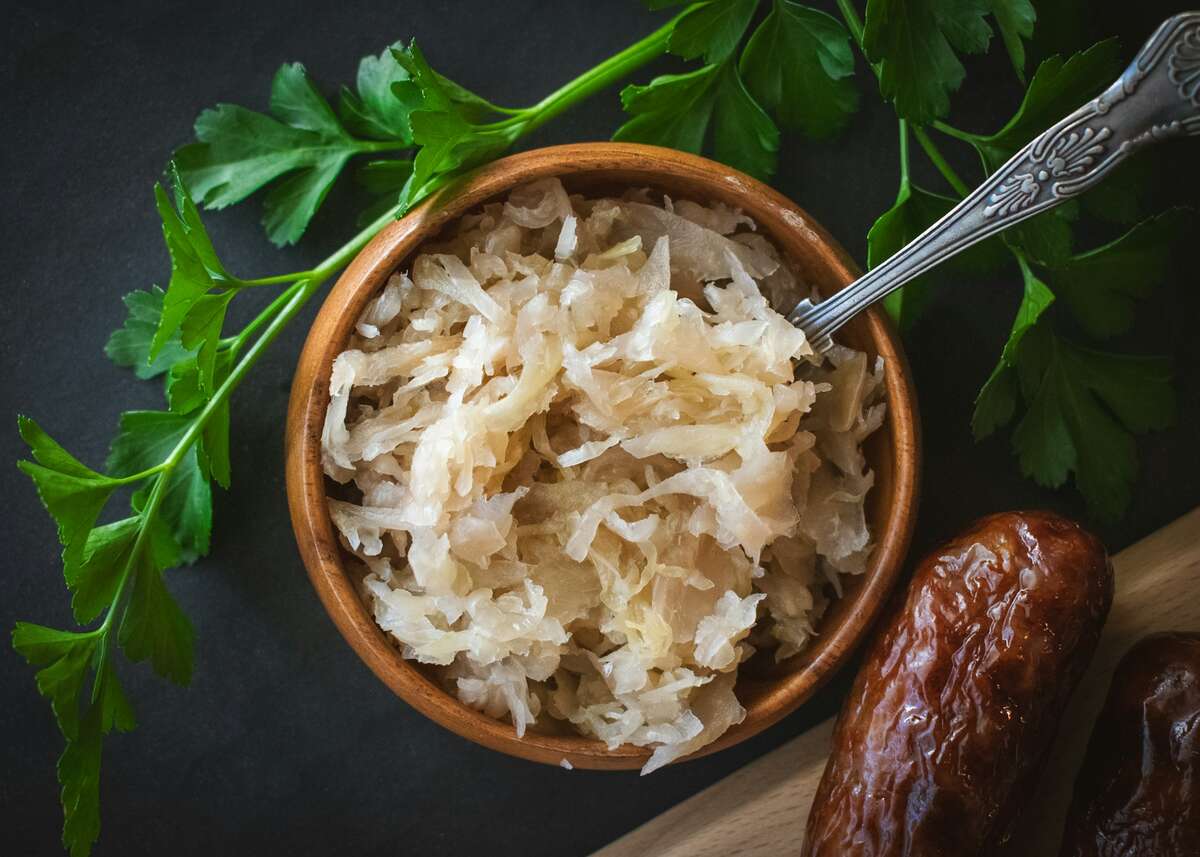
Sauerkraut health benefits: Why is it so good for digestion?
Sauerkraut health benefits: Beyond its role in populating your gut with beneficial bacteria, this cultured vegetable is a true champion for the entire digestive process. The journey from food to fuel starts with digestion, and the unique properties of sauerkraut help to smooth out every step along the way.
One of the most significant benefits is the presence of digestive enzymes that are created during the fermentation process. These enzymes, alongside the natural enzymes already in the cabbage, help to break down nutrients into smaller, more easily absorbed components.
This means that not only are you introducing healthy microbes, but you are also making the nutrients from the sauerkraut itself—and potentially other foods you eat with it—more accessible to your body.
Think of it as a pre-digestion process; the beneficial microorganisms have already done some of the heavy lifting, making it easier on your stomach and intestines. This can be particularly helpful for individuals who experience gas, bloating, or general discomfort after meals.
Another key digestive aid found in this traditional fermented cabbage is its high fiber content. Cabbage is naturally rich in dietary fiber, which acts as a prebiotic, a type of food that nourishes the good bacteria in your gut.
This symbiotic relationship—where the probiotics in the sauerkraut feed on the prebiotics—creates a thriving and efficient digestive ecosystem. The fiber also adds bulk to your stool, promoting regular bowel movements and helping to prevent constipation.
The combination of prebiotics, probiotics, and digestive enzymes makes sauerkraut a complete package for digestive health. Instead of relying on a single supplement or a complex regimen, you can simply add this food to your plate to provide comprehensive support for your digestive system.
It’s a holistic approach that targets the root cause of many digestive issues by promoting a healthy, balanced internal environment.
Sauerkraut health benefits: What nutrients does it contain that our bodies need?
Sauerkraut health benefits: While its probiotic power often steals the spotlight, sauerkraut is also a nutritional goldmine packed with essential vitamins and minerals that your body needs to thrive.
It’s a remarkable example of how a simple fermentation process can unlock and even enhance the nutrient profile of a common vegetable. One of its most notable vitamins is vitamin C, a powerful antioxidant crucial for immune function, skin health, and collagen production.
During the winter months, when fresh produce might be less available, sauerkraut was historically a vital source of vitamin C, preventing diseases like scurvy. The fermentation process not only preserves this vitamin but can also make it more bioavailable.
In addition to vitamin C, this fermented cabbage is also a good source of vitamin K, specifically vitamin K2. While vitamin K1 is abundant in green leafy vegetables, the fermentation process with specific bacteria can convert it into vitamin K2, which plays a crucial role in bone and heart health.
It helps to direct calcium to the bones and away from the arteries, where it can cause calcification. Beyond vitamins, this tangy food also contains various B vitamins, including B12, which is particularly important for vegetarians and vegans, as it is often difficult to obtain from plant-based foods.
While the amount can vary, some naturally fermented sauerkraut has been found to contain this vital vitamin. Furthermore, the microorganisms in sauerkraut produce other beneficial compounds, including a range of antioxidants and phytochemicals from the original cabbage.
These compounds help to fight inflammation and protect your cells from damage caused by free radicals.
Unlike many other foods that lose their nutritional value through cooking, the process of making sauerkraut preserves and even magnifies the benefits of the raw cabbage. It’s a potent and accessible way to get a wide array of vitamins and minerals in a single food.
Sauerkraut health benefits: How does it support a healthy heart?
Sauerkraut health benefits: Maintaining a healthy heart is a lifelong endeavor, and while diet is a key factor, a food like sauerkraut may not be the first thing that comes to mind.
However, its unique combination of nutrients and active compounds offers several pathways to cardiovascular wellness. One of the primary ways this cultured cabbage contributes to heart health is through its high fiber content.
Dietary fiber, particularly soluble fiber, is known to help lower LDL (“bad”) cholesterol levels. It does this by binding to cholesterol in the digestive tract and preventing its absorption into the bloodstream.
By incorporating this fiber-rich food into your daily diet, you are taking a simple step to help manage your cholesterol levels naturally. The probiotic content also plays a role. Emerging research suggests that a healthy gut microbiome can influence lipid metabolism and blood pressure.
The beneficial bacteria in sauerkraut may help to reduce inflammation and oxidative stress, two key factors in the development of heart disease. Furthermore, the presence of vitamin K2, produced during the fermentation of sauerkraut, is a critical, though often overlooked, contributor to heart health.
As mentioned earlier, this vitamin is essential for proper calcium metabolism. It helps to prevent calcium from building up in the arteries, where it can form plaque and lead to atherosclerosis.
The ability of vitamin K2 to direct calcium to the bones and teeth instead of the soft tissues is a major benefit for arterial health. This fermented cabbage is a natural source of this crucial vitamin.
The anti-inflammatory and antioxidant properties of sauerkraut also work to protect the delicate tissues of the cardiovascular system.
By reducing chronic inflammation and fighting free radicals, this traditional food helps to keep blood vessels flexible and healthy, promoting efficient blood flow and supporting overall heart function.

Sauerkraut health benefits: Does it help with weight management?
Sauerkraut health benefits: If you’re on a journey to manage your weight, you might be surprised to learn that this tangy, crunchy food can be a valuable ally. While there’s no magic bullet for weight loss, incorporating sauerkraut into your diet can support your goals through several key mechanisms.
The first and most straightforward benefit is its high fiber content combined with a low-calorie profile. A typical serving of this fermented cabbage contains very few calories but is rich in fiber, which helps you feel full and satisfied for longer.
Fiber adds bulk to your meals without adding extra calories, which can help reduce overall calorie intake throughout the day. This sense of satiety can curb cravings and prevent you from overeating. The probiotic aspect also plays a significant role.
Research has shown that a healthy and diverse gut microbiome is linked to better metabolic health and a lower body mass index (BMI).
The beneficial bacteria in unpasteurized sauerkraut can influence the way your body digests and absorbs nutrients, potentially affecting how many calories you extract from your food.
Furthermore, these probiotics may help to reduce inflammation, which is often a contributing factor to weight gain and metabolic syndrome. A balanced gut flora can also influence hormone production, including hormones that regulate appetite and satiety.
The sour, tangy flavor of sauerkraut can also be a helpful tool. It provides a burst of flavor to dishes without the need for high-calorie sauces or dressings.
Adding a spoonful of this cultured food to a salad, sandwich, or bowl can elevate the taste and textural experience of a meal, making it more enjoyable and less likely to leave you feeling deprived.
It’s a simple, natural, and low-cost way to add a functional food to your plate that supports healthy eating habits and helps create a more favorable environment for weight management.
Sauerkraut health benefits: What is the link between fermented foods and mental well-being?
Sauerkraut health benefits: The connection between the gut and the brain is one of the most exciting areas of modern health research, and a food like sauerkraut is at the very heart of this fascinating link.
This intricate communication system, known as the gut-brain axis, is the reason why your gut health can directly influence your mood, stress levels, and cognitive function. The rich community of probiotics in unpasteurized sauerkraut acts as a key communicator along this axis.
These beneficial bacteria produce a variety of neuroactive compounds, including short-chain fatty acids (SCFAs) and neurotransmitters, that can signal the brain.
For example, some of the bacteria in this fermented cabbage can produce gamma-aminobutyric acid (GABA), a neurotransmitter that helps to calm the nervous system and reduce anxiety.
Other studies have shown that the consumption of probiotics can help reduce cortisol levels, the body’s primary stress hormone, leading to a greater sense of calm and well-being. The anti-inflammatory effects of sauerkraut also play a crucial role.
Chronic, low-grade inflammation is often linked to mood disorders like anxiety and depression. By helping to reduce inflammation throughout the body, the good bacteria in this cultured food can indirectly support mental health.
A healthy gut lining, fortified by the probiotics in sauerkraut, also helps to prevent a phenomenon called “leaky gut,” where toxins and inflammatory compounds can enter the bloodstream and travel to the brain.
By keeping the gut barrier strong and intact, this sour food helps to protect the brain from these harmful substances. It’s a powerful reminder that taking care of your gut is a fundamental step in taking care of your mind.
Sauerkraut health benefits: How can its anti-inflammatory properties help your body?
Sauerkraut health benefits: Chronic inflammation is a silent, underlying cause of many of the most prevalent diseases today, from heart disease and arthritis to diabetes and cancer.
While acute inflammation is a healthy and necessary part of the body’s healing process, long-term, low-grade inflammation can wreak havoc on your cells and tissues. This is where the anti-inflammatory properties of sauerkraut become a game-changer.
The first line of defense is the rich concentration of antioxidants and phytochemicals present in the original cabbage, such as sulforaphane, which are known for their powerful anti-inflammatory effects.
The fermentation process can also increase the bioavailability of these compounds, making them more potent. But the real magic lies in the probiotics. A major role of the gut microbiome is to regulate the body’s inflammatory response.
The beneficial bacteria found in unpasteurized sauerkraut help to balance the immune system, preventing it from overreacting and causing unnecessary inflammation.
They achieve this by strengthening the gut barrier and by producing anti-inflammatory compounds like short-chain fatty acids (SCFAs), which signal the body to reduce inflammatory markers.
By regularly consuming this fermented cabbage, you are essentially providing your body with the tools it needs to keep inflammation in check. The fiber in sauerkraut also acts as a prebiotic, feeding the beneficial bacteria that produce these anti-inflammatory compounds.
The synergistic effect of the antioxidants from the cabbage and the probiotics from the fermentation makes this food a potent anti-inflammatory agent.
Incorporating a spoonful of sauerkraut into your daily routine is a simple, natural way to help soothe a system under stress and to support your body’s ability to heal and protect itself from the inside out.

Sauerkraut health benefits: Does it provide protection against certain diseases?
Sauerkraut health benefits: While no single food can guarantee protection against disease, incorporating foods like sauerkraut into your diet can certainly strengthen your body’s natural defenses and create a less hospitable environment for illness.
The most compelling evidence links this fermented food to a reduced risk of certain types of cancer, particularly colon cancer. This protective effect is multifaceted and stems from several of its unique properties.
First, the cruciferous cabbage from which sauerkraut is made contains powerful compounds known as glucosinolates. When the cabbage is fermented, these compounds break down into isothiocyanates and sulforaphane, which have been extensively studied for their anti-cancer effects.
These compounds help to detoxify the body and can inhibit the growth of cancer cells. The high fiber content of this cultured cabbage also contributes to its protective effect. Fiber helps to promote regular bowel movements, which reduces the amount of time toxins and carcinogens spend in the colon.
This simple mechanical process can significantly lower the risk of colon cancer. Furthermore, the probiotics in unpasteurized sauerkraut are key players. A healthy and diverse gut microbiome is linked to a lower incidence of colon cancer.
The beneficial bacteria help to create a healthy environment in the colon, and they also produce short-chain fatty acids like butyrate, which is a primary fuel source for colon cells and has been shown to have anti-tumor properties.
The anti-inflammatory and antioxidant properties of this food also help to reduce the cellular damage and chronic inflammation that can precede the development of many diseases.
By consuming this traditional fermented food, you are not just getting probiotics and nutrients; you are supporting your body’s complex system of defense and creating a foundation of health that helps to resist disease.
Sauerkraut health benefits: Why is it beneficial for bone health?
Sauerkraut health benefits: When you think about foods for strong bones, your mind likely goes straight to milk and other calcium-rich dairy products. However, a less-known but equally vital component of bone health is vitamin K2, and sauerkraut is an excellent source of it.
While most people are familiar with vitamin K1, found in leafy greens, vitamin K2 is a different form that is crucial for calcium metabolism. Its primary function is to direct calcium to the bones and teeth, where it belongs, while preventing it from accumulating in soft tissues like the arteries and kidneys.
This cultured cabbage is one of the few plant-based sources of vitamin K2, which is produced by the fermenting bacteria during the culturing process. By adding sauerkraut to your diet, you are providing your body with this essential nutrient that helps to build and maintain strong, healthy bones.
This is particularly important as we age and our bone density naturally begins to decline. But the benefits don’t stop there. The probiotics in this unpasteurized sauerkraut also play a role in bone health, although the research is still emerging.
A healthy gut microbiome has been shown to improve the absorption of essential minerals like calcium and magnesium, both of which are critical for bone structure.
Furthermore, the anti-inflammatory properties of this traditional fermented cabbage help to reduce chronic inflammation, which can contribute to bone loss over time. It’s a holistic approach to bone health that goes beyond simply increasing your calcium intake.
Instead of focusing on just one aspect, you’re providing a synergistic combination of a crucial vitamin, improved mineral absorption, and a reduction in systemic inflammation, all of which contribute to a strong skeletal system.
How does fermented cabbage contribute to better skin?
Sauerkraut health benefits: When it comes to achieving that healthy glow, the key is often to work from the inside out, and sauerkraut offers a powerful way to do just that. The connection between gut health and skin health, often referred to as the “gut-skin axis,” is becoming increasingly recognized.
A balanced and healthy gut microbiome is fundamental to a clear and vibrant complexion, and this is where this cultured food truly shines. The probiotics in unpasteurized sauerkraut help to balance your gut flora, which can have a direct impact on skin conditions like acne, eczema, and rosacea.
A healthy gut helps to reduce systemic inflammation, which is a major contributing factor to many skin issues. By soothing the internal inflammatory response, the beneficial bacteria in this fermented cabbage can help to calm skin flare-ups and promote a clearer complexion.
Furthermore, the fermentation process can enhance the bioavailability of antioxidants and other beneficial compounds in the cabbage. Antioxidants, like vitamin C, which is abundant in sauerkraut, are essential for protecting skin cells from damage caused by free radicals and environmental pollutants.
This protection is crucial for maintaining a youthful appearance and preventing premature aging. The vitamin C also plays a vital role in collagen synthesis, the protein that gives skin its elasticity and firmness.
Beyond its antioxidant and probiotic content, the high fiber in sauerkraut helps to support regular detoxification by promoting healthy bowel movements. This helps to eliminate toxins from the body that could otherwise manifest as skin problems.
This traditional food is a comprehensive skin-care solution that works at a foundational level. By nourishing your gut, reducing inflammation, and providing key nutrients, sauerkraut helps create the conditions for your skin to look its best.
Can fermented cabbage improve your body’s ability to absorb nutrients?
Sauerkraut health benefits: The old saying “you are what you eat” is only half the story; a more accurate version is “you are what you absorb.” It doesn’t matter how nutrient-dense your food is if your body can’t properly extract and utilize those nutrients.
This is one of the most underrated but significant benefits of sauerkraut: its ability to dramatically improve nutrient absorption. The fermentation process is key to this benefit.
The live bacteria in unpasteurized sauerkraut help to break down complex molecules in the cabbage into simpler forms that are easier for your body to absorb. Think of it as a natural predigestion process.
Furthermore, the healthy and diverse gut microbiome fostered by regular consumption of this cultured food is crucial for nutrient uptake. Many of the beneficial bacteria in your gut are responsible for producing enzymes and other compounds that aid in the absorption of vitamins and minerals.
For example, a healthy gut is essential for the absorption of fat-soluble vitamins like A, D, E, and K. The probiotics in this fermented cabbage help to maintain the integrity of the gut lining, which is a key barrier and also the primary site for nutrient absorption.
A compromised gut lining can lead to malabsorption, where even a healthy diet might not be enough to prevent nutrient deficiencies.
By strengthening the gut barrier and creating a more favorable environment for your internal digestive processes, sauerkraut ensures that the healthy food you eat can be fully utilized by your body. It acts as a powerful catalyst, making every meal more effective and ensuring you get the most out of your diet.
Conclusion
Now that we have explored the 12 incredible benefits of sauerkraut, it’s clear that this fermented food is much more than just a tasty topping. It is a powerful, probiotic-rich superfood that offers comprehensive support for your gut, immune system, heart, and mind.
By incorporating this simple, traditional dish into your daily routine, you are making a meaningful investment in your long-term health. Whether you add a spoonful to your salads, sandwiches, or enjoy it as a side dish, the benefits of this cultured cabbage are undeniable.
FAQ
Sauerkraut is a traditional food made from thinly sliced cabbage that has been fermented by various lactic acid bacteria. The process involves shredding cabbage, salting it, and then allowing it to ferment in its own juices for a period of several weeks. This natural fermentation process creates the distinct sour flavor and incredible probiotic benefits of sauerkraut.
No, not all sauerkraut is the same. For maximum health benefits, it’s crucial to choose unpasteurized, naturally fermented sauerkraut. Many commercial brands are pasteurized (heated), which kills the beneficial bacteria. Look for sauerkraut in the refrigerated section of your grocery store and check the label to ensure it’s raw and unpasteurized.
The main health benefits of sauerkraut come from its rich probiotic content, which supports gut health, boosts the immune system, and aids in digestion. It is also an excellent source of vitamins C and K, as well as various antioxidants and fiber.
A good starting point is to consume about 1 to 2 tablespoons of sauerkraut per day. This amount provides a solid dose of probiotics without overwhelming your system. You can gradually increase the amount as your body adjusts to the beneficial bacteria.
Yes, sauerkraut can be a helpful addition to a weight management plan. It is low in calories, high in fiber, and contains probiotics that can improve digestion and metabolism. The fiber helps you feel full and satisfied, which can reduce overall calorie intake.
Making your own sauerkraut at home is a great way to ensure it’s fresh, raw, and full of probiotics. You also have control over the ingredients. However, high-quality, unpasteurized store-bought sauerkraut is a fantastic and convenient option if you don’t have the time to make it yourself.
Yes, cooking sauerkraut at high temperatures will kill the beneficial live bacteria (probiotics). To get the full health benefits, it is best to eat sauerkraut raw or add it to dishes after they have been cooked and cooled slightly.
Yes, children can generally eat sauerkraut, but it’s best to introduce it in small amounts. The high probiotic content can be strong for a child’s developing digestive system, so start with a very small serving and see how they react.
Naturally fermented sauerkraut can contain small amounts of vitamin B12. While not a primary source, the bacteria involved in the fermentation process can synthesize this vitamin, which is particularly beneficial for those following a plant-based diet.
For some people with sensitive stomachs, the high fiber and probiotic content of sauerkraut may initially cause some gas or bloating. Start with a very small portion, like a teaspoon, and gradually increase it. This allows your gut to adjust to the new influx of beneficial bacteria.

Author: Horeca Health
Horeca Health
DISCLAIMER
All content provided on this website is for informational purposes only and should not be considered a substitute for professional advice, diagnosis, or treatment. Always consult qualified healthcare professionals regarding any questions or concerns you may have about your health or any medical condition.




















Leave a Reply