Introduction
Gothenburg, Sweden’s second‑largest city, unfolds along the west coast where the Göta älv river meets the Kattegat sea. Founded in 1621 by King Gustavus Adolphus, the city grew from a fortified Dutch‑designed trading post into one of Scandinavia’s most livable urban centres.
Today it draws visitors who want more than a capital‑city checklist. The salty harbour breeze, granite‑clad canals, and inventive food scene give Gothenburg a character that feels both industrial‑proud and effortlessly cool.
Walking through its compact core, you immediately sense the Scandinavian style: clean lines, functional beauty, and a deep respect for nature threaded into everyday life.
Yet the city never feels stiff. Fishmongers call out at the Feskekôrka market hall, trams rattle over cobblestones, and local roasteries fill narrow lanes with the scent of cardamom. Maritime heritage is not a museum piece here; it is the city’s pulse.
This Gothenburg travel guide is built for curious travellers who want more than postcard snapshots. It covers not only the obvious landmarks but also the layered history, the neighbourhood rhythms, and the quiet moments that make the city memorable.
Whether you have two days or a full week, the advice on these pages will help you design a trip that balances must‑sees with genuine discovery.
From historic docks and contemporary design to forest‑edged swimming spots and late‑summer crayfish parties, Gothenburg remains one of northern Europe’s most under‑rated gems.
Use this guide to steer your planning, understand seasonal rhythms, eat like a local, and embrace the city’s salty soul without missing the details that turn a good visit into a great one.
Gothenburg’s Maritime Roots and Hanseatic Heritage
Gothenburg was purpose‑built for the sea. When the city received its charter in the early 17th century, Sweden needed a secure gateway to the North Atlantic that bypassed Danish‑controlled straits.
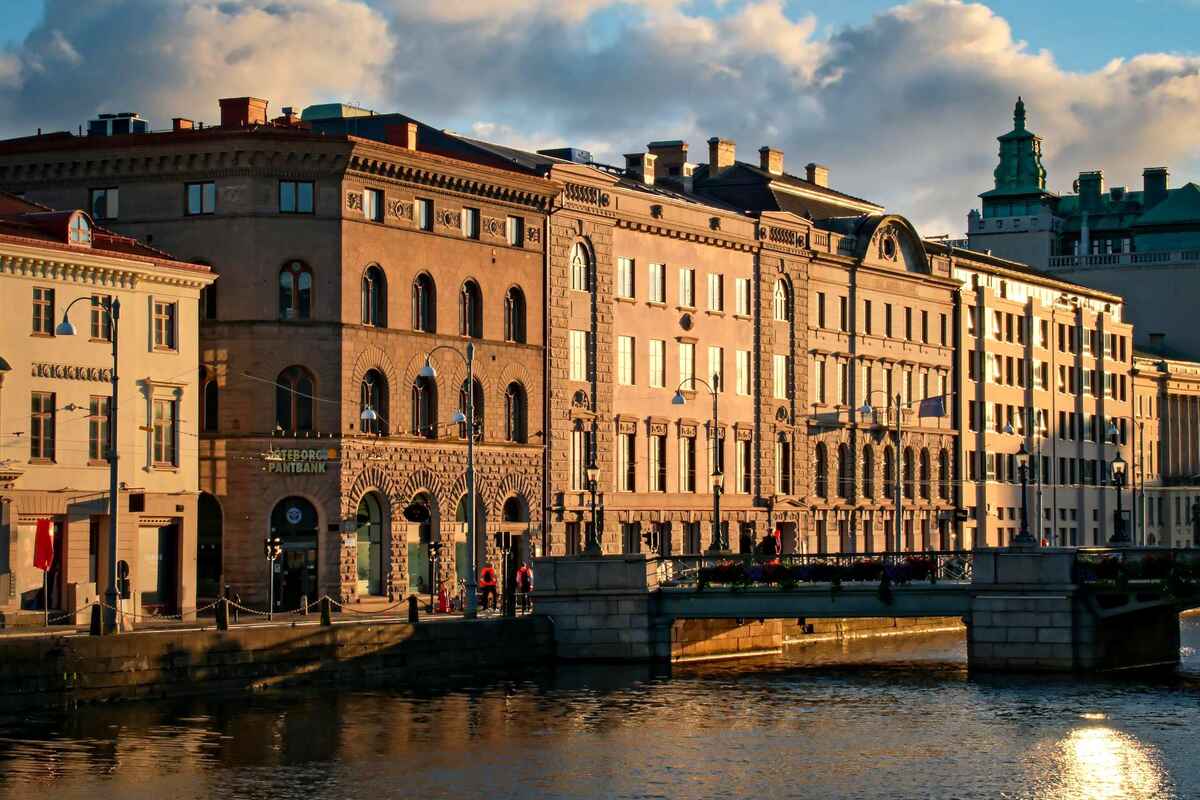
Dutch urban planners were invited to lay out canals and bastions, and their stamp is still visible in the orderly grid around the historic centre. This maritime mandate shaped everything from the shipyards of the 1800s to today’s bustling container port, Scandinavia’s largest.
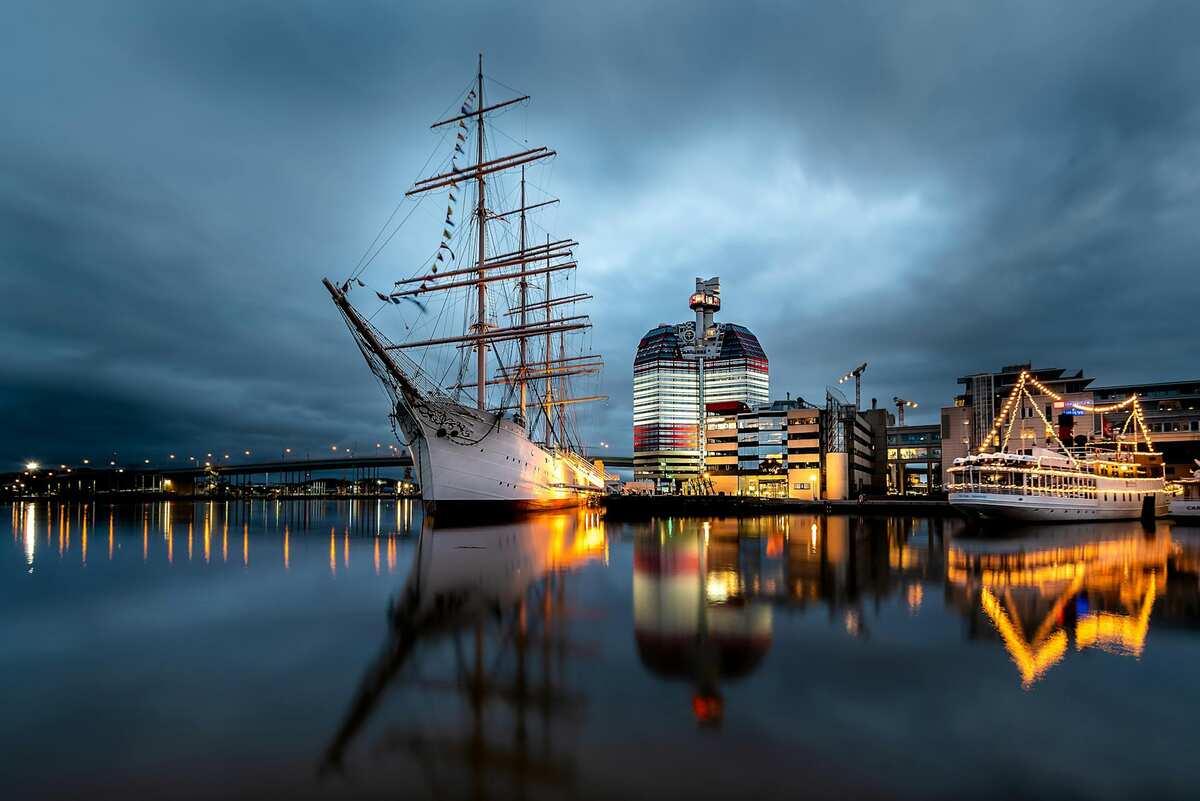
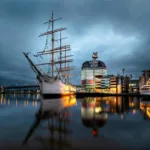
The Swedish East India Company, headquartered in Gothenburg during the 18th century, sent vessels to China and brought back porcelain, tea, and silk that left a lasting cultural imprint. The East Indiaman Götheborg replica, moored occasionally at the city quay, is a floating museum that tells that story.
A visit below deck reveals cramped sleeping quarters and a surprising amount of porcelain ballast, giving a tactile sense of how global trade once worked.
Layered beneath the Hanseatic era is an older narrative of fishing villages and Viking‑era settlements along the Göta älv estuary. Archaeologists have uncovered traces of early medieval trade near modern‑day Lilla Bommen.
While Gothenburg itself was built centuries later, its hinterland was already humming with seaborne exchange. This deep‑water geography made the region a natural choice for a city that would eventually dominate Nordic shipping.
Even a short stroll along Packhuskajen reveals the heritage. Warehouses converted into galleries and offices stand shoulder‑to‑shoulder with functioning cranes.
The Maritiman floating ship museum ties the strands together, letting you clamber through a destroyer, a submarine, and a lights vessel. It is not a dusty exhibit but a salty, hands‑on encounter with the technology that powered Sweden’s westward expansion.
What Is the Best Way to Get to Gothenburg?
The most common entry point is Göteborg Landvetter Airport, located about 25 kilometres east of the city centre. Direct flights connect Gothenburg with major European hubs such as London, Amsterdam, Frankfurt, and Helsinki, while seasonal routes extend the reach to Mediterranean destinations.
From the terminal, the Flygbussarna coach service reaches the central station in roughly 20 to 30 minutes, making the transfer smooth even in winter slush.
For travellers arriving by rail, Gothenburg Central Station is a junction on the Swedish mainline network. High‑speed SJ trains link the city with Stockholm in just over three hours, and with Copenhagen in about four, including the Öresund bridge crossing.
The station itself, a handsome brick building from 1858, places you steps from Nordstan shopping centre and the canal‑side hotels. Luggage lockers and a well‑stocked Pressbyrån kiosk are handy on arrival.
Driving into Gothenburg along the E6 or E20 offers its own pleasures, especially if you loop through the Bohuslän coast with its pink granite and fishing villages. Parking in the inner city is pricey and limited; the smarter strategy is to leave the car at a peripheral garage linked to the tram network.
App‑based parking services and low‑emission zone rules have tightened in recent years, so check current regulations before entering the city core.
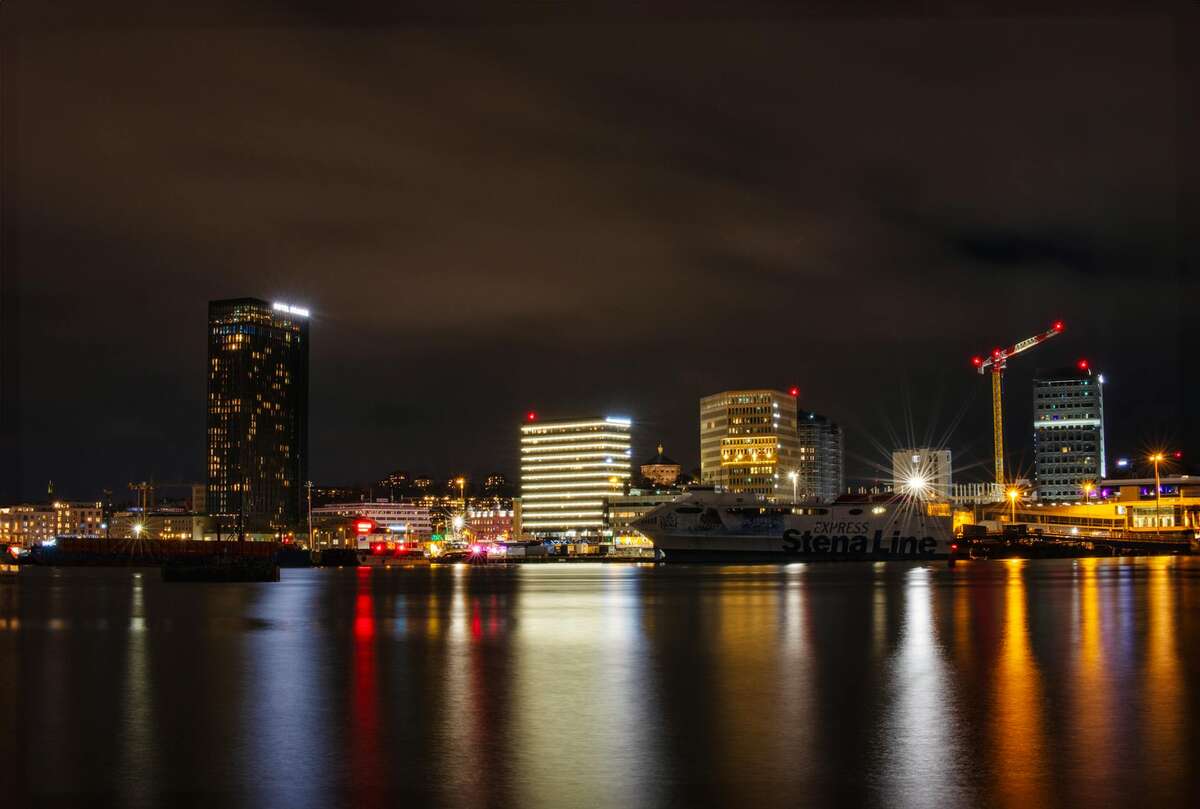
Ferry connections also deserve a mention. Stena Line runs frequent services from Frederikshavn and Kiel, turning Gothenburg into a genuine port of arrival rather than a dot on a rail map.
Sailing into the archipelago at sunrise, with the Älvsborg Fortress sliding past, sets a maritime tone that no airport arrival can match. Whichever route you choose, the city rewards those who arrive ready to walk, ride trams, and keep an eye on the water.
Navigating the City: Trams, Ferries and Walkable Districts
Gothenburg’s tram network is the backbone of local mobility and one of the largest in northern Europe. Blue‑and‑white carriages rattle through the streets from early morning until late at night, covering routes that fan out from the central Brunnsparken hub.
A single ticket purchased via the Västtrafik To Go app covers trams, buses, and even the Älvsnabben ferry, making multi‑modal exploring surprisingly easy.
The city centre itself is highly walkable. The main boulevard, Avenyn, links the Götaplatsen cultural square with the moat‑like canals near the Central Station. From there, neighbourhoods such as Haga, Linné, and Vasastan are reachable on foot within 15 to 20 minutes.
Flat terrain, wide pavements, and a pedestrian‑friendly grid encourage lingering, and you rarely need to consult a map once you orient yourself around the canals.
For a genuine local experience, board the Älvsnabben ferry that connects the north and south banks of the Göta älv. It is included in the same ticket zone and offers a deckside view of the skyline, the shipyards, and the Eriksberg crane, a preserved industrial landmark.
The ride from Stenpiren to Lindholmen takes only a few minutes but delivers a maritime perspective that a bus window can’t match.
Cycling is also well supported, with designated lanes, rental schemes such as Styr & Ställ, and a topography that rarely punishes the thighs. On sunny days, locals cycle to Slottsskogen park or out to the western archipelago ferry terminals.
Public transport operates on an honour system with plain‑clothes inspectors; getting caught without a valid ticket results in a sizeable fine, so don’t be tempted to chance it.
Where to Stay: Gothenburg’s Most Characterful Neighbourhoods
Accommodation choices shape your entire Gothenburg experience. The city offers everything from grand waterfront hotels to compact design‑led boltholes and budget‑friendly hostels.
Which neighbourhood you pick depends on whether you prioritise nightlife, waterside calm, or stepping out of your door straight into cobblestoned history. Understanding the character of each area before you book is worth the extra planning time.
Centrum, the area around the Central Station and Nordstan, suits those who want convenience above all. Chains like Radisson Blu and Clarion sit a short walk from the transport hub, and you can reach the Opera House and the shopping streets within minutes.
The trade‑off is a slightly corporate feel, but for a short business‑meets‑leisure stay it remains the most efficient base.
For atmosphere, Haga and Linnéstadien are hard to beat. Haga’s wooden houses, independent cafés, and antique shops cluster along Haga Nygata, while neighbouring Linné pulses with a younger, trendier energy.
Boutique hotels and cosy B&Bs here put you within strolling distance of Slottsskogen and the botanical gardens. Weekend mornings hum with the smell of kanelbullar wafting from Café Husaren, famous for its giant cinnamon buns.
The waterfront districts of Eriksberg and Lindholmen, across the river, offer a quieter, modern alternative. Converted dock buildings and new‑build residences overlook the Älvsborg Bridge, and the science park area has spawned a cluster of design‑forward hotels.
A quick ferry ride connects you to the city centre, and the sunset views back toward the historic skyline are some of the best in Gothenburg.
| Neighbourhood | Atmosphere | Best For | Typical Price Range (per night) |
|---|---|---|---|
| Centrum | Bustling, convenient | First‑time visitors, short stays | 1,200–2,400 SEK |
| Haga/Linné | Bohemian, historic | Café lovers, boutique shoppers | 900–1,800 SEK |
| Vasastan | Elegant, leafy | Museum trips, classic architecture | 1,000–2,000 SEK |
| Eriksberg | Waterfront, modern | Water views, quiet evenings | 1,100–2,200 SEK |
| Majorna | Down‑to‑earth, green | Budget stays, local life | 700–1,400 SEK |
Gothenburg Archipelago: A Sailor’s Playground at the City’s Doorstep
Few European cities can claim a coastal wilderness as close as the Gothenburg archipelago. The southern islands, reachable by tram 11 to Saltholmen and then by ferry, are car‑free, granite‑clad, and crisscrossed with walking paths.
Brännö, Styrsö, and Vrångö each have their own rhythm: Brännö’s dance pavilion comes alive in summer, while Vrångö offers silence, seabirds, and a nature reserve that feels utterly remote.
The public ferry system runs year‑round with reduced winter schedules, and a single Västtrafik ticket covers the entire journey from the city centre. This democratises island‑hopping in a way that many Mediterranean destinations cannot match.
On a crisp autumn day, you can board a ferry in the morning, hike to a secluded cove, lunch on smoked shrimp, and be back in the city before the restaurants open for dinner.
Further north, the archipelago takes on a wilder character, with smaller islets such as Hönö and Fotö connected by bridges and car ferries. These are working fishing communities where the catch still lands on the quay and the seafood shops are run by the same families who pulled the nets.
A rented bicycle from Hönö Klåva opens up a rugged landscape of heathland, smooth rock slabs, and ice‑cream‑coloured boathouses.
Kayaking is the quietest way to explore the nearer islands, and several outfitters around Saltholmen and Långedrag rent stable sea kayaks by the hour or day. Paddling through sheltered straits with the city’s cranes on the horizon is a unique Gothenburg experience.
Always check wind forecasts, carry a waterproof map, and respect the nesting zones during spring and early summer; the archipelago’s tranquillity is fragile and worth protecting.
Why Is the Gothenburg Food Scene Drawing Global Attention?
Gothenburg has quietly become one of Sweden’s most exciting food cities, driven by a deep‑rooted seafood tradition and a new generation of chefs who champion local ingredients.
The nearby cold‑water fisheries deliver langoustines, mussels, oysters, and an array of whitefish that rarely travel more than a few hours from boat to plate. Restaurants across the city turn this bounty into plates that are both technically precise and refreshingly unpretentious.
The Feskekôrka, a fish market housed in a church‑like building from 1874, remains the symbolic heart of West Coast eating. Inside, fishmongers sell everything from cured salmon to jars of bleak roe, while the on‑site restaurant serves classic fish soup with aïoli and crusty bread.
It is touristy at lunchtime but never feels like a trap; locals still queue for their Saturday prawn sandwiches, known as räksmörgås, a mountain of peeled shrimp piled on buttered bread with egg and dill.
Beyond the obvious landmarks, neighbourhood bistros in Linné and Majorna experiment with fermentation, foraged seaweed, and seasonal vegetables from Västergötland farms.
The Michelin‑starred restaurants, including SK Mat & Människor and Koka, weave Nordic storytelling into tasting menus, yet the city’s more casual venues are equally satisfying.
A no‑reservation counter spot serving fried herring with lingonberry mashed potatoes can feel just as memorable as a 10‑course degustation.
For a truly local experience, time your visit during the late‑summer kräftskiva (crayfish party) season in August. Restaurants and private homes alike drape tables with paper lanterns and serve heaps of dill‑scented crayfish alongside sharp Västerbotten cheese pie. It is loud, messy, and deeply cultural.
If you miss the window, a year‑round alternative is the shellfish platter at a waterside restaurant in Långedrag, where the evening sun drips across the Kattegat while you crack claws.
Scandinavian Design, Vintage Finds and Independent Shops
Gothenburg’s shopping landscape mirrors its personality: design‑conscious but never flashy, steeped in craft yet open to new ideas.
The main commercial artery, Avenyn, houses familiar Swedish brands and department stores such as NK, but the real treasures sit a few blocks away on side streets and in converted warehouses.
Here you find studios of ceramicists, small‑batch clothing labels, and second‑hand boutiques with an eye for mid‑century gems.
The Magasinsgatan and Tredje Långgatan strip in the former warehouse district has evolved into a hub for independent design, vintage, and concept stores.
Artilleriet, an interiors shop, stocks everything from Japanese kitchen knives to hand‑poured candles in a space that feels more gallery than retail. Nearby, Grandpa sells curated fashion and homeware, while the streets around Victoriapassagen hide tiny jewellers and print workshops.
For vintage enthusiasts, the stretch of Haga Nygata and the streets climbing toward Linnégatan reward dedicated browsing. The smell of old wool and leather mingles with coffee from third‑wave espresso bars.
Shops such as Broadway & Sons specialise in workwear and American heritage pieces, while more eclectic curators mix 1970s Swedish glassware with Danish teak furniture. Prices reflect the quality, but bargains still surface on weekday mornings.
The city also embraces sustainable fashion in a way that feels integrated rather than marketing‑led. Several stores run repair workshops, rent party wear, or stock collections made from recycled ocean plastics.
The Röda Korset second‑hand shop on Kungsgatan is a favourite for budget‑conscious visitors hunting for Swedish knitwear and well‑pressed linen. Pay with cash or Swish, and leave room in your suitcase for a unique piece you won’t find elsewhere.
How Does Gothenburg Welcome Families With Children?
Gothenburg is exceptionally well‑prepared for family travel, to a degree that often surprises first‑time visitors. The city’s compact centre, network of green spaces, and child‑centric attractions mean even a short break can pack in plenty without exhausting young legs.
Playgrounds appear around almost every corner, many with imaginative designs that reflect the city’s creative streak.
The indisputable star is Liseberg amusement park, one of Scandinavia’s largest, located a short walk from the city centre. It is not just a collection of rides; the park wraps seasonal events around Halloween, Christmas, and summer concerts that draw all ages.
Toddlers love the rabbit‑themed Kaninlandet area, while thrill‑seekers queue for Helix and Valkyria. Entry does not require a day‑long commitment thanks to flexible evening tickets, and the views from the top of the AtmosFear drop tower are superb.
Next door, Universeum science centre and the Museum of World Culture form a learning cluster that fills rainy days brilliantly. Universeum’s indoor rainforest teems with free‑flying birds and butterflies, while the ocean zone lets children touch starfish and walk through an acrylic shark tunnel.
The adjacent museum offers hands‑on global exhibits with a thoughtful, non‑preachy tone that sparks genuine curiosity rather than dutiful boredom.
Getting around with a stroller is straightforward. Trams have low‑floor boarding, buses kneel at stops, and the ferries have generous deck space.
Cafés and restaurants almost always provide high chairs and a children’s menu, and the Swedish custom of fixed‑price lunch (dagens lunch) makes family dining more affordable. Supermarkets such as Hemköp and Coop are well‑stocked with baby supplies, so there is no pressure to overpack before you travel.
Parks, Forests and Open‑Water Swimming
Green space is woven into Gothenburg’s urban fabric not as an afterthought but as a founding principle.
Slottsskogen, the city’s central park, spans 137 hectares of woodland, lawns, and rocky outcrops. It houses a free zoo with seals, moose, and Gotland ponies, plus a popular café at Villa Belparc where parents sip lattes while children chase ducks at the pond’s edge.
The Botanical Garden, adjacent to Slottsskogen, claims one of Europe’s largest collections and is completely free apart from a small entrance fee to the greenhouse.
Some 16,000 species are cultivated across rock gardens, a Japanese glade, and herbaceous borders that peak in late spring. Even in October, the fiery colour of the maple collection justifies a long, slow walk with a thermos of coffee.
For a more rugged escape, the Änggårdsbergen nature reserve hugs the city’s eastern edge with forest paths, small lakes, and granite slopes popular with boulderers.
Marked trails lead through mixed woodland where you might spot roe deer or hear a black woodpecker hammering high in a dead pine. The area is accessible by tram 2 to Högsbogatan, and within 15 minutes you can be deep in quiet woodland that feels hours from any city.
Open‑water swimming is a proud Gothenburg tradition, and designated bathing spots dot the coast and inland lakes. The wooden piers at Saltholmen and Näset offer deep, clean water and diving boards for the brave.
Water temperatures rarely surpass 20°C even in August, but a brisk dip followed by a warm kanelbulle is a genuine local ritual. Pack a dry‑robe or thick towel, and check water quality signs posted at official bathing sites.
Evening Culture, Live Music and the Bar Scene
Gothenburg’s evening personality is low‑key but surprisingly varied, shaped by a large student population and a deep musical heritage. The city is often called the indie‑pop capital of Sweden, having nurtured artists like José González, Little Dragon, and Ace of Base.
Live venues range from the grand Gothenburg Concert Hall, home to the National Orchestra, to sweaty basement clubs on Andra Långgatan where unsigned bands test new material.
Andra Långgatan itself is the spine of the laid‑back bar scene. This long street near Järntorget packs a dense row of pubs, vegan eateries, and vinyl shops into a few hundred metres.
The atmosphere stays inclusive and largely unpretentious; you are as likely to see grizzled dockworkers as art students. Neighbourhood spots such as Ölrepubliken and The Rover attract real‑ale enthusiasts with rotating taps and bottle lists deep enough to please a hop‑head.
For cocktails with a view, the rooftop bars at the Gothia Towers or the upper floors of the Clarion Hotel Post offer sweeping panoramas of the city and harbour lights. These places lean smart‑casual, and a reservation at sunset is wise, especially on Fridays.
If your taste runs to natural wines and small‑plate dining, the cluster around Linnégatan has welcomed several natural‑wine bars that source from small European vineyards and pair them with house‑made charcuterie.
Nightlife here is not about mega‑clubs. The energy spills between cafés that morph into late‑night bars, jazz sessions at Nefertiti, and occasional techno nights at Röda Sten, an art centre housed in a former boiler house beneath the Älvsborg Bridge.
Public transport runs late on weekends, but a taxi or rideshare for the final hop is affordable enough. The city stays safe after dark, though as anywhere, it pays to keep an eye on your belongings on crowded trams.
Day Trips That Reveal Western Sweden’s Character
Gothenburg’s location makes it an ideal base for day trips into Bohuslän, Halland, and the inland lake district.
A short drive or bus ride north brings you to the rock carvings at Tanum, a UNESCO World Heritage site where Bronze Age figures of ships, animals, and warriors are etched into smooth glacial slabs. Guided tours explain the probable rituals, but wandering alone on a quiet morning is profoundly moving.
The coastal town of Marstrand, about 45 minutes by car or bus, revolves around sailing and the striking Carlsten Fortress.
Built in the 17th century to defend the coast, the fortress offers panoramic views and a faintly eerie dungeon. In summer, the harbour fills with polished wooden yachts and regatta crowds; out of season, you can have the island’s paths almost to yourself. A ferry shuttles from the mainland year‑round.
For a contrasting landscape, head east to the lakes and forests of Västergötland. The Hornborgasjön Nature Reserve is famous for the spring crane migration, when thousands of birds perform their courtship dances.
Even outside migration season, the boardwalks and bird towers provide peaceful wetland rambles. Combine it with a stop at the medieval monastery ruins in Varnhem, where the abbey church and gardens evoke a quieter Sweden.
Another rewarding route follows the coastline south toward the Halland region, known for long sandy beaches and surf‑friendly waves. The town of Varberg, with its fortress and kallbadhus (cold‑bath house), delivers that classic
Swedish mix of bracing sea air and wooden‑decked saunas. Trains from Gothenburg reach Varberg in roughly 40 minutes, making it a completely car‑free day out that ends with a bowl of fish soup and a view.
Gothenburg Through the Seasons: A Month‑by‑Month Overview
Gothenburg shifts its mood dramatically with the calendar, and understanding the seasonal rhythm helps you pick the right window for your trip.
Summer, especially June to August, delivers long daylight, lively outdoor dining, and the archipelago in full swing. It is peak tourist season, but the city rarely feels overrun; the crowds disperse across the islands and parks.
Autumn brings a golden stillness. September and October see the botanical gardens turn deep amber, the restaurants debut game‑based menus, and the cultural calendar kicks into gear with the Göteborg Book Fair and film festival.
Ferry queues shorten, and a crisp seaside walk followed by a seafood stew becomes the day’s quiet luxury. Pack layers; the wind off the Kattegat can be sharp by mid‑October.
Winter in Gothenburg is darker but far from dormant. Liseberg’s Christmas market fills the park with millions of lights, glögg stalls, and ice‑skating.
The city’s cafés lean into hygge with candlelight and cinnamon buns, and hotels offer cosy weekend packages that encourage slow mornings. Snowfall is sporadic, but when it settles, the canal‑side warehouses look like a Nordic fairytale.
Spring unfolds reluctantly but beautifully. By late April the cherry blossoms in the Trädgårdsföreningen park burst into colour, and Swedes emerge ravenous for sunlight.
The first outdoor tables appear, even if blankets are still required. May brings public holidays that animate the city, and the long weekend around Walpurgis Night (Valborg) sees bonfires and choral singing. It is an ideal time for a first visit before the summer rush.
How Many Days Should You Spend in Gothenburg to See It Properly?
A well‑paced trip needs three full days to cover the city core, a couple of neighbourhoods, and one island day.
With that foundation, you can walk Haga, explore the museums around Götaplatsen, eat widely, and still have time for a ferry ride to the southern archipelago. A shorter weekend trip works if you stay central and focus tightly on food, design, and one green space.
Four or five days opens up richer possibilities. You can add a day trip to Marstrand or the Bohuslän coast, devote a morning to the Botanical Garden and Slottsskogen without rushing, and sample both fine‑dining and casual eateries.
The extra time also lets you settle into a neighbourhood rhythm, buying pastries at a local bakery and reading in a park, which is often when the city’s true character surfaces.
For travellers using Gothenburg as a gateway to western Sweden, a week is not excessive. The city functions as a soft‑landing pad before you drive or sail north, and returning for a final night after a coastal road trip feels satisfying.
Long‑stay visitors should consider an apartment rental in Majorna or Linnéstadien, where supermarkets, launderettes, and tram stops make self‑catering easy.
Whatever your length of stay, resist the temptation to over‑schedule. Gothenburg’s pleasures are often cumulative: a sunny bench on the Opera House steps, an unplanned detour into a record shop, a sunset ferry crossing. Leave breathing room in your itinerary, and the city will fill it with small, memorable moments.
Practical Travel Advice for a Smooth Visit
A few practical insights can save you money, time, and minor frustrations. Currency is the Swedish krona (SEK), and the city is overwhelmingly cashless.
Many cafés, buses, and even market stalls accept only cards or the Swish mobile payment system, so carrying a small amount of cash is optional but rarely needed. Visa and Mastercard work everywhere, and ATMs are available if required.
Tipping is not mandatory but appreciated for good service; rounding up the bill or leaving 5–10 per cent in restaurants is common practice. Tap water is safe and delicious, and asking for a glass of kranvatten is perfectly normal.
Supermarkets have generous opening hours, but Systembolaget, the government‑run liquor store, closes by 7 p.m. on weekdays and earlier on Saturdays, so plan your wine purchases accordingly.
Health‑wise, Gothenburg poses few risks. The tap water is excellent, food hygiene standards are high, and emergency care is first‑rate. EU citizens should carry their European Health Insurance Card; visitors from outside Europe need comprehensive travel insurance.
Summer mosquitoes are a minor nuisance near lakes and forests, so a small bottle of repellent is useful if you plan hikes.
Safety is generally high, with a low rate of violent crime. Bicycle theft and pickpocketing in crowded tram stops are the most common concerns, so keep bags zipped and valuables out of back pockets.
The city is inclusive and LGBTQ+‑friendly, and the Pride festival in August draws large, joyful crowds. In winter, pavements can be icy; sturdy footwear with good grip is a sensible inclusion in your packing list.
Conclusion
Gothenburg earns its reputation as a city that balances raw maritime energy with refined Scandinavian design.
It never shouts for attention, but once you sink into its rhythms—the clang of a tram, the scent of cardamom and salt, the endless shifting light over the harbour—you understand why so many travellers come for a weekend and find themselves planning a return before they leave. This is a place where historic docks and modern kitchens exist in easy conversation.
The travel guide above has traced the contours of a city shaped by water, trade, and creative ambition.
You now know where to stay, what to eat, how to move around, and which seasonal window suits your travel style. The recommendations are designed to be practical and flexible, giving you a framework rather than a rigid checklist.
As you plan your trip, remember that Gothenburg’s appeal lies as much in the quiet corners as in the landmark sights.
A morning bakery in Haga, an unexpected art opening in a former factory, a swim off a granite rock—these moments require only curiosity and a willingness to wander. Let the city’s compact scale work in your favour, and don’t be afraid to step off the tram one stop early.
Travel conditions, prices, weather, and entry requirements can shift with little notice, so it is wise to confirm details directly with your airline, accommodation, and official Swedish tourism sources before you depart.
But if you arrive with an open schedule and an appetite for fish, design, and honest northern light, Gothenburg will do the rest.
FAQ
Is Gothenburg a walkable city?
Yes, Gothenburg’s central districts are compact and pedestrian‑friendly. Most major attractions, restaurants, and shopping streets sit within a 20‑minute walking radius. The flat terrain, combined with an efficient tram network for longer distances, makes the city easy to explore on foot.
What is the best time of year to visit Gothenburg?
Late May to early September offers the warmest weather, long daylight hours, and full archipelago ferry schedules. December delivers a festive Christmas atmosphere with Liseberg’s market, while September and October bring mild temperatures, colourful foliage, and fewer tourists.
How many days do you need for Gothenburg?
Three full days allow you to cover the city centre, one neighbourhood, and a day trip to the southern archipelago. With four to five days you can add a coastal excursion and explore at a more relaxed pace without feeling rushed.
Do you need cash in Gothenburg?
In most cases, no. Gothenburg is highly cashless, and card payments are accepted nearly everywhere, including on trams, at market stalls, and in small cafés. It is still practical to carry a small amount of cash for rare exceptions, but a card is sufficient.
Is Gothenburg expensive compared to other Scandinavian cities?
Gothenburg is moderately expensive by European standards but slightly more affordable than Stockholm and Oslo. Daily costs can be managed by choosing lunch specials, using public transport, and staying in neighbourhoods like Majorna where accommodation is often cheaper.
What foods should you try in Gothenburg?
Fresh seafood is essential: try a räksmörgås (shrimp open sandwich), fish soup with aïoli, and locally landed oysters. The giant cinnamon buns at Café Husaren in Haga are also a beloved local classic not to be missed.
How do you get from Gothenburg to the archipelago?
Take tram 11 to Saltholmen, then transfer to a Styrsöbolaget ferry. The same Västtrafik public transport ticket covers both legs, and ferries run year‑round, with more frequent services during summer months.
Do you need to speak Swedish in Gothenburg?
No, English is widely spoken and understood throughout the city. Menus, signs, and public announcements are often available in English, and Swedes are generally comfortable switching to English for international visitors.
Is Gothenburg a good destination for families?
Absolutely. Gothenburg offers Liseberg amusement park, Universeum science centre, many playgrounds, and accessible public transport. Restaurants and cafés routinely welcome children, and the city’s green spaces provide easy opportunities for outdoor family time.
What day trips from Gothenburg are worth considering?
Popular day trips include the car‑free island of Marstrand with its fortress, the UNESCO rock carvings at Tanum, the beaches of Varberg, and the lake region around Hornborgasjön for birdwatching. All are reachable by car or public transport from Gothenburg.

Author: Horeca Health
Horeca Health










Leave a Reply