Activated Charcoal: Introduction
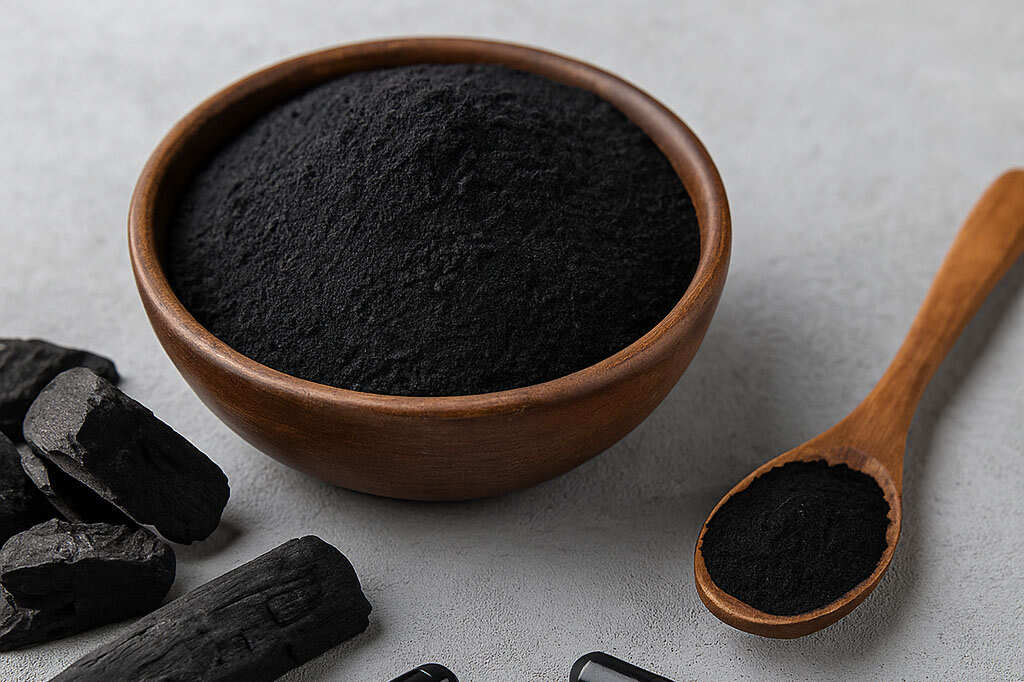
Meet activated charcoal: the ancient remedy that has become a modern superstar in the world of wellness. Often misunderstood, this fine, black powder is much more than simple burnt wood; it is a meticulously engineered, highly porous carbon material famous for its extraordinary ability to trap and bind chemicals.
This powerful mechanism, known as adsorption, is why it is used everywhere from hospitals to water filters. Its capacity to pull impurities makes it a favorite in skincare, dental hygiene, and digestive supplements promoting internal cleansing.
However, the excitement around its detox potential must be balanced with knowledge. While activated charcoal is undeniably potent in acute situations, using it correctly is crucial. Its non-selective binding means it doesn’t distinguish between a toxin and a vital nutrient, impacting your overall health if misused.
In this comprehensive guide, we will move beyond the marketing hype to explore the true science, proven benefits, and, most importantly, the vital precautions you need to know to use this powerful adsorbent safely and effectively.
What Exactly Is Activated Charcoal and How Is It Different from Regular Charcoal?
The journey of activated charcoal begins in a surprising place: as a piece of ordinary carbon-rich material, often wood, peat, coconut shells, or sawdust.
However, the process it undergoes to become “activated” is what transforms it into a powerful substance widely utilized in various fields, from medicine to water filtration.
Activation involves heating the material to extremely high temperatures in an inert atmosphere, followed by exposure to steam or certain chemicals. This crucial step is what differentiates it entirely from the briquettes you might use for a barbecue.
Regular charcoal is a simple byproduct of burning, while the activation process creates an incredibly fine powder with a vast network of internal pores and surface area. Think of it like a sponge that has been perfectly engineered to be the most porous sponge imaginable.
A single gram of this material can have a surface area exceeding 1,000 square meters! This immense surface area is the secret to its efficacy. It’s not absorbed by the body; instead, it works by a process called adsorption, where toxins, chemicals, and gases physically bind to its surface.
This makes it a crucial tool in both emergency medicine and everyday detoxification routines. Understanding this fundamental difference is key to appreciating its role in promoting better health and wellness. The structure is what allows it to trap impurities, making it an invaluable natural purifier.
How Does Activated Charcoal Function as a Powerful Detox Agent in the Body?
When it comes to bodily purification, activated charcoal operates on a unique principle that sets it apart from typical supplements.
It doesn’t chemically neutralize toxins, nor is it digested and metabolized like food. Instead, its extraordinary mechanism relies on a process known as adsorption.
This is where unwanted substances, such as poisons, heavy metals, drugs, or environmental toxins, physically stick to the massive surface area of the porous carbon. Imagine the intestinal tract as a river and the charcoal as a highly specialized net; the net captures the debris as it flows by.
This binding action prevents the toxins from being absorbed by the stomach and intestines into the bloodstream, effectively short-circuiting the route of potential harm.
In clinical settings, it has been a cornerstone treatment for acute poisoning for decades, proving its capability to mitigate severe health risks quickly.
For general wellness, it’s often marketed as a natural way to support liver and kidney function by lessening their toxic load, though this should always be approached with caution and consultation.
The true genius of this carbon material is that once the toxins are bound, the complex of charcoal and toxin passes harmlessly through the digestive system and is eliminated via the stool.
This non-invasive, purely physical action is the core reason why many people integrate this adsorbent into their proactive health regimen, seeking to mitigate the effects of modern environmental exposures.
What Are the Potential Gastrointestinal Benefits of Using This Carbon Compound?
Beyond its well-known role in emergency poisoning scenarios, this simple carbon compound has garnered attention for its potential to alleviate common gastrointestinal discomforts. Many users turn to it specifically to address issues related to gas and bloating.
The high porosity and expansive surface area of activated charcoal allow it to effectively bind gases that are produced during the digestive process, particularly those stemming from fermentation of certain foods in the gut.
By physically trapping these gases, it can help reduce the feeling of distention and uncomfortable pressure in the abdomen, leading to a noticeable improvement in digestive comfort.
This application is rooted in the same adsorption science that makes it effective against toxins; it’s simply targeting different, albeit smaller, molecules.
For those struggling with irritable bowel syndrome (IBS) symptoms where excessive gas is a common complaint, incorporating a small, occasional dose might offer a simple, non-pharmaceutical avenue for relief.
Furthermore, some proponents suggest that by binding to gut irritants or poorly digested food components, it aids in maintaining a healthier gut environment.
However, it’s vital to remember that while it can trap problematic substances, it can also inadvertently bind to essential nutrients and medications, necessitating careful timing of its ingestion.
Always prioritize your overall health and consult a medical professional before using it regularly for chronic digestive issues, ensuring that the symptom management doesn’t mask a more serious underlying condition. The key is its physical action, making it a targeted solution for occasional discomfort.
How Can This Super-Adsorbent Substance Be Used in Skincare and Oral Hygiene?
The purifying properties of this incredibly porous material are not limited to internal use; they extend powerfully into the realm of external beauty and personal care.
Activated charcoal has become a ubiquitous ingredient in modern skincare and oral hygiene products, primarily celebrated for its deep-cleansing and detoxifying capabilities.
In facial masks and cleansers, the charcoal acts like a magnet, drawing out microparticles of dirt, oil, and environmental pollutants that have become lodged deep within the skin’s pores.
For those with oily or acne-prone skin, this ability to deeply cleanse and reduce sebum can translate into fewer breakouts and a clearer complexion.
The fine, abrasive texture also provides a gentle, yet effective exfoliation, leaving the skin feeling smooth and refreshed. Similarly, its application in oral health, particularly in toothpastes, capitalizes on its natural adsorptive strength. It’s often promoted for its natural whitening effect.
The rationale is that the material can bind to and lift surface stains, such as those caused by coffee, tea, or red wine, from the enamel. While the science supports its stain-removing potential, users must ensure the product they use is finely milled to prevent excessive abrasion to the teeth and gums.
In both skin and dental care, the goal is the same: to utilize the exceptional surface area of the activated charcoal to literally pull impurities away from the surface, providing a natural, albeit powerful, method for achieving a cleaner and healthier appearance.
What Are the Primary Medical Uses of Activated Charcoal in Emergency Settings?
The most critical and scientifically validated application of activated charcoal remains its use in the emergency medical treatment of acute poisoning and overdose.
For decades, emergency room physicians and toxicologists have relied on this fine black powder as a frontline intervention to manage the ingestion of certain harmful substances.
When administered rapidly after the poisoning event, typically within the first hour, the activated charcoal can significantly reduce the absorption of the toxic agent from the gastrointestinal tract into the bloodstream.
This rapid intervention can be life-saving because it prevents the toxin from reaching target organs where it could cause irreversible damage. The efficacy, however, is highly dependent on the type of poison ingested, as some substances, such as alcohol, corrosives, or iron tablets, are not well-bound by it.
Due to its potent, non-selective binding properties, healthcare providers must carefully assess the situation. The dosage is typically quite large to ensure maximal surface area is available to adsorb the poison.
While its use has evolved, and it is no longer universally applied in every poisoning case, it remains a vital tool in the medical arsenal, especially when dealing with overdoses of prescription or over-the-counter medications.
This specific use case underscores its powerful adsorbent nature, a critical factor for protecting the patient’s immediate health in dire circumstances. The swift action it facilitates is often the difference between a good and poor outcome in toxicology.
Is Activated Charcoal Effective in Filtering Water and Air Impurities?
Beyond its applications in health and medicine, activated charcoal is perhaps most widely used and appreciated for its exceptional filtering capabilities in both water and air purification systems.
This application harnesses the same powerful adsorption mechanism. In water filters, often found in household pitchers and municipal treatment facilities, the carbon material is highly effective at removing chlorine, sediment, volatile organic compounds (VOCs), and other contaminants that can affect the taste, odor, and overall safety of drinking water.
It works by attracting and trapping these dissolved organic impurities onto its surface, leading to cleaner, better-tasting water.
It’s important to note, however, that while it is excellent at removing many organic pollutants, activated charcoal is generally ineffective at removing inorganic compounds, such as sodium, nitrates, fluoride, and common microorganisms; specialized filters are required for these.
In air purification, the carbon filters are critical components in HVAC systems, gas masks, and industrial ventilation. Here, the large surface area effectively captures airborne chemicals, odors, and noxious fumes, improving air quality significantly.
This dual function as an environmental purifier highlights the versatile power of this simple carbon matrix, making it an indispensable element in maintaining both personal and environmental health. Its ability to passively clean and detoxify media makes it a silent guardian of our everyday well-being.
Why Must Activated Charcoal Be Timed Carefully When Taking Medications?
One of the most crucial considerations when integrating activated charcoal into a routine is its potential to interact with and reduce the efficacy of prescription medications and essential supplements.
Because its primary function is to non-selectively adsorb substances in the gastrointestinal tract, it will not only bind toxins but also the active compounds found in many drugs.
If activated charcoal is taken too close in time to oral medications, it can significantly lower the amount of the drug that is absorbed into the bloodstream.
For time-sensitive or life-saving medications, such as heart medications, thyroid hormones, or birth control pills, this interference can have serious consequences for a person’s health and therapeutic outcome.
Therefore, experts strongly recommend a substantial time gap between taking charcoal and any other ingested substances. A general rule of thumb is to allow a minimum separation of two hours, both before and after, to minimize the risk of interaction.
This careful timing ensures that the medication has sufficient time to be absorbed by the body before the charcoal can enter the system and bind to it.
This caution is paramount, and it transforms the adsorbent from a simple supplement into a substance that requires mindful use, always prioritizing the consistent and effective absorption of necessary pharmaceutical treatments over a general detoxifying effect. Understanding this interaction is key to responsible self-care.
Is There Scientific Evidence to Support Daily Use of Activated Charcoal for “Detox”?
The modern wellness industry heavily promotes activated charcoal for daily “detox” regimens, suggesting it can combat the chronic effects of environmental and dietary toxins.
However, a crucial look at the scientific literature reveals a significant gap between marketing claims and established medical evidence regarding its long-term, routine use.
While the compound is proven and essential in acute poisoning—a rapid, single-dose intervention—there is limited high-quality research to support the idea that chronic, low-dose ingestion offers tangible health benefits for the general, non-poisoned population.
The body’s natural detoxification systems, primarily the liver and kidneys, are highly efficient, and the need for daily external aid is debatable for a healthy individual.
Furthermore, the non-selective nature of activated charcoal poses a risk with daily use; it can bind to and deplete essential vitamins, minerals, and phytonutrients over time, potentially leading to nutritional deficiencies.
It can also cause or exacerbate constipation, another important side effect to consider. Consumers should approach daily detox claims with skepticism.
Instead of relying on a supplement for daily cleansing, prioritizing a balanced diet rich in whole foods, adequate hydration, and a healthy lifestyle provides a much more robust and scientifically supported path to maintaining optimal physical well-being.
This distinction between life-saving use and unproven daily supplementation is critical for informed consumer choices.
What Are the Contraindications and Potential Side Effects of Activated Charcoal?
Despite its natural origin and widespread availability, activated charcoal is not without its risks, and there are specific scenarios where its use is contraindicated or requires extreme caution.
The most immediate and common side effect is gastrointestinal in nature, including constipation and, less frequently, diarrhea. More seriously, activated charcoal should never be given to an individual who is unconscious or has a compromised airway, as the risk of aspiration into the lungs is high.
If aspirated, it can lead to a severe form of pneumonia that can be life-threatening. Furthermore, it is generally ineffective, and potentially harmful, in cases involving the ingestion of corrosive agents, like strong acids or alkalis, or petroleum products, as it does not bind to them and can worsen the situation.
It is also important to note that its distinctive black color can mask the color of internal bleeding or other important diagnostic signs in the stool. Anyone with a pre-existing medical condition that involves slow peristalsis, such as paralytic ileus, should avoid its use, as it increases the risk of impaction.
Always seek professional guidance before using it, especially for children or in combination with existing medical conditions. Prioritizing patient safety and knowing when to avoid this adsorbent are fundamental aspects of good health practice. Its use, while generally safe when indicated, requires informed discretion.
How Does This Adsorbent Substance Interact with Vitamins and Essential Nutrients?
The indiscriminate binding capacity of this highly porous adsorbent is a double-edged sword: while it is effective at trapping unwanted toxins, it presents a challenge regarding the absorption of essential vitamins and crucial micronutrients.
The massive surface area of activated charcoal is unable to distinguish between a harmful chemical and a beneficial molecule of Vitamin C or a B-complex vitamin.
Consequently, if taken near mealtime or alongside supplements, activated charcoal can effectively bind to and carry these vital nutrients out of the body before they have a chance to be absorbed into the systemic circulation.
This non-selective binding raises concerns for individuals who use it regularly or frequently, as it can potentially lead to nutrient depletion over time, inadvertently compromising long-term health and nutritional status.
For instance, the binding of fat-soluble vitamins (A, D, E, K) is a particular concern, as these are critical for immune function, bone health, and coagulation.
This is why nutritional experts often caution against using it as a daily supplement unless under strict guidance, and why the recommendation to take it far apart from food and supplements is so critical.
A person seeking improved well-being through diet and supplements should be fully aware that introducing this potent adsorber requires a strategic approach to ensure that the pursuit of detoxification does not undermine the foundational goal of optimal nutrition.
Can Activated Charcoal Be Used for Hangovers and Alcohol Detoxification?
The idea of using activated charcoal to quickly mitigate the unpleasant effects of a night of heavy drinking is a popular concept in the wellness sphere, but the science behind this application is largely unfavorable.
While it is an excellent binder for many substances, the reality is that activated charcoal is very poor at binding to alcohol (ethanol).
Alcohol molecules are small and are very rapidly absorbed from the stomach and small intestine into the bloodstream, a process that usually begins immediately upon ingestion.
By the time a person might think to take activated charcoal for a hangover—which is typically hours after drinking has stopped—the vast majority of the alcohol is already systemically absorbed and is being metabolized by the liver.
At this point, the charcoal can do little to impact the blood alcohol concentration or the subsequent hangover symptoms. Furthermore, the adsorbent is also ineffective at binding to many of the byproducts of alcohol metabolism that contribute to hangover symptoms.
For this reason, emergency medical services do not use it to treat alcohol poisoning alone. Relying on it for a hangover is not only medically futile but can also lead to a false sense of security regarding alcohol consumption.
The best and only scientifically proven strategy for maintaining good health and avoiding a hangover remains responsible, moderate consumption or abstinence.
How Should This Purification Agent Be Stored and Properly Dosed for General Use?
Proper handling, storage, and correct dosage are essential for maximizing the benefits of this purification agent while minimizing potential risks associated with its use.
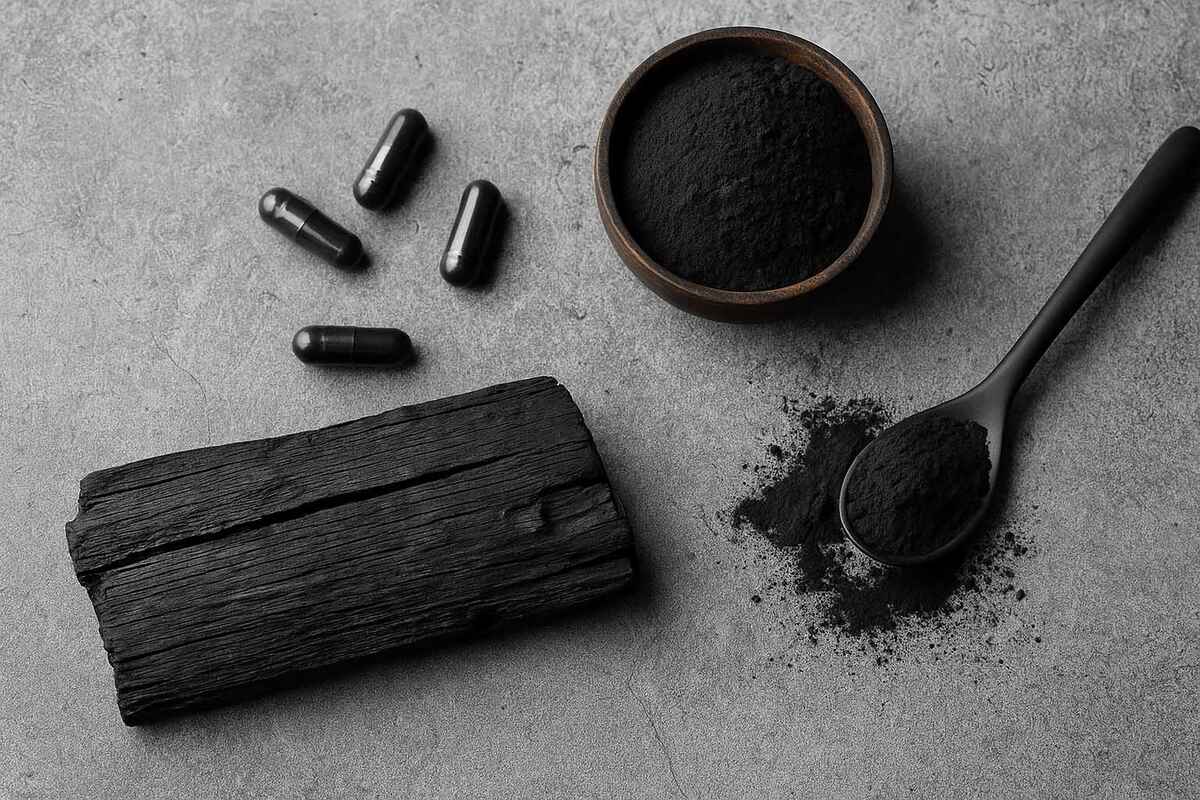
Activated charcoal is most commonly available as a fine black powder, which can be messy to handle, or in the more convenient form of capsules or tablets.
The powder should always be stored in an airtight container in a cool, dry place, as its highly porous nature means it can easily adsorb moisture and odors from the surrounding environment, reducing its potency and effectiveness over time.
For general, non-emergency use—such as relieving occasional gas and bloating—the appropriate dosage is significantly smaller than the massive doses used in a hospital setting for acute poisoning.
A typical dosage for digestive discomfort ranges from 500 mg to 1 gram, taken with a full glass of water. It is crucial to always drink sufficient water when taking activated charcoal to ensure it moves effectively through the gastrointestinal tract and to prevent the common side effect of constipation.
Never exceed the recommended dosage on the product label and always discontinue use if severe abdominal discomfort occurs.
Taking this approach ensures that the use of the adsorbent remains a beneficial support for digestive health rather than a source of potential complication, upholding the principle that responsible usage is paramount to wellness.
Conclusion
In summing up our deep dive into activated charcoal, we affirm its status as a remarkably powerful substance.
Its foundational strength lies in the adsorption mechanism, which proves indispensable across critical medical use, environmental purification, and occasional support for digestive comfort. The science confirms that its ability to bind toxins is real and valuable.
However, the key message remains clear: informed use is essential. Due to its potent, non-selective nature, activated charcoal requires responsible timing to protect your medications and vital nutrients.
Relying on it for chronic daily detox is often unnecessary and can compromise your nutritional health. By understanding the distinction between its life-saving applications and its role as an occasional wellness aid, you can harness the benefits of this adsorbent safely and effectively.
Respect its power, heed the precautions, and make informed choices for your long-term well-being.
FAQ
Activated charcoal is fundamentally different from the charcoal used for grilling. While regular charcoal is simply a product of burning, activated charcoal undergoes a special high-heat process called “activation.” This creates millions of microscopic pores, giving it an immense surface area that is highly effective for trapping (adsorbing) toxins and impurities.
It works through adsorption. This means toxins, chemicals, and gases physically stick to the porous surface of the activated charcoal as it passes through the gastrointestinal tract. It is not absorbed by the body; instead, the charcoal-toxin complex is eliminated harmlessly via stool.
No, routine daily use of activated charcoal is generally not recommended unless specifically advised by a healthcare professional. Its non-selective nature means it can bind to and deplete essential vitamins, minerals, and healthy fats over time, potentially leading to nutritional deficiencies.
You must time the ingestion very carefully. To prevent activated charcoal from binding to and reducing the effectiveness of your prescription medications or supplements, experts recommend allowing a minimum separation of two hours both before and after taking other oral substances.
Yes, this is one of the more common and supported non-emergency uses. The high surface area of activated charcoal can effectively adsorb intestinal gas and compounds that cause bloating and flatulence, providing relief from occasional digestive discomfort.
No. Activated charcoal is generally ineffective at binding to alcohol (ethanol) once it’s in your system, and it cannot reverse the effects of alcohol already absorbed into the bloodstream. It should never be relied upon to treat alcohol poisoning.
The most common side effect is gastrointestinal, primarily constipation. It will also cause the stool to turn black. Always ensure you drink plenty of water when taking activated charcoal to help prevent intestinal issues.
In these products, activated charcoal acts as a purifying agent. In toothpaste, it binds to surface stains for a whitening effect. In masks and cleansers, it draws dirt, oil, and environmental pollutants out of the skin’s pores, aiding in deep cleansing.
No. Activated charcoal should be avoided by anyone with a history of slow gut motility or a condition like paralytic ileus (intestinal blockage), as it can potentially worsen the obstruction. Always consult a doctor if you have digestive issues.
While the material itself doesn’t technically expire, it can become less effective if improperly stored. Activated charcoal should be stored in an airtight container in a cool, dry place, as it can adsorb moisture and odors from the air, which reduces its potency.

Author: Horeca Health
Horeca Health
DISCLAIMER
All content provided on this website is for informational purposes only and should not be considered a substitute for professional advice, diagnosis, or treatment. Always consult qualified healthcare professionals regarding any questions or concerns you may have about your health or any medical condition.




















Leave a Reply