Health benefits of cinnamon: Introduction
Health benefits of cinnamon: The fragrant, warming spice we know as cinnamon is more than just a delightful addition to baked goods, a steaming cup of coffee, or a savory curry.
For thousands of years, this versatile bark, harvested from the Cinnamomum tree, has been revered not only for its distinct flavor but also for its profound medicinal properties.
From ancient Egyptian embalming practices to traditional Ayurvedic and Chinese remedies, the secret to cinnamon’s power lies within its essential oils, rich in beneficial compounds like cinnamaldehyde.
In the modern world, as we search for natural, accessible ways to support our wellness, the scientific community has turned its attention to validating the long-held beliefs about this popular pantry staple.
The results are compelling: research continues to uncover a stunning array of advantages, cementing cinnamon’s reputation as a true super-spice.
Whether you are seeking to maintain steady energy levels, bolster your immunity, protect your heart, or sharpen your mind, the everyday benefits of adding a dash of this potent powder to your routine are truly transformative.
Get ready to explore the hidden power in your spice rack. We’ve compiled 12 evidence-based ways this humble spice can dramatically upgrade your health. Dive into the comprehensive list of the health benefits of cinnamon and learn how to harness its age-old wisdom for a vibrant, healthier you.
Can the health benefits of cinnamon significantly aid in maintaining healthy blood sugar levels?
The ancient and highly valued spice, cinnamon, has been utilized for centuries, not just to enhance flavor but also for its remarkable medicinal properties, particularly its ability to help regulate blood glucose.
Numerous studies suggest that the potent compounds found within this aromatic bark can significantly improve insulin sensitivity, essentially making the hormone more efficient at transporting sugar from the bloodstream to the cells.
This specific action is one of the most celebrated health benefits of cinnamon, offering a natural avenue for managing one of the key factors in metabolic well-being.
By mimicking insulin at a cellular level, or increasing the cells’ responsiveness to it, cinnamon contributes profoundly to overall metabolic health. This is particularly vital in the contemporary world, where diet-related blood sugar imbalances are widespread.
Incorporating a small amount of this powerful spice into your daily routine—perhaps sprinkled on your morning oatmeal or stirred into your coffee—can be a surprisingly simple, yet effective, step toward supporting your body’s glucose control mechanisms.
However, it’s crucial to remember that while this fragrant addition is an excellent complement to a balanced diet and active lifestyle, it should not replace prescribed medications for diabetes without consulting a health professional.
The potential for the regular consumption of cinnamon to positively affect these critical metabolic markers highlights why it remains a topic of intense scientific interest and a staple in traditional remedies for enhancing general health.
What health benefits of cinnamon stem from its high antioxidant content?
One of the most impressive aspects of cinnamon is its extraordinary concentration of powerful antioxidants, primarily polyphenols, which are vital for defending the body against internal and external stressors.
These compounds are responsible for a significant portion of the observed health benefits of cinnamon, as they actively combat oxidative stress caused by free radicals—unstable molecules that can damage cells and contribute to chronic disease.
In fact, research indicates that this aromatic spice often ranks among the highest in antioxidant content when compared to many other common spices, showcasing its exceptional capacity for cellular protection.
By neutralizing these damaging free radicals, cinnamon plays a crucial role in promoting cellular longevity and maintaining robust overall health.
This protective action is not merely theoretical; it has tangible effects across various bodily systems, helping to slow down the aging process and reducing the risk of numerous health challenges associated with prolonged cellular damage.
For those looking to bolster their body’s internal defenses, integrating more antioxidant-rich foods is a key strategy, and cinnamon provides a potent, natural, and delicious way to achieve this.
The simple act of adding this warming spice to your diet contributes a substantial boost to your antioxidant intake, underscoring its value as more than just a culinary ingredient, but a genuine health powerhouse.
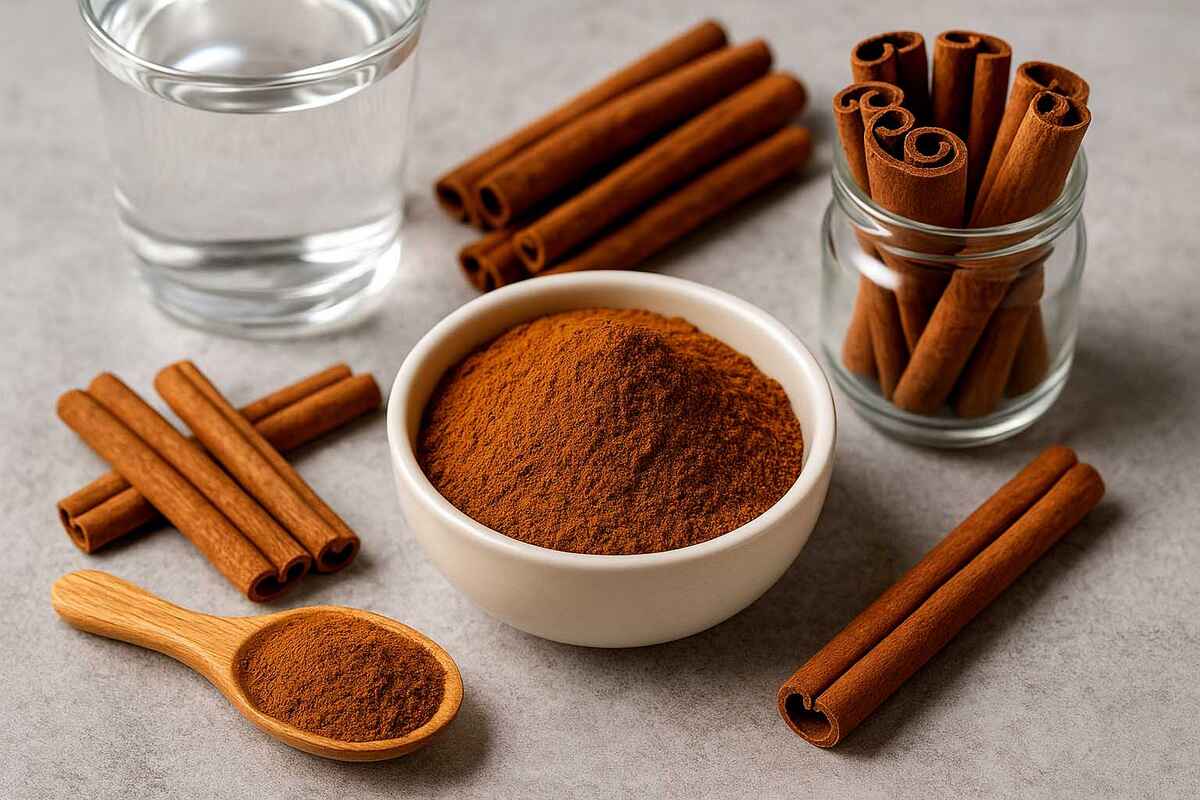
How do the health benefits of cinnamon contribute to improved cardiovascular function?
The impact of cinnamon on heart health is a key area of interest, largely due to its multifaceted ability to positively influence various risk factors for cardiovascular disease.
Among the principal health benefits of cinnamon is its potential to improve blood lipid profiles, particularly by helping to reduce levels of total cholesterol, ‘bad’ LDL cholesterol, and triglycerides, which are all important markers for heart health.
By moderating these factors, cinnamon can contribute to maintaining the flexibility and openness of arteries, thereby supporting healthy blood flow and reducing the overall strain on the heart.
Furthermore, its well-documented effects on blood sugar regulation are indirectly beneficial for cardiovascular health, as high blood glucose is closely linked to arterial damage and heart complications.
The spice’s ability to lower blood pressure, even subtly, in some individuals, adds another layer to its cardioprotective profile. This collective influence on lipids, glucose, and blood pressure means that incorporating cinnamon into a heart-conscious diet is a smart move.
When aiming for optimal vascular health, simple dietary changes can make a noticeable difference, and utilizing the properties of this ancient spice is an accessible and effective strategy for anyone prioritizing a strong and enduring heart.
Is it true that the health benefits of cinnamon include powerful anti-inflammatory effects?
Chronic inflammation is now recognized as a root cause of many long-term illnesses, and addressing it naturally is a major focus of preventative health. It is indeed true that the health benefits of cinnamon are substantially driven by its potent anti-inflammatory properties.
The active compounds in the spice, particularly cinnamaldehyde, have been shown in various studies to help the body combat systemic inflammation by inhibiting the release of certain inflammatory markers.
This ability to soothe and temper the body’s inflammatory response is critically important for maintaining long-term health and reducing discomfort associated with inflammatory conditions.
Unlike acute inflammation, which is the body’s necessary immediate response to injury, chronic, low-grade inflammation quietly damages tissues over time. Therefore, finding natural dietary ways to keep it in check, such as regular consumption of cinnamon, is highly beneficial.
By supporting the body’s natural defense and repair mechanisms, cinnamon acts as a gentle yet effective internal balancer.
Adding this readily available spice to your meals is a simple, proactive way to harness a potent natural ingredient in the ongoing pursuit of robust health, making it a valuable ally in your daily wellness regimen.
How do the health benefits of cinnamon support and strengthen the immune system?
The role of cinnamon in bolstering the immune system is a well-established traditional use that is increasingly supported by modern science. Among the key health benefits of cinnamon is its remarkable capacity to support the body’s natural defenses against pathogens.
This is primarily attributed to its high concentration of antioxidants and its known antimicrobial properties, which create a less hospitable environment for harmful invaders.
The compounds found in cinnamon work to reduce oxidative stress—a factor that can significantly weaken the immune response—thereby allowing the immune system to function more efficiently.
Moreover, its anti-inflammatory effects contribute to overall immune health, as chronic inflammation can divert energy and resources from the immune system’s primary job of fighting infection.
By incorporating cinnamon into your diet, you are not just adding flavor; you are providing your body with a natural immune-supportive agent that helps maintain balance and resilience.
This simple dietary addition can be a cornerstone of a proactive approach to health, especially during times when the body is more susceptible to seasonal ailments, helping you stay strong and resilient throughout the year.
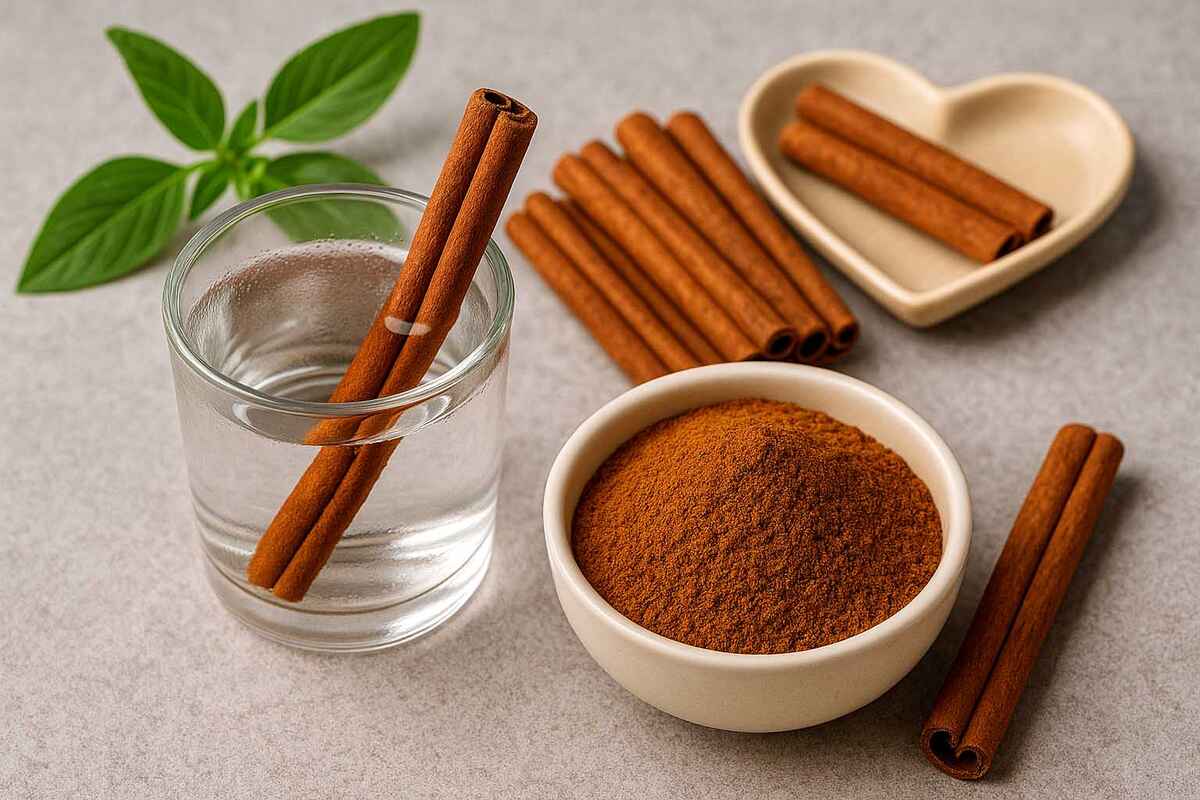
What health benefits of cinnamon have been observed in the realm of brain health and cognitive function?
The emerging evidence regarding the neuroprotective qualities of cinnamon is a particularly exciting development among the known health benefits of cinnamon.
Research suggests that compounds within the spice, such as cinnamaldehyde, may have a tangible impact on safeguarding the brain against damage and supporting optimal cognitive performance.
Specifically, cinnamon has shown potential in inhibiting the buildup of certain proteins associated with neurodegenerative diseases, such as the tau protein, which is a hallmark of Alzheimer’s.
This protective action is linked to its potent anti-inflammatory and antioxidant activities, which shield delicate brain cells from oxidative stress and chronic inflammation—two major contributors to cognitive decline.
Furthermore, the consumption of cinnamon may help improve overall brain function by normalizing neurotransmitter levels and enhancing the brain’s ability to utilize glucose, its primary fuel source, which is critical for concentration and memory.
For those focused on lifelong brain health, making this aromatic addition a regular part of your diet provides an enjoyable and natural way to nourish and protect your most vital organ, underscoring the deep and pervasive influence this single spice can have on human health.
Can the health benefits of cinnamon assist in effective weight management and metabolic health?
For individuals aiming to maintain a healthy weight, the health benefits of cinnamon extend beyond just flavor. Its role in effective weight management is closely tied to its impact on metabolic functions, specifically its ability to regulate blood sugar and enhance insulin sensitivity.
When blood sugar is stabilized, it can help minimize the sharp spikes and drops that often trigger intense food cravings and overeating, particularly for sugary items.
Furthermore, by improving the body’s response to insulin, cinnamon helps cells efficiently absorb glucose for energy rather than storing it as fat, which is a key process for maintaining a lean physique and optimal metabolic health.
Some studies also hint that certain compounds in cinnamon may interact with fat cells to encourage the body to burn more energy, although more research is needed in this area. Regardless, its capacity to contribute to glucose homeostasis makes it a valuable dietary tool.
Sprinkling cinnamon on high-carb foods like fruit or toast can help mitigate the immediate glycemic impact, turning a simple spice into a practical and delicious strategy for supporting both your diet and long-term health goals.
What are the reported health benefits of cinnamon regarding its natural antimicrobial and antifungal properties?
The historical use of cinnamon as a natural preservative and remedy points directly to one of the most powerful health benefits of cinnamon: its significant antimicrobial and antifungal capabilities.
The essential oils derived from this spice, particularly the compound cinnamaldehyde, have been shown to be highly effective at fighting a broad spectrum of harmful microorganisms.
This potent natural defense mechanism allows cinnamon to inhibit the growth of various bacteria, as well as combat certain types of fungi and yeasts, including the common Candida species.
In an era where concerns about antibiotic resistance are growing, finding natural agents that can support the body’s fight against pathogens is a major win for public health.
Incorporating cinnamon into your diet, or even utilizing its essential oil (safely and appropriately), can provide a simple yet powerful way to support a balanced internal environment and protect against certain infections.
The continuous consumption of cinnamon therefore provides an internal cleanse of sorts, reinforcing your body’s innate ability to ward off unwelcome microscopic guests. This unique protective quality solidifies cinnamon’s reputation as a multifaceted spice dedicated to enhancing overall health.

How does this popular spice contribute to a healthier digestive system?
A less-discussed but equally important aspect of the health benefits of cinnamon involves its positive effects on the digestive system.
Traditionally, cinnamon has been used as a carminative, a substance that helps relieve gas and abdominal discomfort, demonstrating its long-recognized capacity to soothe the gut.
Modern understanding confirms that its properties can contribute to smoother and more efficient digestion in several ways.
The spice can help stimulate digestive enzymes, which are necessary for the proper breakdown and absorption of nutrients, ensuring your body gets the full health value from the food you eat.
Furthermore, its antimicrobial action, as previously noted, plays a role in balancing the gut microbiome by helping to keep harmful bacteria and fungi in check, which is fundamental to maintaining a thriving digestive health environment.
A healthy gut is increasingly viewed as the foundation of overall wellness, influencing everything from immunity to mood.
Using cinnamon regularly, whether in beverages or meals, is an easy, flavorful, and time-tested method to support gastrointestinal comfort and regularity, showcasing its profound reach across multiple bodily systems for comprehensive health improvement.
Can cinnamaldehyde, the active compound, offer protection against cell damage and disease?
Focusing on the primary compound, can the protective properties of cinnamaldehyde shield cells from long-term damage and help prevent chronic diseases? The answer lies in the compound’s potent antioxidant and anti-inflammatory characteristics.
Cinnamaldehyde, which gives cinnamon its distinctive aroma and flavor, is a major contributor to the spice’s vast therapeutic potential, driving many of its crucial health effects.
Its mechanism involves directly scavenging free radicals, thereby preventing the oxidative stress that leads to cell degradation and is a precursor to many age-related and chronic conditions.
By mitigating this damage, cinnamaldehyde supports the integrity of cellular structures and DNA, which is vital for maintaining robust biological function throughout life. Moreover, its anti-inflammatory action helps reduce the body’s overall inflammatory burden, another critical factor in disease development.
This powerful synergy between neutralizing oxidants and calming inflammation means that this natural chemical found in cinnamon offers a strong, proactive defense for long-term health.
Regular intake of the whole spice is the best way to leverage the full, complex benefit of cinnamaldehyde and the complete spectrum of beneficial compounds working together.
What are the beauty and health implications of using this aromatic bark for skin and hair health?
Beyond internal consumption, what are the external health benefits of using cinnamon on the skin and hair? This aromatic bark offers some surprising aesthetic and dermatological health implications, often utilized in traditional and natural beauty regimens.
Due to its potent antimicrobial properties, cinnamon can be a useful natural ingredient in addressing skin issues like acne, which is often caused by bacteria.
When applied topically (and always diluted to prevent irritation), it can help cleanse the skin and soothe certain types of redness and inflammation, promoting a clearer complexion and overall skin health.
Furthermore, the spice’s ability to stimulate blood circulation when used in a scrub or mask can bring a temporary glow to the skin by encouraging blood flow to the surface.
For hair health, the same circulation-boosting effects can be beneficial for the scalp, potentially encouraging stronger, healthier-looking hair growth from the root.
While it is important to always use cinnamon essential oil or powder with caution due to its potency, its incorporation into homemade beauty treatments underscores its versatility. This single spice truly supports health and wellness from the inside out, extending its valuable properties to outer beauty as well.
Can the compounds in cinnamomum verum offer any protection against neurological decline?
The specific health benefits of Cinnamomum verum, often called Ceylon or “true cinnamon,” in protecting against neurological decline are an exciting area of emerging study.
The unique blend of antioxidant and anti-inflammatory compounds found in this particular variety appears to offer a targeted defense for the brain and nervous system.
Studies suggest that the active components can cross the blood-brain barrier, allowing them to exert their protective effects directly where they are needed most.
By reducing oxidative stress and inflammation within the brain, cinnamon helps safeguard delicate neurons from the damage that underlies many age-related cognitive issues.
Furthermore, the spice’s potential to inhibit the aggregation of specific toxic protein plaques—like those implicated in Alzheimer’s and Parkinson’s diseases—highlights its promise as a natural neuroprotective agent.
While this is not a cure, incorporating this potent spice into a daily regimen contributes to a comprehensive strategy for maintaining long-term neurological health.
The idea that a common, flavorful spice could play a role in supporting the complex processes of the brain reinforces the profound connection between diet and lifelong cognitive function, encouraging a closer look at the nutritional power of cinnamon.
Is it safe to consume cinnamon daily, and are there any side effects to be cautious of?
While the potential health benefits of cinnamon are abundant and the spice is generally safe for consumption, prudence is necessary, particularly when incorporating it into your daily routine in large amounts.
The primary concern is the presence of a natural chemical called coumarin, which is found in high concentrations in Cassia cinnamon—the most common and inexpensive variety available.
Excessive or prolonged daily intake of Cinnamomum cassia can potentially lead to liver damage in sensitive individuals or those with pre-existing liver conditions.
This risk is why experts often recommend opting for Ceylon cinnamon (often labeled as “true cinnamon”), as it contains significantly lower levels of coumarin, allowing you to enjoy the full spectrum of health advantages with less worry.
Furthermore, individuals taking medications for conditions such as diabetes (due to the spice’s blood-sugar-lowering effect), heart disease, or blood thinners must be cautious, as cinnamon can sometimes interact with these drugs, potentially altering their efficacy.
Finally, while rare, some people may experience allergic reactions, typically presenting as mouth sores, skin irritation, or mild gastrointestinal discomfort.
Always stick to moderate amounts and, if considering supplements or high daily doses, consult with a health professional to ensure it complements your individual health profile and current medications.
Conclusion
In conclusion, the journey through the diverse and profound health benefits of cinnamon reveals that this ancient spice is far more than just a sweet culinary accent.
From its powerful ability to help stabilize blood sugar and support a healthy metabolism, to its high concentration of antioxidants that fight cellular damage, cinnamon is a true powerhouse for systemic wellness.
We’ve seen how its anti-inflammatory effects can quiet chronic issues, how its compounds boost cognitive function and protect the brain, and how its natural antimicrobial properties strengthen the immune system and support digestive health.
Incorporating cinnamon into your daily life is one of the simplest and most enjoyable ways to make a significant impact on your overall health.
Whether you sprinkle it on your morning yogurt, steep it in a soothing tea, or use it to season a savory dish, you are actively choosing to utilize nature’s pharmacy. Remember, achieving optimal health is often about making small, consistent, and informed choices.
So, the next time you reach for that jar of fragrant bark, appreciate the depth of its goodness. Embrace the impressive array of health benefits of cinnamon, and let this beloved spice be your flavorful, natural ally in the pursuit of a balanced and vibrant life. Start small, stay consistent, and enjoy the health transformation!
FAQ
The primary health benefits of cinnamon revolve around its high content of potent antioxidants and its active compound, cinnamaldehyde. This makes it highly effective at supporting healthy blood sugar management by improving insulin sensitivity, reducing inflammation throughout the body, providing strong heart support by potentially lowering cholesterol and triglyceride levels, and offering protective benefits for brain health. It truly is a versatile spice for wellness.
Yes, there is a significant distinction. Cassia cinnamon (the most common type sold in stores) has similar general health benefits of cinnamon, but it contains higher levels of a compound called coumarin, which can be toxic to the liver if consumed in very large quantities regularly. Ceylon cinnamon, or “True Cinnamon,” contains only trace amounts of coumarin, making it the safer option for regular, high-dose consumption to maximize the long-term health benefits of cinnamon.
Cinnamon enhances blood sugar control primarily by increasing the body’s sensitivity to insulin. It essentially helps the hormone work more efficiently, moving glucose out of the bloodstream and into the cells where it can be used for energy. This action is one of the most recognized health benefits of cinnamon, helping to stabilize blood glucose and reduce sharp post-meal spikes.
For most healthy adults, consuming small amounts of Cassia cinnamon (like a sprinkle on food) is safe. However, to consistently gain the health benefits of cinnamon while minimizing coumarin risk, particularly with daily or higher intake, many experts suggest opting for Ceylon cinnamon. A common recommendation for beneficial effects is around 0.5 to 1 teaspoon (2-4 grams) of Ceylon powder daily, but always consult a healthcare provider before using supplements or large doses.
While cinnamon is not a magic bullet for weight loss, its powerful health benefits of cinnamon related to metabolic function can certainly support weight management. By stabilizing blood sugar, it helps reduce cravings, manage appetite spikes, and improves the body’s glucose utilization, which are all crucial components of a successful weight management plan.
If your goal is to leverage the health benefits of cinnamon for blood sugar control, consuming it around mealtime may be most effective. Taking it just before or during a meal can help blunt the glucose spike that follows carbohydrate consumption. However, for general health benefits, consistency is key, so the best time is simply when it fits into your daily routine.
The cardioprotective health benefits of cinnamon come from its ability to positively affect several heart disease risk factors. It helps lower levels of ‘bad’ LDL cholesterol and triglycerides in the blood, and its anti-inflammatory properties reduce chronic inflammation that can damage arteries, thereby promoting overall cardiovascular well-being.
Yes, the distinct aroma is primarily due to cinnamaldehyde, which is the compound responsible for many of the health benefits of cinnamon. Beyond the internal effects, the mere aroma of cinnamon has been linked to improved cognitive processing and alertness in some studies, offering a subtle, yet noticeable, brain health boost.
Yes, individuals with pre-existing liver conditions should be cautious about consuming Cassia cinnamon regularly due to its high coumarin content. Pregnant and breastfeeding women should also stick to the small amounts typically found in food. Additionally, people on blood thinners or diabetes medication should consult their doctor before increasing their intake due to potential interactions.
The antimicrobial and antifungal health benefits of cinnamon can certainly contribute to a stronger immune defense. The spice contains powerful compounds that help inhibit the growth of certain bacteria and fungi, providing a natural protective layer. While it’s not a direct cure, regular consumption supports the immune system’s general readiness to fight off pathogens.

Author: Horeca Health
Horeca Health
DISCLAIMER
All content provided on this website is for informational purposes only and should not be considered a substitute for professional advice, diagnosis, or treatment. Always consult qualified healthcare professionals regarding any questions or concerns you may have about your health or any medical condition.




















Leave a Reply