Essential Minerals: Introduction
Essential MInerals: Have you ever considered what truly fuels your body beyond the basic proteins, fats, and carbohydrates?
The unsung heroes of your diet are the essential minerals—a fascinating group of tiny, yet incredibly powerful, inorganic nutrients that are absolutely critical for every single biological process, from generating energy in your cells to keeping your heart beating rhythmically.
You can’t make them yourself, which means your diet is their only source, making mindful intake a non-negotiable part of pursuing optimal health.
It’s easy to focus solely on vitamins, but minerals are the indispensable foundation. They serve as the cofactors, or the necessary “keys,” that unlock countless enzymatic reactions, build your bones, balance your fluids, and power your nervous system. In short, without them, the engine of your body simply can’t run.
In this comprehensive guide, we’re pulling back the curtain on the 12 most vital minerals you need for a life full of energy, resilience, and superior health.
We’ll explore exactly what each mineral does, why a deficiency can be so detrimental, and most importantly, where you can find the richest sources in everyday foods.
Prepare to transform your understanding of nutrition as we show you how these essential minerals act as the ultimate architects of your well-being. Let’s dive into the core nutrients that make you, well, you.
How Do Essential Minerals Like Calcium Contribute to Bone Strength and Overall Health?
Calcium is the cornerstone of your body’s structure, primarily recognized for its indispensable role in building and maintaining strong bones and teeth.
Far from being a static framework, your skeletal system is constantly undergoing a process of renewal, and a sufficient, steady supply of calcium is critical for this continuous cycle of remodeling.
Beyond its architectural duties, calcium plays a pivotal part in several non-skeletal functions vital for daily operation.
It is crucial for muscle contraction, including the rhythmic, life-sustaining beating of your heart, and is necessary for proper nerve signal transmission, allowing your brain and nervous system to communicate effectively with the rest of your body.
Furthermore, calcium is integral to blood clotting, a lifesaving biological mechanism that halts excessive bleeding after an injury. When calcium levels dip too low in the blood, the body cleverly sacrifices bone density by pulling calcium from the skeletal structure, which, over time, can lead to conditions like osteoporosis.
Ensuring consistent intake is non-negotiable for long-term health and mobility. The best sources of this foundational element are dairy products like milk, yogurt, and cheese, which offer highly bioavailable forms.
Non-dairy sources include dark leafy greens such as kale and broccoli, as well as fortified foods like certain cereals and plant-based milks. Maximizing absorption is key to success, with the help of vitamin D acting as the necessary partner to facilitate uptake in the gut.
The importance of these crucial dietary components cannot be overstated for metabolic and structural health.
These essential minerals work synergistically, influencing everything from cellular communication to systemic regulation, underscoring the interconnected nature of nutrition for optimal bodily functions and long-term vitality and health.
Why Are Essential Minerals Like Iron Crucial for Energy and Health?
Iron is the quintessential powerhouse mineral, absolutely fundamental to your body’s energy production and distribution system, making it vital for every aspect of your daily life.
Its primary and most celebrated role lies in the production of hemoglobin, the protein in red blood cells that is responsible for transporting oxygen from your lungs to every single cell, tissue, and organ.
Without sufficient iron, this critical oxygen-carrying capacity is severely compromised, directly leading to symptoms like persistent fatigue, general weakness, and a serious condition known as iron-deficiency anemia, which drastically impairs overall health and cognitive sharpness.
Furthermore, iron is a key component of myoglobin, which ensures oxygen is stored and readily released in muscle cells, making it indispensable for physical performance, endurance, and efficient recovery.
It also plays an essential part in various enzyme systems that are critical for cellular energy metabolism, detoxification, and DNA synthesis. When your iron stores are depleted, you may notice persistent tiredness, difficulty concentrating, and a weakened immune system, often signaled by frequent illness.
Getting enough bioavailable iron is paramount. The best source of highly absorbable (heme) iron is red meat, particularly liver, beef, and lamb.
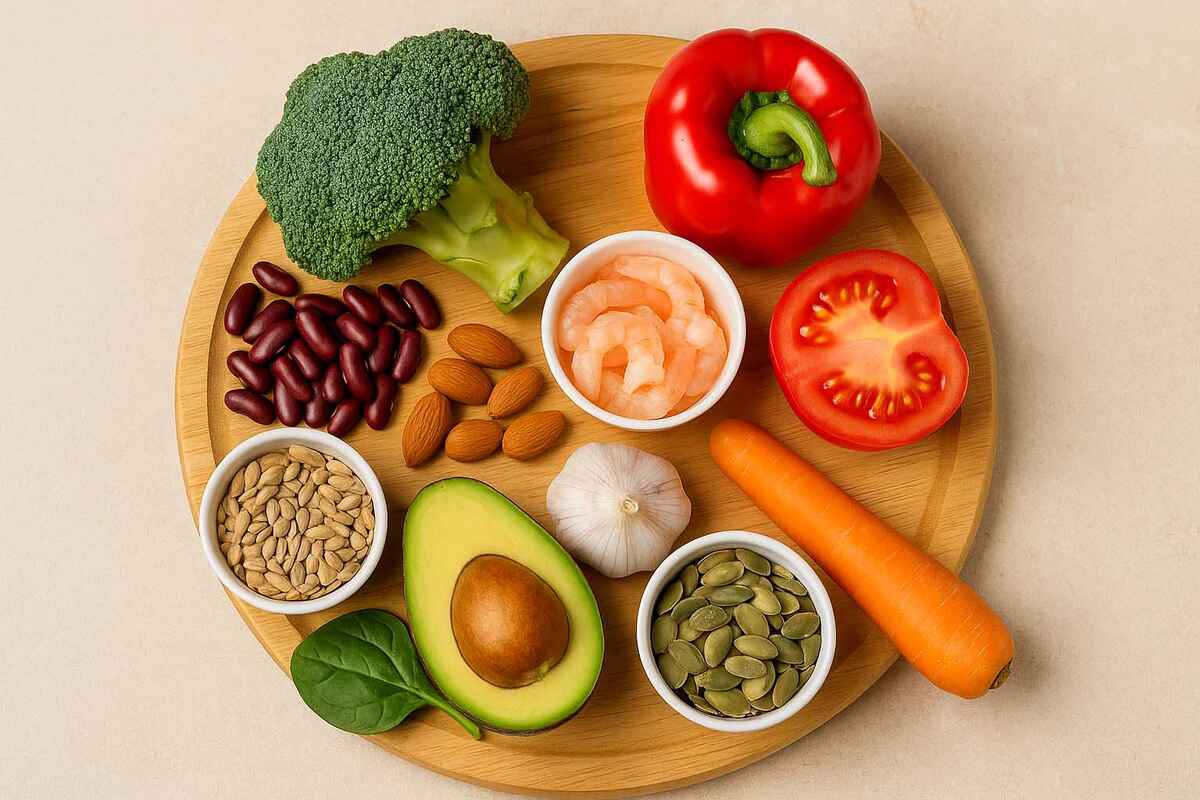
Non-heme iron, found abundantly in lentils, beans, tofu, spinach, and fortified cereals, can be made significantly more absorbable by consuming them alongside sources of vitamin C, such as citrus fruits or bell peppers.
Proper nutrition is the undeniable foundation of sustained energy and robust physical health. These essential minerals are the tiny workhorses that power all our physiological activities, ensuring oxygen fuels our body and mind, directly contributing to our resilience and long-term health.
What Role Do Essential Minerals Like Magnesium Play in Muscle Function and Nervous System Health?
Magnesium is often revered as the “master mineral” because it acts as a necessary cofactor in over 300 enzyme systems that govern an incredibly diverse range of biochemical reactions throughout the body.
Its influence is profoundly widespread, covering critical functions from protein synthesis and energy creation to muscle and nerve function, blood glucose control, and blood pressure regulation.
Specifically, magnesium is absolutely critical for ATP production (adenosine triphosphate), which is the primary energy currency of your cells, meaning it’s implicitly involved in every energy-dependent process the body undertakes.
In muscle tissue, it functions as a natural calcium channel blocker, helping muscles relax efficiently after contraction, which is why it’s a popular and effective supplement for alleviating muscle cramps, spasms, and restless legs syndrome.
For the nervous system, magnesium binds to and activates GABA receptors, an inhibitory neurotransmitter, which naturally promotes a profound calming effect, aids in reducing stress and anxiety, and supports deep, restorative sleep—all non-negotiable vital components of holistic health.
Deficiencies are surprisingly common in modern society, often linked to typical Western diets and wide-scale soil depletion. Adequate intake is crucial for mitigating stress, supporting heart rhythm, and improving athletic recovery.
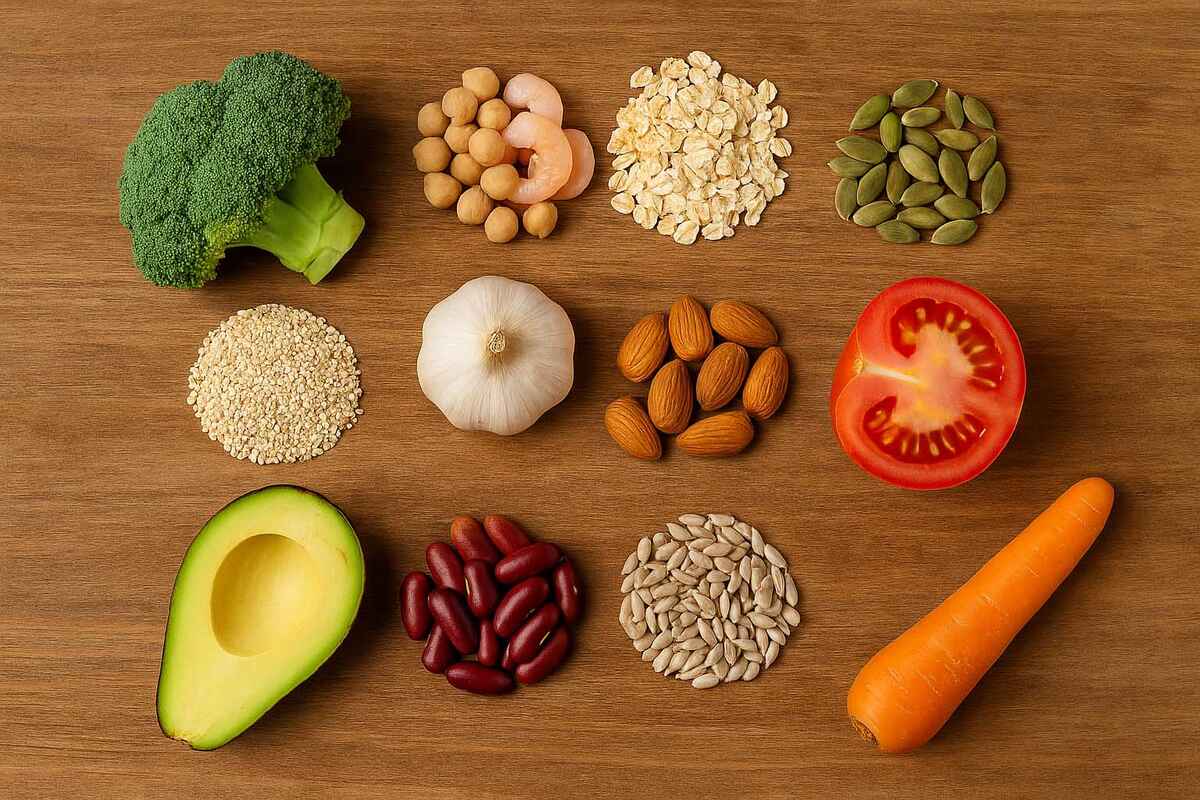
Excellent food sources for magnesium include dark leafy greens like spinach and Swiss chard, nuts and seeds (especially almonds, cashews, and pumpkin seeds), legumes, and whole grains.
Furthermore, magnesium’s role in DNA repair and antioxidant defense mechanisms highlights its importance in the long-term prevention of chronic diseases.
These essential minerals must be consumed daily to support cellular function, ultimately bolstering both mental acuity and physical health.
How Do Essential Minerals Like Potassium Impact Fluid Balance and Heart Health?
Potassium is a vital electrolyte, meaning it possesses the crucial ability to carry an electrical charge when dissolved in body fluids, a property that is absolutely essential for countless physiological processes.
Its most significant role, which is tightly balanced alongside sodium, is in maintaining meticulous fluid balance and stable cellular osmotic pressure across all cell membranes.
This specific and careful balance is necessary for normal cell function, the generation of nerve impulses, and the controlled contraction of muscles. Crucially, potassium is the key player in the “sodium-potassium pump,” a mechanism essential for regulating the electrical activity of the heart.
By actively helping to offset the potentially detrimental effects of excess dietary sodium, a diet rich in potassium can significantly contribute to maintaining healthy blood pressure levels, which is paramount for superior cardiovascular health and stroke prevention.
Low potassium levels (hypokalemia) can lead to symptoms ranging from fatigue and muscle weakness to, in severe cases, dangerous heart arrhythmias. Getting sufficient amounts is a highly effective, natural way to support your entire circulatory system.
Some of the best sources aren’t just bananas; they include potatoes (with the skin on), spinach, beans and lentils (like kidney beans), and squash. Avocados and dried apricots are also excellent options. The careful management of electrolytes is central to preventing hypertension and sustaining proper health.
These essential minerals and electrolytes ensure that the critical pump mechanisms operate flawlessly, contributing to a stable internal environment necessary for peak performance and long-term health.
Are Essential Minerals Like Zinc Necessary for Immune System Function and Wound Healing Health?
Zinc is an extraordinary trace mineral that operates as a powerful catalyst and structural component for over 300 enzymes involved in key processes like metabolism, digestion, nerve function, and a host of other critical bodily processes.
Perhaps its most celebrated and widely recognized role is its profound impact on the immune system. Zinc is fundamentally required for the development, communication, and activation of immune cells, including T-cells and natural killer cells, which are the body’s crucial defenders against pathogens and illness.
A deficiency can dramatically impair the body’s immune response, making an individual far more susceptible to infections and prolonged sickness. Beyond immunity, zinc is absolutely fundamental for efficient wound healing and tissue repair.
It supports rapid cell division and the stable production of collagen, making it vital for maintaining skin integrity and accelerating recovery from injury. Furthermore, it plays a critical role in the senses of taste and smell.
Consistent intake is necessary for maintaining a robust defense system and general well-being. The best food sources are oysters (which contain the highest concentration of zinc per serving), red meat, poultry (especially chicken and turkey), and beans.
Vegetarian sources also include nuts (pine nuts, cashews) and whole grains, though absorption can be enhanced by soaking or sprouting. Due to its high turnover rate, the body has no specialized zinc storage system, necessitating a steady daily supply to sustain optimal health and protection.
These essential minerals support every aspect of the body’s defense and repair, ensuring the systemic functions necessary for enduring good health.
Why Are Essential Minerals Like Selenium Important for Thyroid Function and Antioxidant Health?
Selenium is a vital trace mineral with exceptionally powerful antioxidant properties that is absolutely essential for human health, particularly regarding the regulation of crucial cellular defense and metabolic processes.
Its most critical function is as a required component of selenoproteins, a specialized group of enzymes that act as potent antioxidants, aggressively protecting your cells from damaging oxidation caused by free radicals.
This protective action is key in preventing systemic oxidative stress, which is widely implicated in the initiation and progression of chronic diseases.
Crucially, selenium is heavily concentrated in the thyroid gland, where it is indispensable for the proper production and activation of thyroid hormones, which in turn regulate metabolism, energy levels, and growth.
Deficiency can severely impact thyroid function, often leading to metabolic issues and profound fatigue. Furthermore, selenium plays a role in DNA synthesis, reproductive health, and mounting a defense against viral infections.
Intake often depends on the selenium content of the soil where food is grown, but some of the most reliable sources are Brazil nuts (just one or two can often meet the daily requirement), seafood (tuna, cod, shrimp), and organ meats.
Poultry and whole grains also contribute measurable amounts. Its contribution to immune surveillance and cellular defense cannot be overstated. A balanced diet that incorporates these essential minerals is a necessity for proper health.
The systemic support provided by this mineral helps maintain the delicate balance required for metabolic efficiency, cellular protection, and overall health.
How Do Essential Minerals Like Copper Aid in Energy Production and Iron Metabolism for Overall Health?
Copper is a fascinating trace mineral, often less recognized than others, but nonetheless absolutely essential for a myriad of life-sustaining processes within the body. It acts as a necessary cofactor for several critical enzymes, frequently working in a close partnership with iron.
One of its most important, though less known, functions is in iron metabolism; copper is required to convert iron into its usable form (ferric to ferrous) and to enable its correct incorporation into hemoglobin, the molecule responsible for oxygen transport.
Without adequate copper, iron cannot be properly utilized, potentially leading to iron-deficiency symptoms even if iron intake is otherwise sufficient. Beyond iron, copper is vital for efficient energy production within the mitochondria of your cells, serving a role in the electron transport chain.
It is also actively required for the formation of collagen and elastin, proteins that provide structural strength and flexibility to bones, skin, cartilage, and blood vessels. Adequate intake is crucial for maintaining connective tissue integrity and vascular health.
Excellent sources include oysters and other shellfish, organ meats (especially liver), whole grains, beans, and potatoes. Furthermore, copper contributes to healthy nervous system function and possesses important antioxidant properties.
Deficiency is rare but can lead to anemia and neurological problems. The complex synergy of these essential minerals for optimal health is clear, highlighting how one nutrient often depends on another to perform its core function.
This collective nutritional input is necessary for robust energy levels, tissue integrity, and sustaining superior long-term health.
What are the Benefits of Essential Minerals Like Manganese for Enzyme Activation and Cartilage Health?
Manganese is a significant trace mineral that is integral to the function of numerous enzymes, positioning it as a critical player in metabolic processes, bone formation, and cellular antioxidant defense.
It is perhaps best known for its role as a key component of manganese superoxide dismutase (MnSOD), a powerful antioxidant enzyme strategically located within the mitochondria, which are the cell’s energy factories.
This enzyme is crucial for neutralizing the highly reactive free radicals generated during energy production, thereby protecting the delicate cellular machinery from damage and directly supporting long-term health.
Furthermore, manganese is essential for the formation of connective tissue, including bone and cartilage.
It is involved in the synthesis of proteoglycans, the structural component of cartilage, which is vital for maintaining joint health, cushioning, and function. It also plays a pivotal role in the metabolism of carbohydrates, amino acids, and cholesterol.
The best food sources are easily integrated into a daily diet and include whole grains (oats, brown rice), nuts (pecans, almonds), legumes, and tea. Deficiency can impair growth and cause skeletal abnormalities.
Ensuring sufficient intake is important for joint integrity and efficient metabolic regulation. These essential minerals are necessary cofactors that ensure our body’s internal processes run smoothly, from energy production to maintaining the integrity of our physical structure.
This systemic support ensures all metabolic pathways are functioning at their peak, protecting against oxidative stress and promoting overall good health.
How Do Essential Minerals Like Chromium Assist in Blood Sugar Regulation and Metabolic Health?
Chromium is an essential trace mineral recognized primarily for its critical, supportive role in efficient glucose metabolism. It is believed to significantly enhance the action of insulin, the crucial hormone that helps the body manage and process sugar from the bloodstream.
By making insulin more effective, chromium facilitates cells in taking up glucose from the blood, thereby contributing directly to the maintenance of stable and healthy blood sugar levels.
This function is incredibly important for consistent energy regulation and is a key factor in preventing metabolic syndrome and type 2 diabetes—conditions that significantly impair long-term health and quality of life.
Chromium is a key component of a small molecule called chromodulin, which is thought to help the insulin receptors on cells function optimally and bind insulin more effectively. Aside from glucose control, it also plays a supporting role in the metabolism of fats and proteins.
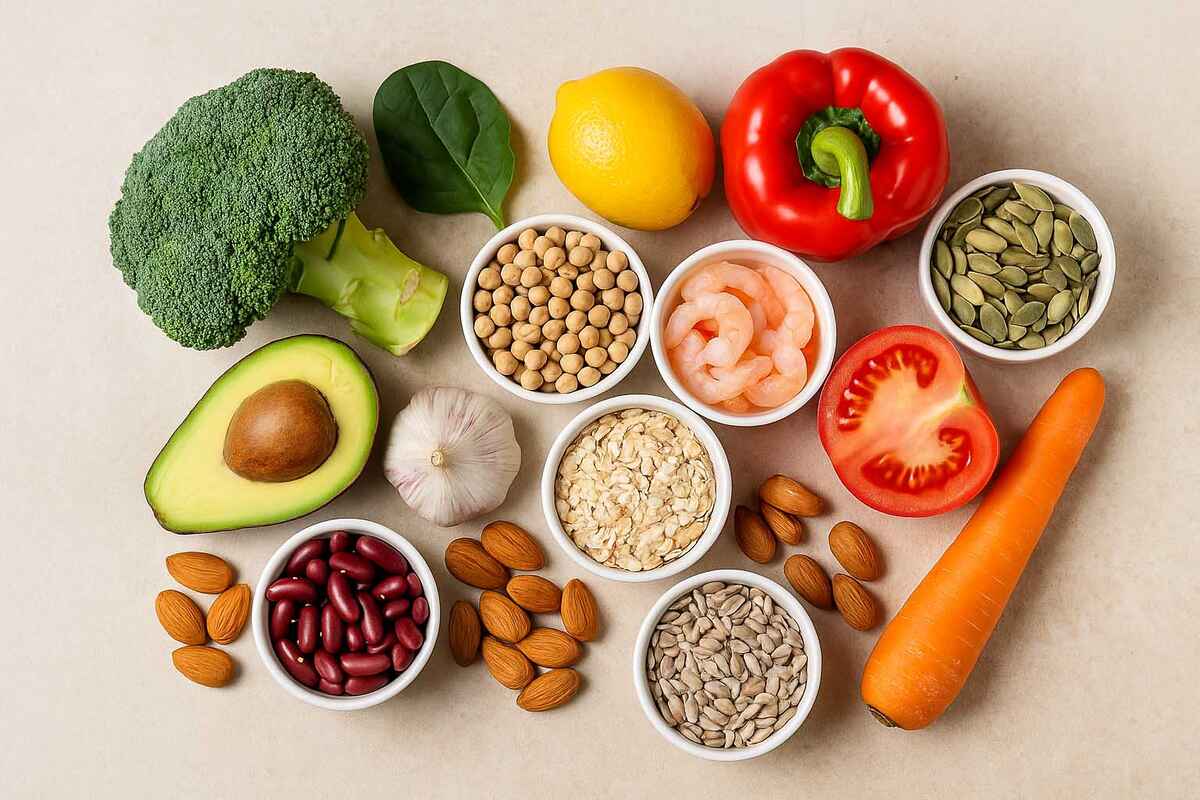
While the absolute dietary requirements are small, a consistent intake is prudent for robust metabolic well-being. Good food sources include whole-grain products, broccoli, potatoes, green beans, and lean meats.
Brewer’s yeast is also a particularly potent source. Modern diets high in refined sugars can often deplete chromium stores, making conscious intake important. Maintaining proper glucose homeostasis is a foundational aspect of vitality.
These essential minerals are key to ensuring our body can effectively manage the energy it consumes, allowing for sustained vitality and superior metabolic health throughout life.
Why is Trace Element Iodine Indispensable for Thyroid Hormone Production and Cognitive Function?
Iodine, a crucial trace element, is virtually synonymous with robust thyroid health due to its specific and vital role in the endocrine system.
It serves as the elemental, required building block for the production of thyroid hormones (T3 and T4), which are the master regulators of metabolism, energy levels, growth, and development.
Every single cell in the body is influenced by these hormones, but their role is particularly critical during fetal and early childhood development for proper brain and cognitive function.
Deficiency is globally recognized as the leading preventable cause of intellectual disability, underscoring its profound and fundamental importance for public health.
The thyroid gland actively and efficiently absorbs iodine from the bloodstream; if intake is chronically insufficient, the gland can swell in an attempt to capture more, leading to a condition known as a goiter. Ensuring adequate intake is the simplest and most effective way to prevent deficiency.
The best and most reliable sources are iodized salt, seaweed (like nori and kelp), and seafood (cod, shrimp, tuna). Dairy products also contribute measurable amounts of iodine. The body cannot produce this element, so it must be obtained entirely through the diet.
The consequences of neglecting this nutrient are serious and wide-ranging, affecting everything from energy expenditure to body temperature and overall health.
The balanced intake of essential minerals like iodine ensures that the body’s internal regulatory systems are functioning optimally, thereby maintaining stable metabolic and neurological health.
How Does Sulfur Contribute to Detoxification Pathways and the Structure of Healthy Tissues?
Sulfur is a major mineral that often flies under the radar, yet it is absolutely fundamental to the structure and function of numerous biological molecules and is critically important for the body’s natural detoxification processes.
It is a key component of two essential amino acids, methionine and cysteine, which are crucial for the synthesis of necessary proteins, including keratin, the primary structural component of resilient hair, skin, and nails.
Sulfur bonds provide the essential cross-linking that gives tissues like cartilage and connective tissue their strength, shape, and flexibility.
More importantly, sulfur plays a vital role in the crucial Phase II liver detoxification process, where it helps convert harmful toxins and metabolic waste products into water-soluble forms that can be safely and easily excreted by the body.
This process is essential for maintaining overall systemic health and reducing the body’s toxic load. Furthermore, it is a key constituent of glutathione, which is widely considered one of the body’s most powerful and versatile endogenous antioxidants.
Ensuring adequate intake is important for supporting these pathways. The best sources of sulfur are protein-rich foods (meat, fish, eggs), as well as allium vegetables (garlic, onions, leeks) and cruciferous vegetables (broccoli, cabbage, Brussels sprouts).
A diet rich in these essential minerals and sulfur compounds ensures that the body’s self-cleaning mechanisms are robust, leading to improved vitality, less systemic stress, and long-term health.
What is the Significance of Trace Element Fluoride for Dental and Skeletal Health?
Fluoride is a well-known trace element, primarily celebrated for its significant and proven positive impact on dental health across all age groups.
Its main function is to actively aid in the remineralization of tooth enamel, which makes the enamel surface much more resilient and resistant to acid attacks caused by plaque bacteria and sugars, thereby helping to effectively prevent tooth decay and the formation of cavities.
This protective process is crucial throughout life, but it is particularly important during childhood when the permanent adult teeth are developing. While often added to drinking water and toothpaste as a public health measure, fluoride also occurs naturally.
Beyond its central role in oral health, fluoride also plays a part in maintaining the stability of the skeletal structure. In the bones, it can combine with calcium and other minerals to support bone density, though it is crucial that excessive intake be carefully avoided as it can have adverse effects.
The key lies in moderate, controlled exposure. Adequate fluoride intake is generally regarded as a public health triumph, significantly reducing the prevalence of dental disease in populations that use fluoridated water.
The most common and effective sources are fluoridated drinking water and the topical application of fluoride toothpaste and mouth rinses. Natural sources include some teas (especially black tea) and small, trace amounts found in seafood.
These essential minerals play a specific and non-negotiable role in protecting our physical structures, ensuring that the integrity of both dental and skeletal tissues is maintained, which are non-negotiable components for sustained overall health.
Conclusion
We’ve journeyed through the intricate world of the 12 most vital essential minerals, uncovering their diverse and profound roles—from calcium’s support for your skeletal structure to zinc’s crucial defense of your immune system.
What should be abundantly clear now is that these tiny nutrients are not merely optional extras; they are non-negotiable keystones of robust health and vitality.
The key to unlocking the full potential of your body isn’t found in a single fad or restrictive diet, but in the consistent, mindful consumption of nutrient-dense, whole foods.
When you prioritize diverse sources—like leafy greens, whole grains, nuts, seeds, and quality proteins—you are naturally ensuring that the complex, interconnected systems in your body have the essential minerals they need to operate flawlessly.
Think of your body as a high-performance machine; vitamins are the fuel, but minerals are the gears and bolts that ensure every piece moves correctly.
Making informed food choices based on the knowledge shared here empowers you to be an active participant in your well-being, moving beyond basic survival toward true, vibrant health.
So, take this knowledge, embrace nutritional diversity, and continue building a strong, resilient foundation for a life full of energy and optimum function.
FAQ
While Calcium is the undisputed star for bone structure, other essential minerals play crucial supporting roles. Magnesium, for instance, is needed to convert Vitamin D into its active form, which in turn regulates calcium absorption. Phosphorus is a major component of bone structure (calcium phosphate), and Manganese is necessary for forming the cartilage and connective tissue matrix that bones are built upon.
Yes, chronic fatigue is one of the most common signs of a mineral deficiency. The most frequent culprit is often Iron, as it’s fundamental for transporting oxygen throughout the body. Low levels of other essential minerals like Magnesium (needed for ATP energy production) and Iodine (required for energy-regulating thyroid hormones) can also lead to persistent tiredness and low energy.
Potassium is an electrolyte that works in direct opposition to sodium to maintain healthy blood pressure. It helps the body excrete excess sodium through urine and relaxes the walls of blood vessels. Ensuring adequate intake of this essential mineral is a natural and highly effective dietary strategy for supporting cardiovascular health and keeping your blood pressure within a healthy range.
Absolutely. Zinc is perhaps the most famous essential mineral for its role in rapid cell division, tissue growth, and repair. It is heavily involved in the synthesis of collagen, making it crucial not only for knitting wounds back together but also for maintaining the overall structural integrity and appearance of healthy skin.
Several essential minerals are vital components of the body’s antioxidant defense system. Selenium is key, as it’s required for the production of selenoproteins, which neutralize damaging free radicals. Manganese is also a required cofactor for the powerful antioxidant enzyme MnSOD. These protective functions are a cornerstone of long-term cellular health.
You should prioritize Magnesium. This essential mineral is critical for muscle relaxation after contraction. When levels are low, muscles can remain in a state of spasm or contraction, leading to painful cramps and poor recovery. It is a widely used supplement by athletes for this very reason.
Sulfur is uniquely important for detoxification. This major essential mineral is a key component of glutathione, the body’s master antioxidant, and is necessary for Phase II liver detoxification pathways. These pathways convert environmental toxins and metabolic waste into water-soluble compounds that can be safely excreted from the body.
The concentration of trace essential minerals like Iodine and Selenium in foods is highly dependent on the soil quality where the food was grown. While seafood and iodized salt are reliable sources for Iodine, and Brazil nuts for Selenium, soil depletion in many regions means consistent intake can be challenging, often necessitating a proactive approach to diet planning.
Chromium is the primary essential mineral recognized for its role in glucose metabolism. It is thought to enhance the action of insulin, making cells more receptive to taking up sugar from the bloodstream. Maintaining adequate chromium status is a common dietary strategy used to support balanced blood sugar levels and metabolic health.
Copper is essential because it is inextricably linked to Iron metabolism. It is required for the body to absorb and utilize iron correctly. Beyond that, this essential mineral is a key cofactor for enzymes involved in energy production and the formation of collagen and elastin, ensuring the integrity of blood vessels and connective tissues.
Yes, a deficiency in Zinc can significantly impair the senses of taste (gustation) and smell (olfaction). Zinc is necessary for the function of an enzyme called gustin, which is essential for taste bud development and repair. Ensuring adequate intake of this essential mineral helps maintain these crucial sensory functions.
Fluoride is classified as an essential mineral due to its critical and proven role in public dental health. It helps remineralize tooth enamel, making teeth resistant to decay and cavities. While needed in very small amounts, its impact on reducing the most common chronic disease (dental caries) solidifies its status as a vital nutrient for overall structural health.

Author: Horeca Health
Horeca Health
DISCLAIMER
All content provided on this website is for informational purposes only and should not be considered a substitute for professional advice, diagnosis, or treatment. Always consult qualified healthcare professionals regarding any questions or concerns you may have about your health or any medical condition.




















Leave a Reply