Best Teas for Better Sleep: Introduction
Best Teas for Better Sleep: In our fast-paced world, a good night’s sleep often feels like a luxury rather than a necessity. The endless demands of work, family, and daily life can leave our minds racing and our bodies wired, making the transition to restful slumber a significant challenge.
While countless remedies promise a peaceful night, sometimes the simplest solutions are the most profound. Enter the ancient, comforting ritual of tea.
Beyond their delightful aromas and flavors, many organic teas possess powerful compounds that can gently guide your body and mind towards a state of deep relaxation and restorative sleep.
Imagine sipping a warm, fragrant cup that not only calms your senses but also actively works to soothe your nervous system, quiet anxious thoughts, and prepare you for true, uninterrupted rest.
This isn’t just about falling asleep faster; it’s about achieving a deeper, more rejuvenating sleep cycle that leaves you feeling refreshed, energized, and ready to tackle the day ahead. Forget restless nights and groggy mornings.
In this comprehensive guide, we’ll explore 12 powerful organic teas that are revered for their unique abilities to promote better sleep. From well-known classics to surprising botanical allies, get ready to discover your perfect nightly brew and transform your sleep routine.
Best Teas for Better Sleep: Chamomile’s Calming Embrace
Best Teas for Better Sleep often include the ubiquitous chamomile, a botanical powerhouse celebrated for centuries for its gentle yet effective sedative properties.
This delicate, daisy-like flower contains an antioxidant called apigenin, which binds to specific receptors in your brain that decrease anxiety and initiate sleep.
Beyond its primary sleep-inducing mechanism, chamomile tea acts as a mild tranquilizer, soothing the nervous system and easing the day’s accumulated stress. Imagine a warm, comforting hug for your mind and body as you sip this golden elixir.
Its anti-inflammatory qualities further contribute to overall relaxation, alleviating minor aches and pains that might otherwise disrupt your slumber.
Many people find that a nightly ritual of chamomile tea can significantly improve their sleep latency – the time it takes to fall asleep – and enhance the quality of their rest, leading to fewer awakenings throughout the night.
It’s not just about falling asleep faster; it’s about achieving a deeper, more restorative sleep cycle. Furthermore, chamomile is known for its digestive benefits, helping to calm an upset stomach, which can often be a hidden culprit behind restless nights.
When your digestive system is at ease, your entire body can relax more profoundly. The preparation is simple: steep dried chamomile flowers or a high-quality tea bag in hot water for 5-10 minutes. For an extra touch of serenity, consider adding a touch of honey or a slice of lemon.
Prioritize organic varieties to ensure you’re consuming a pure, unadulterated product free from pesticides or harmful chemicals, maximizing its therapeutic potential. This simple addition to your evening routine can pave the way for a truly peaceful night and wake you feeling refreshed and revitalized.
Best Teas for Better Sleep: The Soothing Power of Valerian Root
Best Teas for Better Sleep frequently feature valerian root, an ancient herb with a long-standing reputation as a natural sleep aid. Unlike some more subtle botanicals, valerian root is known for its more potent sedative effects, often compared to mild tranquilizers.
Its efficacy is largely attributed to compounds that increase the amount of gamma-aminobutyric acid (GABA) in the brain, a neurotransmitter that helps regulate nerve impulses and calm the nervous system.
This surge in GABA can lead to a reduction in anxiety and a promotion of deep, uninterrupted sleep. For those struggling with chronic insomnia or significant sleep disturbances, valerian root tea can be a game-changer, offering a natural alternative to pharmaceutical sleep aids without the same risk of dependence or side effects.
However, it’s worth noting that valerian root has a distinct, earthy aroma that some find less pleasant than other herbal teas; this is a small trade-off for its powerful benefits.
To prepare, steep dried valerian root in hot water for a longer duration, typically 10-15 minutes, to extract its full spectrum of beneficial compounds.
Some individuals may experience a paradoxical effect, feeling more stimulated rather than relaxed; it’s always wise to test your personal reaction with a small dose initially. Always opt for high-quality organic valerian root to ensure purity and potency.
Integrating this powerful herb into your nightly routine, perhaps an hour or two before bed, can help signal to your body that it’s time to wind down, facilitating a smoother transition into a state of restful slumber. Its ability to quiet an overactive mind and relax tense muscles makes it an invaluable ally in the quest for superior sleep.

Best Teas for Better Sleep: Lavender’s Aromatic Embrace
Best Teas for Better Sleep are beautifully complemented by lavender, a fragrant herb celebrated not just for its delightful aroma but also for its profound calming and sleep-inducing properties.
The allure of lavender extends beyond its aesthetic appeal; its essential oils contain compounds like linalool and linalyl acetate, which interact with neurotransmitters in the brain to reduce stress and promote relaxation.
Sipping on a warm cup of lavender tea before bed can create a serene sensory experience, preparing both mind and body for a peaceful night. The gentle floral notes themselves act as a form of aromatherapy, signaling to your brain that it’s time to unwind.
Beyond its immediate calming effect, lavender has been studied for its ability to improve sleep quality, helping individuals achieve a deeper and more restorative sleep cycle. It can be particularly effective for those whose sleep is disrupted by anxiety or nervousness.
The act of preparing and slowly savoring a cup of lavender tea becomes a mindful ritual, a deliberate separation from the day’s demands. To prepare, steep dried organic lavender flowers in hot water for about 5-7 minutes.
For a more pronounced effect, ensure the tea is covered during steeping to prevent the aromatic compounds from escaping. Combining it with other calming herbs like chamomile can create an even more powerful sleep blend.
Always choose food-grade, organic lavender to ensure it’s safe for consumption and free from any chemical residues. Incorporating this aromatic elixir into your nightly wind-down routine can transform restless evenings into tranquil nights, leaving you feeling refreshed and ready to face the new day with renewed energy.
Best Teas for Better Sleep: Lemon Balm’s Gentle Soothe
Best Teas for Better Sleep often highlight lemon balm, a member of the mint family renowned for its mild sedative effects and ability to alleviate stress and anxiety.
This herbaceous plant contains compounds like rosmarinic acid, which is believed to enhance the activity of GABA, a neurotransmitter that calms the nervous system. The result is a gentle tranquilizing effect, helping to soothe an overactive mind and prepare the body for restful sleep.
Unlike some more potent sleep aids, lemon balm works subtly, making it an excellent choice for those who experience mild sleep disturbances or simply need a gentle nudge towards relaxation.
Its delicate, citrus aroma and taste make it a pleasant and inviting evening beverage, free from the sometimes strong flavors of other herbal teas.
Lemon balm is particularly effective for individuals whose sleep is disrupted by digestive discomfort, as it’s also known for its antispasmodic properties, helping to calm an upset stomach and reduce bloating.
When your digestive system is relaxed, your entire body can follow suit, paving the way for undisturbed slumber. To prepare a comforting cup, steep fresh or dried organic lemon balm leaves in hot water for 10-15 minutes to fully extract its beneficial compounds.
You can enhance its flavor with a touch of honey or a slice of lemon. Establishing a nightly ritual of sipping lemon balm tea can signal to your body that it’s time to unwind, detaching from the day’s pressures and transitioning smoothly into a state of calm.
Its ability to gently quiet the mind makes it an invaluable component of a holistic approach to improving sleep hygiene and fostering a peaceful night’s rest.
Best Teas for Better Sleep: Passionflower’s Calming Embrace
Best Teas for Better Sleep include passionflower, a beautiful vine known for its impressive ability to alleviate anxiety and promote restful sleep.
This botanical wonder contains compounds such as flavonoids and alkaloids, which are believed to interact with the brain’s GABA receptors, much like some antianxiety medications, but in a gentler, natural way.
This interaction helps to quiet an overactive nervous system, reducing mental chatter and making it easier to drift into a peaceful slumber. Passionflower is particularly beneficial for those who find their sleep disturbed by racing thoughts or persistent worry.
Its calming effects extend beyond mere sedation; it helps to reduce nervousness and improve overall mood, creating a more conducive environment for sleep. Unlike some more potent herbs, passionflower typically doesn’t cause morning grogginess, making it an appealing option for daily use.
The tea has a mild, earthy flavor that can be quite pleasant on its own or blended with other calming herbs like chamomile or lemon balm for enhanced effects. To prepare, steep dried organic passionflower in hot water for 10-15 minutes, ensuring a strong infusion to maximize its therapeutic properties.
Some people find that consistently incorporating passionflower tea into their evening routine can significantly improve both the ease of falling asleep and the overall quality of their sleep, leading to more profound and restorative rest.
It’s a natural and effective way to help your body and mind detach from the day’s stresses and embrace the tranquility needed for truly recuperative sleep, fostering a sense of calm that carries through into the next morning.
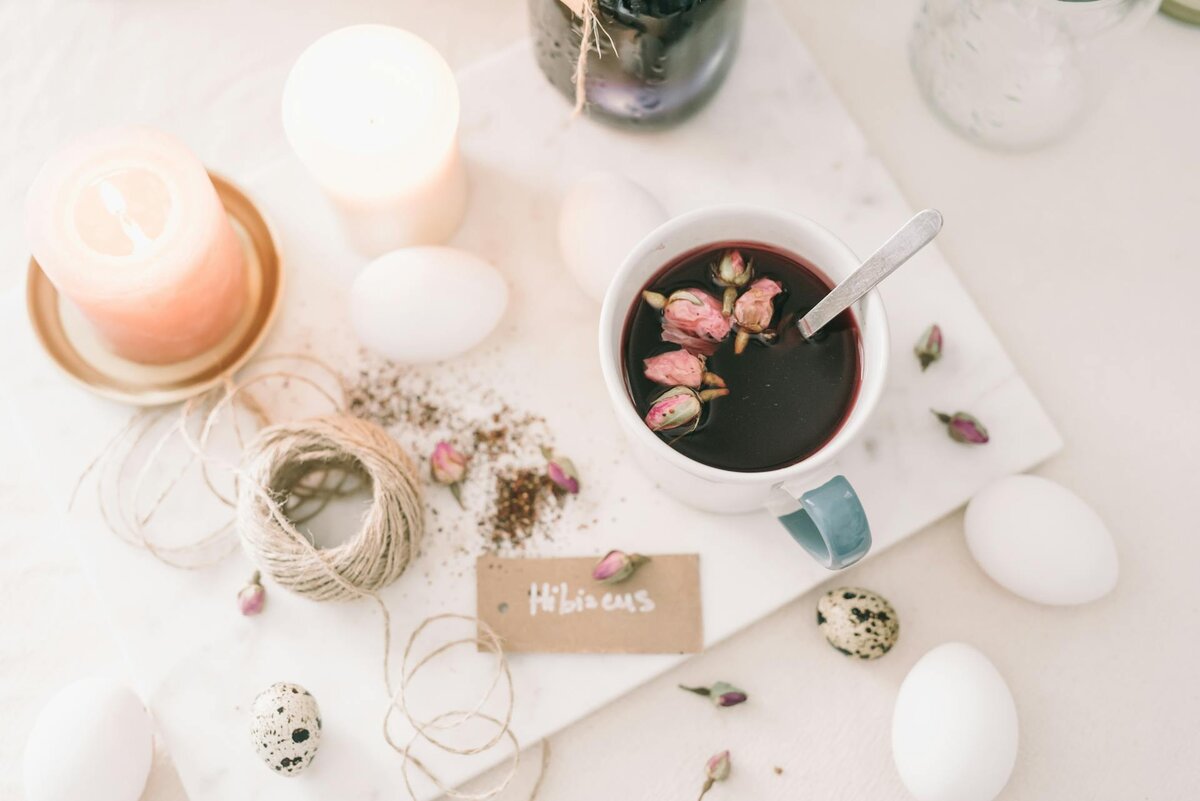
Best Teas for Better Sleep: Peppermint’s Soothing Qualities
Best Teas for Better Sleep are surprisingly complemented by peppermint, a refreshing herb that, while not a direct sedative, offers significant benefits that contribute to a restful night.
Its primary strength lies in its ability to soothe digestive discomfort, which can often be an overlooked culprit behind restless sleep. Peppermint acts as a natural antispasmodic, relaxing the muscles of the digestive tract and alleviating issues like bloating, gas, and indigestion.
When your stomach is at ease, your entire body can relax more thoroughly, making it easier to transition into sleep. Furthermore, the invigorating yet calming aroma of peppermint can have a mild stress-reducing effect, helping to clear the mind of the day’s lingering anxieties.
The menthol in peppermint provides a cooling sensation that can be subtly comforting, especially if you feel warm or agitated before bed. While it might not induce drowsiness in the same way as chamomile or valerian, its indirect contributions to comfort and relaxation are invaluable.
Many individuals find that a warm cup of peppermint tea after dinner can aid digestion and prevent discomfort that might otherwise disrupt their sleep later in the night. To prepare, steep fresh or dried organic peppermint leaves in hot water for 5-10 minutes.
Avoid over-steeping, as this can sometimes make the tea taste bitter. Opting for organic varieties ensures you’re consuming a pure product free from pesticides.
Incorporating peppermint tea into your evening routine is a delightful and effective way to address digestive issues that may be sabotaging your sleep, paving the way for a night of more profound and undisturbed rest.
Best Teas for Better Sleep: The Warmth of Ginger
Best Teas for Better Sleep can benefit from the warming and soothing properties of ginger, a powerful root often associated with wellness and digestive health.
While not a direct sedative, ginger’s contribution to restful sleep is primarily through its remarkable ability to calm an upset stomach and alleviate various forms of digestive discomfort.
Nausea, indigestion, and bloating can all be significant disruptors of sleep, making it difficult to fall asleep and stay asleep. Ginger acts as a natural carminative, helping to expel gas and soothe the gastrointestinal tract, thereby creating a more comfortable internal environment conducive to rest.
Its anti-inflammatory properties can also help to alleviate minor aches and pains that might otherwise keep you awake. The gentle warmth of ginger tea itself can be incredibly comforting, acting as a signal to your body that it’s time to unwind and relax.
For those who experience nighttime acid reflux or indigestion, a cup of warm ginger tea before bed can be particularly beneficial, settling the stomach and preventing disruptive symptoms. To prepare, simply slice fresh organic ginger root and steep it in hot water for 10-15 minutes.
For a stronger brew, you can gently simmer the ginger slices in water for a few minutes. Adding a touch of honey or a slice of lemon can enhance the flavor. Choosing organic ginger ensures you’re getting the purest form of this beneficial root.
By addressing underlying physical discomforts, ginger tea helps create the optimal conditions for your body to naturally drift into a state of deep and restorative sleep, making it an excellent addition to your evening wellness routine.
Best Teas for Better Sleep: Rooibos’s Soothing Nature
Best Teas for Better Sleep include rooibos, also known as red bush tea, a naturally caffeine-free herbal infusion from South Africa that offers a multitude of benefits conducive to restful sleep.
Unlike traditional teas, rooibos is not derived from the Camellia sinensis plant, meaning it contains no caffeine whatsoever, making it an ideal choice for an evening beverage. Its primary contribution to better sleep comes from its rich antioxidant profile and its ability to reduce stress.
Rooibos contains unique antioxidants like aspalathin and nothofagin, which help to combat oxidative stress in the body. By reducing this internal stress, the body can more easily relax and prepare for sleep.
Furthermore, rooibos has been shown to have a calming effect on the nervous system, potentially due to its influence on cortisol levels, the body’s primary stress hormone.
A balanced cortisol level is crucial for healthy sleep patterns. Its naturally sweet and earthy flavor, often described as vanilla-like, makes it a pleasant and soothing drink without the need for added sweeteners. This makes it a healthier alternative to sugary beverages that can disrupt sleep.
To prepare, steep organic rooibos tea bags or loose leaves in hot water for 5-7 minutes. It can be enjoyed plain, with a splash of milk, or a hint of honey.
Integrating rooibos tea into your nightly routine provides a comforting, caffeine-free ritual that helps to unwind your body and mind, paving the way for a more tranquil and restorative night’s sleep. Its gentle nature makes it suitable for almost everyone seeking a natural path to better rest.
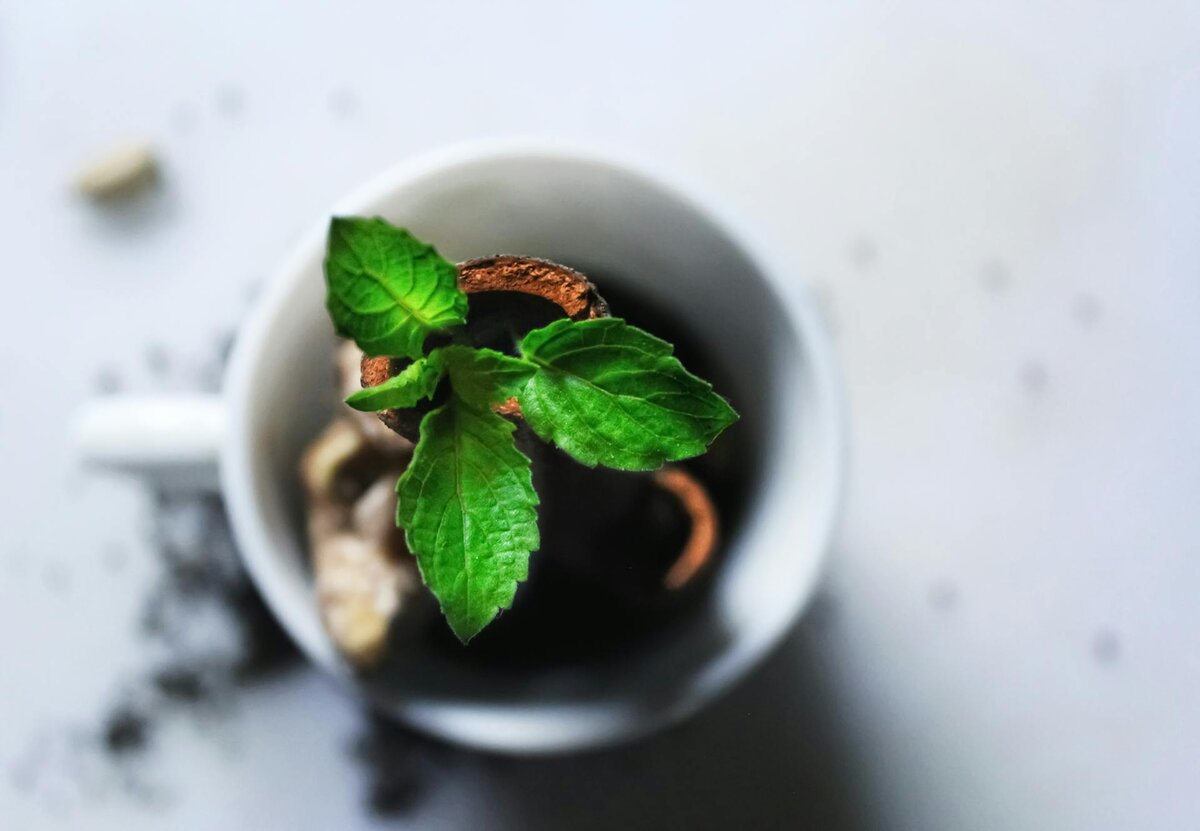
Calming Teas for Nighttime Harmony: The Ancient Wisdom of Ashwagandha
Best Teas for Better Sleep can be greatly enhanced by ashwagandha, an adaptogenic herb deeply rooted in Ayurvedic medicine, revered for its ability to help the body manage stress and anxiety, which are common culprits behind sleep disturbances.
Unlike sedatives that directly induce sleep, ashwagandha works by supporting the body’s natural stress response system, helping to normalize cortisol levels. When stress is reduced, the mind and body can more easily transition into a relaxed state conducive to sleep.
It doesn’t necessarily make you drowsy but rather promotes a sense of calm and well-being that facilitates natural slumber. This powerful herb is particularly beneficial for those whose sleep is impacted by chronic stress, overthinking, or general feelings of overwhelm.
Regular consumption can lead to improved sleep quality, fewer nighttime awakenings, and a greater sense of rejuvenation upon waking. Ashwagandha tea has a distinct, earthy flavor that some may find strong; it’s often blended with other herbs or a touch of honey to make it more palatable.
To prepare, you can steep ashwagandha root powder or dried root pieces in hot water for 10-15 minutes. For best results, consider a consistent daily intake over several weeks, as its adaptogenic effects tend to build up over time.
Always choose high-quality, organic ashwagandha from reputable sources to ensure purity and potency.
Incorporating this ancient super-herb into your evening ritual offers a holistic approach to sleep improvement, addressing the root causes of restlessness and paving the way for truly restorative and peaceful nights.
Calming Teas for Nighttime Harmony: The Comfort of Oats
Best Teas for Better Sleep might seem an unusual inclusion with oat straw tea, but this often-overlooked botanical offers profound benefits for the nervous system, indirectly supporting restful sleep.
Oat straw, derived from the green, immature tops of the oat plant, is a rich source of B vitamins, magnesium, and calcium – essential nutrients that play a crucial role in nerve function and relaxation.
It acts as a nervine tonic, gently nourishing and strengthening the nervous system over time, rather than providing an immediate sedative effect.
For individuals whose sleep is disrupted by nervous exhaustion, anxiety, or general burnout, oat straw tea can be incredibly beneficial, helping to rebuild resilience and promote a calmer state of mind.
It doesn’t induce drowsiness but rather helps to balance the body’s stress response, making it easier to unwind naturally before bedtime. The tea has a mild, slightly grassy flavor that is quite pleasant and can be easily incorporated into a nightly routine.
To prepare, steep dried organic oat straw in hot water for 10-15 minutes, allowing ample time for the beneficial compounds to infuse into the water.
Consistency is key when using oat straw for its nervine benefits; regular consumption over several weeks or months can lead to noticeable improvements in overall calmness and sleep quality.
It’s a gentle, nourishing way to support your body’s natural ability to relax and drift into a peaceful slumber, contributing to long-term well-being and improved sleep hygiene. Embrace this humble yet powerful herb for a holistic path to more restorative rest.
Calming Teas for Nighttime Harmony: California Poppy’s Gentle Touch
Best Teas for Better Sleep can be enhanced by California poppy, a beautiful native flower known for its mild sedative and analgesic properties, making it a gentle yet effective aid for restlessness and sleeplessness.
Unlike its opiate cousin, the California poppy is non-addictive and does not contain opiates, instead working through its unique alkaloids to calm the nervous system. It primarily acts as a nervine, helping to soothe overstimulated nerves and reduce anxiety that often interferes with sleep.
It’s particularly useful for those who experience difficulty falling asleep due to an overactive mind, mild pain, or general nervousness. The tea promotes a gentle state of relaxation, easing the transition into sleep without causing heavy sedation or morning grogginess.
Many users report feeling a sense of calm and a reduction in anxious thoughts after consuming California poppy tea. To prepare, steep dried organic California poppy parts (flowers and aerial parts) in hot water for 10-15 minutes.
Its taste is somewhat earthy and mild, making it quite palatable on its own, though some prefer to blend it with other calming herbs for a more complex flavor profile. Always source organic California poppy to ensure purity and avoid any contaminants.
This delightful botanical offers a natural and gentle alternative to stronger sleep aids, supporting your body’s innate ability to relax and embrace the tranquility needed for a truly restorative night.
Incorporating it into your pre-sleep ritual can help quiet the mind and prepare the body for a peaceful and uninterrupted slumber.
Calming Teas for Nighttime Harmony: Catnip’s Surprising Calm
Best Teas for Better Sleep can surprisingly include catnip, an herb more commonly associated with feline antics but possessing remarkable calming properties for humans.
This member of the mint family contains nepetalactone, a compound that has a mild sedative effect on the human nervous system.
While it can make cats playfully energetic, in humans, it acts as a gentle nervine, helping to alleviate stress, anxiety, and restlessness, all of which can significantly impede restful sleep.
Catnip tea is particularly beneficial for those whose sleep is disrupted by indigestion or mild stomach upset, as it also acts as a carminative, soothing the digestive tract. When your gut is calm, your entire body can relax more effectively, paving the way for undisturbed slumber.
The tea has a subtle, earthy, and slightly minty flavor that is quite pleasant and gentle on the palate. It’s a mild option for those seeking a natural sleep aid without the stronger effects of herbs like valerian. To prepare, steep dried organic catnip leaves in hot water for 5-10 minutes.
Avoid over-steeping, as this can sometimes lead to a slightly bitter taste. Catnip tea is also known for its ability to reduce fevers and alleviate cold symptoms, which can indirectly contribute to better sleep when illness is present.
Choosing organic catnip ensures you’re consuming a pure and beneficial product. Incorporating this seemingly playful herb into your evening routine offers a surprisingly effective and gentle way to unwind, calm your nervous system, and prepare your body for a peaceful and restorative night’s sleep.
Conclusion
As we’ve explored, the journey to Best Teas for Better Sleep is a delightful and effective one, rooted in nature’s powerful pharmacy.
From the gentle embrace of chamomile to the potent calm of valerian root, and the soothing notes of lesser-known botanicals like oat straw and California poppy, each organic tea offers a unique pathway to tranquility.
Incorporating these simple, natural elixirs into your nightly routine is more than just sipping a beverage; it’s an act of self-care, a deliberate step towards prioritizing your well-being.
Remember, achieving truly restorative sleep is a holistic endeavor. While these teas are incredibly supportive, consider them a vital component of a broader sleep hygiene strategy that includes a consistent sleep schedule, a comfortable environment, and mindful relaxation practices.
Experiment with different blends and discover which tea resonates most deeply with your body and mind. Embrace the quiet ritual, savor the aromas, and allow these potent organic infusions to guide you into a state of deep calm.
With each comforting sip, you’re not just brewing a cup of tea; you’re cultivating the perfect environment for sweet dreams and waking up refreshed, renewed, and ready to embrace a new day. Here’s to many nights of profound and peaceful slumber!
FAQ
The best teas for better sleep, such as chamomile, valerian root, and lavender, contain natural compounds that help calm the nervous system. Ingredients like apigenin in chamomile and GABA-enhancing compounds in valerian root interact with your brain’s receptors to reduce anxiety, quiet the mind, and promote a state of deep relaxation.
For most people, it is generally safe to drink these organic herbal teas every night. They are non-addictive and provide a gentle, natural way to support sleep. However, it’s always wise to listen to your body and, if you have any medical conditions or are taking medications, consult with a healthcare professional before making them a regular habit.
For severe insomnia, valerian root tea is often considered the most potent. It has a long history of use as a natural sedative and is known for its ability to significantly reduce sleep latency (the time it takes to fall asleep) and improve sleep quality.
Yes, you can absolutely create custom blends. Combining teas like chamomile and lavender can enhance their individual calming effects, while adding peppermint can help with digestive issues that might disrupt sleep. Blending different herbs allows you to tailor the tea to your specific needs.
Most of these herbal teas have minimal to no side effects, especially when consumed in moderation. However, some people may experience allergic reactions or stomach upset. Valerian root can occasionally cause grogginess in the morning for some individuals, and ginger should be used cautiously if you have acid reflux issues.
For optimal results, it is best to drink your sleep-promoting tea about 30 to 60 minutes before bedtime. This gives your body enough time to digest the liquid and allows the calming compounds to take effect, preparing your mind and body for sleep.
Teas like green tea, black tea, and oolong tea contain caffeine, which is a stimulant. Caffeine can disrupt your sleep cycle and should be avoided in the evening. For a restful night, stick to caffeine-free herbal infusions, which are the true best teas for better sleep.
Yes, many of these teas are excellent for anxiety. Herbs like ashwagandha, passionflower, and lemon balm are known as nervines or adaptogens that help to calm the nervous system and reduce the stress and anxiety that often lead to a restless night.
Loose-leaf tea is generally preferred as it often contains higher quality, more whole ingredients. This allows for a more potent and flavorful infusion. However, high-quality organic tea bags can be just as effective and are a convenient option for a quick and easy nightly ritual.
You should avoid any tea with caffeine, as mentioned. Additionally, some diuretic teas might cause you to wake up to use the bathroom, disrupting your sleep. It’s best to stick with the gentle, calming, and non-diuretic herbs discussed in this post.

Author: Horeca Health
Horeca Health
DISCLAIMER
All content provided on this website is for informational purposes only and should not be considered a substitute for professional advice, diagnosis, or treatment. Always consult qualified healthcare professionals regarding any questions or concerns you may have about your health or any medical condition.




















Leave a Reply