HORECA Local SEO: Introduction
HORECA Local SEO is the definitive game-changer for businesses looking to capture the attention of hungry diners, weary travelers, and local explorers in a crowded urban landscape.
In an era where “near me” searches dictate the success of restaurants, hotels, and cafes, simply having a physical presence is no longer enough; you must be digitally discoverable at the exact moment of intent.
This guide explores how any HORECA establishment can leverage specific search engine optimization tactics to rise above the competition and become the top-rated choice in their city.
By focusing on hyper-local relevance and technical precision, you can transform your online visibility into a consistent stream of foot traffic and bookings.
Mastering HORECA local SEO requires a blend of creative storytelling and data-driven strategy to ensure your brand resonates with both algorithms and human beings.
Whether you are a boutique hotel or a bustling city bistro, understanding the nuances of local search maps and directory ecosystems is essential for long-term growth in the HORECA sector.
This post will break down the essential pillars of city-wide dominance, from optimizing your digital storefront to building a reputation that search engines trust.
If you are ready to take control of your market and ensure that every local search leads back to your door, it is time to dive into the core mechanics of localized digital marketing.
HORECA Local SEO: Why Is Google Business Profile Your Secret Weapon?
HORECA Local SEO is the foundation of any modern hospitality strategy because it acts as your digital storefront before a customer even steps through your door.
When a hungry traveler or a local event planner searches for a place to eat or stay, Google Business Profile (GBP) is the first thing they see, making it the most powerful tool in your marketing arsenal.
By optimizing this profile, you ensure that your HORECA establishment doesn’t just appear in results but stands out with high-quality photos, updated hours, and accurate contact details.
It is about more than just visibility; it is about building immediate trust through professional presentation and real-time interaction with your community.
Managing your online presence requires a shift in mindset from passive observer to active participant. To truly master HORECA local SEO, you must treat your GBP as a living entity that needs constant updates, such as posting “What’s New” updates or showcasing seasonal menu changes.
This platform allows you to respond to queries and engage with customers directly on the search results page, which is invaluable for conversion. In the competitive world of HORECA, failing to claim or optimize your profile is essentially leaving money on the table.
When you provide Google with rich, structured data, you make it easier for the algorithm to recommend you to the right people at the exact moment they are looking for a service like yours.
HORECA Local SEO: How Do Reviews Impact Your Rankings?
HORECA Local SEO relies heavily on the social proof generated by customer reviews, which serve as a primary ranking factor in local search algorithms.
High-quality, positive feedback tells Google that your business is reliable and popular, prompting the engine to push you higher in the “Local Pack” results. However, it isn’t just about the number of stars; the frequency and recency of reviews matter just as much for a thriving HORECA business.
Encouraging your guests to leave detailed accounts of their experiences helps populate your profile with relevant keywords naturally, further boosting your relevance for specific search terms like “best brunch” or “boutique hotel.”
Beyond the technical benefits, responding to reviews is a critical component of HORECA local SEO that many owners overlook. Whether a review is glowing or critical, a thoughtful, professional response shows potential customers that you value their input and are committed to excellence.
This engagement signals to search engines that your HORECA brand is active and attentive, which can lead to a significant lift in organic visibility.
Remember that a single well-handled negative review can often be more persuasive to a prospective customer than ten perfect ones, as it demonstrates your integrity and dedication to service recovery. Consistent review management turns your customers into a volunteer marketing force that works for you 24/7.
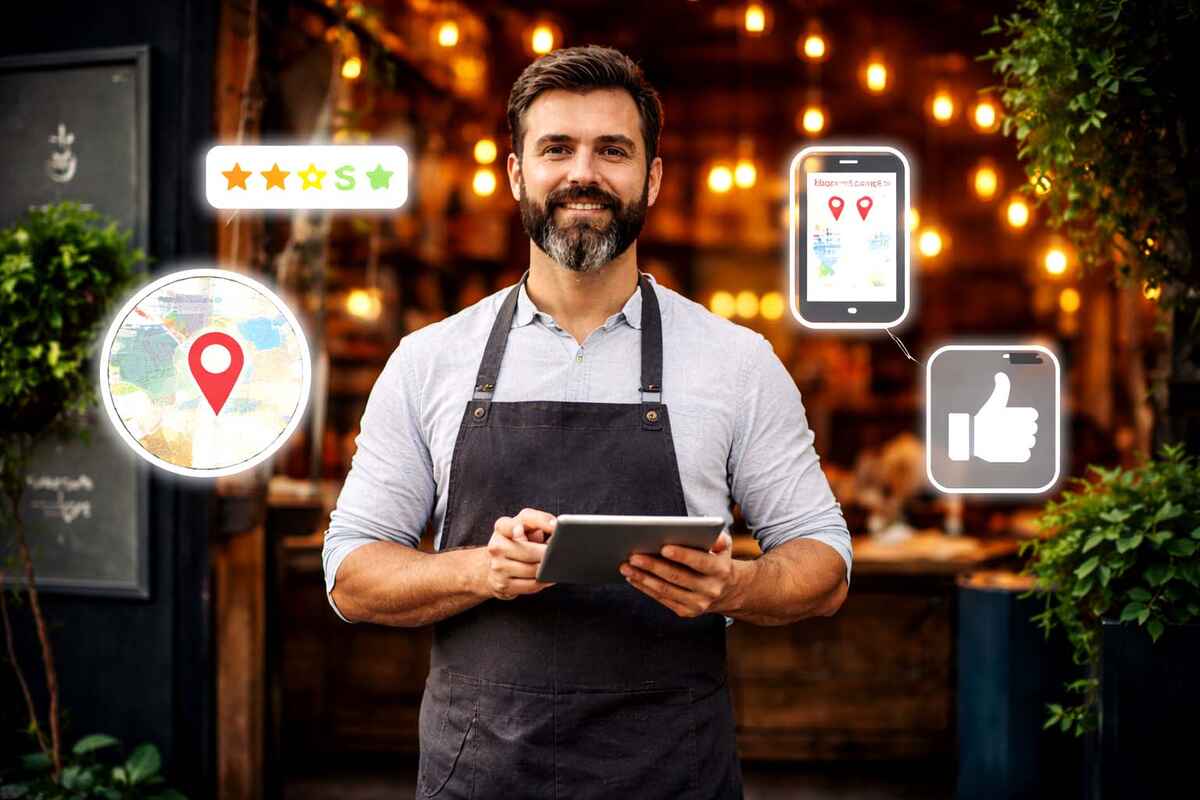
HORECA Local SEO: Can Local Citations Still Boost Your Visibility?
HORECA Local SEO is often built on the “NAP” principle—Name, Address, and Phone number—which must be consistent across all online directories and platforms.
Local citations act as digital footprints that verify the legitimacy of your business to search engines, ensuring they have confidence in showing your location to users.
If your data is inconsistent across various travel sites or local listings, it confuses the algorithms and can lead to a drop in your search rankings. For any HORECA entity, being listed in niche-specific directories is not just an option; it is a necessity for building a robust local authority.
The strength of your HORECA local SEO is directly proportional to the quality of these citations, rather than just the quantity. While it is tempting to list your business everywhere, focusing on high-authority, relevant platforms yields much better results for your brand’s digital health.
These mentions from reputable sources act as “votes of confidence” for your HORECA establishment, helping you dominate the city market by proving you are a prominent player in the local scene.
Keeping these listings updated with professional imagery and current links to your website creates a seamless user journey. When search engines see a unified front across the web, they reward you with better placement, making it easier for locals and tourists alike to find you.
HORECA Local SEO: Is Your Website Optimized for Mobile Users?
HORECA Local SEO is deeply intertwined with mobile performance because the majority of local searches happen on the go.
Imagine a tourist walking down a busy street, looking for a quick bite or a last-minute room; if your website takes more than a few seconds to load or is difficult to navigate on a small screen, you’ve lost a customer.
A mobile-responsive design is no longer a luxury—it’s a core requirement for any HORECA business that wants to rank well.
Search engines prioritize websites that offer a smooth user experience, and for the hospitality industry, this means having easy-to-click buttons, readable menus, and a simplified booking process.
To excel in HORECA local SEO, your site must be fast, intuitive, and technically sound. Slow loading times are a major deterrent, especially when users are relying on mobile data in crowded urban areas.
Ensuring that your HORECA site is “thumb-friendly” with clear calls to action like “Call Now” or “Get Directions” can significantly increase your conversion rates. Google’s mobile-first indexing means that the mobile version of your site is the primary version used for ranking.
Therefore, if you want to dominate your city market, you must invest in a technical infrastructure that caters to the modern, mobile-dependent traveler who expects instant information and frictionless interaction at every touchpoint.
HORECA Local SEO: How Critical Is Localized Content Creation?
HORECA Local SEO thrives on content that speaks specifically to the local community and the unique vibe of your city. Instead of generic blog posts, focus on topics like “The Best Weekend Getaways in Our District” or “Sourcing Our Ingredients from Local Farmers.”
This strategy doesn’t just attract visitors; it positions your HORECA brand as a cornerstone of the neighborhood.
By mentioning local landmarks, events, and neighborhoods, you signal to search engines that you are highly relevant to searches within your specific geographic area. This hyper-local focus is what differentiates a generic chain from a beloved local destination.
Effective HORECA local SEO involves telling a story that resonates with the people living in or visiting your area. When you create content that highlights your involvement in local festivals or partnerships with nearby artisans, you create a network of local relevance.
This approach helps your HORECA business rank for long-tail keywords that your competitors might be ignoring. It’s about building a digital ecosystem where your website serves as a resource for the community, not just a sales pitch.
When your content provides real value—like a guide to local street art or a history of your building—it naturally earns shares and backlinks, which are the gold standard for improving your search engine authority.
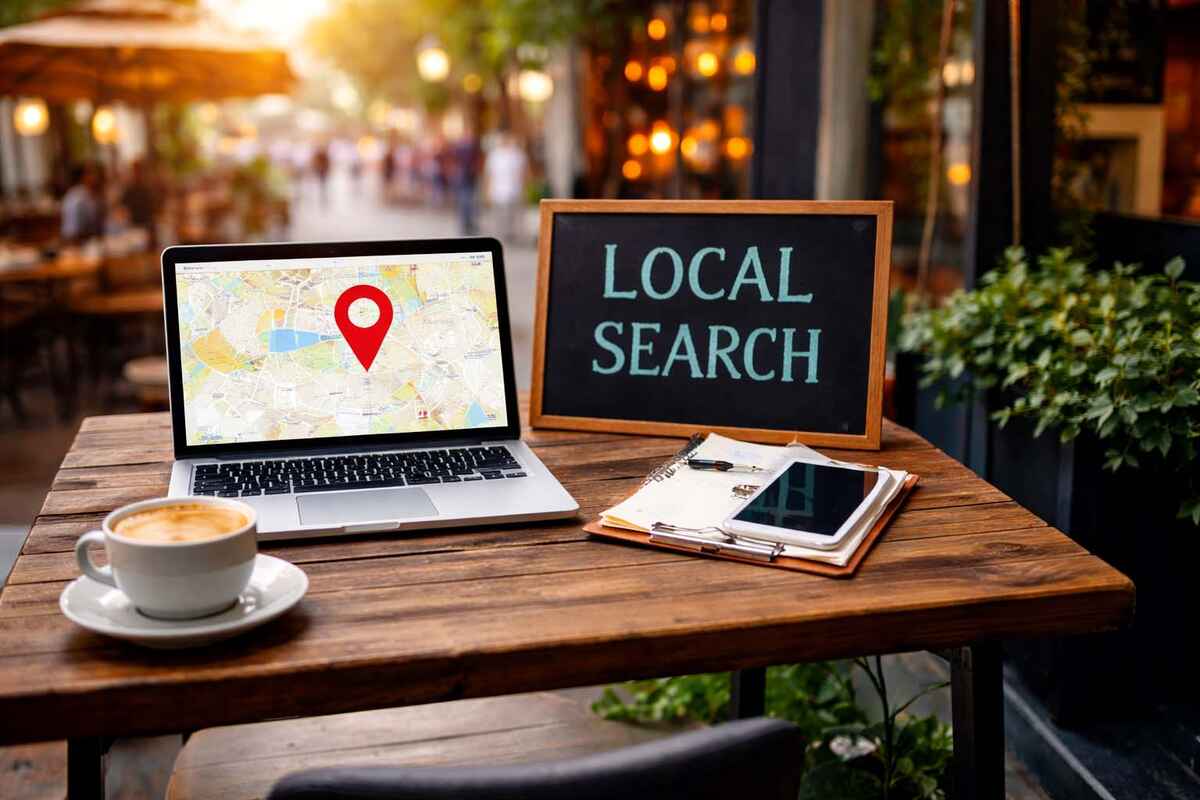
HORECA Local SEO: Does Structured Data Help You Stand Out?
HORECA Local SEO can be significantly enhanced by using schema markup, which is a form of microdata that helps search engines understand the specific details of your business.
For a restaurant or hotel, this means you can explicitly tell Google your price range, menu items, star ratings, and even your check-in times.
This “behind-the-scenes” code allows your HORECA listing to appear as a “rich snippet” in search results, often featuring extra details like calories, prices, or availability right on the result page. This increased visibility leads to higher click-through rates because users get the information they need immediately.
Implementing schema is a sophisticated move in HORECA local SEO that sets you apart from less tech-savvy competitors. It provides a layer of clarity that helps search engines match your HORECA services with the specific intent of the user.
For instance, if someone searches for “gluten-free options near me,” schema markup ensures that Google knows exactly which items on your menu fit that description. This level of technical precision makes your business much more “searchable” and authoritative.
By speaking the language of search engines through structured data, you ensure that your business is presented in the most attractive and informative way possible, which is essential for dominating a crowded city market.
HORECA Local SEO: Why Should You Focus on Local Backlinks?
HORECA Local SEO relies on the authority your website gains from being linked to by other reputable local websites.
Think of a backlink as a digital recommendation; when a local food blogger, a city news outlet, or a neighborhood association links to your site, it tells search engines that you are an important part of the local fabric.
These links are incredibly powerful for a HORECA business because they carry geographic weight that global links do not. Earning a feature in a “Top 10 Places to Stay” article from a local travel guide can provide a massive boost to your search rankings and drive direct referral traffic.
Developing a strategy for HORECA local SEO link building requires genuine community engagement. You might sponsor a local sports team, host a charity event, or collaborate with a nearby tourist attraction to get featured on their “Recommended Partners” page.
These real-world relationships translate into high-quality digital signals that solidify your HORECA brand’s position in search results. Avoid the temptation to buy low-quality links; instead, focus on building a network of local partners who are happy to mention you online.
This organic approach not only improves your SEO but also strengthens your ties to the community, creating a sustainable marketing ecosystem that benefits everyone involved while making your business the go-to choice in your city.
HORECA Local SEO: Is Social Media a Factor in Local Search?
HORECA Local SEO and social media are two sides of the same coin when it comes to local brand awareness and discovery. While social media signals aren’t a direct ranking factor in the way backlinks are, the traffic and engagement they generate definitely influence your overall search visibility.
Platforms like Instagram and TikTok are often used as “discovery engines” where users search for visual inspiration before making a booking. For a HORECA business, maintaining an active presence on these platforms ensures that your brand remains top-of-mind.
When people search for your brand name after seeing a viral post, it sends positive signals to Google about your popularity and relevance.
Integrating social media into your HORECA local SEO strategy involves using location tags and local hashtags to reach a targeted audience. When guests post photos of your food or rooms and tag your location, they are creating user-generated content that boosts your local footprint.
This organic buzz around your HORECA brand creates a “halo effect” that improves your search performance over time. Additionally, your social profiles often rank on the first page of search results for your business name, giving you more “real estate” and control over your digital narrative.
By encouraging check-ins and tags, you turn your physical location into a digital hub that attracts both search engines and social media users alike.
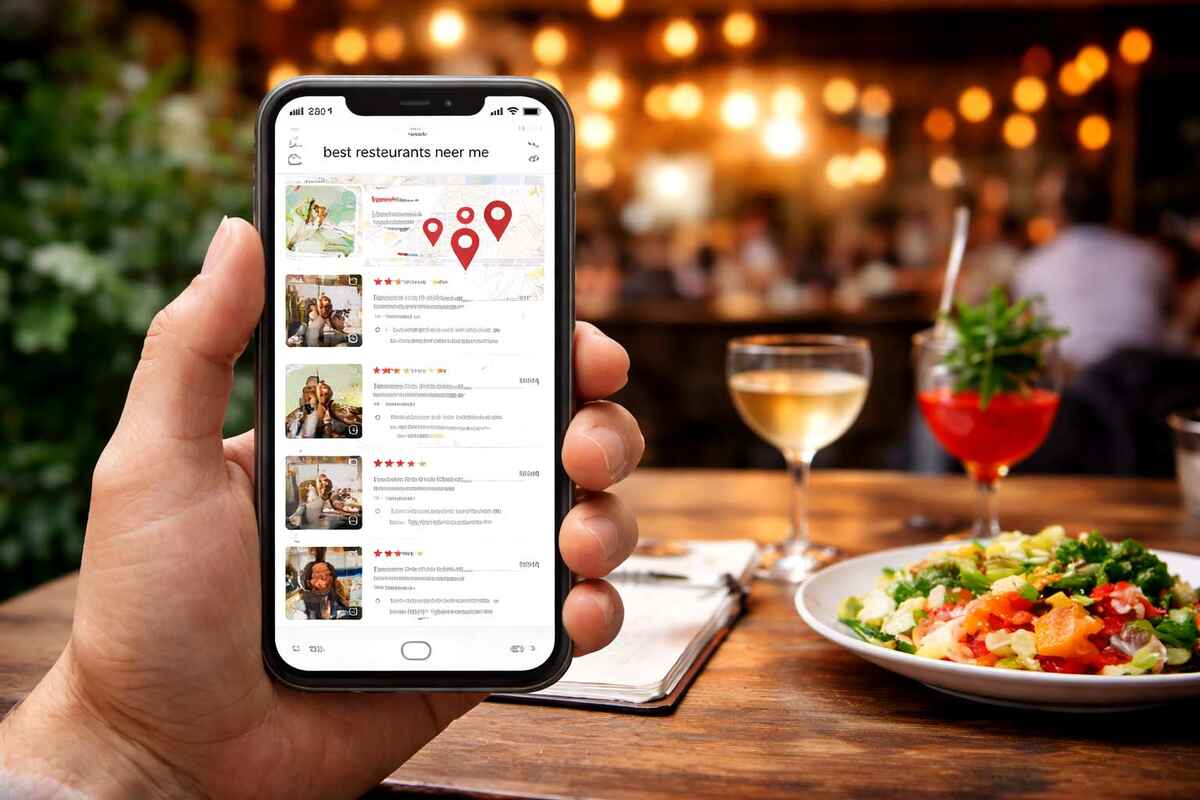
HORECA Local SEO: How Does Voice Search Change the Game?
HORECA Local SEO is evolving rapidly with the rise of voice-activated assistants like Siri, Alexa, and Google Assistant. People use voice search differently than they type; they use natural, conversational language and often ask direct questions like “Where is the best Italian restaurant open now?”
To capture this traffic, your HORECA website needs to be optimized for these long-tail, question-based queries. This means including an FAQ section on your site that addresses common customer concerns in a friendly, conversational tone.
If your site provides the most direct answer to a voice query, you are much more likely to be the “featured result” that the assistant reads aloud.
To stay ahead in HORECA local SEO, you must ensure your basic information—like your address, phone number, and operating hours—is easily accessible to voice search algorithms. Most voice searches have local intent, meaning the user is looking for something nearby and immediate.
If your HORECA business has accurate and structured data, you become the primary candidate for these “near me” searches. Think about the specific phrases your customers might say out loud and incorporate them into your website’s copy.
By optimizing for the way people actually speak, you make your business much more accessible to a growing segment of the market that prefers hands-free search, ensuring you don’t miss out on these high-intent leads.
HORECA Local SEO: Can High-Quality Photos Improve Your Click-Through Rate?
HORECA Local SEO is intensely visual because hospitality is an experience-driven industry. When someone finds your listing in search results, the first thing that catches their eye isn’t your text; it’s your photography.
High-resolution, professional images of your interiors, your signature dishes, or your welcoming lobby can be the deciding factor in whether a user clicks on your site or moves on to a competitor.
In the HORECA world, visual storytelling is a primary tool for setting expectations and building desire. Google also recognizes that listings with photos get significantly more clicks, which in turn signals that your listing is helpful and deserves a higher rank.
Investing in visual content for HORECA local SEO also involves encouraging your guests to upload their own photos to your Google Business Profile. These “authentic” shots provide a realistic view of the experience you offer and add a layer of credibility that professional photos sometimes lack.
For any HORECA establishment, a gallery full of vibrant, diverse images shows that the business is active and popular. Make sure to tag your images with relevant alt-text and metadata, as this helps search engines understand what is in the pictures, further boosting your relevance for specific searches.
By making your digital presence as beautiful as your physical one, you create a powerful incentive for users to choose you over everyone else in the city.
HORECA Local SEO: How Can Business Directories Strengthen Your Digital Footprint?
HORECA Local SEO utilizes business directories not just as a source of direct traffic, but as a vital network of digital references that validate your location and service quality.
When your business is listed on these specialized industry platforms, it creates a consistent web of information that search engines use to confirm your physical existence and professional standing in the city.
For any HORECA establishment, these listings serve as authoritative nodes that connect your official website to the broader local economy.
By ensuring your business details are identical across every single platform, you eliminate data conflicts that could otherwise confuse search algorithms and dilute your ranking power.
A sophisticated approach to HORECA local SEO involves seeking out niche-specific catalogs that cater specifically to travelers, diners, and event planners within your geographic region.
These platforms provide high-quality backlinks that carry significant weight because they are contextually relevant to the hospitality industry.
When a reputable industry directory links back to your HORECA site, it acts as a formal endorsement of your brand’s relevance and reliability. This strategy helps you dominate the local market by building a diverse and robust backlink profile that is difficult for competitors to replicate.
By maintaining an active and updated presence on these directories, you ensure that potential customers can find your business through multiple channels, significantly increasing your chances of conversion.
Why Is User Experience (UX) Vital for Rankings?
HORECA Local SEO isn’t just about getting people to your website; it’s about what they do once they get there.
If users land on your page and immediately “bounce” back to the search results because they can’t find your menu or your booking button is broken, search engines will interpret this as a sign that your site isn’t useful.
A great user experience (UX) keeps visitors engaged, which reduces bounce rates and increases time-on-site—both of which are positive signals for your ranking.
For a HORECA business, this means having a clean layout, intuitive navigation, and a clear path to the most important actions, such as making a reservation or checking availability.
Improving UX as part of your HORECA local SEO strategy also means ensuring that your site is accessible and easy to use for everyone. This includes fast loading speeds, clear typography, and a logical information architecture.
In the HORECA sector, customers are often looking for specific information quickly, such as “Do they have outdoor seating?” or “Is there parking?” If this information is buried deep in your site, you’re creating friction that hurts your SEO.
By streamlining the user journey and making it as easy as possible for people to find what they need, you build trust and encourage repeat visits. A website that is a pleasure to use will naturally perform better in search rankings and convert more visitors into loyal customers.
How to Track Your Success with Analytics?
HORECA Local SEO is not a “set it and forget it” strategy; it requires constant monitoring and adjustment based on real-world data. Using tools like Google Analytics and Search Console allows you to see exactly how people are finding your website and what they do once they arrive.
You can track which keywords are driving the most traffic to your HORECA business and which pages are the most popular.
This data is invaluable because it tells you what is working and what needs improvement. If you notice that a specific blog post about a local event is bringing in lots of visitors, you can create more content like it to further boost your local authority.
To truly master HORECA local SEO, you should also pay close attention to the insights provided by your Google Business Profile.
These metrics show you how many people called you directly from search, how many requested directions, and how many clicked through to your website. For a HORECA owner, these are the “bottom line” numbers that represent actual revenue.
By regularly reviewing these analytics, you can spot trends, such as peak search times or seasonal shifts in interest, and adjust your marketing efforts accordingly.
Continuous optimization based on data ensures that your SEO strategy remains effective in an ever-changing digital landscape, allowing you to maintain your dominance in the city market year after year.
Conclusion
HORECA Local SEO is not merely a one-time setup but a continuous journey toward becoming the most prominent name in your city’s hospitality scene.
By implementing the strategies discussed, from technical schema markup to authentic community engagement, you position your HORECA business as a reliable and authoritative leader that search engines are proud to recommend.
Success in this field comes down to consistency; those who regularly update their information and engage with their audience will always outshine those who remain stagnant.
As the digital landscape evolves, staying committed to these local optimization principles ensures that your brand remains the first choice for every resident and visitor looking for an exceptional experience.
The ultimate goal of HORECA local SEO is to create a seamless bridge between a user’s search query and your physical doorstep.
When you treat your digital presence with the same care and hospitality that you show your guests in person, the results will naturally follow in the form of higher rankings and increased revenue.
Every review answered, every local link earned, and every photo uploaded contributes to a stronger HORECA identity that can withstand any market shift.
Now is the time to take these insights and turn them into action, ensuring that your business doesn’t just survive the digital age but thrives at the very top of the search results.
FAQ
HORECA local SEO is a specialized branch of search engine optimization focused on increasing the visibility of hotels, restaurants, and cafes in local search results. It involves optimizing your online presence so that when people search for hospitality services in your specific city or neighborhood, your business appears at the top.
While some changes like updating your Google Business Profile can have an immediate impact, a comprehensive HORECA local SEO strategy typically takes 3 to 6 months to show significant ranking improvements. Consistency in managing your HORECA listings and reviews is key to seeing long-term growth.
Yes, a professional website is the cornerstone of HORECA local SEO. It serves as the primary source of truth for search engines, allowing you to host menus, booking engines, and localized content that helps your HORECA brand rank for specific, high-intent keywords.
Reviews are one of the most critical ranking factors in HORECA local SEO. Positive ratings and frequent feedback signal to search engines that your HORECA establishment is trustworthy and popular, which directly pushes you higher in the local map pack.
Absolutely. Most users looking for a HORECA service are doing so on mobile devices while on the move. Therefore, HORECA local SEO heavily relies on having a fast, mobile-responsive site that provides a seamless experience for potential guests.
While social media isn’t a direct ranking factor, it supports HORECA local SEO by driving brand awareness and traffic. High engagement on social platforms leads to more branded searches, which tells Google that your HORECA business is a prominent local entity.
Citations are mentions of your business name, address, and phone number on various directories. In HORECA local SEO, consistent citations across travel and food directories build the “location authority” necessary for your HORECA business to dominate city-wide searches.
Voice search is changing HORECA local SEO by introducing more conversational and question-based queries. Optimizing for voice ensures that when someone asks their phone for the “best coffee near me,” your HORECA spot is the answer provided.
Schema markup is a code you add to your website to help search engines understand your specific HORECA data, such as prices, hours, and ratings. It is a powerful HORECA local SEO tool that allows your search results to look more attractive and informative.
You can track the success of your HORECA local SEO by monitoring metrics like organic traffic, “Get Directions” clicks, and direct calls from your business profile. These indicators show exactly how your HORECA marketing is converting online searches into real-world customers.

Author: Horeca Health
Horeca Health









Leave a Reply