Visit Colmar: Introduction
Visit Colmar: Have you ever dreamt of stepping directly into a European storybook, where every corner turned reveals a cascade of colours, centuries-old charm, and an atmosphere so enchanting it feels almost unreal?
Then let us introduce you to Colmar, a destination that not only meets this fantasy but fully embodies it. Nestled in the heart of France’s prestigious Alsace wine region, this captivating city is often cited as the most beautiful stop along the entire Wine Route.
Its visual splendour is immediately arresting: brightly painted, half-timbered houses line canals reminiscent of Venice, while cobblestone streets whisper tales of its fascinating Franco-German heritage.
This is more than just a pretty place; it’s a cultural melting pot where the robust flavours of German cuisine meet the delicate finesse of French savoir-faire.
From exploring the iconic ‘Little Venice’ canals and sampling world-class Alsatian Rieslings to diving deep into history at the renowned Unterlinden Museum, Colmar offers an unparalleled richness of experiences.
Whether you are a seasoned globetrotter seeking your next great adventure or planning your very first European travel itinerary, this guide is your expert passport to navigating its magic.
Get ready to discover why you absolutely must visit Colmar—a unique Alsatian treasure waiting to captivate your heart and fill your camera roll. Let the fairytale journey begin!
Visit Colmar: What are the key milestones in the city’s fascinating Franco-German history?
The history of this enchanting Alsatian town is a complex and captivating narrative, deeply interwoven with the shifting political tides of Europe, particularly the long-standing rivalry between France and Germany.
First mentioned in the 9th century, the area gained prominence and was granted the status of an Imperial Free City in 1226, establishing it as a significant commercial hub within the Holy Roman Empire.
The medieval period saw a flourishing of trade and artistic achievement, evidenced today by the magnificent Gothic architecture like the Collégiale Saint-Martin. However, the most defining characteristic of its past is the frequent change in nationality.
After enjoying centuries of relative autonomy, the city was absorbed by France during the reign of Louis XIV in the 17th century, where it developed a strong French cultural identity.
This stability was broken in 1871 following the Franco-Prussian War, when Alsace, including Colmar, was annexed by the newly unified German Empire. It remained under German control until the end of World War I in 1918, when it was returned to France.
This cycle was tragically repeated during World War II, with another period of German occupation. This turbulent heritage is precisely what gives the city its unique character—a remarkable fusion of two powerful cultures reflected in its cuisine, language, and, most visibly, its architecture.
To truly appreciate the rich layers of its present charm, you must visit Colmar and walk the streets that have witnessed over a millennium of European history. Understanding this rich, dualistic past transforms a simple tour into a profound journey.
Visit Colmar: What makes this Alsatian town the most charming destination in France?
This captivating city, nestled in the heart of the Alsace wine region, is often described as stepping directly into a storybook, a sentiment that is immediately validated upon arrival. Its unique blend of French and German architectural styles creates a visual tapestry unlike anywhere else.
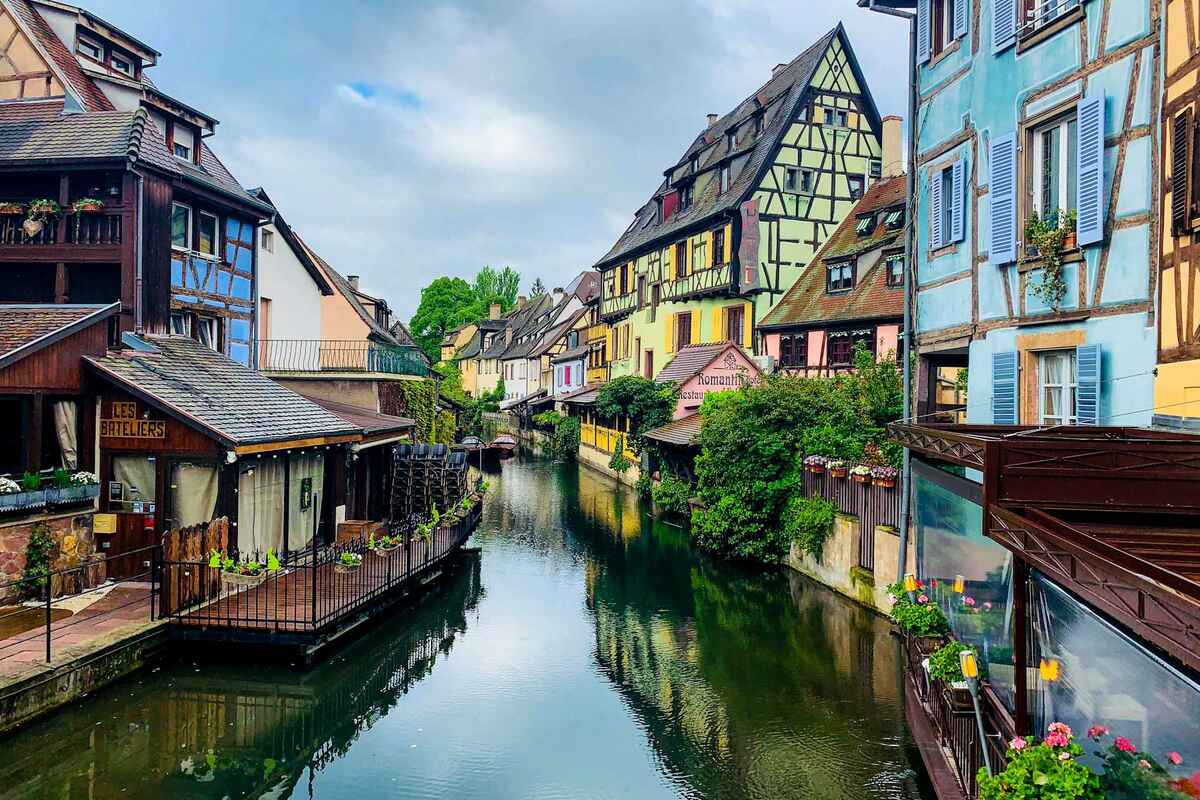
The half-timbered houses, painted in a kaleidoscope of colours—ranging from buttercup yellow to brilliant turquoise and deep burgundy—line the winding, cobblestone streets.
These centuries-old structures, adorned with flower boxes that overflow with vibrant geraniums in the warmer months, are the essence of its photogenic appeal. Crucially, the city centre is meticulously preserved, offering an authentic glimpse into the region’s rich history and cultural cross-pollination.
Many travellers are drawn here specifically for the ambiance of La Petite Venise (Little Venice), a picturesque area where the Lauch River flows gently past the colourful houses, offering boat tours that provide a unique perspective on the architecture.
It’s a place where every corner turned presents a new, postcard-perfect scene. For anyone looking to truly experience the best of Europe’s quaint and historic towns, you simply must visit Colmar.
This gem provides an unparalleled backdrop for both relaxation and exploration, solidifying its reputation as a must-see spot on any European itinerary. The combination of its visual splendour and deep historical roots makes it a truly enchanting spot that consistently tops “most beautiful towns” lists.
Visit Colmar: What historical and religious sites showcase the city’s medieval past?
The rich history of this Alsatian city is beautifully etched into its religious and civil architecture, providing tangible links to its medieval and Renaissance past.
The most prominent religious structure is the Collégiale Saint-Martin (St. Martin’s Church), a magnificent example of Gothic architecture often mistakenly called a cathedral due to its size and grandeur.
Completed in the 14th century, its imposing structure dominates the central Place de la Cathédrale and features a distinctive onion-domed bell tower. Inside, you can admire its impressive stained-glass windows and the large organ.
Another essential historical stop is the Dominican Church (Église des Dominicains), which now houses the famous Virgin in the Rose Bush painting by Martin Schongauer, a key work of Alsatian art. While less grand than St. Martin’s, its cloister and the sheer age of the building evoke a deep sense of history.
On the civil side, the Koïfhus (Old Customs House), built in 1480, is the oldest public building in the city and served as the political and economic centre for centuries, acting as a warehouse and a place for taxing imports and exports.
Its imposing façade and tiered roof are a symbol of the city’s former economic power. Walking between these sites is a journey through time, allowing you to trace the evolution of architecture and civic life over centuries.
This concentration of well-preserved structures makes visit Colmar a mandatory destination for history enthusiasts looking to explore the roots of European heritage.
Visit Colmar: Which museums offer the deepest dive into Alsatian art and history?
While the entire town feels like a living museum, the formal institutions here provide critical context and hold extraordinary collections that enrich any journey. The most significant is the Unterlinden Museum, a true cultural cornerstone housed within a former 13th-century Dominican convent.
Its main draw is the world-renowned Isenheim Altarpiece (retable d’Issenheim) by Matthias Grünewald, a masterpiece of German Renaissance art celebrated for its intense emotion and striking realism.
Seeing this colossal work in person is a profound experience that justifies the admission alone, but the museum’s scope extends far beyond this single piece.
It also features a wide-ranging collection that spans from archaeology and medieval sculpture to modern art, effectively narrating the multifaceted history of the Upper Rhine region.
A visit here is essential for understanding the unique cultural identity shaped by centuries of French and German influence. Furthermore, the Musée Bartholdi, dedicated to the sculptor Frédéric Auguste Bartholdi, a native of the city and the man who created the Statue of Liberty, is equally worthwhile.
This smaller but engaging museum offers a fascinating glimpse into his life, his working process, and includes original plaster models of his major works. To truly understand the heart and soul of this beautiful location, ensuring your itinerary includes dedicated time for these institutions is key.
Planning a purposeful travel itinerary to include these cultural stops transforms a scenic tour into an educational adventure.
Visit Colmar: How can I best explore the famous ‘Little Venice’ district?
The celebrated district of La Petite Venise is undoubtedly the visual and emotional heart of this enchanting locale, offering experiences that cater to both the leisurely observer and the keen photographer.
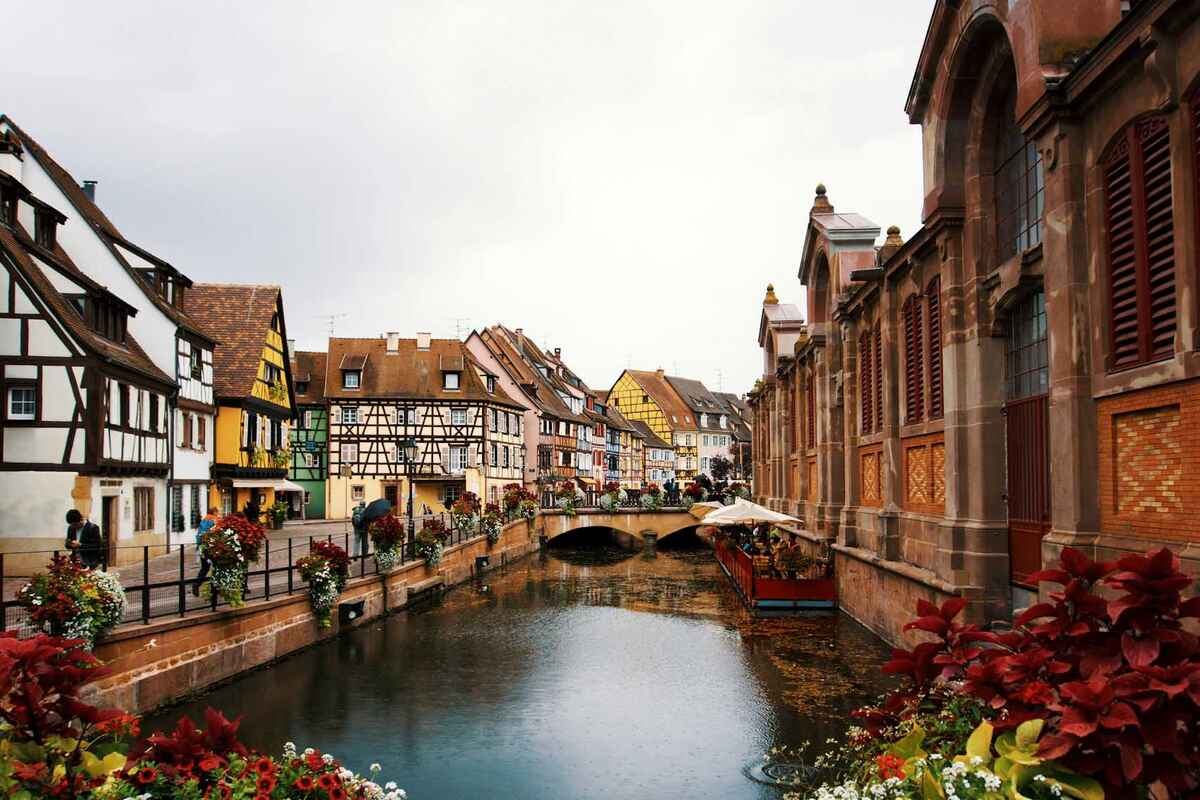
To truly appreciate its beauty, a dual approach is recommended: exploring both by foot along the canals and by boat upon the water. Walking the quays, such as Quai de la Poissonnerie, allows you to get up close to the iconic, brightly painted half-timbered houses that practically lean into the waterway.
It’s here that you can pause for countless photo opportunities and absorb the peaceful atmosphere created by the slow-moving river and the reflection of the colourful buildings.
However, the most quintessential and highly recommended experience is taking a traditional flat-bottomed boat ride.
These leisurely voyages offer a completely different, intimate perspective, gently navigating under low bridges and past the back gardens of homes, revealing architectural details that are invisible from the street.
The guided tours typically last around 25 to 30 minutes, providing historical context about the tanners, fishermen, and other crafts that once thrived in this specific part of the city.
While this stunning French destination is walkable and delightful in its entirety, the Little Venice area requires this water-level exploration to be fully appreciated.
Make sure to factor this into your travel plans, as it is a core memory in the making. The unique serenity of this section of Colmar is a major draw for globetrotters seeking authentic European charm.
Visit Colmar: What are the best local Alsatian wines to sample and where should I try them?
The city sits proudly as the self-proclaimed capital of the Alsatian Wine Route (Route des Vins d’Alsace), making the tasting of its distinctive white wines an absolutely non-negotiable part of any visit.
Unlike other French regions that primarily blend grape varieties, Alsace focuses on varietal wines, meaning they are named after the single grape used to produce them. The top three must-try varieties are Riesling, Gewürztraminer, and Pinot Gris.
Riesling here is typically dry and structured, offering elegant minerality; it is not the sweet style often associated with Germany. Gewürztraminer is instantly recognizable by its intense, aromatic bouquet of lychee, rose petals, and ginger, making it a unique food pairing.
Pinot Gris offers a richer, smokier, and fuller-bodied experience. To sample these wines, you have a few excellent options: visit a Winstub, a traditional Alsatian wine tavern, for a cozy, authentic experience paired with regional cuisine; or head directly to a Cave (wine cellar) for a formal tasting.
Many esteemed local producers have tasting rooms just outside the city, but several excellent shops and specialized bars are located right in the old town. Experiencing the wine culture is just as important as the sightseeing.
For the full regional immersion, make sure your visit Colmar experience includes one of the many available tasting opportunities to appreciate the terroir that defines this area’s global reputation.
Visit Colmar: Where can I find the most authentic traditional Alsatian cuisine?
The local gastronomy is a delightful reflection of the region’s cultural duality, offering hearty, comforting dishes that merge French finesse with German substance.
Sampling the authentic cuisine is an indispensable element of any fulfilling trip here. You must seek out a traditional Winstub, which are cozy, wood-panelled restaurants that serve as the custodians of Alsatian cooking.
The most famous dish is Tarte Flambée (or Flammekueche), a thin, bread-dough crust covered with crème fraîche, thinly sliced onions, and lardons (small pieces of bacon), baked quickly in a blazing oven. It’s light, crispy, and utterly addictive.
Another essential is Baeckeoffe, a slow-cooked casserole traditionally made with three types of marinated meat (pork, beef, and lamb) and potatoes, all simmered with white wine in an earthenware dish.
For a true taste of the region’s robust nature, try Choucroute Garnie, a substantial platter of sauerkraut (fermented cabbage) braised in white wine and served with various cuts of salted and smoked meats and sausages.
The key to finding the best spot is often to venture slightly off the main tourist paths and look for smaller, family-run establishments where the atmosphere is warm and the recipes have been passed down through generations.
Finding these local culinary treasures ensures that your exploration is complete, making the overall experience a true feast for the senses. As a premier destination for European foodies, a trip to Colmar promises rich, satisfying flavours.
Visit Colmar: Is it a good base for exploring the castles and villages of the Alsace Wine Route?
Absolutely. The city’s geographical position and excellent transport links make it an unparalleled hub for exploring the broader Upper Rhine region, particularly the renowned Alsace Wine Route.
Situated centrally along the route, it offers easy access to a constellation of picture-perfect villages known for their floral displays and half-timbered beauty.
Within a short driving distance, you can reach Riquewihr, often cited as one of the most beautiful villages in France, Eguisheim, a stunning medieval village built in concentric circles, and Kaysersberg, famous for its ruined castle and being the birthplace of Albert Schweitzer.
These villages are the perfect complement to the city’s urban charm, offering a quieter, more intimate glimpse into rural Alsatian life. Furthermore, the region is dotted with majestic hilltop fortresses.
The magnificent Château du Haut-Kœnigsbourg, one of the most visited castles in France, is easily accessible and provides a stunning vantage point over the plain of Alsace and the Black Forest.
To make the most of your time, consider renting a car for maximum flexibility, although organized tours and the local train service (TER) can also connect you to several key locations.
Planning your travel itinerary to use this as your main lodging spot is highly recommended, as it allows for comfortable day trips while returning each evening to the city’s superior dining and lodging options.
Visit Colmar: Where are the most photogenic spots that travellers should not miss?
The entire town is a photographer’s dream, but certain locations are iconic and yield truly spectacular results that should be prioritized during your stay.
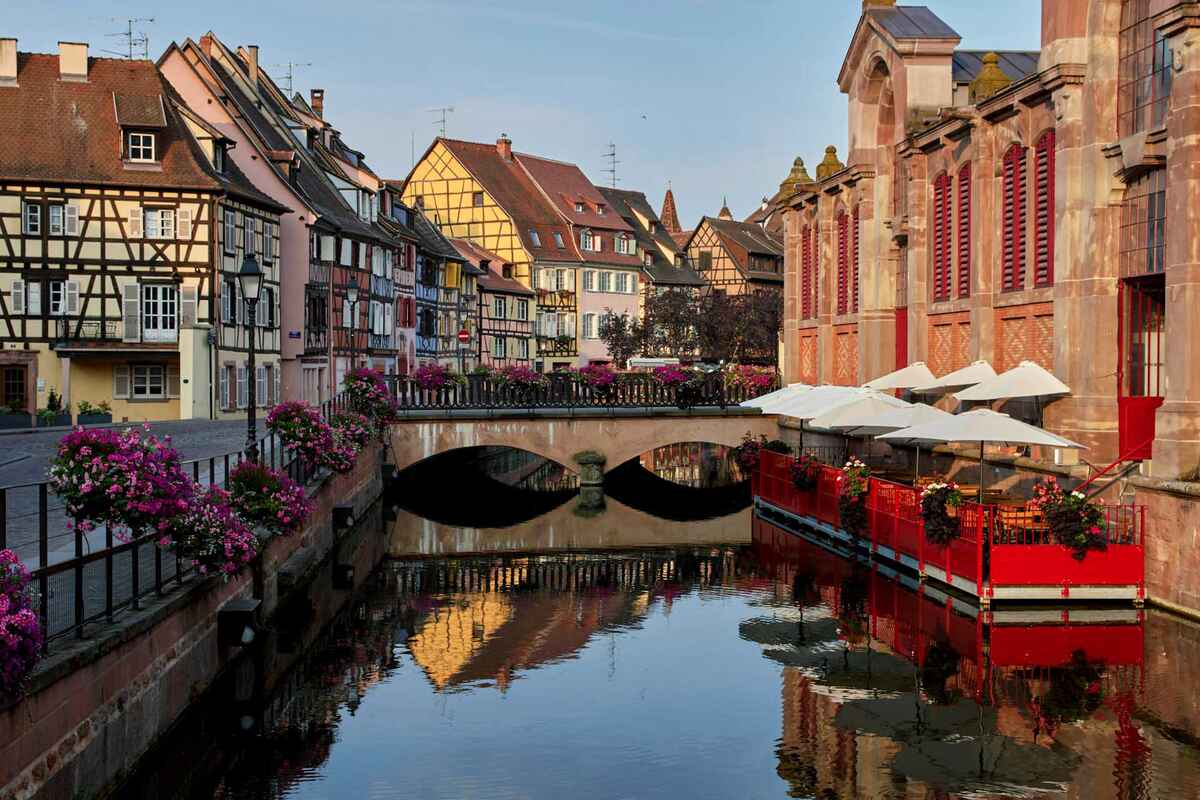
The most famous, of course, is the aforementioned La Petite Venise, particularly the bridge on Rue des Écoles, which offers the quintessential view down the Lauch River towards the brightly coloured half-timbered houses. Timing is crucial here; visit early in the morning for soft light and fewer crowds.
Another essential stop is the Quartier des Tanneurs (Tanners’ Quarter), characterized by its tall, narrow houses with distinctive high, open attics where the tanners used to dry their hides. These houses feature different architectural details than those in Little Venice, offering a varied aesthetic for your portfolio.
The area around the Koïfhus (Old Customs House) is also incredibly atmospheric, especially the Place de l’Ancienne Douane, where you can capture the contrast between the grand stone building and the surrounding timber-framed structures.
Don’t overlook the vibrant facades along Rue Mercière and the unique, crooked “House of Heads” (Maison des Têtes). To truly capture the magic, spend time walking the narrow side alleys; these hidden gems often reveal charming details, like whimsical signs or brightly painted shutters, without the crowds of the main streets.
For those who enjoy capturing European charm, a careful exploration of this area during your sightseeing will provide countless stunning images. For the best memories and photographs, you absolutely must visit Colmar and explore its many corners.
Visit Colmar: How walkable is the city center and what can I see without needing transportation?
One of the great joys of spending time in this enchanting French location is its exceptional walkability, making it the perfect destination for travellers who prefer to explore on foot.
The historic heart of the city, which contains all the major attractions, is largely pedestrianized and compact. This means that once you have arrived and settled in your accommodation, you can easily access the most famous sights, museums, and dining spots without relying on taxis or public transport.
From the main railway station, it is a pleasant 15-20 minute stroll into the centre. Within the medieval core, you can walk from the Unterlinden Museum on one side to the canals of La Petite Venise on the other in less than 15 minutes.
This compact nature allows for efficient sightseeing, giving you the freedom to wander down a charming side street on a whim without the worry of getting truly lost. You can effortlessly cover the Maison des Têtes, the Koïfhus, and the Collégiale Saint-Martin (St. Martin’s Church) all within a relaxed morning’s ramble.
The experience of walking is central to the charm, as it allows you to truly appreciate the intricate details of the architecture and the peaceful atmosphere.
For anyone planning their next overseas travel adventure, the ability to leave the car behind and simply wander makes for a much more engaging and intimate experience with the local culture.
Visit Colmar: When is the best time of year to visit, especially for seasonal events?
While this city offers undeniable charm year-round, the experience transforms dramatically with the seasons, each offering a distinct atmosphere. The summer months (June to August) are popular for their long daylight hours, vibrant flower displays cascading from the window boxes, and the full energy of outdoor dining.
This is the best time for boat tours in Little Venice and exploring the Wine Route in full bloom. However, the most magical and internationally renowned period is undeniably during the Christmas Market season (late November to late December).
The town embraces the festive season with a spectacular display of lights, decorations, and several themed markets scattered across its squares. The half-timbered houses are adorned with dazzling lights, transforming the city into a true winter wonderland that feels straight out of a children’s storybook.
This period attracts the largest crowds, so advance booking for accommodation is essential. For those who prefer a quieter, yet still beautiful experience, the spring (April to May) offers pleasant temperatures, fewer tourists, and the first blooms, while the autumn (September to October) provides the stunning spectacle of the grape harvest and the warm, fiery colours of the vineyards.
The optimal time for a truly unique and memorable experience is a subjective choice, but no matter the season, a journey to Colmar promises a picturesque setting that never disappoints.
Can I easily explore the surrounding vineyards and villages by bicycle?
Exploring the Alsatian landscape by bicycle is an idyllic and highly recommended way to experience the region’s famed vineyards and charming villages up close.
The area surrounding the town is exceptionally well-suited for cycling, with many designated bike paths and quiet, well-maintained secondary roads that crisscross the grape-growing hillsides.
The Alsace Wine Route itself is a major draw for cyclists, as the distances between the most picturesque villages—such as Eguisheim, Riquewihr, and Kaysersberg—are quite manageable, making for perfect half-day or full-day excursions.
You can rent high-quality road or electric-assist bikes directly in the city, which is especially helpful for tackling some of the gentler slopes leading into the vineyards.
Cycling allows you to immerse yourself fully in the terroir, passing directly through rows of vines and stopping on a whim at a small cave (wine cellar) for a tasting that you might have missed by car.
The entire region is committed to green travel, and this infrastructure makes it a low-stress way to sightsee. The feeling of freedom and the stunning views of the Vosges mountains towering over the fields of grapes make for a truly memorable European experience.
Planning a day or two for pedal-powered exploration will add a wonderful dimension to your trip and is one of the best ways to connect with the beautiful local scenery.
What practical travel tips should I know for a smooth and enjoyable trip?
To ensure your journey to this lovely destination is as seamless and enjoyable as possible, a few practical considerations are worth noting.
First, while French is the official language, you will find that due to the proximity to Germany and the heavy tourist influx, English is widely understood in hotels, restaurants, and museums, and a basic knowledge of German can also be helpful.
Always greet people with a polite Bonjour (Hello) or Guten Tag (Good day) to start any interaction positively. Second, the city centre, being pedestrianized, is best explored on foot, so pack comfortable walking shoes.
For visiting the surrounding villages, while public transport exists, renting a car offers the greatest flexibility, but be aware that parking can be limited and costly within the town walls.
Third, regarding accommodation, booking well in advance, especially if your travel dates fall during the summer or, crucially, the Christmas Market season, is absolutely essential. Restaurants can also get fully booked quickly, particularly the popular Winstubs, so reserve a table for dinner by mid-afternoon.
Finally, consider purchasing the Alsace Pass if you plan to visit multiple museums and attractions across the region, as it can offer significant savings.
Following these straightforward tips will help you navigate your trip like a seasoned expert, allowing you to focus on enjoying the beauty and charm of this remarkable destination.
Conclusion
We have journeyed through the colourful streets, tasted the exceptional wines, and uncovered the rich, dualistic history that makes this Alsatian gem so uniquely compelling.
Colmar is far more than just a beautiful backdrop for photographs; it is a profound cultural experience. From the quiet morning reflections along the canals of La Petite Venise to the cozy warmth found within a traditional Winstub serving Tarte Flambée, every moment spent here feels like a page taken directly from an idyllic story.
The blend of stunning medieval architecture, world-class art, and the palpable heritage of a thousand years of European history ensures that your visit will leave an indelible mark.
The city serves as a perfect, easily navigable base for deep exploration of the entire Wine Route, its castles, and its charming surrounding villages. For anyone planning their next great European travel adventure, we hope this guide has demonstrated why this location deserves the top spot on your list.
Don’t just admire the pictures—come and breathe in the magic for yourself. The time to book your tickets and start planning your perfect itinerary is now. Make the commitment to visit Colmar, and prepare to step into the most beautiful fairytale you’ll ever experience.
FAQ
Colmar is generally considered more affordable than major French cities like Paris or Nice, particularly regarding accommodation and dining. Prices are competitive for a major tourist destination, but focusing on local Winstubs rather than upscale restaurants can help keep your budget in check. Planning your visit Colmar during the shoulder seasons (spring or autumn) can also lead to better deals on lodging.
We recommend dedicating at least two full days to explore the main attractions, including La Petite Venise, the Unterlinden Museum, and the historic quarters. If you plan to use the city as a base for exploring the surrounding Wine Route villages and castles (which we highly recommend), you should plan for a total of 4 to 5 days for the region.
The most convenient way to reach Colmar is by train (TGV/TER), which offers direct connections from major hubs like Strasbourg and Basel. The nearest major international airports are Basel-Mulhouse-Freiburg (BSL/MLH/EAP) and Strasbourg (SXB). From the airports, train connections are readily available, making your travel smooth and efficient.
Absolutely. The city is internationally famous for its stunning, atmospheric Christmas Markets (late November to late December). The festive lights and decorations transform the town into a winter fairytale, making it arguably the most magical time to visit Colmar. Be sure to book your accommodation months in advance if travelling during this peak season.
No. The historic center of Colmar is small, highly walkable, and mostly pedestrianized, meaning a car is a hindrance for city sightseeing. A car is only necessary if you plan to independently explore the more distant villages and vineyards along the Alsace Wine Route outside of public transit routes.
You must try Tarte Flambée (Flammekueche), a local flatbread dish, and Baeckeoffe, a hearty meat and potato casserole slow-cooked in a traditional earthenware pot. Don’t forget to pair your meal with a glass of local dry Riesling or aromatic Gewürztraminer.
Yes. Due to the high volume of international tourism, you will find that English is widely spoken and understood in hotels, restaurants, shops, and museums throughout Colmar. However, knowing a few basic French phrases (Bonjour, Merci) is always appreciated.
Yes, taking a boat tour along the Lauch River in the La Petite Venise district is a must-do activity. These flat-bottomed boat tours typically last about 30 minutes and offer a unique, charming perspective of the colourful houses and bridges. They run frequently during the warmer months.
The two most famous landmarks are the Unterlinden Museum, which houses the world-renowned Isenheim Altarpiece, and the Collégiale Saint-Martin, a massive and beautiful Gothic church that dominates the central square. Both sites are essential components of any comprehensive sightseeing trip.
To ensure an authentic experience, step away from the main tourist streets. Dine at a traditional Winstub (wine tavern), sample wine directly from a local Cave (cellar), and explore the lesser-known Tanners’ Quarter. Engaging with local vendors and trying Alsatian-specific dishes will enrich your travel experience immensely.

Author: Horeca Health
Horeca Health















Leave a Reply