Health Benefits of Quinoa: Introduction
Health Benefits of Quinoa: In the vast landscape of grains and seeds, few possess the stellar reputation and comprehensive nutritional value of quinoa.
This ancient powerhouse, cultivated in the Andean regions for millennia, has rightfully transitioned from a sacred Incan staple to a globally recognized superfood.
For those striving to optimize their diet with ingredients that genuinely deliver, understanding the extensive health benefits of quinoa is key to achieving peak wellness.
Unlike common cereal grains, quinoa stands apart as one of the very few plant-based sources considered a complete protein, supplying all nine essential amino acids necessary for everything from muscle synthesis to hormone production.
This exceptional attribute, combined with its naturally gluten-free nature, instantly elevates it as an indispensable ingredient for everyone, particularly vegans, vegetarians, and those with celiac sensitivities.
Beyond its protein superiority, a single serving is packed with double the fiber of many grains, plus a potent cocktail of micronutrients like iron, magnesium, and anti-inflammatory antioxidants.
This isn’t just a side dish; it’s a nutritional cornerstone. Dive in as we uncover the top 12 research-backed ways that consistently adding quinoa to your plate can transform your vitality and long-term health.
Why are the health benefits of quinoa considered a complete protein source for optimal nourishment?
The remarkable health benefits of quinoa begin with its exceptional protein profile, which truly sets it apart from almost all other plant-based dietary staples.
Recognized globally as a “complete protein,” quinoa contains all nine essential amino acids that the human body requires but cannot manufacture on its own.
These fundamental building blocks are absolutely crucial for a myriad of biological processes, from facilitating efficient muscle repair and growth after physical activity to supporting the synthesis of critical hormones and enzymes necessary for overall systemic function.
For individuals who adhere to vegetarian or vegan lifestyles, or simply seek to diversify their protein intake beyond animal products, incorporating this ancient grain-like seed provides a straightforward, highly efficient, and complete way to ensure adequate intake of these vital nutrients.
This superior nutritional structure contributes significantly to overall health, promoting tissue maintenance, enhanced immunity, and sustained vitality across all age groups.
Furthermore, the high-quality protein content works effectively to promote satiety, the deep feeling of fullness after a meal, which is a key physiological factor in appetite regulation and achieving or maintaining a healthy body weight.
By making this nutrient-dense superfood a regular part of your meals, you are selecting a foundational food that actively and completely supports your body’s daily needs for robust growth and essential maintenance with powerful, plant-based nutrition, underscoring its reputation as a powerhouse of optimal health.
How do the health benefits of quinoa aid in promoting robust digestive health?
One of the most widely appreciated and significant health benefits of quinoa stems from its substantial and diverse dietary fiber content, an absolutely non-negotiable component for a smoothly functioning digestive system.
This powerhouse seed is generously packed with both soluble and insoluble fiber, which work together in a synergistic manner to maintain gastrointestinal regularity and overall gut health.
The insoluble fiber acts like a gentle broom, adding essential bulk to the stool, thereby facilitating smoother bowel movements, effectively preventing constipation, and significantly promoting regularity.
Soluble fiber, conversely, dissolves within the gut’s watery environment to form a thick, gel-like substance that not only helps to soften stools but also plays a vital role in nourishing the beneficial bacteria residing in your gut microbiome.
This function is essentially a prebiotic effect, as the fiber feeds the healthy bacteria, leading to a more balanced and diverse gut ecosystem, which is intrinsically linked to better nutrient absorption, reduced systemic inflammation, and even a fortified immune system.
The consistent and thoughtful inclusion of quinoa in your daily eating pattern can be viewed as a gentle yet highly effective long-term strategy to support optimal gastrointestinal well-being and function.
Maintaining excellent digestive health is paramount, as it profoundly influences everything from consistent energy levels and nutrient assimilation to even emotional well-being, and this ancient seed offers a delicious, natural, and simple way to actively contribute to these goals by leveraging its rich fiber profile.
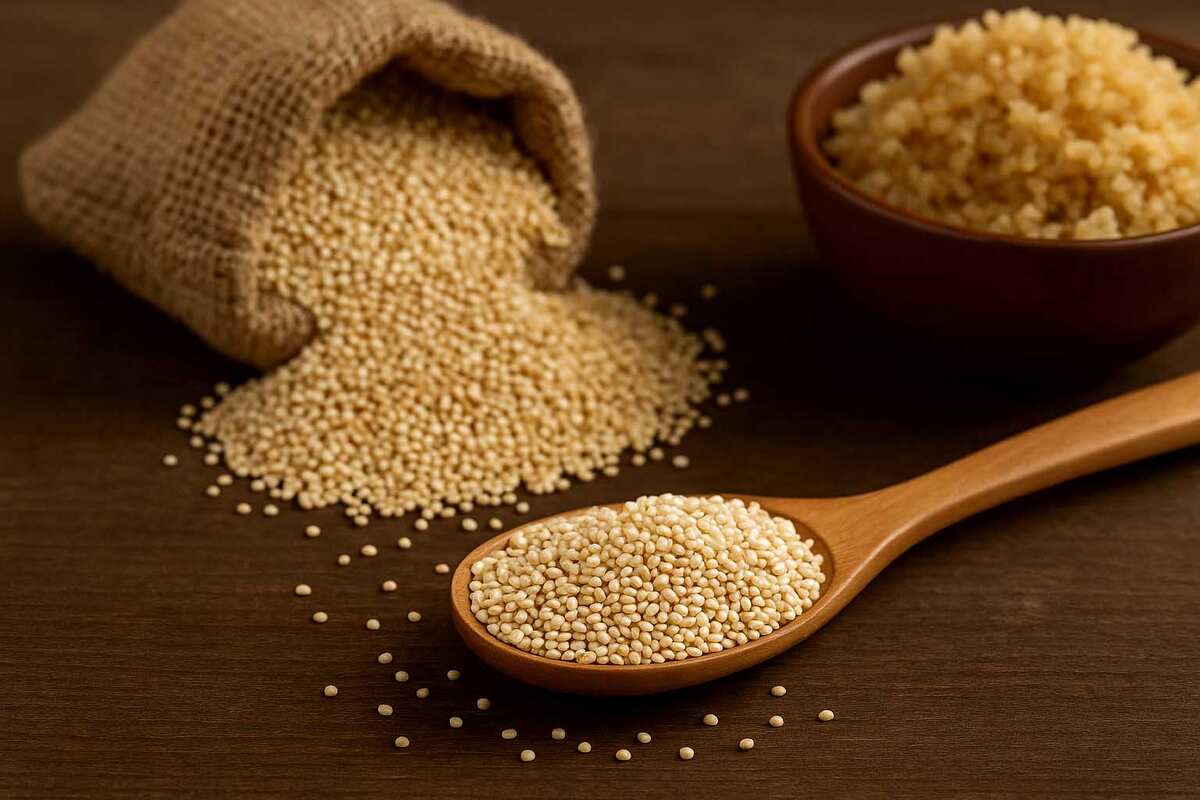
Can the health benefits of quinoa help regulate and manage stable blood sugar levels?
Absolutely, the impressive and widespread health benefits of quinoa significantly extend to supporting metabolic balance, particularly in the crucial area of glucose control and management.
The powerful combination of its high dietary fiber content, its complete protein composition, and a generous array of complex carbohydrates collectively gives quinoa a relatively low glycemic index (GI) score.
This low GI means that, when consumed, the food causes a notably slower and much steadier rise in blood sugar levels compared to typical refined or highly processed carbohydrates, which often lead to erratic spikes.
This slow-release characteristic makes the ancient seed an excellent source of sustained energy, which is vitally important for maintaining consistent energy throughout the day, preventing the sudden, disruptive energy crashes, and minimizing the often-powerful cravings associated with unstable blood sugar.
The significant fiber component plays a crucial dual role here: it physically slows down the overall digestive process and, crucially, the rate at which sugars are absorbed into the bloodstream.
This makes this pseudo-cereal an exceptionally judicious and beneficial carbohydrate choice for anyone actively looking to manage their current blood sugar status or mitigate the future risk of developing type 2 diabetes.
Prioritizing staple foods that naturally support stable blood sugar is a fundamental principle of good metabolic health, and quinoa offers a naturally delicious and incredibly easy-to-incorporate option that contributes meaningfully to long-term stability and overall systemic health.
In what ways do the health benefits of quinoa support and enhance cardiovascular health?
The profound health benefits of quinoa are a substantial and verified boon for the heart and circulatory system, firmly positioning it as a truly heart-healthy dietary component.
This versatile pseudocereal is naturally rich in several key nutrients that are scientifically known to support and optimize robust cardiovascular function, including high concentrations of potassium, magnesium, and a significant amount of dietary fiber.
The soluble fiber fraction, specifically, is instrumental in actively helping to lower levels of low-density lipoprotein (LDL) or “bad” cholesterol by binding to the cholesterol molecules within the digestive tract and facilitating their efficient excretion from the body.
Furthermore, the essential minerals found in this seed, such as magnesium, are pivotal in blood pressure regulation by supporting the healthy relaxation of blood vessels, thereby promoting optimal blood flow, while potassium works synergistically to naturally counteract the potential negative effects of excessive dietary sodium.
The abundant presence of powerful antioxidants further contributes by actively reducing systemic oxidative stress and chronic inflammation, both of which are recognized as core underlying factors in the development and progression of various heart diseases.
Making quinoa a regular, mindful part of your nutritional regimen is a simple yet extremely effective lifestyle strategy to actively protect, strengthen, and deeply nourish your entire circulatory system, significantly contributing to long-term cardiac health.
How does the health benefits of quinoa contribute to effective weight management and satiety?
For any individual focused on the journey toward maintaining a healthy and optimal body weight, the specific health benefits of quinoa related to appetite and satiety are particularly impactful and valuable.
The remarkable nutritional composition, featuring a potent combination of high protein and substantial dietary fiber, makes this ancient seed an exceptionally satiating food that naturally curbs overeating.
Protein holds the distinction of being the most filling of the three macronutrients, and the fiber simultaneously adds crucial volume to meals; together, they work powerfully to make you feel fuller for a significantly longer duration after eating.
This natural, sustained suppression of hunger signals can naturally lead to a measurable reduction in overall caloric intake across the day, which is an absolutely fundamental mechanism for successful weight loss or sustained maintenance.
Unlike many common refined grains that unfortunately offer “empty calories” devoid of significant nutrition, every thoughtfully consumed serving of quinoa delivers a dense, nutrient-packed payload, meaning you gain far more nutritional value and sustained energy for a modest caloric investment.
The naturally slow-digesting nature of this food also acts as a safeguard against unnecessary overeating by mitigating the sharp blood sugar fluctuations that often trigger intense food cravings.
Therefore, incorporating this superfood as a staple carbohydrate into your routine can be a highly strategic and powerful tool to support your weight health goals while simultaneously ensuring your body receives the superior nourishment necessary for overall, sustained vitality.
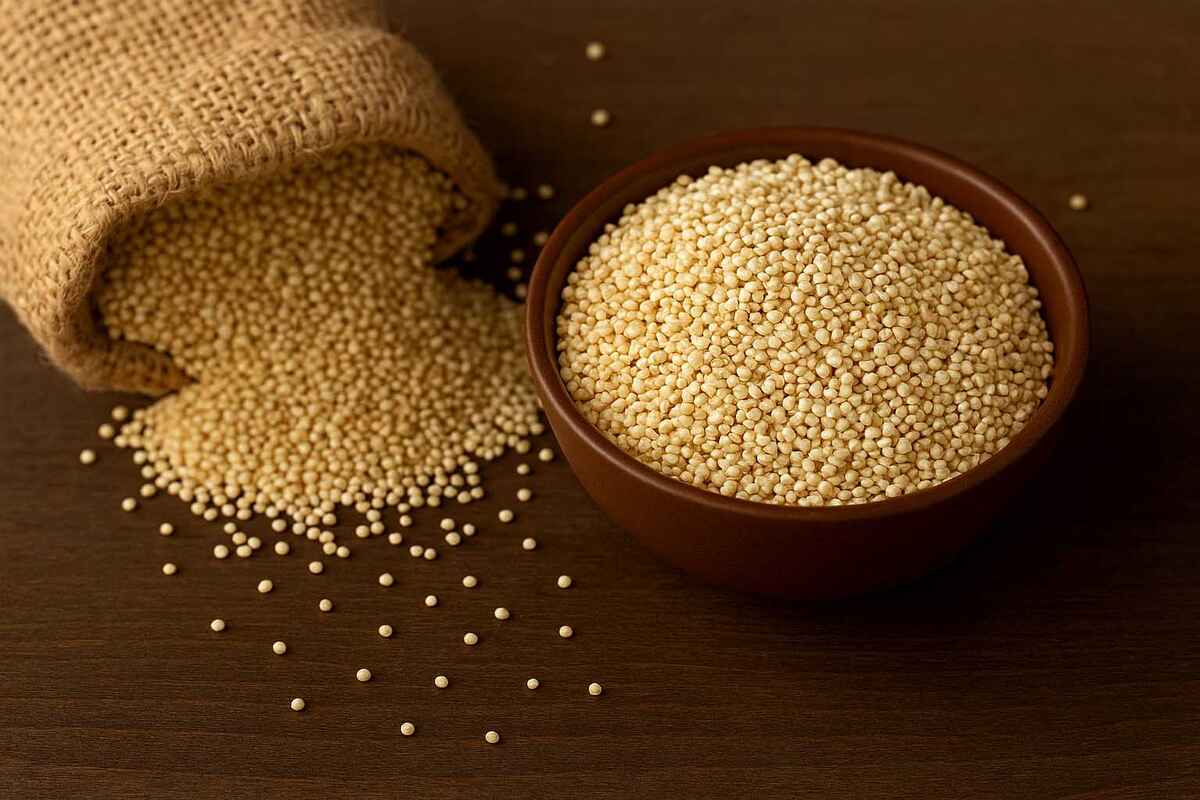
What are the antioxidant health benefits of quinoa for cellular protection and fighting free radicals?
The deep-seated health benefits of quinoa are strongly underpinned by its remarkably robust capacity for antioxidant activity, a function that is absolutely vital for protecting the body’s cells from oxidative damage.
This ancient seed acts as a powerful nutritional shield, being a rich source of several potent antioxidant compounds, most notably the important flavonoids quercetin and kaempferol, which are found in high concentrations within the pseudocereal.
These compounds function as tireless internal guardians, efficiently neutralizing harmful free radicals—unstable and reactive molecules that can cause widespread cellular damage, leading to systemic oxidative stress, and significantly contributing to the development of chronic degenerative diseases and the process of premature aging.
By mindfully and regularly including quinoa in your diet, you are proactively providing your body with a powerful, comprehensive internal defense system that actively aids in essential cellular repair, maintenance, and overall longevity.
This protective quality is a genuinely significant factor in promoting long-term well-being and substantially reducing the overall lifetime risk of numerous chronic health issues that plague modern society.
This fundamental support at the microscopic cellular level represents one of the less visible but arguably most profound contributions of this magnificent pseudo-cereal, solidly reinforcing its well-deserved status as a foundational food for achieving and maintaining a vibrant, resilient, and enduring health.
Why is the high mineral content considered one of the key health benefits of quinoa for bone density?
The comprehensive spectrum of health benefits of quinoa includes an exceptionally impressive mineral profile, firmly establishing it as a stellar food choice for actively supporting the structural integrity of strong and durable bones throughout life.
Quinoa is a particularly good and accessible source of several key micronutrients that are absolutely essential for maintaining sound skeletal health, including magnesium, phosphorus, and a beneficial amount of plant-based calcium.
Magnesium is a critically important mineral as it is intimately involved in the process of bone formation and plays a key regulatory role in managing the body’s overall calcium balance, which is the primary mineral constituent of the bone structure.
Phosphorus, working synergistically with calcium, forms another crucial and inseparable part of the dense bone matrix.
By supplying these essential, interconnected nutrients in a single food source, this ancient seed actively plays a crucial preventative role against the onset and progression of debilitating conditions like osteoporosis and bone fragility, particularly as we age.
This inherent nutritional value is especially significant and valuable for individuals who may face dietary challenges in meeting their daily mineral requirements from traditional sources, such such as those with dairy intolerances or specific dietary restrictions.
Incorporating this incredibly nutrient-rich seed into your regular diet is a simple, highly practical, and delicious way to invest meaningfully in your long-term bone health and ensure you maintain a strong, robust foundation for continuing an active and fulfilling life.
Can the health benefits of quinoa positively influence long-term metabolic health?
When exploring the extensive array of health benefits of quinoa, its significant and positive influence on overall long-term metabolic function becomes strikingly clear, extending well beyond just simple, immediate blood sugar control.
The powerful synergy created by its unique composition—high in fiber, rich in complete protein, and packed with an array of critical micronutrients—works holistically to enhance several vital metabolic parameters.
Consistent, mindful consumption of this superfood has been definitively linked in research to measurable improvements in total cholesterol and triglyceride levels, both of which are absolutely critical biomarkers and early indicators of metabolic syndrome and cardiovascular risk.
Furthermore, the robust fiber content contributes substantially to the formation and maintenance of a balanced, diverse, and healthy gut microbiome, and an optimized gut environment is increasingly recognized by science as being central to efficient systemic metabolism and balanced hormone regulation throughout the body.
Additionally, the seed’s various vitamins and essential minerals, such as the full complex of B vitamins and bioavailable iron, serve as vital cofactors in the complex process of cellular energy production, ensuring that your overall metabolism runs efficiently and effectively.
By mindfully choosing quinoa as a staple carbohydrate source instead of highly refined alternatives, you are actively supporting a more balanced, efficient, and resilient metabolic profile for the long term, deeply investing in your overall physical health.
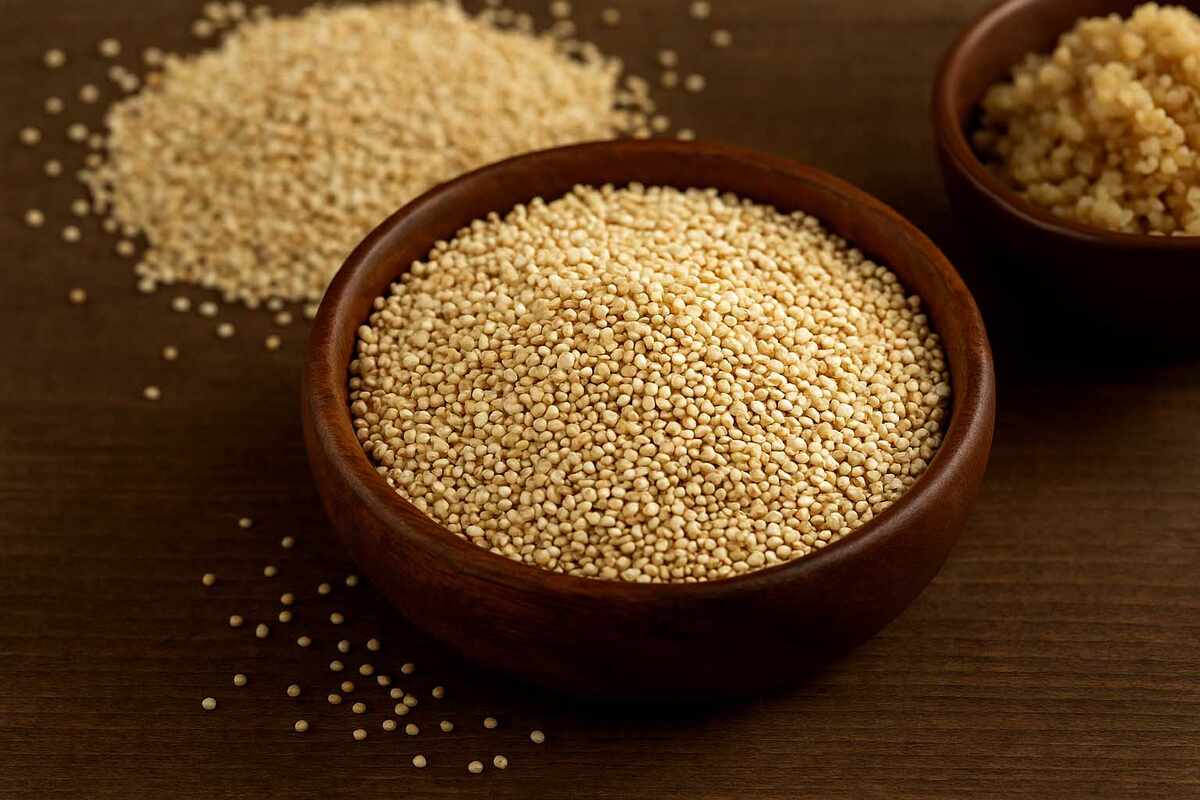
How do the anti-inflammatory health benefits of quinoa contribute to chronic disease prevention?
A key and increasingly recognized component of the multifaceted health benefits of quinoa is its powerful potential for significantly reducing chronic, low-grade inflammation throughout the body.
This ancient seed contains a remarkable complex of various beneficial phytochemicals and polyphenols, including the potent compounds quercetin and kaempferol, which are known to exhibit strong, scientifically verified anti-inflammatory and anti-viral properties.
Chronic, systemic, low-grade inflammation is now universally recognized by medical experts as a silent, underlying root cause and a crucial contributing factor for a vast number of serious, debilitating health conditions, including major ailments like heart disease, many forms of cancer, neurodegenerative disorders, and metabolic dysfunction.
By actively and consistently incorporating anti-inflammatory, whole foods like quinoa into your daily nutritional regimen, you are deliberately helping to modulate and calm your body’s exaggerated inflammatory response, leading to a state of greater systemic balance.
This internal, protective, and calming effect is a fundamental and indispensable aspect of proactive preventative health care and the critical maintenance of long-term cellular integrity and function.
Choosing this nutritionally superior pseudo-cereal over more pro-inflammatory, highly refined grain products is a simple, yet exceptionally powerful dietary switch that can yield profound, enduring positive effects on your body’s internal resilience and its fundamental ability to resist the onset and progression of chronic disease.
What role does this nourishing pseudo-cereal play in boosting your body’s natural immune defenses?
This nourishing pseudo-cereal, known globally as quinoa, is an excellent nutritional resource for actively fortifying the body’s natural and critical defense system, an attribute that speaks volumes about its comprehensive nutritional excellence.
Its balanced and full-spectrum nutritional profile includes a host of essential minerals like zinc, iron, and magnesium, all of which are absolutely crucial micronutrients for mounting and sustaining a robust, effective immune response.
Zinc, in particular, is a vital trace element that plays an essential and complex role in the development, proliferation, and optimal function of various immune cells, including T-cells.
Furthermore, as a complete protein, the seed readily provides the necessary complex amino acids required for the efficient synthesis of crucial antibodies and other immune-signaling molecules that coordinate the body’s defense strategy.
The significant fiber content also contributes to immunity, albeit indirectly, by fostering and maintaining a balanced and diverse gut microbiome, which is now definitively understood to house and influence approximately 70% of the body’s entire immune system activity.
Integrating this powerful food into your regular eating plan ensures that your body has the comprehensive micronutrient and macronutrient support it needs to stay resilient, highly functional, and maintain optimal long-term health, significantly boosting your body’s ability to effectively fight off pathogens and infections.
How does this energy-sustaining seed provide a consistent and long-lasting source of vitality?
As an incredibly effective energy-sustaining seed, quinoa fundamentally excels at providing a steady, reliable, and genuinely long-lasting source of vitality without the disruptive sharp peaks and subsequent debilitating energy crashes often experienced with the consumption of simple sugars or highly refined carbohydrates.
This desirable, sustained energy release is primarily a direct result of its well-balanced nutritional composition: it is an excellent source of complex carbohydrates, which provide the actual fuel, strategically paired with high levels of both fiber and complete protein, which crucially slow down the rate of glucose release and absorption into the bloodstream.
This healthy, slow-burn energy profile ensures you maintain a much more consistent level of physical stamina, mental alertness, and cognitive focus throughout your day, avoiding the midday slump.
Furthermore, the seed is naturally rich in the essential B vitamins, such as riboflavin (B2) and thiamine (B1), which serve as absolutely vital cofactors in the complex process of cellular metabolism that efficiently converts the food you eat into usable, molecular energy (ATP).
Unlike many refined grains which can lead to immediate energy spikes followed by quick fatigue, this super-cereal consistently provides the necessary components for sustained, high-quality physical and mental performance, making it an ideal inclusion at any meal to support an active, healthy, and energetic lifestyle.
In what ways does consuming this gluten-free grain support glowing skin and strong, healthy hair?
Consuming this exceptional gluten-free grain, quinoa, provides potent internal nutritional support that translates directly into remarkable external benefits, specifically promoting vibrant, glowing skin and strong, resilient hair.
The complete profile of essential amino acids it contains are the very foundational building blocks required for the synthesis of keratin and collagen, the critical structural proteins necessary for maintaining skin elasticity, smoothness, and overall hair strength.
Specifically, the presence of the amino acid lysine is particularly vital for the body’s natural ability to form and repair collagen structures within the dermis.
Furthermore, the seed is naturally rich in a complex of B vitamins, which are crucial for maintaining the optimal health of hair follicles and preventing premature hair breakage and splitting, and its high antioxidant content actively helps protect the skin’s surface from environmental damage, oxidative stress, and the visible signs of premature aging.
Essential minerals such as iron and zinc also play a significant and direct role: iron supports the efficient transfer of oxygen and nutrients to the hair follicles and skin cells, while zinc contributes powerfully to overall tissue repair and the promotion of growth.
By regularly nourishing your body from within with this powerhouse seed, you are providing your skin and hair with the comprehensive, health-boosting nutrients they need to truly look and feel their absolute best, directly reflecting your internal well-being and vitality.
Potential Side Effects and When to Exercise Caution
While quinoa is overwhelmingly beneficial for most people, a few groups should exercise caution. Quinoa’s main concern is the presence of saponins, a natural compound on the outer layer which gives it a bitter, soapy taste.
Although most commercial quinoa is pre-rinsed, inadequate rinsing can lead to mild digestive distress, including bloating or an upset stomach in sensitive individuals.
Furthermore, quinoa is relatively high in oxalates, which are naturally occurring compounds that can bind with calcium and may contribute to the formation of kidney stones in susceptible people.
Individuals with a history of kidney stones or chronic kidney disease should moderate their intake. As always, if you have a pre-existing medical condition, consult your healthcare provider before making significant dietary changes.
Conclusion
The sheer volume and diversity of the health benefits of quinoa solidify its enduring reputation as a truly indispensable, health-boosting food for virtually any modern diet.
From its status as a rare, naturally complete plant protein—providing all nine essential amino acids crucial for muscle health and systemic function—to its remarkably dense profile of dietary fiber and potent antioxidants like quercetin and kaempferol, quinoa delivers unparalleled nutritional value in every single spoonful.
We’ve seen how its unique blend of slow-release complex carbohydrates, fiber, and protein is expertly leveraged by the body to support stable blood sugar levels, making it a stellar metabolic choice, while its rich concentration of heart-healthy minerals like magnesium and potassium actively contributes to robust cardiovascular function and efficient blood pressure regulation.
Furthermore, the capacity of this versatile pseudo-cereal to promote feelings of profound satiety is an extremely valuable tool for effective weight management, assisting you in naturally maintaining a calorie deficit without the constant struggle against hunger and intense cravings.
Even with the minor, easily managed precautions regarding saponins (which proper rinsing completely resolves) and oxalate content, its overall contribution to long-term health, immunity, and vitality is overwhelmingly positive and scientifically validated.
By consistently choosing quinoa over highly refined, nutrient-poor grains, you are making a powerful, tangible investment in your body’s overall well-being, paving the way for sustained energy, better digestion, and improved physical resilience.
It is more than just a passing superfood trend; it is a foundational, non-negotiable component of optimal nutrition.
FAQ
Quinoa is botanically a seed from a plant related to spinach and beets. Nutritionally, it is classified as a pseudo-cereal or whole grain substitute. Its unique profile is what drives the impressive health benefits of quinoa.
It is called a complete protein because, unlike most other plant-based foods, quinoa contains all nine essential amino acids that your body cannot produce on its own. This makes it an ideal source of protein for muscle repair and overall cellular health.
Yes. Quinoa is naturally gluten-free, making it an excellent and safe nutritional alternative to wheat-based grains for individuals with Celiac disease or gluten intolerance. This is one of the major health benefits of quinoa.
Quinoa is rich in both protein and dietary fiber. This combination helps you feel full longer, reduces overall calorie intake, and stabilizes blood sugar, all of which are key factors in achieving and maintaining a healthy weight.
Yes, it is highly recommended. Quinoa seeds have a natural, bitter-tasting coating called saponin. A quick, thorough rinse under cold water using a fine-mesh strainer will remove the saponins and ensure your cooked quinoa tastes clean and nutty.
Quinoa has a relatively low Glycemic Index (GI) of about 53. This means it releases sugar into the bloodstream slowly, making it beneficial for managing blood sugar and reducing the risk of type 2 diabetes—a significant part of the health benefits of quinoa.
Quinoa is incredibly versatile! You can use it as a substitute for rice or pasta, mix it into salads or soups for added protein and fiber, or cook it with milk and cinnamon as a warm, nourishing breakfast cereal.
Quinoa contains powerful antioxidants, such as quercetin and kaempferol. These compounds help your body fight free radicals, reduce inflammation, and may lower the risk of chronic diseases.
Yes, the three main types are white, red, and black quinoa. While they all share the core health benefits of quinoa, white is the fluffiest, red holds its shape best, and black has the boldest, earthiest flavor. Their overall nutritional value remains very similar.
Yes, it is highly recommended. Quinoa seeds have a natural, bitter-tasting coating called saponin. A quick, thorough rinse under cold water using a fine-mesh strainer will remove the saponins and ensure your cooked quinoa tastes clean and nutty.

Author: Horeca Health
Horeca Health
DISCLAIMER
All content provided on this website is for informational purposes only and should not be considered a substitute for professional advice, diagnosis, or treatment. Always consult qualified healthcare professionals regarding any questions or concerns you may have about your health or any medical condition.




















Leave a Reply