Health Benefits of Saffron: Introduction
Health Benefits of Saffron: Welcome to the ultimate guide on one of the world’s most prized and ancient spices—saffron.
Beyond its reputation as the most expensive spice by weight and its capacity to infuse dishes with a brilliant golden hue and subtle, floral-earthy aroma, this ‘red gold’ is an absolute powerhouse of natural compounds.
For thousands of years, civilizations have revered saffron not just as a culinary delight but as a profound medicinal resource, woven into the fabric of traditional health practices from ancient Persia to Greece.
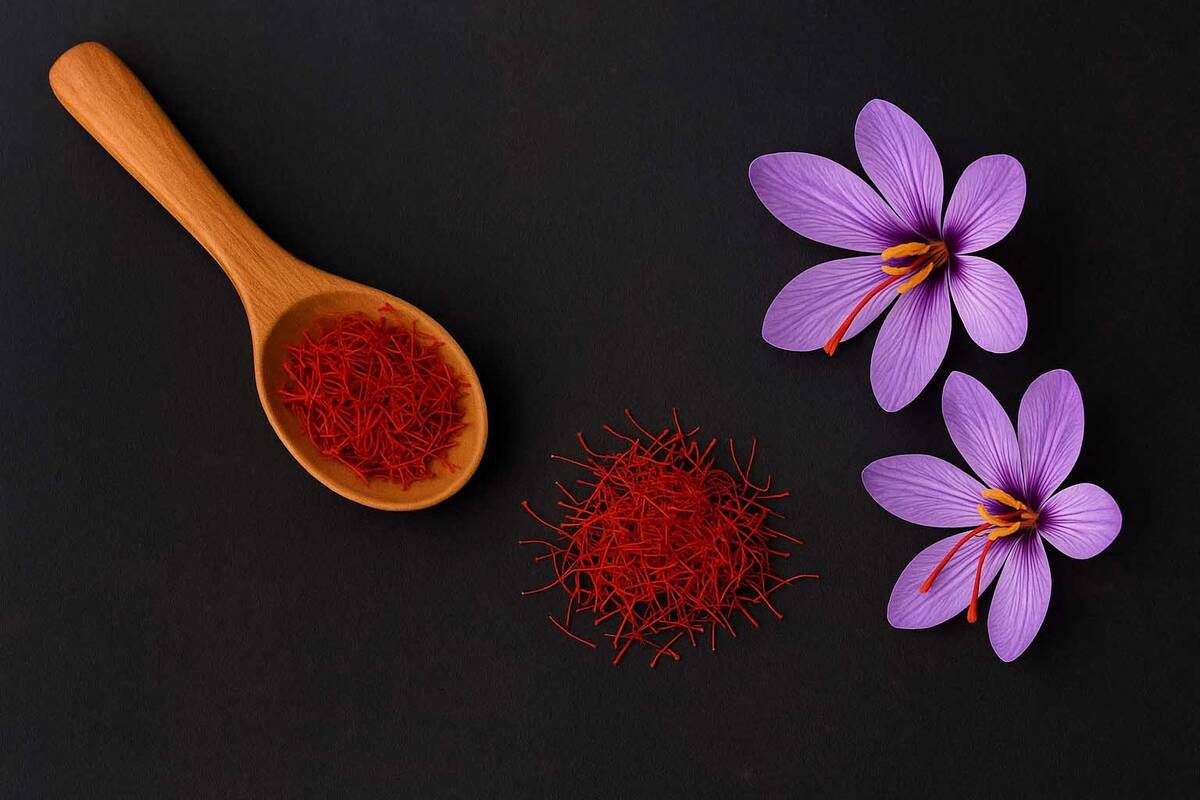
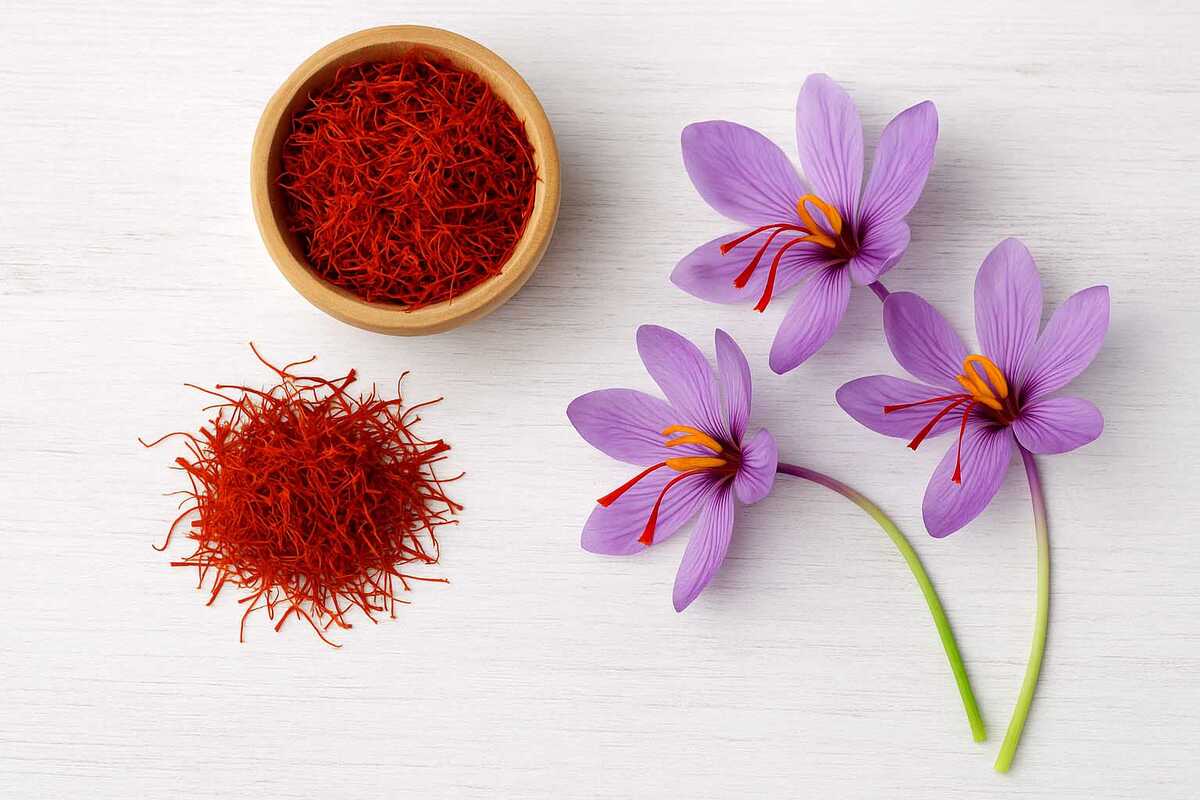
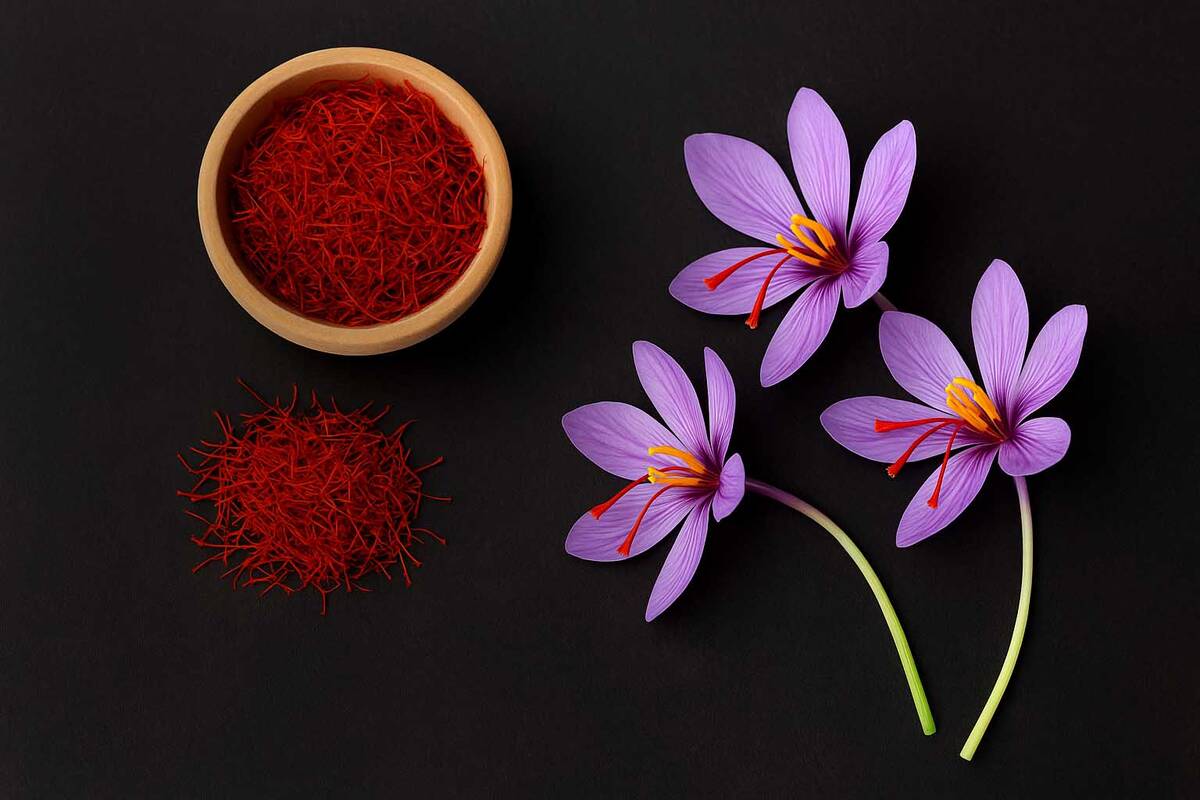
This precious spice, derived from the stigma of the Crocus sativus flower, is rich in unique and potent antioxidants, primarily crocin, crocetin, and safranal.
These powerful bioactives are what give saffron its extraordinary ability to combat oxidative stress and inflammation, the root causes of many modern ailments.
If you are on a journey to enhance your well-being, improve your mood, sharpen your mind, or simply find natural support for your body’s most vital systems, you are about to discover a game-changer.
This deep dive will explore the scientifically-backed potential of this magnificent spice, moving beyond the myth and luxury to uncover genuine, actionable health benefits of saffron.
Prepare to be impressed, as we detail 12 compelling reasons why adding this simple, potent spice to your routine could be the golden key to unlocking a happier, healthier you.
Does saffron offer incredible health benefits for lifting your mood?
Saffron, often dubbed the “sunshine spice,” has garnered significant attention not just for its exquisite flavor and vibrant color in culinary applications but also for its profound impact on mental well-being.
For centuries, traditional medicine, particularly in regions like Persia, has recognized the remarkable health benefits of saffron as a natural mood enhancer and emotional stabilizer. Modern scientific inquiry is now providing compelling evidence to back these age-old claims.
The key to this spice’s mood-boosting power lies in its active compounds, primarily crocin and safranal. These potent phytochemicals are believed to influence the body’s neurotransmitter systems.
Specifically, they work to gently increase the levels of ‘feel-good’ chemicals in the brain, such as serotonin, dopamine, and norepinephrine.
This mechanism of action is incredibly valuable because imbalances in these brain chemicals are often linked to feelings of anxiety, stress, and depressive symptoms.
Numerous clinical trials and meta-analyses have shown that incorporating a standardized saffron extract into one’s routine can lead to significant improvements in the symptoms of mild to moderate depression.
What’s particularly encouraging for those seeking a more holistic path to better health is that some research suggests saffron’s efficacy can be comparable to certain conventional antidepressant medications, but often with a favorable profile regarding unwanted side effects.
Beyond directly influencing mood pathways, the powerful antioxidant and anti-inflammatory properties of saffron also contribute indirectly by combating chronic inflammation and oxidative stress—both of which are increasingly implicated in various mental health challenges.
This makes the unique composition of this cherished spice a truly comprehensive ally for mental health, solidifying its reputation as one of the most effective natural supplements for emotional balance and an overall brighter outlook on life.
The benefits for emotional health are significant, providing a compelling reason to integrate this luxurious ingredient into a wellness-focused lifestyle. The pursuit of mental well-being is a constant journey, and the contribution of this magnificent spice is certainly worth exploring.
Can the health benefits of saffron protect your cognitive function?
The journey to maintain a sharp and focused mind is a central component of overall well-being, and emerging research suggests that the unique array of compounds found in the crimson threads of this spice offer considerable support for brain health.
The neuroprotective health benefits of saffron are becoming increasingly recognized, particularly its potential to safeguard against age-related cognitive decline and improve memory.
The spice is densely packed with powerful antioxidant components, including crocin and crocetin, which are effective in neutralizing harmful free radicals that contribute to oxidative stress and cellular damage in the brain.
This is crucial because chronic oxidative damage is a key factor in the development of neurodegenerative conditions. By mitigating this stress, the compounds within this prized spice help to preserve the delicate structures of brain cells, ensuring they can function optimally for longer.
Furthermore, studies have investigated its role in supporting memory and learning. It appears that the active constituents of saffron can influence the function of the hippocampus, a major region of the brain involved in memory formation.
Some findings have even suggested that supplementation with its extracts could lead to measurable improvements in delayed recall and executive functions in adults dealing with mild cognitive impairment.
The ability of saffron to modulate neurotransmitter activity, as discussed with its mood-boosting effects, also plays a supporting role in cognitive processes, which are intricately linked to stable mental health.
Therefore, incorporating this natural treasure into your diet or supplement regimen is a proactive step toward supporting long-term brain health and maintaining intellectual vitality.
Its unique blend of antioxidants and neuroactive compounds positions saffron as an outstanding natural resource for anyone keen to enhance their mental clarity and cognitive resilience.
What are the health benefits of saffron for maintaining eyesight?
For anyone concerned about preserving vision, particularly as they age, the impressive health benefits of saffron extend notably to supporting the delicate structures of the eye.
The eye is constantly exposed to light and environmental stressors, making it highly susceptible to oxidative damage, which is a key contributor to common vision problems. This is where the powerful antioxidant and anti-inflammatory properties of saffron shine.
The carotenoids, crocin and crocetin, which are responsible for its brilliant color, are also the very compounds that provide exceptional protective qualities for vision health.
These specific antioxidants have been shown to accumulate in the retina, the light-sensitive tissue at the back of the eye, and the macula, the central part of the retina that is responsible for sharp, detailed central vision.
By acting as a shield against oxidative stress, these compounds help to protect the photoreceptor cells, which are vital for sight.
Research focusing on age-related macular degeneration (AMD), a leading cause of vision loss in older adults, has indicated that regular supplementation with saffron may help to improve visual function and potentially slow the progression of the disease.
Furthermore, the spice may help improve the sensitivity of the retina to light and enhance visual acuity. This impact is profound, suggesting a role for this natural compound in enhancing the overall resilience of the visual system.
Maintaining excellent eye health is integral to an active and independent life, and the targeted support provided by saffron’s potent natural components makes it a valuable, easy-to-add element to a preventative health strategy.
The science behind these ocular benefits is robust, making this spice much more than just a culinary delight; it’s a powerful nutrient for the eyes.
Can the health benefits of saffron help to fight against inflammation?
Chronic inflammation is a silent threat, underpinning numerous serious health conditions, from heart disease to arthritis. Recognizing this, the anti-inflammatory health benefits of saffron have become a major focus of modern nutritional science.
The vibrant threads of this highly prized spice contain a complex mixture of bioactive molecules that exert a significant modulating effect on the body’s inflammatory pathways. While some inflammation is necessary for healing, it is prolonged, systemic inflammation that causes the most damage.
Key compounds within saffron, particularly crocetin, are exceptionally effective at inhibiting the activity of various inflammatory markers and enzymes. By calming down the cellular signaling associated with inflammation, this golden spice can help the body maintain a more balanced, anti-inflammatory state.
This beneficial action extends throughout the body, providing systemic relief that supports the function of multiple organs and tissues. For instance, reducing inflammation is directly linked to better cardiovascular health, as it lessens the chance of plaque buildup and damage to arterial walls.
It also has implications for musculoskeletal health, potentially alleviating symptoms associated with inflammatory joint conditions. The power of saffron lies in this natural, yet potent, capacity to quell runaway inflammatory responses.
Incorporating this spice into a health-conscious diet offers a natural and elegant way to leverage its soothing properties, contributing significantly to a foundational layer of preventative care.
Thus, embracing saffron is a delicious and scientifically supported choice for anyone seeking to utilize natural ingredients in the pursuit of long-term vitality and a reduction in the body’s inflammatory burden. This natural action is one of the most celebrated and compelling aspects of its medicinal profile.
How can the health benefits of saffron assist with healthy weight management?
In the quest for effective and sustainable weight control, many people overlook the significant role that appetite regulation and emotional eating play. It is in these areas that the unique health benefits of saffron offer considerable support for those aiming for a healthier body weight.
While not a magic bullet, research suggests that saffron can play a valuable role by influencing the brain’s satiety centers. Studies have shown that supplementation with extracts from this magnificent spice can help to significantly reduce the frequency of snacking and lessen overall food intake.
This effect is largely attributed to its ability to positively affect mood and emotional stability, which can, in turn, curb the tendency to overeat or snack impulsively due to stress, anxiety, or sadness.
By acting as a gentle mood elevator, saffron can reduce the emotional triggers that lead to comfort eating, one of the most common obstacles to effective weight management. Furthermore, the spice has been linked to increasing feelings of fullness, helping individuals feel satisfied with smaller portions.
The overall impact of this dual-action approach—regulating mood and promoting satiety—makes the inclusion of saffron a meaningful addition to a comprehensive health and fitness plan.
It helps foster a more mindful and balanced relationship with food, shifting the focus from restrictive dieting to genuine well-being.
Coupled with a balanced diet and regular physical activity, the support for appetite control provided by saffron is a smart, natural strategy for achieving and maintaining long-term health and fitness goals.
The complexity of weight management necessitates a holistic approach, and this premium spice provides a valuable natural component.
Are the health benefits of saffron supportive of cardiovascular wellness?
The maintenance of a strong and resilient heart is foundational to longevity, and the accumulating evidence on the health benefits of saffron highlights its remarkable potential for supporting cardiovascular wellness.
This prized spice is a treasure trove of cardioprotective compounds that work synergistically to enhance the overall health of the circulatory system.
One of the primary mechanisms involves the high concentration of antioxidants, particularly crocetin, which plays a pivotal role in protecting blood vessels from oxidative stress and subsequent damage.
This is essential for preventing the hardening and narrowing of arteries, a process known as atherosclerosis, which can lead to severe heart conditions.
Furthermore, research suggests that saffron can have a positive effect on cholesterol levels by helping to lower ‘bad’ LDL cholesterol while potentially increasing ‘good’ HDL cholesterol. This balanced action on lipid profiles is a critical factor in mitigating cardiovascular risk.
Beyond its antioxidant and cholesterol-regulating effects, the spice may also contribute to better blood pressure control. Its compounds appear to help relax blood vessel walls, which facilitates smoother blood flow and reduces the strain on the heart.
Integrating this opulent spice into one’s regular diet is a delicious and proactive step towards improving long-term heart health. Considering the pervasive nature of cardiovascular disease, utilizing natural
ingredients like saffron to reinforce the body’s defenses is a strategic choice for comprehensive wellness. Its broad-spectrum action confirms its standing as a valuable nutritional asset for a robust and healthy heart.
Can the health benefits of saffron help to improve the quality of sleep?
A restful night’s sleep is indispensable for physical and mental restoration, yet many struggle with sleep quality. Emerging evidence suggests that among the various health benefits of saffron, its ability to promote better sleep is a significant one.
The same active components, like safranal, that contribute to its mood-lifting effects also appear to have a gentle calming and regulatory influence on the nervous system.
Safranal is believed to interact with receptors in the brain that are involved in the sleep-wake cycle, potentially helping to encourage a state of relaxation conducive to falling asleep more easily and staying asleep longer.
Some studies have investigated the use of saffron extracts and reported measurable improvements in both the duration and the overall quality of sleep in participants dealing with sleep complaints.
This natural regulation is a welcome alternative for individuals who are hesitant about using pharmaceutical sleep aids. A key aspect of its effectiveness may stem from its capacity to mitigate stress and anxiety—two major contributors to insomnia and fragmented sleep.
By fostering a calmer mental state during the evening, saffron prepares the body and mind for restorative rest. Achieving optimal sleep is not just about feeling less tired; it’s a critical pillar of overall health, supporting everything from cognitive function to immune resilience.
Adding this aromatic spice to a nightly routine, perhaps as a gentle tea, can be an easy and pleasant way to tap into its natural soothing properties and enhance your total well-being.
What are the health benefits of saffron for women’s reproductive health?
For centuries, women in traditional medicinal practices have turned to saffron for its beneficial effects on various aspects of female reproductive health.
Among the notable health benefits of saffron is its documented efficacy in alleviating the often-debilitating symptoms of premenstrual syndrome (PMS).
The complex hormonal fluctuations that precede menstruation can trigger a range of physical and emotional discomforts, including mood swings, irritability, bloating, and cramps.
Research has indicated that supplementation with saffron can significantly reduce both the emotional and physical severity of PMS symptoms.
Its ability to influence neurotransmitters, particularly serotonin, plays a key role here, helping to stabilize mood and lessen the severity of emotional symptoms like anxiety and depression that are common during the premenstrual phase.
Furthermore, its mild antispasmodic and anti-inflammatory properties may also contribute to reducing physical discomfort such as menstrual cramps.
Beyond PMS, the spice has also been shown to play a role in supporting sexual health by potentially improving libido and sexual function in women, particularly those who may be experiencing a dip in desire due to the use of certain medications.
This comprehensive support—from managing the monthly cycle’s discomforts to enhancing sexual well-being—makes saffron a valuable natural ally for women’s health. It offers a holistic approach to managing reproductive wellness, leveraging its natural compounds for a better quality of life.
How can the health benefits of saffron help to boost the immune system?
A robust immune system is the body’s first line of defense against illness, and the distinctive properties of this opulent spice contribute meaningfully to immune health.
The powerhouse of compounds found in saffron delivers significant immune-boosting health benefits of saffron primarily through its extraordinary antioxidant capacity.
The spice contains high levels of bio-compounds like crocin, crocetin, and kaempferol, which actively seek out and neutralize harmful free radicals that can weaken the immune response and lead to chronic disease.
By mitigating oxidative stress, saffron helps to maintain the integrity and optimal function of immune cells.
Moreover, these compounds are known to exhibit anti-inflammatory properties, and reducing chronic, low-grade inflammation is vital for allowing the immune system to respond effectively when genuine threats arise.
An over-burdened, inflamed system is less capable of mounting a targeted defense. The presence of kaempferol, in particular, which is found in the flower petals, is associated with a potential to strengthen the immune system and offer protection against certain viruses.
Essentially, saffron acts as a systemic tonic, creating an internal environment that is more resilient and less prone to illness.
This gentle, yet powerful, support for the immune system makes the spice an excellent addition to a holistic health regimen, particularly during times when the body’s natural defenses need an extra boost. Embracing this spice is a smart choice for long-term proactive health.
Does consuming this remarkable spice help improve skin’s natural glow?
While many of the well-known advantages focus on internal systems, the uses and health advantages of this luxurious spice extend to external beauty, offering notable benefits for skin health.
For centuries, saffron has been a prized ingredient in traditional beauty rituals across various cultures, valued for its ability to enhance complexion and impart a natural radiance.
The same powerful antioxidants—crocin, crocetin, and safranal—that offer internal protection are highly effective when applied or consumed for skin wellness.
These compounds actively combat oxidative stress caused by environmental pollutants and UV radiation, which are major culprits in premature aging, dullness, and the formation of dark spots.
By neutralizing free radicals, saffron helps to preserve the structural integrity of skin cells, maintaining elasticity and firmness. Furthermore, the spice exhibits notable anti-inflammatory properties, which can help soothe irritated skin, reduce redness, and calm conditions like acne or eczema.
Its ability to inhibit the production of melanin can also help reduce hyperpigmentation, lighten dark spots, and promote a more even and brighter skin tone, contributing to that coveted healthy “glow.”
The holistic support that saffron provides for the body’s health naturally manifests in healthier, more vibrant-looking skin.
Whether used topically in masks or consumed as part of a regular diet, the impact of this natural beauty enhancer is significant, making it a wonderful addition to any health and skincare regimen for achieving clear, radiant skin.
Is there evidence that the ‘red gold’ spice assists with blood sugar regulation?
Maintaining balanced blood sugar levels is a cornerstone of metabolic health, and there is growing scientific interest in the potential of this opulent spice to aid in this crucial function.
Among its many health benefits, the ‘red gold’ spice shows promise in supporting healthy glucose metabolism. This effect is thought to be primarily due to its active compounds’ ability to improve insulin sensitivity.
Insulin is the hormone responsible for allowing cells to absorb glucose from the bloodstream, and when cells become less responsive to it (insulin resistance), blood sugar levels can rise, leading to various health complications.
Studies suggest that the compounds in saffron may help to enhance the efficiency with which the body uses insulin, thereby facilitating the uptake of glucose by cells. Moreover, the robust antioxidant properties of saffron play a supporting role.
High blood sugar can increase oxidative stress and inflammation, which in turn can further impair insulin signaling. By mitigating this damage, the spice helps to break this negative cycle, promoting a healthier metabolic environment.
While it is not a substitute for prescribed medication or a balanced diet, incorporating saffron into one’s nutritional plan represents a natural, proactive step toward better metabolic health.
Its potential to help maintain stable blood sugar is an exciting area of research, cementing its status as a versatile spice with extensive systemic benefits.
Can the antioxidant power of the sunshine spice protect against cellular damage?
The cornerstone of the numerous health benefits of saffron lies in its exceptional antioxidant profile, which offers fundamental protection against cellular damage throughout the entire body.
The spice is a concentrated source of powerful phytochemicals—most notably crocin, crocetin, and safranal—that act as highly effective scavengers of free radicals.
Free radicals are unstable molecules that are naturally produced in the body but, when left unchecked, cause oxidative stress, a process that damages cell membranes, proteins, and DNA.
This cellular damage is a primary driver of aging and is strongly implicated in the development of nearly all chronic diseases. By neutralizing these damaging agents, the powerful compounds in saffron help to maintain cellular integrity and function.
This deep, systemic protection supports everything from the health of the skin and eyes to the function of the brain and heart.
The unique molecular structure of its key antioxidants, particularly the carotenoids, allows them to penetrate and protect various types of tissues, including the delicate cells of the central nervous system. This widespread action is why its benefits are so far-reaching and diverse.
Therefore, viewing saffron as a daily cellular defense mechanism is a proactive approach to long-term wellness.
Embracing this naturally potent spice is a simple, delicious way to harness one of nature’s most effective tools for maintaining a state of systemic health and vitality against the ceaseless tide of oxidative damage.
Are there any side effects from saffron and who should be cautious when taking it?
While the many health virtues of the luxurious spice saffron are supported by centuries of traditional use and modern research, it is generally considered safe when consumed in the small amounts typical of culinary applications.
However, when taking it in concentrated forms, such as high-dose supplements, it is essential to be aware of potential side effects and necessary precautions. The key to safely accessing the health benefits of saffron lies entirely in responsible dosing.
Clinical studies investigating its medicinal properties typically use dosages of around 30 to 100 mg per day, which are generally well-tolerated. At these therapeutic levels, some individuals might experience mild, infrequent side effects such as dry mouth, anxiety, dizziness, drowsiness, nausea, or a change in appetite.
These symptoms are usually temporary and diminish as the body adjusts. Crucially, high-dose consumption is where the risks escalate; consuming 5 grams or more is considered a toxic dose and can lead to severe adverse effects, including vomiting, dizziness, and even more serious complications.
Therefore, adhering strictly to recommended dosages is non-negotiable for safety. Several groups of people must exercise extreme caution or completely avoid high-dose supplements of this vibrant spice.
Pregnant women should avoid using saffron in amounts greater than those found in food, as very high doses may stimulate uterine contractions and could potentially lead to miscarriage.
Individuals with bipolar disorder should steer clear, as its mood-altering properties could potentially trigger excitability or manic episodes.
Furthermore, people with bleeding disorders or those taking blood-thinning medications (anticoagulants) should consult their healthcare provider first, as the spice might slow blood clotting and increase the risk of bleeding.
Caution is also advised for those on medications for blood pressure or diabetes, as saffron may naturally lower both blood pressure and blood sugar, potentially causing them to drop too low in combination with pharmaceuticals.
Always consult a healthcare professional before starting any new supplement, especially if you have pre-existing health conditions or are on regular medication, to ensure that incorporating this unique spice into your routine is safe and beneficial for your personal wellness journey.
Conclusion
We have journeyed through the remarkable world of this magnificent spice, uncovering the full spectrum of the profound health benefits of saffron.
It is clear that this opulent, crimson thread is far more than just a flavor enhancer; it is a holistic wellness ingredient backed by both centuries of traditional use and cutting-edge scientific inquiry.
From its proven capacity to act as a natural mood stabilizer, offering a sunnier outlook on life, to its neuroprotective power that supports cognitive function and memory, saffron offers broad-ranging systemic support.
We’ve highlighted its vital role in protecting eyesight, reinforcing heart health, and even assisting with the complexities of weight management and promoting a deep, restful sleep.
The presence of potent antioxidants like crocin and crocetin makes saffron an unmatched natural ally in the ongoing fight against cellular damage and chronic inflammation. As you consider incorporating this golden spice into your daily routine, remember that its true magic lies in consistency and quality.
While enjoying it in small amounts in your cooking is completely safe, always adhere to recommended dosages for supplements and consult with a healthcare professional, especially if you have pre-existing conditions. Embracing the health benefits of saffron is a small, yet powerful, step onto the golden path of proactive health and enriched living.
FAQ
The most significant and scientifically studied health benefits of saffron revolve around its impact on the brain and mood. Research consistently supports its use as a natural mood enhancer, with studies suggesting its effectiveness in managing symptoms of mild-to-moderate depression and anxiety. Furthermore, the spice offers strong antioxidant and anti-inflammatory properties that contribute to heart health and its unique ability to support and protect vision against age-related decline, making it a powerful supplement for overall systemic wellness.
For most healthy adults, taking a standardized saffron supplement daily within recommended dosages (typically between 20 mg and 100 mg) is considered safe and is the best way to consistently achieve the full range of health benefits of saffron. However, it is crucial to avoid excessive amounts, as doses over 5 grams can be toxic. Always choose a high-quality, reputable source to ensure you are receiving pure, authentic saffron extract.
Saffron is often nicknamed the “sunshine spice” because its active compounds, primarily crocin and safranal, are believed to gently influence the levels of mood-regulating neurotransmitters in the brain, such as serotonin and dopamine. By helping to modulate these chemicals, the spice provides natural support for emotional balance, making its anti-depressant and anti-anxiety actions one of the key health benefits of saffron for improving mental well-being.
Yes, absolutely. One of the unique health benefits of saffron is its targeted support for ocular wellness. The carotenoid compounds found in the spice, particularly crocetin, are fat-soluble and can accumulate in the retina and macula of the eye. Here, they act as powerful antioxidants, protecting the delicate photoreceptor cells from light-induced oxidative stress and damage, which is a major factor in conditions like Age-related Macular Degeneration (AMD).
Emerging clinical research suggests that the health benefits of saffron extend to assisting with weight management, primarily by curbing appetite and reducing the tendency toward compulsive snacking or emotional eating. This effect is thought to be linked to its mood-boosting properties, which help stabilize emotions that often trigger stress-related overeating. By promoting a feeling of satiety and emotional balance, the spice can be a valuable tool in a holistic health plan.
While generally safe, pregnant women should avoid high-dose saffron supplements as they can stimulate uterine contractions. Individuals with bipolar disorder should also be cautious due to its mood-altering effects. Furthermore, anyone on medications for blood pressure, blood thinners, or antidepressants should consult a doctor before using supplements to prevent potential interactions, even when seeking the well-known health benefits of saffron.
The time it takes to notice the effects can vary, but most clinical trials that show significant mood improvement and other health benefits of saffron typically run for four to twelve weeks. Consistency is essential; like most natural supplements, it takes time for the active compounds to build up in the body and exert their full therapeutic effect on the nervous system and overall health.
Yes, there can be interactions. Due to its potential to lower both blood pressure and blood sugar, saffron may enhance the effects of antihypertensive or anti-diabetic medications, potentially leading to levels that are too low. Also, because it affects serotonin levels, combining high-dose saffron with antidepressant medications should be done only under medical supervision. This is an important consideration when assessing the potential health benefits of saffron.
While supplements offer standardized, concentrated doses for specific therapeutic outcomes, simply incorporating the spice into your regular diet is an excellent way to enjoy its general health benefits of saffron. Add a few threads to rice dishes, teas, milk (known as Kesar milk), or soups. Using it in cooking allows you to benefit from its antioxidant and anti-inflammatory properties while minimizing the risk of over-consumption.
Yes, its powerful anti-inflammatory action is a core component of the broad health benefits of saffron. The compounds in this spice have been shown to help modulate the body’s inflammatory response, reducing chronic, low-grade inflammation that is implicated in many major diseases. This systemic action supports everything from cardiovascular health to cognitive function and is a vital reason why it’s considered such a valuable addition to a wellness regimen.

Author: Horeca Health
Horeca Health
DISCLAIMER
All content provided on this website is for informational purposes only and should not be considered a substitute for professional advice, diagnosis, or treatment. Always consult qualified healthcare professionals regarding any questions or concerns you may have about your health or any medical condition.




















Leave a Reply