Traveler’s Diarrhea: Introduction
Traveler’s diarrhea: There is an unspoken fear that haunts every international adventurer, a common pitfall that can derail even the most meticulously planned holiday: traveler’s diarrhea.
Imagine landing in an exotic, vibrant destination, full of excitement for the cultural treasures and culinary delights that await you, only to be struck by a sudden, urgent gastrointestinal revolt. It’s an all-too-common scenario.
Affecting millions of tourists each year, this acute illness—often nicknamed “Montezuma’s Revenge” or “Delhi Belly”—is usually caused by ingesting bacteria in contaminated food or water.
While rarely life-threatening, a severe bout of watery diarrhea can transform your dream trip into a confined nightmare, making urgent trips to the bathroom your main itinerary. The good news is that understanding this ailment is the first and most critical step in conquering it.
This comprehensive guide will equip you with expert knowledge, delving into the precise symptoms, uncovering the main culprits behind the contamination, and, most importantly, providing you with actionable strategies to safeguard your personal health while exploring the globe.
Forget the anxiety; with the right precautions, you can confidently immerse yourself in your adventure without letting the fear of intestinal distress hold you back. Let’s explore how you can protect yourself and ensure your journey remains memorable for all the right reasons.
What is traveler’s diarrhea and why is it so common among tourists?
Traveler’s diarrhea is a gastrointestinal infection that commonly afflicts individuals journeying to destinations where sanitation and food preparation practices may differ significantly from what they are accustomed to at home.
This condition is, quite frankly, the most frequent ailment affecting international tourists, and its prevalence can be attributed to several interlocking factors. Primarily, exposure to unfamiliar strains of bacteria, most commonly enterotoxigenic Escherichia coli (ETEC), is the main culprit.
These microorganisms find their way into the body through the ingestion of contaminated food and water. A traveler’s immune system, which is well-equipped to handle local pathogens, often encounters a “new world” of microbes against which it has little immediate defense.
Moreover, changes in routine, stress associated with travel, and jet lag can temporarily weaken the body’s natural defenses, making it more susceptible to infection.
The simple act of eating seemingly harmless street food or drinking non-bottled water, including ice cubes, can introduce the infectious agents. While it is rarely serious, this sudden onset of acute diarrhea can severely disrupt carefully planned itineraries and enjoyment.
For those planning an adventure abroad, understanding the nature of this affliction is the first step toward maintaining personal health and mitigating the risk.
How can I recognize the signs and symptoms of traveler’s diarrhea?
Recognizing the onset of traveler’s diarrhea is typically straightforward, as the primary symptom is a sudden and noticeable increase in the frequency and looseness of bowel movements.
By definition, a case is often characterized by having three or more unformed stools within a 24-hour period, frequently accompanied by an urgent need to use the restroom. Beyond this hallmark symptom, the condition usually presents with a constellation of other uncomfortable signs.
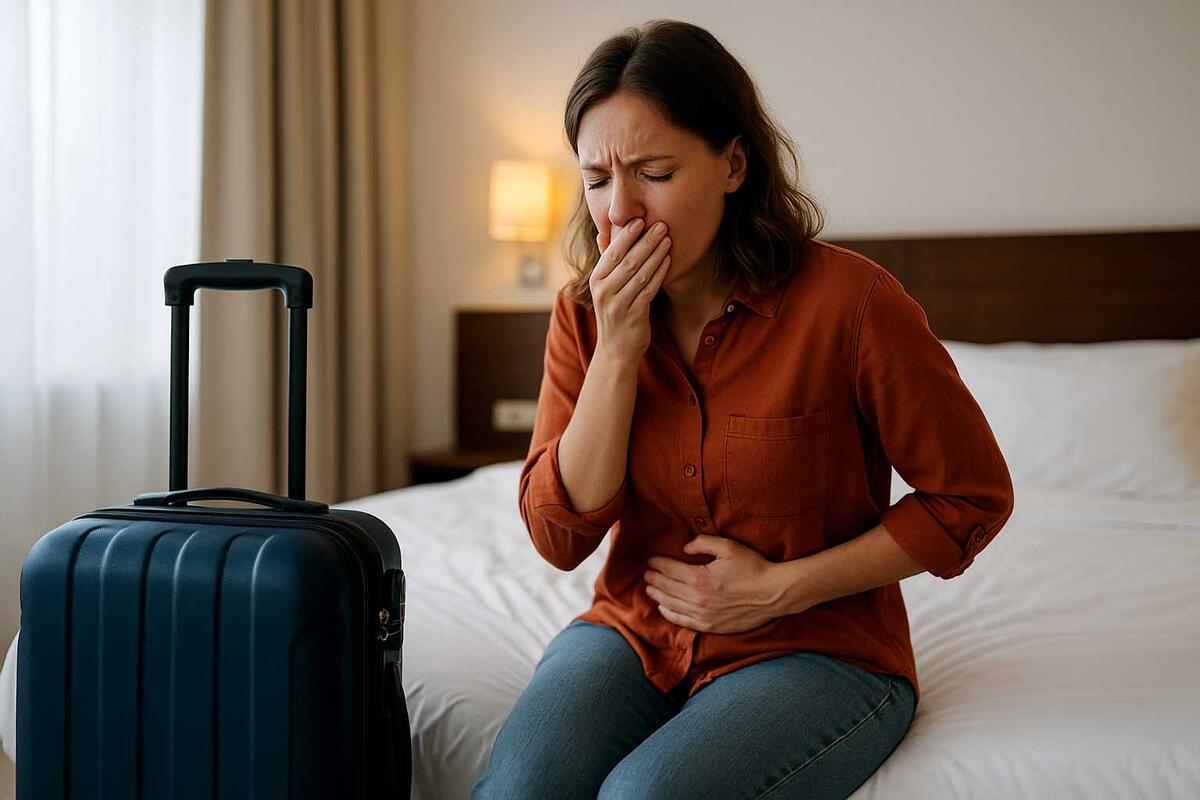
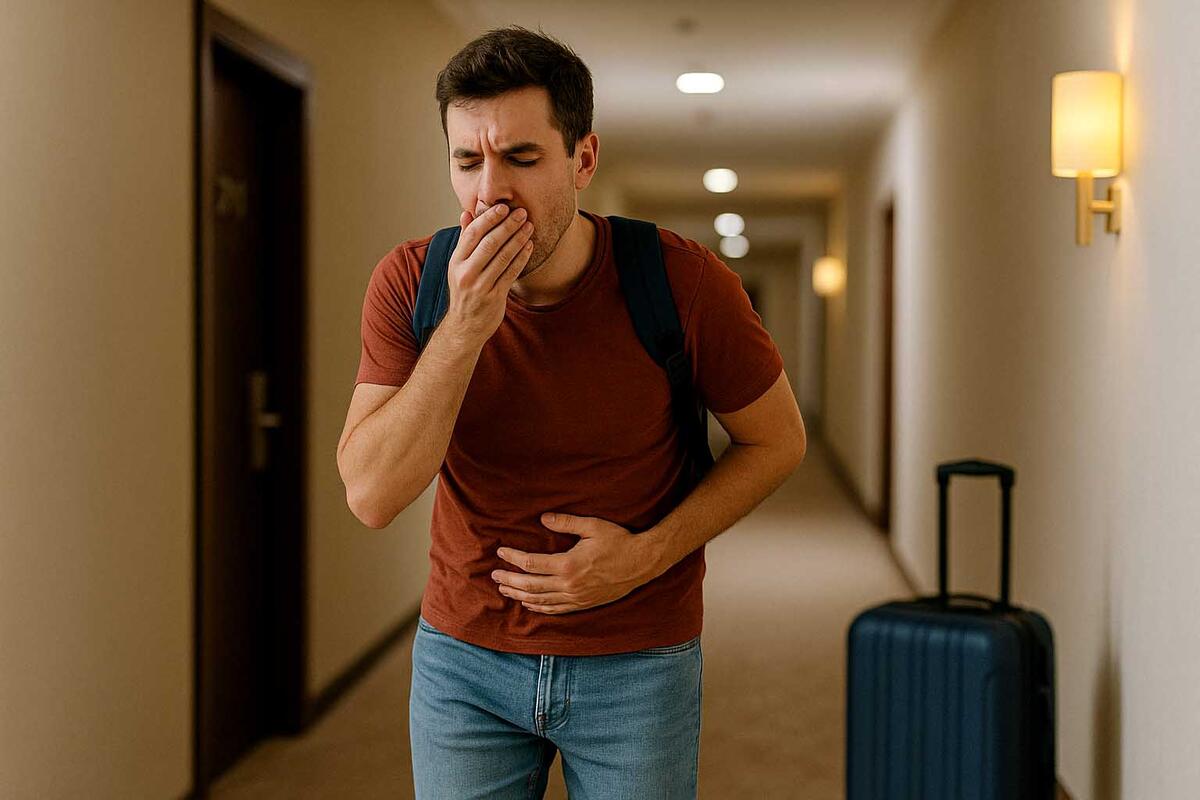
Many sufferers experience abdominal cramps or discomfort, a sensation of bloating, and sometimes nausea or even vomiting. Less common but still possible are a low-grade fever or the presence of blood in the stool, which might signal a more severe infection requiring prompt medical attention.
The symptoms often begin abruptly, typically within the first week of arriving at the new destination, though they can occur at any point during the trip or shortly after returning home.
While the acute phase of watery bowel movements can be debilitating and cause significant worry about personal health, the ailment is generally self-limiting, meaning it resolves on its own without specific antibiotic treatment, usually within a few days.
Prompt identification of these indicators of acute infectious diarrhea allows for timely management, primarily through rehydration.
What are the main causes and transmission routes of traveler’s diarrhea?
The main culprit behind the majority of traveler’s diarrhea cases is bacterial contamination, overwhelmingly dominated by enterotoxigenic Escherichia coli (ETEC).
However, other bacteria like Campylobacter, Shigella, and Salmonella, as well as viruses (such as norovirus) and parasites (Giardia), can also be responsible for the gastrointestinal upset.
The transmission of these pathogens occurs primarily through the fecal-oral route, meaning the infectious agents from stool of an infected person or animal somehow enter the mouth of a susceptible individual. This usually happens via the consumption of contaminated food or water.
High-risk foods include raw or undercooked meats, unpeeled fruits and vegetables that have been washed with unsafe water, and dairy products that have not been properly pasteurized.
Water, whether consumed directly or used in food preparation (including ice), is a significant vector, particularly in areas with poor sanitation infrastructure.
Even seemingly safe practices, like brushing teeth with tap water or accidentally swallowing water while showering, can lead to infection in highly susceptible individuals. Poor personal hygiene, particularly inadequate hand washing by food handlers, further facilitates the spread.
Understanding these causes and the chain of transmission is crucial, as prevention strategies directly target breaking this contamination cycle to safeguard individual health from severe diarrhea.
What simple precautions can I take to reduce the risk of traveler’s diarrhea?
Reducing the risk of contracting traveler’s diarrhea centers on meticulous attention to what you eat and drink, a principle often summarized by the adage: “Boil it, cook it, peel it, or forget it.”
The simplest and most effective precaution is to stick strictly to commercially bottled and sealed water, even for brushing your teeth. This extends to avoiding ice cubes unless you are absolutely certain they were made from purified water.
When it comes to food, prioritize dishes that are served steaming hot, as the cooking process generally kills pathogens. Avoid raw or undercooked meats and seafood, and be wary of salads or unpeeled fruits unless you have personally washed or peeled them using safe water.
Street food, while tempting and authentic, presents a higher risk due to variable sanitary standards, so choose vendors carefully based on appearance, cleanliness, and popularity. Hand hygiene is an equally critical, yet often underestimated, defense measure.
Frequent and thorough hand washing with soap and water, especially before eating and after using the restroom, is paramount. When soap and water are unavailable, a quality alcohol-based hand sanitizer can provide a necessary layer of protection.
These straightforward steps are essential to maintaining your health and significantly lowering the probability of experiencing acute infectious diarrhea during your journey.
Can specific foods or drinks increase my susceptibility to traveler’s diarrhea?
Indeed, certain food items and beverages are inherently riskier and can significantly increase a traveler’s susceptibility to traveler’s diarrhea. The danger often lies not just in the food itself, but in how it is prepared, stored, and served.
As a general rule, anything that is unheated, unpasteurized, or unsealed should be viewed with caution. Buffets, for instance, pose a risk because food that has been sitting at lukewarm temperatures for extended periods becomes a perfect breeding ground for bacteria.
Similarly, raw or undercooked shellfish and seafood are common vectors for various pathogens. Salads and fruits that cannot be peeled, such as berries, are risky if they have been rinsed in contaminated water.
Even seemingly innocent items like fruit juices or milkshakes prepared on the street can be problematic if tap water or unpasteurized dairy is used. The key is to minimize exposure to moisture and surfaces that may have encountered contaminated water.
Moreover, excessive consumption of alcohol can inadvertently increase the risk. While it doesn’t cause the infection directly, it can potentially mask early symptoms or lead to less careful choices regarding food and drink, thus making the traveler more vulnerable to the affliction.
Prioritizing cooked, sealed, and packaged options is the best strategy for preserving one’s health and avoiding the unpleasant reality of severe diarrhea.
Are there over-the-counter medications that can help prevent traveler’s diarrhea?
While the core of preventing traveler’s diarrhea lies in careful dietary choices, some travelers explore the option of taking over-the-counter (OTC) medications prophylactically to lower their risk.
The most commonly suggested OTC product for this purpose is bismuth subsalicylate (BSS), widely known by the brand name Pepto-Bismol.
Studies suggest that taking BSS in prescribed doses can effectively reduce the incidence of watery diarrhea by up to 50% by exerting both anti-microbial and anti-secretory effects in the gut.
However, it is important to note that BSS should not be taken long-term due to the risk of salicylate toxicity, and it should be avoided by those with aspirin allergy, pregnant individuals, or those taking certain medications like anticoagulants.
Another popular strategy involves the use of specific probiotics. While the evidence supporting their general use for the prevention of traveler’s gastrointestinal issues is mixed, some strains, like Saccharomyces boulardii and certain Lactobacillus species, have shown promise in certain studies for maintaining gut health and potentially offering a modest protective effect.
It is crucial to remember that no OTC medication is a substitute for strict adherence to safe food and water practices. Any prophylactic medication should be discussed with a healthcare provider well before the trip to ensure safety and appropriateness for the individual traveler.
Why is hydration the most critical treatment for traveler’s diarrhea?
When a bout of traveler’s diarrhea strikes, the single most critical aspect of treatment and recovery is maintaining adequate hydration.
The primary danger associated with severe episodes of watery bowel movements is not the pathogen itself, but the rapid and substantial loss of fluids and essential electrolytes (such as sodium, potassium, and chloride) that accompanies the frequent stools and potential vomiting.
Dehydration, especially in hot or humid climates, can quickly lead to fatigue, dizziness, kidney stress, and, in severe cases, be life-threatening. Therefore, replacing these lost fluids and salts is paramount to restoring equilibrium and promoting recovery.
The gold standard for rehydration is the use of Oral Rehydration Solutions (ORS), which are scientifically formulated to contain the precise balance of glucose and electrolytes necessary for efficient absorption by the intestine. Plain water alone is insufficient because it does not replace the crucial salts.
While anti-motility agents like loperamide can be used to temporarily manage the symptoms of urgent diarrhea and make travel more tolerable, they only address the symptom, not the underlying fluid imbalance.
Prioritizing ORS intake immediately upon the onset of symptoms is the best approach to safeguard one’s overall health during the uncomfortable phase of traveler’s diarrhea.
How long does traveler’s diarrhea typically last and when should I see a doctor?
The duration of an episode of traveler’s diarrhea is generally quite manageable, typically lasting only a few days.
For most healthy adults, the acute symptoms of frequent, watery stools usually begin to subside within 1 to 2 days, and the condition completely resolves within 3 to 4 days, even without specific medical intervention. In a small minority of cases, symptoms may linger for a week or slightly longer.
It’s important to understand that while it can be intensely disruptive to a trip, the vast majority of cases are self-limiting. However, there are clear warning signs and circumstances that necessitate immediate medical consultation.
You should urgently see a doctor if you experience signs of severe dehydration (like reduced urination, excessive thirst, or lethargy), a high fever, persistent vomiting that prevents you from keeping fluids down, or, most critically, if you notice blood or pus in your stool, which may indicate a more serious or invasive infection.
Also, if the watery diarrhea persists beyond a week, medical evaluation is warranted to rule out parasitic or other persistent infections. Timely consultation ensures appropriate management, which may include prescription antibiotics, thereby protecting your long-term health.

Are there specific risks of traveler’s diarrhea for children, pregnant women, and the elderly?
Yes, certain populations face heightened risks and can experience more severe outcomes from traveler’s diarrhea due to their unique physiological vulnerabilities. For children, the primary and most significant risk is rapid dehydration.
Their smaller body mass and higher metabolic rate mean they lose fluids and electrolytes much faster than adults, and signs of severe dehydration can manifest alarmingly quickly.
Parents must be vigilant about fluid replacement with Oral Rehydration Solutions (ORS) at the first sign of watery diarrhea. Pregnant women, too, must exercise extra caution.
While the illness itself may not directly harm the fetus, severe dehydration and electrolyte imbalances can put stress on the maternal system and potentially impact the pregnancy.
Furthermore, certain medications used to treat the infection might not be safe during pregnancy, necessitating careful medical consultation.
The elderly represent a third vulnerable group; they often have pre-existing chronic health conditions and a reduced physiological reserve, making them less able to tolerate the fluid and electrolyte losses. Their symptoms may be more protracted, and they are at a higher risk for complications.
Therefore, strict adherence to preventive measures is especially critical for these groups, and medical attention should be sought more promptly than for a healthy adult to ensure their well-being and recovery.
What is the recommended treatment for acute gastrointestinal distress while traveling?
When acute gastrointestinal distress, characteristic of infectious diarrhea, strikes during a journey, the recommended treatment approach is a combination of symptom management and aggressive fluid replacement.
As previously stated, Oral Rehydration Solutions (ORS) are non-negotiable for combating dehydration. Alongside ORS, most travelers find relief using an anti-motility agent like loperamide (Imodium).
Loperamide works by slowing down the movement of the gut, which significantly reduces the frequency and urgency of the bowel movements, providing much-needed comfort and making it easier to continue travel.
However, loperamide should be avoided if there is a high fever or if blood is present in the stool, as it can potentially prolong the illness in these specific cases.
For moderate to severe cases, particularly if symptoms are accompanied by fever or if the individual cannot afford the time for natural recovery, a physician may prescribe a short course of an antibiotic, such as azithromycin or a fluoroquinolone (where resistance is low), which can rapidly shorten the duration of the illness by eliminating the bacterial cause.
It is prudent for travelers to discuss a standby antibiotic prescription with their doctor before the trip. This combined strategy—hydration, anti-motility agents for comfort, and potential antibiotics for severity—is essential for the prompt restoration of personal health when faced with this common travel ailment.
How can I maintain good gut health during my international trip?
Maintaining robust gut health throughout an international trip is the best proactive defense against episodes of acute diarrhea. Beyond the essential safety measures of strictly controlled food and water intake, travelers can focus on supporting their body’s internal defenses.
The use of certain probiotics, which are live microorganisms intended to maintain or improve the “good” bacteria in the gut, has gained popularity.
Starting a regimen of a proven, high-quality probiotic strain a few days before and continuing it throughout the journey can help stabilize the intestinal microflora, potentially making the gut less hospitable to foreign pathogens.
Adequate rest is also crucial; the stress and fatigue inherent in long-distance travel and rapid time zone shifts can suppress the immune system, making one more vulnerable to infection. Prioritizing sleep and managing travel-related stress indirectly fortifies the gut barrier.
Furthermore, while caution is necessary, moderate and sensible consumption of local, safe foods can gradually introduce your digestive system to the region’s common microbes, building a degree of tolerance over time without leading to a full-blown infection.
By managing stress, ensuring rest, and supporting the microbiome, one actively promotes gut stability, which serves as a powerful buffer against the risk of experiencing severe gastrointestinal distress or watery bowel movements.
What should I pack in my first-aid kit to manage a case of travel sickness?
A well-prepared travel first-aid kit is an absolute necessity for managing a sudden case of travel sickness or watery stool.
The cornerstone of the kit must be ample supplies of Oral Rehydration Solutions (ORS) packets; these are non-negotiable for replenishing vital fluids and electrolytes lost due to diarrhea and preventing serious dehydration.
Alongside the ORS, pack an over-the-counter anti-motility medication, such as loperamide, which is highly effective for rapidly controlling the frequency and urgency of bowel movements, offering comfort and allowing the traveler to manage symptoms during transit or necessary excursions.
A bottle of bismuth subsalicylate (BSS) is also recommended, as it can both help to prevent mild cases if taken proactively and provide symptomatic relief when the illness begins.
For general hygiene and prevention, include a high-quality, alcohol-based hand sanitizer (at least 60% alcohol) for use when soap and water are unavailable. Finally, if you have discussed a standby treatment plan with your doctor, ensure you have the prescribed course of antibiotics readily accessible.
This comprehensive kit addresses the most immediate threats to your health—dehydration and symptom severity—and ensures you are fully equipped to handle an unexpected bout of travel-related gastrointestinal upset, keeping the focus on your travel and minimizing the disruption caused by sudden severe watery bowel movements.
Conclusion
Successfully navigating the world of international travel means being prepared for the unexpected, and when it comes to preserving your enjoyment and your well-being, few preparations are more vital than understanding traveler’s diarrhea.
We’ve established that the ailment is a common reality, typically caused by bacterial exposure, but we’ve also demonstrated that it is highly preventable and manageable.
By rigorously adhering to the “Boil it, cook it, peel it, or forget it” philosophy, prioritizing hand hygiene, and sticking to safe, sealed beverages, you dramatically reduce your risk.
Should symptoms of watery diarrhea appear, remember that prompt action is key: aggressive rehydration using Oral Rehydration Solutions (ORS) is your most critical intervention to protect your overall health, while an over-the-counter anti-motility agent can manage symptoms and bring comfort.
While the threat of a temporary setback is real, it should never overshadow the incredible experience of exploring new cultures and landscapes.
Arm yourself with this knowledge and a well-stocked first-aid kit, and you can confidently step off the plane, knowing you’ve taken every sensible step to secure your gastrointestinal well-being. Travel smart, stay healthy, and enjoy the adventure.
FAQ
The primary cause of traveler’s diarrhea is the ingestion of food or water contaminated with foreign bacteria, most commonly enterotoxigenic Escherichia coli (ETEC). These pathogens are introduced through unhygienic preparation practices, inadequate cooking, or using unsafe water (including ice) for drinking or washing produce.
Traveler’s diarrhea is clinically defined as having three or more unformed stools in a 24-hour period, usually accompanied by at least one other symptom such as abdominal cramps, nausea, vomiting, or fever. It typically strikes individuals traveling from developed to developing regions.
Most cases of traveler’s diarrhea are self-limiting and resolve relatively quickly. The acute symptoms usually begin to subside within 1 to 2 days, and the entire illness typically clears up completely within 3 to 4 days, even without specific antibiotic treatment.
The single most important step for treating traveler’s diarrhea is aggressive hydration. Due to the significant loss of fluids and essential electrolytes from frequent watery stools, using Oral Rehydration Solutions (ORS) is crucial to prevent dehydration and ensure a faster recovery.
The best prevention for traveler’s diarrhea is to follow the rule: “Boil it, cook it, peel it, or forget it.” This means sticking to commercially bottled water, avoiding ice, eating only food that is served steaming hot, and avoiding unpeeled raw fruits and vegetables or undercooked meat.
A traveler should seek medical attention if symptoms of traveler’s diarrhea are severe, including a high fever, blood or pus in the stool, persistent vomiting that prevents fluid retention, or if the diarrhea lasts longer than 48 hours without showing signs of improvement.
No, antibiotics are not necessary for every case. Most mild-to-moderate episodes of traveler’s diarrhea resolve on their own. Antibiotics are typically reserved for severe cases, or when a traveler needs to rapidly shorten the duration of the illness and has been prescribed a standby course by their doctor.
Some studies suggest that certain strains of probiotics, particularly Saccharomyces boulardii, may offer a modest protective effect against the onset of traveler’s diarrhea by helping to stabilize the gut flora. It is often recommended to start a regimen a few days before and continue throughout the trip.
Yes, traveler’s diarrhea can be contagious. Since it is transmitted via the fecal-oral route, proper and frequent hand washing is essential. Poor hand hygiene after using the restroom can spread the pathogens to surfaces, which can then infect others.
Yes, anti-motility agents like Loperamide can be used to manage the symptoms of traveler’s diarrhea, providing temporary relief from urgency and frequency. However, you should avoid taking it if you have a high fever or notice blood in your stool, as this may indicate a more severe infection requiring a different approach.

Author: Horeca Health
Horeca Health
DISCLAIMER
All content provided on this website is for informational purposes only and should not be considered a substitute for professional advice, diagnosis, or treatment. Always consult qualified healthcare professionals regarding any questions or concerns you may have about your health or any medical condition.




















Leave a Reply