Fatty Liver: Introduction
Fatty Liver: Ever heard the term fatty liver and wondered what it really means for your health? You’re not alone. What was once considered a rare finding has quietly become one of the most common chronic health conditions globally.
In fact, if you have issues with weight, blood sugar, or cholesterol, there’s a significant chance your liver is under strain. The liver is your body’s essential filtration system, metabolic engine, and nutrient storehouse—a true workhorse.
When it starts accumulating too much fat, a condition technically known as hepatic steatosis, its critical functions are compromised, setting the stage for more serious, long-term problems.
This condition, now most commonly referred to as Metabolic Dysfunction-Associated Steatotic Liver Disease (MASLD), is often silent, meaning you might not experience any noticeable symptoms until significant damage has occurred.
But here’s the good news: the most effective tools for managing and even reversing early-stage fatty liver are already within your reach.
In this expert-backed, yet easy-to-read guide, we will unpack everything you need to know: from the hidden causes and subtle symptoms you need to watch out for, to the powerful dietary strategies and lifestyle changes that can put you firmly on the path to better liver health.
What is fatty liver disease and why is this condition a major concern for public health?
Fatty liver, scientifically known as hepatic steatosis, is a condition where an excessive amount of fat accumulates within the liver cells.
While the presence of a minimal amount of fat is considered normal and physiological, a diagnosis is typically given when fat content exceeds 5–10% of the liver’s total weight.
This seemingly simple accumulation is anything but trivial; the liver is a powerhouse organ, indispensable for numerous life-sustaining processes, including blood detoxification, synthesizing proteins, storing vitamins, and regulating blood sugar.
When it becomes engorged with fat, its functional capacity is significantly impaired, paving the way for inflammation and progressive organ damage over extended periods.
The condition is broadly categorized into Alcohol-Associated Liver Disease (AALD), stemming from chronic heavy alcohol use, and the much more common Metabolic Dysfunction-Associated Steatotic Liver Disease (MASLD), which recently replaced the older term Non-Alcoholic Fatty Liver Disease (NAFLD).
The startling global prevalence of MASLD is inextricably linked to the epidemic rise in obesity, type 2 diabetes, and general metabolic syndrome, establishing it as the most common chronic liver disorder worldwide.
Recognizing this widespread problem is the foundational step toward safeguarding long-term health. For many, the initial stage, simple steatosis, progresses slowly or remains benign, yet for a crucial subset of the population, it develops into the more severe steatohepatitis (MASH), a state of inflammation that can culminate in irreversible cirrhosis (severe scarring), dramatically elevating the risk of liver failure and hepatocellular carcinoma (liver cancer).
The shift in nomenclature to MASLD underscores its systemic metabolic origins and highlights the urgent need for public health interventions to tackle this silent yet pervasive disease.
What are the primary causes that contribute to the development of a fatty liver?
The root causes driving the development of a fatty liver are complex and multifaceted, yet they fundamentally involve the inability of the liver to properly process and export fats.
The single largest contributing factor, particularly for Metabolic Dysfunction-Associated Steatotic Liver Disease (MASLD), is the constellation of disorders known as metabolic syndrome.
This includes, but is not limited to, generalized or abdominal obesity, pervasive insulin resistance, and dyslipidemia—an unhealthy imbalance of blood lipids like high triglycerides and low HDL cholesterol.
When the body has a constant surplus of energy from a diet rich in refined sugars and excessive calories, the liver, acting as the central processing unit, converts this excess glucose and fructose into fat molecules, a process known as de novo lipogenesis, which then becomes trapped within the hepatocytes.
This overwhelming of the liver’s processing capacity is the direct mechanism of steatosis. Beyond this metabolic overload, rapid and extreme weight loss, which mobilizes large amounts of fat from storage tissues, can temporarily induce or worsen a fatty liver.
Furthermore, certain pharmaceutical agents, genetic predispositions, and other health issues such as polycystic ovary syndrome (PCOS) or sleep apnea are recognized contributors.
For Alcohol-Associated Fatty Liver Disease (AALD), the sheer toxic burden of excessive ethanol consumption creates oxidative stress and direct damage to liver cells, triggering fat accumulation and subsequent inflammation.
Identifying and rigorously addressing these specific underlying etiological factors is paramount to improving liver function, restoring metabolic balance, and ensuring positive long-term health outcomes.
Are there any visible signs or major symptoms of fatty liver that people should look out for?
The insidiously silent nature of fatty liver disease in its early stages is precisely why it is often referred to as a hidden epidemic. Unlike many acute illnesses that present with immediate, pronounced distress, simple hepatic steatosis is overwhelmingly asymptomatic.
This means that individuals often remain unaware of their condition for years, only discovering it incidentally during routine medical screening or tests ordered for unrelated reasons. Consequently, the disease is allowed to progress unimpeded in many patients.
However, as the condition advances from simple fat accumulation to the inflammatory stage, known as steatohepatitis (MASH or ASH), some subtle, non-specific symptoms may begin to manifest.
These can include a persistent, unexplained sense of fatigue that isn’t relieved by rest, a general feeling of malaise or being unwell, and occasionally, mild, dull discomfort or pain localized to the upper right quadrant of the abdomen, corresponding to the enlarged liver.
It is crucial to understand that these symptoms are vague and often dismissed as stress or minor ailments.
Only when the disease reaches the severe stage of cirrhosis do the more alarming and visible signs appear: jaundice (yellowing of the skin and eyes), the development of ascites (fluid accumulation in the belly), easy bruising due to clotting issues, and hepatic encephalopathy (confusion or mental fogginess).
Because of the condition’s stealth, relying on symptoms alone is inadequate; individuals with risk factors (obesity, diabetes, high cholesterol) must proactively engage in medical surveillance to protect their future health from the detrimental effects of untreated fatty liver.
Can lifestyle modifications truly reverse the damage caused by a fatty liver?
The most encouraging and empirically supported fact regarding early-stage fatty liver disease is that it is largely reversible through dedicated and sustainable lifestyle modifications.
This provides immense hope, as the liver is a remarkably resilient organ with a notable capacity for regeneration when the primary damaging factors are removed. The cornerstone of non-pharmacological treatment—and indeed, the most powerful therapy—is weight reduction.
Research has unequivocally demonstrated that a sustained, modest weight loss of just 5% of total body weight can significantly decrease liver fat; a reduction of 7–10% often leads to decreased inflammation (MASH) and can even begin to reverse early-stage fibrosis.
Achieving this is primarily driven by rigorous dietary modification that limits refined sugars, processed foods, and overall calorie intake. Furthermore, the integration of regular physical activity, encompassing both aerobic and resistance training, is vital.
Exercise improves the body’s sensitivity to insulin, which directly counters the insulin resistance that fuels hepatic fat storage, thereby promoting overall metabolic health.
For those diagnosed with Alcohol-Associated Fatty Liver Disease (AALD), the single, most critical step is immediate and complete abstinence from alcohol, which allows the liver’s natural healing mechanisms to take effect.
It’s imperative to view these changes not as temporary diets or exercise programs, but as a permanent overhaul of one’s habits. This sustained commitment to a healthier lifestyle is the most effective way to eliminate excess fat from the fatty liver and prevent its progression to severe, irreversible stages.
How does a person’s diet specifically contribute to or help manage a fatty liver?
Dietary composition holds a dual and powerful influence over the fate of the fatty liver, serving both as the primary aggressor in its development and the key agent in its reversal.
On the development side, the typical modern dietary landscape, often characterized by an abundance of highly processed foods, excessive intake of refined carbohydrates, and particularly, large quantities of added sugars like high-fructose corn syrup, creates an insurmountable metabolic challenge.
When these macronutrients are consumed in excess, the liver, in its role as a processor, converts this overload of energy into triglycerides (fat), which are then stored within its own cells, directly causing hepatic steatosis.
This mechanism underscores why poor dietary choices are so toxic to liver health. To manage and reverse a fatty liver, the diet must be strategically shifted to an anti-steatotic and anti-inflammatory pattern. This involves drastically reducing or eliminating all sugary beverages and refined grains.
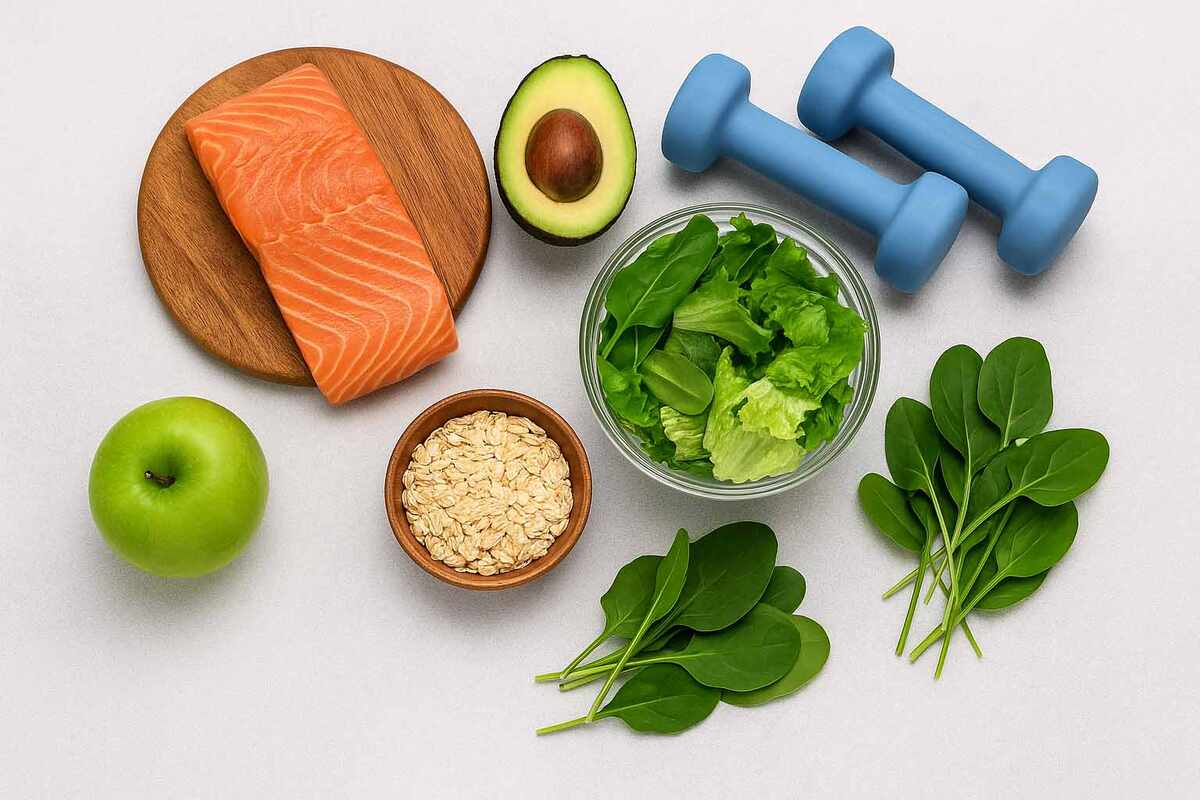
The focus must pivot to a diet rich in fiber from whole foods—think plentiful non-starchy vegetables, legumes, nuts, and seeds. Prioritizing healthy fats, particularly monounsaturated fats (like olive oil) and Omega-3 fatty acids (found in fatty fish), helps improve insulin signaling and reduce inflammation.
By controlling the quality and quantity of food intake, you essentially starve the fat accumulation process in the liver.
A mindful and consistent nutritional approach not only facilitates the necessary weight loss but also directly modifies the biochemical environment of the liver, allowing the accumulated fat to be mobilized and metabolized, thus promoting healing and protecting long-term health.
What are the best dietary strategies for a person diagnosed with fatty liver?
Implementing effective dietary strategies is the single most actionable step for anyone diagnosed with a fatty liver. The best approach is a holistic plan centered on reducing calorie density, eliminating liver toxins, and increasing protective nutrients.
Firstly, the immediate priority is a severe restriction of fructose and refined carbohydrates, as these are the primary substrates for de novo lipogenesis (fat creation) in the liver.
This means saying goodbye to sweetened drinks, most packaged snacks, white flour products, and excessive amounts of table sugar. Secondly, adopting a nutritional pattern akin to the Mediterranean Diet is highly recommended.
This pattern emphasizes large quantities of non-starchy vegetables, lean sources of protein (poultry, fish, legumes), whole grains, and healthy fats, particularly extra-virgin olive oil.
The high fiber content of this diet aids in improving gut health and satiety, facilitating the crucial need for modest, sustainable weight loss.
Thirdly, a focus on specific macronutrients is helpful: prioritize Omega-3 fatty acids, which possess powerful anti-inflammatory properties, and ensure adequate protein intake to support satiety and muscle mass preservation during weight loss.
Adequate hydration with water and plain coffee (which has been shown to have protective liver benefits) should replace all sugary beverages.
By adhering to these well-established dietary principles, individuals can provide their liver with the best possible conditions for recovery, actively reducing the fat load and preventing the progression of their fatty liver condition.
How does regular physical activity contribute to the management of fatty liver?
Regular physical activity is a powerhouse intervention that fundamentally complements dietary efforts in the fight against fatty liver disease, offering therapeutic benefits that extend beyond simple calorie expenditure.
The core contribution of exercise lies in its profound ability to enhance insulin sensitivity across the entire body, especially in muscle tissue.
Since insulin resistance is the central metabolic flaw driving Metabolic Dysfunction-Associated Steatotic Liver Disease (MASLD), making cells more responsive to insulin directly reduces the biochemical signal that tells the liver to churn out and store fat.
Even more specifically, studies confirm that consistent exercise can directly decrease the fat content within the liver, often independent of significant body weight loss. This means that merely being physically active—like taking a brisk walk for 30 minutes most days—is a form of medicine for the liver.
Incorporating both aerobic exercise (e.g., walking, jogging) and resistance training (e.g., weight lifting) offers maximal benefit.
Aerobic activity is excellent for burning fat and improving cardiorespiratory fitness, while resistance training is crucial for preserving and building muscle mass, which itself is a metabolically active tissue that utilizes glucose efficiently and improves overall health.
By integrating this consistent movement, you not only aid in achieving the necessary weight management targets but also activate metabolic pathways that actively mobilize and burn the fat accumulated in the fatty liver, creating a healthier, more resilient hepatic environment.
Why is insulin resistance a critical risk factor for developing fatty liver?
Insulin resistance stands as one of the most critical metabolic abnormalities underlying the development of Metabolic Dysfunction-Associated Steatotic Liver Disease (MASLD), which is the most prevalent form of fatty liver globally.
Insulin’s primary job is to act as a ‘key,’ allowing glucose from the bloodstream to enter cells for energy. When cells, particularly muscle and fat cells, become resistant to this signal, the pancreas attempts to compensate by churning out excessive amounts of insulin, leading to a state of hyperinsulinemia.
This high level of insulin is where the real trouble begins for the liver. Under these conditions, the liver is signaled to dramatically increase its own production of fat from circulating sugars and fatty acids—a process known as de novo lipogenesis.
The liver effectively becomes a fat factory that is unable to turn off production, and this fat becomes trapped inside its own cells, creating the condition of hepatic steatosis.
This deep metabolic connection explains why individuals with prediabetes or diagnosed type 2 diabetes are at such a profoundly elevated risk for fatty liver. Consequently, any therapeutic strategy for this liver concern must prioritize reversing this underlying resistance.
Lifestyle interventions—particularly diet and exercise—are powerful tools for restoring insulin sensitivity, thereby directly shutting down the excessive fat production within the liver and safeguarding a patient’s long-term health. The vicious cycle of fat accumulation can only be broken by addressing the upstream hormonal imbalance.

What potential long-term complications can arise from an untreated fatty liver?
Failing to address an established diagnosis of fatty liver can set the stage for a cascade of increasingly severe and often irreversible health crises, underscoring the necessity of proactive management.
While simple steatosis is generally benign, the primary danger lies in its potential to progress to steatohepatitis—Metabolic Dysfunction-Associated Steatohepatitis (MASH) or Alcoholic
Steatohepatitis (ASH). In this inflammatory phase, the continuous injury to liver cells triggers a healing response that involves the formation of fibrosis, or scar tissue.
Over years, this chronic, progressive scarring leads to cirrhosis, the end-stage of chronic liver disease, where the healthy, functional tissue of the liver is replaced by rigid, non-functioning scar tissue.
Cirrhosis severely compromises all of the liver’s vital functions and is associated with catastrophic outcomes, including liver failure. Furthermore, cirrhosis from a fatty liver is a major independent risk factor for the development of hepatocellular carcinoma (liver cancer).
Beyond the liver itself, the metabolic dysfunction that underlies the common form of fatty liver also significantly heightens the risk for serious cardiovascular events, such as heart attack and stroke, often becoming the primary cause of morbidity and mortality for these patients.
These systemic consequences highlight that this disease is not merely a liver issue, but a profound systemic health crisis that requires comprehensive and immediate attention to prevent severe disability and premature death.
How is the diagnosis of hepatic steatosis typically confirmed by medical professionals?
The diagnostic pathway for hepatic steatosis (fatty liver) is crucial, especially given the disease’s silent nature, and it typically begins when medical professionals identify an abnormality during routine examinations.
The initial clue is often a finding of elevated liver enzymes (ALT and AST) on standard blood work, suggesting liver cell damage or inflammation. While these tests are suggestive, they are not definitive for a fatty liver.
To visually confirm the presence of fat, an abdominal ultrasound is often the first and most widely used imaging tool. This non-invasive and accessible scan is highly effective at identifying the characteristic bright, “echogenic” appearance of a liver laden with fat.
To gain a more precise quantitative measure of the fat content, as well as to assess for early scarring, advanced imaging techniques are increasingly employed.
These include MRI-PDFF (Magnetic Resonance Imaging-Proton Density Fat Fraction) and non-invasive methods to measure liver stiffness, such as FibroScan (transient elastography).
Measuring stiffness is critical as it non-invasively estimates the degree of fibrosis (scarring), which is the most important predictor of long-term prognosis.
Only in specific situations—such as when there is a strong need to definitively stage the inflammation (MASH) or if other liver conditions need to be ruled out—is the traditional liver biopsy performed.
This comprehensive diagnostic process, moving from blood tests to imaging, allows medical professionals to accurately stage the severity of the fatty liver condition and tailor the most effective treatment plan to protect the patient’s long-term health.
What role do certain medications and supplements play in the treatment of fatty liver?
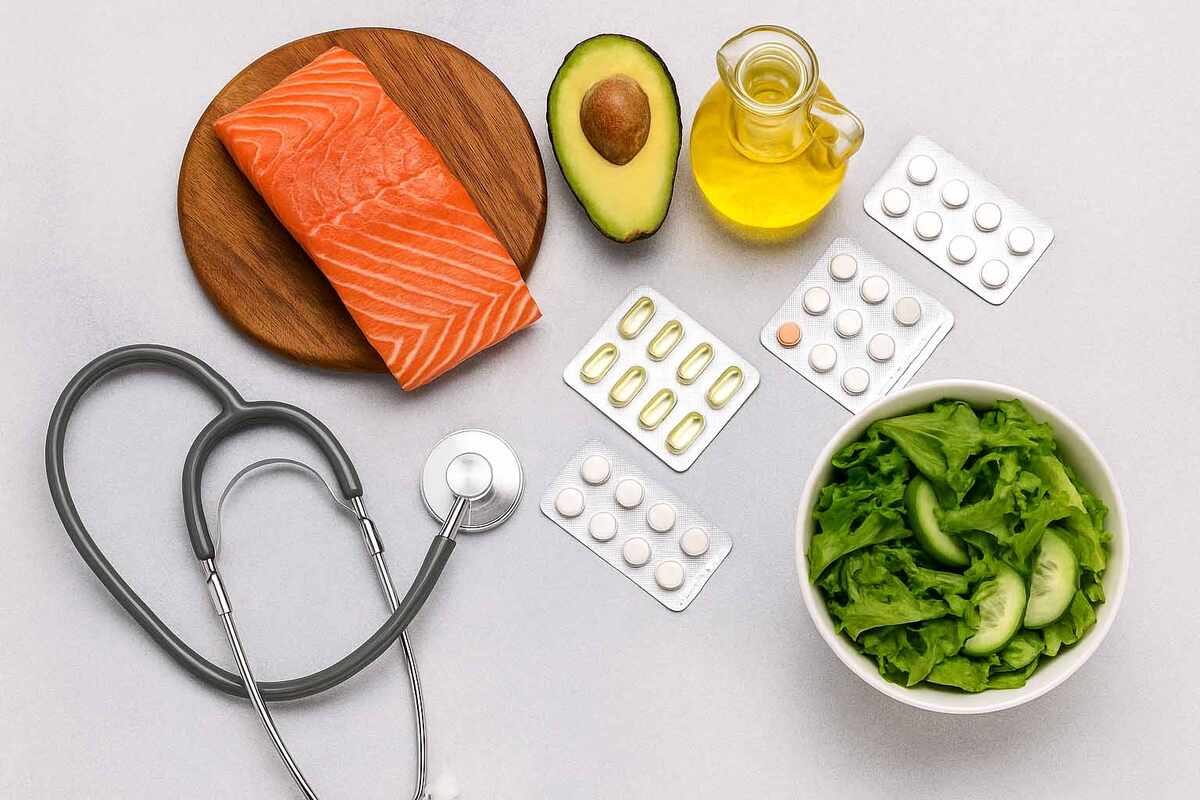
While the foundational treatment for a fatty liver rests firmly on committed lifestyle and dietary changes, certain medications and supplements are often integrated into the treatment plan, particularly for individuals with advanced or inflamed disease (MASH).
It’s important to note that, as of now, the medical community lacks a single, widely approved drug specifically indicated to treat Metabolic Dysfunction-Associated Steatohepatitis (MASH).
However, physicians frequently utilize drugs that powerfully modulate the underlying metabolic abnormalities.
For example, medications initially developed for type 2 diabetes, such as Pioglitazone or certain GLP-1 agonists, have shown demonstrable benefits in reducing liver fat and improving inflammation in some MASH patients, regardless of their diabetic status.
Additionally, the use of Vitamin E (in a specific form and dose) has been shown to be effective in improving liver histology in non-diabetic adults with MASH.
Perhaps the most common medicinal interventions involve aggressively treating co-morbid conditions; this includes using statins to manage high cholesterol and fibrates to lower triglycerides, along with effective blood pressure control.
By restoring overall metabolic health, these drugs indirectly but powerfully support liver function. Patients must exercise caution with over-the-counter supplements, as many lack scientific validation and some can, ironically, be harmful to the liver.
Any medicinal or supplemental intervention must be closely managed and monitored by a health professional to ensure maximum benefit and minimize any potential for drug-induced liver injury, especially when dealing with a compromised fatty liver.
How can managing weight and blood sugar levels effectively prevent the condition?
The proactive management of body weight and the diligent control of blood glucose are the most potent and accessible tools for both preventing the onset and reversing the progression of fatty liver disease. These two factors are deeply interconnected with the pathology of the disease.
Excess body weight, particularly visceral fat stored deep in the abdomen, is a metabolically active tissue that continuously floods the bloodstream with fatty acids, which the liver is forced to process and store.
This consistent overload is the direct mechanical cause of fat accumulation in the liver. Furthermore, obesity is the primary catalyst for insulin resistance, which then creates the biochemical signal for the liver to ramp up its own fat production.
By achieving and maintaining a healthy weight, you significantly reduce the sheer volume of fat the liver has to deal with and simultaneously improve insulin signaling. Similarly, keeping blood sugar levels within a tight, healthy range prevents the dramatic spikes that require excessive insulin production.
This, in turn, quiets the signal that tells the liver to create and store fat. Therefore, a focus on gradual, sustainable weight loss through a nutrient-dense diet and consistent physical activity is the most effective form of liver health insurance.
This comprehensive metabolic approach directly targets the root causes of the most common type of fatty liver, preventing it from taking hold and protecting you from a lifetime of potential, severe complications.
Conclusion
The journey toward understanding and reversing fatty liver disease, now often termed Metabolic Dysfunction-Associated Steatotic Liver Disease (MASLD), begins with awareness and ends with action.
We’ve explored the silent nature of this condition, the critical role of metabolic factors and lifestyle choices as its root causes, and the profound difference a focused approach can make. The key takeaway is one of empowerment: this is not a life sentence, but a call to reclaim your health.
The single most powerful “drug” for a fatty liver is a sustained commitment to healthy habits. By prioritizing weight management, adopting a whole-food, low-sugar dietary strategy, and integrating regular physical activity into your routine, you are directly addressing the fundamental metabolic imbalance that drives the disease.
This commitment doesn’t just reduce the fat burden on your liver; it profoundly lowers your risk for associated complications like type 2 diabetes and cardiovascular disease.
Your liver is remarkably resilient, capable of significant healing if given the chance. Don’t wait for the late-stage symptoms like cirrhosis to appear. If you carry risk factors—obesity, high cholesterol, or prediabetes—take this information as your immediate motivation.
Consult with your healthcare provider, make those necessary lifestyle shifts, and embrace a future defined by robust liver health and renewed vitality. The time to heal your liver is now.
FAQ
Fatty liver disease (now often MASLD) is a condition where more than 5% of your liver’s weight is composed of fat. It severely impairs the liver’s ability to function and can lead to damage over time.
Yes. While the early stage is reversible, it can progress to MASH (inflammation) and eventually cirrhosis (scarring), which is irreversible and can cause liver failure or cancer.
The main cause is a collection of metabolic issues, primarily insulin resistance, obesity, high blood sugar, and a diet high in refined sugars and excess calories.
Absolutely. In its early stage, fatty liver is highly reversible. The key is consistent, sustained weight loss and rigorous dietary changes.
Losing 7% to 10% of your body weight is the therapeutic target. This amount is proven to significantly reduce fat and inflammation in the liver.
The single best thing to cut is added sugars, especially from soft drinks, sweetened juices, and processed snacks. Sugar is directly converted into fat by the live
The Mediterranean Diet is widely recommended. It emphasizes whole, high-fiber foods, lean proteins, and healthy fats like olive oil and Omega-3s.
Yes. Exercise directly improves insulin sensitivity, which is crucial for reducing the fat production signal in the liver, regardless of how much weight you lose.
Often, there are no symptoms in the early stages, making it a “silent disease.” Subtle signs can include unexplained fatigue or mild discomfort in the upper right abdomen.
Yes. It’s strongly recommended to completely avoid or drastically limit alcohol. Alcohol adds a significant toxic burden, accelerating damage to an already compromised fatty liver.

Author: Horeca Health
Horeca Health
DISCLAIMER
All content provided on this website is for informational purposes only and should not be considered a substitute for professional advice, diagnosis, or treatment. Always consult qualified healthcare professionals regarding any questions or concerns you may have about your health or any medical condition.




















Leave a Reply