Peeling Skin on the Face: Introduction
Peeling Skin on the Face: Nothing is more frustrating than looking in the mirror and seeing dry, flaky patches disrupting your skin’s smoothness.
That unwelcome sight of peeling skin on the face isn’t just a minor cosmetic annoyance; it’s a clear signal that your skin’s primary defense system—its vital moisture barrier—has been seriously compromised.
Whether it’s a temporary setback from a bad sunburn, an overzealous use of powerful exfoliants, or a sign of an underlying skin condition, facial peeling can leave your skin feeling tight, irritated, and incredibly vulnerable.
This pervasive issue affects millions, prompting countless searches for effective relief and long-term solutions.
In this comprehensive guide, we’ll move past quick fixes to explore the complete picture of facial skin shedding. We’ll expertly dissect everything from the common, everyday triggers (like harsh weather and dehydration) to the specific medical conditions that cause peeling skin on the face.
What are the common causes of peeling skin on the face?
The experience of shedding outer layers of facial skin, commonly referred to as peeling skin on the face, can be startling, but it is a frequent dermatological concern with a wide array of underlying triggers.
At its most benign, flaking is a simple sign of dehydration, where the skin’s natural moisture barrier has been compromised, often due to harsh weather—think cold, dry winters or excessive sun exposure.
Over-exfoliation, a well-intentioned but often damaging practice, is another common culprit; using abrasive scrubs or potent chemical exfoliants too frequently strips the protective layer, leading to redness and subsequent peeling.
However, this superficial flaking can also be symptomatic of more complex conditions. Allergic reactions, contact dermatitis from new cosmetics, or even underlying skin diseases such as eczema and psoriasis can manifest as significant facial skin peeling.
Sunburn is perhaps the most obvious and immediate cause, where UV radiation damages skin cells, leading to a programmed shedding process as the body attempts to replace the damaged tissue.
Understanding the root cause is crucial, as treating mere dryness requires a different approach than managing an inflammatory condition. For many, integrating daily skincare practices that prioritize barrier repair and hydration can resolve minor instances of peeling skin on the face.
Furthermore, making informed decisions about sun protection is a vital component of maintaining long-term skin health.
Is dry skin always the reason for peeling skin on the face?
While dryness is a leading and frequent contributor to flakiness, it’s a common misconception that all instances of peeling skin on the face are merely a matter of lacking moisture.
True xerosis (clinical dry skin) certainly causes the outermost layer, the stratum corneum, to crack and lift, but persistent and significant skin shedding often points to processes beyond simple desiccation.
Chemical irritation, for instance, from the misuse of potent active ingredients like retinoids or alpha hydroxy acids (AHAs), can chemically damage the skin’s structure, forcing an aggressive turnover that results in dramatic flaking.
Furthermore, certain medical conditions necessitate a deeper look; seborrheic dermatitis, for example, which primarily affects the scalp and face, is a yeast-related condition that causes greasy, flaky patches, not just dry ones.
Similarly, conditions like tinea versicolor, a fungal infection, can cause patchy, scaling skin. The key differentiator is often the accompanying symptoms: is the area red, itchy, or burning?
Does it present with small pustules or blisters? Simple dry skin might feel tight, but excessive or widespread peeling skin on the face that doesn’t resolve with standard moisturizing is a strong indicator of an inflammatory or infectious process.
Consulting a dermatologist can help pinpoint the exact cause, ensuring that the treatment targets the underlying pathology, rather than just masking the symptoms, which is essential for preserving the skin’s long-term health.
What essential steps should I take to treat peeling skin on the face?
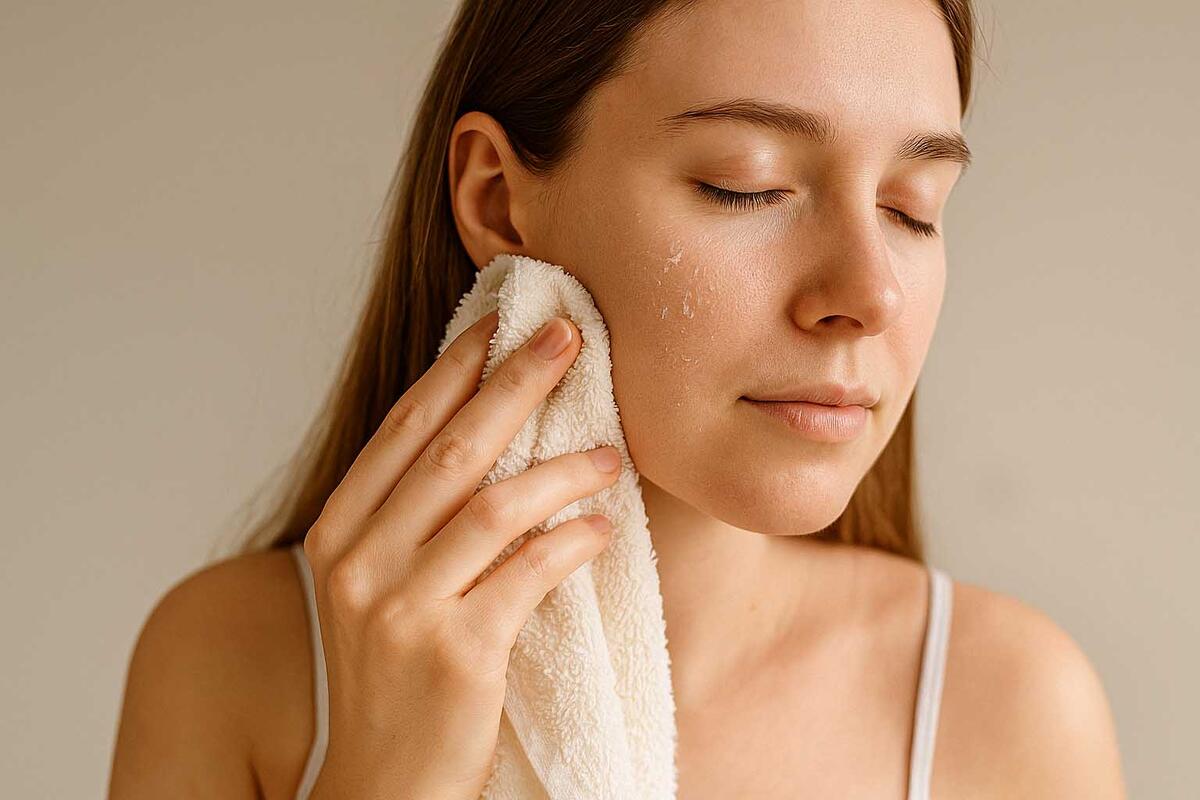
Addressing and resolving the issue of peeling skin on the face requires a multi-faceted approach that first involves identifying and eliminating the trigger, followed by a concentrated effort to repair the damaged skin barrier.
The absolute first step is simplifying your skincare routine; immediately discontinue any harsh scrubs, alcohol-based toners, or potent active ingredients like retinoids or strong exfoliators until the flaking subsides.
These products actively contribute to the shedding process and will hinder recovery. Next, pivot entirely to gentle, non-foaming cleansers and intensely emollient moisturizers.
Look specifically for ingredients that mimic the skin’s natural lipid barrier, such as ceramides, hyaluronic acid, cholesterol, and essential fatty acids. Applying these thicker, richer creams while the skin is still damp from cleansing helps to lock in moisture effectively.
Avoiding extremely hot showers or baths is also crucial, as heat strips the skin of its natural oils, worsening the peeling.
In severe cases of peeling skin on the face due to sunburn or inflammatory conditions, a doctor may recommend an over-the-counter hydrocortisone cream to quickly calm inflammation and reduce the urge to pick or further irritate the area.
Consistent, gentle hydration is non-negotiable for recovery. Beyond topical treatments, ensuring adequate internal hydration and nutritional support contributes significantly to overall skin health and the body’s natural ability to repair itself.
How can I prevent future instances of peeling skin on the face?
Preventing the reoccurrence of peeling skin on the face is primarily about establishing a protective, consistent, and balanced skincare routine that respects the skin’s natural barrier function. The cornerstone of prevention is daily, year-round sun protection.
Ultraviolet radiation is one of the most common and damaging causes of shedding, so applying a broad-spectrum sunscreen with an SPF of 30 or higher every morning, regardless of the weather, is essential. Secondly, be mindful of over-exfoliation.
While chemical or physical exfoliation can be beneficial, it should be done sparingly—no more than 2-3 times a week for most skin types.
Listen to your skin; if you feel tightness, burning, or see flaking, you are exfoliating too much. Introduce new active ingredients, such as retinoids or powerful acids, slowly and one at a time, allowing your skin to acclimate. Maintaining a strong moisture barrier is another non-negotiable preventative measure.
Use a high-quality moisturizer containing barrier-repair ingredients like ceramides daily to keep the skin supple and resilient against environmental stressors.
Being judicious about product choices—opting for fragrance-free and hypoallergenic formulas—can also prevent contact dermatitis, a known cause of peeling skin on the face.
Making these small, intentional adjustments to your daily regimen is key to ensuring continuous skin health and minimizing future dermatological issues.
Which skincare ingredients are best for relieving peeling skin on the face?
When your skin is experiencing the distress of peeling skin on the face, the focus must shift entirely from active treatments to soothing, restorative, and intensely hydrating ingredients designed to repair the compromised barrier.
The most critical ingredients to seek out are those that naturally occur in healthy skin. Ceramides, which are lipid molecules that make up over 50% of the skin’s composition, are paramount; they act as the “cement” between the “bricks” of your skin cells, preventing water loss and restoring structural integrity.
Hyaluronic acid is another powerhouse, not for direct moisturizing, but for its incredible capacity to draw and hold water—up to 1000 times its weight—into the skin, providing deep, lasting hydration that can plump up the skin and minimize the appearance of flakes.
Occlusive agents like Shea butter, petrolatum (petroleum jelly), or mineral oil are highly effective because they create a physical seal over the skin, drastically reducing trans-epidermal water loss (TEWL) and allowing the underlying skin to heal.
For immediate relief, anti-inflammatory ingredients like niacinamide (Vitamin B3) and colloidal oatmeal can help calm redness and irritation that often accompany peeling skin on the face.
By combining humectants (like HA), barrier restorers (like ceramides), and occlusives, you create an optimal environment for the skin to heal and regain its health, resolving the uncomfortable flaking more quickly and effectively.
Can makeup still be worn when I have peeling skin on the face?
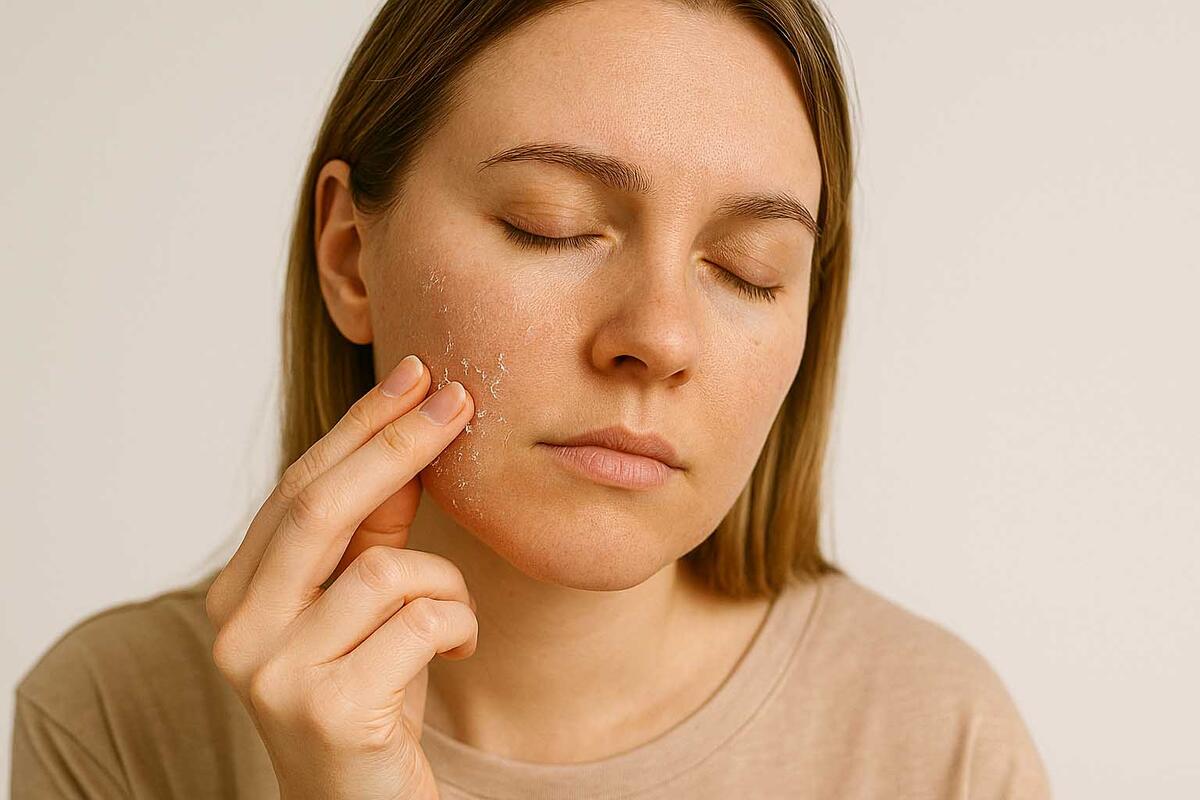
While the desire to cover the visible signs of peeling skin on the face is understandable, applying makeup, particularly traditional liquid or powder foundations, can actually exacerbate the problem and draw more attention to the flaking.
Flakes of skin provide an uneven, textured surface that foundation tends to cling to, resulting in a cakey, patchy, and highly noticeable finish that looks worse than the unadorned skin.
Powder makeup is especially problematic, as its dry nature absorbs any remaining surface moisture, making the flaking more pronounced. If you absolutely must wear a face product, the approach should be minimal and focused on moisture.
First, prioritize your skincare routine by applying a thick, emollient moisturizer and allowing it to fully absorb. If you choose to wear a base, opt for a tinted moisturizer, a hydrating BB cream, or a cushion compact formula that is rich in oils and humectants. These products are less likely to settle into the dry patches.
Avoid primers or foundations labelled as “matte” or “long-wear,” as these are designed to adhere strongly and absorb oil, which is the opposite of what flaking skin needs. Instead of trying to cover up the entire area of peeling skin on the face, focus on spot-concealing areas of redness with a creamy, hydrating spot concealer. The goal is skin health first, coverage second.
When should I consult a dermatologist about my facial skin shedding?
It’s completely normal for skin to occasionally experience mild shedding due to seasonal changes or a minor sunburn, but persistent or severe facial skin shedding—which is another way of describing peeling skin on the face—is a clear signal that professional evaluation is warranted.
You should make an appointment with a dermatologist if the shedding lasts longer than two weeks and does not show significant improvement despite consistent use of gentle cleansers and heavy, restorative moisturizers.
Immediate consultation is necessary if the peeling is accompanied by intense pain, severe redness, swelling, oozing, or the presence of blisters, as these could indicate a severe allergic reaction (contact dermatitis), a deep burn, or an infection that requires prescription-strength treatment.
Similarly, if the flaking is confined to specific areas and presents with a thick, scaly, or greasy appearance, it may be a symptom of a chronic skin disease like psoriasis or seborrheic dermatitis, which needs specialized, ongoing care.
Ignoring these severe or prolonged symptoms can lead to scarring, hyperpigmentation, or secondary bacterial infections, significantly complicating the road to recovery.
Prioritizing a professional opinion ensures that you receive an accurate diagnosis and the most effective treatment plan, safeguarding your long-term skin health.
Can certain lifestyle factors contribute to facial skin flaking? (Semantic expression)
Absolutely, the condition of your facial skin is a direct reflection of your overall bodily health and lifestyle, meaning certain habits can significantly exacerbate facial skin flaking, a common term for peeling skin on the face.
Dehydration is one of the most prominent internal contributors. Insufficient water intake means your skin, the body’s largest organ, lacks the necessary internal moisture to maintain its plumpness and structural integrity, making it more susceptible to external damage and subsequent peeling.
Diet plays an equally critical role; a lack of essential fatty acids (EFAs) found in things like fatty fish, nuts, and avocados, can compromise the skin’s lipid barrier, making it less resilient and more prone to water loss and flaking. Stress is another often-overlooked factor.
High, chronic stress elevates cortisol levels, which can trigger inflammatory responses in the body, potentially worsening underlying conditions like eczema and psoriasis that manifest as skin shedding.
Furthermore, smoking is a significant lifestyle factor, as it restricts blood flow, depriving skin cells of oxygen and vital nutrients needed for repair.
Addressing these lifestyle factors—ensuring you’re adequately hydrated, consuming a diet rich in EFAs, managing stress, and avoiding smoking—is not just about treating the symptom of peeling skin on the face, but about nurturing the systemic health required for resilient, glowing skin.
Are there home remedies to safely soothe peeling skin on the face?
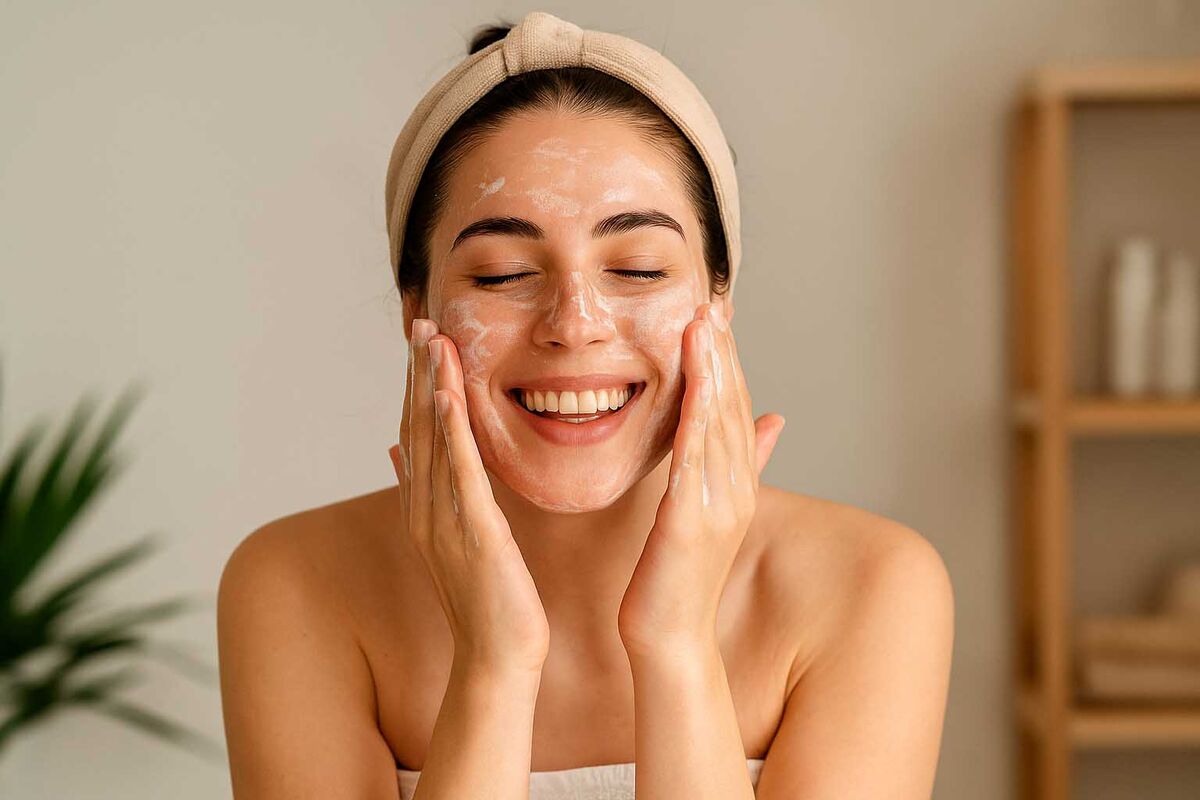
Yes, before resorting to complex treatments, there are several highly effective and accessible home remedies that can safely and gently soothe the irritation and visible flaking associated with peeling skin on the face.
The key is to rely on natural, non-irritating ingredients that focus on hydration and anti-inflammation. Pure Aloe Vera gel, especially from a fresh plant or a high-quality product without added alcohol or fragrance, is an excellent remedy.
Its cooling and anti-inflammatory properties are perfect for calming sunburn-related peeling and reducing redness. Another highly effective kitchen staple is plain colloidal oatmeal.
A lukewarm water rinse or bath with finely ground oatmeal can create a protective, soothing layer on the skin, immediately easing itchiness and discomfort.
Certain natural oils can also provide intense, barrier-repairing moisture. For instance, cold-pressed Jojoba oil closely mimics the skin’s natural sebum and can be applied in small amounts to severely dry, flaking patches to lock in moisture and soften the peeling skin.
Remember that the application technique is as important as the product; always pat or gently press products into the skin rather than rubbing, which can further aggravate the peeling.
Using these gentle home remedies can often provide significant comfort and aid in the recovery process, contributing positively to overall skin health.
How does sun exposure contribute to peeling skin on the face?
Sun exposure is one of the most direct and aggressive culprits responsible for causing peeling skin on the face, a phenomenon that is essentially the body’s emergency response to cellular damage.
When the skin is exposed to harmful ultraviolet (UV) radiation, the radiation penetrates the epidermal layer and damages the DNA within the skin cells. In response to this severe damage, the skin triggers a process called apoptosis, or programmed cell death, in the damaged cells.
This is the body’s mechanism to prevent these potentially cancerous cells from replicating. The rapid and synchronized death of a large number of cells results in a visible, dramatic sheet-shedding process—the peeling—as the body forcefully expels the compromised outer layer to make way for new, undamaged cells.
This process can happen with even moderate sunburns, not just severe ones. Beyond the immediate peeling, chronic, unprotected sun exposure thins the epidermis over time and damages the skin’s natural moisture barrier, leading to chronic dryness and low-grade, constant flaking, even without a noticeable burn.
This makes the skin perpetually sensitive and prone to peeling skin on the face. Therefore, avoiding sunburn is paramount, as is the consistent application of broad-spectrum sunscreen, which is the single most important preventative measure for maintaining the long-term health and integrity of the facial skin.
What is the difference between simple flaking and significant peeling skin on the face? (Semantic expression)
Differentiating between simple flaking and significant peeling is crucial for determining the necessary course of action, even though both involve the detachment of the outermost skin cells.
Simple flaking, often a sign of mild dryness, is characterized by very fine, minute, almost dust-like scales that are easily sloughed off by a gentle touch or light cleansing.
This condition typically feels tight or slightly rough, and it readily responds to a standard, rich moisturizer. It’s a common winter phenomenon, a result of low humidity drawing moisture from the skin.
Conversely, significant peeling skin on the face involves larger, more noticeable sheets or patches of skin lifting off the surface. This type of peeling is often accompanied by underlying redness, inflammation, itching, or tenderness, and it is usually a symptom of a more aggressive internal or external trigger.
Examples include a severe sunburn, a chemical burn from over-exfoliation (like a strong acid), or an active inflammatory skin condition like eczema.
Where simple flaking represents an impaired barrier, significant peeling skin on the face represents a deliberate, large-scale trauma or inflammatory process requiring the body to shed a substantial layer of compromised tissue.
Identifying this distinction helps tailor the treatment, as significant peeling often requires medical intervention or the use of strong anti-inflammatories, while simple flaking primarily requires intensive moisturizing to restore skin health.
Are there specific medical conditions that cause peeling skin on the face?
Yes, while many instances of peeling skin on the face are attributable to environmental factors or improper skincare, several specific medical and chronic dermatological conditions can manifest with pronounced or persistent facial shedding.
Psoriasis, an autoimmune disease, is characterized by a rapid buildup of skin cells, resulting in thick, silvery scales and significant flaking, often on the forehead, eyebrows, and hairline.
Eczema (atopic dermatitis) is another common inflammatory condition that causes extremely itchy, red, and dry skin that frequently flakes or peels, particularly in patches.
Seborrheic dermatitis, often mistakenly attributed to dry skin, is a form of eczema that affects areas with a high concentration of oil glands, causing greasy, yellowish scales or peeling skin on the face, often around the nose and eyebrows.
Contact dermatitis, a reaction to an allergen or irritant, can also cause acute inflammation, blistering, and intense, localized peeling.
Less common but serious conditions include certain fungal infections, actinic keratosis (precancerous sun damage), and rare genetic disorders.
If the flaking is chronic, recurrent, unresponsive to over-the-counter remedies, or accompanied by symptoms like intense pain, swelling, or crusting, it’s essential to consult a healthcare professional.
These conditions require specific, often prescription-based, treatments to manage the underlying inflammation and restore long-term skin health.
Conclusion
Navigating the issue of peeling skin on the face can feel like a frustrating challenge, but as we’ve explored, it is a highly treatable and often preventable issue. The key takeaway is simple: facial shedding is not a flaw; it’s a symptom.
It’s your skin sending a loud, clear message about its needs, whether that’s more moisture, less sun exposure, a simpler skincare routine, or even just a visit to your dermatologist.
We’ve armed you with the essential knowledge to distinguish between simple dryness and more serious conditions, understand the damaging role of UV rays, and identify the powerful ingredients—like ceramides and hyaluronic acid—that are crucial for repair.
Ultimately, achieving lasting skin health requires patience, consistency, and a commitment to respecting your skin’s natural barrier.
By implementing the gentle, restorative solutions detailed here and proactively guarding against common triggers, you can transition from constantly battling flakes to enjoying a smooth, resilient, and comfortable complexion.
Remember, be kind to your skin, protect it from the sun, and don’t hesitate to seek professional advice when symptoms persist. Your journey to smoother, healthier skin starts with making these informed choices today.
FAQ
No, it is strongly advised to discontinue all forms of exfoliation, both physical scrubs and chemical exfoliants (like AHAs, BHAs, or retinoids), while you have peeling skin on the face. The peeling itself is a form of exfoliation, and adding more will only further damage your skin barrier, leading to increased redness, sensitivity, and prolonged recovery. Focus entirely on gentle cleansing and intense moisturizing until your skin is fully healed.
For peeling skin on the face caused by sunburn, the best immediate remedy is to continuously apply a high-quality, pure Aloe Vera gel (without alcohol or fragrances) and a thick, emollient moisturizer containing ceramides. The goal is to cool the skin, reduce inflammation, and lock in moisture to encourage the damaged skin to shed naturally without further trauma.
While topical hydration is essential, internal hydration plays a supportive role. Dehydration in the body can exacerbate dryness and make peeling skin on the face more noticeable. Increasing your daily water intake can certainly improve overall skin turgor and health, but it may not be enough to stop severe flaking caused by a compromised barrier or a medical condition alone.
The healing time for peeling skin on the face varies greatly depending on the cause and severity. Minor dryness-related flaking may resolve within 3-5 days with intensive moisturizing. Peeling from a severe sunburn or an aggressive chemical treatment (like a medium-depth peel) can take 7 to 14 days or longer to fully subside. Consistency in gentle aftercare is key to speeding up this process.
Absolutely not. Picking at or pulling off peeling skin on the face prematurely can rip away skin that is not fully ready to detach. This can lead to open wounds, bleeding, infection, and significantly increase the risk of developing scarring or post-inflammatory hyperpigmentation (dark spots). Always allow the skin to shed naturally.
To prevent further irritation and resolve peeling skin on the face quickly, you must avoid products containing alcohol (especially denatured or ethanol alcohol), strong fragrances, sulfates (in cleansers), and highly active ingredients such as high-concentration Vitamin C, retinoids, or glycolic/salicylic acids until the skin is completely healed.
Applying traditional liquid or powder makeup over peeling skin on the face is generally not recommended. Foundation tends to cling to the dry flakes, making the texture more pronounced and cakey. If you must use makeup, opt for an ultra-hydrating tinted moisturizer or a creamy BB/CC cream, and apply it very sparingly.
Yes, certain topical and oral medications can definitely cause or contribute to peeling skin on the face. The most common culprits are prescription topical acne treatments, particularly retinoids (like Tretinoin) and high-strength benzoyl peroxide, which work by dramatically accelerating cell turnover. Always consult your prescribing doctor if the peeling becomes unmanageable.
You should consult a dermatologist if your peeling skin on the face is persistent (lasting more than two weeks despite proper care), severe (accompanied by intense pain, swelling, oozing, or blistering), or if you suspect an underlying medical condition like eczema, psoriasis, or an allergic reaction.
Yes, using a cool-mist humidifier, especially during dry winter months or in arid climates, can be a great supportive measure for managing peeling skin on the face. It adds essential moisture to the air, which helps reduce trans-epidermal water loss (TEWL) from your skin, assisting your barrier in retaining moisture and healing faster.

Author: Horeca Health
Horeca Health
DISCLAIMER
All content provided on this website is for informational purposes only and should not be considered a substitute for professional advice, diagnosis, or treatment. Always consult qualified healthcare professionals regarding any questions or concerns you may have about your health or any medical condition.




















Leave a Reply