Bone Health: Introduction
Bone Health: Your skeleton is far more than just a rigid framework holding you upright; it’s a dynamic, living tissue that renews itself constantly, acting as your body’s critical infrastructure.
Yet, for something so fundamental to your mobility and life quality, it’s often taken for granted—until a problem arises. Have you ever considered what it takes to keep that infrastructure robust and resilient for a lifetime?
Many people associate aging with inevitable frailty, but the truth is that your long-term bone health is profoundly influenced by the choices you make every single day, starting now.
This comprehensive guide is designed to empower you with expert knowledge, cutting through the misinformation to provide clear, actionable strategies.
We’ll delve deep into the mechanics of skeletal strength, exploring everything from the non-negotiable nutrients your bones crave to the surprising impact of hormones and even your sleep habits on your structural integrity.
Our goal is to shift your perspective from passive acceptance of bone loss to proactive management. If you’re serious about protecting your mobility, reducing fracture risk, and ensuring your physical health remains strong as you age, then understanding how to nurture your skeleton is the first, most vital step.
Why is optimizing your nutrition so crucial for excellent bone health?
Nutrition is undeniably the cornerstone of building and maintaining a resilient skeletal structure throughout life, making it a critical aspect of overall bone health. Many people mistakenly believe that once their bones stop growing, their dietary choices have minimal impact.
However, your skeleton is a dynamic, living tissue that is constantly being broken down and rebuilt in a process called remodeling. This continuous cycle demands a steady supply of specific nutrients.
The most famous duo, calcium and vitamin D, are fundamental, yet they are just the starting point. Calcium provides the essential mineral structure, while vitamin D is necessary for your body to absorb calcium efficiently.
Beyond these, you need a spectrum of other minerals and vitamins, including magnesium, phosphorus, vitamin K, and even vitamin C. Magnesium helps convert vitamin D into its active form and plays a role in bone matrix formation.
Vitamin K is vital for a protein called osteocalcin, which binds calcium to the bone. A deficiency in any of these can disrupt the delicate balance of bone remodeling, leading to lower bone mineral density and an increased risk of conditions like osteoporosis.
Therefore, focusing on a nutrient-rich, balanced diet is not a temporary fix but a lifelong commitment to supporting your structural integrity and ensuring long-term bone health.
How does regular weight-bearing exercise improve your bone health and skeletal strength?
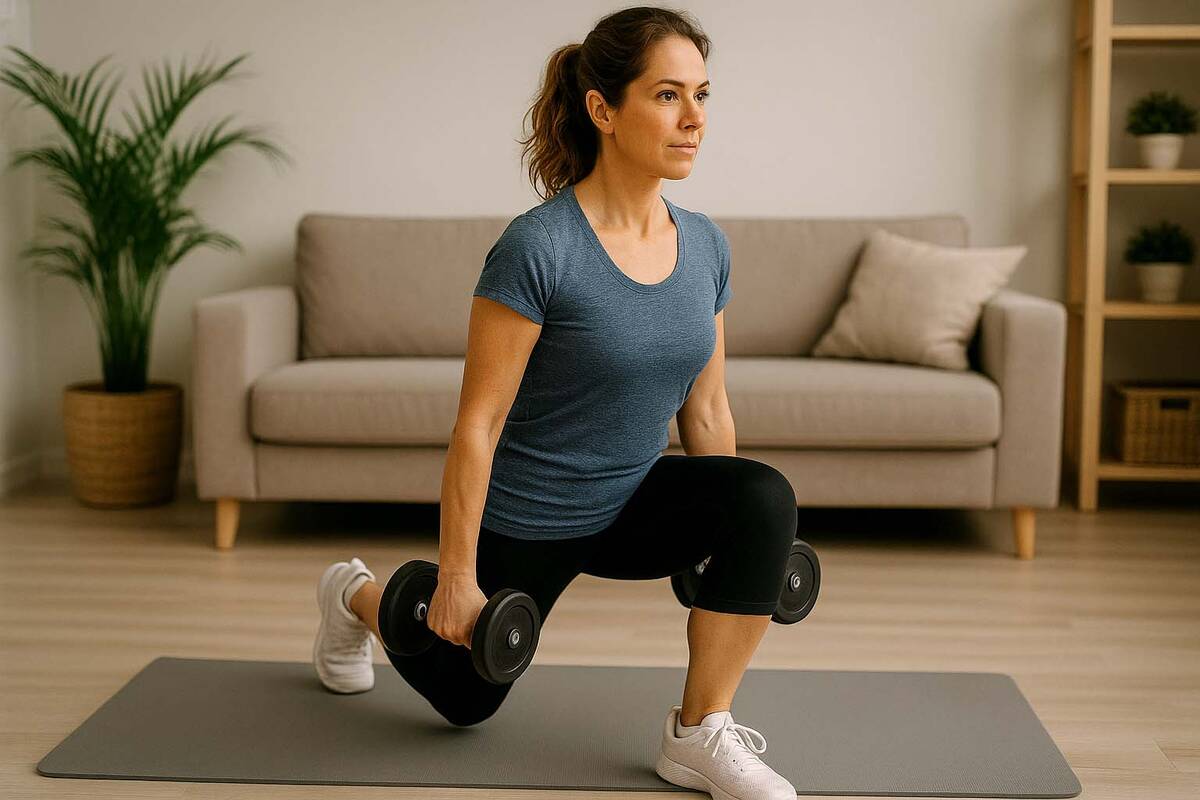
When we talk about achieving peak skeletal strength, physical activity, particularly weight-bearing exercise, is as essential as nutrition. Unlike non-weight-bearing activities like swimming, weight-bearing exercises—such as walking, running, dancing, or lifting weights—place stress on your bones.
This mechanical stress is precisely what your bones need to stimulate the cells responsible for building new tissue. Think of your bones as intelligent structures that adapt to the forces placed upon them.
When you engage in activities that challenge gravity, your body responds by signaling osteoblasts (bone-building cells) to work harder, laying down more mineral matrix to reinforce the areas under stress.
This process increases bone mineral density and improves the overall microarchitecture of the bone, making it significantly stronger and more resistant to fractures. Furthermore, resistance training, in particular, not only builds bone but also strengthens the surrounding muscles.
Stronger muscles improve balance, coordination, and agility, which are key factors in preventing falls—the leading cause of bone breaks, especially in older adults.
Committing to a consistent regimen that includes both high-impact weight-bearing exercises and muscle-strengthening activities is a proven strategy to boost your long-term bone health and contribute significantly to your overall physical health. This proactive approach ensures your framework remains robust and reliable for decades to come.
Which lifestyle factors negatively impact your bone health and should be avoided?
While focusing on positive actions like good nutrition and exercise is paramount, achieving optimal bone health also requires minimizing certain lifestyle choices that actively undermine your skeletal resilience.
The biggest offenders are often seemingly harmless habits ingrained in daily life. Smoking, for instance, is a major threat. The chemicals in tobacco smoke are known to be toxic to osteoblasts (bone-forming cells) and can interfere with the body’s ability to absorb calcium from the diet.
This combination accelerates bone loss and leads to lower bone mineral density. Similarly, excessive alcohol consumption is detrimental. Heavy drinking can disrupt the body’s calcium balance, interfere with vitamin D production, and suppress the activity of bone-forming cells.
Moreover, chronic heavy drinking is linked to an increased risk of falls due to impaired balance and judgment, directly increasing the likelihood of fractures.
Another factor is extreme dieting or being significantly underweight, which can disrupt hormone levels (like estrogen), leading to a reduction in bone density. Even excessive caffeine or high sodium intake can potentially affect calcium retention.
Addressing these negative habits is a critical step in preserving your skeletal structure and supporting your overall physiological health, as reversing bone loss once it occurs is far more challenging than preventing it in the first place.
What are the key supplements to consider for optimizing your bone health?
For many, even a perfectly balanced diet may not provide all the necessary micronutrients required for truly exceptional skeletal integrity. This is where strategic supplementation can play a supportive role in enhancing your long-term bone health.
The most commonly recommended supplements are vitamin D and calcium. Vitamin D deficiency is widespread, especially in regions with limited sun exposure, and since it is crucial for calcium absorption, supplementing is often a necessity.
Calcium supplements are best taken in smaller, divided doses throughout the day for optimal absorption. However, the science has advanced beyond this basic pairing. Magnesium, often overlooked, is a cofactor for over 300 enzyme systems and is vital for bone mineralization.
Another key player is vitamin K2 (specifically the MK−7 form), which works by activating proteins that help shuttle calcium to the bones and away from the arteries, where it can cause calcification.
This makes vitamin K2 essential for both skeletal and cardiovascular health. It is crucial, however, to approach supplementation with caution.
More is not always better, and the correct dosage should be determined based on a blood test, especially for vitamin D, and in consultation with a healthcare professional to ensure the chosen regimen complements your diet and supports your specific nutritional needs without causing imbalances.
How do hormonal changes impact bone health throughout different life stages?
Hormones serve as the body’s chemical messengers, and their fluctuations throughout a person’s life have a profound and direct impact on bone health and density. The most significant example is the role of estrogen in women.
Estrogen is a key protective hormone that helps prevent the breakdown of bone tissue. When women enter menopause, estrogen levels drop sharply, which is often the primary driver of accelerated bone loss, leading to a greater risk of developing osteoporosis.
This is why women over 50 are disproportionately affected by bone density issues. Similarly, in men, a decline in testosterone, which converts to bone-preserving estrogen, can also lead to bone loss, though it typically occurs later in life and at a slower rate.
Thyroid hormones are also relevant; an overactive thyroid (hyperthyroidism) can speed up the bone remodeling cycle to the point where breakdown outpaces formation.
Beyond the sex hormones, Parathyroid Hormone (PTH) and calcitonin are critical regulators of blood calcium levels, which in turn influences bone density.
Understanding these hormonal shifts is crucial for proactive health management, allowing individuals and their doctors to implement targeted strategies, such as Hormone Replacement Therapy (HRT) or specific medications, to mitigate bone loss during periods of major hormonal change and maintain skeletal strength.

Can genetics predetermine your capacity for optimal bone health, and what can you do?
The truth is, while lifestyle choices are critical, genetics do play a significant—though not sole—role in determining your potential for peak bone health.
Scientists estimate that genetic factors account for a substantial portion of an individual’s Peak Bone Mass (PBM), the maximum density and strength your bones achieve, typically by your late twenties.
If you have a family history of osteoporosis or fractures, particularly on the maternal side, you may have an inherited predisposition to lower bone mineral density or higher rates of bone loss as you age.
This is due to inherited variations in genes that regulate calcium absorption, vitamin D metabolism, and the function of bone cells like osteoclasts and osteoblasts. However, an unfavorable genetic makeup is not a life sentence.
Recognizing a genetic predisposition should be seen as a powerful call to action, not a reason for despair. Individuals with a high-risk family history must be even more diligent about the modifiable factors—namely, nutrition, exercise, and avoiding harmful habits.
By maximizing these factors, you can achieve your genetic potential for strong bones and minimize the environmental triggers that accelerate bone loss, ensuring a more favorable long-term health outcome despite your inherited risk.
How can you effectively measure and monitor your bone health over time?
The best way to manage a biological system is to measure it, and when it comes to long-term bone health, the gold standard for assessment is a Bone Mineral Density (BMD) test, typically performed using a technique called Dual-Energy X-ray Absorptiometry, or DXA scan.
This non-invasive test measures the density of minerals in specific areas, such as the hip and spine, which are common sites for osteoporotic fractures.
The results are reported as a T-score, which compares your BMD to that of a healthy young adult, or a Z-score, which compares it to people of your age and sex. A low T-score can indicate osteopenia (low bone mass) or osteoporosis.
Regular DXA scans, particularly for postmenopausal women and men over 70, or those with specific risk factors, allow healthcare providers to track bone loss or the effectiveness of treatment.
Beyond DXA, blood tests can monitor levels of calcium, vitamin D, Parathyroid Hormone (PTH), and even specific bone turnover markers (BTMs) which indicate the rate of bone breakdown and formation.
Combining these objective measures provides a comprehensive picture of your skeletal status, enabling timely interventions to protect your overall physical health and prevent future fractures.
Why is achieving ‘Peak Bone Mass’ in youth so vital for lifelong bone health?
The foundation for a lifetime of skeletal resilience is largely established during childhood, adolescence, and early adulthood. This critical period culminates in what is known as Peak Bone Mass (PBM), the absolute maximum amount of bone tissue an individual will ever have.
Think of your skeleton as a savings account: PBM is the largest deposit you will ever make. Once reached, typically around age 25 to 30, the ability to build substantial new bone mass decreases significantly, and the subsequent decades are often characterized by a slow, inevitable withdrawal of bone material.
The higher your PBM, the greater your “bone reserve,” and the more bone loss you can sustain later in life before reaching the critical threshold of osteoporosis.
Therefore, maximizing PBM through adequate calcium and vitamin D intake, along with consistent weight-bearing physical activity during youth, is the single most effective preventive strategy for future fracture risk.
Parents and young adults need to view this time as a non-negotiable window of opportunity to invest in superior bone health, which pays dividends in maintaining mobility and quality of life as they move through middle age and into their senior health years.

What common medications or chronic conditions can negatively affect bone health?
It’s a common misconception that bone density loss is solely a matter of aging or poor lifestyle choices. In reality, a number of common prescription medications and chronic medical conditions can significantly undermine bone health, often without the patient realizing the risk.
Among the most notable culprits are long-term glucocorticoids (steroids) like Prednisone, which are frequently prescribed for inflammatory conditions. These drugs can interfere with calcium absorption and inhibit the formation of new bone, leading to rapid bone loss.
Other medications include certain anti-seizure drugs, proton pump inhibitors (for stomach acid), and some treatments for breast or prostate cancer. Furthermore, underlying chronic diseases can also be silent destroyers of skeletal integrity.
Conditions such as hyperthyroidism, rheumatoid arthritis, celiac disease, inflammatory bowel disease, and kidney disease can all disrupt nutrient absorption, hormonal balance, or increase inflammation, directly contributing to secondary osteoporosis.
If you are on long-term medication or managing a chronic illness, it is essential to have an open discussion with your doctor about your skeletal health risk.
This allows for proactive measures, such as supplemental support or a bone-sparing medication, to counteract the negative effects and preserve your structural strength.
How can managing chronic stress and sleep patterns support musculoskeletal maintenance?
Musculoskeletal maintenance, a broader concept encompassing skeletal strength, is surprisingly and significantly influenced by factors seemingly unrelated to diet or exercise, such as chronic stress and poor sleep.
When you experience prolonged psychological stress, your body releases elevated levels of cortisol, a stress hormone.
While essential in short bursts, chronically high cortisol levels are known to interfere with bone-building cells (osteoblasts) and can promote bone resorption (breakdown), thereby negatively impacting your structural robustness.
It essentially shifts your body into a catabolic, or breaking-down, state. Furthermore, high cortisol can affect the production of other essential hormones like estrogen and testosterone, which are vital for maintaining bone density.
Poor sleep quality and quantity also disrupt the body’s natural restorative and repair processes. Bone remodeling is closely linked to circadian rhythms, and during deep sleep, the body carries out essential repair work.
Chronic sleep deprivation can exacerbate inflammatory responses and hormonal imbalances, indirectly accelerating bone loss and hindering the overall physical health of your structural system.
Therefore, implementing effective stress management techniques and prioritizing a consistent, high-quality sleep routine are indispensable, often-overlooked components of a holistic strategy for superior bone health.
What role does body composition play in protecting and strengthening your skeletal system?
The term body composition, referring to the ratio of fat mass to lean muscle mass, is a more sophisticated measure than just body weight, and it has a direct, compelling relationship with the structural health of your skeleton.
It is not just about being “heavy” to load the bones; it’s specifically about the muscle. Lean muscle tissue exerts powerful forces on the bones through tendons.
When you contract a muscle, the resulting pull on the bone stimulates the bone-building cells (osteoblasts) to reinforce the area, a fundamental concept known as Wolff’s Law.
Thus, a greater percentage of lean muscle mass equates to more consistent and beneficial mechanical loading, leading to increased bone mineral density and overall strength.
While being overweight can offer some protective load, excessive fat mass, particularly visceral fat, is linked to systemic inflammation and the production of hormones that can be detrimental to bone quality.
On the other hand, being significantly underweight deprives the bones of necessary mechanical stress and often correlates with lower levels of protective hormones.
Optimizing body composition by focusing on building and maintaining muscle mass through resistance training and adequate protein intake is a highly effective, targeted strategy for enhancing your long-term bone health and contributing to superior physical conditioning.
Beyond osteoporosis, what are the broader benefits of maintaining excellent musculoskeletal durability?
Focusing on musculoskeletal durability offers far-reaching advantages that extend well beyond the simple prevention of osteoporosis. It’s an investment in your total physical capability and your long-term independence and health.
A robust and resilient skeletal system, characterized by high bone quality and strong surrounding muscles, is the foundation for an active, pain-free life.
Excellent structural durability ensures you maintain mobility, balance, and coordination, drastically reducing the risk of falls and the subsequent severe injuries that can lead to permanent disability.
For older adults, avoiding a hip fracture is often the difference between independence and needing long-term care. Furthermore, a strong frame supports good posture, alleviating chronic back pain and other musculoskeletal issues that plague many people as they age.
This superior physical foundation allows you to engage fully in life—playing sports, traveling, or simply keeping up with your grandchildren—without the limitations imposed by a fragile body.
By prioritizing your long-term skeletal maintenance and ensuring superior bone health, you are not just preventing disease; you are actively optimizing your capability to enjoy a high quality of life well into your later years.
Conclusion
We’ve journeyed through the intricate world of skeletal maintenance, uncovering the many pillars that support superior bone health.
From the foundational necessity of vitamins D and calcium to the essential mechanical stress provided by weight-bearing exercise, it’s clear that a strong skeleton is not a matter of luck—it’s the result of a holistic, committed approach to your well-being.
We’ve seen how hormonal balance, stress management, and even a conscious effort to avoid detrimental lifestyle habits like smoking are all interconnected threads in the tapestry of your physical integrity.
The key takeaway is this: your bones are living organs that respond to every input you give them. The choices you make today—what you eat, how you move, and how you manage your overall health—are direct investments in your future mobility and independence.
Don’t wait until the first signs of fragility to take action. Use the knowledge from these twelve questions to initiate a proactive plan.
Whether it means talking to your doctor about a DXA scan, adjusting your supplement routine, or simply lacing up your shoes for a brisk walk, the time to build and protect your foundation is now. Commit to these changes and secure a future where your body’s infrastructure is as strong and healthy as you are.
FAQ
While many nutrients are vital, Calcium is arguably the most critical mineral as it provides the structural density of the bones. However, Vitamin D is equally important because your body cannot absorb calcium efficiently without it, making the pair essential for comprehensive bone health.
Peak Bone Mass (PBM) is usually reached between the ages of 25 and 30. This period is the “savings account” stage for bone health; the more bone mass you build up during this time, the greater your reserve for later life.
Walking is an excellent weight-bearing exercise, but for optimal bone health, it should be supplemented with resistance training (like lifting weights) or high-impact activities (like jogging or jumping) to create the mechanical stress necessary to stimulate new bone growth.
The frequency depends on your age, sex, and risk factors. Generally, a DXA scan is recommended for women aged 65 and older and men aged 70 and older, or sooner if specific risk factors (like fracture history or certain medications) impact your bone health.
Excessive caffeine intake (e.g., more than 300 mg per day) may slightly interfere with calcium absorption and retention. While moderate consumption is generally fine, it’s best to ensure you are meeting your daily calcium needs to protect your bone health.
Both are characterized by low bone density. Osteopenia is a milder form, indicating lower-than-normal bone density. Osteoporosis is more severe, meaning the bones are significantly porous and fragile, leading to a much higher risk of fractures and requiring critical interventions for long-term bone health.
Both are characterized by low bone density. Osteopenia is a milder form, indicating lower-than-normal bone density. Osteoporosis is more severe, meaning the bones are significantly porous and fragile, leading to a much higher risk of fractures and requiring critical interventions for long-term bone health.
This is a common myth. While high protein can briefly increase calcium excretion, the overall evidence shows that adequate protein intake is crucial for both muscle and bone health, providing the building blocks for the bone matrix.
Yes. Chronic stress leads to elevated cortisol levels, which is a catabolic (breakdown) hormone. High cortisol can interfere with the production of bone-building cells, actively undermining your efforts to maintain optimal bone health.
Quitting smoking is one of the most powerful steps you can take. Smoking introduces toxins that kill bone-forming cells (osteoblasts) and interferes with hormone regulation, making it a critical, non-negotiable factor for preserving excellent bone health.

Author: Horeca Health
Horeca Health
DISCLAIMER
All content provided on this website is for informational purposes only and should not be considered a substitute for professional advice, diagnosis, or treatment. Always consult qualified healthcare professionals regarding any questions or concerns you may have about your health or any medical condition.




















Leave a Reply