The Healthiest Vegetables in the World: Introduction
The Healthiest Vegetables in the World: Are you ready to unlock the secrets to a healthier, more vibrant life? It’s no secret that vegetables are a cornerstone of any nutritious diet, but with so many options available, it can be tough to know which ones truly offer the biggest bang for your buck.
We’re here to help you navigate the produce aisle and discover the healthiest vegetables. This comprehensive guide will take you on a journey through 15 incredible powerhouse veggies, each packed with unique nutrients, antioxidants, and a wealth of health benefits.
From leafy greens to root vegetables, we’ll dive deep into what makes each of these superfoods a must-have for your plate. Get ready to transform your eating habits and feel the amazing difference that incorporating these nutritional champions can make. Let’s dig in!
The Healthiest Vegetables in the World: Why are Spinach and Kale Considered Superfoods?
The Healthiest Vegetables in the World: When we talk about nutrient-dense greens, spinach and kale inevitably come to mind. These two leafy giants are often lauded for their incredible health benefits, and for good reason.
Spinach, a member of the amaranth family, is an exceptional source of vitamins A, C, and K, as well as iron, folate, and manganese. Its potent antioxidant content, particularly lutein and zeaxanthin, makes it a champion for eye health, helping to prevent age-related macular degeneration and cataracts.
Furthermore, the nitrates found in spinach can aid in blood pressure regulation and improve blood flow. Kale, on the other hand, is a cruciferous powerhouse packed with vitamins K, C, and A.
A single cup of raw kale contains more than your daily requirement of vitamin K, which is essential for blood clotting and bone health. It’s also an excellent source of powerful antioxidants like quercetin and kaempferol, which have been shown to have anti-inflammatory and anti-cancer properties.
Both of these leafy greens are incredibly versatile, fitting seamlessly into smoothies, salads, stir-fries, and soups. Their rich nutritional profiles and wide-ranging health benefits make them a cornerstone of any healthy diet.
Incorporating these verdant powerhouses into your daily meals is one of the easiest and most effective ways to boost your overall well-being. Whether you prefer the tender leaves of spinach or the robust texture of kale, you’re making a fantastic choice for your health.
The sheer density of beneficial compounds in these greens is what truly earns them their superfood status and cements their place among the most beneficial edible plants.
The Healthiest Vegetables in the World: What Makes Broccoli a Cancer-Fighting Champion?
The Healthiest Vegetables in the World: Broccoli, with its miniature tree-like appearance, is a member of the cruciferous family and a true hero in the fight against disease. Its reputation as a cancer-fighting food is well-deserved, primarily due to a unique compound called sulforaphane.
This powerful phytochemical is released when the plant is chopped or chewed, and it has been extensively studied for its ability to detoxify carcinogens and inhibit the growth of cancer cells.
Beyond its anti-cancer properties, broccoli is a nutritional goldmine. It’s an excellent source of vitamin C, providing more than a day’s worth in a single cup, which is crucial for immune function and skin health. It also contains substantial amounts of vitamin K, folate, and dietary fiber.
The fiber content is particularly beneficial for digestive health, helping to maintain a healthy gut microbiome and promote regular bowel movements.
The antioxidants in this green powerhouse, including carotenoids like lutein and zeaxanthin, contribute to eye health and reduce oxidative stress throughout the body. While some people prefer it steamed or boiled, others enjoy it raw in salads.
Cooking methods can impact its nutritional value, with steaming being the best option to preserve its sulforaphane content. A simple, delicious side dish, broccoli can be roasted with a little olive oil and garlic for a flavorful and incredibly healthy addition to any meal.
This incredible vegetable’s comprehensive health benefits, from its role in cancer prevention to its immune-boosting capabilities, solidify its position as a top-tier choice for anyone looking to improve their diet and overall health.

The Healthiest Vegetables in the World: How Does Garlic Boost Your Immune System?
The Healthiest Vegetables in the World: Known for its pungent aroma and unique flavor, garlic has been used for centuries not just as a culinary staple but as a medicinal herb.
Its health benefits are primarily attributed to a sulfur compound called allicin, which is released when the cloves are crushed, chopped, or bruised. This compound is a potent antibacterial and antifungal agent, making garlic an excellent natural remedy for fighting off infections.
Allicin is also a key player in boosting the immune system. Regular consumption of this flavorful allium can increase the activity of certain white blood cells, such as T-cells and natural killer cells, which are critical for warding off illnesses like the common cold and flu.
Beyond its immune-boosting prowess, garlic has a remarkable impact on cardiovascular health. Studies have shown it can help lower blood pressure and reduce cholesterol levels, thanks to its ability to relax blood vessels and prevent the oxidation of LDL (bad) cholesterol.
Furthermore, garlic has anti-inflammatory properties, which can help reduce chronic inflammation in the body, a known risk factor for many diseases. While raw garlic contains the highest concentration of allicin, cooked garlic still offers significant health benefits.
It’s a versatile ingredient that can be added to virtually any savory dish, from stir-fries and pasta sauces to soups and marinades.
The incredible array of health-promoting properties packed into these small cloves makes garlic far more than just a seasoning; it’s a powerful and essential addition to a health-conscious diet.
The sheer breadth of its medicinal applications truly makes this flavorful bulb a standout among all beneficial plant foods.
The Healthiest Vegetables in the World: Why Are Carrots So Good for Your Eyesight?
The Healthiest Vegetables in the World: Carrots are renowned for their vibrant orange hue and their association with excellent vision. This reputation is well-deserved, thanks to their exceptionally high content of beta-carotene.
Beta-carotene is a carotenoid, a type of plant pigment that the human body converts into vitamin A. Vitamin A is absolutely crucial for eye health, playing a vital role in the formation of rhodopsin, a pigment in the retina that helps us see in low light conditions.
A deficiency in vitamin A can lead to night blindness, so consuming foods rich in beta-carotene is an effective way to protect your vision. Beyond their benefits for eyesight, carrots are a fantastic source of other important nutrients.
They are rich in antioxidants, which help to combat oxidative stress and reduce the risk of chronic diseases. The soluble fiber found in carrots aids in digestive health by promoting healthy gut bacteria and preventing constipation.
This fiber also helps to stabilize blood sugar levels and can contribute to a feeling of fullness, which is beneficial for weight management. Carrots are incredibly versatile; they can be enjoyed raw as a crunchy snack, roasted to bring out their natural sweetness, or added to soups, stews, and salads.
The natural sugars in cooked carrots make them a delicious and healthy addition to any meal. This humble root vegetable provides a powerful combination of vision-protecting compounds, digestive support, and antioxidant benefits, making it an essential part of a well-rounded diet.
The significant nutritional value packed into this crisp root is what truly makes it a standout choice for health-conscious individuals.
The Healthiest Vegetables in the World: What Makes Beets a Great Choice for Athletes?
The Healthiest Vegetables in the World: Beets, with their striking deep red color and earthy flavor, are far more than just a salad topping. These root vegetables are a fantastic choice for athletes and anyone looking to improve their physical performance, primarily due to their high concentration of nitrates.
When consumed, these nitrates are converted into nitric oxide in the body. Nitric oxide is a molecule that relaxes and widens blood vessels, which in turn improves blood flow and reduces the amount of oxygen your muscles need during exercise.
This can lead to increased stamina, reduced fatigue, and overall enhanced athletic performance. In addition to their performance-boosting benefits, beets are a nutritional powerhouse.
They are rich in folate, which is essential for cell growth and function, and manganese, which plays a role in bone formation and nutrient metabolism. Beets also contain a powerful antioxidant called betalain, the pigment that gives them their vibrant color.
Betalains have strong anti-inflammatory properties and can help protect cells from damage. The fiber in this purple powerhouse supports digestive health and helps to keep you feeling full. Beets can be enjoyed in many ways: roasted, boiled, pickled, or even juiced.
Beet juice, in particular, has become a popular pre-workout drink for athletes due to its concentrated nitrate content.
The combination of improved blood flow, reduced oxygen cost, and a wealth of other nutrients makes beets an exceptional choice for anyone looking to push their physical limits and support their overall health.
The remarkable impact this vibrant root has on endurance and cardiovascular function truly sets it apart from other beneficial plants.

The Healthiest Vegetables in the World: How Does Sweet Potato Support Digestive Health?
The Healthiest Vegetables in the World: Sweet potato, a delicious and versatile root vegetable, is a true champion for digestive wellness. Unlike many other starchy foods, this orange-fleshed tuber is packed with both soluble and insoluble fiber.
Soluble fiber forms a gel-like substance in your digestive tract, which helps to slow down digestion and makes you feel full, while also feeding the good bacteria in your gut.
This process is crucial for maintaining a healthy and balanced gut microbiome, which is linked to everything from improved immunity to better mental health.
Insoluble fiber, on the other hand, adds bulk to your stool and helps food move through your digestive system, preventing constipation and promoting regularity. Beyond its impressive fiber content, sweet potatoes are also an excellent source of vitamins.
They are exceptionally rich in beta-carotene, which the body converts to vitamin A, an essential nutrient for vision, immune function, and skin health. They also provide a good dose of vitamin C and manganese.
The natural sweetness of this root makes it a favorite for many, and it can be prepared in countless ways. Whether baked, roasted, mashed, or spiralized, it makes a delicious and nutrient-dense alternative to traditional potatoes. Its high-fiber content and beneficial starches not only aid in digestion but can also help regulate blood sugar levels, making it a great choice for sustained energy.
The significant role this vibrant tuber plays in maintaining a healthy gut and providing essential vitamins truly makes it a staple for anyone prioritizing digestive and overall well-being.
The Healthiest Vegetables in the World: What Makes Mushrooms a Unique Superfood?
The Healthiest Vegetables in the World: Mushrooms are a fascinating and unique food, standing apart from other vegetables because they are technically a fungus. This distinction is important, as it means they possess a different and highly beneficial nutritional profile.
One of the most remarkable things about mushrooms is their high content of B vitamins, including riboflavin (B2), niacin (B3), and pantothenic acid (B5). These vitamins are essential for converting food into energy and maintaining healthy nerve function.
Mushrooms are also one of the few natural food sources of vitamin D, a crucial nutrient for bone health and immune function. The amount of vitamin D they contain can be significantly increased by exposing them to UV light, either from the sun or a special lamp.
Furthermore, mushrooms are rich in powerful antioxidants, such as selenium and ergothioneine, which protect cells from damage and reduce inflammation. Ergothioneine, in particular, is an amino acid that the body cannot produce on its own and is believed to have powerful anti-aging properties.
Some varieties, like shiitake and reishi, have been used for centuries in traditional medicine for their immune-boosting properties. They contain beta-glucans, a type of soluble fiber that has been shown to stimulate the immune system.
With their meaty texture and earthy flavor, mushrooms are an excellent meat substitute and can be incorporated into a wide variety of dishes, from stir-fries and sauces to salads and pizzas.
The combination of B vitamins, vitamin D, and unique antioxidants makes this versatile fungus an essential part of a nutrient-rich diet, setting it apart from traditional produce.
The Healthiest Vegetables in the World: Why Is Bell Pepper an Excellent Source of Vitamin C?
The Healthiest Vegetables in the World: Bell peppers, with their vibrant colors and crisp texture, are a surprisingly potent source of essential nutrients.
While many people associate citrus fruits with vitamin C, bell peppers, especially the red ones, actually contain a higher concentration of this crucial nutrient. A single large red bell pepper provides more than 150% of your daily recommended intake of vitamin C.
This powerful antioxidant is vital for a strong immune system, helping to protect your body from infections and illnesses. It also plays a key role in the production of collagen, a protein essential for healthy skin, blood vessels, and bones.
Beyond their impressive vitamin C content, bell peppers are rich in other beneficial compounds. They are a good source of vitamin A, particularly from beta-carotene, which is important for vision and skin health.
The presence of antioxidants like lutein and zeaxanthin in this colorful vegetable also makes it excellent for protecting your eyes from damage. Bell peppers are low in calories and high in water content, making them a refreshing and hydrating snack.
Their natural sweetness makes them a versatile ingredient in both raw and cooked dishes. They can be sliced and added to salads, sautéed in stir-fries, stuffed and baked, or roasted to bring out their deep, smoky flavor.
The simple act of adding a few slices of bell pepper to your daily meals is a simple and effective way to boost your vitamin intake and support your overall well-being. The remarkable concentration of this key vitamin in this crunchy plant truly makes it a standout choice among other beneficial produce.
The Healthiest Vegetables in the World: How Do Onions Support Heart Health?
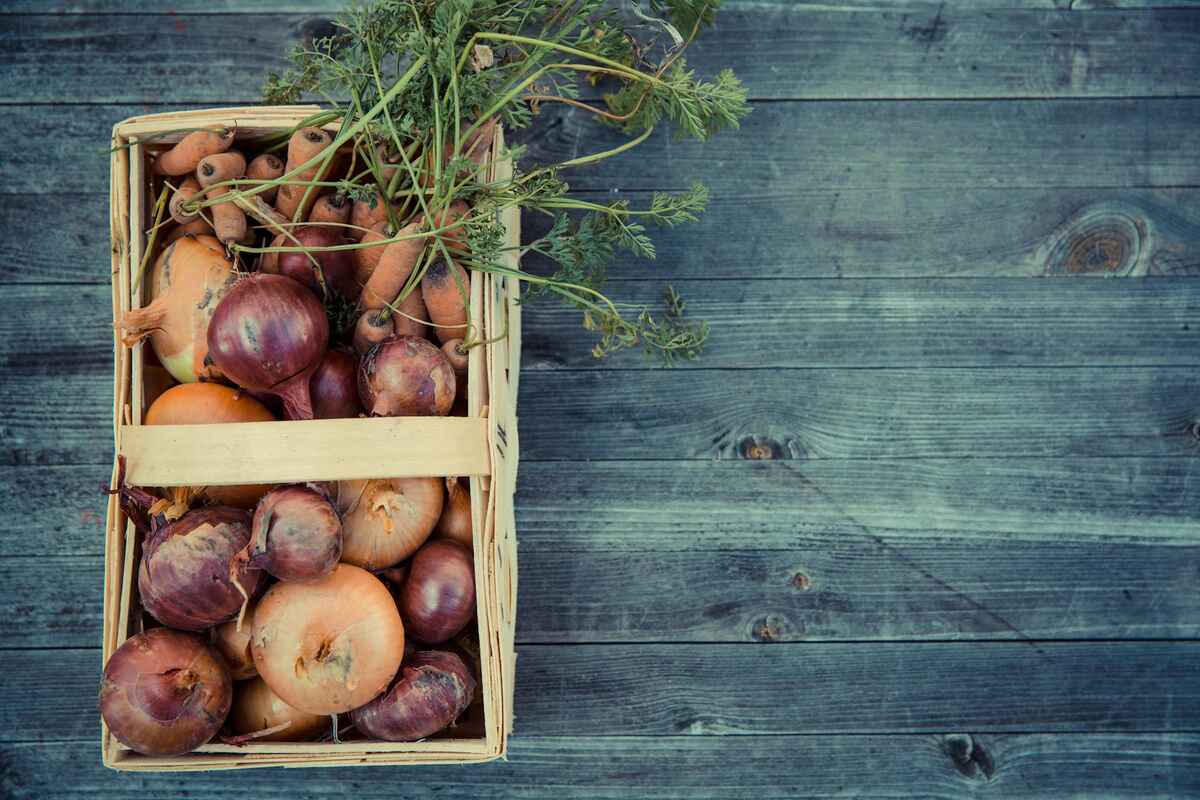
The Healthiest Vegetables in the World: Onions, a fundamental ingredient in countless cuisines around the globe, are far more than just a flavor enhancer. These pungent bulbs are packed with health-promoting compounds, making them a fantastic ally for heart health.
A key player in their health benefits is quercetin, a potent flavonoid antioxidant. Quercetin has been shown to have anti-inflammatory and anti-hypertensive properties, which can help lower blood pressure and reduce the risk of heart disease.
It also helps to prevent the oxidation of LDL (bad) cholesterol, a major risk factor for atherosclerosis, the hardening of the arteries. Beyond quercetin, onions contain organosulfur compounds, which are responsible for their distinctive smell and are also linked to a reduced risk of heart attacks and strokes.
These compounds can help thin the blood and prevent blood clots from forming. Onions are also a good source of vitamin C, vitamin B6, and potassium, all of which contribute to cardiovascular wellness. Potassium, in particular, is essential for regulating blood pressure and fluid balance in the body.
Whether raw, sautéed, or roasted, onions retain many of their beneficial properties. Their versatility makes it easy to incorporate them into your diet on a regular basis, adding flavor and a powerful health boost to soups, stews, salads, and stir-fries.
The incredible combination of antioxidants and sulfur compounds in this staple bulb solidifies its role as a crucial component of a heart-healthy diet, proving that some of the most common foods can be the most beneficial.
The Healthiest Vegetables in the World: What Makes Asparagus a Great Detoxifying Food?
The Healthiest Vegetables in the World: Asparagus, with its tender spears and distinct flavor, is a nutrient-rich vegetable that is often celebrated for its “detoxifying” properties.
While the body naturally detoxifies itself, asparagus provides a powerful boost to this process through its unique combination of nutrients. It is an excellent source of a compound called asparagine, a natural diuretic that helps flush out excess fluid and salt from the body.
This makes it beneficial for kidney function and can help prevent urinary tract infections. Asparagus is also packed with antioxidants, including vitamins E and C, as well as glutathione, a potent antioxidant that is crucial for fighting oxidative stress and protecting cells from damage.
Glutathione is often referred to as the “master antioxidant” and plays a key role in liver detoxification. The fiber content in asparagus is also noteworthy; it helps to promote a healthy digestive system and supports the growth of beneficial gut bacteria.
Furthermore, this spring favorite is a great source of folate, a B vitamin essential for DNA synthesis and cell growth, making it particularly important for pregnant women.
Whether steamed, roasted, grilled, or blanched, asparagus is a delicious and easy-to-prepare addition to any meal. Its light, refreshing taste and impressive nutritional profile make it a perfect side dish or a star ingredient in salads and pastas.
The unique diuretic properties and powerful antioxidant content of this slender green vegetable solidify its reputation as a fantastic food for supporting the body’s natural cleansing processes and promoting overall health and vitality.
Top Powerhouse Veggies: How Do Brussels Sprouts Aid in Hormonal Balance?
The Healthiest Vegetables in the World: Brussels sprouts, often misunderstood and unfairly maligned, are a cruciferous powerhouse with an incredible ability to support hormonal balance.
Like other members of the cabbage family, they contain a compound called indole-3-carbinol (I3C). When digested, I3C is converted into another compound called diindolylmethane (DIM).
DIM is particularly effective at helping the body process and metabolize estrogen, the primary female sex hormone. By promoting the healthy breakdown of estrogen, Brussels sprouts can help prevent hormonal imbalances that can contribute to a range of issues, from mood swings and PMS symptoms to an increased risk of certain cancers.
In addition to their hormonal benefits, these miniature cabbages are a nutritional giant. They are an excellent source of vitamin K, which is essential for blood clotting and bone health, and vitamin C, a powerful antioxidant that supports the immune system.
They are also packed with fiber, which aids in digestion and helps to stabilize blood sugar levels. The antioxidants in Brussels sprouts, including kaempferol, have anti-inflammatory properties that can help reduce chronic inflammation throughout the body.
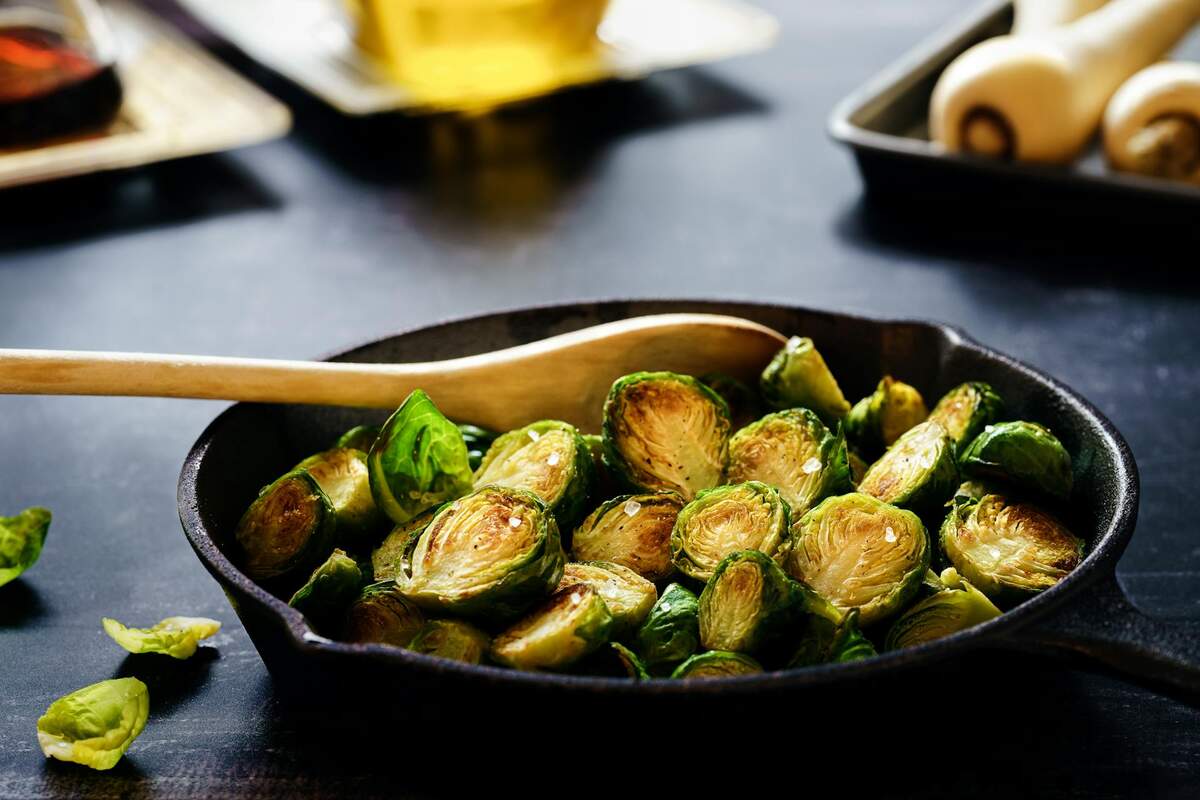
While some people may have memories of overcooked, mushy sprouts from childhood, they are delicious when prepared correctly. Roasting them with a little olive oil and seasoning brings out their natural nutty sweetness and gives them a crispy texture that is a true culinary delight.
The unique ability of this small but mighty vegetable to support hormonal health, combined with its high content of vitamins and fiber, makes it a valuable and often overlooked addition to a balanced and health-conscious diet.
Top Powerhouse Veggies: What Makes Cabbage a Gut-Health Superstar?
The Healthiest Vegetables in the World: Cabbage, a humble and affordable vegetable, is a true superstar when it comes to promoting gut health. This member of the cruciferous family is a fantastic source of both soluble and insoluble fiber, which are essential for a healthy digestive system.
Soluble fiber feeds the beneficial bacteria in your gut, helping to maintain a balanced microbiome, which is crucial for everything from immunity to mental well-being. Insoluble fiber adds bulk to your stool, promoting regular bowel movements and preventing constipation.
But the benefits of cabbage for your gut don’t stop there. When fermented, as in the case of sauerkraut and kimchi, cabbage becomes a probiotic powerhouse. Fermented cabbage contains live, beneficial bacteria that colonize your gut and further enhance digestive health.
These probiotics can help improve nutrient absorption and reduce inflammation in the digestive tract. Beyond its gut-friendly properties, cabbage is also rich in vitamins C and K.
Vitamin C is a powerful antioxidant that protects against cellular damage, while vitamin K is essential for blood clotting and bone health. The antioxidants in this leafy vegetable, including sulforaphane, have also been studied for their anti-cancer properties.
Cabbage is incredibly versatile and can be enjoyed in many ways. It can be eaten raw in slaws and salads, steamed, sautéed, or added to soups and stews.
The simple and delicious act of including this crunchy plant in your meals is an easy way to significantly boost your fiber and nutrient intake, making it one of the best and most accessible options for supporting a healthy gut and overall wellness.
Top Powerhouse Veggies: How Can Cauliflower Benefit Brain Health?
The Healthiest Vegetables in the World: Cauliflower, the versatile and mild-flavored cruciferous vegetable, is not just a trendy low-carb substitute; it’s a nutritional powerhouse, especially when it comes to supporting brain health.
One of the key nutrients in cauliflower is choline, an essential nutrient that many people don’t get enough of. Choline plays a vital role in brain development and function, particularly in memory and learning.
It is a precursor to acetylcholine, a neurotransmitter that is critical for nerve communication and is involved in a wide range of cognitive processes. Studies have shown that a sufficient intake of choline can help prevent age-related cognitive decline and improve brain function.
Beyond choline, cauliflower is an excellent source of sulforaphane, a powerful plant compound also found in broccoli. Sulforaphane has been shown to reduce inflammation and oxidative stress in the brain, which are two major factors in the development of neurodegenerative diseases.
It can also activate certain enzymes that protect brain cells from damage. Cauliflower is also a good source of vitamin K, which is linked to improved cognitive function and a lower risk of neurological disorders. With its mild flavor, this versatile vegetable can be enjoyed in countless ways.
It can be roasted, steamed, mashed into a potato-like consistency, or even used as a rice or pizza crust alternative. The simple act of including this white wonder in your diet provides a potent dose of brain-boosting nutrients, making it a valuable addition for anyone looking to maintain their cognitive health.
Its unique combination of choline, sulforaphane, and other beneficial compounds truly sets it apart as a key player in promoting a healthy and resilient brain.
Top Powerhouse Veggies: What Makes Cucumbers a Great Hydrating Snack?
The Healthiest Vegetables in the World: Cucumbers are a refreshing and crisp vegetable, and their high water content makes them one of the best choices for a hydrating snack.
Composed of approximately 95% water, they are incredibly effective at helping you meet your daily fluid requirements, especially during hot weather or after exercise.
Proper hydration is essential for every bodily function, from regulating body temperature and transporting nutrients to maintaining healthy skin and supporting cognitive function. Beyond their hydrating properties, cucumbers are a good source of several important nutrients.
They contain a variety of antioxidants, including flavonoids, tannins, and lignans, which help to fight inflammation and protect cells from damage.
The peels, in particular, are rich in these beneficial compounds and are an excellent source of dietary fiber, so it’s always best to eat them unpeeled when possible.
This crunchy vegetable also provides a good amount of vitamin K, which is crucial for bone health and blood clotting, as well as potassium, an electrolyte that helps regulate blood pressure. Because they are so low in calories, cucumbers are a fantastic guilt-free snack that can be enjoyed in abundance.
They are incredibly versatile and can be added to salads, sandwiches, and even smoothies. You can also infuse water with cucumber slices for a refreshing and subtly flavored drink.
The simple yet powerful combination of high water content, essential vitamins, and beneficial antioxidants makes this green fruit a top-tier choice for anyone looking to stay hydrated, maintain a healthy weight, and support overall wellness.
Its simple and cooling nature is truly a unique benefit among all the beneficial plants.
Top Powerhouse Veggies: How Does Celery Aid in Lowering Blood Pressure?
The Healthiest Vegetables in the World: Celery, a crisp and crunchy green, is often seen as a simple, low-calorie snack, but its health benefits are anything but simple. This vegetable is a powerful ally in the fight against high blood pressure, thanks to a unique compound called phthalides.
Phthalides are phytochemicals that help to relax the muscle tissue in artery walls, allowing blood vessels to expand and improving blood flow.
This relaxation of the arteries directly contributes to a reduction in blood pressure. In addition to phthalides, celery is an excellent source of potassium, a mineral that plays a crucial role in regulating blood pressure.
Potassium helps balance the effects of sodium in the body, and a diet rich in potassium can help counteract the blood pressure-raising effects of a high-sodium diet. Celery is also a great source of dietary fiber, which is important for digestive health and can help stabilize blood sugar levels.
Furthermore, its high water content makes it an excellent hydrating choice, and it contains antioxidants that help protect against inflammation.
The flavonoids and other polyphenols in celery have been shown to have anti-inflammatory and antioxidant properties, which are beneficial for overall cardiovascular health.
Whether eaten raw as a snack, added to soups and stews, or juiced, this humble green stalk can be an effective part of a heart-healthy diet.
The remarkable combination of phthalides, potassium, and other beneficial compounds in this crisp plant solidifies its position as an exceptional food for anyone looking to naturally support their blood pressure and promote long-term cardiovascular wellness.
Conclusion
We’ve reached the end of our journey through the healthiest vegetables in the world, but this is just the beginning of your adventure in healthy eating.
As we’ve seen, each of these 15 powerhouse veggies offers a unique array of benefits, from boosting your immune system and protecting your heart to enhancing brain function and improving digestion.
By understanding what makes each one special, you can make more informed choices at the grocery store and create meals that are not only delicious but also incredibly nourishing.
Remember, you don’t need to eat all 15 every day. The key is to incorporate a variety of these nutritional champions into your diet regularly.
Try experimenting with new recipes, adding a handful of spinach to your morning smoothie, or swapping out starchy sides for roasted cauliflower or sweet potato.
Small changes can lead to significant improvements in your overall well-being. So, embrace the vibrant colors and diverse flavors of the vegetable kingdom, and get ready to feel the powerful, positive effects on your health.
FAQ
A superfood is a nutrient-dense food that is especially beneficial for health and well-being. These foods are packed with a high concentration of vitamins, minerals, antioxidants, and other beneficial compounds that can help prevent diseases, reduce inflammation, and support overall health.
Yes, cooking methods can significantly impact the nutritional content. Steaming is often considered one of the best methods as it preserves most nutrients. Roasting and sautéing are also good options. Boiling can cause water-soluble vitamins like vitamin C and B vitamins to leach into the water, so if you boil, consider using the water for soups or broths.
The answer varies by vegetable. For example, raw spinach and kale retain more vitamin C, while cooked carrots and tomatoes have higher levels of absorbed beta-carotene. The best approach is to enjoy a mix of both raw and cooked vegetables to get a full spectrum of nutrients.
There are many easy ways! Try adding spinach or kale to smoothies, using bell peppers and onions in stir-fries, roasting a medley of cauliflower and broccoli, or snacking on carrots and cucumbers. Experiment with different recipes to find what you enjoy most.
Yes, in many cases, frozen vegetables are just as nutritious, if not more so. They are typically flash-frozen shortly after harvesting, which locks in their nutrients. This can sometimes mean they have a higher vitamin content than fresh vegetables that have traveled long distances and sat in a store for a few days.
Focus on vegetables with high fiber content, such as sweet potatoes, Brussels sprouts, broccoli, and cabbage. Eating the skins of vegetables like cucumbers and sweet potatoes can also increase your fiber intake.
Absolutely. Most vegetables are low in calories and high in fiber and water, which helps you feel full and satisfied. Swapping high-calorie snacks for crunchy vegetables like bell peppers or carrots can be a very effective strategy for managing your weight.
Cruciferous vegetables are a nutritional powerhouse. They contain unique compounds like sulforaphane, which have been extensively studied for their powerful anti-inflammatory and cancer-fighting properties. They are also excellent sources of vitamins, minerals, and fiber.
Garlic contains a compound called allicin, which is released when the cloves are crushed. Allicin has potent antimicrobial properties and can boost the activity of immune cells, helping your body fight off colds and other infections.
While vegetables are incredibly important, a balanced diet includes a variety of food groups. For a complete nutritional profile, it’s best to combine these vegetables with lean proteins, healthy fats, and whole grains.

Author: Horeca Health
Horeca Health
DISCLAIMER
All content provided on this website is for informational purposes only and should not be considered a substitute for professional advice, diagnosis, or treatment. Always consult qualified healthcare professionals regarding any questions or concerns you may have about your health or any medical condition.




















Leave a Reply