Introduction
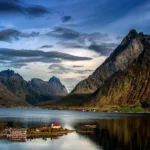
If you plan to visit Lofoten, you are stepping into a world where jagged peaks plunge into Arctic waters, Viking longhouses still whisper ancient sagas, and the sun refuses to set for weeks each summer.
This archipelago, far above the Arctic Circle, distills Norway’s wildest beauty into a surprisingly accessible chain of islands. Travelers come for the fjords and the fabled midnight sun, but they stay for the living history and the quiet fishing villages painted in ochre and red.
This guide covers everything that makes a journey to Lofoten unforgettable: Viking heritage sites, seasonal rhythms, outdoor adventures, and the practical details that turn a dream trip into a smooth reality.
Lofoten’s identity is woven from the sea. The Gulf Stream keeps temperatures surprisingly mild, while the cod fisheries shaped the culture for over a thousand years. Today, rorbuer cabins line the shores where stockfish once dried on towering racks.
Whether you hike the Reinebringen ridge, kayak through Trollfjord, or simply watch the light shift over the Vestfjorden, every moment feels cinematic. Use this guide to plan your own responsible and deeply rewarding Lofoten visit.
Why You Should Visit Lofoten
A visit Lofoten experience sits at the intersection of dramatic nature and authentic Nordic culture. The islands offer a compact landscape where you can ski under the northern lights in the morning and surf pristine
Arctic waves in the afternoon. Unlike many remote destinations, Lofoten combines wilderness with a vibrant creative scene, from glass-blowing studios in Vikten to contemporary art galleries in Henningsvær. The archipelago rewards travelers who want more than a postcard view.
The light in Lofoten is a character of its own. From late May to mid-July, the midnight sun bathes the mountains in a perpetual golden hour, extending your hiking day far past a conventional bedtime.
In winter, the polar night brings ethereal blue twilight and the dance of the aurora borealis over sheltered bays. This contrast of extremes shapes everything about the local rhythm and offers two vastly different travel experiences within the same island chain.
Lofoten’s cultural depth adds another layer. The islands were a Viking power centre, and the reconstructed longhouse at Borg takes you inside that world with rare authenticity.
The coastal heritage, built on cod, is still alive in everyday life – the smell of stockfish, the fisherman’s lunch of fresh-caught halibut, and the rorbuer that once housed seasonal workers now welcome curious travelers. Few places blend history so seamlessly with the present.
Finally, a visit Lofoten challenges the idea that the Arctic is inaccessible. The E10 road connects the entire chain, small ferries link hidden communities, and daily flights bring you to the islands in under four hours from Oslo.
Infrastructure is strong, yet you never feel separated from the raw elements. It is a rare destination where comfort meets profound isolation without compromising either.
A Brief History of Lofoten: From Viking Chieftains to Fishing Kings
Lofoten’s history stretches back over 6,000 years, with Stone Age settlements leaving traces in caves and coastal middens. The real turning point came during the Iron Age, when the chieftain’s seat at Borg evolved into one of the most powerful centres in northern Scandinavia.
The discovery of the Viking longhouse there, the largest ever found, changed the historical narrative of the region from remote outpost to a political and economic hub that traded as far as the Mediterranean.
Cod has been the golden thread through Lofoten’s story. Every winter, the northeast Arctic cod migrates from the Barents Sea to spawn in the waters around the islands, a phenomenon that created the world’s richest fishery.
By the Middle Ages, stockfish – air-dried cod – was Lofoten’s primary export, feeding Europe and funding the rise of Bergen as a Hanseatic trading power. This trade route tied the islands to the wider world for centuries and still defines the coastal landscape.
The Viking Age left its deepest mark at Borg, where the Lofotr Viking Museum now stands. The chieftain’s residence, rebuilt to full scale, gives an immersive sense of daily life, from the great hall’s smoky interior to the boats that carried warriors and traders.
Archaeological finds, including imported glass and jewelry, prove that Lofoten was firmly connected to international networks. To visit Lofoten is to walk through a living museum where the past is not behind glass but actively reconstructed.
In more recent centuries, the rise of the pietist preacher Lars Levi Læstadius, the industrialisation of fishing, and the transformation of tiny harbours like Reine and Henningsvær into tourism magnets tell a story of resilience and adaptation.
Today, history accompanies every fjord cruise and village stroll, reminding visitors that the stunning scenery was once a harsh working landscape.
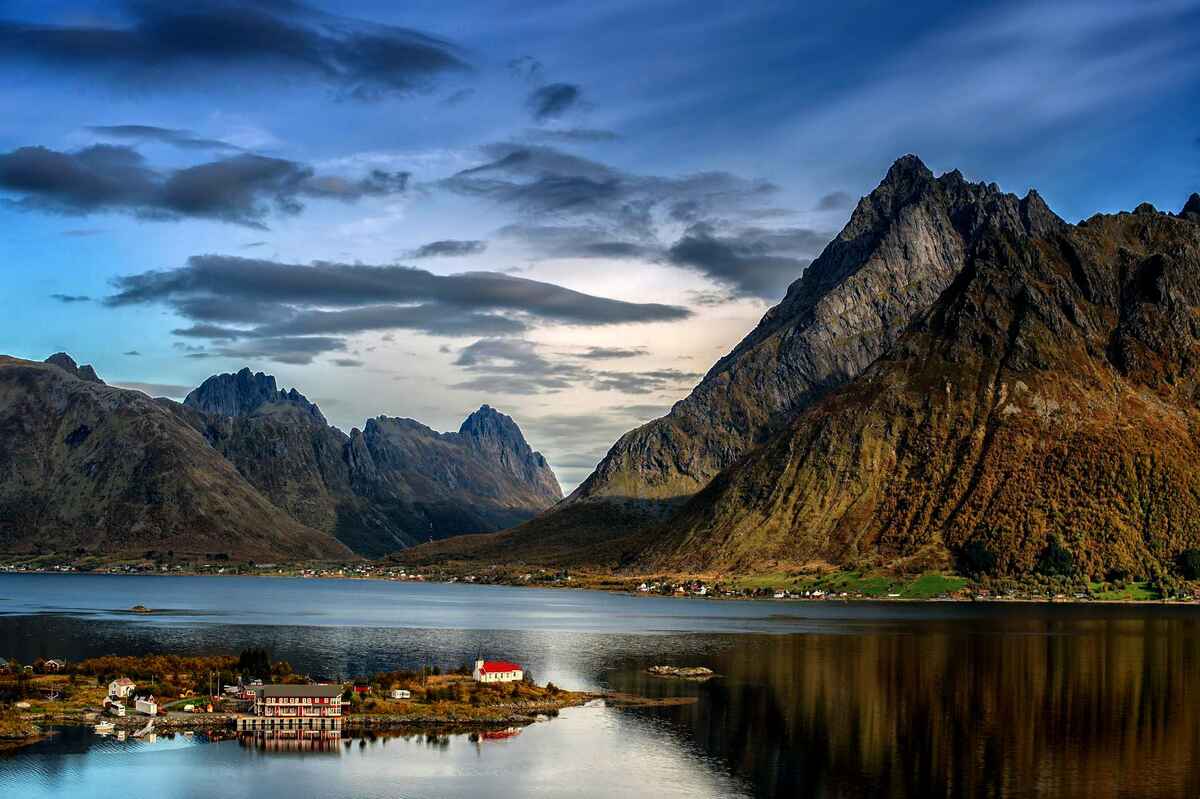
Best Viking Sites to Visit in Lofoten
The Lofotr Viking Museum in Borg is the undisputed centrepiece for anyone interested in the Norse past. A full-scale reconstruction of an 83-metre-long chieftain’s house dominates the site, furnished with fire pits, animal skins, and replica artefacts.
Guides in period dress demonstrate crafts, tell stories of the gods, and serve traditional broth. Outside, you can try axe throwing, row a replica Viking ship, or watch the blacksmith work iron. It is an active, hands-on encounter with history that elevates any visit Lofoten itinerary.
Beyond Borg, the open-air museum at Lofotr includes archaeological remains of boathouses and a smithy, and in summer, the site hosts a Viking festival with reenactments, markets, and music.
The reconstructed ship, based on the Gokstad find, often sails in the nearby fjord, giving a visceral sense of how these vessels conquered the North Atlantic. Visiting off-peak, especially in the shoulder months, allows quieter exploration and more personal interaction with the craftspeople who bring the settlement to life.
Smaller but equally evocative is the stockfish museum in Å, the village at the end of the E10. Here, the connection between the Viking-era trade and the modern fishing industry becomes clear.
The museum occupies a historic fish factory and explains the thousand-year-old drying process, which has changed remarkably little. While not strictly a Viking site, it frames the continuity of resource use that defined Lofoten’s identity from the Norse period onward.
For those willing to explore by hired boat, several lesser-known burial mounds and settlement traces dot Austvågøy and Vestvågøy, though many are unmarked and require local guidance.
Hiring a knowledgeable guide can reveal hidden stories – such as the Kvalnes stone with its runic inscription – that deepen your understanding of how the landscape itself served as a reservoir of memory. Whenever you visit Lofoten with history in mind, connecting with local experts transforms stones into narratives.
How to Experience the Fjords When You Visit Lofoten
The fjords of Lofoten are not the vast, deep-water systems of western Norway but intimate, narrow cuts between mountains that amplify the sense of vertical drama. Trollfjord, perhaps the most famous, is a short catamaran ride from Svolvær and squeezes you between sheer cliffs rising hundreds of metres.
As you float into its narrowest part, the air cools and the silence deepens. It is a quintessential visit Lofoten moment that requires little physical effort but delivers huge emotional impact.
Kayaking is the most immersive way to encounter the fjords. Outfitters in Reine, Svolvær, and Henningsvær offer guided half-day and multi-day trips that let you paddle beneath seabird colonies and past waterfalls that seem to pour into the sea.
The calm conditions of the inner waterways, protected by the outer reefs, make kayaking accessible even to beginners during summer. You can pull your craft onto a pebble beach and enjoy a picnic with a view no cruise ship can match.
RIB boat tours have become increasingly popular and offer a faster, thrill-tinged experience of the fjords. These rigid inflatable boats zip through narrow passages, often encountering white-tailed sea eagles that soar overhead.
Many operators combine fjord exploration with visits to historic fishing settlements or sea-rafting under the midnight sun. It is an energetic alternative for travelers who want a high-adrenaline introduction to the coastal geography.
For a slower pace, take the local ferry from Svolvær to Skutvik or the express boat to Bodø. These public services double as budget-friendly sightseeing trips, threading through the same dramatic waters that have guided mariners for centuries.
Bring coffee, dress in layers, and stand on the deck. Watching Lofoten’s granite spires recede from the water is a perspective that humbles and inspires in equal measure.
What Does It Feel Like to Witness the Midnight Sun in Lofoten?
The midnight sun is not just an astronomical curiosity – it is a fundamental reshaping of time. From late May to mid-July, the sun dips just below the horizon on the southernmost islands and not at all further north, painting the sky in continuous shades of gold, pink, and lavender.
The light is soft yet powerful, and the sense of endless day rewires your internal clock. For many, it is the most surreal part of a Lofoten.
Practically, the midnight sun extends your outdoor adventure window. With no darkness to cut the day short, you can summit a peak like Reinebringen at 23:00, hike the Ryten for a midnight picnic overlooking Kvalvika Beach, or simply sit on a rorbu deck reading a book at 01:00 in natural light.
The psychological effect is uplifting – visitors often report a gentle euphoria and reduced need for sleep, though pacing yourself remains essential.
Photographers find Lofoten during the midnight sun to be uniquely generous. The low-angle light, which lasts for hours, creates long shadows, glowing cliff faces, and mirror-like reflections in the fjords.
The golden hour stretches into a golden six hours, allowing for creative compositions without the rush. Iconic spots like Hamnøy’s red cabins or the view from Uttakleiv Beach become transcendent under this sustained illumination.
Travelers sensitive to light should bring a high-quality sleep mask and, if staying in rorbuer, confirm that blackout curtains are provided. The local community simply lives with the light, closing curtains at their preferred bedtime and carrying on.
To adapt, follow their lead: stay active, then consciously wind down when your body signals tiredness. The experience is one of nature’s greatest spectacles and a compelling reason to visit Lofoten in summer.
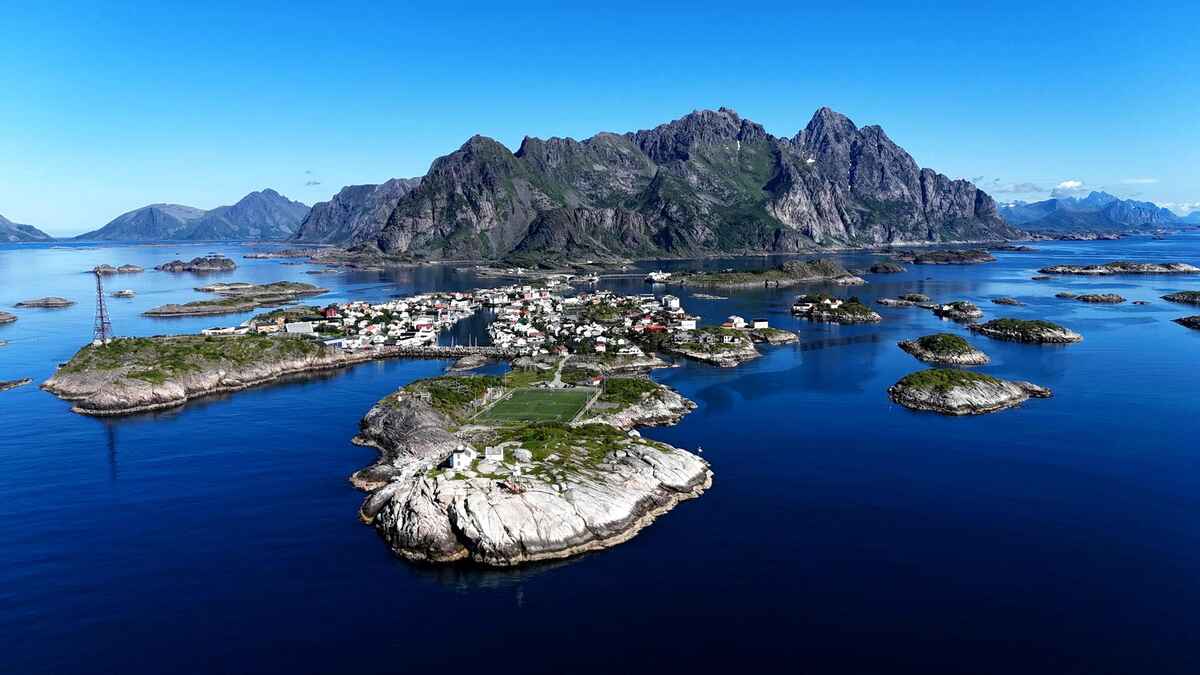
Best Time to Visit Lofoten for Every Season
The ideal period to visit Lofoten depends entirely on what you want to experience. Each season delivers a fundamentally different island character, from the frantic energy of summer’s endless day to the deep calm of winter’s polar night.
Understanding the trade-offs allows you to align your travel goals with the rhythms of the archipelago. Below is a seasonal breakdown to help you plan with clarity.
| Season | Months | Daylight | Key Activities | Crowds | Cost Level |
|---|---|---|---|---|---|
| Winter | Dec–Feb | Polar night / short twilight | Northern lights, winter fishing, skiing | Low | Moderate |
| Spring | Mar–May | Rapidly increasing daylight | Ski touring, cod fishing, cultural festivals | Low to moderate | Moderate |
| Summer | Jun–Aug | Midnight sun | Hiking, kayaking, RIB tours, photography | High | Peak |
| Autumn | Sep–Nov | Decreasing daylight, golden light | Northern lights return, storm watching, quieter trails | Low | Lower |
For hikers and those chasing the midnight sun, July and early August are prime. The trails are mostly snow-free, and all ferry routes operate at full frequency.
However, these weeks see the highest demand for accommodation and rental cars, requiring early booking. If your schedule permits, late June and late August offer marginally lighter traffic and still-excellent conditions.
Winter travelers seeking the aurora should target late September through March, with the darkest months providing the longest viewing windows.
Keep in mind that the weather is unpredictable; storms can roll in and cancel plans. Flexible itineraries are essential, and a winter visit Lofoten demands respect for road conditions and avalanche awareness if venturing into the mountains.
The shoulder seasons – May and September – are genuine hidden gems. May brings the return of the midnight sun at the month’s end and vibrant birdlife, while September counters with autumn colours, the start of the northern lights season, and noticeably fewer visitors. Both months allow you to experience the islands with a sense of solitude that summer rarely permits.
How to Get to Lofoten: Travel Routes for Your Trip
Reaching Lofoten feels like an adventure in itself, but modern connections make it straightforward.
The most common entry points are Svolvær Airport and Leknes Airport, both served by Widerøe with direct flights from Oslo, Bodø, and, in summer, from Bergen. Alternatively, Harstad/Narvik Evenes Airport, located on the mainland, offers a three-hour drive through stunning scenery to the northern islands and is well served by SAS and Norwegian.
Planning your arrival well ahead of your visit Lofoten dates secures better fares and more choice.
The Hurtigruten coastal ferry calls at Stamsund and Svolvær, offering a historic maritime approach. Travelers can board in Bergen or Kirkenes, turning the journey into a multi-day cruise through Norway’s most dramatic coastline.
For many, this is not just transport but a core part of the Lofoten experience, with panoramic lounges and freshly caught Arctic char on the menu.
Self-driving remains the most flexible way to explore the archipelago once you arrive. The E10, known as King Olav’s Road, runs the entire length of Lofoten from Å in the south to Raftsundet in the north, with bridges and tunnels linking islands.
Renting a car at Evenes or in Svolvær gives you control over your itinerary, though narrow roads and limited passing places require patience in high season.
Campervan travel has surged in popularity, but be aware that wild camping regulations demand a minimum distance from inhabited buildings and respect for nature.
Public buses serve the E10 corridor and connect major villages, though frequencies drop significantly outside summer and on weekends. Cycling is a tough but rewarding option for fit travelers, with some cyclists doing the full length of the islands over a week.
Regardless of your chosen transport, factor in weather delays and be ready to adjust plans. A successful visit Lofoten requires a mindset that embraces the journey as part of the destination.
Where to Stay When You Visit Lofoten
Lofoten’s accommodation landscape is defined by the rorbu, the traditional fisherman’s cabin converted into cosy, fully equipped lodging.
These red ochre buildings perch on stilts over the water, often in the heart of scenic villages like Reine, Hamnøy, and Nusfjord. Staying in a rorbu is the most authentic way to visit Lofoten – you fall asleep to the sound of waves lapping against the pilings and wake to a view that has barely changed in a century.
For those who prefer modern comforts, Svolvær offers the largest concentration of hotels, including the Thon Hotel Lofoten, with harbour-side rooms and a waterfront restaurant.
Henningsvær blends boutique accommodation with a lively arts and dining scene, making it a favourite for couples and solo travelers seeking a sociable base. Book well in advance for summer, as capacity is limited and the most desirable properties fill up eight to ten months ahead.
Camping and campervan tourism have grown rapidly, and the islands are dotted with well-maintained campsites in locations such as Ramberg, Sandsletta, and Brustranda. These sites usually provide electricity hook-ups, modern sanitary blocks, and direct beach access.
Wild camping is permitted on uncultivated land under the allemannsretten (right to roam), but strict rules apply: you must keep at least 150 metres from the nearest inhabited house or cabin, stay no more than two nights in one spot, and leave no trace.
A less conventional option is the rorbu-suites found in converted historic fish-processing plants. Some now include private saunas and glass-walled living areas that double as northern lights viewing rooms in winter.
Splitting your stay between a traditional rorbu in the south and a hotel in Svolvær or Henningsvær gives you a nuanced sense of the archipelago’s diversity. Whichever style you choose, a slow and settled approach to your visit Lofoten always beats rushing between overnight stops.
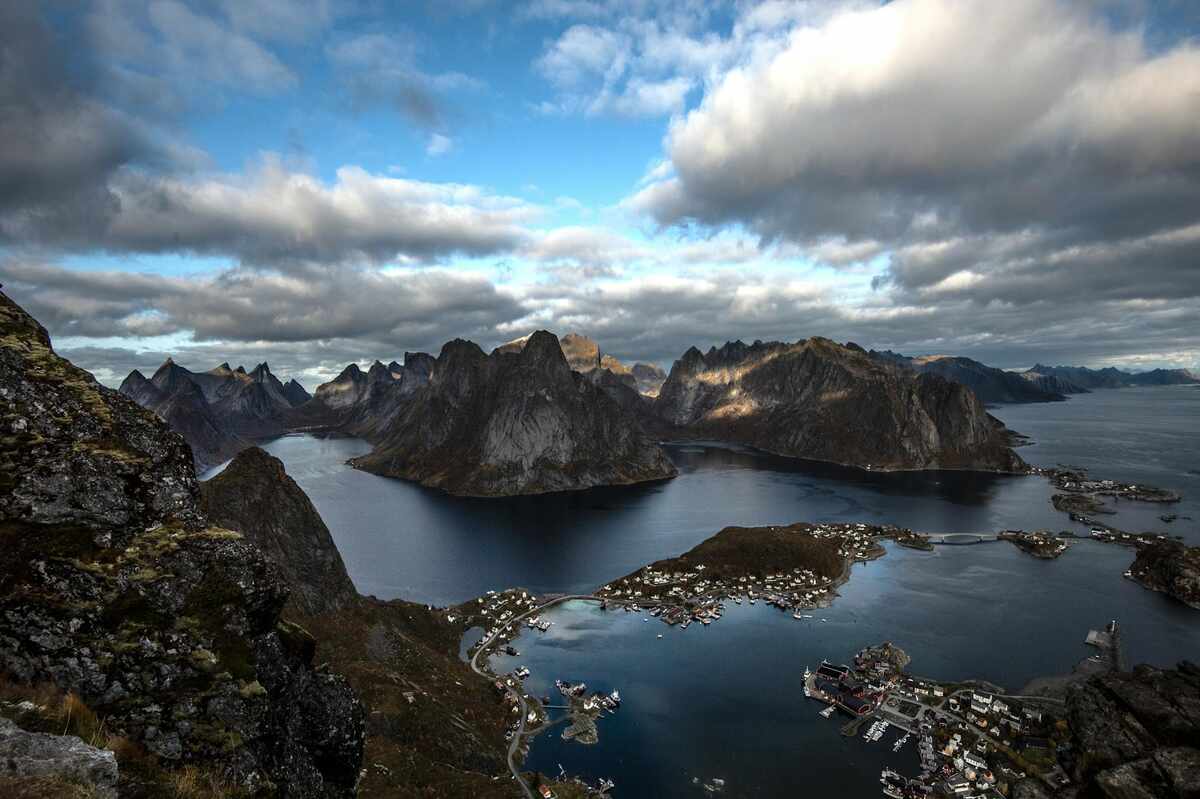
Top Outdoor Adventures to Add to Your Lofoten Visit
Hiking defines the Lofoten outdoor experience, and Reinebringen is the undisputed star. The renovated stone staircase, opened in 2019, makes the steep ascent safer, and the view from the top over Reinefjorden is one of Norway’s most iconic panoramas.
Go early in the morning or late in the evening during summer to find relative quiet. Always check the weather and bring proper boots – the path can be slippery and exposed, especially near the top.
Kayaking and stand-up paddleboarding allow you to float through Lofoten’s liquid landscapes. Reine Adventure and Lofoten Aktiv offer guided tours that cater to all skill levels, taking you into glassy fjords, past puffin colonies, and alongside waterfalls that cascade directly into the sea.
For experienced paddlers, multi-day expeditions with camping on remote beaches unlock a perspective that road-bound travelers simply cannot access.
Surfing at Unstad Beach has become a bucket-list item for cold-water wave riders. Unstad Arctic Surf provides board and wetsuit rentals, lessons, and even a sauna to warm up after your session.
The waves are consistent and uncrowded, and the setting – a crescent of white sand backed by snow-streaked peaks – is surreal. Surfing here transforms a summer visit Lofoten into a North Atlantic rite of passage.
- Winter skiing and snowshoeing: Backcountry ski touring from late February to May off ers incredible descents, with mountains like Geitgaljen and Pilan providing routes from summit to sea.
- RIB whale watching: In autumn and winter, orcas and humpbacks frequent the fjords, and RIB tours from Andenes or Svolvær offer close encounters.
- Cycling the E10: A challenging but rewarding week-long route with constant sea views and the satisfaction of travelling under your own power.
- Fjord fishing charters: Join a local boat to catch cod, halibut, or coalfish, learning ancient techniques while enjoying the world’s freshest seafood barbecue.
Whatever activity you choose, respect the environment and check local avalanche bulletins in winter. Outdoor adventures in Lofoten are profoundly rewarding, but they demand humility in the face of Arctic conditions. A safe and memorable visit Lofoten balances ambition with caution.
What Traditional Foods Should You Try on a Visit to Lofoten?
The cuisine of Lofoten is a direct expression of the sea and the short, intense growing season. Stockfish, dried cod aged on wooden racks, is the archipelago’s edible legacy and a UNESCO-recognised food tradition.
While the dried product requires lengthy soaking before cooking, you can taste it prepared expertly at restaurants like Børsen Spiseri in Svolvær or in the traditional bacalao of the region. A visit Lofoten is incomplete without engaging with this thousand-year-old food culture.
Fresh seafood dominates daily menus. Arctic cod, known locally as skrei, migrates to the Vestfjorden from January to April and is celebrated in a festival in March.
The meat is firm, delicate, and best enjoyed simply – poached with potatoes, carrots, and melted butter. Halibut, monkfish, and king crab also feature prominently, often served with a modern Nordic touch in restaurants like Fangst in Henningsvær.
- Tørrfisk: Snack on dried fish strips, a protein-rich local nibble that pairs surprisingly well with a cold pilsner.
- Fiskekaker: Norwegian fish cakes made with fresh cod and flour, often served with remulade or in a makeshift sandwich.
- Lapskaus: A hearty sailor’s stew of salted meat and root vegetables, perfect after a cold day outdoors.
- Lompe: Soft potato flatbread used to wrap sausages and other street food – a quick, satisfying bite.
- Cloudberries and blueberries: Foraged in the late summer marshlands, these berries star in desserts and jams.
Local breweries and distilleries are adding a new dimension. Lofotpils, brewed in Henningsvær, uses Arctic water and offers a crisp companion to seafood.
The Lofoten Aquavit, aged in sherry casks, includes herbs from the islands and makes for a distinctive souvenir. A food-focused itinerary transforms your visit Lofoten into a culinary journey that connects palate to place.
Remember that dining out in Lofoten can be expensive; cooking in your rorbu kitchen with ingredients from local fishmongers and the small supermarkets in Svolvær and Leknes is a practical way to manage costs.
The local fish soup base, sold in cartons, makes a delicious and easy meal that tastes of the sea. Food here is not just sustenance – it is a story of survival and celebration.
How to Plan a Sustainable Visit to Lofoten
Sustainability in Lofoten is not a marketing tagline but an urgent necessity. The surge in tourism has placed pressure on narrow roads, fragile hiking trails, and small communities.
Planning a responsible visit Lofoten means making conscious choices about transport, accommodation, and behaviour. Start by accepting that you are a guest in a working landscape where fishing, farming, and island life take priority.
Reduce your footprint by using public transport and ferries where feasible, renting electric or hybrid vehicles, and sticking to marked trails to prevent erosion.
The new stone steps on Reinebringen are a direct response to trail degradation, and following the designated path – no matter how tempting the shortcut – protects the fragile sub-arctic vegetation.
Numerous volunteer clean-up events, organized by local environmental groups, welcome visitors who want to give back.
- Choose locally owned accommodation: Stay in rorbuer run by fishing families rather than international chains.
- Buy from local producers: Purchase fresh fish, cheese, and handicrafts directly from the source.
- Respect private land and privacy: Ask before photographing people or their homes, and never enter gardens or drying racks without invitation.
- Travel off-peak: Visit in May or September to reduce the collective strain on infrastructure and increase your positive economic impact per visitor.
- Pack out all waste: Facilities in remote areas are limited, so carry a bag for litter and dispose of it properly.
Several tour operators have adopted eco-certifications, including guided hikes that cap group sizes and kayak trips that avoid disturbing seabird colonies. When booking excursions, ask about their environmental guidelines.
Choosing operators like Lofoten Aktiv or XXLofoten, which prioritise small groups and environmental education, channels your spending toward models that care for the islands.
Ultimately, a sustainable visit Lofoten is an attitude that values depth over checklist speed. Spend longer in fewer places, walk or cycle when you can, and accept that weather may force you to pause. The reward is a deeper connection to the land and the knowledge that your presence contributed to its preservation.
Common Mistakes to Avoid When You Visit Lofoten
Many first-time visitors underestimate the weather and terrain. The Gulf Stream makes Lofoten milder than other Arctic locations, but conditions shift rapidly. A sunny morning can turn into a rain-lashed afternoon within an hour.
Packing waterproof layers, wool base clothing, and sturdy boots is non-negotiable. Trusting a smartphone weather app blindly is a mistake – local forecasts and advice from your accommodation host are far more reliable.
Another frequent error is overcrowding the itinerary. Driving the full length of the islands in a single day and trying to summit three peaks might look possible on paper, but it leads to exhaustion and missed moments.
A successful visit Lofoten allows unscheduled time to watch the light change over a bay, chat with a fisherman, or simply sit still. Give each location room to breathe, and you will leave with richer memories.
- Ignoring ferry schedules: Many side fjords rely on small car ferries that run infrequently, especially outside summer. Always check the latest schedule and book crossings where possible.
- Not reserving accommodation early enough: Summer rorbuer and hotels fill months in advance. Last-minute planning often leaves you with few options or forces long daily drives.
- Neglecting meal planning: Restaurants can be sparse in smaller villages, and kitchens close early. Stock up on groceries in Svolvær or Leknes to avoid hungry evenings.
- Hiking beyond your ability: Trails like Reinebringen and Ryten are steep and exposed; vertigo and poor visibility have caused rescues. Turn back if conditions deteriorate.
- Disrespecting private property: The iconic red cabins are people’s homes, not photo studios. Maintain distance and never peer through windows.
Finally, assuming that the midnight sun means you can forgo a sleep schedule often backfires. The perpetual light is disorienting, and without discipline, fatigue builds up. Bring a sleep mask, set a rough bedtime, and listen to your body.
A well-rested traveler enjoys every facet of a visit Lofoten far more than a sleep-deprived one trying to do it all.
Conclusion
A journey to these Arctic islands is far more than a scenic escape. It is an immersion into a way of life shaped by the sea, the light, and a history that stretches from Viking chieftains to modern fishermen.
Whether you came for the fjords, the midnight sun, or the quiet pull of heritage, a visit Lofoten leaves an imprint that outlasts the photographs. The islands teach patience, reward curiosity, and invite you to slow into their rhythm.
As you reflect on your plans, remember that the most powerful moments often arrive unscripted – the sudden appearance of a sea eagle, the taste of fresh skrei shared with strangers in a tiny harbour, the silence of a winter shore under the aurora.
This guide has outlined the practical and the profound, but the real magic is what you discover between the lines. Pack carefully, respect the weather, and keep an open heart. Lofoten waits, timeless and untamed.
Travel conditions, prices, opening hours, ferry schedules, and weather patterns can shift with little notice. Official tourism websites, local tourist information points, and government travel advisories should be consulted before booking and during your trip.
FAQ
What is the best month to visit Lofoten for hiking and the midnight sun?
July is the most reliable month for snow-free trails and the full midnight sun period, which lasts from late May to mid-July. Late June and early August also offer excellent conditions with slightly fewer crowds, but June may still have snow on higher paths. Always verify trail reports locally before setting out.
Can I see the northern lights when I visit Lofoten?
Yes, the aurora borealis is visible from late September through March, with the deepest winter months providing the longest dark skies. Success depends on solar activity and clear weather, which is unpredictable in coastal Lofoten. Stay several nights to increase your chances and consult local aurora forecasts.
Do I need a car to explore Lofoten effectively?
A rental car gives the most freedom, but it is not strictly essential. Public buses run along the E10 corridor, and organized tours and local taxis can fill gaps. Cycling is an option for fit travelers with ample time. However, to reach remote trailheads and hidden beaches, a car is strongly recommended.
Is Lofoten suitable for a family visit?
Absolutely. Families enjoy gentle hikes, kayaking in sheltered waters, interactive Viking experiences at Borg, and beach days at Ramberg and Haukland. The main considerations are the need for self-catering due to limited restaurant options in smaller villages and the requirement for strict supervision near water and steep trails.
What should I pack for a trip to Lofoten?
Waterproof and windproof outer layers, wool thermals, sturdy waterproof hiking boots, a warm hat, and gloves are essential year-round. Even summer demands layering. A sleep mask for the midnight sun and a good quality rain jacket for sudden showers will make your visit far more comfortable.
How many days do I need to visit Lofoten?
A minimum of five full days allows time to see the major highlights without feeling rushed. Seven to ten days opens up the possibility of multi-day hikes, deeper exploration of the Viking sites, and spontaneous detours. Those with only a weekend often regret not staying longer.
Is it expensive to visit Lofoten?
Norway is a high-cost destination, and Lofoten is no exception. Accommodation, dining out, and car rental are the main expenses. You can manage costs by staying in rorbuer with kitchen facilities, buying groceries, and using public transport where practical. Booking well in advance often secures better rates.
Are the hiking trails in Lofoten safe for beginners?
Some trails, like the coastal walk to Kvalvika Beach, are moderate and beginner-friendly in good weather. Others, including Reinebringen and Ryten, involve steep ascents and exposure that can be challenging. Always research trail difficulty, check conditions, and turn back if you feel uncomfortable or the weather turns.
What traditional Viking sites can you visit in Lofoten?
The Lofotr Viking Museum at Borg is the premier site, with a full-scale reconstruction of the largest Viking longhouse ever found. Archaeologically, the area holds many unmarked burial sites and settlement traces that can be explored with a private guide who provides cultural context and ensures respect for the heritage.
Do I need a visa to visit Lofoten from outside the Schengen area?
Norway is part of the Schengen Agreement. Travelers from outside the Schengen zone typically need a Schengen visa, which grants access to all member countries. Requirements vary by nationality and can change, so check with the nearest Norwegian embassy or consulate well ahead of your planned travel.

Author: Horeca Health
Horeca Health


Leave a Reply