HORECA Branding: Introduction
HORECA branding is the defining factor that separates a thriving destination from a forgettable establishment in today’s hyper-competitive hospitality landscape.
In a world where guests are constantly bombarded with options, simply providing a good meal or a clean room is no longer enough to guarantee long-term success. To truly excel, businesses must cultivate a unique identity that speaks to the emotions and aspirations of their target audience.
The HORECA industry is fundamentally built on the art of the experience, and branding is the tool that allows you to curate that experience with precision and purpose.
Navigating the complexities of HORECA branding requires a strategic blend of visual aesthetics, emotional storytelling, and unwavering consistency.
Whether you are running a boutique hotel, a high-end restaurant, or a cozy cafe, your brand is the promise you make to your customers before they even walk through your doors.
In this comprehensive guide, we will explore how to sharpen your presence in the HORECA sector, ensuring your business not only attracts new visitors but turns them into lifelong advocates.
Let’s dive into the essential strategies that will help you outshine the competition and define your place in the market.
HORECA Branding: Why is a unique identity essential in a crowded market?
HORECA branding is the heartbeat of any successful hospitality venture, serving as the invisible thread that connects your culinary or lodging concept to the emotions of your guests.
In an era where consumers are overwhelmed by endless choices, standing out requires more than just high-quality ingredients or comfortable linens; it demands a cohesive narrative that resonates on a personal level.
When we talk about the HORECA sector, we are describing an industry built entirely on human experience and perception. If your brand lacks a distinct “soul,” you risk becoming a mere commodity, forced to compete solely on price rather than value.
By investing in a robust identity, you create a recognizable personality that acts as a beacon for your ideal demographic, ensuring that they choose you over a dozen similar options.
Developing a strong presence in this field means understanding that your logo and color palette are just the tip of the iceberg.
True HORECA branding involves every touchpoint, from the way your staff greets visitors to the tactile feel of your menus and the ambient lighting in your space. This holistic approach ensures that your business doesn’t just fill a functional need but provides a memorable escape from the mundane.
In the competitive landscape of HORECA, differentiation is your greatest defense against market saturation.
When a brand is executed with precision and authenticity, it fosters a sense of belonging among patrons, transforming one-time visitors into loyal advocates who feel a genuine connection to your mission and aesthetic.
HORECA Branding: How can storytelling transform your guest experience?
HORECA branding thrives on the power of a good story, as humans are naturally wired to remember narratives far better than they remember individual facts or prices.
When you craft a compelling origin tale or a mission-driven narrative, you invite your customers to become characters in your world rather than just passive consumers.
Within the HORECA landscape, storytelling can be integrated into the smallest details, such as the history of a signature cocktail or the local sourcing of your artisan furniture.
This adds layers of depth to the physical environment, making the guest feel as though they are part of something significant and curated. It’s about moving beyond the “what” and “where” and focusing intensely on the “why” of your existence.
By utilizing HORECA branding to share your values—whether that’s a commitment to sustainability, a celebration of heritage, or a passion for avant-garde innovation—you build trust and transparency.
Guests in the modern HORECA world are increasingly seeking out brands that align with their own personal ethics and lifestyles. A well-told story bridges the gap between a commercial transaction and a meaningful interaction.
When your brand voice is consistent across your website, social media, and physical premises, it reinforces a sense of reliability and professional artistry.
Ultimately, the goal is to create an emotional resonance that lingers long after the check is paid, ensuring your establishment remains top-of-mind whenever the guest thinks of quality hospitality.
HORECA Branding: What role does visual consistency play in brand recognition?
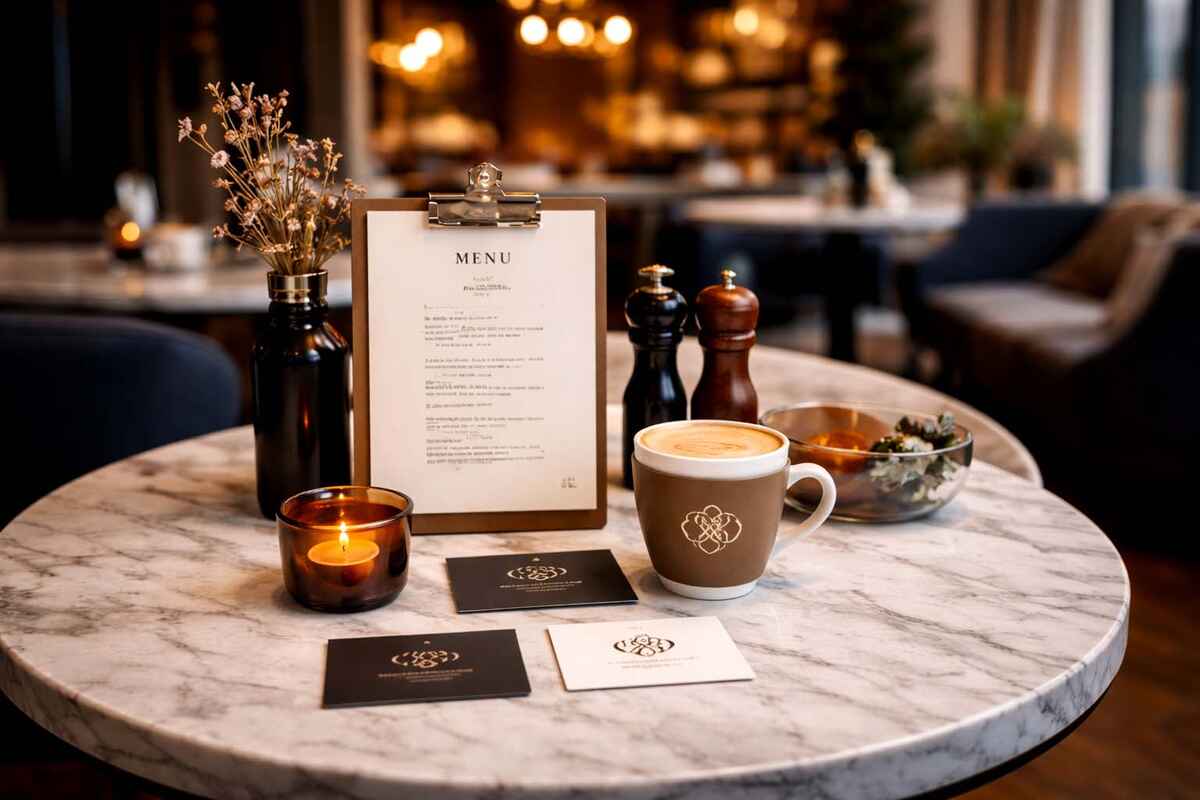
HORECA branding relies heavily on visual cues to communicate quality and professionalism before a guest even tastes a dish or checks into a room.
Consistency is the hallmark of a premium brand; it signals to the audience that you are disciplined, detail-oriented, and reliable in your service delivery.
Whether it is the typography on your business cards or the interior design of your lobby, every visual element must speak the same language to reinforce your position in the HORECA market.
If your Instagram looks like a high-end luxury retreat but your physical menus are printed on low-quality paper with inconsistent fonts, you create a “brand fracture” that confuses the customer and erodes the trust you’ve worked so hard to build.
Effective HORECA branding creates a “visual shorthand” that allows people to identify your business instantly, even without seeing your name.
Think of the most iconic hotels or restaurant chains; their specific shades of blue, unique architectural shapes, or signature patterns are etched into the public consciousness.
In the diverse world of HORECA, where first impressions are often made digitally, having a polished and unified aesthetic is non-negotiable. This visual harmony doesn’t just look good—it functions as a silent salesperson, conveying your brand’s price point, vibe, and target audience at a single glance.
By maintaining this aesthetic discipline, you ensure that your brand remains cohesive as it grows, providing a stable and familiar platform for your guests to return to time and again.
HORECA Branding: How does sensory marketing elevate your physical space?
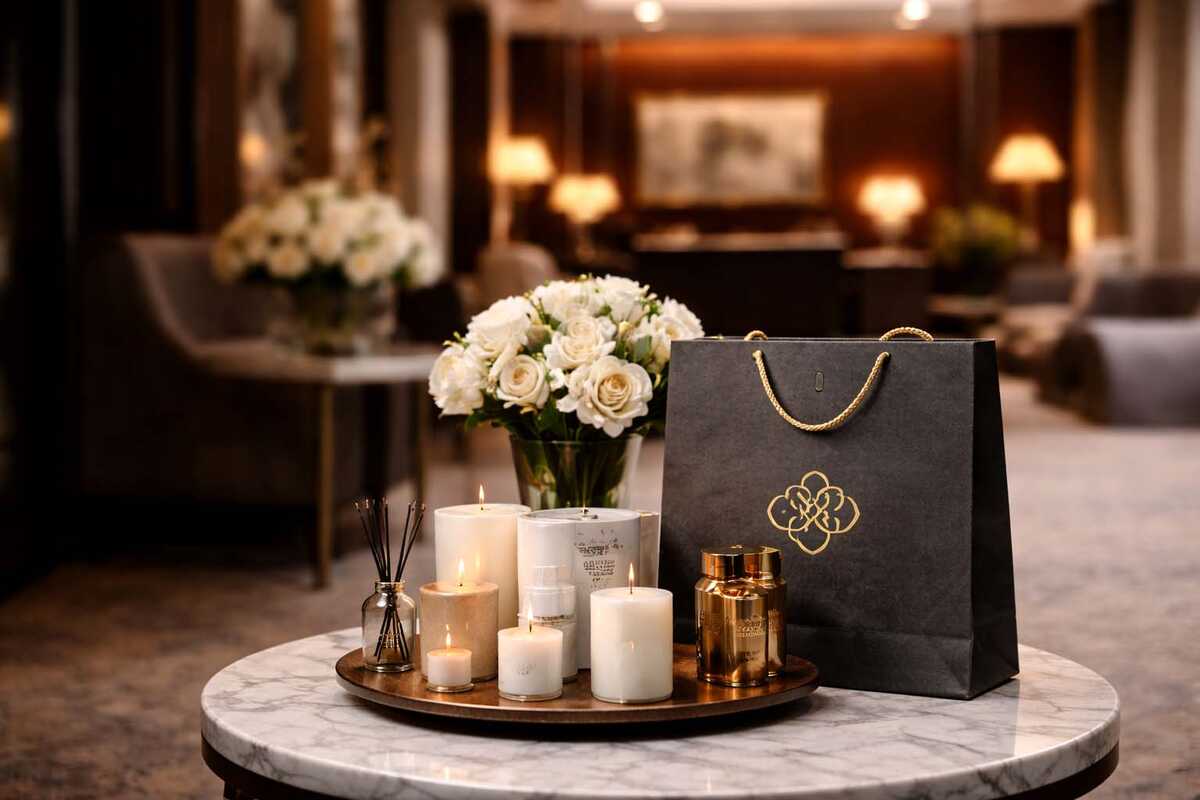
HORECA branding extends far beyond what the eye can see, tapping into the powerful realms of scent, sound, and touch to create a multi-sensory environment.
In the hospitality world, the “vibe” of a place is often determined by the subtle background music, the signature fragrance in the air, or the weight of the cutlery in a diner’s hand.
These sensory details are the secret weapons of HORECA professionals who want to leave a lasting psychological imprint on their clientele.
When a guest walks into a space and is greeted by a custom-blended aroma that evokes relaxation or excitement, it triggers an immediate emotional response that a simple logo never could.
This creates a deeply immersive experience that distinguishes your brand from competitors who only focus on the visual aspect.
Integrating sensory elements into your HORECA branding strategy allows you to control the mood and energy of your establishment throughout the day.
For example, a cafe might use the invigorating smell of freshly roasted beans and upbeat acoustic music in the morning, shifting to softer lighting and jazz in the evening to encourage a slower pace.
Within the competitive HORECA industry, these nuances are what define “luxury” and “thoughtfulness.” It shows the guest that every second of their stay has been intentionally designed for their comfort.
By engaging all five senses, you create a “3D brand” that feels tangible and real. This holistic approach ensures that your brand isn’t just a name on a sign, but a living, breathing atmosphere that people are eager to revisit.
HORECA Branding: Why is staff behavior a critical component of your brand?
HORECA branding is ultimately delivered through people, making your team the most visible ambassadors of your company’s values and culture.
No matter how beautiful your decor or how innovative your menu, a rude or disinterested server can instantly dismantle years of brand-building efforts. In the HORECA sector, service is the product, and the way your employees interact with guests is a direct reflection of your brand’s promise.
Training your staff to embody the brand—whether that means being formal and precise or casual and energetic—ensures that the “human touch” aligns perfectly with your marketing materials.
This consistency in behavior creates a sense of authenticity that guests find incredibly reassuring and professional.
When employees understand the core of your HORECA branding, they become empowered to make decisions that enhance the guest experience in ways that feel natural. They stop following a rigid script and start delivering genuine hospitality that feels “on-brand.”
Within the wider HORECA community, establishments known for their exceptional service culture often enjoy higher staff retention and better online reviews.
Your team should be well-versed in your brand’s story so they can share it with passion, turning a simple service interaction into a memorable moment of connection.
By investing in your people as a central pillar of your brand, you create a resilient identity that is built on relationships rather than just transactions, which is the ultimate key to long-term success.
HORECA Branding: How can digital presence amplify your offline reputation?
HORECA branding in the modern age requires a seamless bridge between the physical door and the digital window. Most guest journeys now begin on a smartphone, meaning your online persona is often the “true” first impression people have of your business.
To succeed in the HORECA world today, your website, social media profiles, and review site listings must reflect the same quality and atmosphere found within your four walls. If your digital presence is outdated or neglected, potential customers will assume your physical service is equally lackluster.
A strategic approach involves high-quality photography, engaging video content, and a tone of voice that mirrors the hospitality experience you provide on-site.
Furthermore, HORECA branding through digital channels allows for two-way communication that was never possible before.
Responding to reviews, sharing behind-the-scenes content, and engaging with user-generated photos helps to build a community around your brand. In the fast-paced HORECA industry, being digitally active keeps you relevant and top-of-mind for locals and travelers alike.
It gives you a platform to showcase your expertise, highlight your unique selling points, and announce events or new offerings in real-time. By leveraging search engine optimization and social media algorithms, you can ensure that your brand reaches the right people at the right time.
This digital amplification turns your local success into a broader reputation, attracting a wider audience and solidifying your market position.
HORECA Branding: What is the impact of sustainable practices on brand loyalty?
HORECA branding is increasingly being judged by the ethical footprint a business leaves behind, as modern consumers are more conscious than ever about where they spend their money.
Integrating sustainability into your brand identity isn’t just about “going green”—it’s about demonstrating a commitment to the future of the planet and the local community.
In the HORECA space, this can manifest through zero-waste initiatives, ethical sourcing of local produce, or energy-efficient building designs.
When these practices are woven into your brand narrative, they create a powerful “value-add” that resonates with eco-conscious diners and travelers. It transforms your business from a place of consumption into a force for positive change.
Authenticity is vital when using sustainability as part of your HORECA branding; guests can easily spot “greenwashing.” True commitment involves transparent communication about your supply chain and the challenges you face in becoming more eco-friendly.
Within the HORECA landscape, being a leader in sustainability can significantly differentiate you from larger, more rigid competitors. It builds a deeper level of trust and loyalty, as customers feel that by supporting you, they are also supporting a better world.
This ethical alignment creates a “tribal” connection between the brand and the consumer, where loyalty is based on shared principles.
As environmental concerns continue to grow, brands that prioritize the planet will find themselves at a major competitive advantage, enjoying both moral and financial rewards.
HORECA Branding: How do you define a target audience for a niche concept?
HORECA branding starts with a crystal-clear understanding of exactly who you are trying to serve, rather than trying to be everything to everyone. In a saturated market, “general” is often synonymous with “forgettable,” whereas niche concepts tend to thrive by catering to specific lifestyles, dietary needs, or aesthetic preferences.
To excel in the HORECA field, you must move beyond basic demographics like age or income and look at “psychographics”—the values, hobbies, and aspirations of your guests.
Are you targeting the high-speed digital nomad, the luxury-seeking “foodie,” or the eco-conscious family? Defining this persona allows you to tailor every aspect of your brand to their specific desires, creating a “perfect fit” feeling.
Once you have identified your niche, your HORECA branding should act as a filter that attracts your ideal guest while politely signaling to others that this might not be their cup of tea.
This might seem counterintuitive, but “repelling” the wrong audience is just as important as attracting the right one; it ensures the atmosphere remains consistent for those who truly appreciate it.
Within the HORECA ecosystem, niche brands often benefit from higher word-of-mouth referrals because their fans feel a sense of ownership and pride in discovering something so specifically suited to them.
By speaking directly to a specialized group, you reduce your competition and increase your perceived expertise. This laser-focused approach allows you to command higher prices and build a community that is incredibly loyal and engaged.

HORECA Branding: What is the relationship between menu design and brand perception?
HORECA branding finds one of its most potent expressions in the menu, which is the primary “sales document” of any food and beverage establishment. A menu is far more than a list of items and prices; it is a carefully choreographed piece of communication that reinforces your brand’s culinary philosophy.
In the HORECA world, the layout, paper quality, language, and even the way prices are displayed (e.g., using $ or just numbers) tell a story about your level of sophistication and value.
A cluttered, laminated menu suggests a very different experience than a minimalist, single-sheet menu on heavy cardstock. Every choice made in the design process should align with the overall brand identity you want to project.
Strategic HORECA branding uses “menu engineering” to highlight signature dishes and high-margin items while maintaining an aesthetic that feels curated.
The descriptions of the dishes should use a tone of voice that matches your brand personality—whether that’s poetic and descriptive or short and punchy. Within the HORECA industry, the menu is often the most-photographed item after the food itself, making its visual appeal crucial for social media visibility.
If your menu feels like an afterthought, it suggests that your food might be too. Conversely, a beautifully designed menu builds anticipation and justifies the price point before the first course even arrives.
It serves as a tangible reminder of your brand’s attention to detail and its commitment to providing a cohesive, well-thought-out dining experience.
HORECA Branding: How can community engagement strengthen local brand authority?
HORECA branding is deeply rooted in “place,” and the most successful businesses are those that become an integral part of their local neighborhood.
Building a brand that gives back to the community—through local events, collaborations with nearby artisans, or supporting neighborhood charities—creates a sense of “local hero” status.
In the HORECA sector, this localized authority is a powerful shield against large, impersonal corporate chains. When people see your brand as a pillar of their community, they develop a protective loyalty toward you.
This isn’t just about marketing; it’s about genuine hospitality that extends beyond your front door and into the streets surrounding your business.
Furthermore, integrating local elements into your HORECA branding helps travelers feel like they are getting an “authentic” experience, which is a major trend in modern tourism.
Whether you feature local artwork on your walls or host “meet the producer” nights, you are positioning your brand as a gateway to the local culture. Within the HORECA community, these partnerships create a win-win scenario, boosting the profile of both your business and your collaborators.
This strategy creates a narrative of “collective success” that guests find very attractive. By being active and visible in your local area, you build a brand that is respected and trusted, ensuring a steady stream of “regulars” who provide the financial backbone for your business while also attracting curious visitors.
What are the risks of rebranding in the hospitality sector?
HORECA branding is a long-term investment, and while evolution is necessary, a full rebrand can be a risky endeavor if not handled with extreme care.
The primary danger is alienating your existing loyal customer base who have grown attached to your current identity and “vibe.” In the HORECA world, familiarity is a comfort, and sudden, drastic changes can feel like a betrayal of the original promise.
If you change your name, logo, or concept too abruptly, you risk losing the “brand equity” you’ve built up over years. It is essential to conduct deep market research to ensure that the reasons for rebranding are valid and that the new direction actually meets a demand that the old one didn’t.
However, when done correctly, HORECA branding updates can breathe new life into a stagnant business and attract a fresh generation of guests.
The key is to maintain a “thread of continuity”—keeping some elements of the old identity while modernizing others. Within the HORECA industry, a rebrand should be treated as a major event, with transparent communication explaining the “why” behind the change.
It’s an opportunity to fix past mistakes, refine your target audience, and pivot to modern market conditions. The risk lies in being “brand-confused”—trying to be something you’re not or losing your core soul in the pursuit of a trend.
A successful rebrand feels like a natural evolution, not a forced transformation, ensuring that the essence of your hospitality remains intact while the “packaging” is improved.
How do you measure the ROI of your branding efforts?
HORECA branding is often seen as an “intangible” asset, but its impact can and should be measured through both qualitative and quantitative data.
While it’s hard to put a specific dollar value on a logo, you can track metrics like customer lifetime value, the frequency of repeat visits, and the strength of your direct booking or reservation rates.
In the HORECA environment, a strong brand often results in lower customer acquisition costs because word-of-mouth and organic social media reach do the heavy lifting for you. If people are seeking you out by name rather than searching for “restaurants near me,” your branding is working.
Monitoring your “brand sentiment” through online reviews and social media mentions also provides a clear picture of how you are perceived.
Another way to gauge the success of your HORECA branding is through your ability to maintain premium pricing without losing volume.
A powerful brand creates “perceived value” that allows you to charge more than a generic competitor because guests feel they are paying for an experience, not just a service. Within the HORECA financial landscape, this margin is what allows for reinvestment and growth.
You can also look at employee pride and recruitment; top-tier talent wants to work for brands that have a clear identity and a good reputation. Ultimately, the return on investment for branding is found in the resilience of your business.
When times get tough, branded businesses with loyal followings survive much better than those without a clear identity. It is the ultimate insurance policy for your hospitality venture.
Conclusion
HORECA branding is far more than a marketing exercise; it is a long-term commitment to excellence and a clear reflection of your professional values.
In an industry as fast-paced as ours, having a solid identity provides the stability and direction needed to navigate changing trends and rising guest expectations.
By focusing on the unique elements that make your HORECA venture special—from your staff’s hospitality to your visual storytelling—you build a resilient business that resonates with people on a deeper level.
Success in this field isn’t just about being seen; it is about being remembered and trusted by every guest who interacts with your brand.
Mastering HORECA branding allows you to move beyond price wars and focus on delivering genuine value that keeps your tables full and your rooms booked. As you implement these strategies, remember that authenticity is your greatest asset in the diverse HORECA marketplace.
A well-executed brand doesn’t just attract customers; it creates a community of loyal advocates who will carry your story forward. Now is the perfect time to evaluate your current positioning and refine your narrative to ensure you stay ahead of the curve.
With a clear vision and consistent execution, your brand will not only stand out from the competition but will set a new standard for hospitality.
FAQ
HORECA branding is essential because it establishes your market position from day one. It helps potential guests understand your concept, quality level, and values, making it easier to attract the right audience in a crowded marketplace.
Strong HORECA branding creates an emotional connection with guests. When people identify with your brand’s story and values, they are more likely to return and recommend your establishment to others, increasing lifetime value.
Absolutely. Even for small venues, HORECA branding provides a competitive edge by making the business look professional and organized, which builds trust with local customers and tourists alike.
The core elements include a clear brand story, a consistent visual identity (logo, colors, typography), a defined target audience, and a unique tone of voice that is reflected in all communications.
While consistency is key, HORECA branding should be reviewed every 3 to 5 years. This doesn’t always mean a full rebrand, but rather subtle refreshes to stay modern and relevant to evolving guest preferences.
Yes, effective HORECA branding allows you to command higher prices. When guests perceive your brand as premium or unique, they are willing to pay more for the perceived value and the overall experience you provide
Social media acts as a digital storefront for your HORECA branding. It is the primary platform where you can showcase your visual identity, engage with your community, and bring your brand story to life through real-time content.
Alignment is achieved through regular training and clear brand guidelines. When employees understand the “why” behind your HORECA branding, they can embody the brand’s values in every guest interaction.
Yes, a strong brand attracts top-tier professionals. People want to work for reputable and well-defined businesses, so HORECA branding serves as a recruitment tool that showcases your company culture.
The biggest mistake is lack of consistency. If your online presence, physical decor, and service style don’t match, it creates confusion. Effective HORECA branding must be seamless across every single touchpoint.

Author: Horeca Health
Horeca Health







Leave a Reply