Dry skin: Introduction
Dry skin: If you’ve ever experienced that uncomfortable tightness, persistent itchiness, or noticed flaky patches on your skin, you’re certainly not alone.
Chronic dry skin, medically termed xerosis, is one of the most common dermatological complaints worldwide. Far from being just a cosmetic nuisance, persistent dryness signals a compromised skin barrier—the crucial protective shield that keeps moisture in and irritants out.
When this barrier is disrupted, your skin becomes vulnerable, leading to discomfort and potentially affecting your overall sense of well-being.
In this comprehensive guide, we will break down the science of skin dehydration, revealing the most common culprits behind your parched complexion.
More importantly, we’ll provide you with 12 actionable, expert-backed strategies—from selecting the right cleansers to mastering the art of moisturising—to not only treat your current symptoms but to build a robust, resilient skin barrier that stands the test of time.
Get ready to transform your approach to skincare and finally achieve the soft, supple, and healthy skin you deserve.
What exactly is dry skin and why does it occur?
Experiencing parched, flaky, and uncomfortably tight skin is an incredibly common dermatological issue, and the medical term for this state of dehydration is xerosis.
At its core, this condition manifests when the outermost layer of your skin, scientifically known as the stratum corneum, loses an excessive amount of water.
This layer is engineered to be a formidable protective barrier, meticulously constructed from a lattice of skin cells (corneocytes) embedded within a rich matrix of lipids (fats) like ceramides and cholesterol.
This structure’s primary function is to diligently lock in precious moisture and robustly keep environmental irritants and pathogens at bay.
When this critical barrier is compromised—whether due to external stressors or internal factors—the skin’s natural, finely-tuned moisture-retention mechanisms begin to fail dramatically.
Consequently, water evaporates far too quickly from the dermal layers, leading to the tell-tale signs of stiffness, palpable roughness, and often visible flaking or scaling that characterise severely dry skin.
Furthermore, the natural oils, or sebum, which are essential components of the skin’s protective film (the hydrolipid film), can become significantly depleted, further accelerating the problem.
Understanding this fundamental breakdown in the skin barrier’s integrity is not just academic; it is the vital first step toward implementing effective management strategies and maintaining optimal skin health.
How do environmental factors contribute to persistent dry skin?
The world around us exerts a profound influence, playing a substantial and often challenging role in the development and, unfortunately, the worsening of persistently dry skin.
One of the most aggressive external culprits is significantly low humidity, a condition that is extremely common during the harsh, cold winter months or in naturally arid, desert-like geographical climates.
In these particular conditions, the ambient air is notably thirsty, essentially pulling moisture directly from the skin’s surface in a desperate attempt to achieve equilibrium and balance the severe lack of water vapour in the atmosphere.
Similarly, the widespread use of indoor heating systems in colder seasons, including central heating, wood-burning stoves, and even simple space heaters, dramatically reduces indoor humidity levels, thereby creating an artificially dry environment that significantly accelerates transepidermal water loss (TEWL).
Furthermore, prolonged or excessive exposure to environmental elements like relentless wind or intense sun can physically strip the skin of its natural, vital protective lipids, leaving it highly vulnerable to severe dehydration and subsequent damage.
Finally, repeated and prolonged exposure to water, particularly excessively hot water, can dissolve and wash away the protective oils that meticulously maintain skin hydration, which clearly explains why frequent, long, hot showers are consistently detrimental.
This continuous environmental assault severely compromises the natural barrier function, making proper, protective skincare an absolute necessity to combat these external dehydrating forces and effectively support overall skin health.
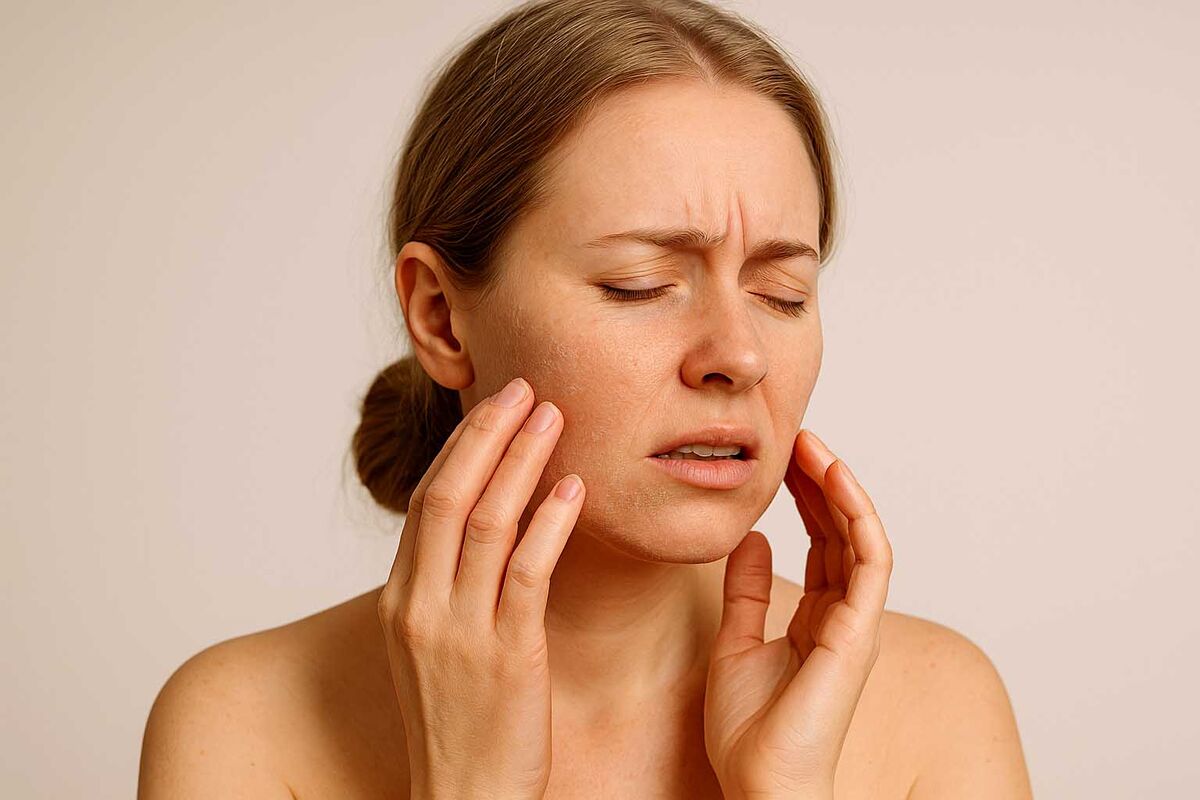
Can daily habits worsen the appearance of dry skin?
It is unequivocally true that your established daily routine can, quite unintentionally, systematically strip your skin of the essential oils and vital moisture it critically needs, thereby making the chronic condition of dry skin much, much worse.
High on the list of common offenders are long, excessively hot showers or relaxing baths. While the experience might initially feel comforting and therapeutic, the reality is that hot water and extended soaking time actively work to aggressively break down the lipid barrier within the skin, directly facilitating the rapid, unnecessary loss of water, which is a key physiological contributor to the symptoms of xerosis.
Similarly, the specific types of cleansing products you routinely use hold immense importance. Many conventional soaps, body washes, and harsh detergents are formulated with strong surfactants that are incredibly effective at removing accumulated dirt and surface oil but are completely indiscriminate in also removing the skin’s invaluable natural moisturizing factors (NMFs) and protective lipids.
Over-scrubbing with exfoliating tools or vigorous towel-drying can cause subtle, yet chronic physical damage and low-grade irritation, further severely weakening the skin’s defensive layer.
Even seemingly small, repeated actions, such as frequent and routine hand washing with strong, non-moisturising soap, can easily lead to persistent, chronic dryness.
Therefore, a careful review and mindful adjustment of these common daily practices is a profoundly powerful and essential step in rapidly restoring the skin’s natural integrity and actively promoting long-term skin health.
What underlying health conditions can lead to severe xerosis?
Severe and persistent dryness of the skin, formally known as xerosis, should not always be considered an isolated or purely cosmetic issue, as it can often be a highly visible and uncomfortable symptom of a more complex, underlying systemic medical condition.
Several internal health problems have the ability to severely disrupt the skin’s inherent capacity to retain essential moisture and maintain the crucial integrity of its barrier function.
For example, primary inflammatory skin conditions such as atopic dermatitis (eczema) and psoriasis are inherently linked to a compromised skin barrier, which inevitably leads to chronic inflammation, intractable itching, and severe dry skin.
Moving beyond primary dermatological issues, chronic metabolic disorders like diabetes can significantly affect peripheral nerve function and systemic blood circulation, which in turn impacts the activity of the vital sweat and oil glands, leading to profound and often debilitating dryness, frequently most noticeable on the lower legs and feet.
Hypothyroidism, a condition where the essential thyroid gland is significantly underactive, slows the body’s entire metabolism, which commonly results in markedly reduced sweat and oil gland activity, causing the skin to become noticeably rough, thick, and scaly.
Chronic kidney disease can also frequently lead to uremic pruritus (itching) and severe dryness due to critical imbalances in body chemistry.
If your persistent dry skin is proving resistant to all standard over-the-counter care routines, consulting a dedicated healthcare professional is absolutely crucial to effectively rule out these more serious, underlying systemic factors that will require specific medical management tailored to the root cause.
How does aging impact the skin’s ability to fight dry skin?
The inevitable passage of time is a non-negotiable factor that profoundly and significantly influences the skin’s natural resilience and defensive capabilities against chronic dry skin.
As the years advance, the complex physiological processes that are fundamentally responsible for keeping our skin supple, moist, and adequately hydrated naturally begin to slow down and become less efficient.
This common, age-related dryness is often medically referenced as senile xerosis. One of the most pivotal and primary biological changes is a marked decrease in the rate of production of sebum, the vital natural oil secreted by the skin’s sebaceous glands, which is entirely indispensable for forming the protective hydrolipid film on the skin’s surface.
With measurably less sebum being produced, the skin barrier becomes inherently less effective and significantly compromised at preventing essential moisture loss, leading to increased vulnerability.
Furthermore, the skin itself physically thins out, and there is a noticeable reduction in the concentration of natural moisturizing factors (NMFs)—compounds like urea and various amino acids found within the skin that are crucial for attracting and tenaciously holding water molecules.
The rate of cellular turnover also progressively decelerates, meaning that old, dry, and often flaky cells remain resident on the skin’s surface for extended periods, directly contributing to a rougher, more uneven texture and a dramatically diminished ability to both absorb and retain external moisture.
These cumulative, unavoidable changes collectively weaken the skin’s overall protective shield and long-term health, making it absolutely necessary for older adults to be particularly diligent and proactive with robust moisturising and gentle, non-aggressive skincare practices to effectively counteract the predictable effects of chronological aging on their skin’s hydration levels.
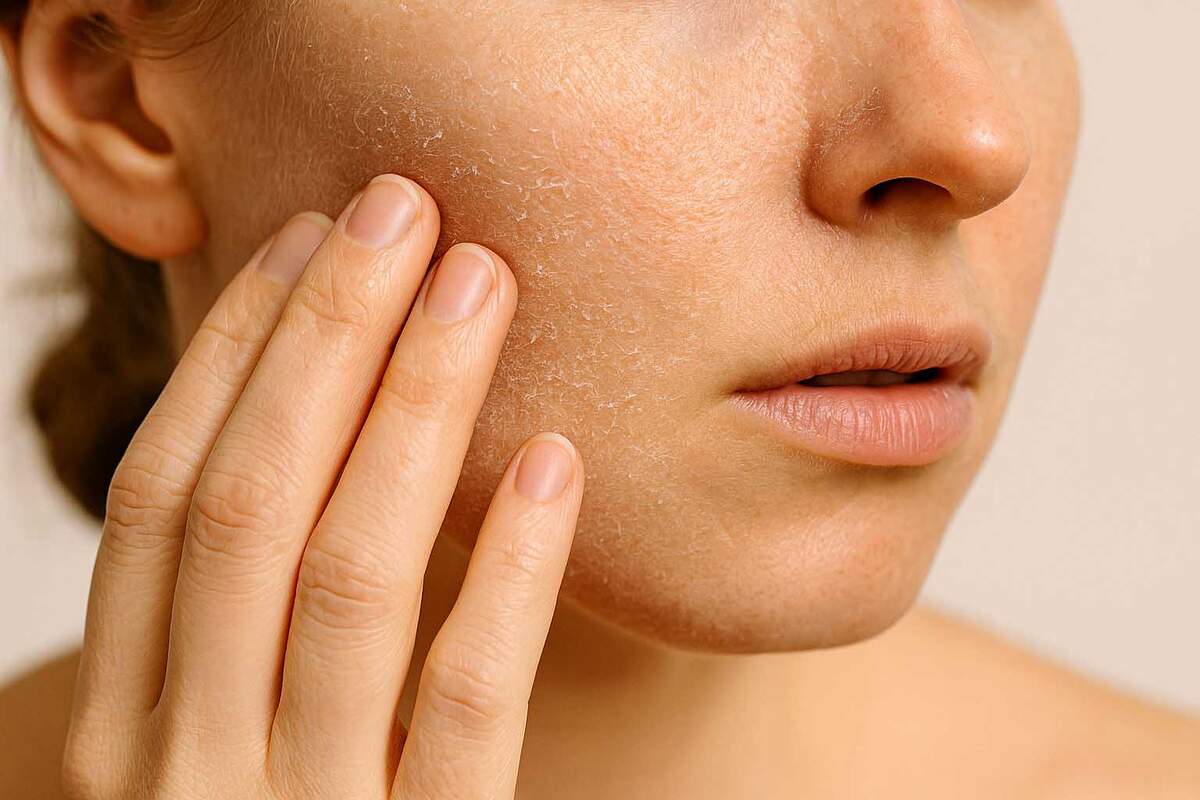
Which cleansing agents are best for managing dry skin?
Selecting the correct and most appropriate cleansing products represents a truly pivotal and foundational step in the successful, effective management of chronic dry skin.
The most frequent and damaging mistake individuals make is the regular use of harsh, highly alkaline soaps or aggressive foaming cleansers, which actively strip the skin’s natural, protective oils, thereby immediately disrupting the fragile protective barrier and drastically worsening the underlying condition.
The unequivocally ideal cleansing agent for skin that is naturally prone to persistent dryness should be exceptionally gentle, non-foaming or minimally lathering, and importantly, either pH-neutral or slightly acidic to precisely match the skin’s natural physiological pH (the acid mantle).
Patients should actively seek out creamy, non-soap formulations, gentle syndet bars (synthetic detergent bars), or lipid-rich cleansing oils that are explicitly designed and marketed for sensitive or severely dry skin types.
These superior products are engineered to effectively clean the skin’s surface without dangerously dissolving the essential intercellular lipids that are critically responsible for sealing moisture within the skin.
Key beneficial ingredients to diligently seek out include potent emollients like petrolatum or lanolin, and effective humectants such as glycerin or urea, which work synergistically to help replenish moisture while the cleansing process occurs.
It is highly advisable to restrict the use of traditional soap only to those areas that genuinely require intensive cleansing, such as the armpits and groin, and to always use comfortably lukewarm water for the shortest possible duration.
By consciously switching to a gentle, lipid-preserving cleanser, you take an active and direct role in supporting your skin’s vital integrity and promoting long-term skin health, significantly reducing the prevalent irritation and uncomfortable tightness commonly associated with chronic dehydration.
What is the role of emollients and humectants in treating xerosis?
Emollients and humectants are rightfully considered the dual powerhouse ingredients and fundamental components in almost every single truly effective topical treatment formulated for xerosis, and clearly understanding their unique and distinct roles is absolutely key to strategically selecting the most beneficial moisturisers for your needs.
Humectants, which include well-known compounds such as glycerin, hyaluronic acid, and urea, are classified as hydrophilic—meaning they are scientifically designed to powerfully attract and tenaciously bind water molecules to the skin’s surface.
They effectively draw in moisture, either from the humid environment or from deeper dermal layers, and securely hold it in place. This mechanism dramatically and rapidly increases the vital water content of the outer epidermal layer.
Emollients, conversely, are typically lipid-based substances, which encompass ingredients like mineral oil, advanced ceramides, or essential fatty acids.
Their primary function is essentially to ‘spackle’ or fill the microscopic gaps that exist between the flaking, damaged skin cells, effectively smoothing the rough surface and strategically replacing the naturally lost fats.
However, their most critical function is acting as an occlusive layer: they create a physical, semi-permeable seal on the skin’s surface, which significantly reduces transepidermal water loss (TEWL), the main enemy of dry skin.
For achieving the most optimal skin health outcomes in cases of severe dryness, a product that judiciously combines both types of ingredients is nearly always recommended: the humectant draws in the necessary moisture, and the emollient firmly locks it into the skin.
Applying these comprehensive formulations immediately following a bath or shower, while the skin is still noticeably damp, maximally amplifies their ability to successfully trap water and initiate the critical repair of the damaged barrier.
Can dietary and internal health habits prevent dry skin flare-ups?
While external, diligent topical care is undoubtedly vital, your overall internal health and considered dietary choices play an often-underestimated, yet crucially important role in both preventing and successfully managing debilitating dry skin flare-ups.
Maintaining proper, consistent hydration is a foundational pillar; actively drinking an adequate volume of water throughout each day is absolutely essential to maintaining the overall moisture content within your body’s systems, a state that is directly and visibly reflected in your skin’s visible appearance, elasticity, and suppleness.
Furthermore, a balanced diet that is notably rich in essential fatty acids, particularly vital Omega-3s which can be reliably sourced from oily fish, crushed flaxseeds, and walnuts, is highly advantageous.
These healthy fats serve as the fundamental building blocks for the skin’s complex lipid barrier, directly empowering the body to efficiently produce the necessary, protective oils that securely seal in moisture and keep the skin feeling naturally supple.
Additionally, the presence of vitamins A, C, D, and E, alongside key minerals like zinc, are considered critical micronutrients that actively support essential skin regeneration, robust collagen production, and antioxidant defence, all of which substantially contribute to maintaining a strong, well-functioning skin barrier.
Moreover, mindfully avoiding excessive consumption of substances with known dehydrating effects, such as strong alcohol and high amounts of caffeine, can also significantly help.
By consistently nourishing your body effectively from the inside out, you proactively provide the biological resources necessary to combat chronic dryness, substantially bolster your skin’s natural internal defences, and profoundly improve overall skin health and long-term resilience.
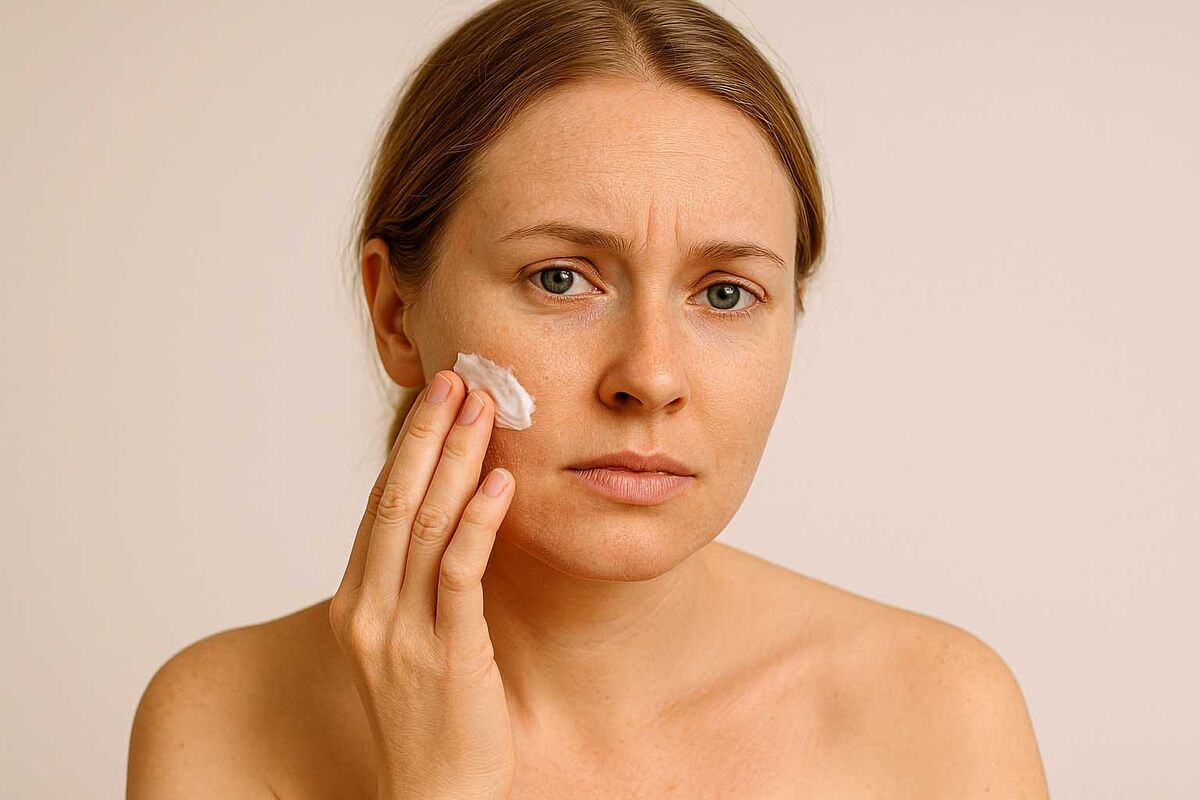
Are there specific times to apply moisturizer for maximum dry skin relief?
The meticulous timing of your moisturiser application is an element that is just as profoundly important as the quality of the product itself when you are systematically seeking the absolute maximum relief from persistent dry skin symptoms.
The single most crucial and beneficial time to apply an emollient is immediately following your shower or bath, generally within a maximum of three minutes of gently patting your skin dry with a soft towel.
This highly effective technique, commonly referred to by experts as the “seal and heal” method, works so effectively because the moisturiser is applied directly while the skin is still slightly damp and saturated with the water it has just absorbed.
The potent occlusive properties inherent in the cream or thick ointment then immediately act like a formidable physical seal, which effectively traps that surface moisture deep inside the skin’s layers before it has any opportunity to rapidly evaporate into the ambient air.
This targeted application dramatically increases the skin’s foundational hydration levels far more effectively than merely applying the same product to completely dry skin.
Other key, strategic application times include immediately after washing your hands, which inherently strips the skin of its protective oils, and consistently just before you go to sleep, which allows the product to perform an intensive repair job overnight.
Consistency, however, remains the undisputed key, and repeated, well-timed application throughout the entire day, particularly during the challenging dry winter months or periods of significant, unavoidable water exposure, is the absolute cornerstone of a successful, proactive regimen for managing chronic dehydration and maintaining optimal skin health.
How does humidity control aid in the management of xerosis?
Implementing control over the humidity levels in your indoor environment is a refreshingly simple, yet remarkably effective and fundamental strategy in the routine, daily management of xerosis, the medical term for chronic dry skin.
When the air within your home is excessively dry—a scenario which most commonly occurs during the winter months when heating systems are running continuously, or in naturally arid geographical climates—the significant difference in water vapour pressure between your skin and the surrounding air creates a strong gradient that inevitably encourages moisture to escape directly from your body’s surface.
This constant evaporative process is known scientifically as transepidermal water loss (TEWL). By strategically introducing a high-quality humidifier into your home, especially positioned in the bedrooms where you typically spend the most extended, uninterrupted periods, you effectively and measurably increase the moisture content of the ambient air.
This purposefully elevated humidity level significantly slows down the natural rate at which water evaporates from your skin’s surface, thereby assisting the stratum corneum to stay suitably hydrated and function much more effectively as a protective barrier.
Maintaining a consistent relative humidity level positioned between 45% and 60% is generally regarded as the ideal range for optimal skin comfort and comprehensive skin health.
This simple, yet powerful, environmental adjustment works highly synergistically with your chosen topical moisturisers, making those products demonstrably more effective and providing a constant, passive line of defence against the aggressive, dehydrating effects of the indoor climate, which is an invaluable benefit for anyone suffering from the persistent challenges of dry skin.
When should i see a dermatologist for my persistent dry skin?
While the majority of routine cases of dry skin can often be effectively alleviated and managed using high-quality over-the-counter moisturising products and sensible, simple lifestyle adjustments, there are unequivocally clear and definite red flags that strongly signal the need for a professional consultation with a certified dermatologist.
If your skin is suffering from intense, debilitating itchiness (pruritus) that is consistently causing you to lose valuable sleep or is actively interfering with your ability to carry out daily activities and concentrate, seeking specialized professional guidance is absolutely necessary.
Similarly, if the severity of your skin dryness is accompanied by significant, noticeable redness, swelling, deep cracking, or the development of open fissures and sores that pose a substantial risk of secondary infection, you should seek immediate and expert medical care.
Furthermore, if you have diligently and consistently followed an aggressive, strategic moisturising routine for several consecutive weeks—using high-potency, thick emollients and avoiding common irritants—and your condition, which may be profound xerosis, shows absolutely no significant signs of improvement or only worsens, a skin specialist needs to thoroughly investigate the underlying cause.
A board-certified dermatologist can provide a precise, definitive diagnosis, reliably rule out other underlying complex medical conditions like severe eczema, contact dermatitis, or systemic diseases that can primarily manifest as dryness, and subsequently prescribe much stronger, medical-grade treatments, such as potent topical corticosteroids or specialized prescription barrier-repair creams.
Taking this necessary step is entirely crucial for effectively safeguarding your long-term skin health and finally securing a sustainable, medically sound, and effective solution for severe or unusually complicated chronic dryness.
Why is choosing fragrance-free products important for dry skin and xerosis?
Making the conscious and deliberate choice to select and use only strictly fragrance-free products is a critical, though often regrettably overlooked, proactive step in meticulously caring for highly sensitive and chronically dry skin or diagnosed xerosis.
While a pleasant, attractive scent might seem superficially harmless and even appealing to the user, both naturally derived and synthetically created fragrances are consistently ranked among the most frequent and significant causes of both irritant and allergic contact dermatitis.
The complex chemical components that make up fragrances possess the ability to actively disrupt the already compromised and weakened skin barrier inherent in dry skin, often triggering a localized inflammatory response that directly leads to further unwelcome redness, intensifying itchiness, and an increased rate of dehydration.
For skin that is already fundamentally struggling with a deficit of moisture and a significantly weakened, compromised barrier function, introducing a known or potential irritant simply serves to aggressively exacerbate the vicious cycle of persistent dryness, chronic irritation, and inflammation.
Even many products that are ambiguously marketed to consumers as merely ‘unscented’ might, in reality, contain masking fragrances specifically added to neutralise the naturally occurring scent of the raw ingredients, underscoring the vital importance of strictly looking for labels that unequivocally state ‘fragrance-free’ or ‘for sensitive skin’.
By systematically eliminating these very common, unnecessary irritants from your daily routine, you actively enable the skin barrier to successfully heal itself and function much more effectively, thus allowing the beneficial moisturising ingredients to perform their designated job without the counterproductive interference of inflammatory triggers.
This careful and precise selection of gentle, non-irritating formulas is fundamentally essential to successfully supporting overall skin health and maintaining comfort for chronically dry skin.
Conclusion
We’ve now navigated the complex world of dry skin, exploring everything from the subtle environmental pressures to the critical internal health factors that contribute to this frustrating condition.
By now, you understand that managing xerosis is much more than just a quick fix; it’s about adopting a holistic and informed strategy that respects the delicate nature of your skin barrier.
We’ve highlighted the powerful, synergistic roles of humectants and emollients, emphasized the need for gentle, fragrance-free cleansing, and pointed out the importance of small, yet impactful, habits like timely moisturiser application and indoor humidity control.
Your journey toward consistently comfortable and supple skin is an ongoing practice of maintenance and mindfulness. By consistently applying these expert-backed care methods and remaining vigilant about potential internal or external triggers, you are actively investing in the long-term integrity and vibrancy of your skin.
Remember, prioritizing your skin health is prioritizing your overall well-being. Don’t let dryness dictate your comfort—take control, implement these strategies, and enjoy the transformative results of a fully restored, resilient barrier.
FAQ
Dry skin is a common, often temporary condition caused by environmental factors like cold weather or low humidity. Xerosis is the medical term for pathologically or excessively dry skin that is chronic, more severe, and often presents with pronounced scaling, roughness, tightness, and sometimes deep cracking. While both involve a lack of moisture, xerosis typically indicates a more significant compromise of the skin’s barrier function.
Environmental causes are usually seasonal (worse in winter) or related to habits (hot showers, harsh soaps). If your dry skin persists despite consistent use of a high-quality moisturiser and avoidance of known irritants, it might be due to internal factors. Conditions like diabetes, hypothyroidism, or eczema can all cause severe dryness, and these cases require a doctor’s consultation for proper diagnosis and medical management.
The most effective treatments for severe dry skin combine two types of ingredients: humectants (like Hyaluronic Acid, Glycerin, or Urea) that draw moisture into the skin, and emollients/occlusives (like Ceramides, Shea Butter, or Petrolatum/Mineral Oil) that seal that moisture in and prevent transepidermal water loss. Look for thick creams or ointments rather than thin lotions.
Yes, long, hot showers or baths are strongly discouraged for anyone dealing with chronic dry skin or xerosis. Hot water strips the skin of its natural, protective oils (lipids) much faster than warm water. Limit your bath or shower time to 5-10 minutes, use lukewarm water, and switch to a gentle, non-foaming cleanser to preserve your skin’s vital moisture barrier.
Winter air naturally holds less moisture (low humidity), and indoor heating systems further decrease ambient humidity levels. This dry air creates a large moisture gradient that pulls water directly from your skin’s surface, accelerating transepidermal water loss and causing your dry skin to feel tighter, itchier, and more flaky. Using a humidifier indoors can significantly counteract this effect.
Yes, maintaining adequate systemic hydration is crucial. While topically applied water loss is the main cause of surface dryness, being well-hydrated internally ensures that the deeper layers of your skin receive enough water. A constant, sufficient supply of water helps the skin cells function optimally, supporting overall skin health and making topical treatments more effective against dry skin.
For maximum effectiveness in treating dry skin, moisturiser should be applied immediately after bathing, ideally within two to three minutes of gently patting the skin dry. Applying it while the skin is still slightly damp locks in the surface moisture from the water, allowing the emollients to create an effective seal and boost hydration levels.
Excessive or harsh physical exfoliation (like using rough scrubs) can actually damage the already compromised barrier of dry skin and lead to increased irritation and inflammation. Gentle chemical exfoliation with mild lactic acid or a very soft cloth may help remove dead, flaky skin cells, but it should be done sparingly, and only when the skin is not actively cracked or severely inflamed.
Fragrances, whether natural or synthetic, are common irritants and allergens that can compromise the delicate barrier of dry skin. When the barrier is weak (as in xerosis), these chemicals can penetrate the skin easily, leading to unnecessary inflammation, redness, and itching, which only worsens the feeling of dryness. Always choose products explicitly labeled “fragrance-free.”
You should consult a board-certified dermatologist if your dry skin symptoms (like intense itching, redness, or cracking) do not significantly improve after two to three weeks of consistent at-home care, including using heavy moisturisers and following the lifestyle advice provided. Medical evaluation is also necessary if the dryness is widespread, affects your sleep, or you suspect an underlying systemic health condition like eczema, diabetes, or kidney issues.

Author: Horeca Health
Horeca Health
DISCLAIMER
All content provided on this website is for informational purposes only and should not be considered a substitute for professional advice, diagnosis, or treatment. Always consult qualified healthcare professionals regarding any questions or concerns you may have about your health or any medical condition.




















Leave a Reply