Health Benefits of Cardamom: Introduction
Health Benefits of Cardamom: Step aside, turmeric and ginger! There’s a new “Queen of Spices” ready to claim her throne in your kitchen and medicine cabinet: Cardamom.
This fragrant, potent spice, derived from the seeds of various plants in the ginger family, has been a cornerstone of both Ayurvedic and traditional Chinese medicine for millennia.
While you might know it best for lending its exotic, warm, and slightly citrusy notes to chai lattes, curries, and Scandinavian pastries, its health-promoting properties are truly remarkable. Beyond its culinary appeal, a deeper dive into its composition reveals why this spice is a genuine powerhouse.
Packed with powerful antioxidants, essential oils, and vital nutrients, cardamom offers a spectrum of therapeutic effects that extend far beyond simply freshening your breath.
This post will unveil the compelling, scientifically-backed reasons why you should be integrating this aromatic seed into your daily routine.
Get ready to discover the health benefits of cardamom and learn how this humble spice can become your new go-to for better digestion, a stronger heart, improved mood, and overall vitality.
How Do the Health Benefits of Cardamom Include Aiding Digestive Wellness?
The ancient spice, often hailed as the “Queen of Spices,” has a profound history in traditional medicine, particularly for soothing the stomach and gut.
Cardamom contains volatile oils, such as cineole, which are known for their strong aromatic and therapeutic properties. These compounds stimulate the secretion of bile acids, crucial for efficient fat digestion, and can help to alleviate symptoms of indigestion, bloating, and flatulence.
Furthermore, its carminative properties help relax the smooth muscles of the gastrointestinal tract, easing spasms and promoting the movement of food through the digestive system. This can be especially helpful for individuals dealing with mild discomfort after meals.
Beyond simple indigestion, incorporating this potent spice into your diet may contribute to a healthier gut microbiome.
Its natural compounds possess mild antimicrobial properties, which can help balance the bacterial environment, potentially inhibiting the growth of harmful pathogens while supporting beneficial gut flora.
This holistic approach to digestive health is one of the most celebrated health benefits of cardamom, making it a staple in both culinary and medicinal applications across the globe.
By fostering a calm and efficient digestive system, it indirectly supports overall vitality and nutrient absorption, underscoring its value far beyond just a flavor enhancer.
Can the Health Benefits of Cardamom Offer Protection Against Chronic Diseases?
The powerful presence of antioxidants in this aromatic spice is the foundation for its protective role against various long-term illnesses.
Cardamom is rich in compounds like terpenes, esters, and flavonoids, which aggressively combat free radicals—unstable molecules that cause oxidative stress and cellular damage, a primary driver of aging and chronic disease development.
By neutralizing these harmful radicals, the spice helps to shield the body’s cells and DNA from damage, potentially lowering the risk of conditions like certain cancers and neurodegenerative disorders.
Specifically, research has focused on its potential to interfere with the early stages of cancer development, particularly in the colon, through its anti-inflammatory actions and ability to modulate cell signaling pathways.
The continuous, low-level inflammation often linked to modern diets and lifestyles is a major precursor to chronic conditions, and the compounds in the spice work to dampen this inflammatory response effectively.
This widespread antioxidant and anti-inflammatory action is a key component of the impressive health benefits of cardamom, offering a natural shield for the body’s internal systems.
Consistent consumption, even in small amounts, can contribute significantly to a fortified defense against the progressive wear and tear associated with oxidative damage over time.
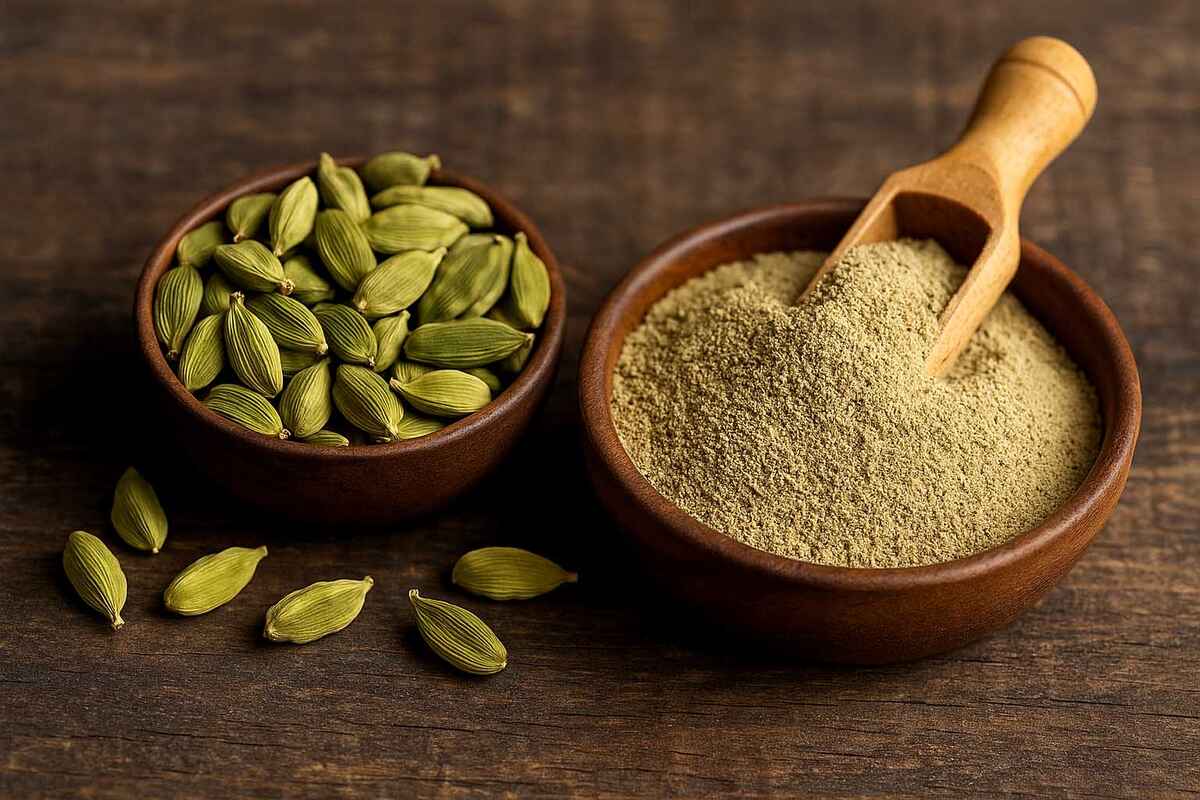
What Are the Respiratory Health Benefits of Cardamom for Airways?
Traditionally used in remedies for coughs and colds, this aromatic pod holds significant promise for supporting a healthy respiratory system.
Cardamom contains the compound cineole (eucalyptol), which is a powerful expectorant and is often found in commercial cough and cold preparations.
Cineole works by helping to loosen and clear mucus from the airways, making it easier to breathe and alleviating congestion in the chest and nasal passages.
For those suffering from seasonal allergies or mild asthmatic symptoms, the natural bronchodilating effect of some of its components can be particularly beneficial.
By relaxing the muscles in the trachea and bronchi, it can help open up constricted airways, promoting deeper and more comfortable respiration.
Its anti-inflammatory properties further assist by reducing the swelling and irritation often associated with respiratory infections and chronic obstructive pulmonary disease (COPD).
The combination of expectorant and bronchodilator actions highlights a lesser-known but vital aspect of the comprehensive health benefits of cardamom for lung and airway function.
Integrating this spice into teas or warm milk can provide a soothing and effective natural remedy to maintain clear, healthy breathing, especially during colder months or periods of high pollen.
Does the Health Benefits of Cardamom Include Lowering High Blood Pressure?
Emerging scientific evidence strongly suggests a positive link between regular consumption of this spice and the maintenance of healthy blood pressure levels. Cardamom is a good source of potassium, an essential mineral that acts as a powerful vasodilator.
Potassium helps to counteract the effects of sodium by promoting the excretion of excess water and sodium through urine, which in turn reduces the strain on blood vessel walls and helps to normalize blood volume and pressure.
Furthermore, some studies indicate that the spice’s high antioxidant content may contribute to improved endothelial function—the health of the inner lining of blood vessels.
A healthy endothelium is vital for proper vasodilation (widening of blood vessels), allowing blood to flow more freely and reducing overall peripheral resistance.
The diuretic properties mentioned earlier also play a critical role, as reducing fluid retention is a common strategy for managing hypertension. This synergistic effect of minerals and bioactive compounds makes the cardiovascular protection one of the significant and measurable health benefits of cardamom.
Incorporating it into a balanced, low-sodium diet can be a simple, flavorful step toward naturally supporting a healthy heart and circulatory system, providing a complementary approach to standard medical care.
How Do the Health Benefits of Cardamom Support Oral Hygiene and Fresh Breath?
For centuries, chewing on a few cardamom pods has been a traditional practice in many cultures to combat bad breath and maintain clean teeth.
The unique, intense, and pleasant aroma is just the start of its powerful oral health benefits of cardamom. Its strong essential oils possess significant antimicrobial properties that target the bacteria responsible for causing foul odors in the mouth.
These bacteria break down food particles and proteins, releasing volatile sulfur compounds that result in halitosis. By actively inhibiting the growth of these odor-causing microbes, the spice tackles the root cause of bad breath rather than merely masking it.
Beyond odor, the spice can also contribute to preventing common oral health issues. Some components within the spice have been shown to help neutralize acids produced by plaque-forming bacteria, potentially reducing the risk of dental caries (cavities) and gingivitis.
Furthermore, the act of chewing the seeds stimulates saliva production, which is the body’s natural defense mechanism for washing away food debris and remineralizing tooth enamel.
This dual action—cleansing the breath and protecting the teeth and gums—makes it a natural, effective addition to a daily oral care routine. It’s a simple, ancient technique that harnesses nature’s pharmacy for a healthier, fresher mouth.
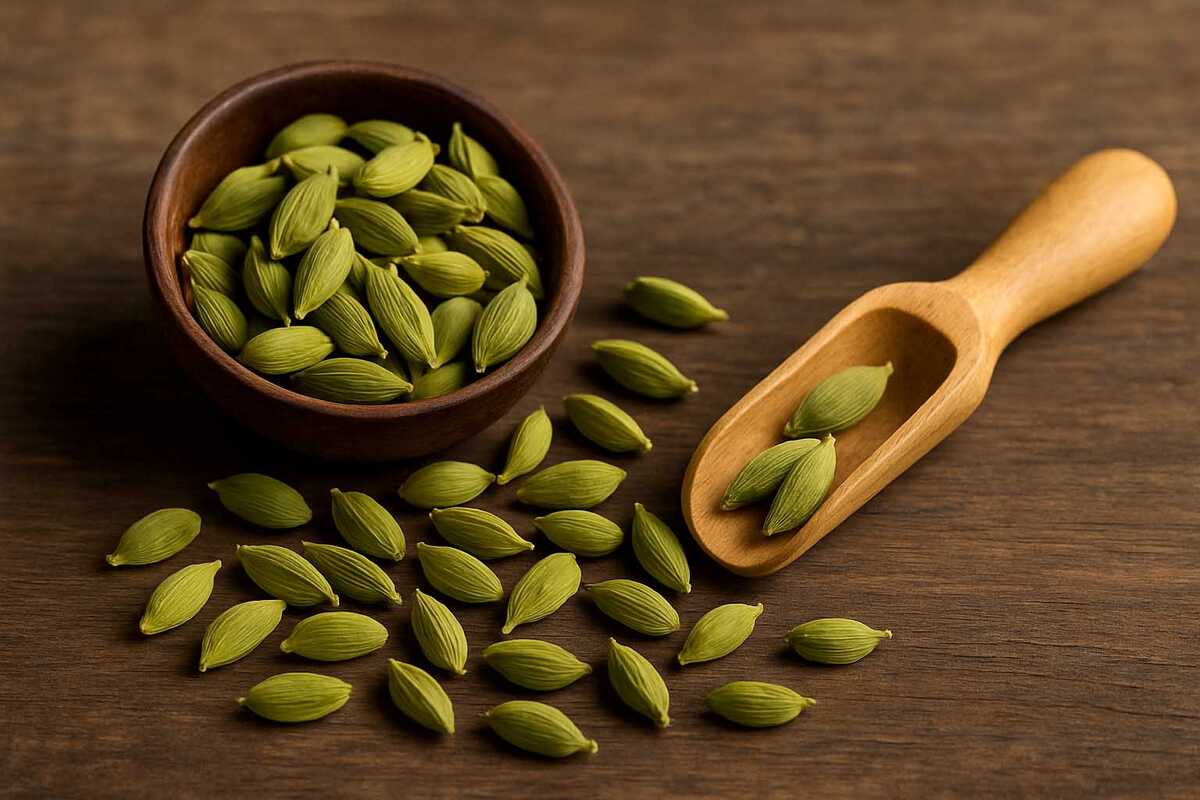
Can the Health Benefits of Cardamom Assist with Weight Management and Metabolism?
While not a magic bullet, integrating this potent spice into a diet focused on weight loss can offer supportive metabolic advantages.
Cardamom has thermogenic properties, meaning it can slightly increase the body’s core temperature, which, in turn, can help boost the metabolic rate. A faster metabolism means the body burns calories more efficiently, even at rest.
Furthermore, its role in improving digestion and reducing bloating, as discussed previously, contributes to a flatter, more comfortable feeling and better nutrient absorption, which is vital when restricting calories. It also contains trace amounts of essential nutrients and fiber.
The fiber, while not abundant, aids in promoting satiety (a feeling of fullness), which can help curb overeating and snacking between meals.
By helping the body process fats and sugars more efficiently and supporting overall gut health, the spice indirectly optimizes the environment for maintaining a healthy weight.
These systemic effects, from digestive support to metabolic stimulation, collectively represent the subtle yet valuable health benefits of cardamom for individuals pursuing weight management goals.
It’s a flavorful, low-calorie addition that can make healthy eating more enjoyable and effective without relying on artificial supplements or extreme measures.
What Role Do the Health Benefits of Cardamom Play in Detoxification and Kidney Function?
This spice has been traditionally recognized for its natural diuretic and detoxifying properties, playing a vital role in the body’s purification processes.
Cardamom works to promote healthy kidney function, which is the body’s primary filtering system for waste and toxins. By acting as a gentle diuretic, it encourages the production of urine, helping the kidneys flush out accumulated metabolic waste, excess salts, and other unwanted substances more efficiently.
This action is crucial not only for detoxification but also for maintaining a healthy fluid balance, which supports overall cellular function and prevents water retention.
Furthermore, its anti-inflammatory and antioxidant components offer protection to the delicate tissues of the kidney itself, guarding them against oxidative stress and damage that can impair function over time.
A cleaner, more efficient internal system is one of the subtle yet profound health benefits of cardamom, contributing to higher energy levels and better overall health.
By supporting the body’s natural detoxification pathways, the spice acts as a gentle cleanser from within, reinforcing the body’s innate ability to maintain internal homeostasis and purity.
How Does the Health Benefits of Cardamom Impact Stress and Mood Regulation?
Beyond its physical properties, this warming spice offers notable mental and emotional advantages, often used in aromatherapy for its calming effects.
Cardamom contains aromatic compounds that have a documented ability to influence the central nervous system. The simple act of inhaling its complex, sweet, and spicy aroma can have an immediate, uplifting effect, reducing feelings of stress, anxiety, and mild depression.
This is often attributed to its ability to modulate neurotransmitters, providing a gentle stimulant effect without the jitters associated with caffeine. In traditional practices, it has been used to alleviate fatigue and promote mental clarity.
The scent is believed to have a grounding quality, helping to anchor the mind and reduce the mental fog that often accompanies stress and exhaustion. Incorporating the spice into warm beverages like tea or simply using its essential oil in a diffuser can create an environment of tranquility and focus.
This dual capacity to soothe the body while simultaneously lifting the spirit establishes mood enhancement as one of the enjoyable and accessible health benefits of cardamom, proving that spices can nourish the mind as well as the body.
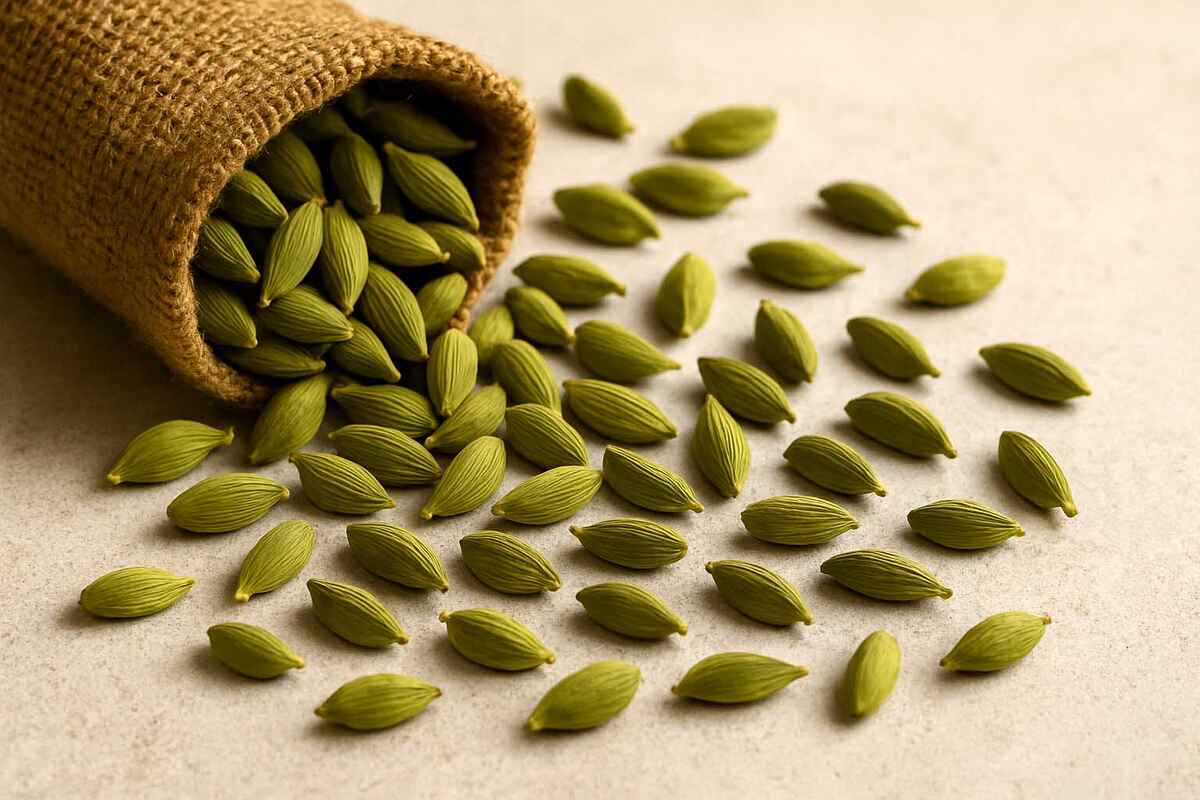
Are the Health Benefits of Cardamom Important for Maintaining Blood Sugar Control?
Preliminary research suggests that this aromatic spice may hold promise as a natural adjunct to managing healthy glucose levels.
Cardamom contains manganese, a trace mineral that plays a crucial, though not fully understood, role in the metabolism of carbohydrates and fats, potentially influencing insulin secretion and action.
Furthermore, its rich antioxidant profile contributes to better blood sugar control by fighting the chronic, low-grade inflammation that is often a hallmark of insulin resistance.
By reducing inflammation, the spice may help improve the sensitivity of cells to insulin, allowing glucose to be transported more effectively from the bloodstream into cells for energy.
While it should never replace prescribed medication, incorporating the spice into the diet may contribute to a more stable glycemic response following meals.
This supportive role in metabolic health, specifically concerning glucose management, adds another layer to the extensive health benefits of cardamom.
For individuals looking to maintain balanced energy levels and support long-term metabolic function, integrating this potent spice is a simple and flavorful dietary choice.
Can this Aromatic Spice Offer Natural Anti-Inflammatory Relief?
The powerful components found within this spice are renowned for their ability to soothe inflammation throughout the body.
Cardamom is exceptionally rich in phytochemicals—natural compounds that exhibit strong anti-inflammatory properties by inhibiting key enzymes and signaling molecules involved in the inflammatory cascade.
Chronic inflammation is a fundamental process underlying a vast array of modern diseases, including arthritis, heart disease, and metabolic syndrome. By helping to temper the body’s inflammatory response, the spice provides a systemic calming effect.
For individuals experiencing discomfort from joint pain or muscle soreness, its regular consumption may offer a natural and gentle alternative to synthetic anti-inflammatory agents.
This essential oil and active compound profile helps to reduce swelling and redness at a cellular level, contributing to overall tissue health and faster recovery from physical stress.
The ability of the spice to act as a broad-spectrum anti-inflammatory agent underscores its holistic value as a superfood, making it far more than just a seasoning. Its natural soothing action is one of its most valuable contributions to long-term vitality.
Is The Consumption of the Spice Linked to Improved Sexual Health?
Throughout history, this exotic spice has been regarded in various cultures as a natural aphrodisiac, and modern understanding points to mechanisms that support reproductive well-being.
Cardamom is known for its ability to improve blood circulation throughout the body, including to the reproductive organs. Better blood flow is a fundamental requirement for both male and female sexual response and overall vitality.
Furthermore, the spice’s detoxifying properties, as mentioned earlier, help to purify the system, which can contribute to higher energy levels and better hormonal balance—key factors in maintaining a healthy libido.
Its warm, stimulating aroma also plays a psychological role, often used in ancient formulations to reduce stress and anxiety, which are major inhibitors of sexual desire and function.
The overall effect of this spice is one of vitality and enhanced systemic function, indirectly benefiting sexual health by improving energy, circulation, and mood.
While more research is always ongoing, the traditional use and the known physiological effects provide a compelling case for its supportive role in this intimate area of health.
How Does This Queen of Spices Contribute to Antioxidant Power?
The unparalleled concentration of antioxidants is what truly elevates this spice from a simple seasoning to a powerful superfood.
Cardamom possesses an exceptionally high ORAC (Oxygen Radical Absorbance Capacity) score, indicating its tremendous power to neutralize free radicals, which are a major source of cellular decay.
It contains a complex matrix of beneficial compounds, including a variety of polyphenols, flavonoids, and essential oils that work in concert. These compounds don’t just act individually; their synergistic action provides a broad spectrum of protection against oxidative stress across multiple organ systems.
This robust defense mechanism is crucial for protecting against environmental pollutants and the metabolic byproducts of daily life, effectively slowing down the aging process at a cellular level.
Consistent dietary inclusion ensures a steady supply of these protective molecules, helping to maintain the integrity of cell membranes and DNA.
This foundational role in internal defense against oxidative damage is arguably the most critical of its systemic advantages, supporting everything from cognitive function to skin health by ensuring cells operate optimally.
Who Should Exercise Caution When Consuming Cardamom?
While cardamom is generally considered safe for most people when consumed in typical food amounts, certain individuals should exercise caution or consult a healthcare professional before consuming large, therapeutic doses, such as those found in supplements or concentrated extracts.
The primary group that needs to be mindful is anyone with a history of gallstones. The spice can stimulate the secretion of bile, and in individuals with pre-existing gallstones, this stimulating effect could potentially trigger gallbladder colic, a painful condition caused by stones moving into the bile duct.
Therefore, if you’ve been diagnosed with gallstones or have had gallbladder issues, it’s best to discuss your intake with a doctor. Another group to be cautious of is people taking certain medications.
Due to its potential effect on liver enzymes, high doses of cardamom might interact with blood-thinning medications (anticoagulants), antiplatelet drugs, or drugs metabolized by the liver, potentially altering their effectiveness.
Finally, though rare, some individuals may experience allergic reactions to the spice, manifesting as skin rashes, difficulty breathing, or swelling. If you have known allergies to other spices, introduce cardamom cautiously.
For pregnant and breastfeeding women, while culinary amounts are fine, the safety of large medicinal doses has not been extensively studied, so it’s wise to limit intake to standard cooking quantities.
Always prioritize safety and professional medical advice when considering any significant change to your diet or supplement regimen.
Conclusion
From soothing a troubled tummy to safeguarding your cellular health, it’s clear that cardamom is far more than just a delightful culinary ingredient—it’s a multifaceted powerhouse of natural medicine.
We’ve explored the twelve profound ways this “Queen of Spices” supports your body, highlighting its significant roles as a potent antioxidant defender, a natural aid for digestion, a crucial supporter of cardiovascular and respiratory health, and even a gentle promoter of mental well-being.
By offering relief from inflammation, assisting in blood pressure and sugar management, and contributing to detoxification, the health benefits of cardamom are truly comprehensive.
Making this small, fragrant seed a regular part of your diet—whether sprinkled into your morning coffee, infused in a tea, or incorporated into savory dishes—is an easy and delicious way to invest in your long-term wellness.
So go ahead, embrace the warmth and therapeutic power of this ancient spice and let it spice up your journey to better health.
FAQ
Cardamom is a spice made from the seed pods of various plants in the ginger family (Zingiberaceae). It is native to the Indian subcontinent and Indonesia. There are two main types: green cardamom (Elettaria cardamomum), which is the most common and valued variety, and black cardamom (Amomum subulatum), which has a smokier flavor. It’s often called the “Queen of Spices” due to its rich aroma and high value.
Yes, there are slight differences. Green cardamom is generally considered to have a stronger therapeutic profile for digestion, fighting bad breath, and general antioxidant support. Black cardamom is traditionally favored in some practices for respiratory issues and detoxification due to its more pungent, smoky flavor and specific essential oil composition, though both types offer significant anti-inflammatory benefits.
To maximize the health benefits of cardamom, you can consume it in several ways. The most common methods include adding the ground spice or whole pods to teas (like chai), coffee, and smoothies. For digestive benefits, chewing on a few whole seeds after a meal is highly effective. You can also use the essential oil in aromatherapy or diluted on the skin.
While cardamom is not a miracle weight-loss cure, it can support weight management. Its thermogenic properties may slightly boost metabolism, and its fiber content can help promote feelings of fullness (satiety). Crucially, it supports a healthy digestive system, which is key to efficient nutrient absorption and reduced bloating, indirectly aiding in maintaining a healthy weight.
Yes, consuming cardamom in typical culinary amounts (such as a pinch of ground spice or a few pods a day) is generally very safe and encouraged for most healthy adults. For those considering taking it in large, therapeutic doses (like supplements), it is always best to consult with a healthcare provider, especially if you have pre-existing medical conditions.
Absolutely. One of the most famous traditional uses of cardamom is as a natural breath freshener. The potent volatile oils, especially cineole, are highly antimicrobial. They effectively kill the bacteria in the mouth that cause halitosis (bad breath), addressing the root cause rather than just masking the odor.
For most people, side effects are rare when consuming culinary amounts. However, high doses of cardamom may potentially interact with certain medications, particularly blood thinners or those processed by the liver. Individuals with gallstones should also be cautious, as the spice may stimulate bile secretion, which could potentially cause pain or an attack.
Yes, cardamom is a source of important nutrients, particularly the mineral manganese, which is essential for enzyme activation, metabolism, and bone formation. It also contains good amounts of potassium, which is vital for maintaining healthy blood pressure and fluid balance, contributing significantly to the overall health benefits of cardamom.
To maintain its powerful aroma and therapeutic properties, store whole cardamom pods in an airtight container in a cool, dark place, away from heat and direct sunlight. Whole pods will retain their flavor much longer (up to a year) than pre-ground cardamom, which should be used within a few months for optimal potency.
Emerging research indicates that cardamom can be beneficial for managing blood pressure. This effect is partly attributed to its high potassium content, which helps balance sodium levels, and its diuretic properties, which help excrete excess fluid. Its antioxidant action also supports healthy blood vessel function, reinforcing the systemic health benefits of cardamom.

Author: Horeca Health
Horeca Health
DISCLAIMER
All content provided on this website is for informational purposes only and should not be considered a substitute for professional advice, diagnosis, or treatment. Always consult qualified healthcare professionals regarding any questions or concerns you may have about your health or any medical condition.




















Leave a Reply