Tooth Sensitivity: Introduction
Tooth Sensitivity: Do you ever experience a sharp, fleeting pain in your teeth when you sip on an ice-cold drink or enjoy a hot cup of coffee? You’re not alone.
This sudden jolt of discomfort is known as tooth sensitivity, a common dental issue that affects millions of people worldwide. While it can be a minor annoyance for some, for others, it can be a persistent and painful problem that makes everyday activities like eating and drinking a challenge.
But what exactly causes this discomfort, and more importantly, how can you find relief? In this comprehensive guide, we’ll dive deep into the most common causes of tooth sensitivity and explore effective treatments to help you get back to enjoying your favorite foods and drinks without the fear of pain.
From simple lifestyle changes to professional dental solutions, we’ll cover everything you need to know to take control of your dental health.
Tooth Sensitivity: What Are the Most Common Causes of Tooth Sensitivity?
Tooth sensitivity is a widespread dental issue characterized by a sharp, fleeting pain when your teeth are exposed to certain triggers. The most common cause is the wearing away of tooth enamel, the protective outer layer of your teeth.
Enamel can erode over time due to acidic foods and drinks, aggressive brushing with a hard-and-bristle toothbrush, or teeth grinding (bruxism). When the enamel is gone, it exposes the dentin, a softer layer with microscopic tubules leading to the tooth’s nerve center.
These tubules act as a direct pathway for external stimuli like hot, cold, sweet, or acidic substances to reach the nerve, causing that characteristic jolt of pain. Another frequent cause is gum recession.
This happens when the gums pull back from the teeth, exposing the root surface which is not protected by enamel. The exposed roots are more vulnerable and contain thousands of tiny tubules that lead to the nerve, making them highly susceptible to stimuli.
Dental issues like cracked teeth, chipped fillings, and cavities can also lead to tooth sensitivity, as they expose the delicate inner parts of the tooth to the outside world.
Sometimes, even professional dental procedures like teeth whitening can temporarily increase the vulnerability of your teeth, a temporary side effect that usually fades within a day or two. Understanding these underlying issues is the first step in addressing the discomfort of sensitive teeth.
Tooth Sensitivity: Why Do My Teeth Hurt When I Eat Hot or Cold Foods?
Tooth sensitivity often manifests as a sharp, sudden pain triggered by hot or cold temperatures. This reaction is a direct result of exposed dentin. Think of your tooth as a tiny, intricate system.
The outer layer, enamel, acts as a sturdy shield, protecting the nerves. When this shield is compromised, either by erosion, cracks, or gum recession, the underlying dentin becomes exposed. Dentin is porous and contains thousands of microscopic tubules, each filled with fluid.
These tubules lead straight to the pulp, where the tooth’s nerve resides. When you consume something hot or cold, the temperature change causes the fluid within these tubules to move. This movement stimulates the nerve endings in the pulp, which sends a pain signal to your brain.
This is why you feel that quick, intense jolt. For example, sipping on an ice-cold drink or biting into a hot piece of pizza can cause this reaction. The pain is usually sharp and short-lived, subsiding once the stimulus is removed.
This type of discomfort is a clear sign that your protective layers are not functioning as they should. Experiencing pain with temperature changes is a classic symptom of sensitive teeth and a strong indicator that you should consult a dentist to pinpoint the exact cause and find a suitable solution.
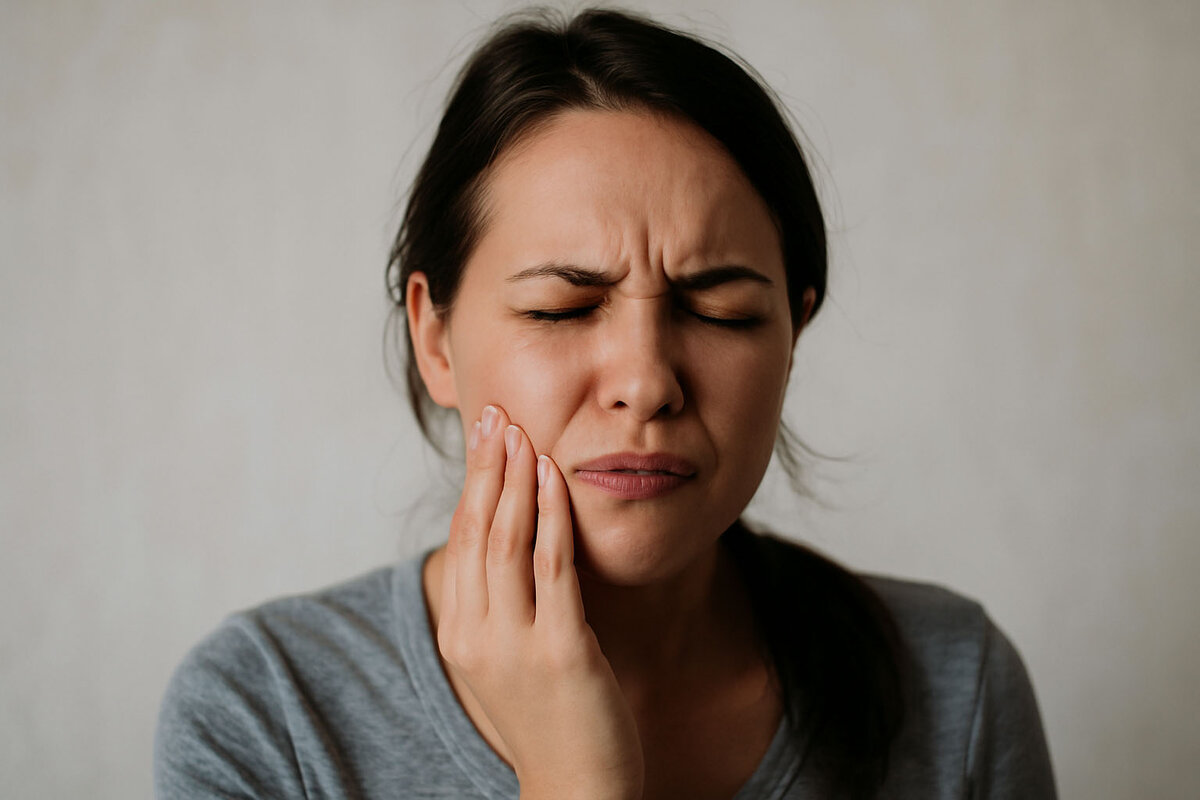
Tooth Sensitivity: How Can Brushing Too Hard Lead to Sensitive Teeth?
Tooth sensitivity can be a direct consequence of an overly aggressive brushing technique. Many people believe that the harder they scrub, the cleaner their teeth will be, but this is a common misconception that can lead to significant dental problems.
Brushing with a hard-bristle toothbrush or applying too much pressure can wear away the tooth enamel over time. Enamel, while incredibly hard, is not indestructible. The abrasive action of vigorous brushing gradually erodes this protective layer, exposing the underlying dentin.
The dentin layer is much softer and contains thousands of tiny channels called tubules that lead to the tooth’s nerve. Once the dentin is exposed, these tubules allow external stimuli—like cold air, sugary drinks, or acidic foods—to reach the nerve, causing a sharp, often painful sensation.
Beyond enamel erosion, aggressive brushing can also cause gum recession. This is where the gum tissue pulls back from the teeth, exposing the root surface. The roots are not protected by enamel and are particularly vulnerable to stimulation, making this a major source of discomfort.
To prevent this, it’s essential to use a soft-bristle toothbrush and use a gentle, circular motion. Think of it as massaging your teeth and gums rather than scrubbing them.
Adopting a proper, gentle technique is one of the most effective ways to prevent enamel loss and manage the discomfort associated with sensitive teeth.
Tooth Sensitivity: What Role Do Acidic Foods and Drinks Play in Tooth Sensitivity?
Tooth sensitivity can be significantly exacerbated by a diet high in acidic foods and drinks. The enamel on your teeth is the hardest substance in the human body, but it is highly susceptible to acid erosion.
When you consume things like soda, citrus fruits, sports drinks, wine, or vinegar-based dressings, the acids in these items demineralize the enamel, stripping it of its essential minerals. Over time, this constant acidic assault thins the enamel layer, making your teeth more vulnerable.
The weakened enamel can no longer effectively protect the underlying dentin. Dentin contains thousands of tiny tubules that lead directly to the tooth’s nerve.
When this protective layer is compromised, these tubules become an open pathway for hot, cold, sweet, or sour stimuli to reach the nerve, triggering a sharp, painful sensation. It’s important to note that the damage isn’t just from consuming these items; it’s also about how you consume them.
Swishing acidic drinks in your mouth or holding them there for a long time prolongs the exposure. To mitigate the effects, dentists often recommend rinsing your mouth with water after consuming acidic foods or drinks and waiting at least 30 minutes before brushing.
This allows your saliva to naturally neutralize the acid and re-harden the enamel. Recognizing the link between your diet and your dental health is crucial for managing the discomfort of sensitive teeth.
Tooth Sensitivity: Can Gum Recession Be a Cause of Tooth Sensitivity?
Tooth sensitivity is frequently linked to gum recession, a condition where the gum tissue pulls back, or “recedes,” from the teeth. The gums are meant to cover and protect the roots of your teeth.
Unlike the crowns of your teeth, which are covered with a tough layer of enamel, the roots are covered by a softer material called cementum. When the gums recede, they expose this root surface.
Cementum is much less durable than enamel and contains thousands of tiny tubules that lead directly to the tooth’s nerve. These tubules are highly sensitive to external stimuli.
When you expose the root surfaces to triggers like cold air, sugary foods, or acidic beverages, the fluid inside the tubules moves, stimulating the nerve and causing a sharp, intense jolt of pain.
Gum recession can be caused by a variety of factors, including aggressive brushing, periodontal (gum) disease, genetic predisposition, and even teeth grinding. The exposed root is not only the source of discomfort but also more susceptible to decay.
The pain can be particularly bothersome when eating or drinking. If you notice your teeth appear longer than they used to, or if you feel a sharp pain near the gum line, it’s a good idea to consult your dentist.
They can determine if gum recession is the culprit and suggest appropriate treatments to address the issue. Recognizing gum recession as a potential cause is key to effectively managing sensitive teeth.
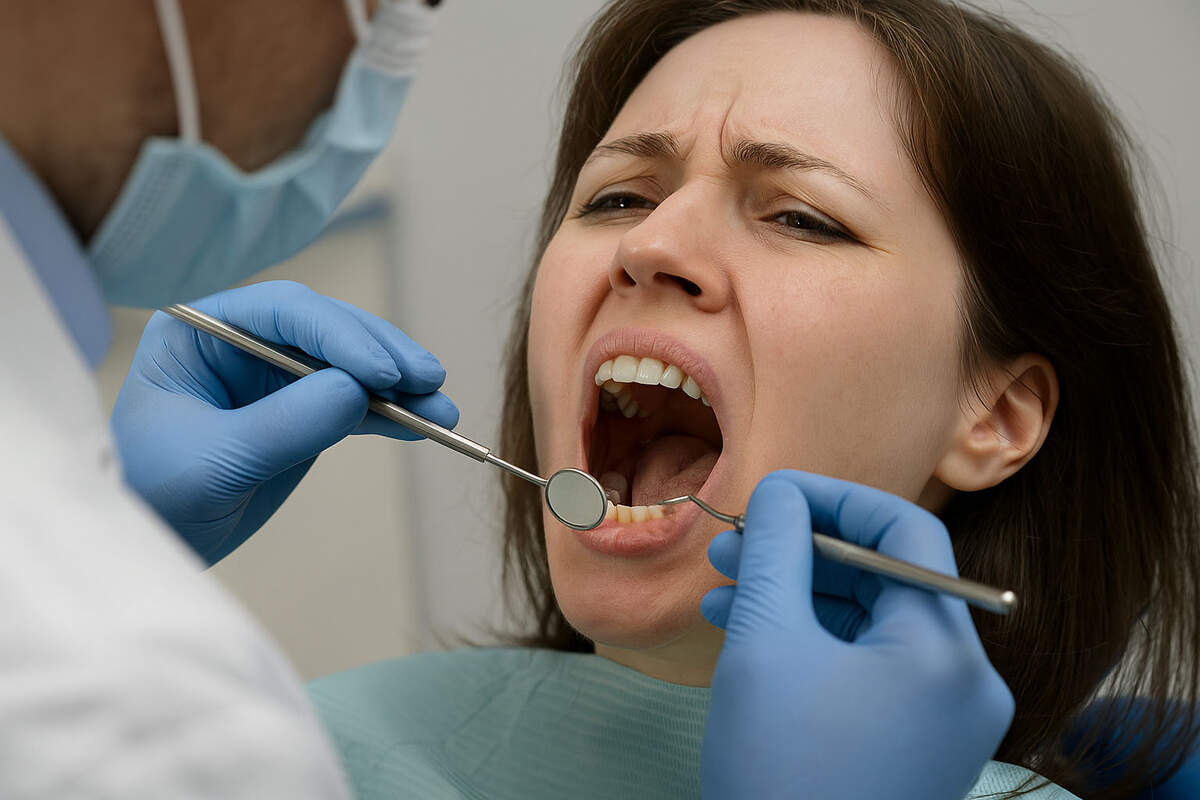
Tooth Sensitivity: How Can Teeth Grinding (Bruxism) Lead to Tooth Pain?
Tooth sensitivity is a common symptom of bruxism, which is the involuntary grinding or clenching of your teeth. Many people do this unconsciously, especially while they sleep.
The intense force and pressure exerted on the teeth during bruxism can cause significant wear and tear. Over time, this constant friction can wear down the enamel, the protective outer layer of the teeth.
As the enamel erodes, it exposes the underlying dentin, which contains microscopic tubules that lead to the tooth’s nerve. When these tubules are exposed, external stimuli like hot and cold temperatures, as well as pressure, can easily reach the nerve, causing a sharp, painful sensation.
The grinding motion can also cause small fractures or hairline cracks in the teeth. These micro-cracks can expose the inner pulp of the tooth, where the nerves are located, making them highly vulnerable to discomfort.
The constant pressure can also contribute to gum recession, as the force can weaken the gum tissue and cause it to pull away from the teeth, exposing the sensitive root surfaces.
If you wake up with a sore jaw, a headache, or notice that your teeth are worn down, bruxism may be the underlying cause of your sensitive teeth. Your dentist can recommend solutions like a custom-made mouthguard to protect your teeth while you sleep and alleviate the discomfort.
Tooth Sensitivity: Is Tooth Whitening a Cause of Tooth Sensitivity?
Tooth sensitivity is a well-documented and often temporary side effect of professional teeth whitening treatments. The products used in these procedures, such as hydrogen peroxide or carbamide peroxide, penetrate the enamel and break down the stains.
As these bleaching agents reach the dentin, they can cause temporary inflammation of the pulp, the soft tissue inside the tooth where the nerve resides. This inflammation makes the nerve more reactive to external stimuli like temperature changes, leading to a temporary sensation of discomfort.
This type of sensitivity typically starts during or shortly after the treatment and usually subsides within a day or two. The good news is that this is not a sign of permanent damage.
To minimize discomfort, your dentist may recommend using a desensitizing toothpaste a few weeks before your whitening appointment and avoiding very hot or cold foods and drinks immediately after the procedure.
They might also apply a fluoride varnish or other desensitizing agents to help seal the tubules and reduce the nerve’s reaction. While it can be an inconvenient side effect, it’s generally short-lived and manageable.
If you have concerns about the potential for discomfort, it’s important to discuss them with your dental professional before starting any treatment.
Understanding this temporary reaction can help you manage the sensation and achieve the brighter smile you desire. Many people find the results of a whiter smile outweigh the temporary discomfort of sensitive teeth.
Tooth Sensitivity: How Can a Cracked Tooth or Filling Cause Tooth Sensitivity?
Tooth sensitivity can be a significant indicator of a cracked tooth or a compromised filling. While these issues may not always be visible, they create a direct pathway for external stimuli to reach the tooth’s nerve.
A crack in a tooth, even a tiny one, can extend from the chewing surface down toward the root. When you bite down, the pressure causes the crack to flex, stimulating the pulp and causing a sharp, often intense jolt of pain. The pain is usually fleeting, occurring only when pressure is applied or released.
Furthermore, cracks and loose or leaky fillings can allow bacteria, food debris, and temperature changes to penetrate the inner layers of the tooth, which are normally protected. This exposure irritates the nerve, leading to persistent or intermittent discomfort.
The sensitivity from a cracked tooth can be particularly tricky to pinpoint because the pain may come and go, and it might not be a consistent ache. A loose or old filling can also be a source of discomfort.
Over time, fillings can wear down, crack, or pull away from the tooth, creating a gap where bacteria can enter and cause decay or where stimuli can reach the sensitive dentin or pulp. If you experience a sharp pain when biting down or notice sensitivity in a specific area, it is crucial to consult your dentist.
Early detection and treatment can prevent the issue from worsening and help you get relief from the pain. Don’t ignore the signs of sensitive teeth, as they could be signaling a more serious underlying problem.
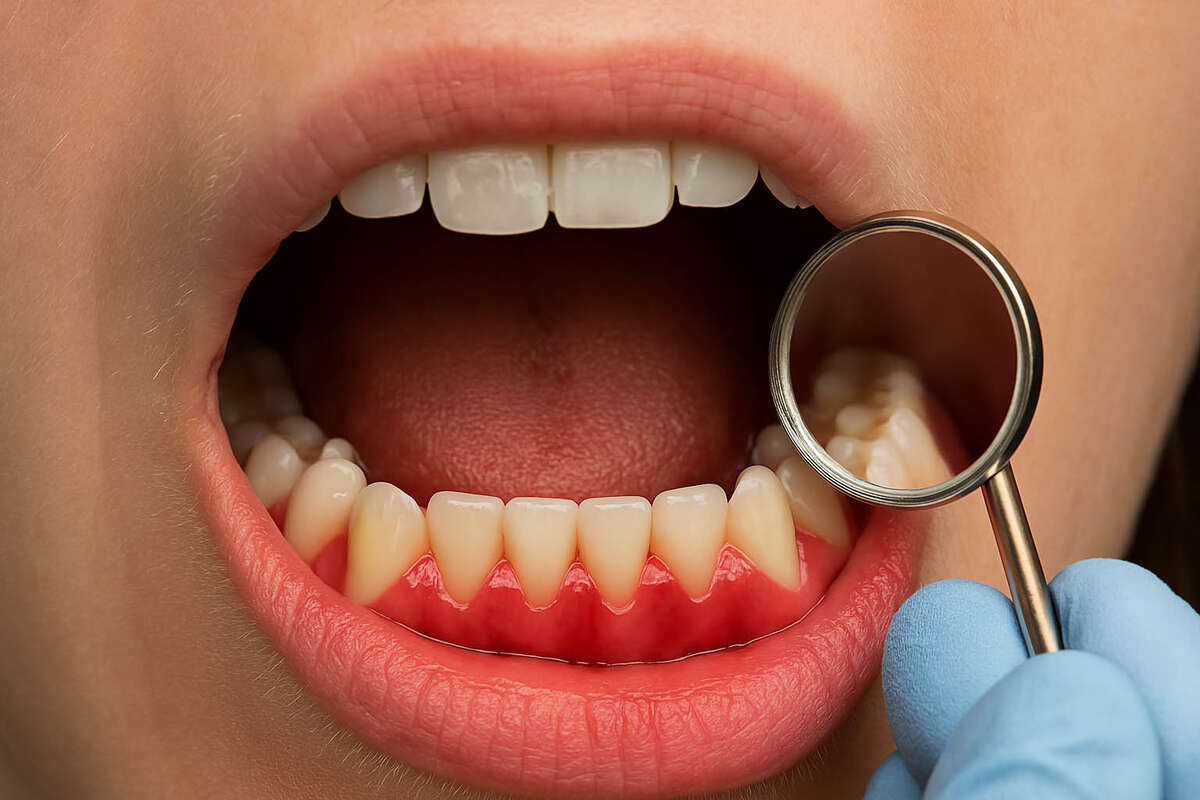
Tooth Sensitivity: Why Do Cavities Cause Tooth Sensitivity?
Tooth sensitivity is one of the most common and earliest symptoms of a developing cavity. A cavity, or dental caries, is an area of tooth decay that creates a hole in the tooth’s surface.
This process begins when plaque, a sticky film of bacteria, produces acids that eat away at the tooth’s protective enamel. Over time, as the decay progresses, it erodes the enamel and exposes the underlying dentin. Dentin is a softer, more porous layer that contains thousands of microscopic tubules.
These tubules are filled with fluid and lead directly to the tooth’s pulp, where the nerve is located. When the enamel is breached by a cavity, hot, cold, sweet, or sour foods and drinks can easily enter these tubules and stimulate the nerve, causing a sharp, often painful reaction.
The pain from a cavity-related sensitivity can be more persistent and intense than the general sensitivity caused by worn enamel or gum recession. It may linger even after the stimulus is removed.
The pain can also indicate that the decay has reached a deeper level and is closer to the nerve. If left untreated, a cavity can continue to grow, leading to more severe pain, infection, or even tooth loss.
Regular dental check-ups are vital for catching cavities in their early stages before they cause significant discomfort.
A dentist can fill the cavity, which will seal the exposed dentin and eliminate the source of the sensitivity. Addressing the root cause of the discomfort is the only way to get lasting relief from sensitive teeth.
What Are the Best Desensitizing Toothpastes to Use for Sensitive Teeth?
Tooth sensitivity can often be managed effectively with desensitizing toothpastes, a common over-the-counter solution. These toothpastes are specifically formulated to block the tiny tubules in the dentin that lead to the tooth’s nerve.
They contain active ingredients that work to either numb the nerve or create a barrier over the exposed dentin. Two of the most common active ingredients are potassium nitrate and stannous fluoride.
Potassium nitrate works by desensitizing the nerve endings in the dentin, making them less reactive to pain triggers. It essentially calms the nerve down, so it doesn’t send a pain signal when stimulated.
Stannous fluoride, on the other hand, works by physically blocking the open tubules in the dentin. It forms a protective layer that prevents external stimuli like hot and cold from reaching the nerve.
For best results, it’s important to use the desensitizing toothpaste consistently, twice a day, and to not rinse immediately after brushing. You can also try applying a small amount directly to the most sensitive areas with your finger before bed.
Look for toothpastes that are recognized by major dental associations, as this indicates they have been proven effective. While these toothpastes can provide significant relief, it’s crucial to remember they treat the symptom, not the underlying cause.
If your discomfort persists, it’s important to see a dentist to determine the root cause of your sensitive teeth and receive a proper diagnosis and treatment plan.
Can a Dentist Help Treat My Tooth Discomfort?
Tooth sensitivity is a symptom that can have many different causes, and a dentist is the best person to diagnose and treat the underlying problem.
While desensitizing toothpastes can provide temporary relief, a dentist can offer a range of professional treatments that provide a more permanent solution.
If the sensitivity is caused by gum recession, a dentist might recommend a gum graft to cover the exposed root surfaces. For those with significant enamel wear, a dentist may apply a fluoride varnish, which strengthens the enamel and reduces the pain signals.
In cases where the sensitivity is due to a cavity or a cracked tooth, a dentist will likely recommend a filling, crown, or bonding to seal the exposed dentin and protect the tooth.
For severe or persistent sensitivity that doesn’t respond to other treatments, a root canal might be necessary to remove the inflamed pulp and nerve, effectively eliminating the pain.
A dentist can also identify and treat other issues like teeth grinding (bruxism) by fitting you with a custom night guard to protect your teeth while you sleep. The first step is a comprehensive dental exam to determine the precise cause of the discomfort.
Based on the findings, your dentist will create a personalized treatment plan to address the issue directly. They will guide you through the best course of action to get lasting relief from sensitive teeth.
What Lifestyle Changes Can Help Prevent Tooth Sensitivity?
Tooth sensitivity can often be prevented or significantly reduced by making some simple but effective lifestyle changes. One of the most important things you can do is to adopt a proper oral hygiene routine.
This includes using a soft-bristle toothbrush and applying a gentle, circular motion when you brush to avoid wearing down your enamel and causing gum recession. Avoiding aggressive brushing is a key step. Another crucial change is managing your diet.
Reducing your intake of highly acidic foods and drinks, such as soda, citrus juices, and energy drinks, can help protect your enamel from erosion. When you do consume them, it’s a good idea to use a straw to minimize contact with your teeth and to rinse your mouth with water afterward.
Waiting at least 30 minutes before brushing is also recommended, as brushing immediately after consuming acid can further damage softened enamel.
If you are prone to grinding or clenching your teeth, known as bruxism, a dentist can fit you with a custom mouthguard to protect your teeth, especially while you sleep. Finally, regular dental check-ups are essential.
Your dentist can spot early signs of wear and tear, gum disease, or cavities before they lead to significant discomfort. They can also offer preventive treatments like fluoride applications.
By taking these proactive steps, you can help maintain the integrity of your enamel and gums, significantly reducing the likelihood of experiencing discomfort. Proactive care is the best way to get ahead of the pain of sensitive teeth.
Conclusion
Hopefully, this guide has shed some light on the world of tooth sensitivity, showing you that while the discomfort is real, it’s also highly manageable.
Whether your sensitivity is caused by a simple issue like aggressive brushing or a more complex problem like a cracked tooth, the good news is that there are many effective solutions available.
From making small adjustments to your daily habits, such as switching to a soft-bristle toothbrush and using a desensitizing toothpaste, to seeking professional help for more serious underlying issues, taking action is the first step toward a pain-free smile.
Remember, your dentist is your best partner in this journey. By identifying the root cause of your discomfort, they can provide a personalized treatment plan that will not only alleviate your symptoms but also protect your long-term oral health.
Don’t let tooth sensitivity dictate what you can eat or drink—take control and get back to living life without the jolt.
FAQ
The main cause of tooth sensitivity is the loss of enamel, the protective outer layer of your teeth. When the enamel wears away, it exposes the underlying dentin, which has tiny tubules leading to the tooth’s nerve. This exposure allows external triggers like hot or cold temperatures to stimulate the nerve, causing pain
Yes, sensitive teeth can sometimes be a warning sign of an underlying dental issue. It could indicate a cracked tooth, a worn-out filling, gum disease, or a developing cavity. It’s always a good idea to see a dentist to rule out more serious causes.
Desensitizing toothpastes contain active ingredients like potassium nitrate or stannous fluoride. These ingredients either block the tiny tubules in the dentin or calm the nerve endings, reducing the pain signals. Consistent use is key for effective relief from tooth sensitivity.
In some cases, yes. By addressing the root cause, such as by changing your brushing technique, using desensitizing toothpaste, or getting a dental procedure like a filling or crown, you can significantly reduce or even eliminate the problem. For instance, a dentist can apply fluoride varnish to strengthen the enamel and reduce tooth sensitivity.
Temporary tooth sensitivity is a common side effect of professional teeth whitening. The bleaching agents can temporarily inflame the tooth’s pulp, making the nerves more reactive to temperature changes. This sensation usually fades within a day or two.
Absolutely. Acidic foods and drinks can erode tooth enamel over time, exposing the dentin. This process makes your teeth more vulnerable to pain. Limiting your intake of items like soda and citrus fruits can help prevent this kind of tooth sensitivity.
Prevention is all about protecting your enamel and gums. Use a soft-bristle toothbrush, avoid aggressive brushing, limit acidic foods, and see your dentist regularly. If you grind your teeth, a night guard can also help prevent enamel wear and subsequent tooth sensitivity.
When gums recede, they expose the root of the tooth, which is not protected by hard enamel. The exposed root is covered by a softer material called cementum, which contains thousands of tubules leading to the nerve. This makes the area highly susceptible to pain, a major cause of tooth sensitivity.
Yes. The intense force from grinding your teeth (bruxism) can wear down the enamel and even cause hairline cracks in the teeth. This damage exposes the dentin and nerves, leading to a significant increase in tooth sensitivity.
You should see a dentist if your tooth sensitivity is severe, persistent, or doesn’t improve with over-the-counter products. A dentist can accurately diagnose the cause and recommend a professional treatment, such as a filling, crown, or gum graft, to provide a lasting solution.

Author: Horeca Health
Horeca Health
DISCLAIMER
All content provided on this website is for informational purposes only and should not be considered a substitute for professional advice, diagnosis, or treatment. Always consult qualified healthcare professionals regarding any questions or concerns you may have about your health or any medical condition.




















Leave a Reply